We’re excited to introduce you to the always interesting and insightful Peiran Zhao. We hope you’ll enjoy our conversation with Peiran below.
Peiran, so good to have you with us today. We’ve got so much planned, so let’s jump right into it. We live in such a diverse world, and in many ways the world is getting better and more understanding but it’s far from perfect. There are so many times where folks find themselves in rooms or situations where they are the only ones that look like them – that might mean being the only woman of color in the room or the only person who grew up in a certain environment etc. Can you talk to us about how you’ve managed to thrive even in situations where you were the only one in the room?
In most of my work settings, I’ve often been the only Chinese woman in the room — visibly younger-looking, smaller in frame, and very different from the majority. At first, that difference felt like a barrier. For example, when I couldn’t understand students’ slang, I assumed it was my weakness. A colleague once told me, ‘Don’t worry, half the time we don’t know what the kids are saying either!’ That small moment taught me not to over-blame myself for being ‘different’ and instead to embrace the unique perspective I bring.
Looking more broadly, classrooms and workplaces today are already filled with people from many backgrounds. People are friendly and inclusive, and they don’t automatically see me as an outsider. That reminds me not to make things harder for myself by overthinking ‘difference’. When I work as a composer or sound designer with theaters or film teams, I focus on what really matters: collaborating and producing the best work together, and that’s where I find belonging.
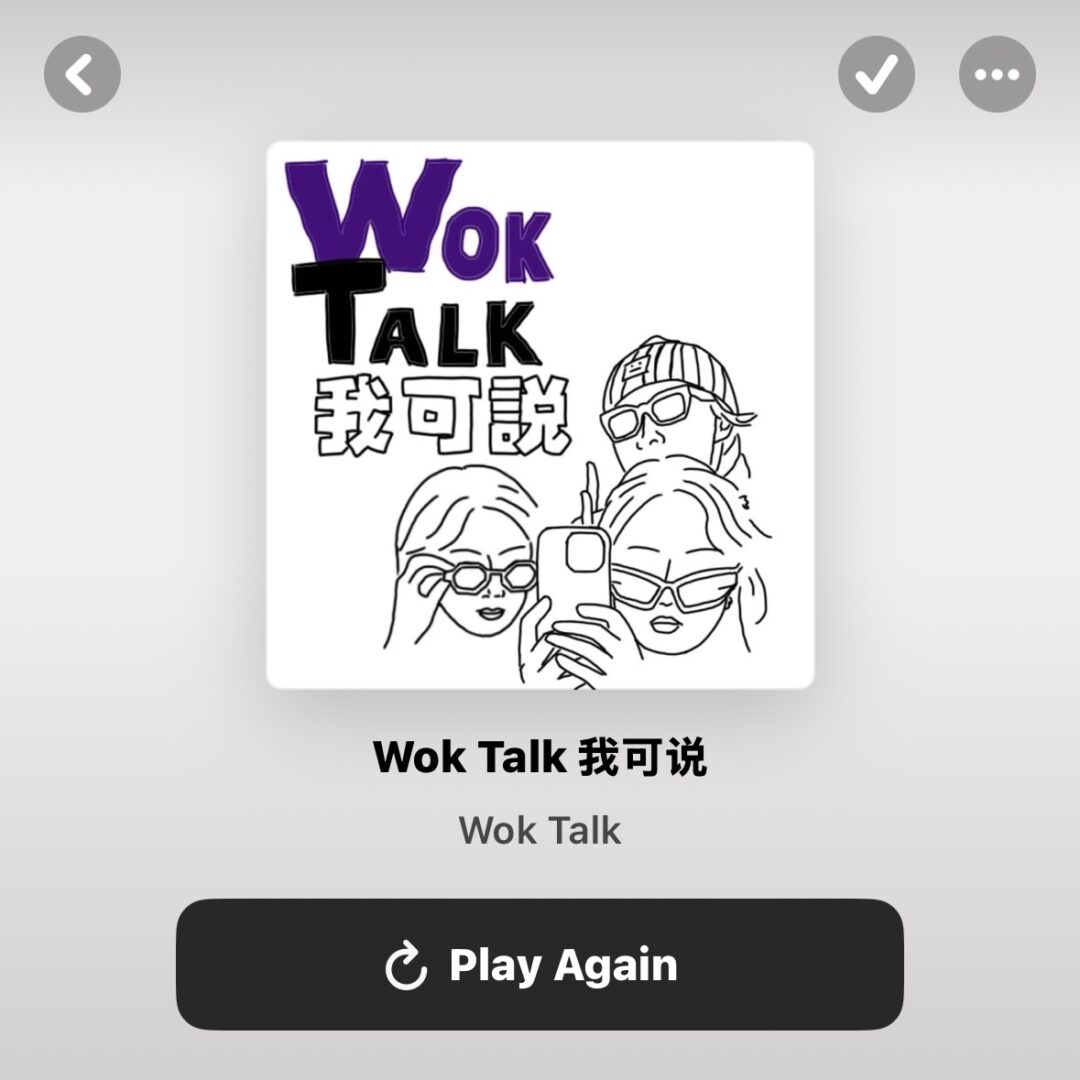
At the same time, our podcast Wok Talk began by interviewing Asian restaurant owners in the U.S., using food as an entry point to talk about culture and identity. Over time, I realized I had also become part of that group: people who navigate between cultures, translating and bridging different experiences. Talking with people of all ages here has helped me see more clearly how culture shapes us, and it’s given me a wider lens to reflect on my own growth as well as others’.
Today, I’m proud to see myself not as an outsider, but as a citizen of the global village we all share.
Let’s take a small detour – maybe you can share a bit about yourself before we dive back into some of the other questions we had for you?
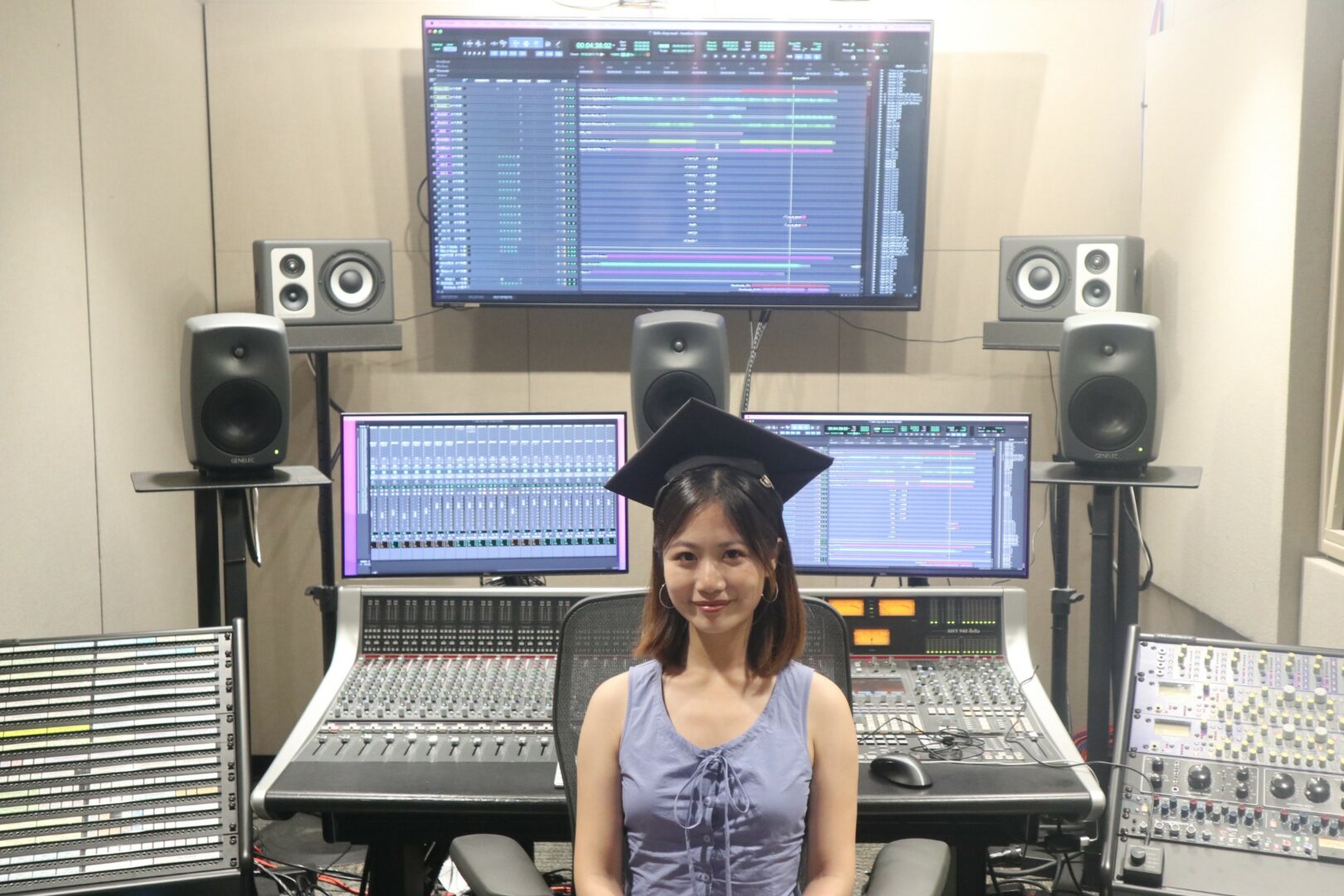
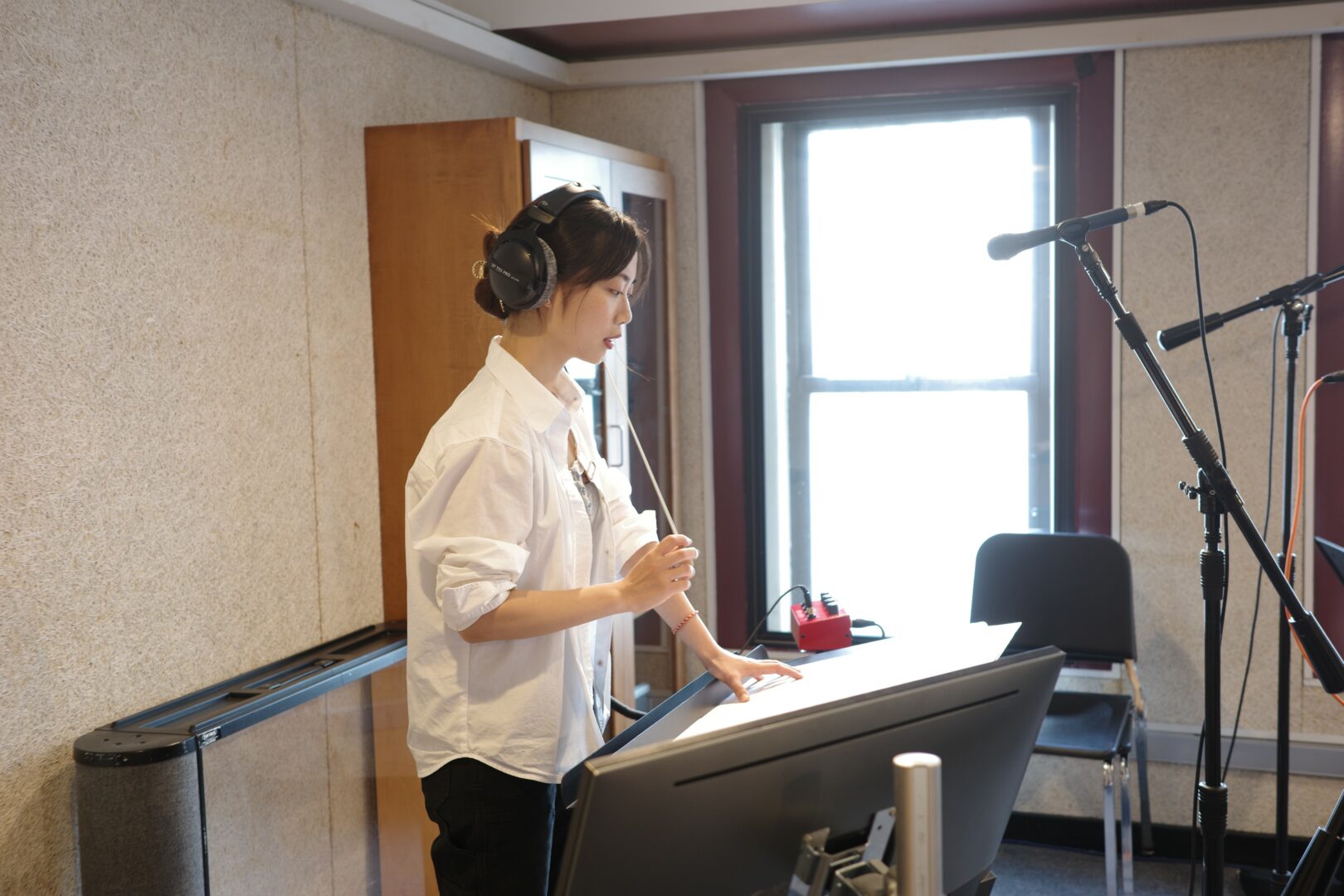
Professionally, I work across music and sound. As a composer and sound designer in multimedia, I get to help shape how stories are felt, not just seen. As a podcast host/producer on Wok Talk, I use food as a doorway into conversations about identity and culture. Through experiences in music coordination, I’ve seen how music can be placed differently across film, television, advertising, and live event settings, shaping how audiences connect with a story. And as an educator, I watch students discover their own creative voices, which is equally rewarding.
What excites me is that each of these roles connects people in different ways, whether it’s an audience in a theater, listeners of a podcast, or students in a classroom. They all remind me that creativity is not only about producing art, but also about building bridges between perspectives.
If you had to pick three qualities that are most important to develop, which three would you say matter most?
1. Musical foundation & multitasking through classical training
Growing up classically trained on the violin, I didn’t just play solo, I learned to collaborate in orchestras and quartets, to listen closely to others, and to balance my role within a larger whole. My teachers also trained me to sing internally while playing and to coordinate both hands with precision, which strengthened not only my ear (perfect pitch) but also my ability to multitask and think musically and logically at the same time.
2. Problem-solving & reframing through teaching
As a teacher, when students struggle with a passage or concept, I’ve learned to ask why they can’t achieve it, and to quickly diagnose the missing link. This translates broadly into my professional work as the ability to identify the root of a problem, reframe it clearly, and communicate solutions in ways others can understand and act on.
3. Openness & curiosity toward the world
I’ve always kept an open mind and a curiosity for different fields. Even when I’m working in a specific role, I stay connected with people and ideas across industries and cultures. For example, outside of music and media, I’ve been fascinated by product design, product research, and AI. I enjoy following how people interact with technology and how design choices shape our daily lives. Staying curious in this way helps me feel more connected to the world as a whole, and reminds me that my identity is always more than a single label.
Who has been most helpful in helping you overcome challenges or build and develop the essential skills, qualities or knowledge you needed to be successful?
The first person that came to mind has been my violin teacher. She always had a way of breaking down what seemed impossible into something manageable. With her, it felt like no technical challenge was truly unsolvable (Of course, that might be an exaggeration, but her approach shaped how I think).
For example, when facing a difficult passage, she would suggest that I deconstruct it into small, basic technical elements, down to the most tangible motions, like coordinating a bow change with a fingering shift. What looks intimidating as a whole is really just a collection of fundamentals stacked together. Once you work on those fragments, the larger piece naturally comes together. On the surface, it’s about attention to detail, but on a deeper level, it’s a methodology you can apply anywhere.
What influenced me just as much was her personality. She is never eager to be in the spotlight, and often laughs about how she wished she had “figured things out” earlier in her own journey. That humility and quiet strength taught me that you don’t need to be loud to be impactful, a lesson that has shaped how I approach music, and later, life as a whole.
In life, challenges can feel overwhelming if I treat them as one giant block. But if I dig deeper and break things down, I often gain a clearer sense of direction. And once those pieces are in place, I can see the bigger picture more easily. That way of thinking has stayed with me ever since.
Contact Info:
- Website: https://www.peiranzhao.com/
- Instagram: https://www.instagram.com/feifei_arppz/?hl=en
- Facebook: https://www.facebook.com/peiran.zhao.2025/?checkpoint_src=any
- Linkedin: https://www.linkedin.com/in/peiran-zhao-creative/
- Youtube: https://www.youtube.com/@peiranzhao9736
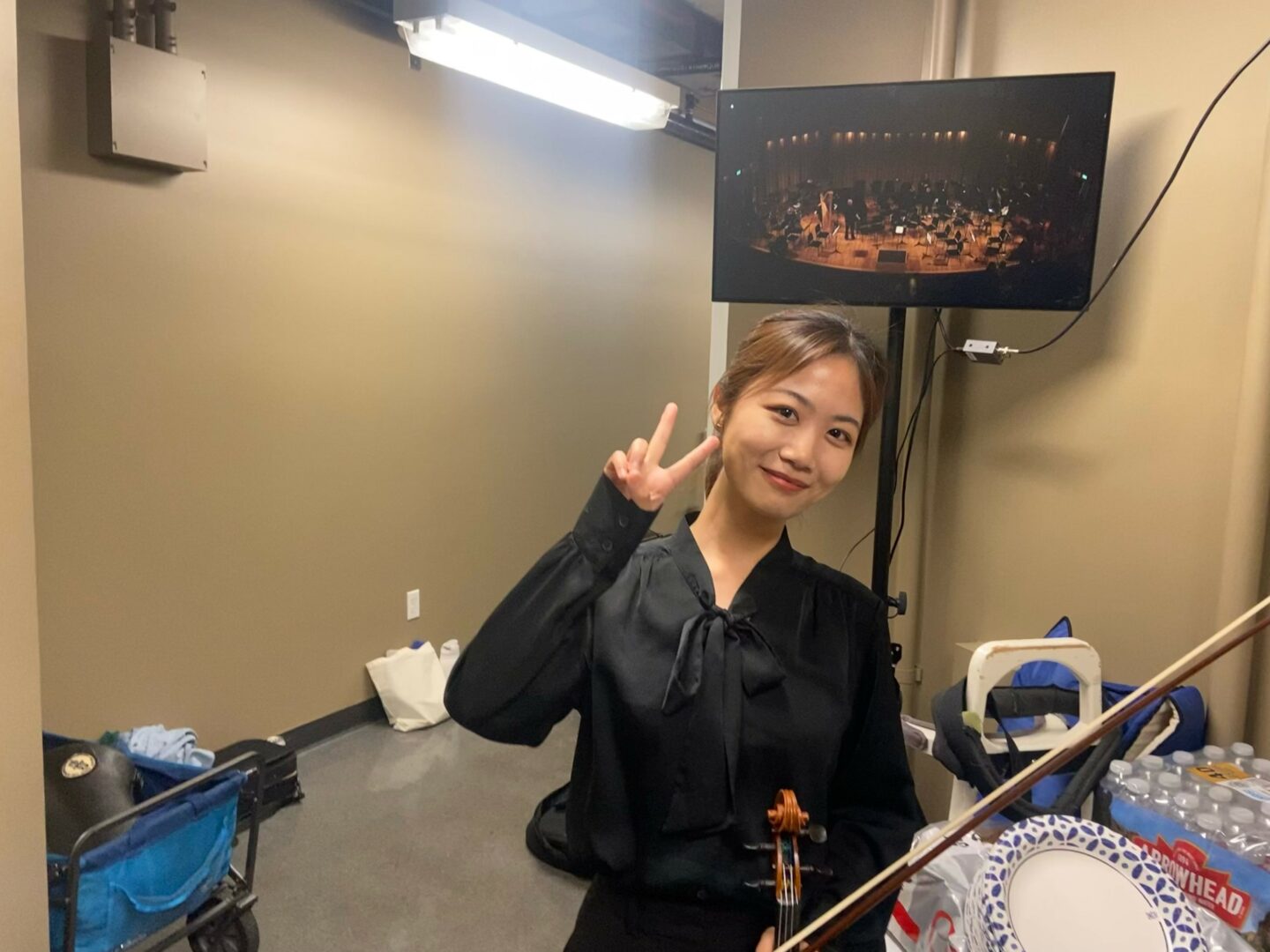
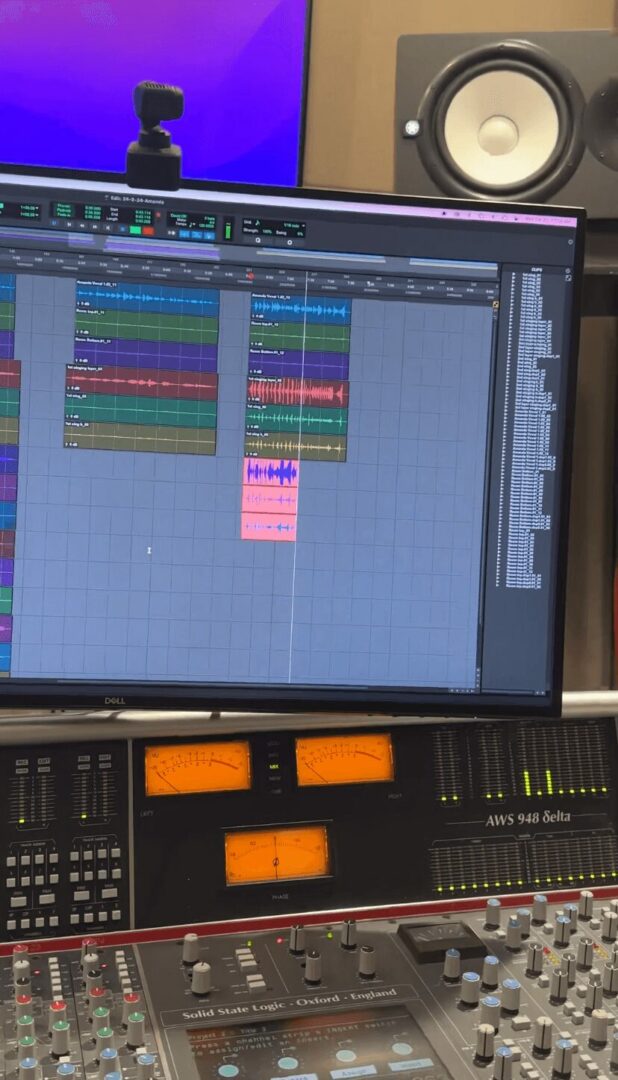
Image Credits
Jiaxiu Wu
Pixie Lu
so if you or someone you know deserves recognition please let us know here.