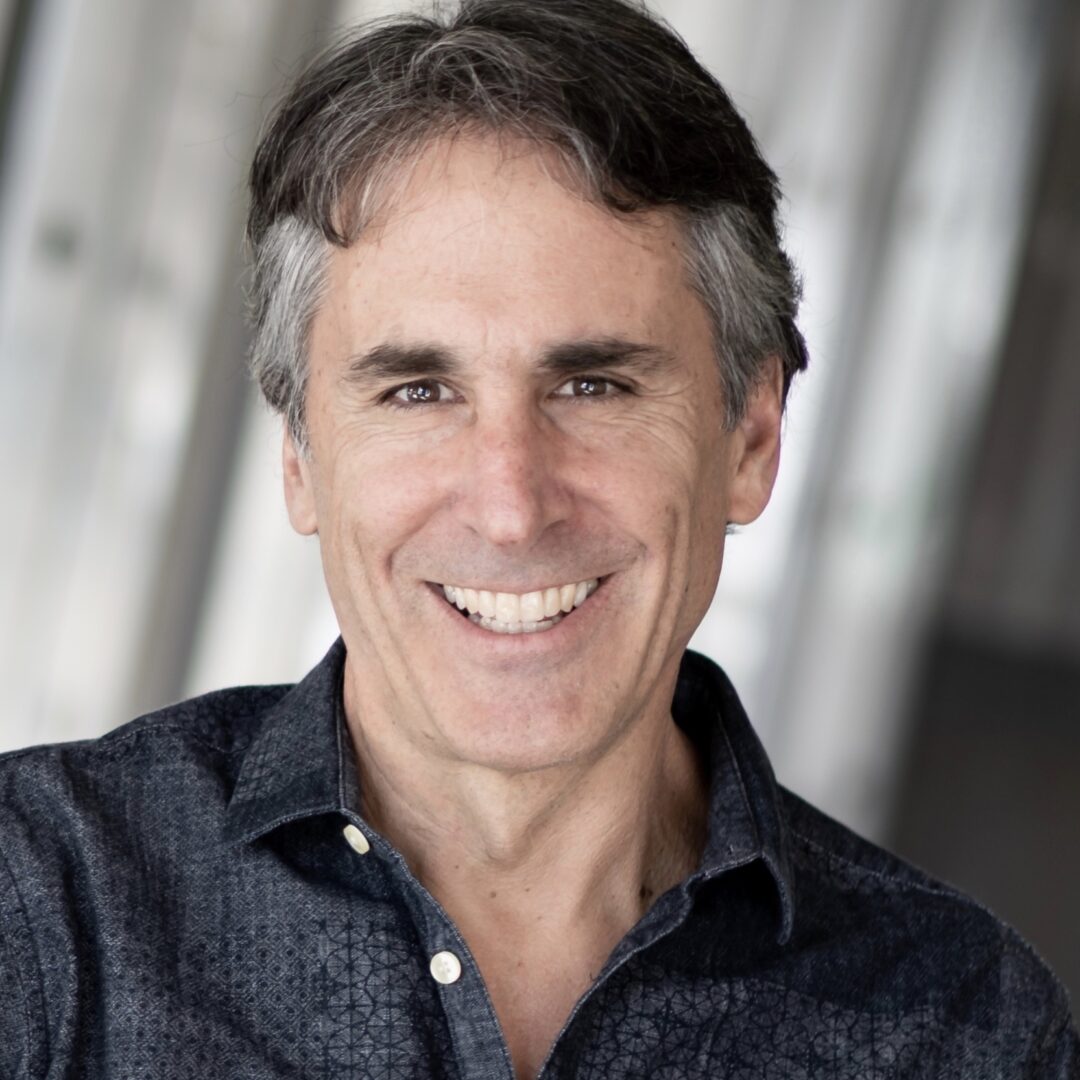
We recently connected with Peter Sterios and have shared our conversation below.
Peter, we’re thrilled to have you on our platform and we think there is so much folks can learn from you and your story. Something that matters deeply to us is living a life and leading a career filled with purpose and so let’s start by chatting about how you found your purpose.
My purpose didn’t arrive as a single lightning bolt, but rather through a series of “unfortunate events” that I now recognize as essential steps. For twenty years, I was a devoted apprentice to a master teacher, Shandor Remete. I was a “good soldier,” following instructions perfectly and looking for validation outside of myself. That chapter ended abruptly when Shandor told me, “Peter, there are two things in life you never want to be—a soldier or an apprentice.” He cut me loose, refusing to let me rely on him any longer.
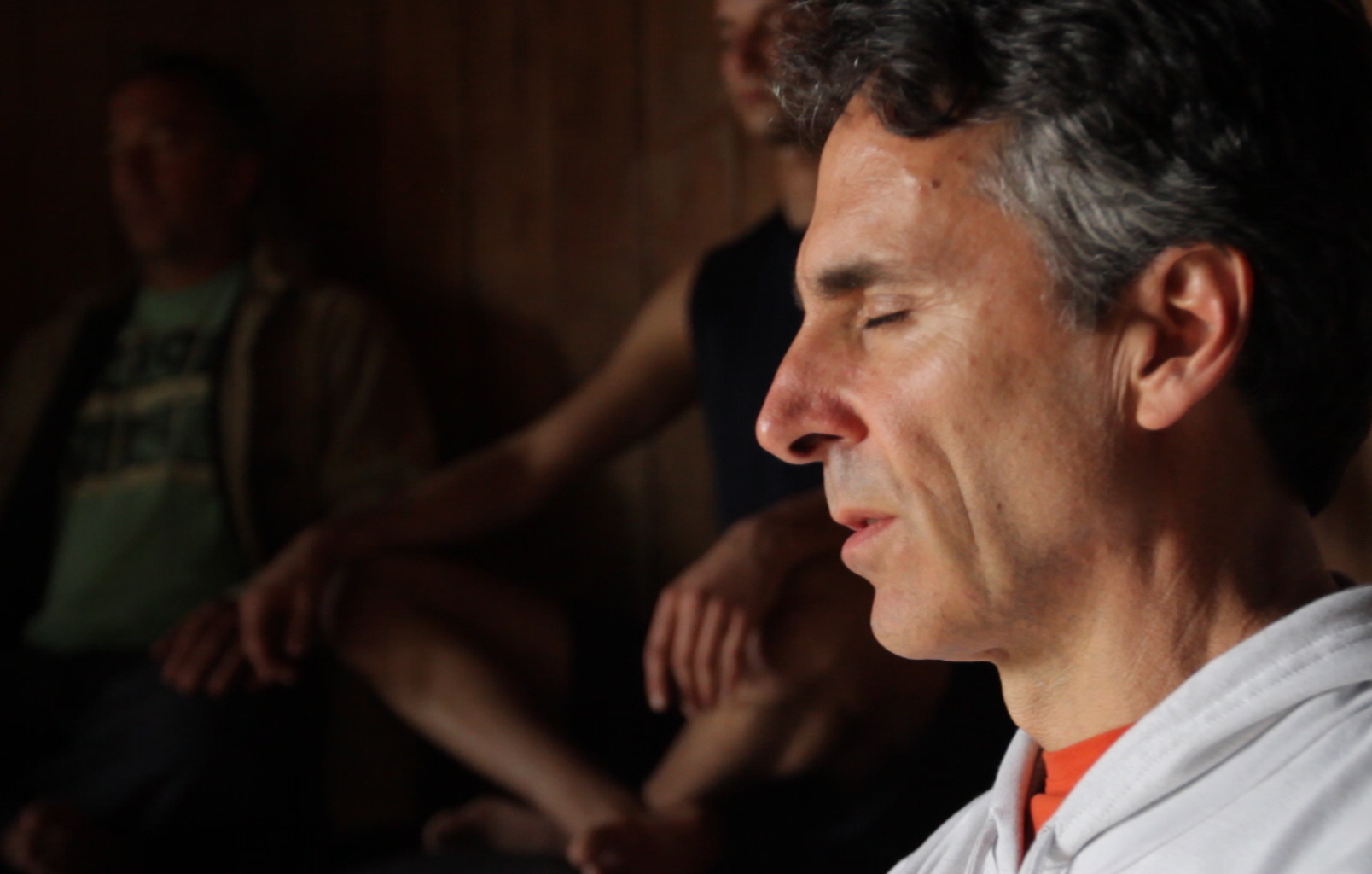
It sent me into a tailspin, which was compounded shortly after by a severe spinal injury. I was left physically broken and spiritually unmoored, unable to practice the vigorous yoga I had mastered. Disabled for months, I had to throw away the rulebook. I began to explore micro-movements and the subtle rhythm of my breath just to manage the pain. In that darkness, I discovered that my true purpose wasn’t to replicate someone else’s forms, but to learn how to listen to the teacher within. That insight inspired my teaching to guide others how to bridge the gap between physical sensation and spiritual grace, transform obstacles into portals of discovery, and ultimately to guide anyone seeking a deeper connection to source—how to awaken the profound wisdom of their own inner teacher.
Great, so let’s take a few minutes and cover your story. What should folks know about you and what you do?
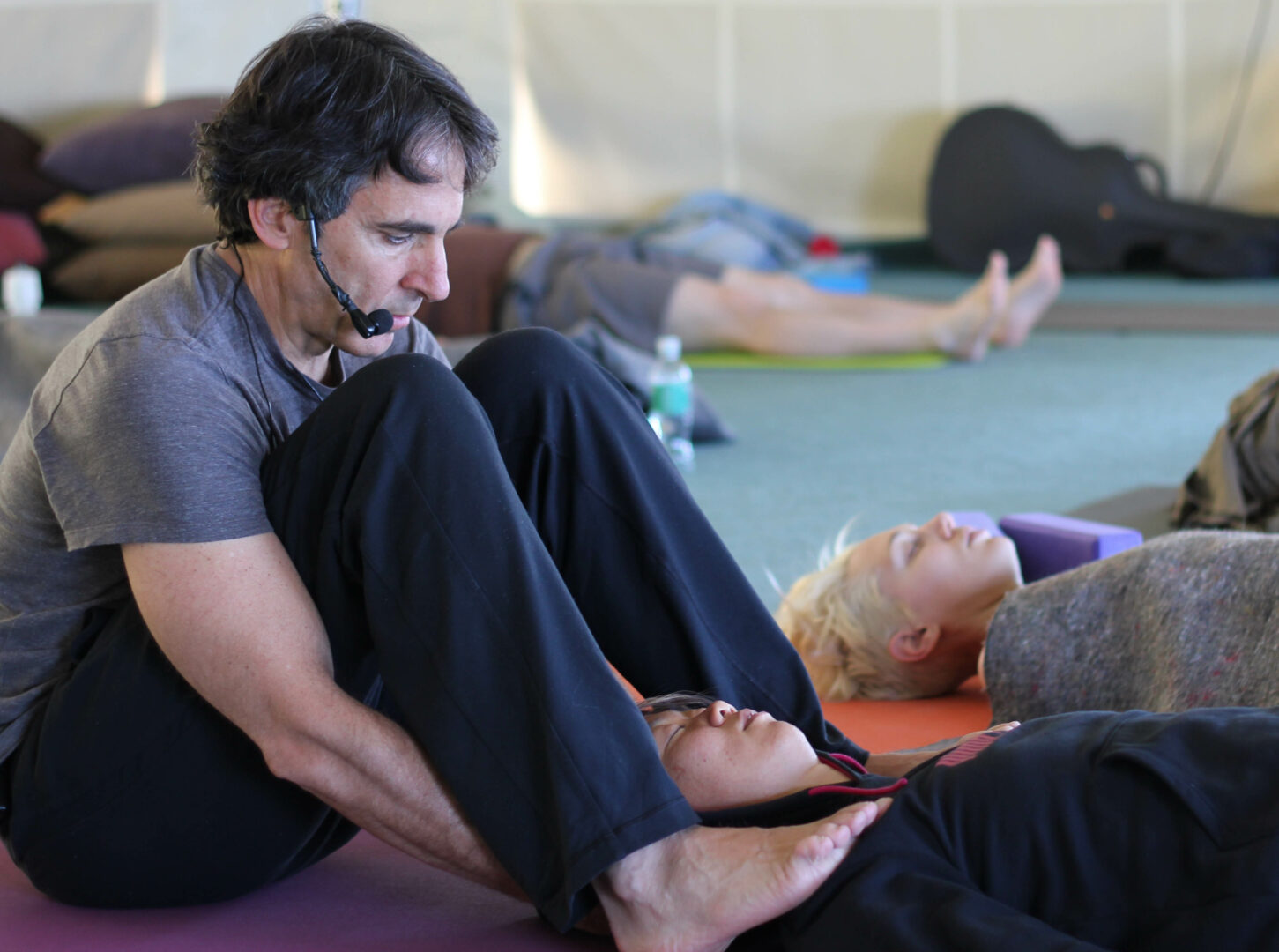
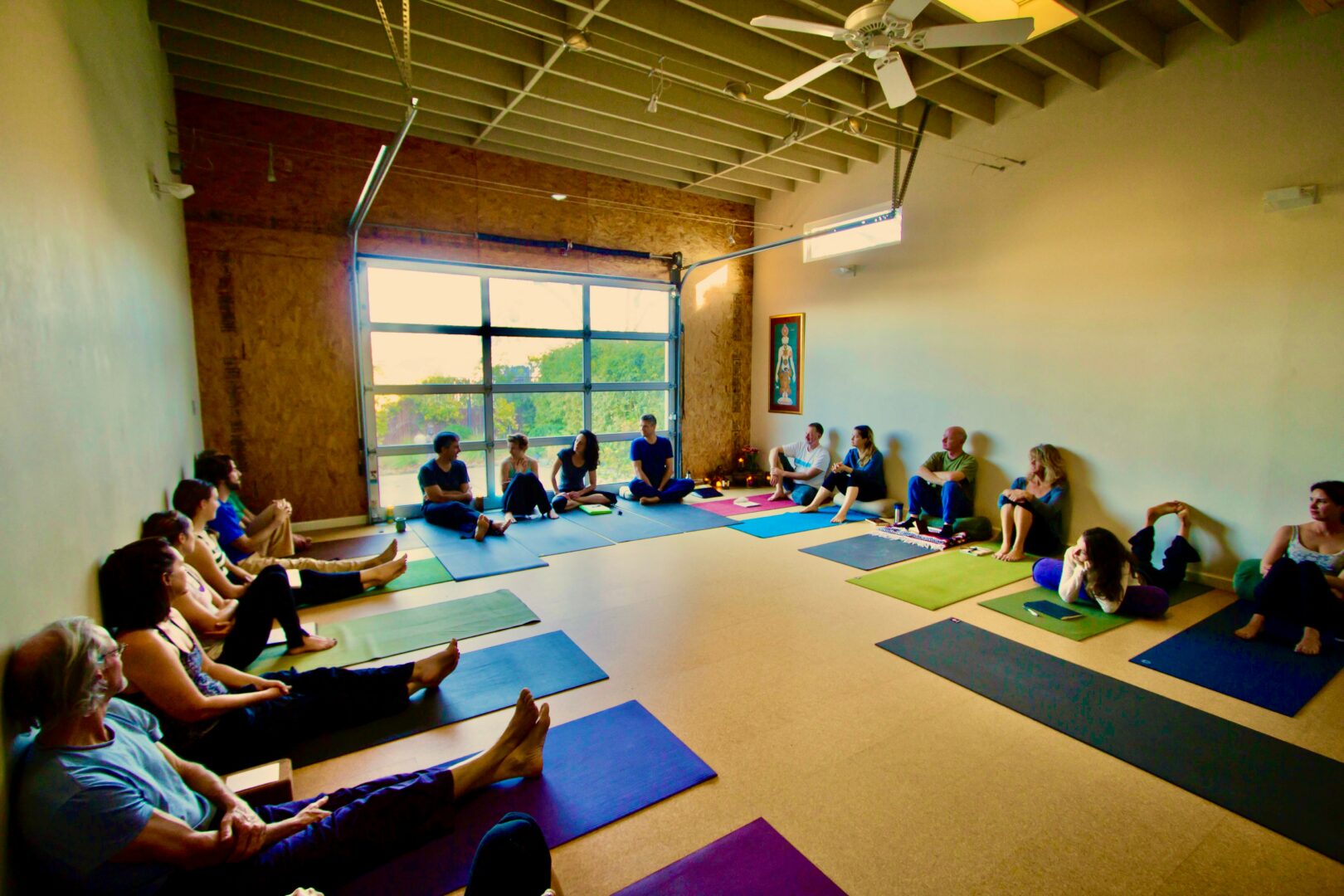
Professionally, I operate at the intersection of architecture, writing, and yoga, though I see them all as the same discipline: the creation of space. Whether I’m designing buildings, or guiding students at our INNERteacher Academy trainings, I’m helping people clear obstructions to let in light. My work is distinct because I’m not interested in just teaching people how to do yoga; I’m interested in teaching them how to feel and be with yoga.
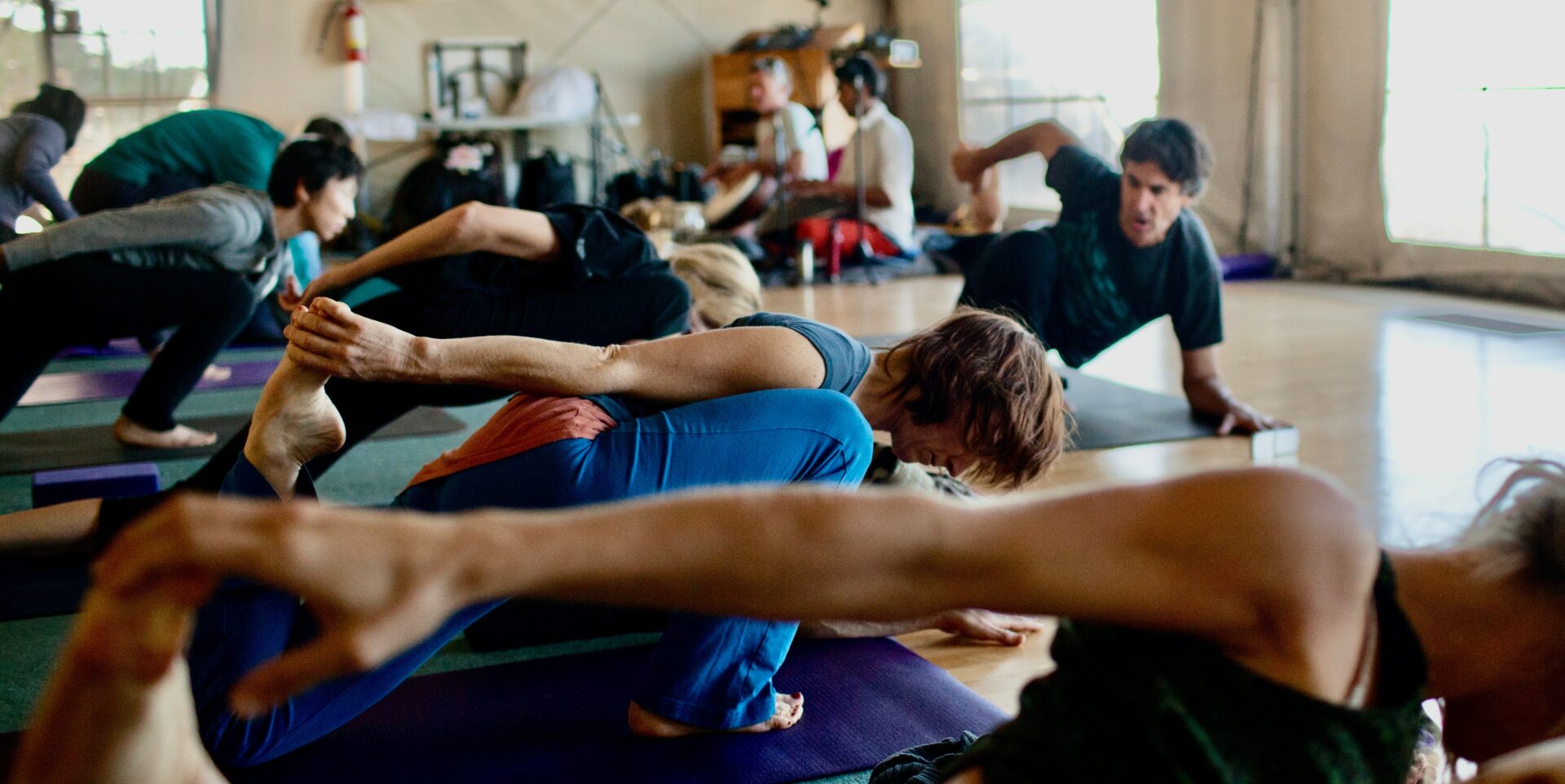
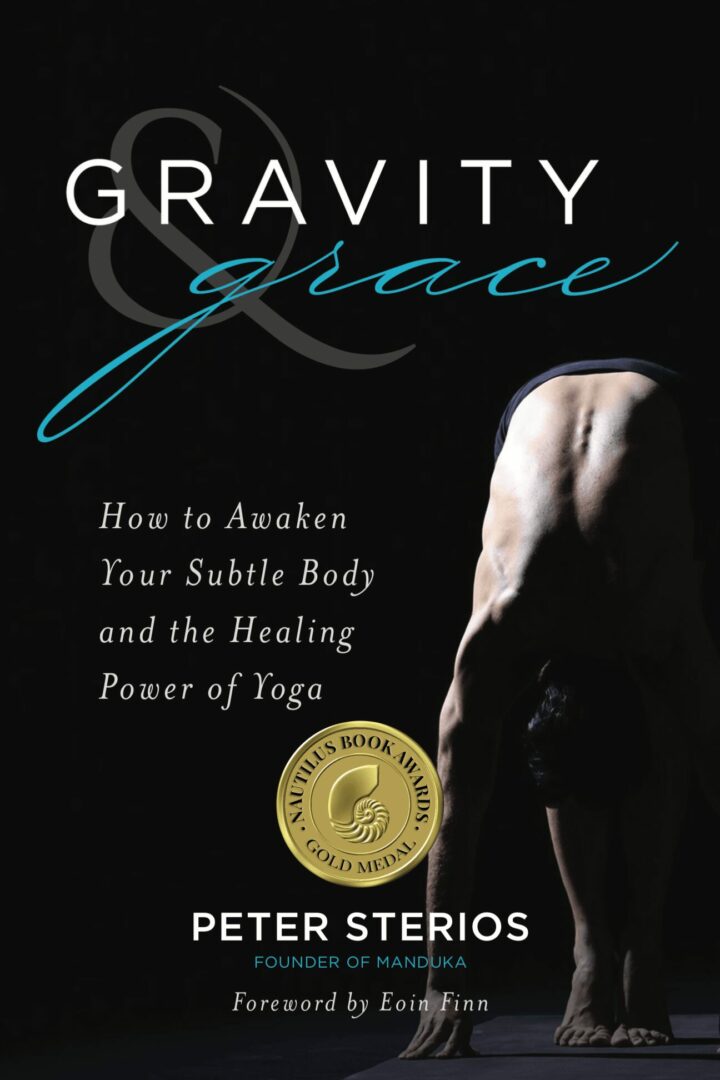
We often treat our bodies like machines to be fixed or sculpted, but through the lens of Gravity & Grace, I invite students to view the body as the terrain of subtle energies. What excites me most is witnessing the moment a student stops “performing” a pose and starts “inhabiting” it. We use the laws of physics—gravity—to ground us, and the energy of grace to lift us. We focus heavily on “Levity,” or lightness of heart, because spiritual work is not about being serious or heavy. My brand is about trading the map of imitation for the compass of intuition. It is about empowering you to trust that the most reliable voice you’ll ever find is yours.
If you had to pick three qualities that are most important to develop, which three would you say matter most?
Looking back, the three qualities that shaped me most were curiosity, resilience, and the ability to soften.
Curiosity is what led me to peek into my first yoga class in college—a room full of women chanting in strange postures—and actually walk in. That “beginner’s mind” is essential; it allows us to approach the mat, or life, without the heavy baggage of knowing it all.
Resilience was forged through physical and emotional breaking points. When I injured my back, or when I faced a serious illness in India, I could have quit. Instead, I learned that obstacles are actually opportunities in disguise. The “muck” of our suffering is exactly where the lotus blooms.
However, the most impactful skill was learning to soften. As a young man and an athlete, I thought strength was about force, tension, and “chest-lifting” pride. My injuries taught me that true power comes from yielding. It comes from dropping the resistance in the belly and the heart. Learning to meet intense sensation with softness—using the breath to create space rather than armor—has been the single greatest lesson of my 50+ years on the mat.
Do you think it’s better to go all in on our strengths or to try to be more well-rounded by investing effort on improving areas you aren’t as strong in?
I believe we must courageously investigate our weaknesses because that is where our growth lives. In yoga, we say that when we find our “groove,” it often becomes a “rut.” We tend to practice what we are good at because it gratifies the ego. If you are flexible, you love backbends; if you are strong, you love arm balances. But relying solely on your strengths creates imbalance and eventually leads to fragility.
I learned this through the anatomy of the spine. For years I was a “chest lifter”—I thought good posture meant forcing the chest up and out. This played to my athletic strengths but created a rigid, armored heart and a compressed spine. I had to learn the opposite action—”chest dropping”—which felt weak and vulnerable to me at first. But by investing in that weakness, by softening the front body and the heart, I discovered a profound, sustainable strength that force could never provide.
We must visit the places in ourselves that are numb, stiff, or awkward. By bringing breath and attention to our shadow sides, we become whole. The goal is not to be a specialist in one area, but to be a fully integrated human being, capable of moving with grace through whatever life presents.
Contact Info:
- Website: https://www.innerteacheracademy.com AND https://levityoga.com
- Instagram: https://www.instagram.com/petersterios/
- Linkedin: https://www.linkedin.com/in/peter-sterios/
- Youtube: https://www.youtube.com/@PeterSterios
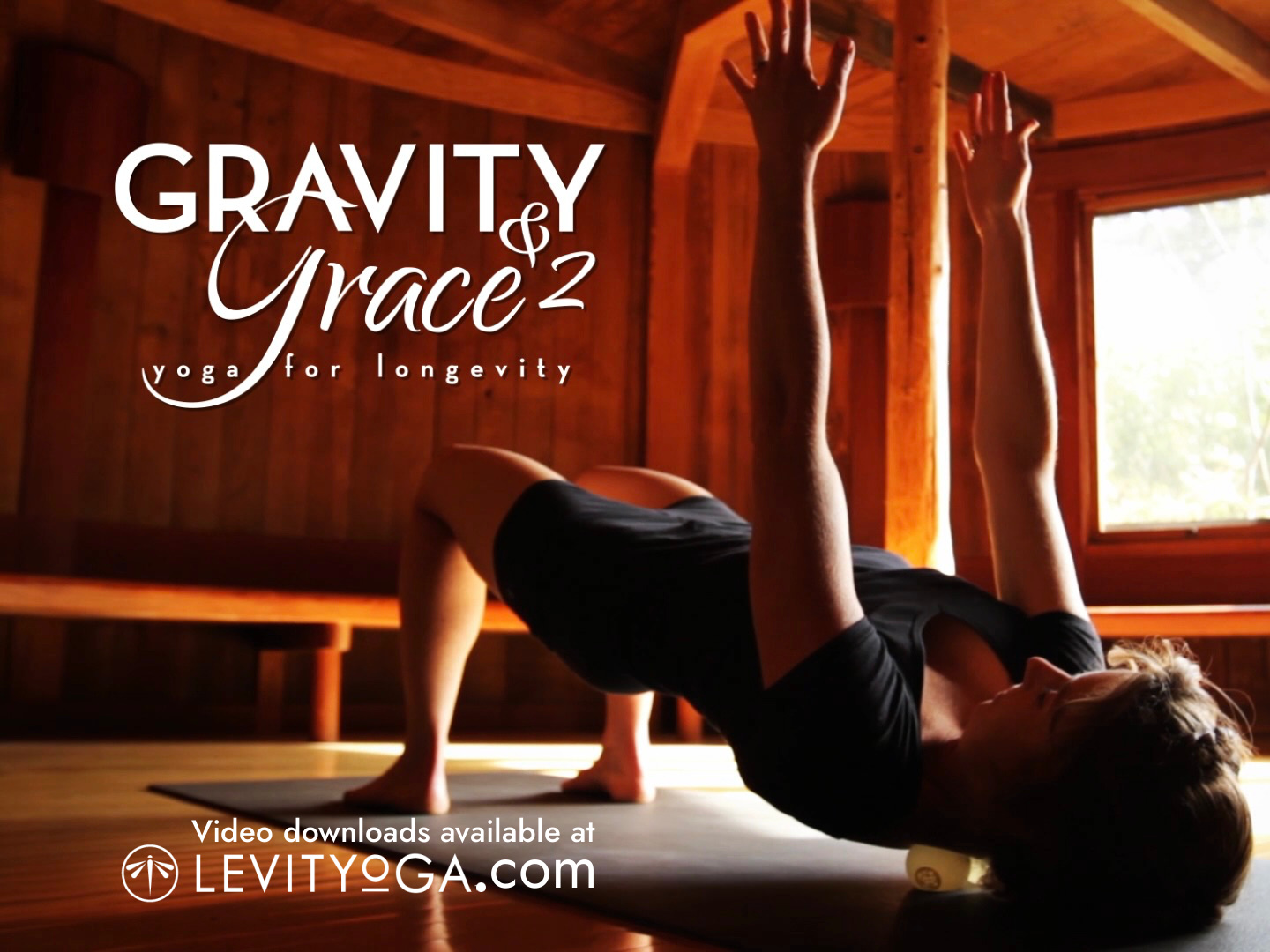
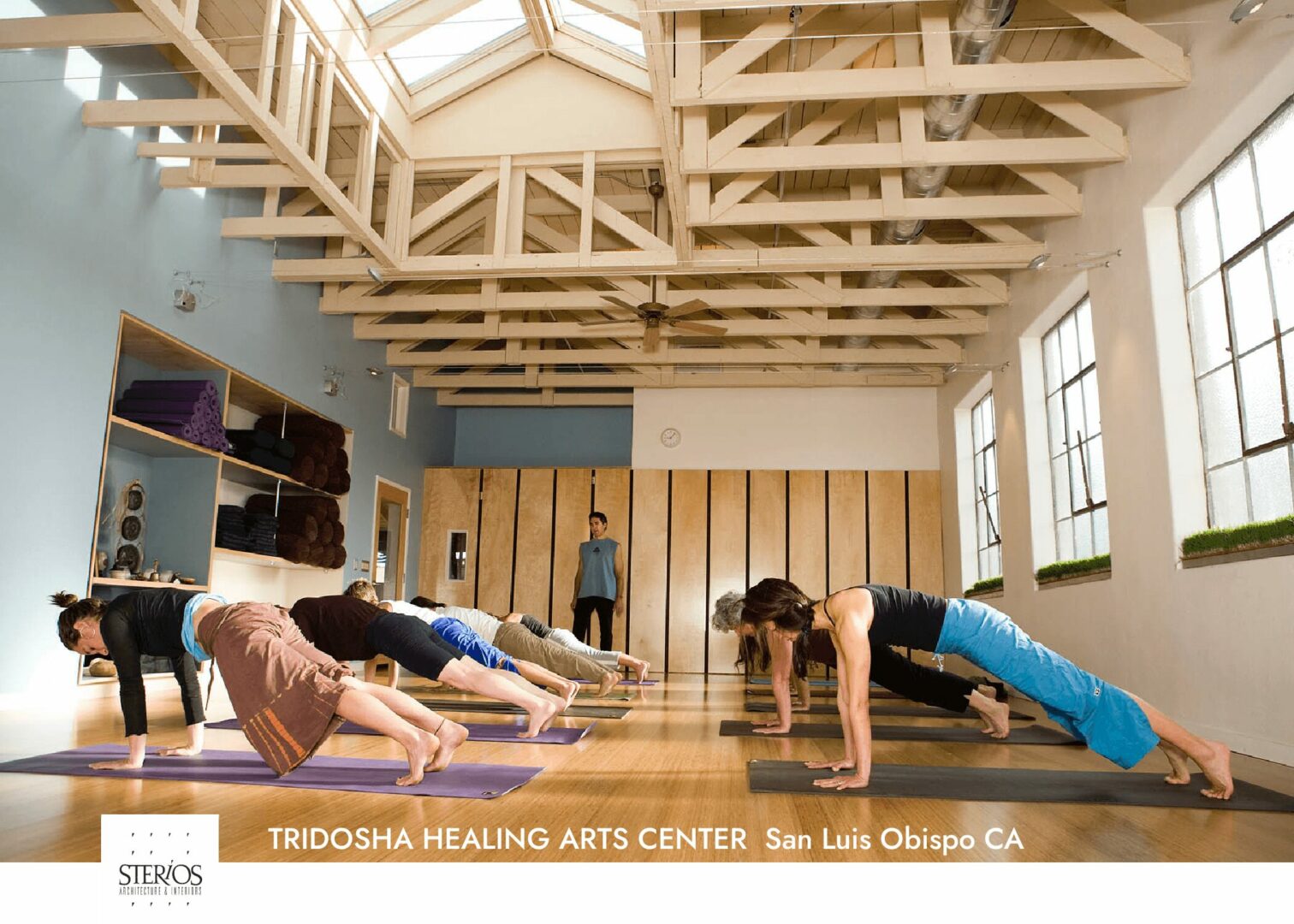
Image Credits
/Users/Peter/Desktop/Permission for photos.png (Mikki Willis)
so if you or someone you know deserves recognition please let us know here.