We caught up with the brilliant and insightful Philip Ericsson a few weeks ago and have shared our conversation below.
Hi Philip, really happy you were able to join us today and we’re looking forward to sharing your story and insights with our readers. Let’s start with the heart of it all – purpose. How did you find your purpose?
I discovered my purpose by staying true to myself. In a world full of distractions—where instant gratification is just a tap away—it’s easy to lose sight of what truly matters. What helped me most was maintaining honesty with myself, never ignoring my thoughts, whether good or bad. When I face uncertainty, I turn to meditation. It’s the purest form of self-discovery, allowing me to step outside my own perspective, observe my life from a distance, and gain clarity on my path.
Another key element is faith—not necessarily in a religious sense, but in something greater than myself. Cultivating gratitude for everything in life, even challenges that may seem negative, shifts perspective. What appears as a setback might actually be a hidden opportunity. Trusting in something beyond myself keeps me grounded during difficult moments.
Thanks, so before we move on maybe you can share a bit more about yourself?
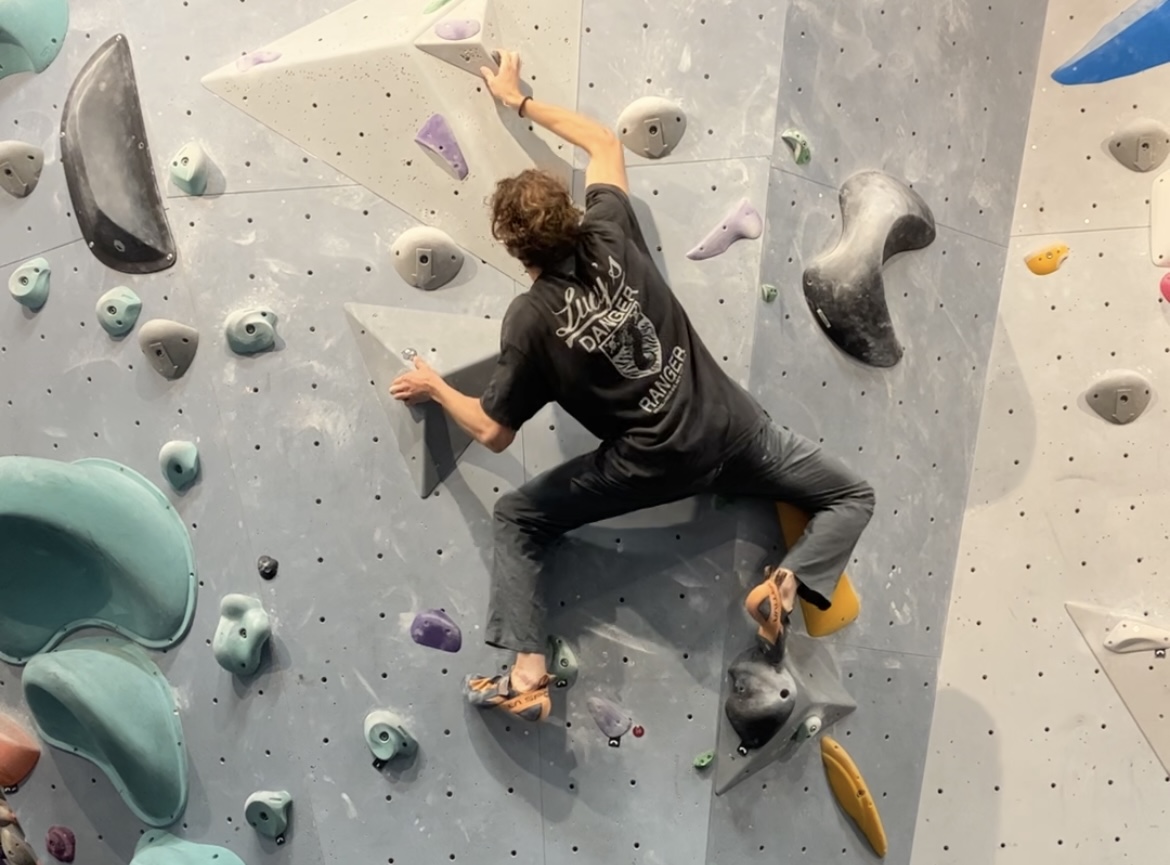
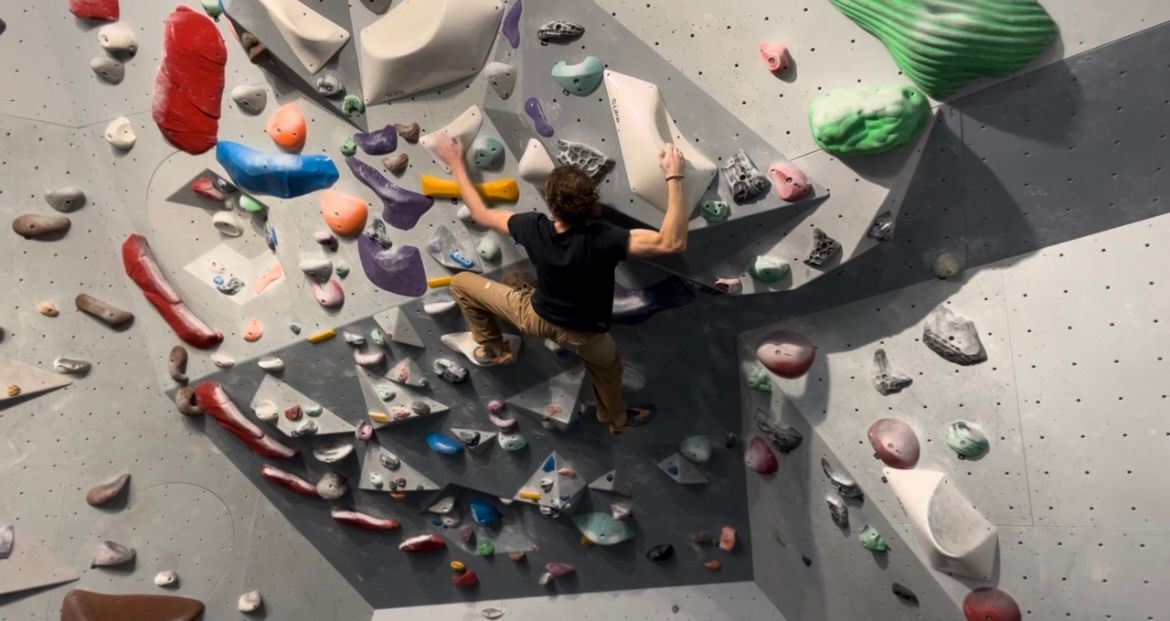
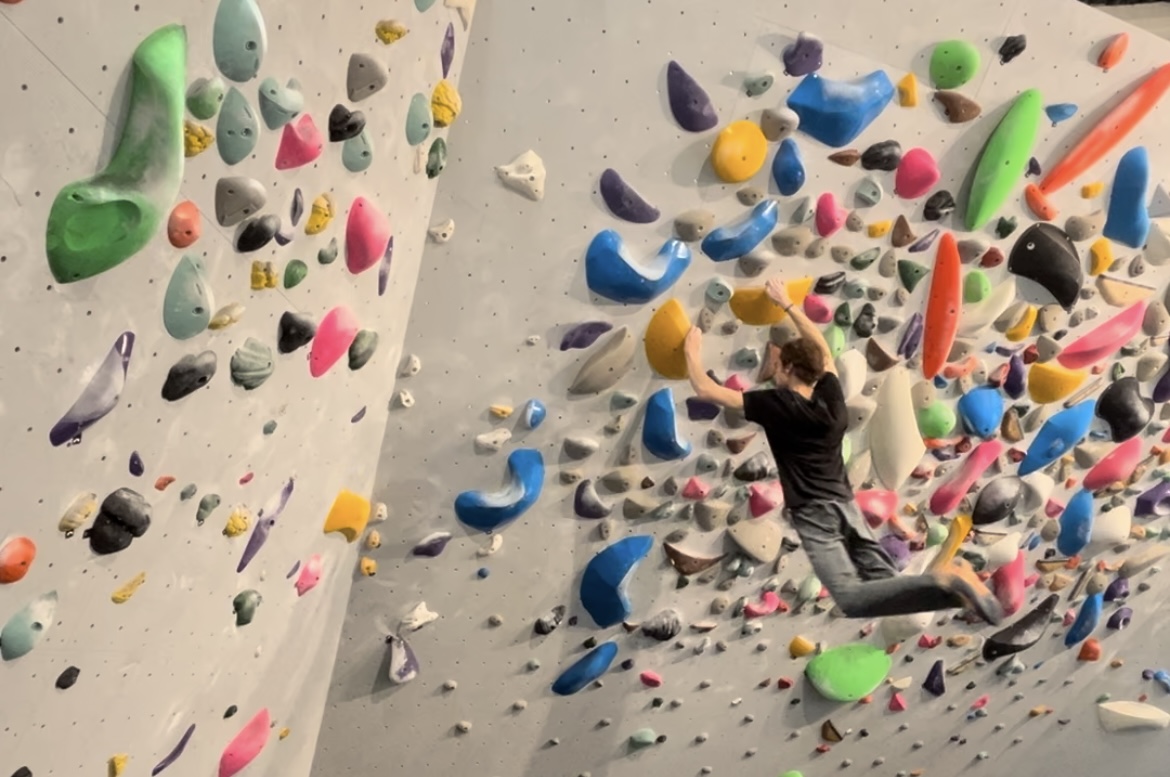
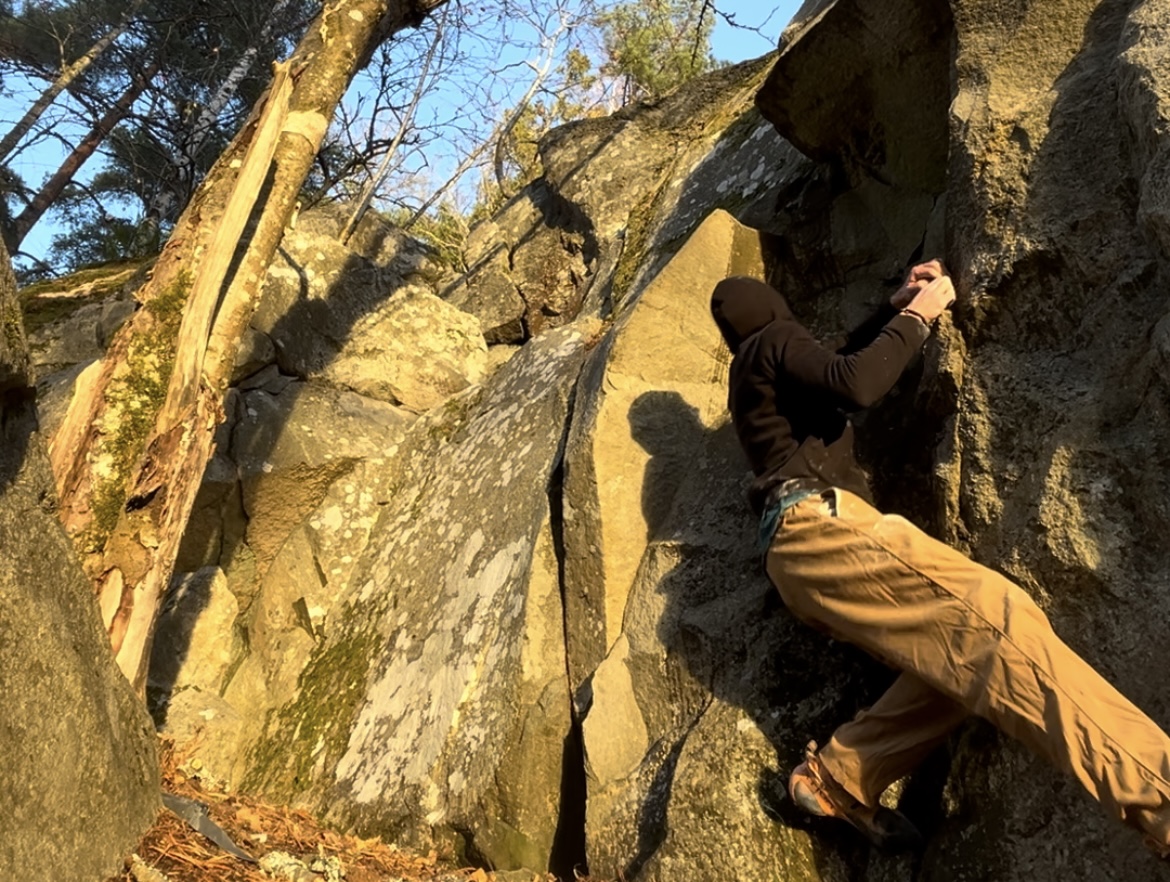
In 2021, a good friend introduced me to climbing gyms—not climbing itself, but the indoor side of the sport. Since childhood, I had been scaling tall trees and buildings, always drawn to the challenge of going higher. When I stepped into a climbing gym for the first time, it felt like being a kid in a candy store—I was hooked instantly. However, I quickly realized that rock climbing, buildering (urban climbing), and tree climbing were vastly different. Rock climbing required a level of technical skill I hadn’t encountered before. Thankfully, the same friend who introduced me to climbing also became my mentor, teaching me the techniques and tricks that helped me progress.
Today, my mentor and I run TheDailyCrimp.com, a climbing-focused blog where we share the knowledge we’ve gathered over the years. As a beginner, I had endless questions, but I was lucky to have guidance. Not everyone has that, and that’s where The Daily Crimp comes in—we aim to provide insights for climbers seeking answers, whether it’s about refining technique, staying updated on the latest ascents, or discovering the world’s hardest boulders.
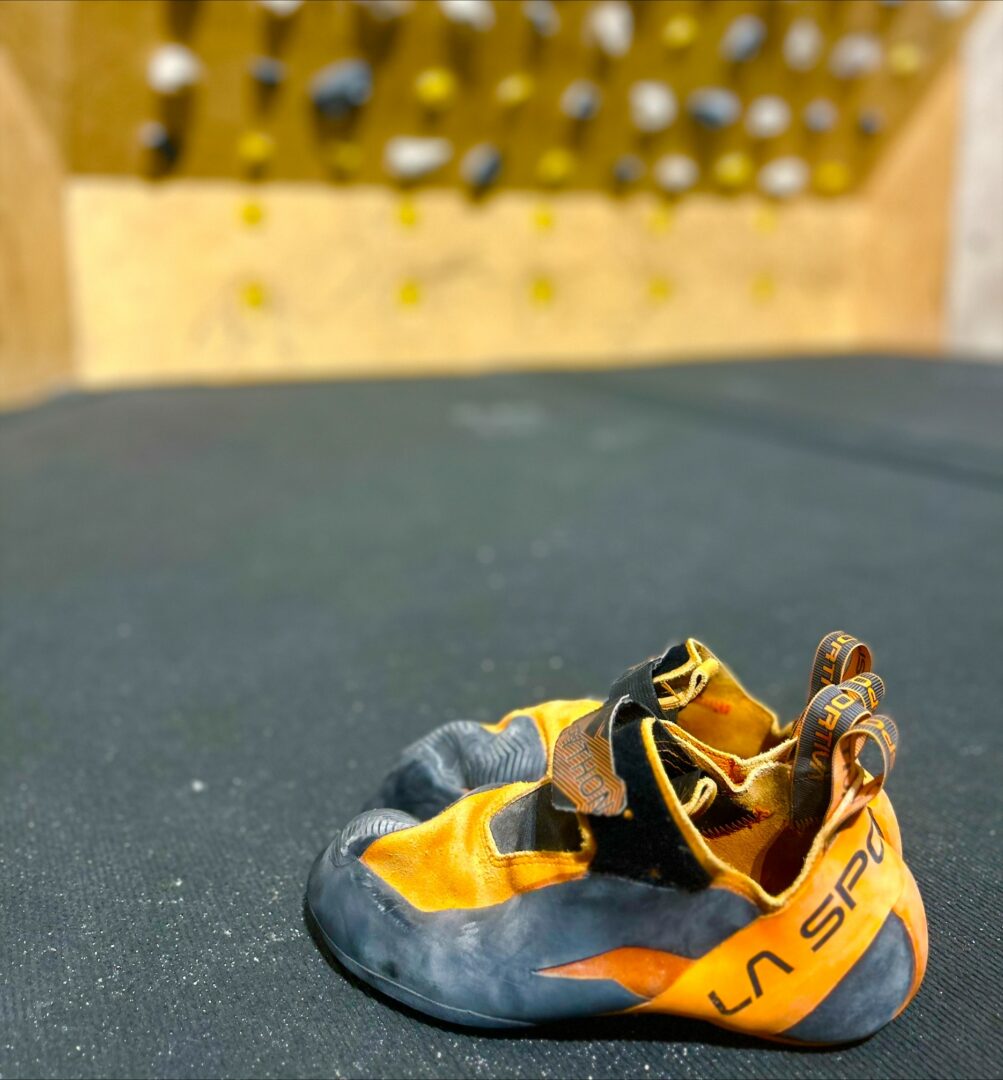
This year, we’re excited to introduce something we’ve been working on for a while—Senderella, a climbing shoe generator designed to give personalized recommendations based on a climber’s specific preferences. Just like Cinderella found her perfect glass slipper, Senderella will match you with the ideal rubber one. Finding the right climbing shoe can be overwhelming, especially with the high cost of quality options. Our goal is to give back to the climbing community by helping others make informed choices when investing in their gear.
There is so much advice out there about all the different skills and qualities folks need to develop in order to succeed in today’s highly competitive environment and often it can feel overwhelming. So, if we had to break it down to just the three that matter most, which three skills or qualities would you focus on?
Looking back, three key factors had the most impact on my journey: technical knowledge, mentorship, and adaptability. Each played a crucial role in my growth as a climber, writer, and creator of The Daily Crimp and Senderella.
1. Technical Knowledge
Learning climbing techniques was a game-changer. While I had experience climbing trees and buildings, I quickly realized that rock climbing required a different skill set—precise footwork, body positioning, and route reading. My mentor’s guidance helped me navigate this learning curve, but I also sought out resources, practiced consistently, and paid attention to the small details that make a big difference.
If you’re just starting, prioritize learning proper technique early on. Watch experienced climbers, analyze movements, and don’t hesitate to ask for tips. If you don’t have a mentor, climbing blogs (like The Daily Crimp), YouTube tutorials, and community discussions are great ways to learn.
2. Mentorship & Community
Having someone guide me made all the difference. My mentor not only taught me climbing techniques but also shared insights about the sport, training, and problem-solving strategies. Climbing is a deeply communal activity, and learning from others accelerates progress in ways solo trial and error can’t.
Find a mentor, training partner, or community to help you grow. Even if you don’t have direct access to a coach, engage with experienced climbers at the gym, join local climbing groups, or follow reputable climbing blogs and forums. If you can, give back by helping newer climbers—teaching reinforces learning.
3. Adaptability & Problem-Solving
Climbing, like any pursuit, is a series of challenges. From struggling with certain moves to figuring out the right shoe, I had to stay adaptable. This also applied when launching The Daily Crimp and Senderella—there was a learning curve in content creation, SEO, and user experience. But problem-solving is at the heart of climbing, and I treated these challenges the same way I would approach a boulder problem: one move at a time.
Cultivate a problem-solving mindset. In climbing, this means analyzing different beta, learning from failures, and adapting your approach. In general, stay open to learning and be patient with the process—progress is never linear, but persistence pays off.
For those early in their journey, my biggest piece of advice is to stay curious, seek out knowledge, and embrace the process. Climbing is about growth—physically, mentally, and technically—and every challenge is an opportunity to improve.
Any advice for folks feeling overwhelmed?
When I feel overwhelmed, I rely on a few key strategies that have helped me both in climbing and in life—breaking things down, stepping back, and reconnecting with purpose. Here’s what works for me:
Break It Down
Overwhelm often comes from trying to tackle too much at once. Whether it’s a tough climbing project, running The Daily Crimp, or developing Senderella, I remind myself to take things one move at a time. Just like breaking down a complex boulder problem into smaller, manageable sections, I do the same with my tasks or challenges.
When you’re overwhelmed, list out what actually needs to be done. Prioritize the essentials and focus on the next small step rather than the entire journey.
Step Back & Reset
Sometimes, the best way forward is to pause. If I’m stuck on a climb, I take a breather, shake out my arms, and reassess. The same applies off the wall—I might go for a walk, meditate, or do something completely unrelated to give my mind space.
If you’re feeling stuck, take a step back. Reset your perspective by shifting focus, even if just for a few minutes. Meditation, deep breathing, or even engaging in a different activity (like stretching or reading) can help clear mental clutter.
Reconnect with Purpose
Overwhelm can sometimes come from losing sight of why I’m doing something. When I remind myself of the bigger picture—why I started climbing, why I run The Daily Crimp, why I created Senderella—it helps refocus my energy on what truly matters instead of getting lost in the noise.
When things feel too much, ask yourself: Why did I start? What excites me about this? Reconnecting with your motivation helps put challenges into perspective and keeps you moving forward.
At the end of the day, climbing—and life—is about problem-solving. Whether it’s a crux on a route or a mental hurdle, approaching it with patience, adaptability, and perspective makes all the difference.
Contact Info:
- Website: https://www.thedailycrimp.com
- Instagram: https://www.instagram.com/thedailycrimp/
- Other: Senderella: https://thedailycrimp.com/senderella.html
so if you or someone you know deserves recognition please let us know here.