We recently connected with Phillip Barnes and have shared our conversation below.
Phillip, so good to have you with us today. We’ve got so much planned, so let’s jump right into it. We live in such a diverse world, and in many ways the world is getting better and more understanding but it’s far from perfect. There are so many times where folks find themselves in rooms or situations where they are the only ones that look like them – that might mean being the only woman of color in the room or the only person who grew up in a certain environment etc. Can you talk to us about how you’ve managed to thrive even in situations where you were the only one in the room?
For a lot of Black men in specific spaces, being the only one in the room isn’t rare, it’s normal. And we’re never looked at as neutral. We walk into spaces already being read: our bodies, our clothes, our tone, our confidence. There’s an unspoken dress code in many professional rooms that black men either deliberately do not live up to, or do not feel comfortable acquiescing to, and you feel it the moment you step in the room.
I’m typically the only Black man in the rooms I occupy. As a mental health professional who came from the hood, I’m often being sized up before I say a word, not by my résumé, but by how I look. I’ve walked into rooms where the first comments weren’t about my work at all, but about my shoes, my jacket, or whether I “fit the culture.” I even received negative feedback from a recent supervisor regarding my dress, even though I was one of the most beloved therapist at my place of employment. Moments like that make it clear how quickly Black men are judged on appearance before anything else.
Before I consciously start thinking about a room, my body has already picked up on it. Black men learn early how to read a space, who’s watching, who’s uneasy, what’s being left unsaid. It’s not about fear or self-doubt. It’s about knowing how to move without getting caught off guard.
Those experiences are what pushed me to build Sole_Stys.
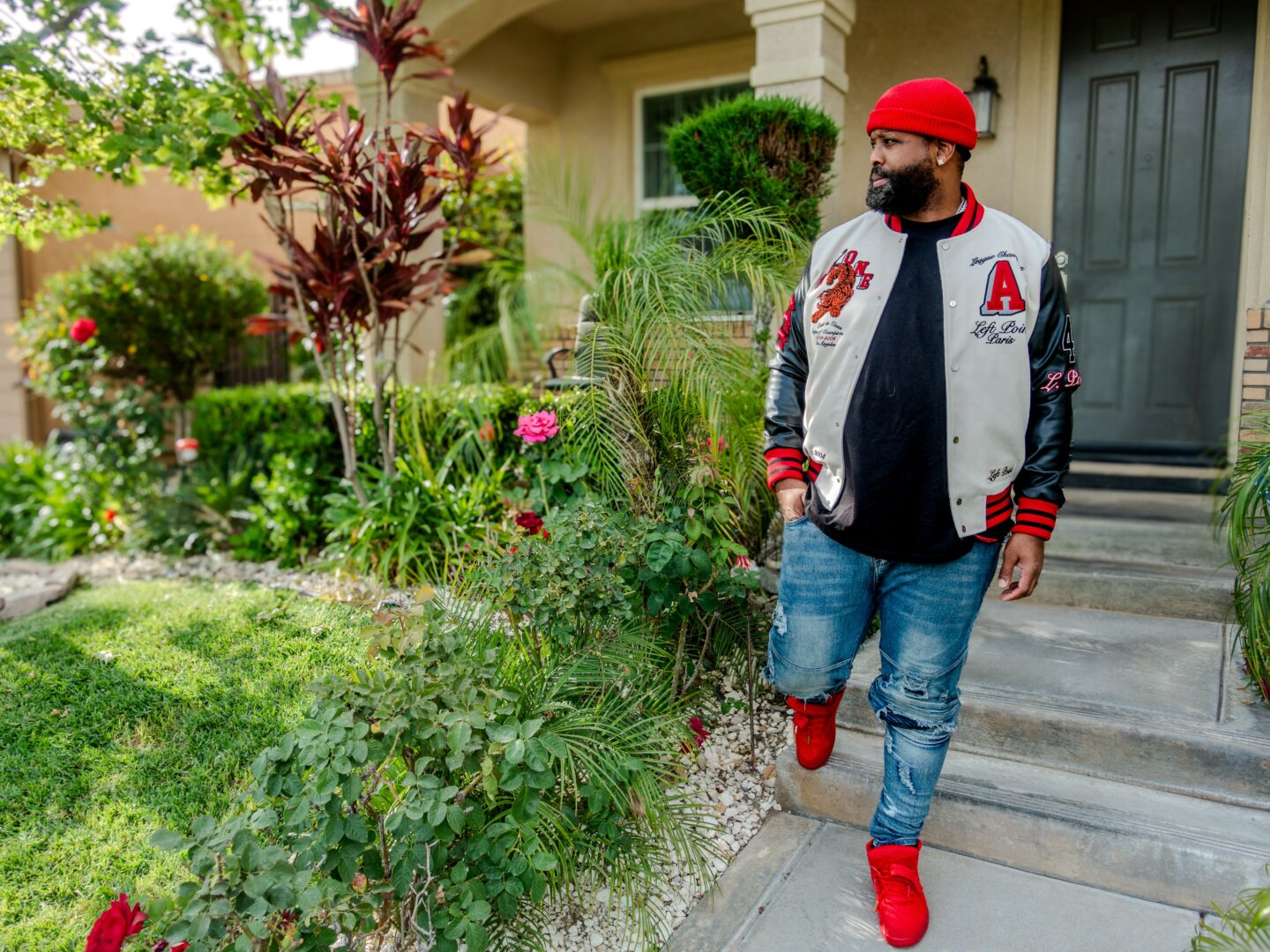
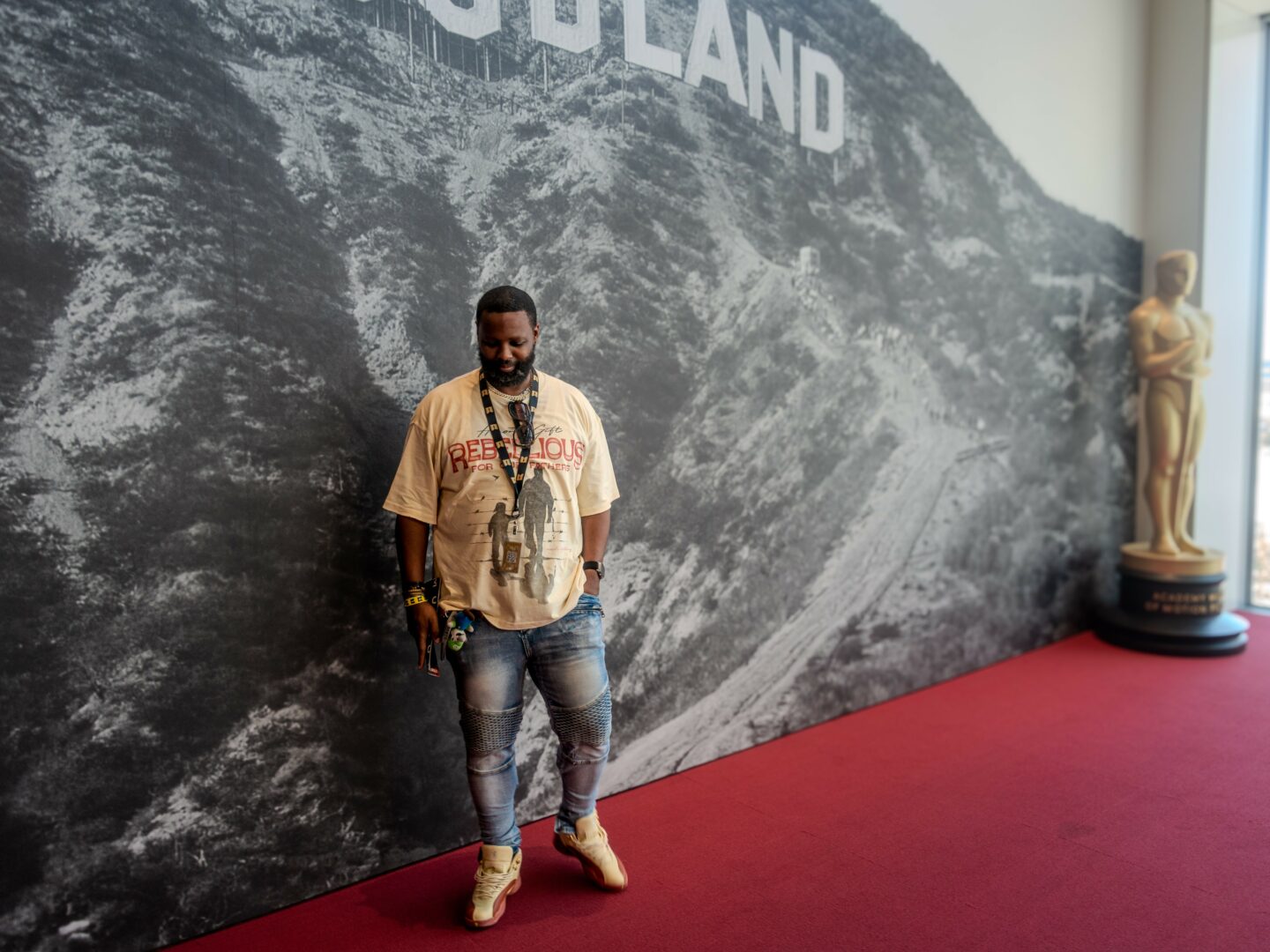
Sole_Stys didn’t come from a love of fashion. It came from watching Black men get misread over and over before they ever opened their mouths. I’ve lost count of how many rooms I’ve walked into wearing Jordans, a chain, a jersey, a jean jacket, and felt the assessment happen instantly. Before I speak, people have already decided what I’ll say, how articulate I’ll be, and how much weight my words will carry.
And it’s almost always the same.
Then I speak.
Suddenly they’re surprised. Suddenly they’re “impressed.” And that reaction is the problem because nothing about my intelligence, clarity, or competence changed in those few seconds. What changed was their projection collapsing in real time due to the competence, confidence, and power with which I speak.
The most frustrating part isn’t being doubted, it’s being praised after the doubt. Because the surprise reveals how low the expectation was to begin with.
That’s the moment Sole_Stys lives in.
I became more effective when I stopped trying to manage other people’s assumptions and focused on being fully myself. Through Sole_Stys, I help men understand that style isn’t about impressing anyone, it’s about showing up in a way that actually feels like you. When a man’s inner life and outer presentation line up, he doesn’t walk into rooms guarded. He walks in him.
Being the only Black man in the room isn’t something I brace for anymore. I walk in knowing that how I carry myself matters, not just for me, but for the men who will step into those spaces after me and realize they don’t have to disappear to be taken seriously.
Appreciate the insights and wisdom. Before we dig deeper and ask you about the skills that matter and more, maybe you can tell our readers about yourself?
What I do through Sole_Stys™ is help men align how they show up externally with who they already are internally. It’s not about fashion for fashion’s sake (although that’s a part of it), it’s about presence, clarity, and self-trust. My background in mental health shapes everything I build, even when the work looks creative or style-based on the surface.
What’s most exciting about Sole_Stys right now is how it’s becoming an ecosystem rather than a single offering. The work lives across personal styling, coaching, content, and physical products, all grounded in the same philosophy: you don’t need to dilute yourself to be taken seriously. When a man feels aligned, not guarded or performative, his confidence shows up naturally, and people respond to that before he ever speaks.
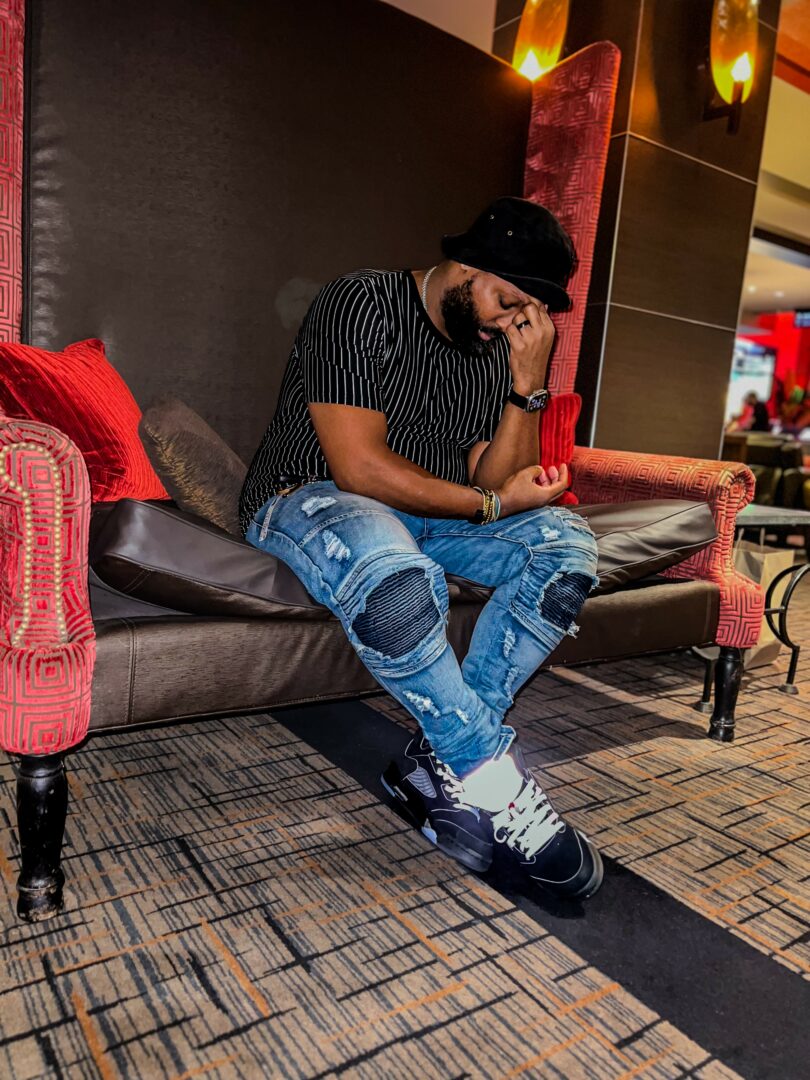
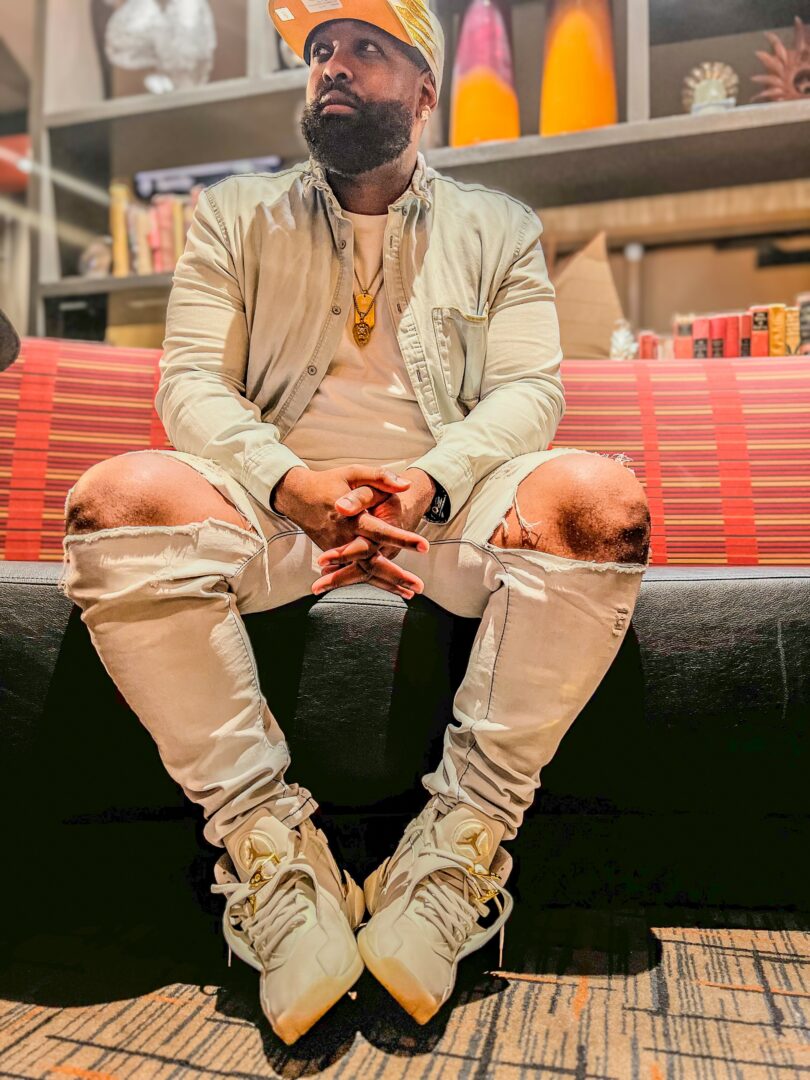
The merchandise is a big part of that evolution. Pieces like the Sole_Stys™ Sun Steps Collection – Midnight Tide Dad Hat were created as wearable extensions of the work, not traditional merch. They’re designed to feel intentional and lived-in, something that supports how you move through your day rather than something that tries to announce itself. The goal isn’t to hide or impress, but to signal alignment in a quiet, grounded way.
What I’m focused on now is expanding Sole_Stys into spaces where men can engage at different levels. Some people come in through one-on-one work, others through content, and others through products that become part of their daily rhythm. That accessibility matters to me, because not everyone is ready for deep coaching, but everyone deserves tools that reinforce self-trust.
Looking ahead, I’m continuing to build out new collections, deepen the service offerings, and create more opportunities for men to engage with the brand in ways that feel real and sustainable. At its core, Sole_Stys is about helping men move through the world with intention, and everything I’m building points back to that..
Looking back, what do you think were the three qualities, skills, or areas of knowledge that were most impactful in your journey? What advice do you have for folks who are early in their journey in terms of how they can best develop or improve on these?
When I look back, the most important things weren’t skills I could list on a résumé. They were capacities I had to develop in private, usually after something didn’t go the way I hoped.
First: the willingness to tell the truth about myself.
Not motivational truth. Not branding truth. The kind of truth that costs you something.
Most people aren’t held back by lack of talent. They’re held back by the stories they tell themselves to avoid grief — grief about time wasted, risks not taken, parts of themselves they keep postponing. I had to learn the difference between obstacles that were real and excuses that were comforting. Both feel convincing. Only one keeps you stuck.
Advice: If you want to grow, stop asking, “Why is this hard?”
Ask, “What would change if I stopped protecting myself from disappointment?”
Second: learning how to move between worlds without losing myself.
Success didn’t come from finding a space where I fully belonged. It came from learning how to enter spaces that weren’t built with me in mind, without shrinking, hardening, or performing.
That kind of translation is lonely. There’s no applause for it. But it teaches you something most people never learn: you can adapt without erasing yourself. And you can be misunderstood without becoming confused about who you are.
Advice: Practice speaking the same truth in rooms that don’t reward it. If you only feel grounded where you’re celebrated, your sense of self isn’t stable yet.
Third: presence under pressure.
Not confidence. Presence.
Presence is staying connected to yourself while being evaluated. It’s noticing your body tighten, your breath shorten, your mind start negotiating, and choosing not to abandon yourself anyway. Most people don’t miss opportunities because they aren’t ready. They miss them because the moment asks them to stay steady, and they reach for approval instead.
Advice: Put yourself in situations where your nervous system wants to flee. Then don’t. Stay. Speak. Decide. Let the discomfort pass without needing it to mean anything about you.
If I could leave people early in their journey with one thought, it would be this:
Your future isn’t built by the beliefs you hold.
It’s built by the moments where you could protect yourself, and choose not to.
That’s where everything actually changes.
If you knew you only had a decade of life left, how would you spend that decade?
If I knew I only had a decade left, I wouldn’t rush to do more.
I’d become more precise about what actually matters.
I’d spend that decade building fewer things, but building them all the way through, work that doesn’t just look good or sound right, but changes how people move through their lives. I’d choose depth over scale. Fewer rooms, but more honest ones. Fewer conversations, but ones where nobody leaves pretending.
I’d invest my time in work that integrates the internal and the external, helping people align who they are with how they show up, so they’re not spending their lives managing perception instead of living. I’d keep building Sole_Stys not as a brand that chases attention, but as a practice that teaches steadiness, something people carry with them long after trends pass.
I’d also slow down enough to be present for the moments most people postpone. Real conversations. Long silences. Teaching without needing credit. Creating things that outlive urgency. I wouldn’t optimize for visibility, I’d optimize for truthfulness.
Most of all, I’d stop negotiating with fear disguised as responsibility. I’d stop delaying the parts of life we tell ourselves we’ll get to “once things settle.” They don’t. You just get better at postponing.
A decade wouldn’t be about legacy in the grand sense.
It would be about coherence, leaving behind work, relationships, and ways of being that don’t contradict each other.
If time were short, I wouldn’t try to outrun it.
I’d make sure that wherever I stood, I was actually there.
And if I did that consistently for ten years, I’d trust that whatever remained would be enough.
Contact Info:
- Website: https://www.sole-stys.com/
- Linkedin: https://www.linkedin.com/in/phillip-barnes-jr/
- Twitter: https://x.com/FreshestBarnes
so if you or someone you know deserves recognition please let us know here.