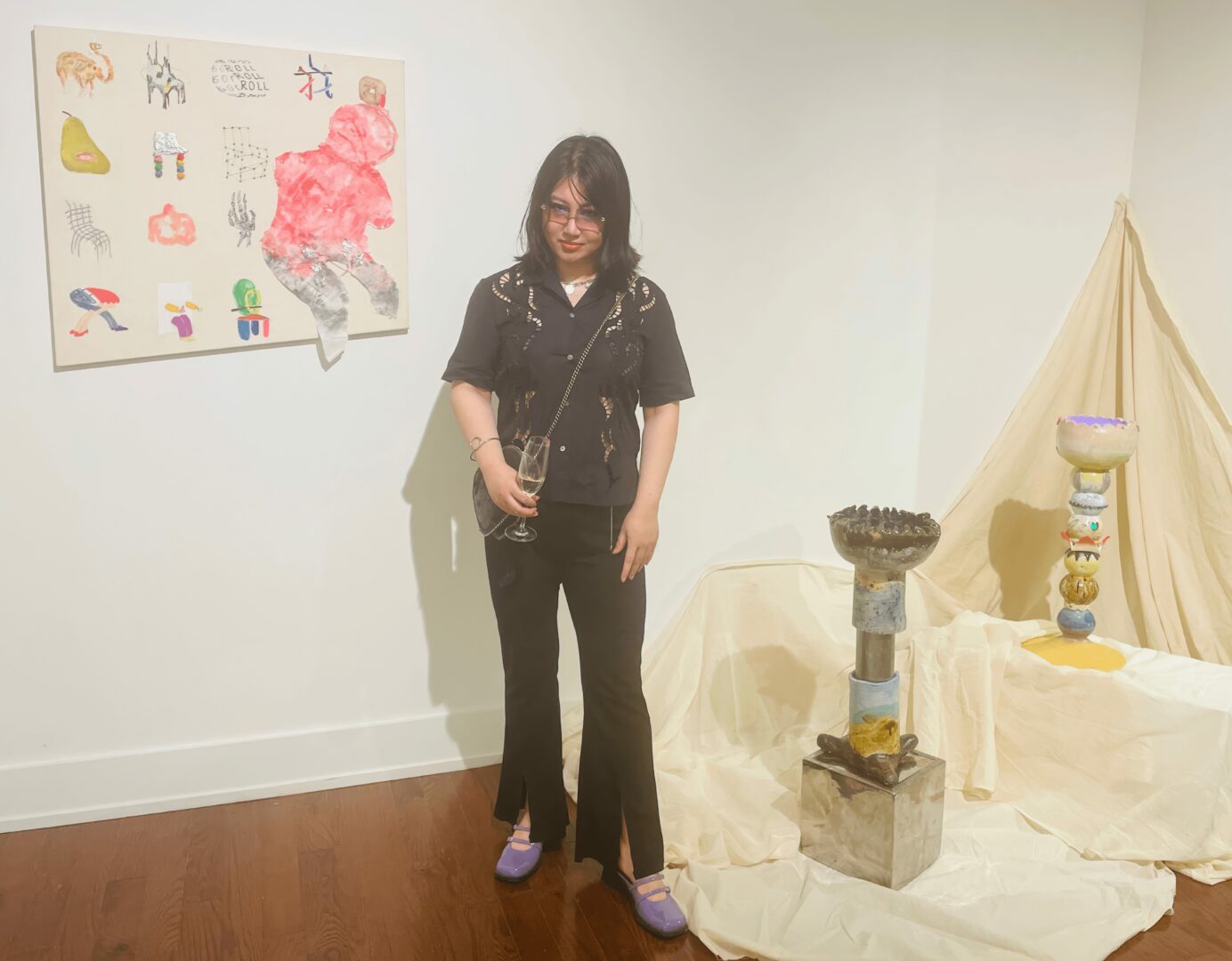
We caught up with the brilliant and insightful Ping Wang a few weeks ago and have shared our conversation below.
Ping, we’re thrilled to have you sharing your thoughts and lessons with our community. So, for folks who are at a stage in their life or career where they are trying to be more resilient, can you share where you get your resilience from?
My resilience comes from a mix of cultural roots, personal experience, and a deep sense of purpose. Growing up in China, I learned to endure—and I saw quiet strength modeled by the women around me, especially my mother. Moving to a new country and navigating language, identity, and rejection only deepened that. But more than just surviving, I’ve learned that resilience means adapting, staying open, and continuing to create even in uncertainty.
It also comes from knowing I’m working toward something that’s mine—both in the short term and the long run. Being an artist means working for yourself. That doesn’t mean I never get tired—physically or mentally—but the fatigue feels different when it’s in service of your own vision. In a regular job, you might curse your boss. But when you’re chasing a lifetime goal, you keep going—because no one else is responsible, and you wouldn’t want it any other way.
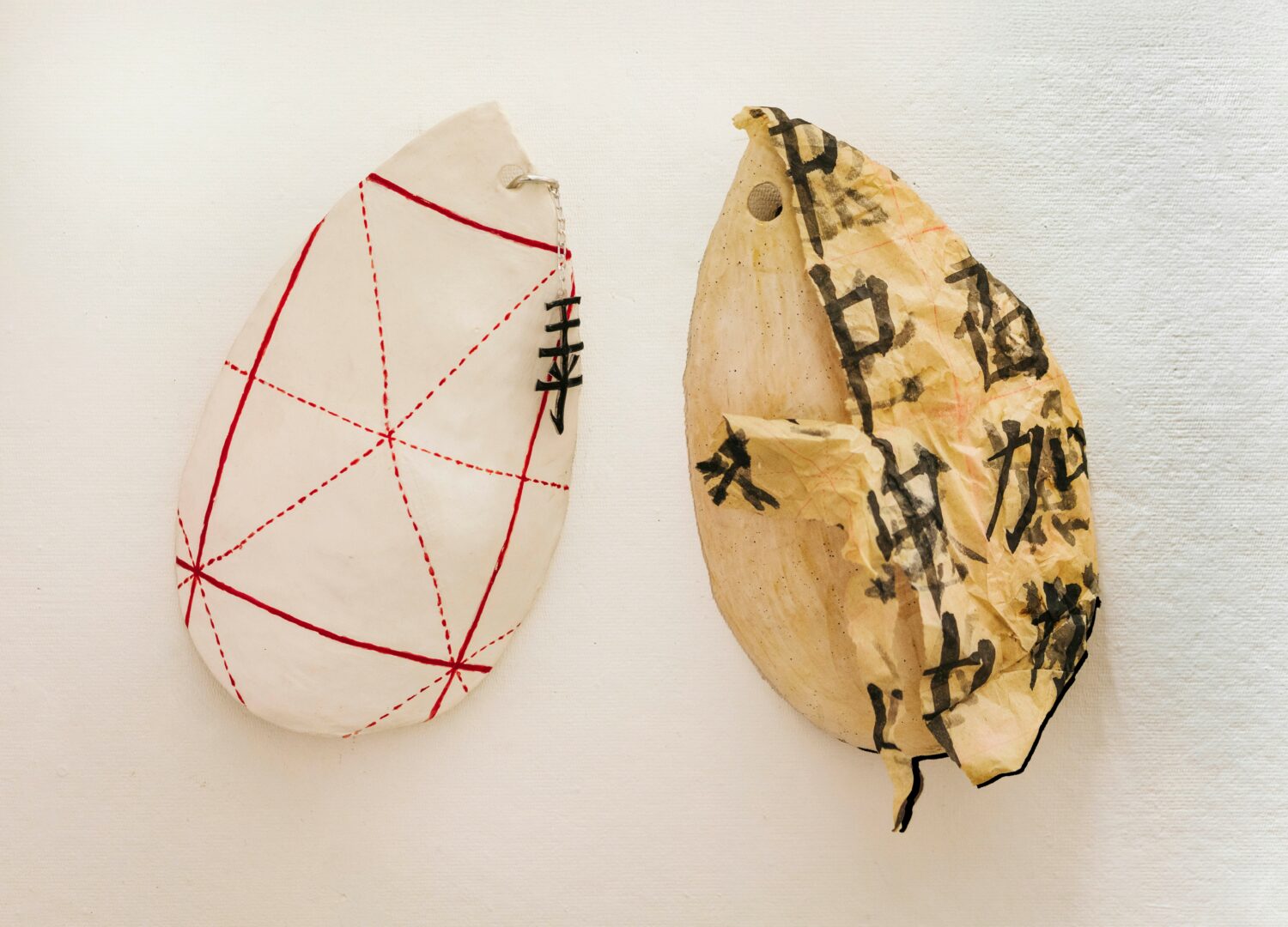
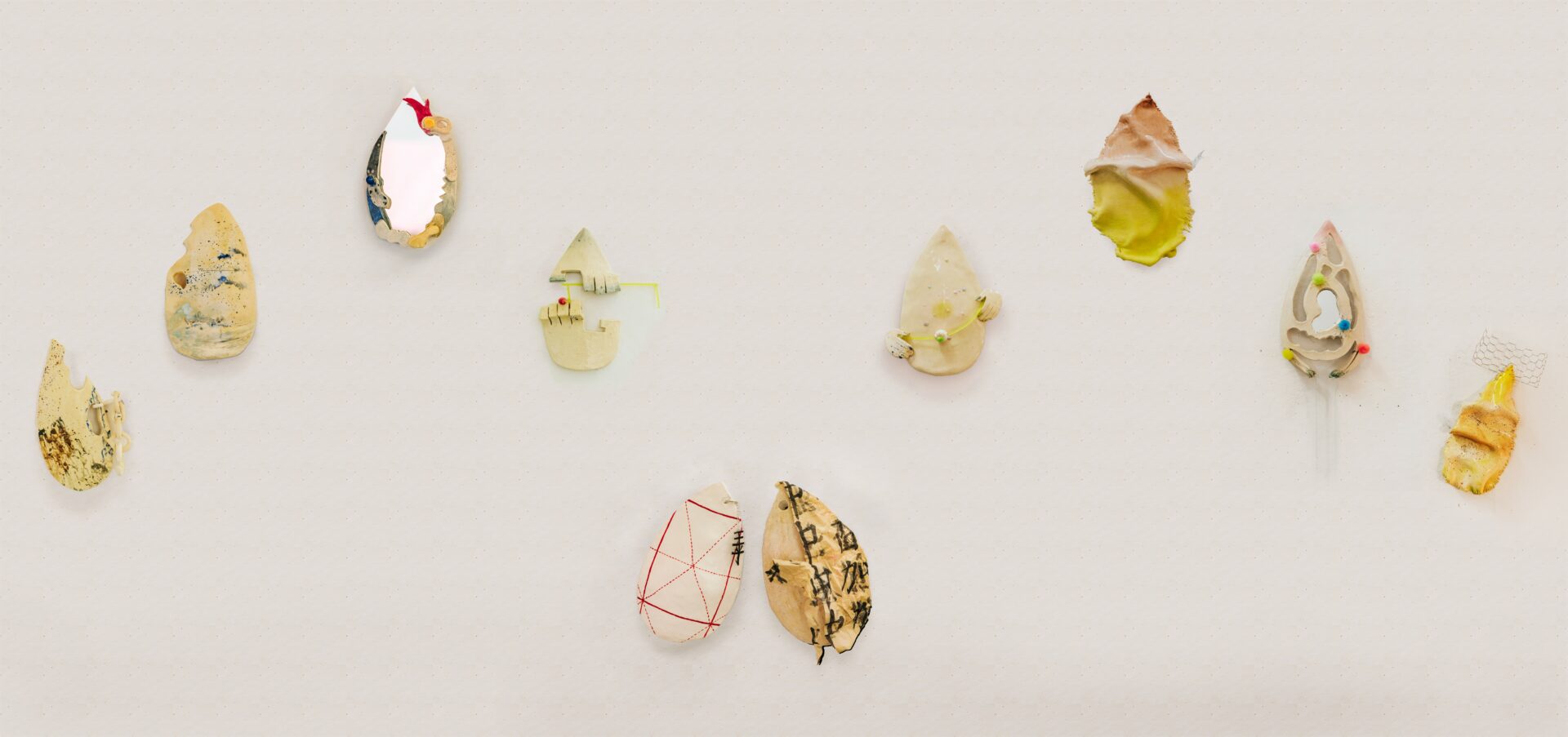
Even my materials have taught me this: clay cracks, collapses, demands care—but through pressure and heat, it transforms. Just like I have.

Thanks for sharing that. So, before we get any further into our conversation, can you tell our readers a bit about yourself and what you’re working on?
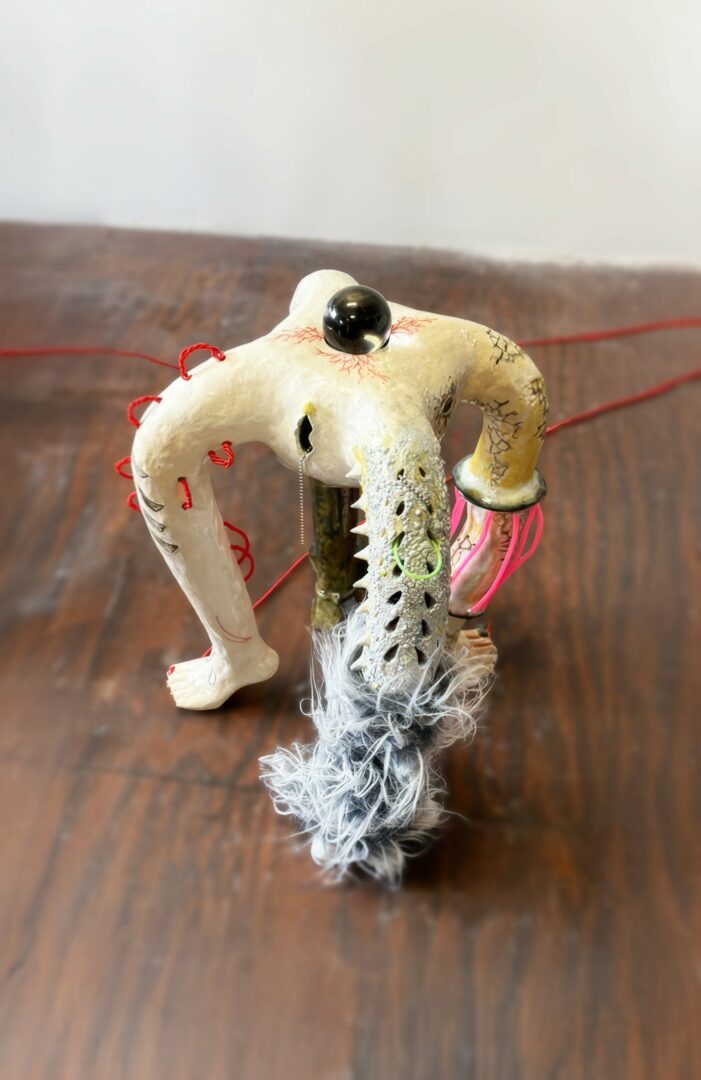
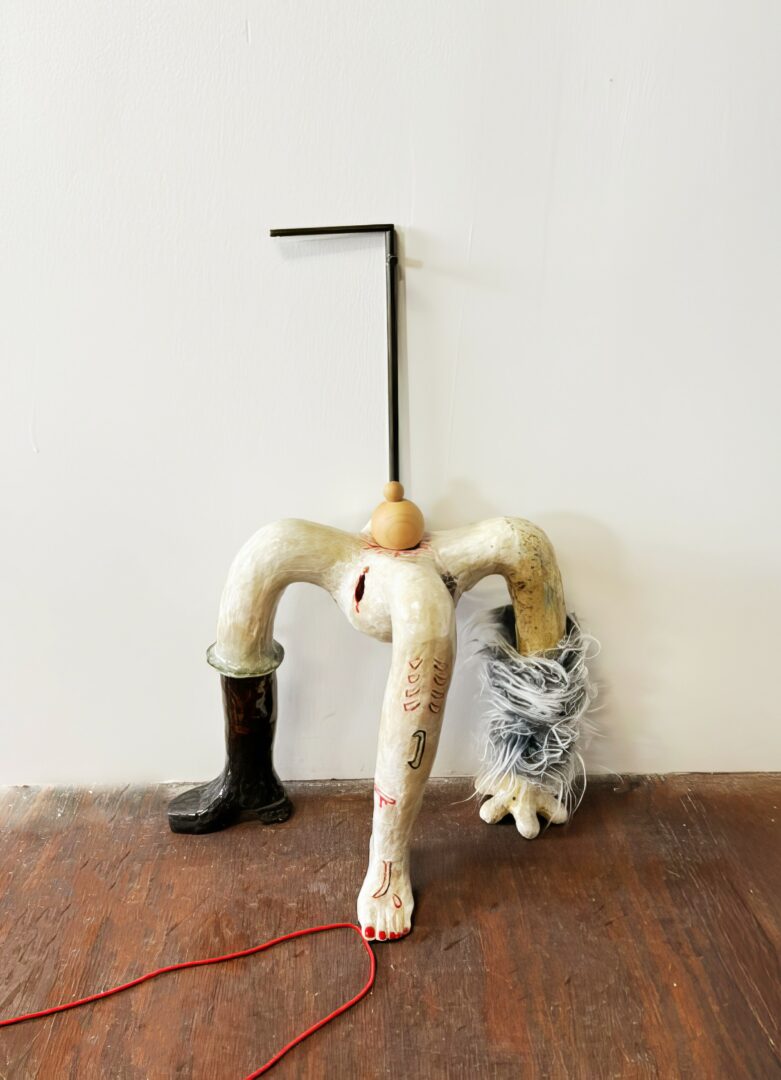
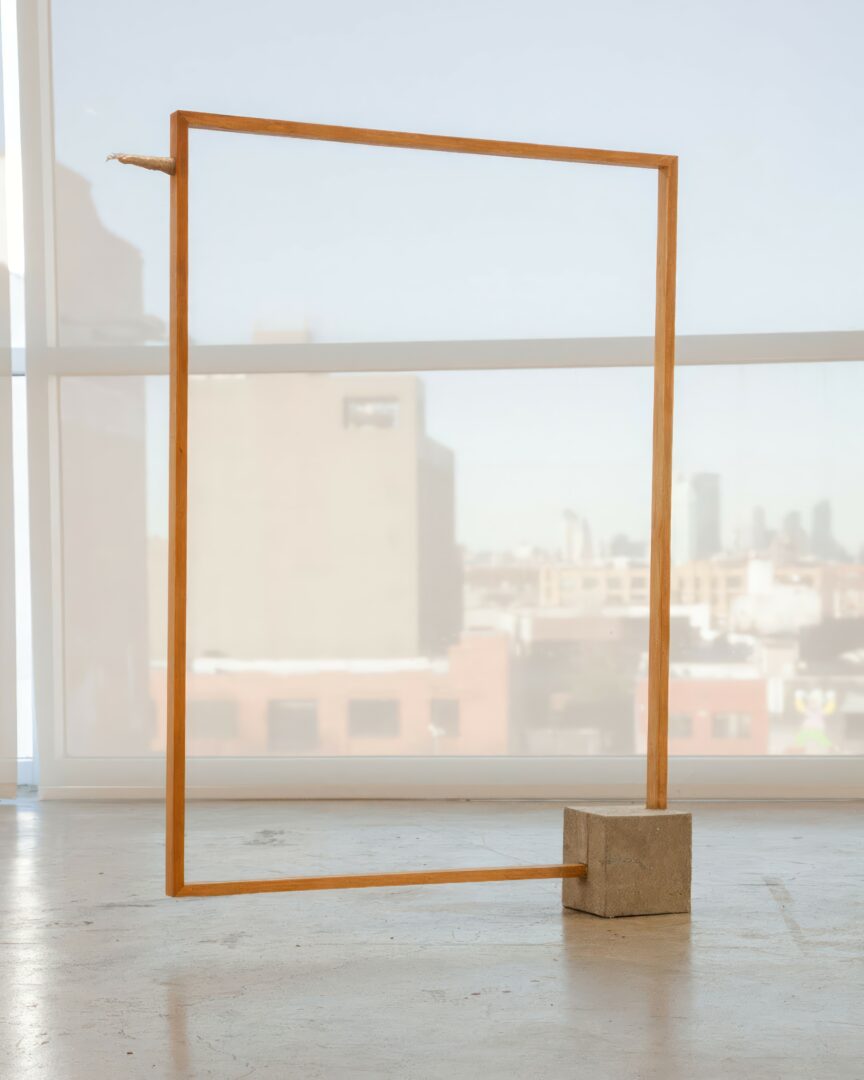
I’m an interdisciplinary artist working at the intersection of traditional craft and new media. My practice blends ceramics, mixed-media sculpture, painting, and digital elements to explore themes of identity, memory, migration, and the emotional tension of living between cultures. Originally trained in painting and drawing in China, I gradually shifted into more tactile and immersive forms—shaped by my own experience navigating cultural displacement and the desire to express what can’t always be put into words.
What excites me most is creating work that seems to appear out of nowhere—fully led by intuition. I want my pieces to engage the senses, inviting quiet reflection and creating space for emotional connection. Whether I’m working with clay, plastic, or sensor-based sound, I see my work as a dialogue between materials, memory, and the viewer’s body.
Right now, as my residency at Pioneer Works in Brooklyn comes to a close, I’ve developed a new body of work that incorporates sculptural ceramics with sound and motion—exploring the connection between body and soul, and the emotional charge of transformation. I’m also beginning to explore wearable objects and small sculptural pieces—mentally or physically functional forms rooted in my conceptual work, but meant for everyday interaction.
Whether I’m building a large-scale installation or experimenting with more intimate pieces, my goal remains the same: to create spaces that bridge the visible and invisible, the personal and the universal. For me, art is a tool for empathy, transformation, and truth.

Looking back, what do you think were the three qualities, skills, or areas of knowledge that were most impactful in your journey? What advice do you have for folks who are early in their journey in terms of how they can best develop or improve on these?
Looking back, I think three qualities have shaped my journey the most. First is a deep respect for my surroundings—whether that’s people, materials, or space. I try to stay sensitive to context and environment, and that awareness has helped me stay grounded, observant, and open.
Second is trusting the subconscious and intuition. Some of my most meaningful works weren’t born from careful planning, but from a sudden impulse—something that came from the body before the mind. I’ve learned to rely on that instinct, and let it guide the process.
Third is the ability to dig deep into a medium—and then constantly look for ways to merge it with others. I believe in that when you feel the urge, you go all in. I spent years in China training in traditional painting and drawing, especially thanks to my mom, who is a Chinese ink painter. That gave me a strong technical foundation, That pattern of full immersion became my way of learning. Now, I’ve reached a point where I feel open to anything: ceramics, sculpture, video, sound, digital media—whatever form speaks to the idea. This shift didn’t happen overnight. It’s been a process—starting from depth, moving toward range. And that combination of technical roots and open exploration is what continues to shape my work today.
My advice to anyone early in their journey is: keep experimenting. Don’t be afraid to try new things, even if they feel unfamiliar or risky. Be willing to shift, to get your hands dirty, and to let each medium teach you something. The courage to keep moving forward—even when the path isn’t clear—is one of the most valuable things you can build.

What is the number one obstacle or challenge you are currently facing and what are you doing to try to resolve or overcome this challenge?
Right now, the biggest challenge I’m facing is finding long-term stability while continuing to grow as an artist. I’ve just wrapped up a residency at Pioneer Works, which was incredibly energizing and gave me access to amazing resources and community. But residencies are temporary, and now I’m back in that in-between space—balancing the need for financial support, studio access, and creative freedom, all while trying to build a sustainable practice on my own terms.
As an immigrant artist, the stakes can feel even higher. I’m constantly thinking about visa status, funding opportunities, and how to keep momentum without burning out. To navigate this, I’ve been actively applying for new fellowships, residencies, and grants, while also exploring ways to bring my work into more functional or collectible formats—like wearable objects or editioned pieces—so I can create more consistent income without losing the core of my practice.
It’s not easy, but I try to see this challenge as a phase of transition, not a dead end. I remind myself that uncertainty is part of the path—and that staying curious, adaptable, and rooted in my own voice is what carries me forward.
Contact Info:
- Website: https://www.pingwangart.com
- Instagram: https://www.instagram.com/xandri19w
so if you or someone you know deserves recognition please let us know here.