We’re excited to introduce you to the always interesting and insightful Quyen Phan. We hope you’ll enjoy our conversation with Quyen below.
Quyen, thanks so much for taking the time to share your insights and lessons with us today. We’re particularly interested in hearing about how you became such a resilient person. Where do you get your resilience from?
Resilience, to me, is the ability to recover from or adjust to adversity, trauma, and stress. It’s more than just ‘bouncing back’—it’s about adapting to challenges, maintaining your sense of self, and sometimes even growing in ways you didn’t expect. I’ve come to see it as both an innate trait and a skill that can be strengthened through experience, learned behaviors, and a positive mindset.
My own resilience comes from learning to sit with the uncomfortable parts of my journey rather than trying to outrun them. Every setback has taught me patience, clarity, and grit, slowly building a deeper confidence in my ability to grow through whatever comes next. I stay grounded by reconnecting with my ‘why,’ the purpose that reminds me who I want to be and what impact I hope to make. And while I draw strength from the people who support me, resilience has also come from choosing to show up for myself, especially on the hard days.
For me, resilience isn’t about being unshakeable; it’s the quiet decision to rise again—more intentional, more aware, and a little wiser each time.
Great, so let’s take a few minutes and cover your story. What should folks know about you and what you do?
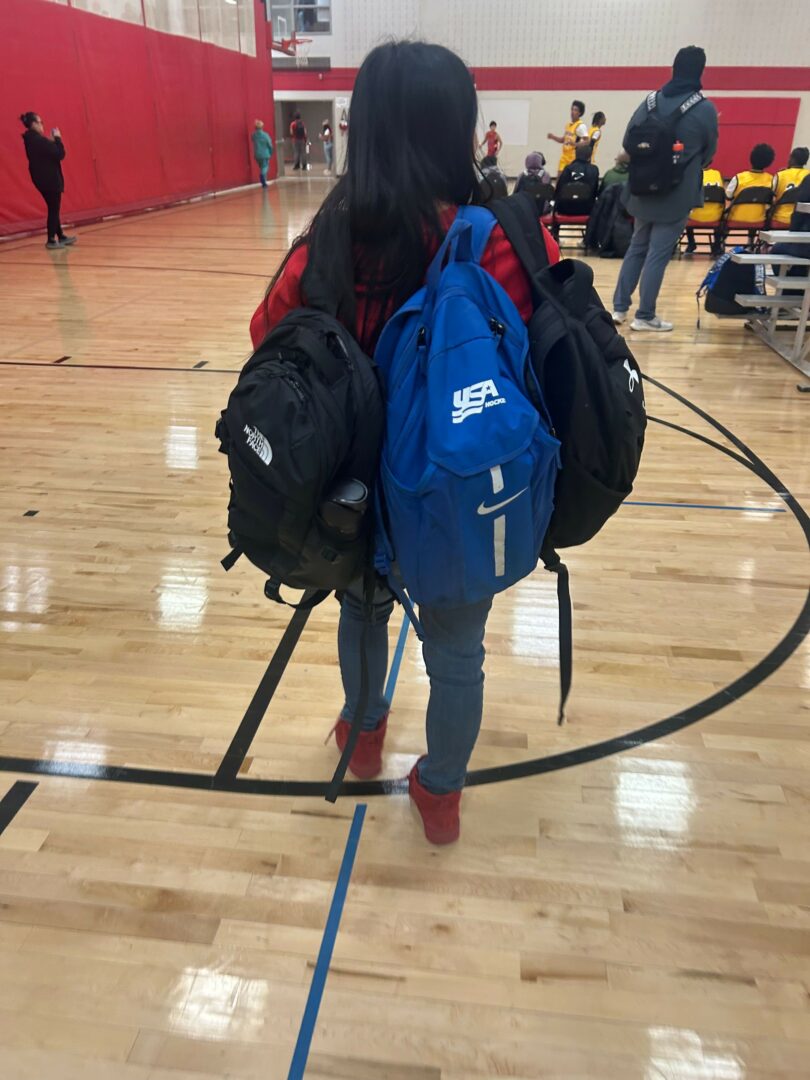
I currently serve as a high school Assistant Principal, and my work centers on creating an environment where students feel supported, seen, and capable of achieving their goals. What excites me most about my role is being able to help students reach milestones they once thought were out of reach—whether it’s a small personal victory or a major academic breakthrough. Watching young people realize their potential is the most rewarding part of what I do.
What makes this work especially meaningful to me is the opportunity to build pathways and opportunities for both students and adults. I believe deeply in meeting people exactly where they are and leading with understanding and empathy. So often, our actions are shaped not by negativity but by our lived experiences, our traumas, and the situations we’ve been through. My focus is to acknowledge that truth while helping individuals move forward with confidence, clarity, and support.
Looking ahead, my goal is to continue creating spaces where those breakthroughs can happen—where the smiles, the “ah-ha” moments, and even the tears and frustrations become part of a journey that ultimately empowers every student to see their own potential more clearly.
At the heart of my work is the belief that growth happens when people feel safe enough to be honest about where they’re starting. I strive to create that kind of environment every day—one that empowers students, uplifts staff, and fosters a community that values compassion, connection, and continuous learning.
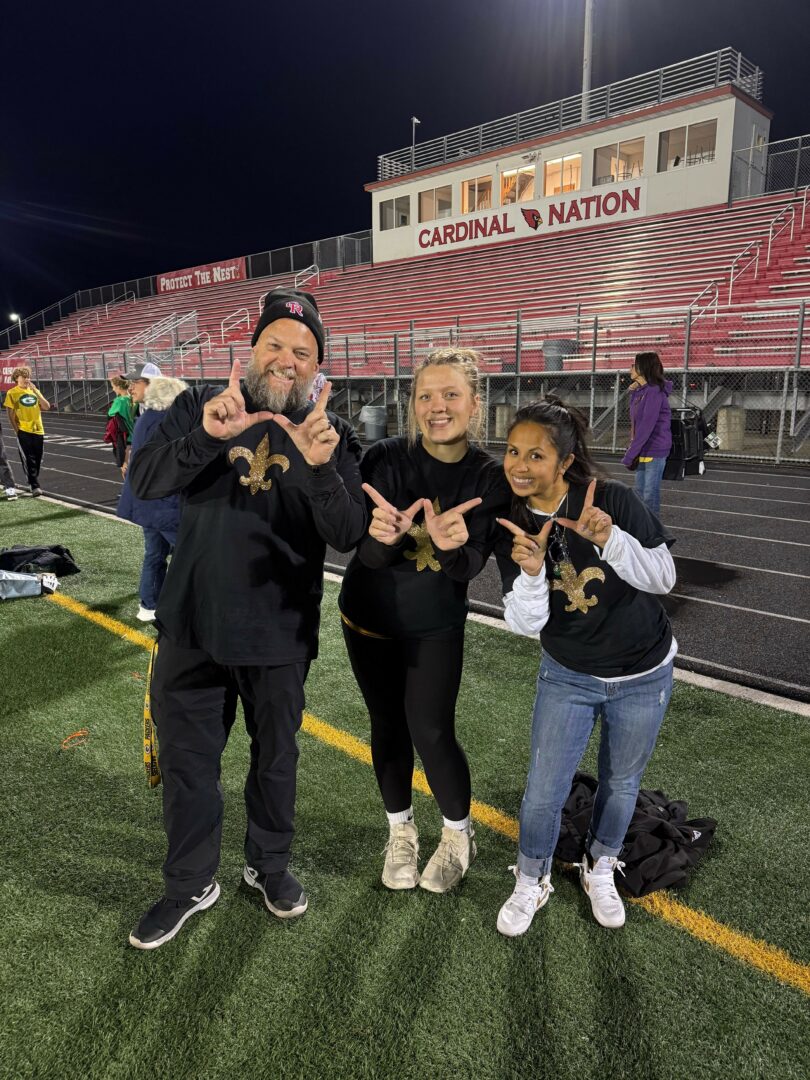
Looking back, what do you think were the three qualities, skills, or areas of knowledge that were most impactful in your journey? What advice do you have for folks who are early in their journey in terms of how they can best develop or improve on these?
Looking back, three qualities have had the biggest impact on my journey: empathy, resilience, and the ability to truly see potential in others.
Empathy has shaped how I lead and how I build relationships with students and staff. Understanding that people’s actions often come from their experiences, challenges, and traumas allows me to approach every situation with patience and compassion. My advice for those early in their journey is to practice slowing down and listening—really listening. The more you learn to understand the “why” behind someone’s behavior, the more effective and grounded your leadership becomes.
Resilience has carried me through the harder moments—the tears, the frustrations, the tough decisions. This work isn’t always easy, but it is always meaningful. For anyone starting out, resilience grows through reflection and support. Don’t be afraid to seek mentorship, ask questions, and admit when something feels challenging. Growth happens in those honest spaces.
Seeing potential in others has been one of the most powerful skills in my career. Believing in students and colleagues—even when they don’t fully believe in themselves—can change their trajectory. If you’re early in your journey, make it a habit to look for strengths before weaknesses. Celebrate small wins. Encourage the “almost there” moments. Sometimes people just need someone to hold the vision for them until they can hold it themselves.
These three qualities have shaped the way I lead and the impact I hope to continue making. They’ve allowed me to create spaces where people feel valued, understood, and capable of reaching goals they once thought were out of reach.
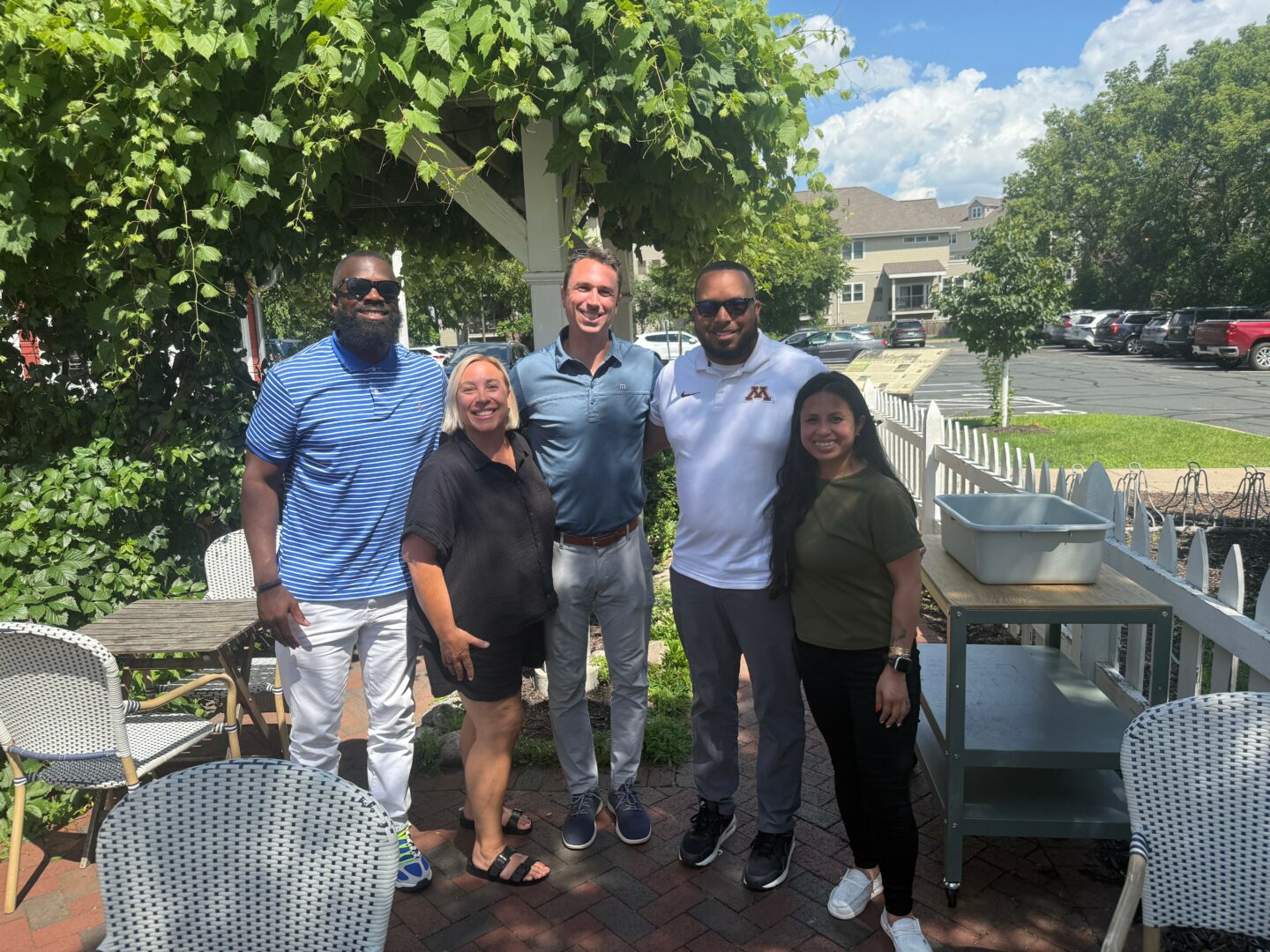
What is the number one obstacle or challenge you are currently facing and what are you doing to try to resolve or overcome this challenge?
One of the biggest challenges I’m facing professionally right now is navigating assumptions about my qualifications and experience. Because I am younger-looking and physically small in stature, some staff members have questioned my background, my education, and even my ability to be in this role. I’ve had people directly ask what degrees I hold or what experience I have, and it has been surprising to see how quickly perceptions shift once they learn I recently earned my doctorate—something I don’t typically lead with, because I don’t believe titles alone should determine respect.
What I’m learning, though, is that perception is a real factor in leadership. To overcome this, I’ve focused on building trust through my actions, consistency, and the way I show up every day. I’m working on being more comfortable sharing my credentials when it’s relevant—not as a way to assert authority, but to remove barriers that might prevent meaningful collaboration. I also make it a point to lead with empathy, professionalism, and transparency so that people can see my competence through the work itself.
Ultimately, my goal is to demonstrate that effective leadership isn’t rooted in physical appearance or titles, but in integrity, relationship-building, and a commitment to supporting students and staff with clarity and purpose.
Contact Info:
- Linkedin: https://www.linkedin.com/in/quyen-phan-ed-d-44a59534
- Other: “Living My Dissertation Out Loud: Experiences of Minnesota K-12 Asian School Administrators: A Qualitative Study” (https://repository.stcloudstate.edu/edad_etds/105/)
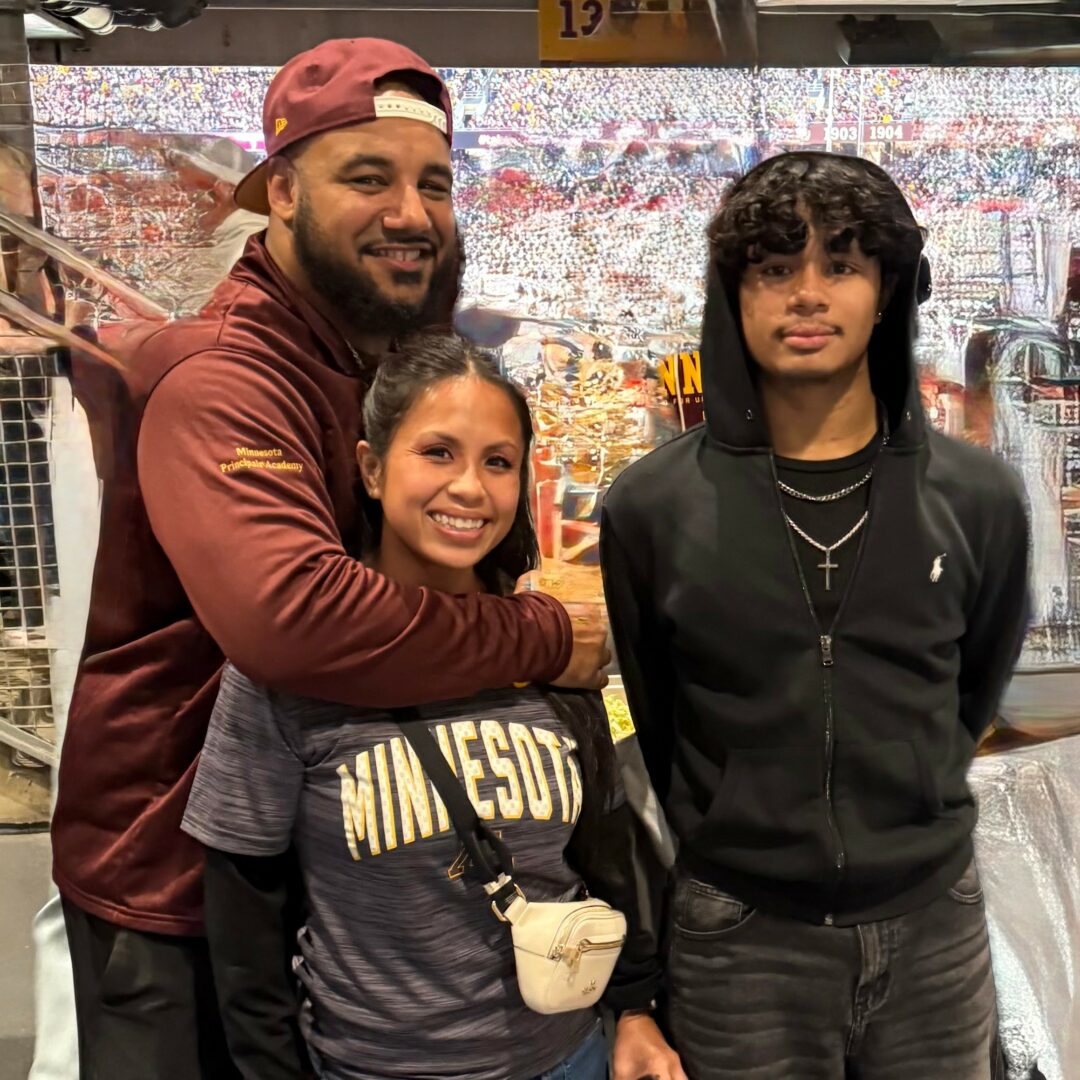
so if you or someone you know deserves recognition please let us know here.