We’re excited to introduce you to the always interesting and insightful Rachel Winter. We hope you’ll enjoy our conversation with Rachel below.
Hi Rachel, really happy you were able to join us today and we’re looking forward to sharing your story and insights with our readers. Let’s start with the heart of it all – purpose. How did you find your purpose?
From an early age, my empathetic nature was painfully obvious. I was drawn to the vulnerable, as if by a divine magnet. It was automatic and quite often, serendipitous. But it also generated teasing with the clear message that being oversensitive was a weakness and something to hide. And I believed them.
The idea that death would hover closer the more we age, was a constant theme in my narrative.
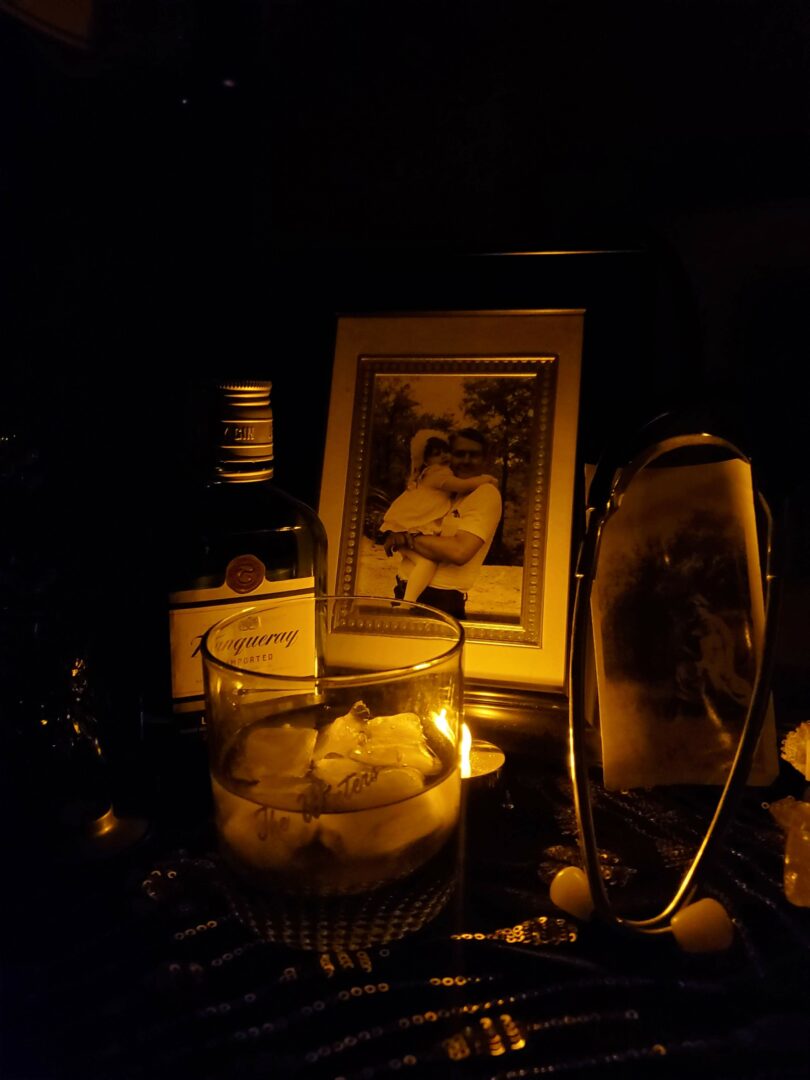
Dad was almost 56 when I was born; my mother, 19 years his junior. Frequently mistaken for my grandfather, he was a well loved pediatrician that likely took care of my friends’ parents and maybe their grandparents. On Friday afternoons in the summer, I’d accompany Mom when she’d volunteer at the nursing home behind our house. The residents enjoyed watching us kids play over the years until they themselves died. Even as a kid, I had a deep appreciation for my elders with their vast wisdom and profound perspectives of lives well lived. But you’d also catch me secretly monitoring my Dad’s breathing while he took a mere afternoon nap. I didn’t yet trust death to not steal my father away like a thief in the night.
Looking back, there were signs that I was meant to work with death. I remember grooming our 21 year old dog, Muffin, in a familiar sunny patch on the back porch. In a matter of hours, she would take her final trip to the vet. While I cared for her, she was alive but heavily leaning into her old bones and readiness to depart. This last, quiet act of love, transcended the verbal or the need to make it a production. Had the vet allowed it, I would have been by her side until the end. The first time I saw my father cry was while he was digging her backyard grave. I didn’t understand the significance of these memories until adulthood.
In 2016, my purpose was revealed but it came at a great cost.
Rufus T was our rescue coonhound and my soulmate dog. At 8 years old, his undiagnosed chronic pancreatitis got the best of him. In the midst of the chaotic emergency vet waiting room with diminishing hope and total disbelief, my wife and I were called back to say our goodbyes. In those last moments, my inner death doula took over; emotions were firmly in control and the goal was crystal clear. The precious minutes we had left were about him, not us. It was our job to support him in love and song, as he floated away to the land of the ancestors. It wasn’t until I crossed the threshold back into the waiting room, that the magnitude of my maternal loss was released. His death rattled awake a primal rage that changed me from a complacent masker to an assertive woman who had found her power in empathy and love in the presence of death.
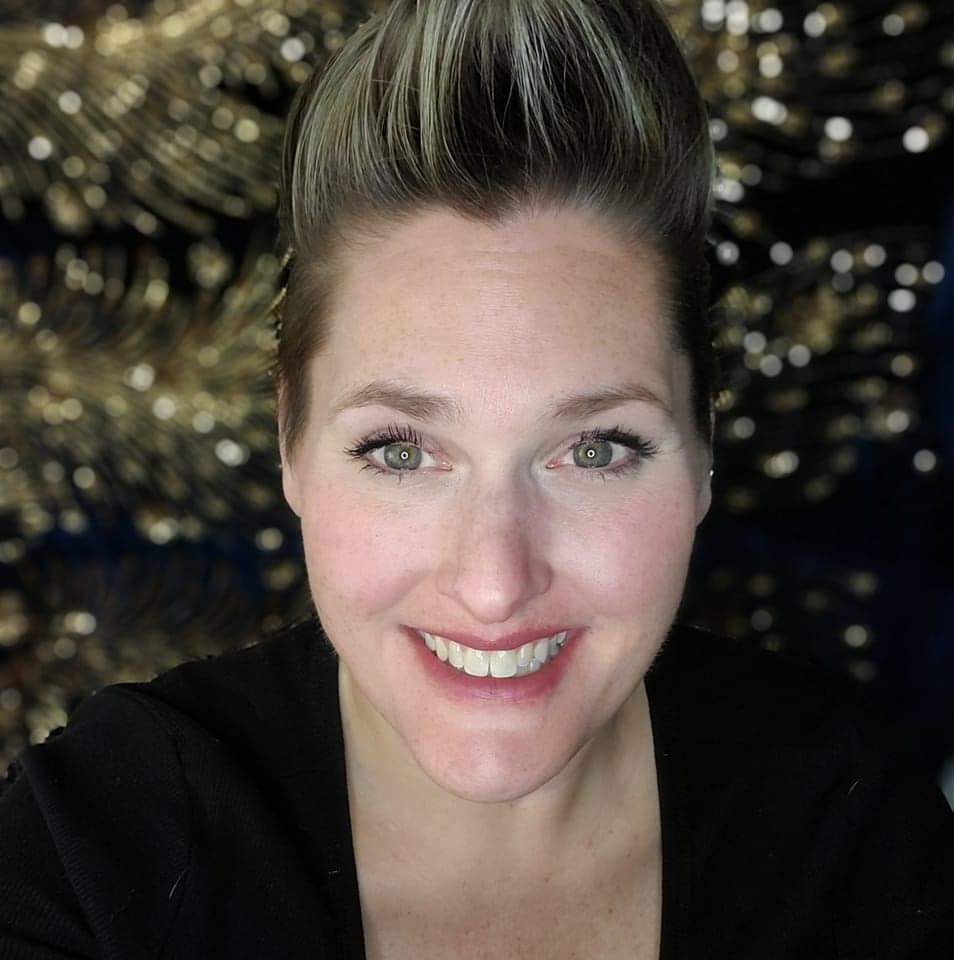
I am an end-of-life doula for both people and companion animals. I provide non-clinical support to the dying and their family in cooperation with associated medical and funeral providers.
I do not see death as a shrouded monster to be feared. To me, she’s a motherly figure who I work alongside to ensure a gentle transition upon her arrival.
Let’s take a small detour – maybe you can share a bit about yourself before we dive back into some of the other questions we had for you?
End-of-life is a sacred time that deserves support and love from our communities. I saw the importance of this early on when caring for my family’s companion animals at the end of their lives. Eventually, I’d discover my purpose as a death doula and educator. I’m active with both the Banner Endings collective and with KC End-of-Life, a non-profit that coordinates death doula services in the Kansas City Metro.
I studied with Village Deathcare, IDLM (International Doula Life Movement), and The Centre for Sacred Deathcare, providing comprehensive end-of-life education to care for both humans and companion animals. Working in hospice gave me hands-on experience and an inside view of how deathcare fits within the modern healthcare system. Bearing witness and providing support at the bedside is such an honor.
I’m passionate about empowering others to take care of their own dying and dead through education and assurance. This is an ancient responsibility we’ve lost sight of by handing it over to various industries. Losing this knowledge has reinforced the fear of death and dying. We should instead collaborate with these professionals, taking back death autonomy. This extends to documenting end-of-life wishes by completing advance planning. Protecting your voice, wishes, and loved ones can be the greatest gift.
In my own grief, I’ve experienced firsthand the power of legacy projects to honor the dead. This is one of the many services we can assist with. Art and genealogical research helped me process the loss of my Dad. Attending the funerals and life celebrations for those I’ve supported, gives closure. For our beloved rescue beagle, we converted her indoor crate into The Violet Rosie Memorial Little Dog Library as a community resource for pet supplies in front of our house. Behind our library, my wife built a Rainbow Bridge for visitors to write the names of their late pets as a public memorial. Whether private, public, static, or productive, legacy work can help with our grief and ensure their legacy lives on.
None of us can avoid death but we can make it easier with gentle education and thoughtful planning.
Looking back, what do you think were the three qualities, skills, or areas of knowledge that were most impactful in your journey? What advice do you have for folks who are early in their journey in terms of how they can best develop or improve on these?
The first requirement for this type of work is to be authentically empathetic. Death can be messy and scary but this sacred work requires you to get over your discomforts. The dying are in the most vulnerable state possible. It’s about them, not the living.
Secondly, completing an educational program will give you the tools to curate your own practice. Pairing that with being a hospice volunteer, will provide the hands-on practicum that otherwise, would be very difficult to attain.
Thirdly, you must network with other doulas and professionals in deathcare. Everyone has a perspective or expertise to bring to the table. We as individual doulas, cannot serve every client with all possible services or needs. Foundational beliefs, religion, culture, your health or physical limitations, your availability, and managing your personal life have to be considered. Clients deserve the best doula for them, and it may not be you. And that’s ok!


Awesome, really appreciate you opening up with us today and before we close maybe you can share a book recommendation with us. Has there been a book that’s been impactful in your growth and development?
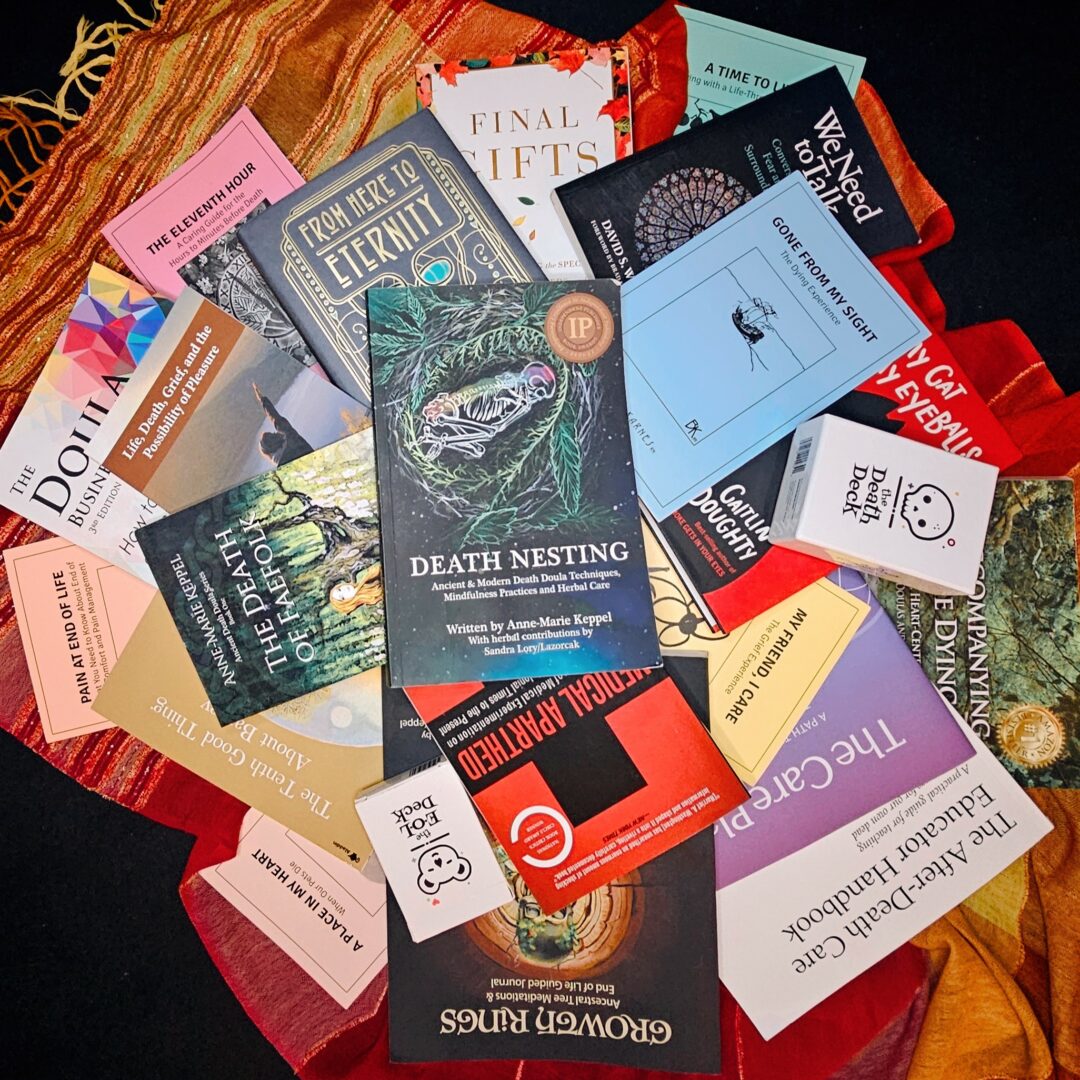
Death Nesting: The Heart-Centered Practices of a Death Doula by Anne-Marie Keppel
This book was a gift from my wife who has consistently supported me on this journey.
The Death Nest is a space cultivated out of love, support, and protection around the dying. The spiritual energy it creates, is palpable. This nest is created with the client’s wishes in mind to safeguard their transition.
When this energetic space is ruptured, the impact on our nervous system is significant.
There is a metaphysical separation of sorts that happens when animals (including humans) begin to die. Greta Louise, our nearly 17 year old Pit-Bull mix, was conscious and walking, but seemed disconnected the night before she died. With no distress to speak of, we kept her home as long as possible. I created a space for my little family to surround her with gentle massage, whispers of motherly love, and soothing when needed. When her terminal restlessness became unmanageable, we wrapped her up to head to the ER vet. As we passed through the front door into the cold, our sense of security vanished. Strategically quieted emotions flooded in, raw and steadfast. My instinct to protect her while in such a vulnerable state, was consuming. Once we were settled in at the clinic, we did the best we could to recreate that sacred space as she transitioned.
This was Keppel’s book in action. The transition from our safe sanctuary to the uncertainty of the outside world, confirmed for me that Death Nesting is an integral part of my own practice.
Curating a loving space for death to occur without worry, should be the standard.
Contact Info:
- Website: https://winterdeathcare.com/death-doula-website
- Instagram: @winterdeathdoula
- Other: https://bannerendings.com/
https://kcendoflife.org/

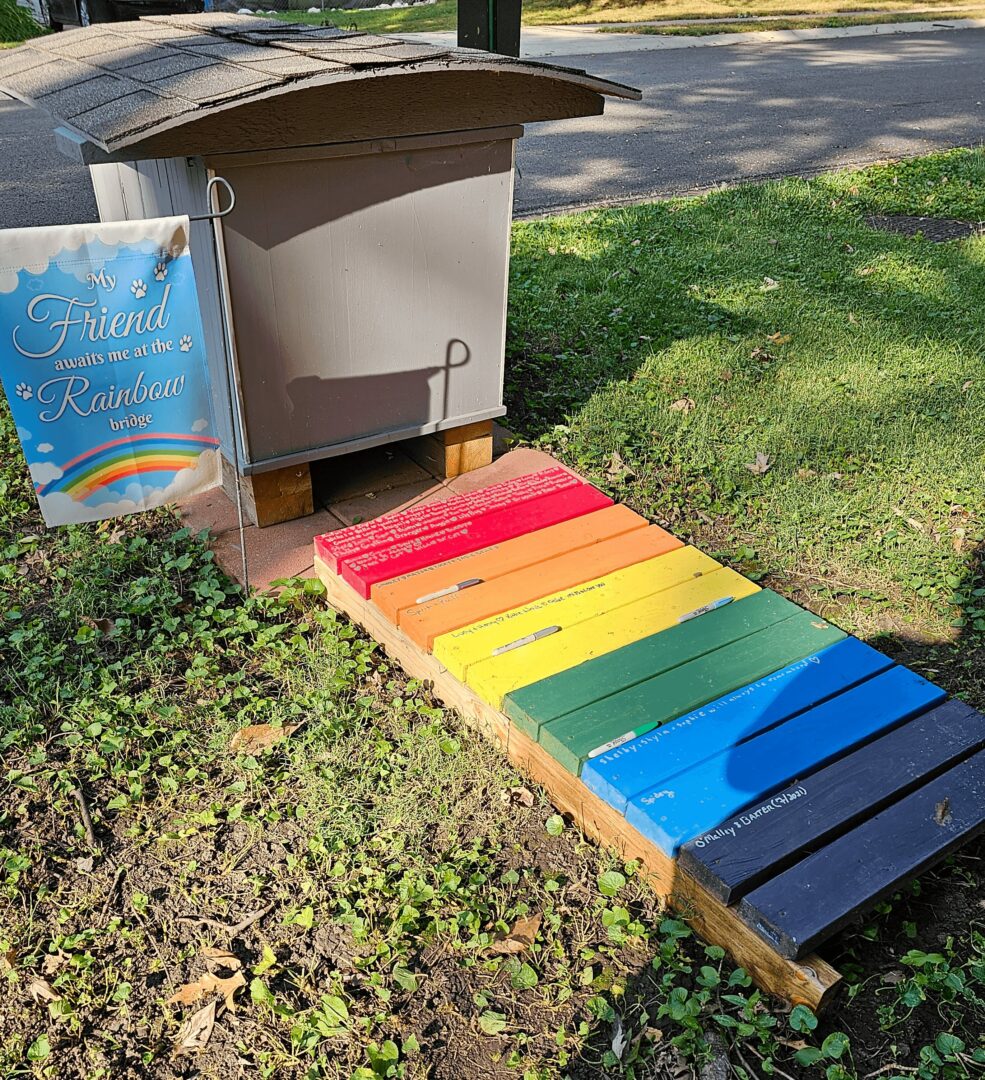
Image Credits
Rachel Winter
so if you or someone you know deserves recognition please let us know here.