Alright – so today we’ve got the honor of introducing you to Ramón Bonilla. We think you’ll enjoy our conversation, we’ve shared it below.
Ramón , appreciate you making time for us and sharing your wisdom with the community. So many of us go through similar pain points throughout our journeys and so hearing about how others overcame obstacles can be helpful. One of those struggles is keeping creativity alive despite all the stresses, challenges and problems we might be dealing with. How do you keep your creativity alive?
I keep my creativity alive in part by listening to instrumental music from different genres because it allows me to experience the creative output of others without the interference of lyrics and ideas conveyed vocally that compete with my track of thought specially while I am working in my studio. This allows me to enhance my working experience and focus while I am working.
From Erik Satie and Boards of Canada to Bill Frissel and Miles Davis and many other musicians my musical preferences have always been very diverse which is something that I inherited from my father. Moreover, I think that in music there are ways of understanding how a composition is resolved through various competing/harmonious elements and this relate well to the painting process. For example sound and silence in music can relate to positive and negative space in the visual. There is a continuity and referential conversation between music genres that also relates to the art making process and its historical timeline.
Very recently I started using my CD player and cassette deck along with my turntable to listen to my analog music collection in order to stir away from streaming music and avoid distractions from my smart phone. I think that there is something closer to human experience and activity in handling and playing physically recorded media. It goes beyond the organic vs digital quality of the sound; it also has to do with the way that we interact with these older music reproduction technologies. I don’t have all the music in the world in my analog music collection and that’s fine. Limitations create opportunities sometimes even more than the overabundance, instant accessibility and gratification that streaming is able to provide.
I also play guitar when I have some spare time which provides me with an even deeper musical experience. Playing guitar is a meditative experience that can open a gateway to introspection which can feed creative thinking. Playing is a way to also produce instead of consuming content all the time.
Additionally it is important for me to look at and study other artists and other works of art. At least once a week I spend time visiting art galleries and museums. This year I have experienced many inspiring exhibitions by Wilfredo Lam at MOMA, Gary Simmons at Hauser And Wirth, Andre Butzer at Skarstedt, Jack Whiten at MOMA, Robert Rauschenberg at the Guggenheim and Rashid Johnson also at the Guggenheim as well as many other art shows in NYC. An impactful exhibition can provide you with a renewed perspective regarding your own practice.
Walking urban areas as well as natural environments also keep my creativity alive. There are always new revelations to be found in these environments connecting to the key elements of art which are line, color, value, form, shape, space and texture.
Reading books about art and also books about concepts that I want to study and discuss through my artwork is very important. Fiction is inspiring as well. New and older. Right now I am reading “Confessions of a recovering environmentalist and other essays” by Paul Kingsnorth. It is a book about the environment.
Lastly, taking daily time for reading and praying over biblical scripture provides space and time for meditation and to seek calm over chaos and purpose driven direction.
Let’s take a small detour – maybe you can share a bit about yourself before we dive back into some of the other questions we had for you?
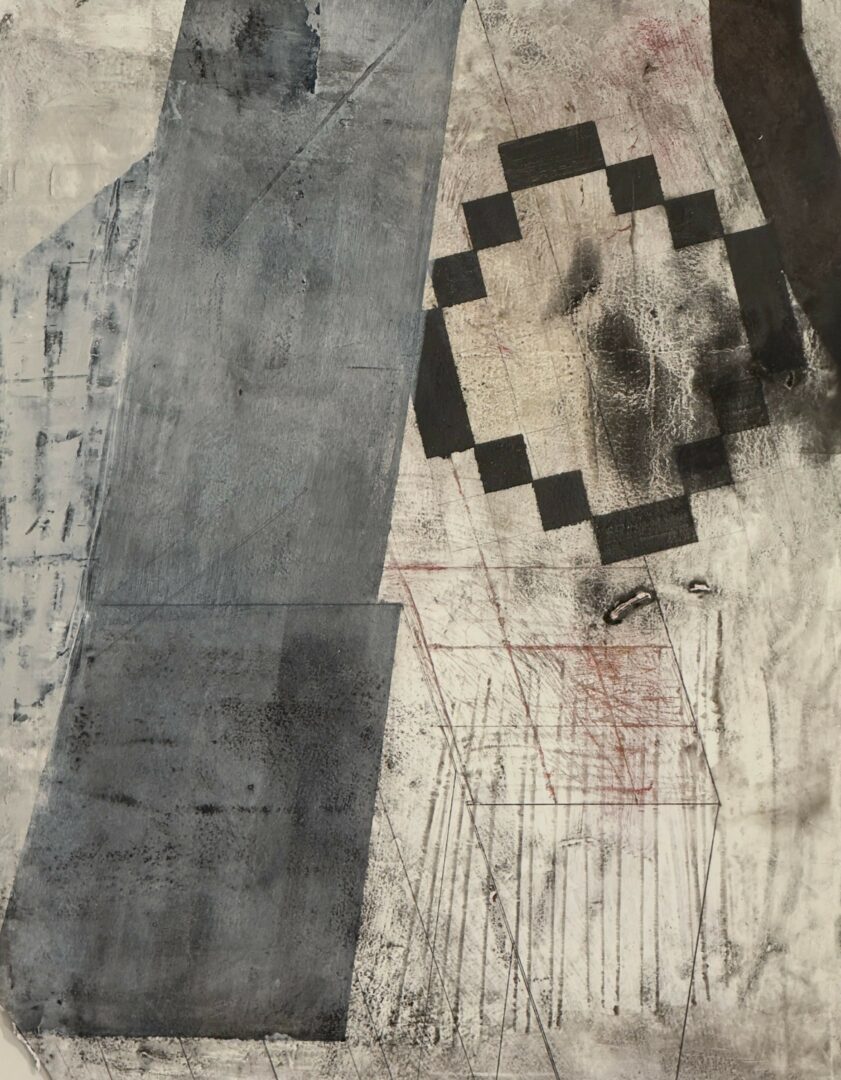
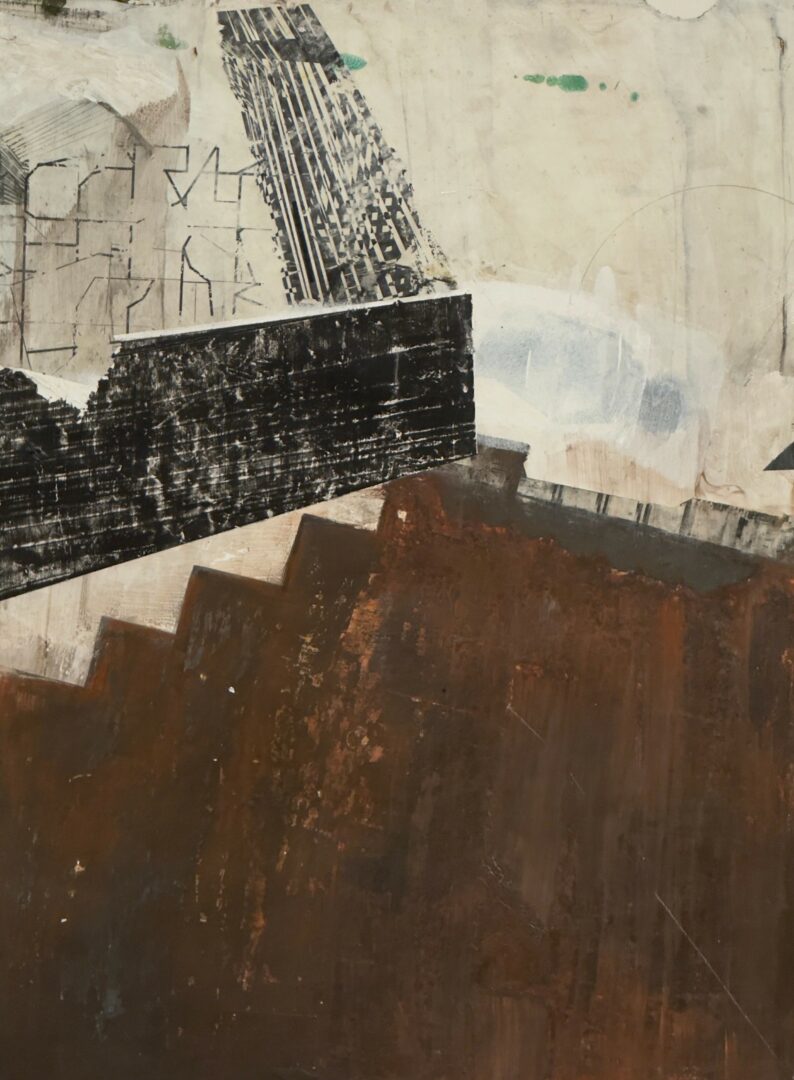
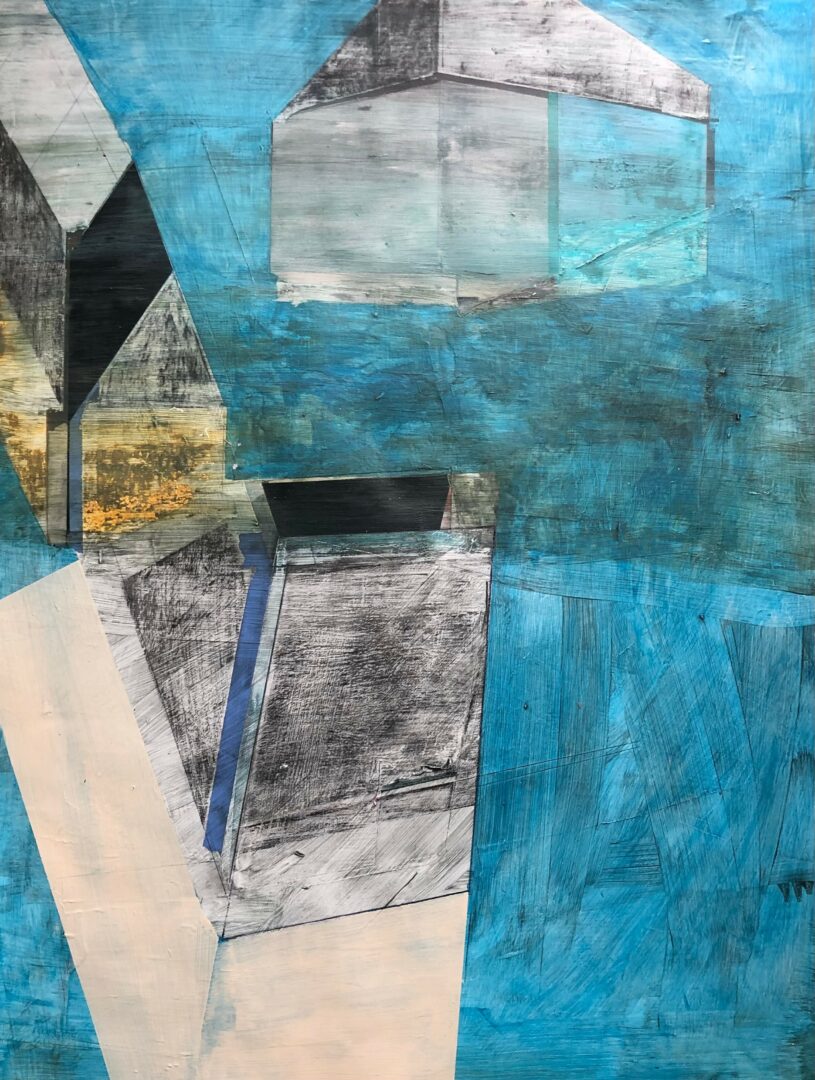
I am a professional artist based in New York working mostly with painting but have also worked with installation and three-dimensional work. I am a 2025 grant recipient of the Pollock-Krasner Foundation and has received funding from the Andy Warhol Foundation in order to support my art practice. I have shown my work in numerous solo and group shows and have completed art residencies at Redline Denver and Ely Center For Contemporary Art in New Haven.
The concept behind my work springs out of a longing for a better world and so my art deals with concepts of place, timelessness and futurity. In my work I act as world builder hoping for a better future that is near and welcoming to all.
In my work I consider the ontological and existentialism and our relation to technology, the natural and the supernatural. Additionally I have also worked with themes that are more aligned with architectural representation and lanscape when working on commissioned projects for such clients as MEOW WOLF, Absolut Art and Muros Chicago among many other projects.
I also work as an art teacher and manage an art workshop for adults with developmental and cognitive disabilities. It is a very fulfilling work that allows me to provide daily creativity activities at a day care center. Through my position as an art teacher I have been able to understand that the arts can also be used to serve others in need providing care, healing, opportunities for self-expression and socialization.
Additionally, I make music for and provide assistance with the making of the YouTube art channel https://www.youtube.com/@soundsofny
Looking back, what do you think were the three qualities, skills, or areas of knowledge that were most impactful in your journey? What advice do you have for folks who are early in their journey in terms of how they can best develop or improve on these?
Resiliency, resourcefulness and ingenuity are three qualities that have proven to be impactful in my journey as a visual artists.
Resilience is needed in this practice to be able to handle rejection, overcome obstacles, adapt, respond to changes and thrive when you are the only one in the room/group that looks like you.
Resourcefulness to be able to continue creating when funds are low or zero. Drawing is always possible if there is scarcity of materials such as paint. Installation or three-dimensional work can be made with found materials or discarded objects. Sometimes those materials can say more about who you are and your vision that anything store bought.
Ingenuity will allow you to see and create opportunities for your work where there are none.
I think that these three qualities can help folks early in their journey to overcome obstacles that commonly arise. This is when some people might give up because of lack of opportunities for funding their creative practice or for exposure. Not having the means to buy materials is not an excuse for not making art. You can always draw when you have no painting materials and you can draw through mark making and not only by using pencils and paper. Cardboard is everywhere and it is a material that can be used for three-dimensional work and installation work.
When there is a lack of exposure it is possible to look for alternate spaces to curate a group show or install your own solo show that can be documented with good pictures and this can also be shown though your social media feed. I once made a show of text on paper that I posted as an impromptu exhibition on hallways of a building.
One of our goals is to help like-minded folks with similar goals connect and so before we go we want to ask if you are looking to partner or collab with others – and if so, what would make the ideal collaborator or partner?
Currently there are three main projects that I am involved with that can benefit from partners that can provide support.
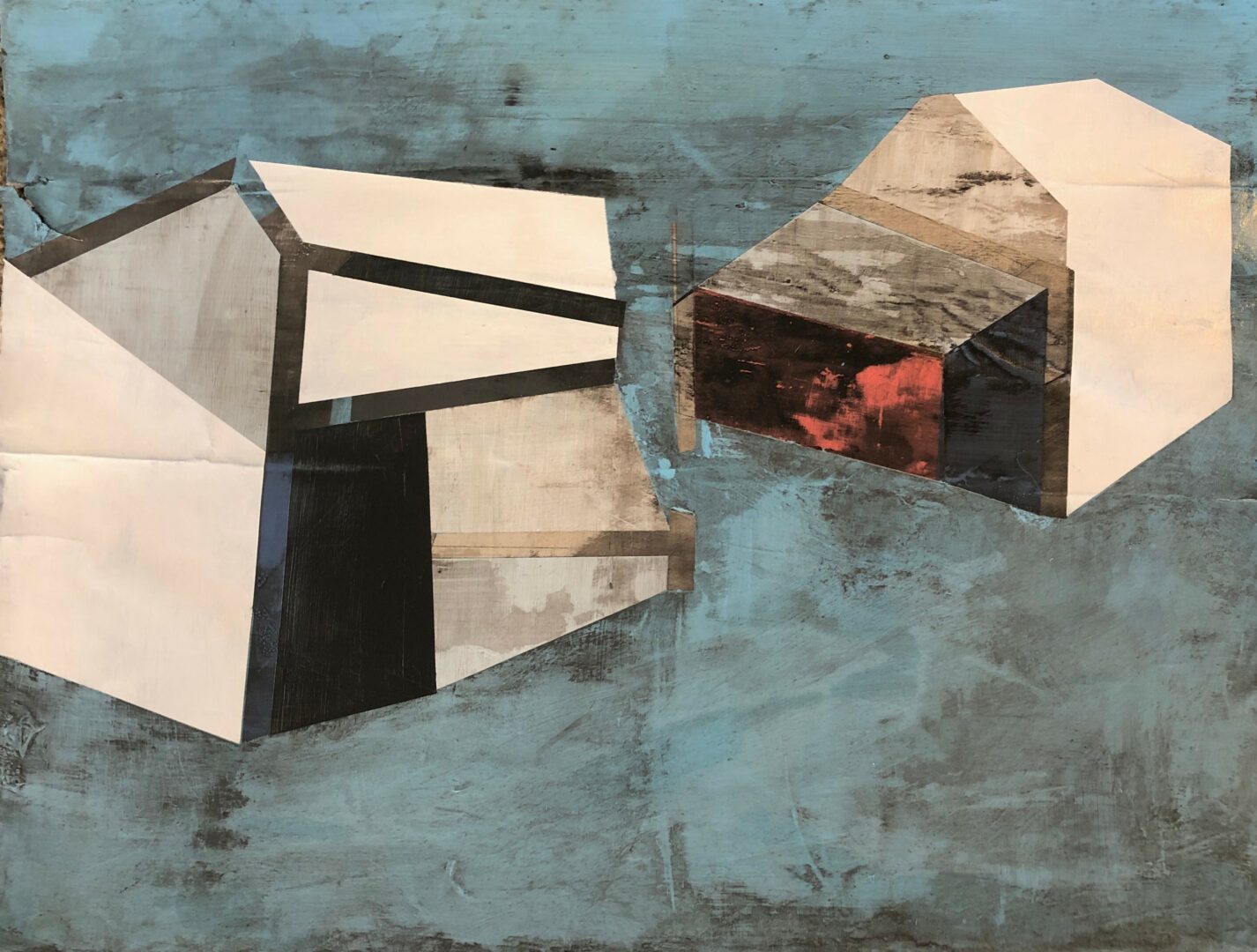
As a painter and visual artist I always welcome patrons that can support my art practice through the acquisition of artworks or by commissioning new work. My work is suitable for projects dealing with the environment, biophilia and architecture. The three-dimensional quality of my work would translate well to public art. There is also the traditional avenue of exhibitions and for that curators, collectors and gallery managers and owners could make great partners. If you are located in the Tri-state area or visiting New York I am available for studio visits that can be scheduled through my email. Folks can also partner in supporting my work by sharing the work online, following my instagram account or visiting my website.
Regarding my work as an art teacher for adults with developmental and cognitive disabilities; at the moment I am wanting to expand what can be done through this program in order to follow a model that better aligns with the concept of progressive arts. This means creating opportunities for some of the participants to show and sell their work outside of the day habilitation program that they participate in. Small business owners in the Tri-State area could provide their spaces for this to happen. This could be a coffee shop, bookstore or the lobby of a building. Any alternate space could be activated with the art made by the participants of this program. It does not have to be an art gallery space or it could be a gallery space as well. Another way to collaborate with this program would be to donate art materials such as canvases, oil pastels, acrylics, brushes, large paper pads and drawing notebooks. Also old but usable digital cameras or Polaroid cameras and film. There is an instagram account of the work done through or art program that can be followed at https://www.instagram.com/with_talking_hands/
My other project is the art YouTube Channel https://www.youtube.com/@soundsofny. You can partner by subscribing to the channel, watching our videos, liking them, commenting and/or contributing with the Thanks button.
Contact Info:
- Website: https://ramon-bonilla.com/
- Instagram: https://www.instagram.com/studio_bonilla/
- Youtube: https://www.youtube.com/@soundsofny
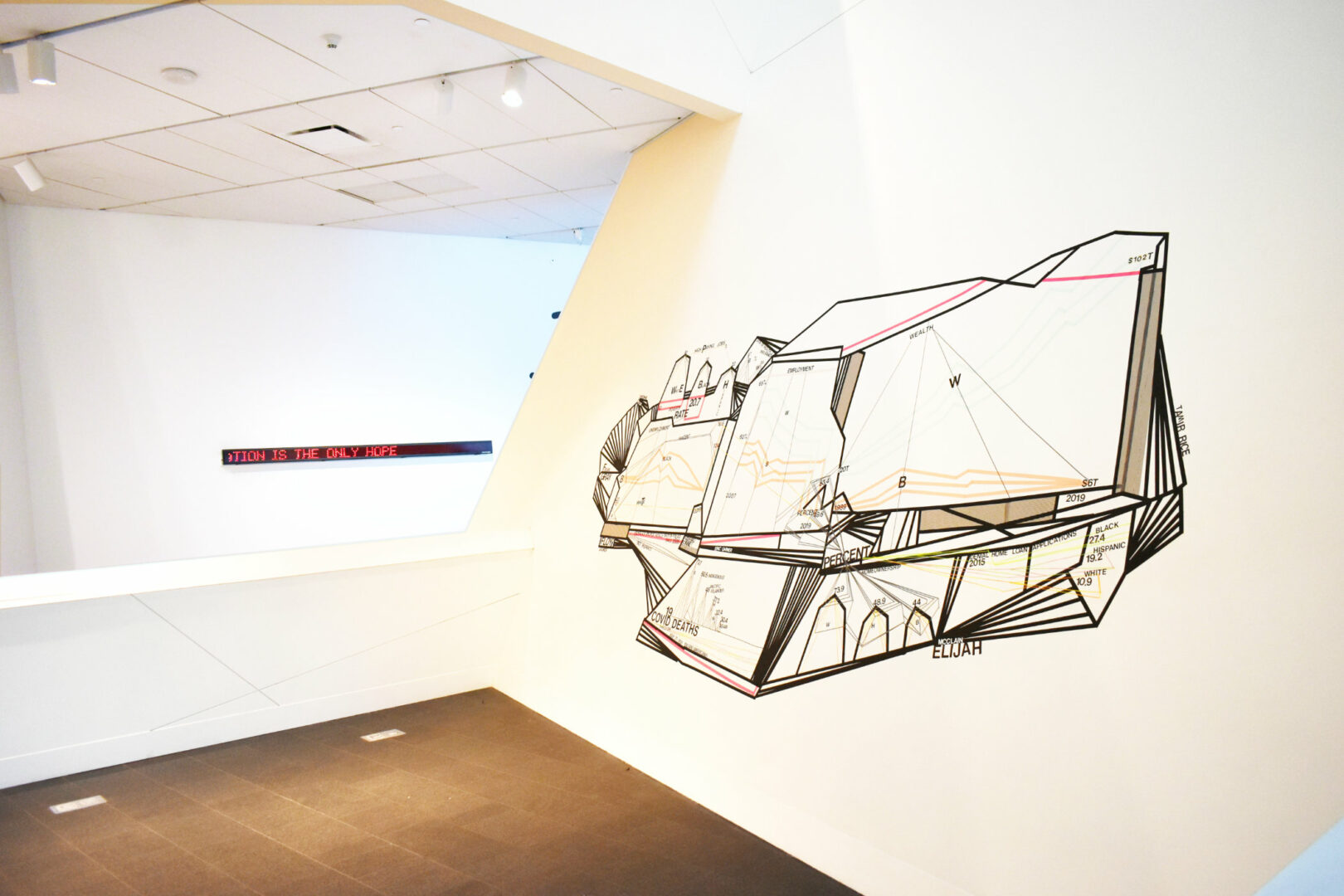
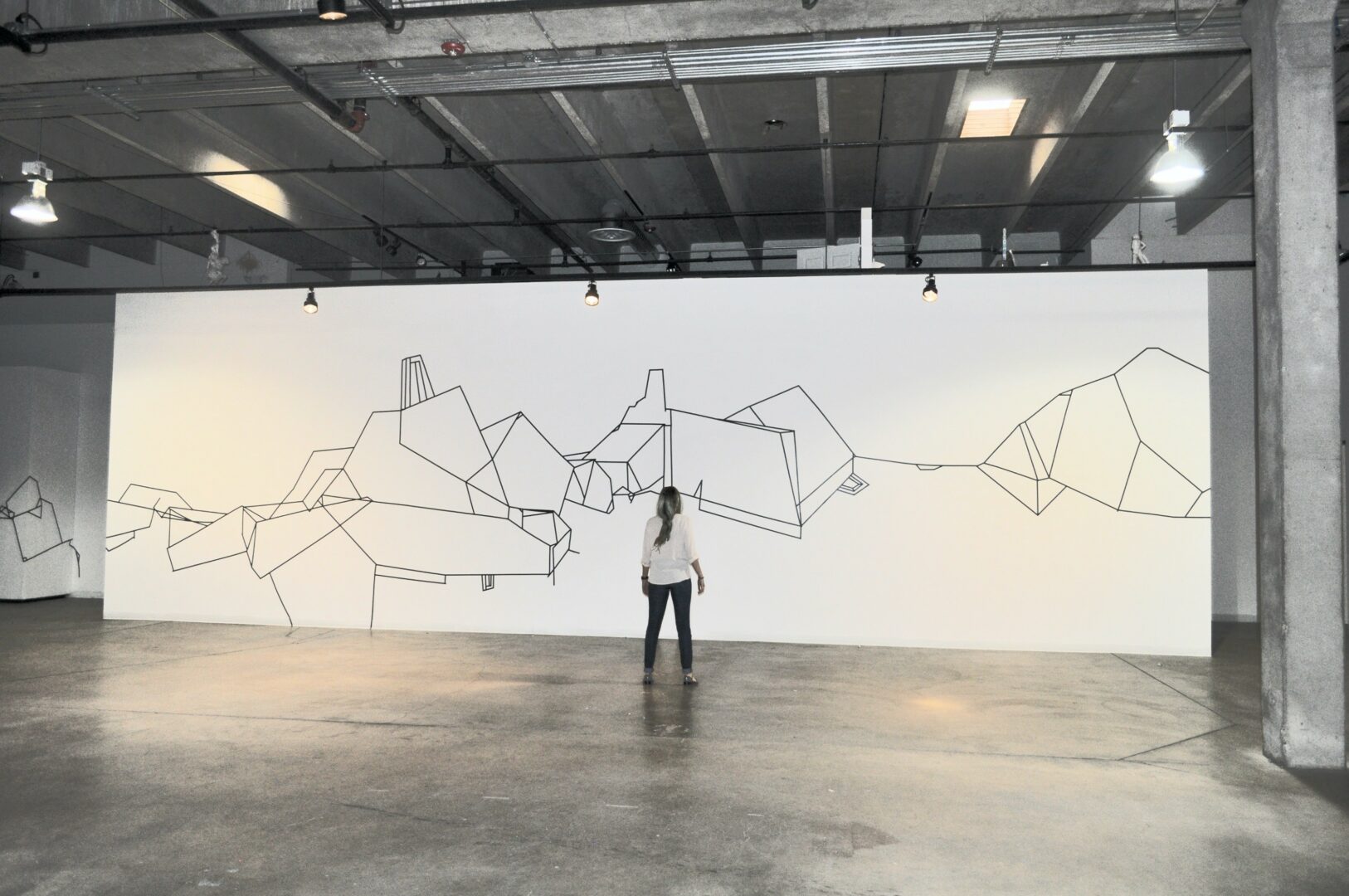
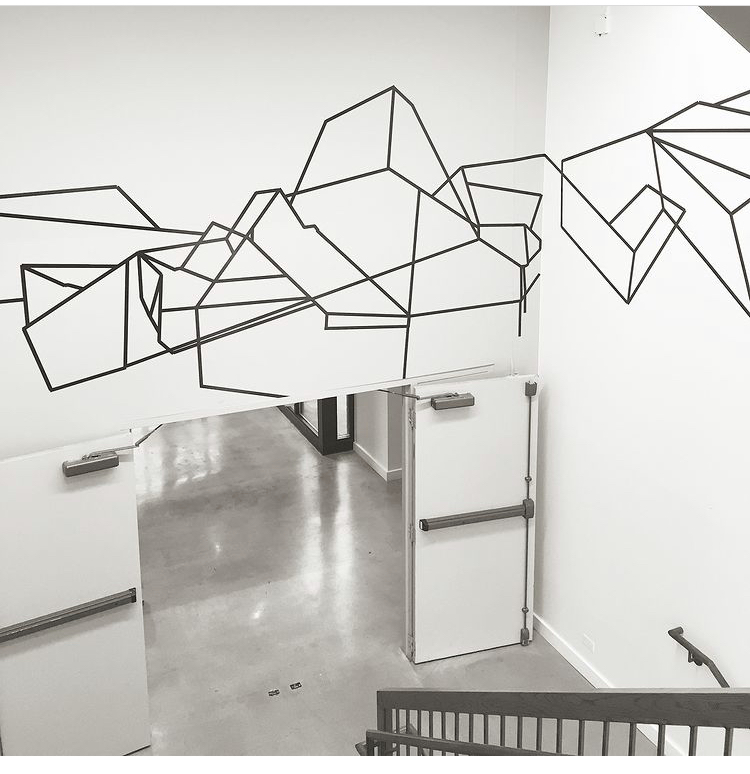
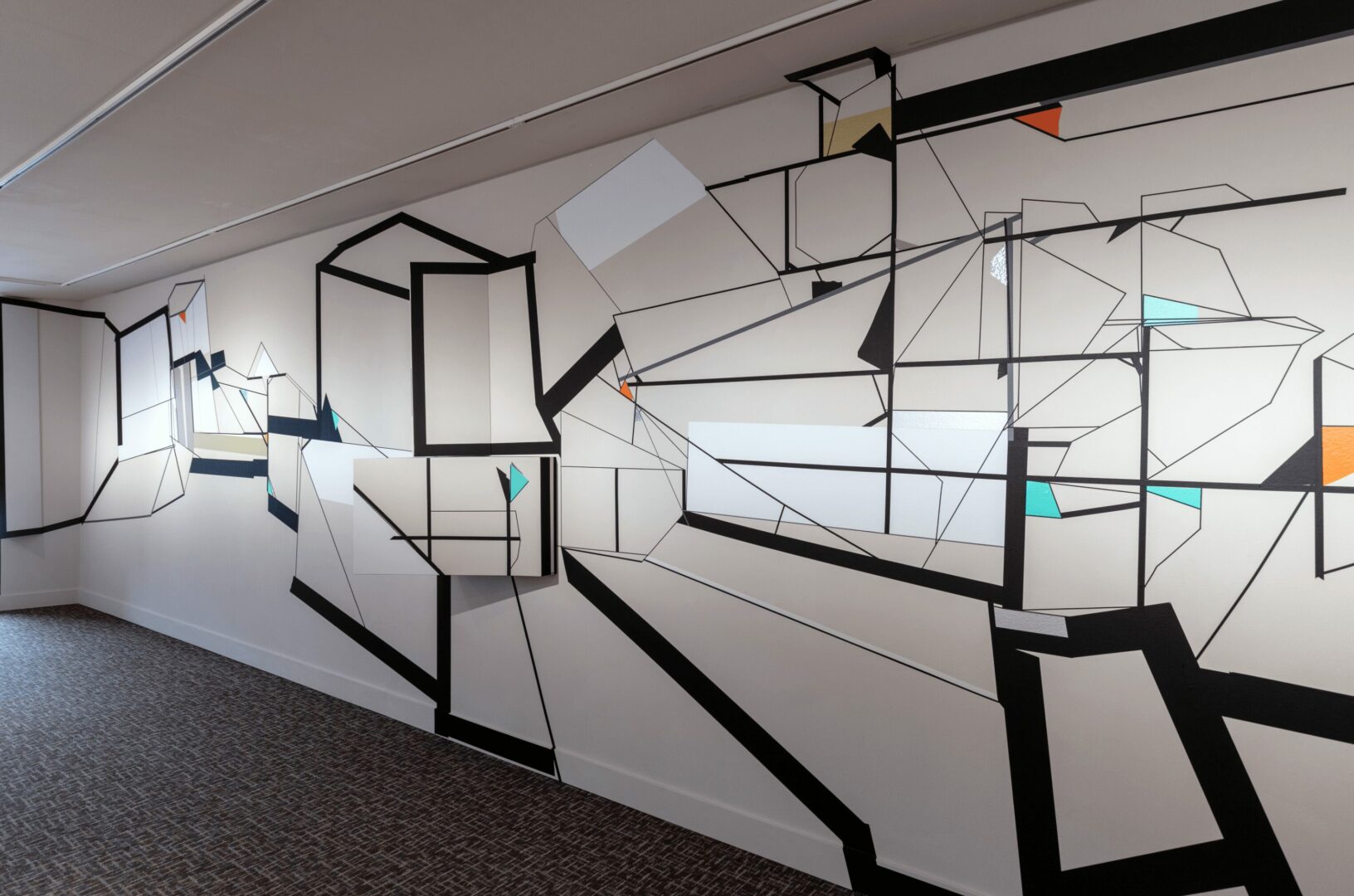
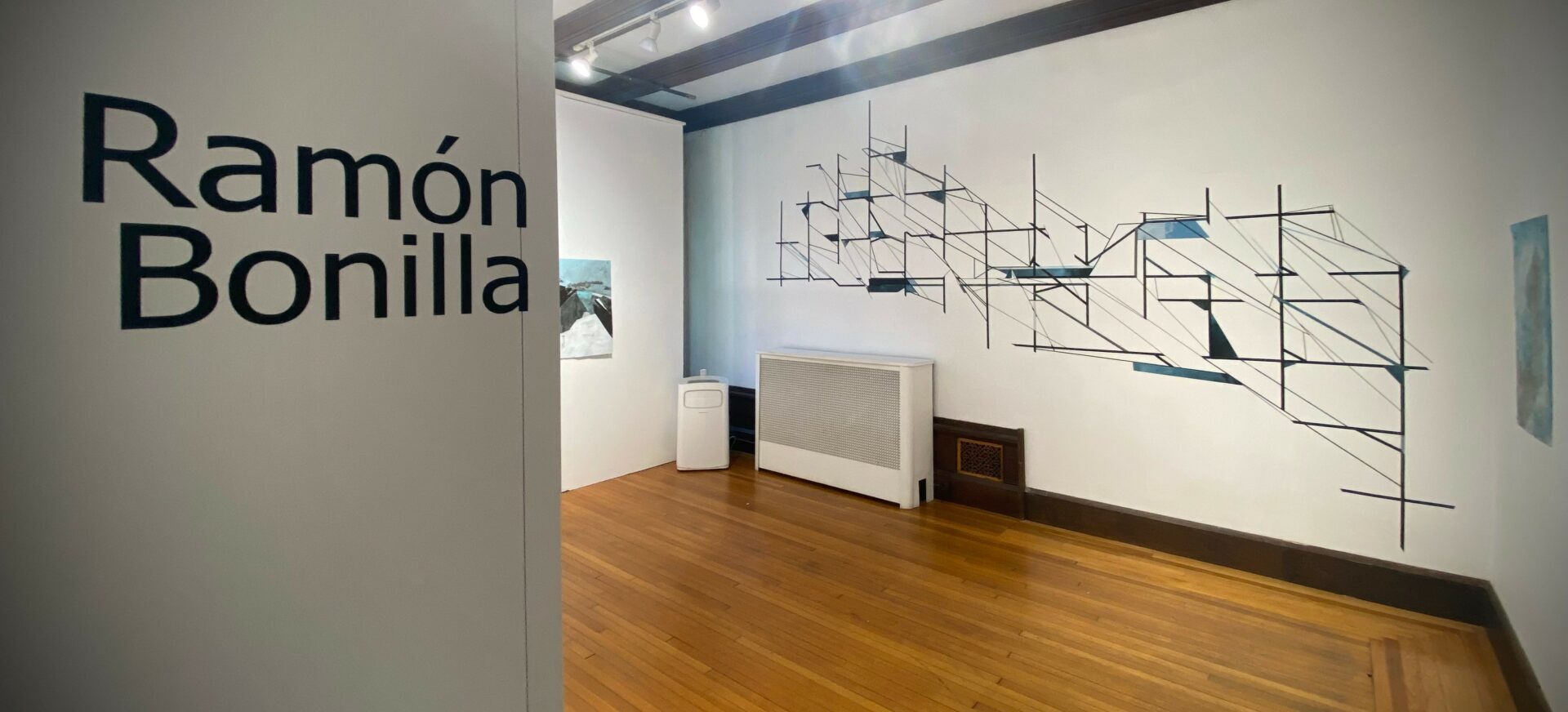
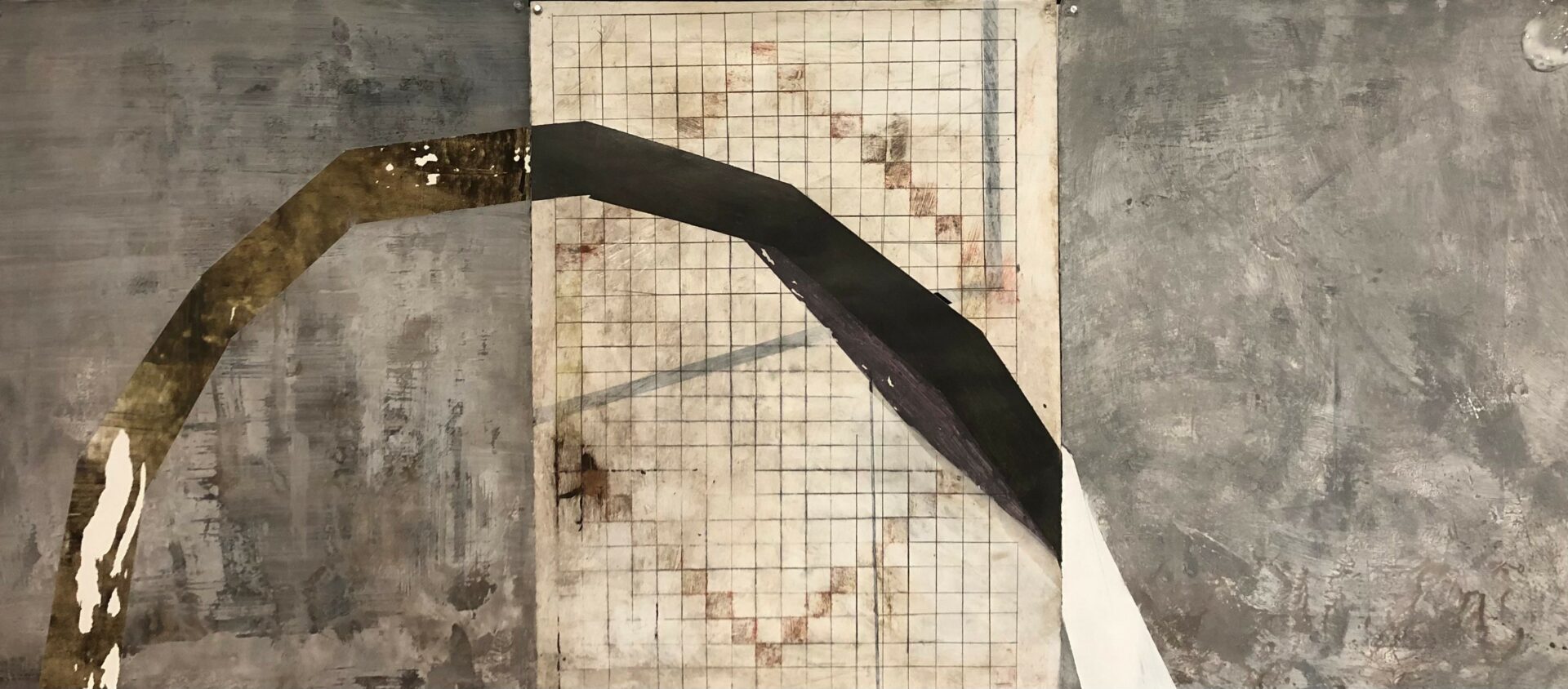
Image Credits
All images credits: Ramón Bonilla
so if you or someone you know deserves recognition please let us know here.