We recently connected with Rande Vick and have shared our conversation below.
Hi Rande, really happy you were able to join us today and we’re looking forward to sharing your story and insights with our readers. Let’s start with the heart of it all – purpose. How did you find your purpose?
I found my purpose in a moment that felt, at first, a lot like failure.
For most of my life, Fender wasn’t just a company; it was part of my identity. As a musician, I cut my teeth on a Stratocaster – loving the tone of so many of my heroes, it was a natural fit. So when Fender came knocking (literally, through a DM on LinkedIn), it felt like coming home. It was a dream job I never imagined I’d lose.
Then, one morning at the onset of COVID, I did.
That layoff did two things at once: it broke something in me, and it released something in me.
When you live inside a large corporation long enough, you start breathing in the logic of the machine. You learn to think in KPIs, quotas, and dashboards. You measure everything except the one thing that actually matters: the human being on the other end.
Losing that job stripped all of that away. Suddenly there were no metrics to hit, no targets to chase, no meetings to attend. It was just me, in the quiet, finally facing a question I had never really needed to ask:
What is value—really?
When I was speaking with Dr. Paul Zak recently, he asked how my thinking around neuroscience and emotional value began. Without rehearsing it, I told him the truth:
It started the moment I got laid off.
That moment forced me to reconnect with people—not as consumers in a funnel, but as humans with memories, emotions, and stories. I realized that value isn’t created in spreadsheets, or measured in clicks. It’s created in experiences that make someone feel something. And the brands we remember are the ones that honor that truth.
That shift—from corporate flattening back to human depth—became the foundation for everything I teach now: NeuroBrand, Radical Value, memory-based strategy.
My purpose is simple: to help brands stop chasing attention and start earning a place in people’s lives through meaning, emotion, and human-centered value.
And the strange irony is that I had to lose my dream job to find it.
Let’s take a small detour – maybe you can share a bit about yourself before we dive back into some of the other questions we had for you?
Today, my work lives at the intersection of neuroscience, storytelling, and brand strategy. I run Vick Agency, a consultancy that helps companies understand the emotional and psychological forces that make people remember – or forget – a brand.
At its core, what I do is simple:
I help brands stop chasing attention and start creating meaning.
After leaving the corporate world, I became obsessed with a question most businesses overlook: Why do we remember some brands and forget others? That curiosity pulled me into the work of neuroscientists like Dr. Paul Zak, Dr. Lisa Genova, Dr. Matt Johnson and Dr. Uri Hasson, and ultimately into developing my own frameworks around emotional value and memory-based strategy.
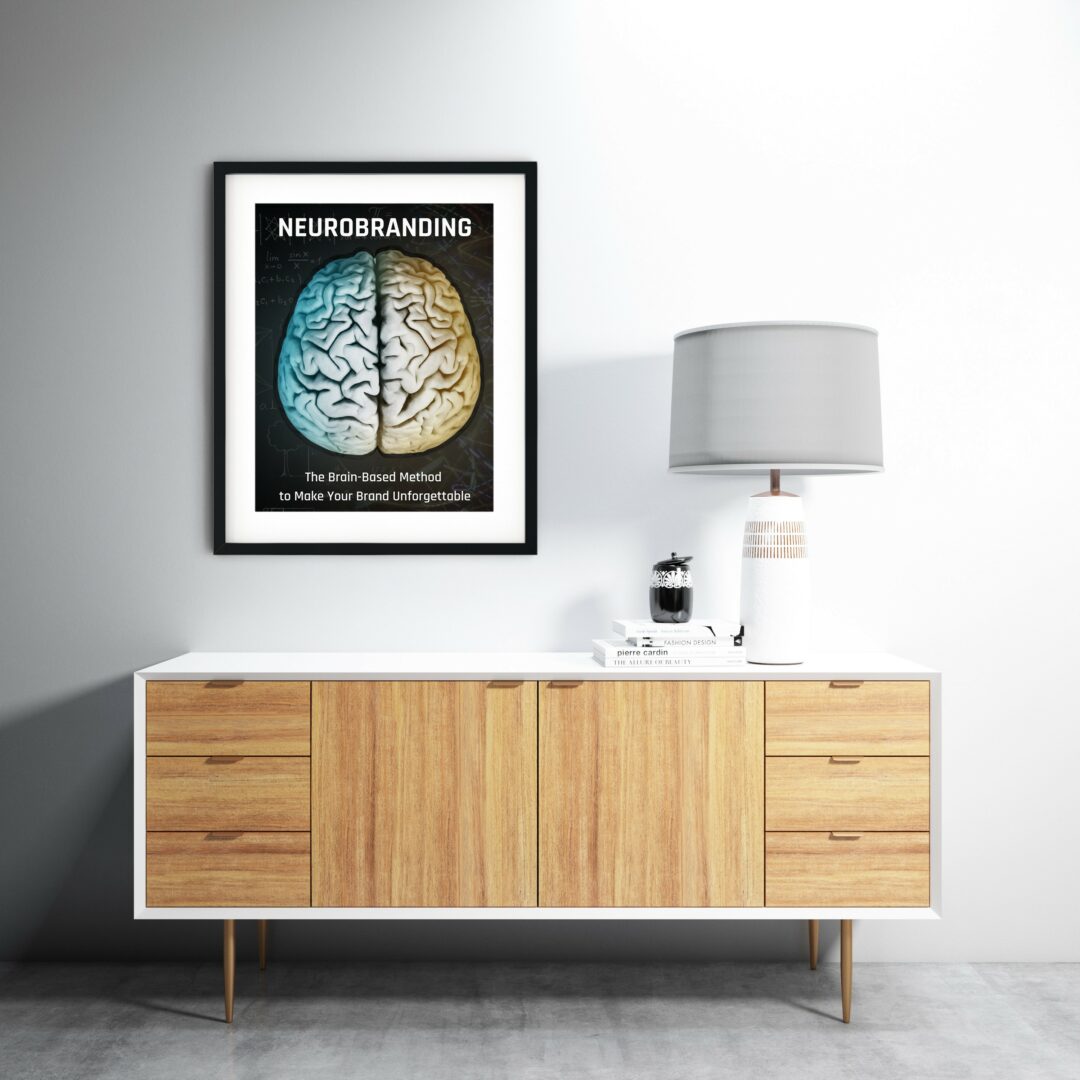
That work evolved into what I now call The NeuroBrand Method™, a way of building brands that respects how the brain actually works. Not just what people say they think, but what they truly feel. Not just the messages a brand pushes out, but the memories it encodes.
The most exciting part of my work is watching leaders realize that value isn’t transactional; it’s experiential, emotional, and deeply human. When a brand stops trying to compete on noise and starts competing on meaning, everything changes – loyalty, word of mouth, even culture.
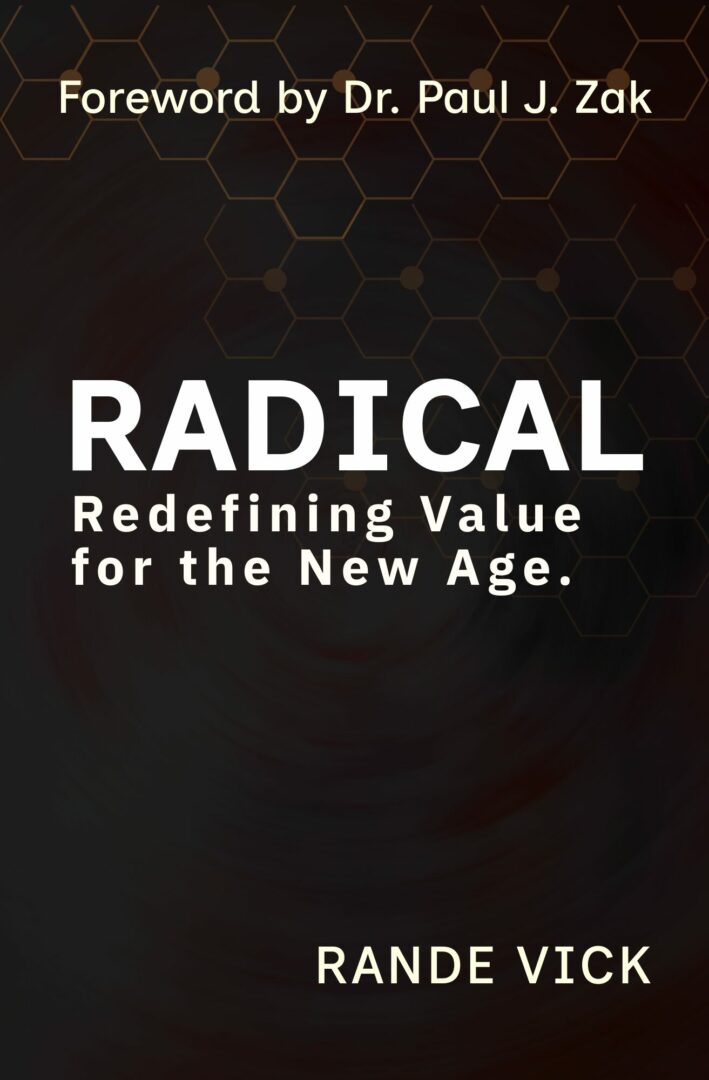
This year is especially meaningful. In January, my new book, Radical Value: Building Brands to be Uncannily Memorable, launches. It’s the most personal and challenging project I’ve ever created. The book talks about what I’ve coined as Radical Value – and highlights exactly what I’ve been saying – the difference between how businesses measure value, and how humans experience it.
I’m also preparing for several speaking engagements, including the NAMM Show, where I’ll be sharing about how neuroscience can help build an uncannily memorable brand.
If there’s one thread that runs through all of my work, it’s this:
Brands win by being remembered – and how to engineer immersion, storytelling, and associations into those memories.
Helping leaders understand that – and helping them build something that truly matters – is the part of my work that still feels like a privilege.
If you had to pick three qualities that are most important to develop, which three would you say matter most?
Looking back, three qualities changed everything for me: curiosity, empathy, and comfort with tension.
1. Curiosity – Especially About the Unanswered Questions
My pivot from corporate branding to neuroscience and emotional value started by chasing a question, not a roadmap. Curiosity pulls you past the obvious and reveals patterns others miss.
How do you foster curiosity? Critical thinking.Track what bothers, fascinates, or haunts you. Pursue it without guaranteed payoff. Life’s breakthroughs often hide in unasked questions.
2. Empathy – The Kind That Truly Sees People
Everything I teach rests on this: value hits emotionally before rationally. Meaningful brands demand understanding people’s inner worlds – their frustrations, hopes, memories – not just demographics.
How to become more empathetic? Listen without the intent to fix or impress. Take it in to understand. View customers as full humans with stories, not dashboard data points.
3. Comfort with Tension – Sitting in Uncertainty
This one’s hard. My biggest turns – job loss, framework challenges, rebuilding – all came from unresolved tension. Holding discomfort lets new ideas emerge.
How to you get better at this? Resist the temptation to take the simplest answer, every time. Tension breeds meaning. Stay present, and unseen possibilities just might show up, when you expect them the least.
My advice for your early journey: Follow your questions. Honor humanity. Embrace the gaps… they birth purpose.
What was the most impactful thing your parents did for you?
The most impactful thing my parents did for me was the way they lived their lives in front of me. I grew up in my parents’ antique shop in Glendora, and that little store became my first classroom.
I remember watching my dad talk with customers for far longer than a sale required. He never rushed anyone, never pushed, never treated people like transactions. He cared, genuinely. He treated everyone with the same warmth and respect, whether they were buying a rare piece or just wandering and asking questions.
One day I asked him why he spent so much time with people who clearly weren’t going to buy anything. He smiled and said something that stuck with me:
“Because how you treat people matters more than what you make from them.”
That was my first lesson in value.
Not monetary value, human value.
And that imprint never left me. Years later, when I found myself in the corporate world surrounded by KPIs and dashboards, something in me always resisted the idea that metrics alone could capture what matters. And when I eventually left that world, it was my dad’s voice that resurfaced and helped me see the path forward.
My entire philosophy now, the work that I do in NeuroBranding, Radical Value, the belief that brands should honor the emotional lives of their customers – it all traces back to that small antique shop and the way my parents treated people.
He didn’t talk about “branding.” That was never even a conversation.
My parents lived those values.
They showed me that value begins with humanity, and the work we do is only meaningful if it remembers that.
Contact Info:
- Website: https://randevick.com
- Linkedin: https://www.linkedin.com/in/randevick/

so if you or someone you know deserves recognition please let us know here.