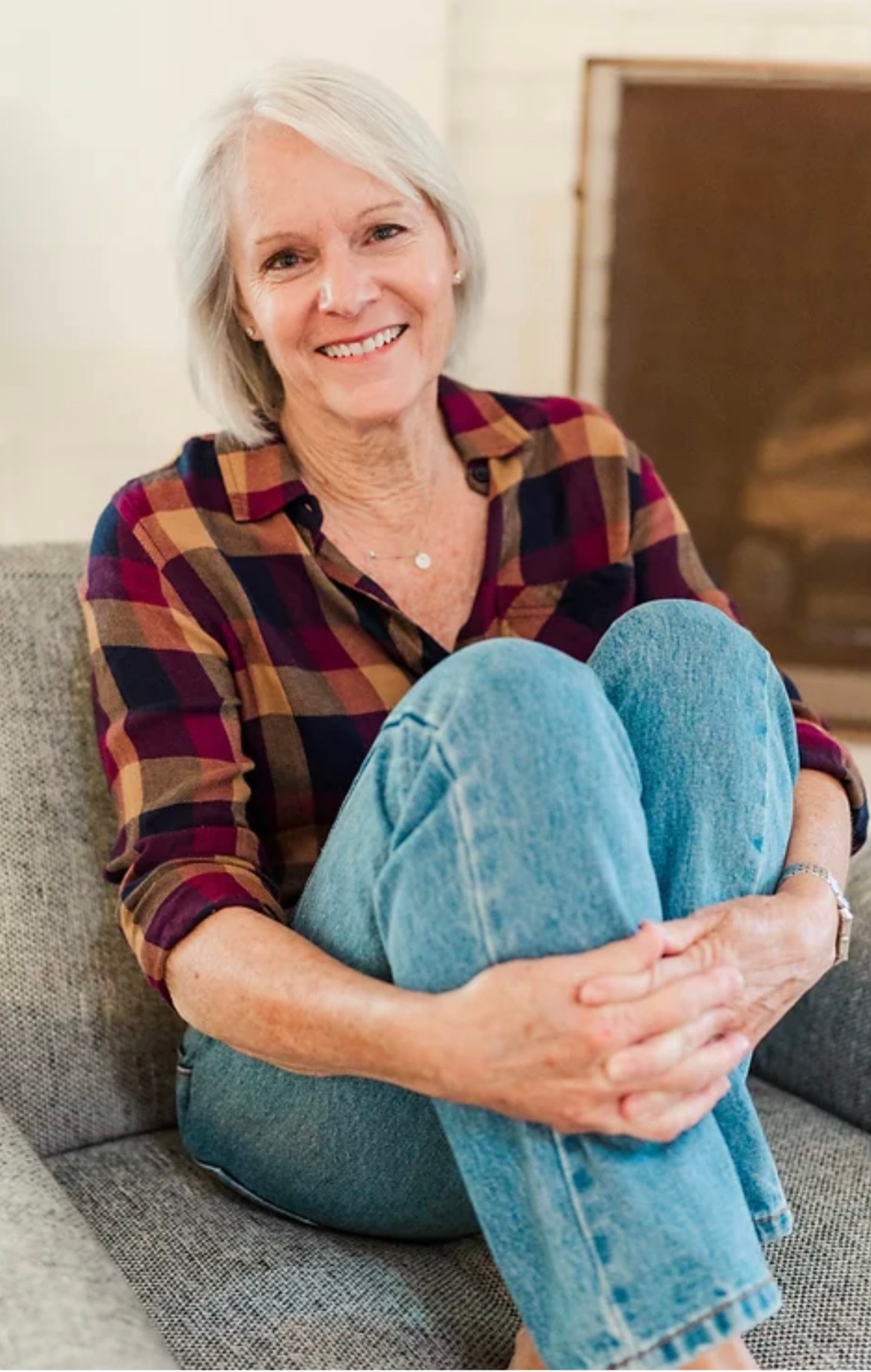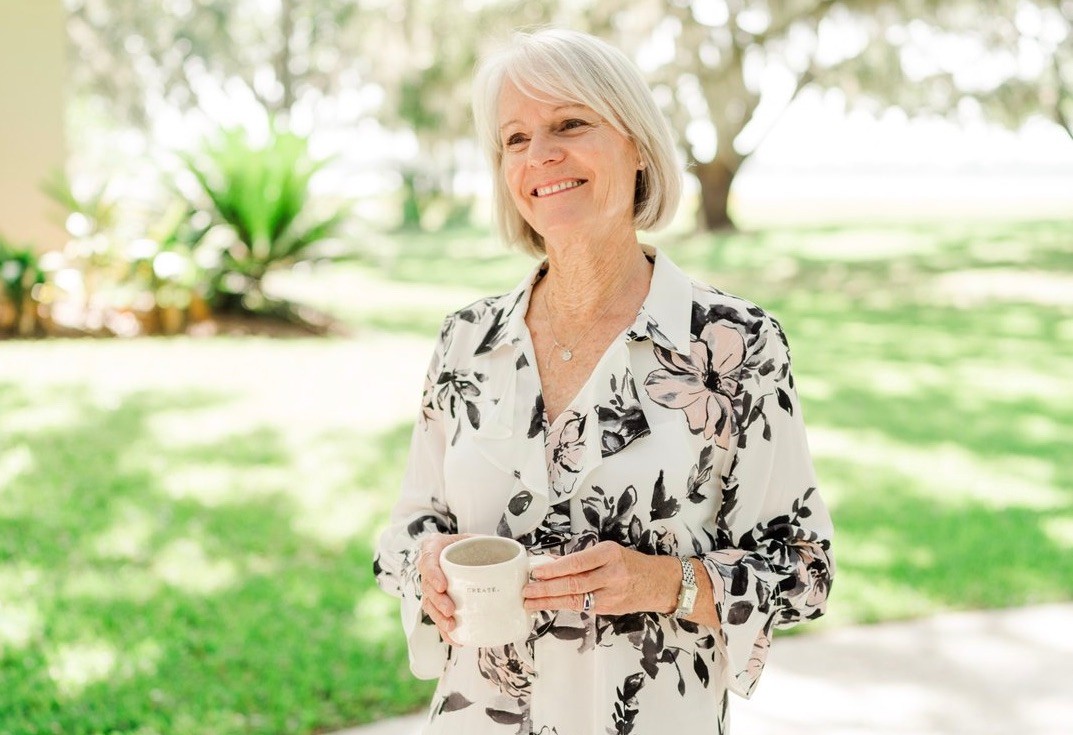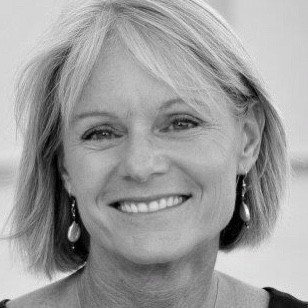
We recently connected with Rebecca Bruff and have shared our conversation below.
Rebecca, looking forward to learning from your journey. You’ve got an amazing story and before we dive into that, let’s start with an important building block. Where do you get your work ethic from?
I’m glad you asked this question, as I’ve been thinking about it a lot lately. My parents were both great role models in many arenas, and particularly in work. They built a business, basically beginning in a garage, and it emerged to be a significant company in it’s industry. But the things that really impacted me most were the ways that their values drove their work. First, they were a great team. They always gave credit to the other, and as the company grew and added employees they did the same – they understood that they were creating a team. I worked with them through the summers when I was in high school and college and it was like working in a big family. It was fun, and everyone really appreciated one another. Until I had my first “adult” job, I thought all companies were like that!
Second, my parents modeled a “give it your all” approach to work, meaning “do your best” and “stick with it”. I learned that if I didn’t achieve a goal, I could usually identify where I had failed to give it my all. Those are hard lessons, but really critical.
And third, I learned – and I think this is true for most of us – our capacities are greater than we know. If a goal seems unreachable, go for it anyway. When I set out to write my first novel, I’d never done that before and it seemed so big and distant. But I had learned to stretch myself and attempt a new thing.
I’m beyond grateful for those lessons from my mother and father!
Thanks for sharing that. So, before we get any further into our conversation, can you tell our readers a bit about yourself and what you’re working on?
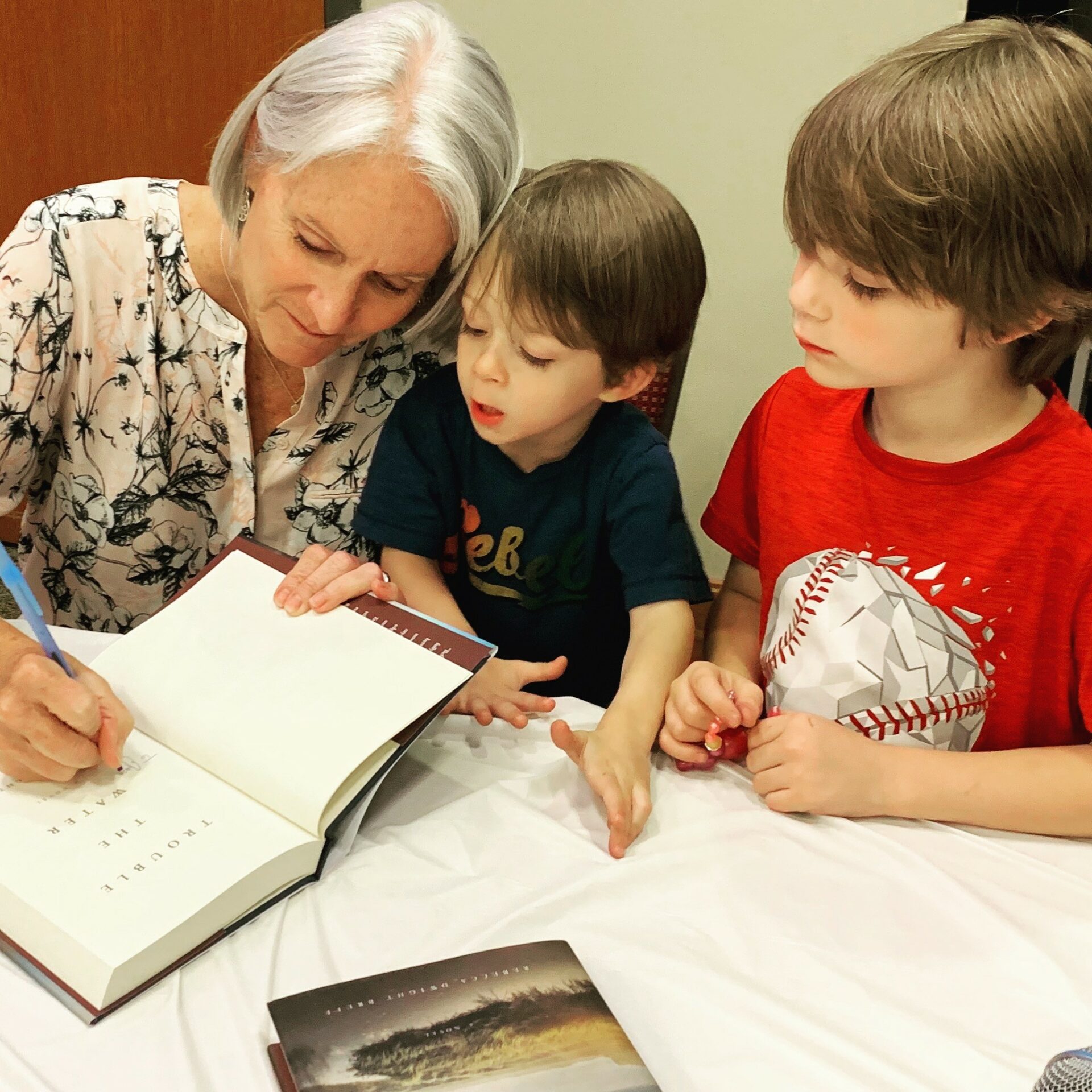
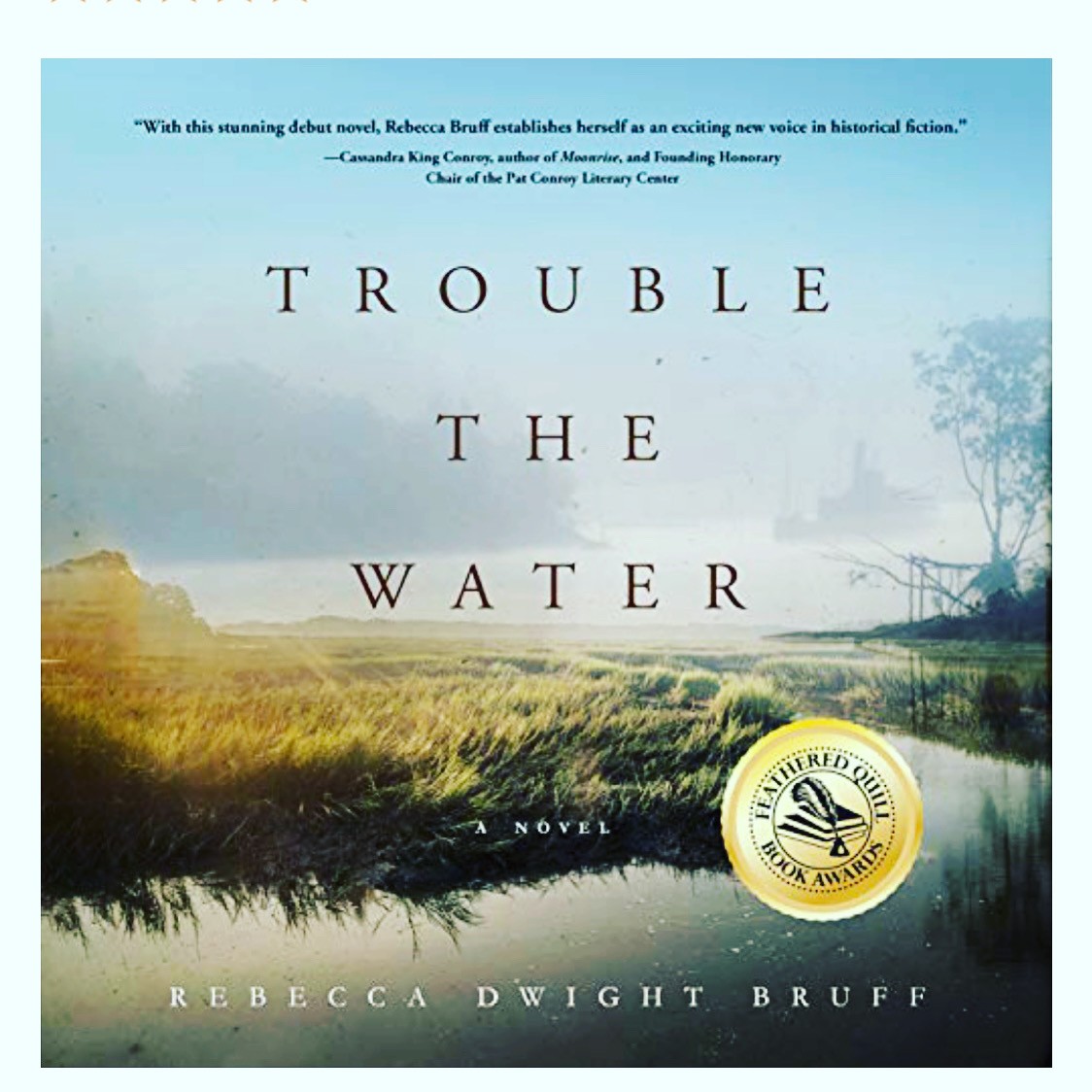
Currently I’m focused on writing – sharing stories that I hope matter and help us become better at being good citizens of the world. My novel, Trouble the Water, is inspired by a great American hero – one who most people haven’t heard about. His name is Robert Smalls and he was born enslaved in South Carolina in 1839. In 1862 he liberated himself and 15 others in a larger-than-life escape. When the American Civil War was over he continued to serve his community – including being a state representative and then a 5-term US Congressman. One of his most notable contributions is his authoring of legislation that made free and compulsory public education a reality. He’s the father of education in the US and yet most people don’t know his name! So much of my work is about sharing his story – his life and legacy – because it has impacted all of us in immeasurable ways!
I love that I get to discover and write and share stories. We learn so much through stories, and I’ve found that stories can connect us in beautiful and transformative ways.
Now I’m working on a couple of new books (it’s too early in the process to describe them!) and I’m excited about what I’m learning and what they will share.
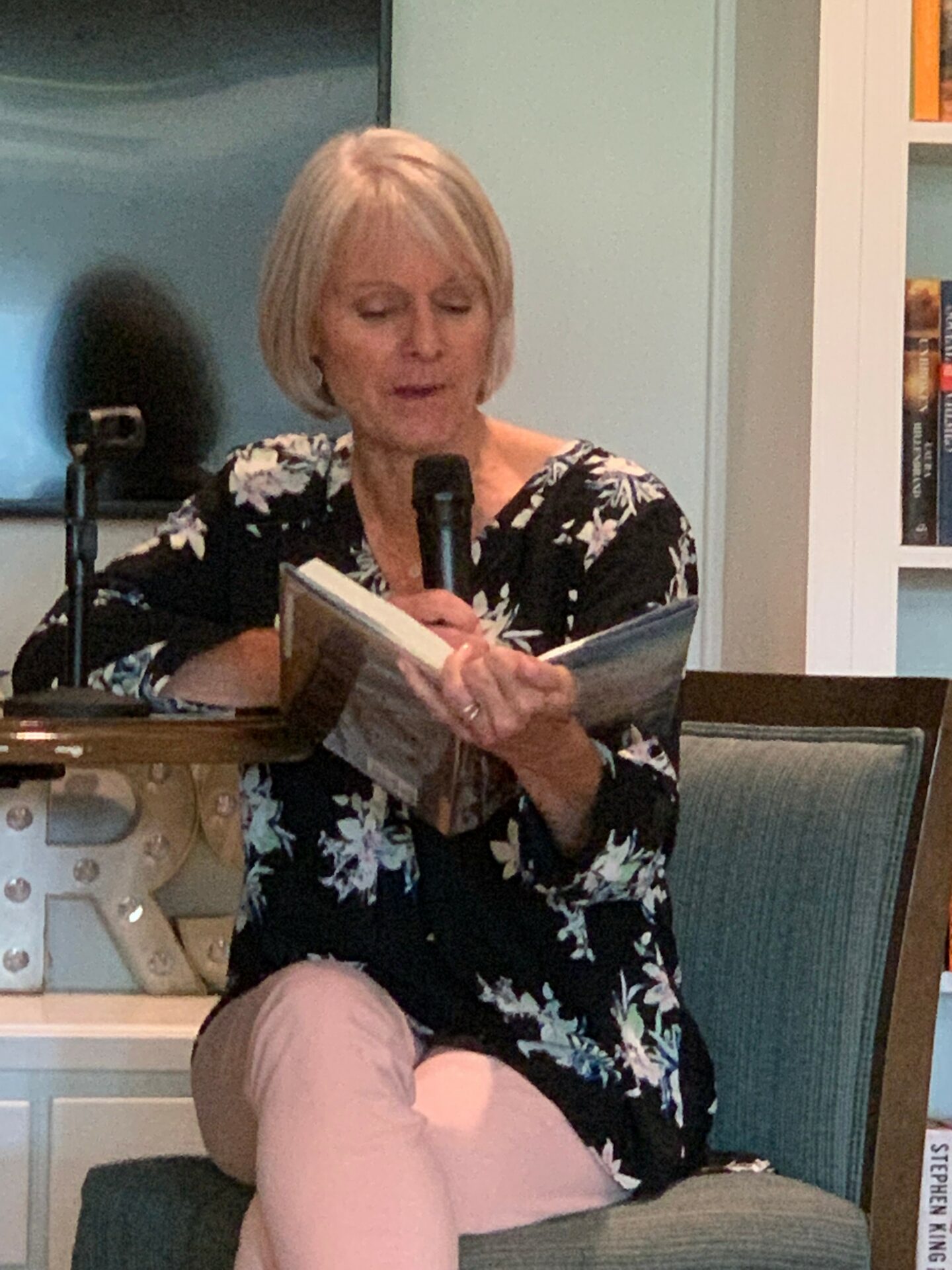
And, of course, I’m speaking as much as possible to share Trouble the Water with readers, and to introduce them to Mr. Smalls. It’s a great honor to meet new people in new places and share a story that has made such a difference in all of our lives.
Looking back, what do you think were the three qualities, skills, or areas of knowledge that were most impactful in your journey? What advice do you have for folks who are early in their journey in terms of how they can best develop or improve on these?
This is such an interesting question. And it’s so wise, because it’s usually in retrospect that we see what has equipped us or empowered us.
Number one: reading. I’ve always been a reader, and a lover of books. My best advice to aspiring writers is read, read, read. There’s no better way to learn writing than to read.
Second: don’t be shy about seeking help. I’ve found that libraries, local colleges, literary societies, books, and even on-line resources can provide loads of instruction and support. Find a writers group, or a workshop, or an on-line master class or tutorial. You don’t have to figure this out alone.
Third: sit down and write. Spend time every day writing. It doesn’t have to be good. At first, it probably won’t be good! Do it anyway. Think of it as if you were learning a new sport or a new language: it takes time and practice. Watch the experts, but learn the basics, and stick with it. You’ll be surprised at how much you learn, and how fast. One of my favorite writers, Anne Lammott, says it this way: “Stop not writing!” If you want to be a writer, write.
How can folks who want to work with you connect?
I really believe the proverb “If you want to go fast go alone, If you want to go far go together.”
One dream, of course, is to see Trouble the Water find a bigger audience – to see the story on a big screen or stage – because I believe that Robert Smalls and his remarkable story deserve it!
My “big picture” aspiration is to cultivate meaningful conversations that help us move, collectively, into deeper understandings of one another. I love being with organizations who share this goal. So I’m always open to keynoting, or being on a panel to discuss and explore the cultural challenges we face and work together to overcome. I’d like to see the book used in classrooms, and I’d like to speak at universities or “community reads” programs.
And, since I know that sometimes I don’t dream big enough, I’d love to hear from others about collaborative possibilites!
Contact Info:
- Website: https://www.rebeccabruff.com/
- Instagram: rebeccabruff.author
- Facebook: https://www.facebook.com/RebeccaBruffAuthor
- Linkedin: https://www.linkedin.com/in/rebecca-dwight-bruff/