We were lucky to catch up with Rebecca Patterson recently and have shared our conversation below.
Rebecca, thank you so much for joining us today. Let’s jump right into something we’re really interested in hearing about from you – being the only one in the room. So many of us find ourselves as the only woman in the room, the only immigrant or the only artist in the room, etc. Can you talk to us about how you have learned to be effective and successful in situations where you are the only one in the room like you?
Being the only one who looks a certain way is tough. This is something I was hyper aware of when I started, especially throughout high school and college. As I got used to this, I stopped thinking about as much. However at the end of almost every performance I do, it’s increasingly rare that it isn’t commented on by an audience member. I didn’t and still don’t always know how to take these comments. As I’ve had the opportunity to interact with more audiences and have a better understanding of their perspective, it has become clear that generally speaking, people love seeing diversity in a band. If you want a diverse audience, which most people do, a more diverse band will more effectively connect with that audience. Unfortunately, I have found that audiences have grown to be more progressive in this sense than some musicians/institutions. Over the last 7 years, I had the opportunity to sub with an incredibly well known band that has been around for decades. During a tour I did with them, there were a few panels and the audience had so many questions for me, what it was like being the only woman on stage, etc. I was really taken aback by this because at that point in my career, I had become to used to being the only woman on stage. I stopped thinking about it because it just “was”. I was surprised that so much of the attention was on me and my presence rather than the history of this particular band. These audiences were thousands of young musicians. They had way more women I these programs than when I was going through high school/college. This experience reminded me that I was doing something important and to not take it for granted. This audience was full of young women who were so happy to see that maybe the could have a chance to be on a stage like that with a world famous band because I was there. Unfortunately, what they don’t know is that this same band, years later, told a chair holder they could not send me as a sub on a particular gig because they happened to have another women already subbing in the band on that date and that visually it would be “strange” to have two women on the band. Believe it or not: this was communicated by a woman who was in full agreement with the band leader. While I was very happy to hear that they were finally, after decades, including more women besides me play with the band, this type of blatant sexist response is indicative of some serious issues that are still afoot. To this day I the decades they’ve been around, they have only ever had 3 women play in the band, and have never had more than one on stage. The fact that I can’t even name this band without having serious career harm for myself, even though they’re clearly in the wrong, says quite a bit. This experience also makes me appreciate the amazing band leaders out there who are putting the work in to seek out new voices and recognize the benefit and depth it adds having people with different experiences in their ensembles. There are so many wonderful musicians out there, and it is fully possible to find a diverse band without sacrificing the level of the music.
Many times there is an attitude that women only get hired now because it’s “trendy”. This has happened before, but it’s very rare, especially on gigs that will be consistent and actually pay the bills. I’ve found that the majority of gigs I’ve done I haven’t been hired because I was a woman, but despite being a woman. I have worked really hard to be the best performer I can be. I feel like I have had to put in a massive amount of work to get opportunities, and have always known that to keep these opportunities I would have to deliver at a different level than the average guy who walked into a gig. It can be a bit of a boys club, and music on some level is subjective. What is not as subjective is, the ability to play in tune, have a good tone, and playing the right notes at the right time. I’ve had to “fake it until you make it”, but this strategy has worked very well for me. There are many times I’d be shaking in my boots, but knew I had to push thoughts of alienation, go in with confidence, even if it was fake confidence, or I’d surely fail. Sometimes this isn’t enough. There are only two things you can really control in this business, how good of a person you are and how good of a musician you are. The rest is not up to you, and that’s freeing.
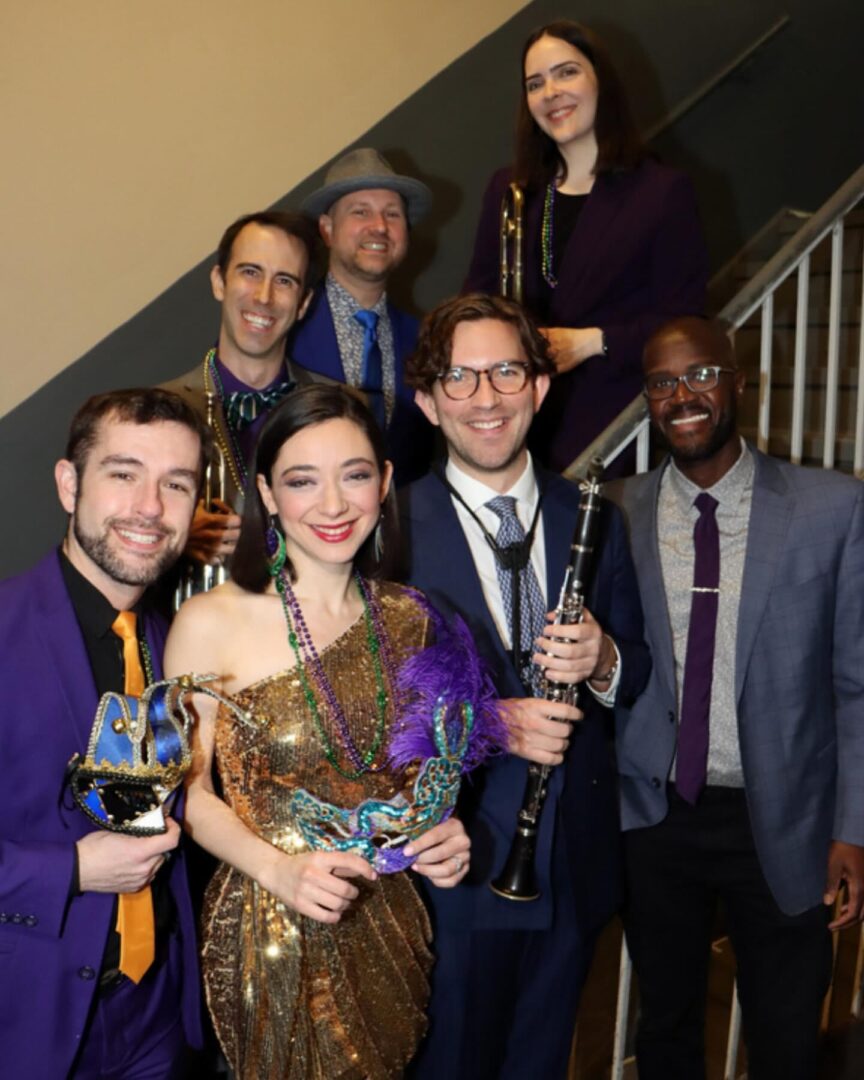
Thanks, so before we move on maybe you can share a bit more about yourself?
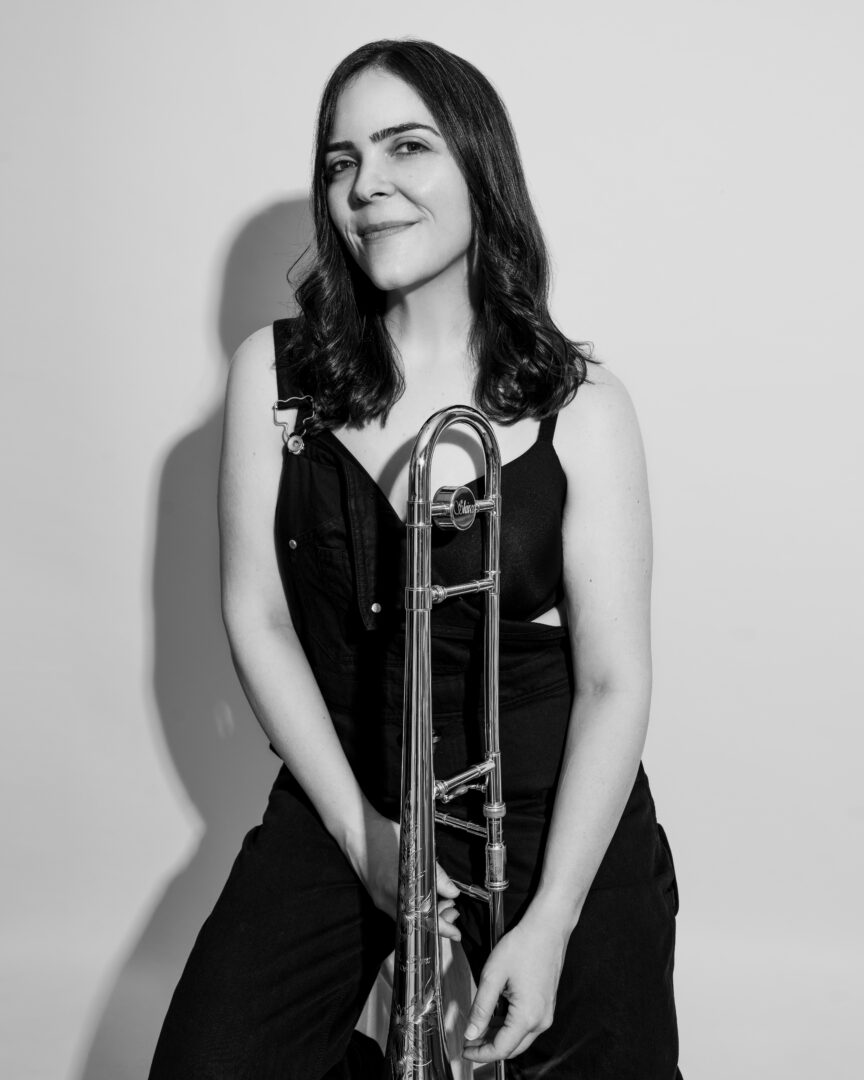
I am a professional low brass musician, meaning I perform music on tenor and bass trombones, euphonium, and tuba full time as a career. I primarily play jazz and commercial music, while occasionally delving into the orchestral and chamber brass scene.
I play on Broadway in New York City. I’ve had the opportunity to hold chairs at Sweeney Todd, the Radio City Christmas Spectacular with the Rockettes, and am about to start at the new Broadway show that Elton John wrote the music for the new musical “Tammy Faye”. I’ve also spent a lot of time subbing at shows like Aladdin, Funny Girl, and Wicked. I’ve had the opportunity to play with some of the best jazz groups in the world, the Count Basie Orchestra, Christian McBride Big Band, the Dizzy Gillespie All Star Big Band, Arturo O’Farrill’s Afro Latin Jazz Orchestra, and more. Recently I recorded with a fantastic Jazz Octet led by Jon De Lucia, which was a recreation of music written by Dave Brubeck from the 40’s-50’s. Some of the music hasn’t been heard since then, and the group is filled with top notch musicians.
My favorite gig I ever got to do was sub in the house band at Saturday Night Live. As you can imagine, the regulars don’t sub out that gig very often. I have always been a fan of that show, and also working with artists in other mediums. To be able to watch so many artist come together to create something like this that is enjoyed by literally millions of people is incredible. From the comedians, to the camera people, to the editors, to the writers, to the makeup artists, to the hair/wardrobe people, there is a massive amount of art happening. Another medium of collaboration of artist that I am very excited about is the video game world.I’ve ecorded for video games like Red Dead Redemption 2 and Jackbox Party 8: Job Job. I am also apart of a really exciting group called the 8-bit Big Band led by Charlie Rosen. I have a huge passion for video game music and the creation of these interactive worlds and stories. Video games have evolved into something so magical. They encompass every facet of art and creation. The music in video games has become so universally recognized and beloved. People hear music from games like Zelda or Mario and remember times of getting together with their families during holidays and playing together. People get so happy when they hear this music and have such an emotional response to it.
I get to bring magic to people on a daily basis. Music has taken me to so many places. Every day is different, and I’ve gotten to meet so many people from different walks of life. I’ve and the opportunity to see so many different corners of our society.
In January I will be going into the studio to record my own music with a Jazz Orchestra. I have been writing new music with my musical partner Ron Wilkins that has been influenced by both of our diverse performance experiences. The concept of the album is the passage of time. It is inspired by Ron’s battle with Covid, as he was sick with Covid on a ventilator for 30 days at the beginning of the pandemic. It happened very suddenly and I was not able to visit him or even talk to him before he was put into a coma. Every day wondering if he was going to make it or even be able to play music again felt like a month. When he finally woke up, he had no concept of how much time has passed. All the people that loved and cared and worried about him went through this long agonizing period, but to him it was a blink of an eye. So many people have gone through experiences like this with loved ones going through scary medical situations or big life events. Society has gone through a collective reckoning of varying levels because of the pandemic. It is almost universal when I talk to people how their relationship with the passage of time has changed. Ron made a miraculous recovery and I’ve been working on projects with him since. He has been a big inspiration to me, and his story has touched a lot of people. I feel ready to put this music out, and can’t wait to get into the studio.
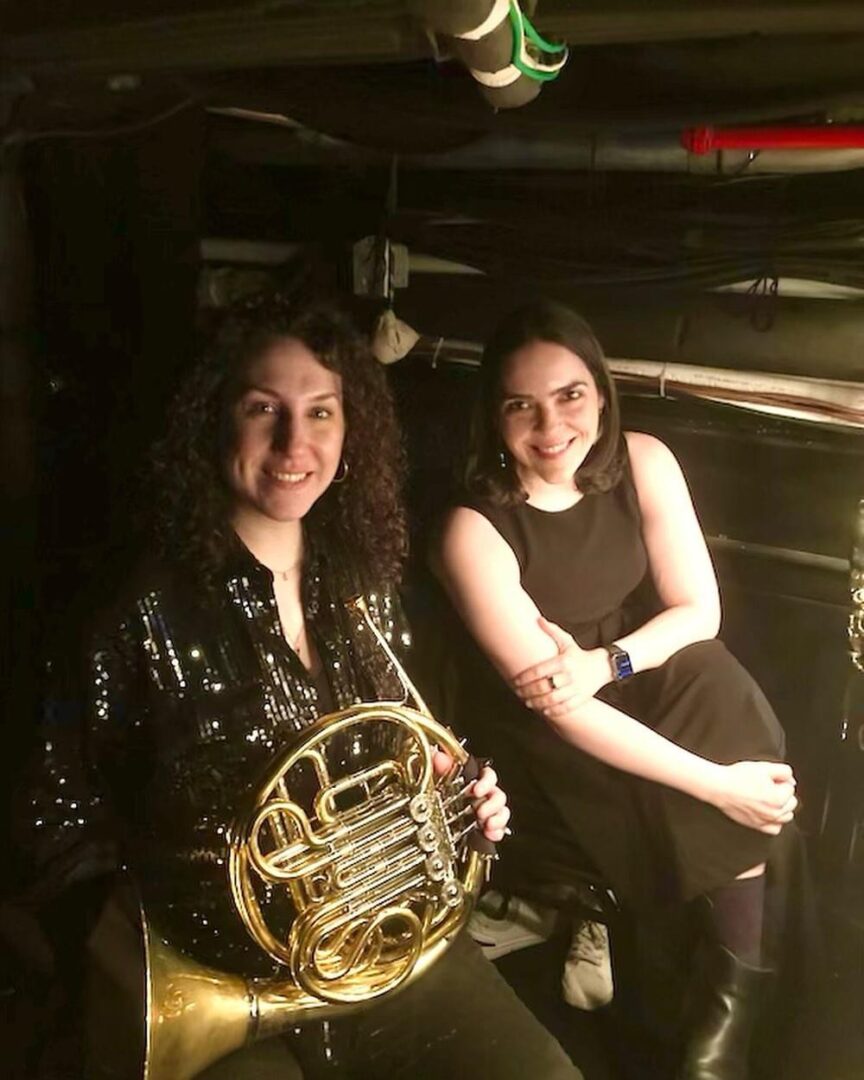
If you had to pick three qualities that are most important to develop, which three would you say matter most?
1. Adaptability: Things never go as planned. Learning how to roll with the punches without being thrown off is not something that comes naturally to most people, and it did not come naturally to me. What is natural is avoiding putting yourself situations that are in your comfort zone. However, growth rarely comes from this. When I was in high school, I loved band rehearsal and I absolutely hated performing. This is probably something most people wouldn’t expect considering what I do now. Most of my peers hated rehearsal, but loved performing! I had really bad performance anxiety. I was able to overcome this by putting myself in more performance situations and letting go of my ego. I realized that I was obsessing with how I looked on stage or that if I made a tiny mistake everyone in the audience would know and look at me with shame. This is absolutely ridiculous! The audience is rooting for you. They want you to do your best, and sometimes when you make a little mistake, it actually makes you a little more human. People come to see live shows to have a human experience.
2. Thick skin, ability to take constructive criticism and ignore unconstructive criticism:
Putting yourself in the spotlight for people to watch opens you to a lot of unsolicited opinions. There seems to be this misconception that a performer is looking for feed back every time they perform. While this could be case, it isn’t always. Sometimes people say things that are not very nice or constructive. It’s important to not let these things weigh you down or get inside your head. This is easier said than done. I used to really take ever negative comment to heart, and it made me stress and lose sleep. It’s not worth it. Not everyone will understand or get what you’re doing, and that’s okay. People say unkind things for a multitude of reasons. With that said, it’s also possible that someone is actually giving you constructive criticism, and while that also doesn’t always feel good, it’s important to be able to take that criticism and learn from it. I’ve learned to reframe my perspective from being hurt by constructive criticism to taking it as a compliment of sorts. If someone who is more skilled offers you constructive criticism, it means they believe in you. They see that you are able to hear these things and adapt. If they didn’t think you could, they likely wouldn’t say it.
3. Finding your niche: No matter the job market, you are going to face competition. In my field, there are a lot of people who dream of making music for a living. There are lots of people who have a great amount of skill and talent who are not able to. There are a variety of reasons for this, a big one being such a flooded market. Look for niche skills that can provide you with an extra boost over the regular market. When I was in college, I noticed there were not a lot of people who really specialized in playing all low brass instruments (tenor and bass trombones and tuba) at a high level, yet the landscape of the business was changing. Broadway orchestras used to be bigger, recording projects use to hire more musicians, but the sad reality is that this is changing. People are cutting orchestras and want someone who can play tenor and bass trombone equally as well rather than hire two different people to get the job done. I also noticed that the classical world is shrinking and the “commercial” world is growing. Most of my training was in the classical world before college, and I decided to go to Berklee, which is a contemporary music school. Rather than spend all my time playing orchestral excerpts and preparing for a rare audition to pop up, I started studying jazz and commercial music styles.
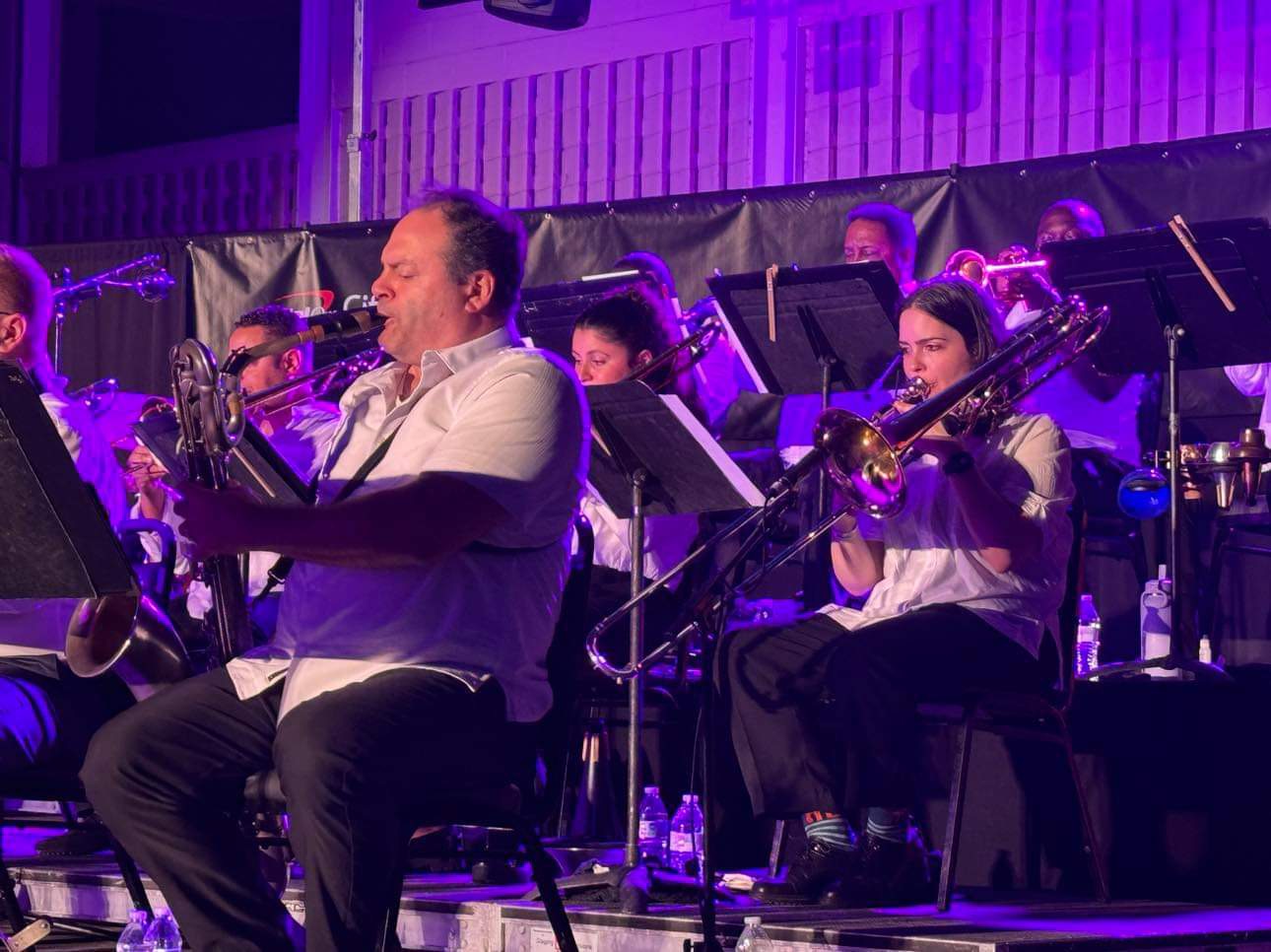
Do you think it’s better to go all in on our strengths or to try to be more well-rounded by investing effort on improving areas you aren’t as strong in?
Having strengths is essential, but how do we find out what our strengths truly are? Along my journey, I’ve found that there were times when I thought I knew my “strengths”, but as I explored further, realized that there were other things I was also naturally good at that just needed a little more nurturing. In the search of being well rounded, I was also able to identify things that I was not naturally good at. Knowing yourself is key to putting yourself in the right situations that will show your skill set in a positive light. Working on other skills actually strengthened my abilities in a general way that applied to everything. Jazz improvisation helped me become more musical when playing written music. It also helped me hear harmonies happening in composed music and have a greater ability to interpret it emotionally. I also had to master my instrument in a different way to have the ability to improvise, which is essentially composition on the spot. You don’t have the opportunity to play the same passage over and over before performing it. I was a performer before I was a teacher. I wasn’t sure that I would be a good teacher, however I realized that every day I was teaching myself how to be a better musician. If I could teach myself how to be a better musician, I should be able to find a way to communicate that to someone who is also trying to achieve similar things. I learned a lot by taking what I’ve taught myself and articulating it in a way that is easily understandable to someone else. My knowledge became deeper once I was able to teach someone besides myself.
Furthermore, sometimes we will be presented with a great opportunity with little time to prepare. I’ve found that sometimes I have needed skills that I practiced that I wasn’t sure that I needed that really came in handy and led to some great opportunities. Playing the tuba is something I don’t get called to do a ton, but I practice it on a regular basis to be ready just in case I do get that call. It led to me doing the music on Red Dead Redemption 2, as they needed someone who could play both tenor trombone and tuba. It also led me to subbing at Saturday Night Live. Lenny Pickett found me because he had an amazing personal project that required someone who could play tenor trombone and tuba. He asked around, and my name came up. He used me in his personal project, which was one of my favorite musical experiences ever. Later he asked me to sub at Saturday Night Live when the regular trombonist couldn’t make it. Always be ready.
Contact Info:
- Website: https://RebeccaPattersonMusic.com
- Instagram: https://www.instagram.com/RebeccaPattersonMusic/
- Facebook: https://Facebook.com/beccabassbone
- Youtube: https://www.youtube.com/@BeccaPatterson
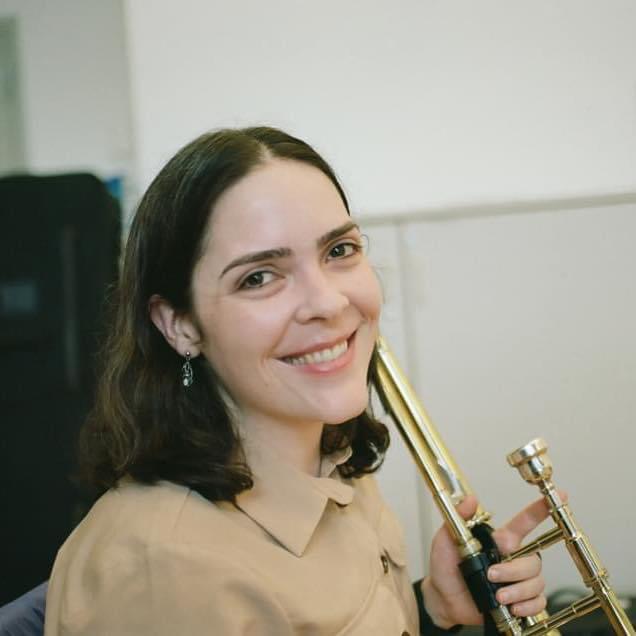
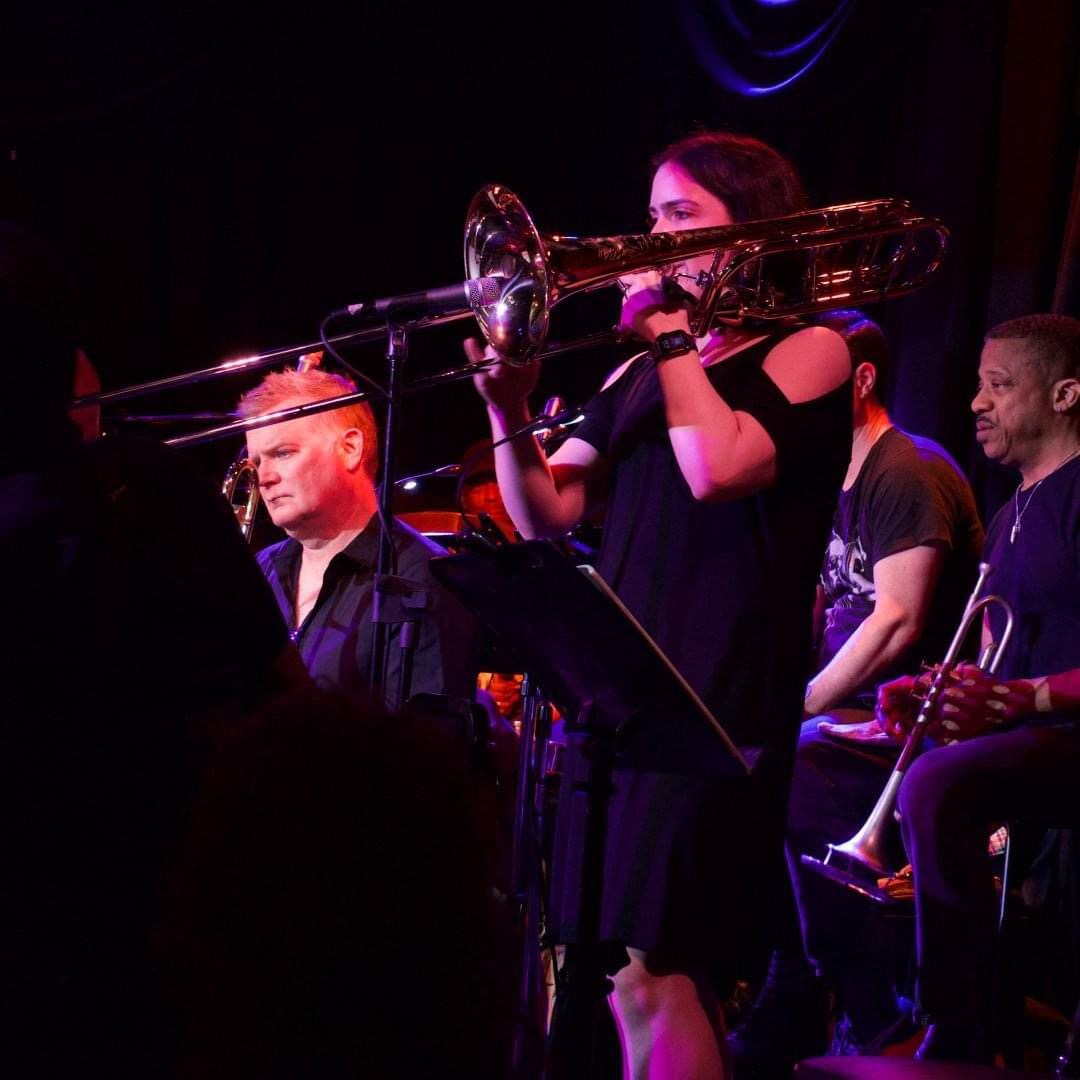
Image Credits
Photo credit: John Lake, Marques Walls, Jenna Love
so if you or someone you know deserves recognition please let us know here.