Alright – so today we’ve got the honor of introducing you to Rich McCor. We think you’ll enjoy our conversation, we’ve shared it below.
Rich, thank you so much for taking the time to share your lessons learned with us and we’re sure your wisdom will help many. So, one question that comes up often and that we’re hoping you can shed some light on is keeping creativity alive over long stretches – how do you keep your creativity alive?
I see creativity as playfulness, if you’re willing to approach a creative problem with a playful and optimistic mindset then I think that’s a great method for finding ideas. So to keep my creativity alive I allow myself to explore all the seeds of an idea and let myself doodle/imagine/edit the very basics of that idea and see if they develop or if there’s a mistake along the way that can lead to a new idea. If I were to go into a project with too much stress or not enough time I just know I’ll latch onto the first idea I have in order to feel like I’ve cracked it, but rarely is the first idea ever the best idea. My best ideas come from allowing myself the time and patience to mess around with various ideas until I get a feeling in my gut that I’ve really cracked an idea. And that feeling is quite addictive, and in turn that makes me want to keep wanting to dig for the best ideas.
Thanks, so before we move on maybe you can share a bit more about yourself?
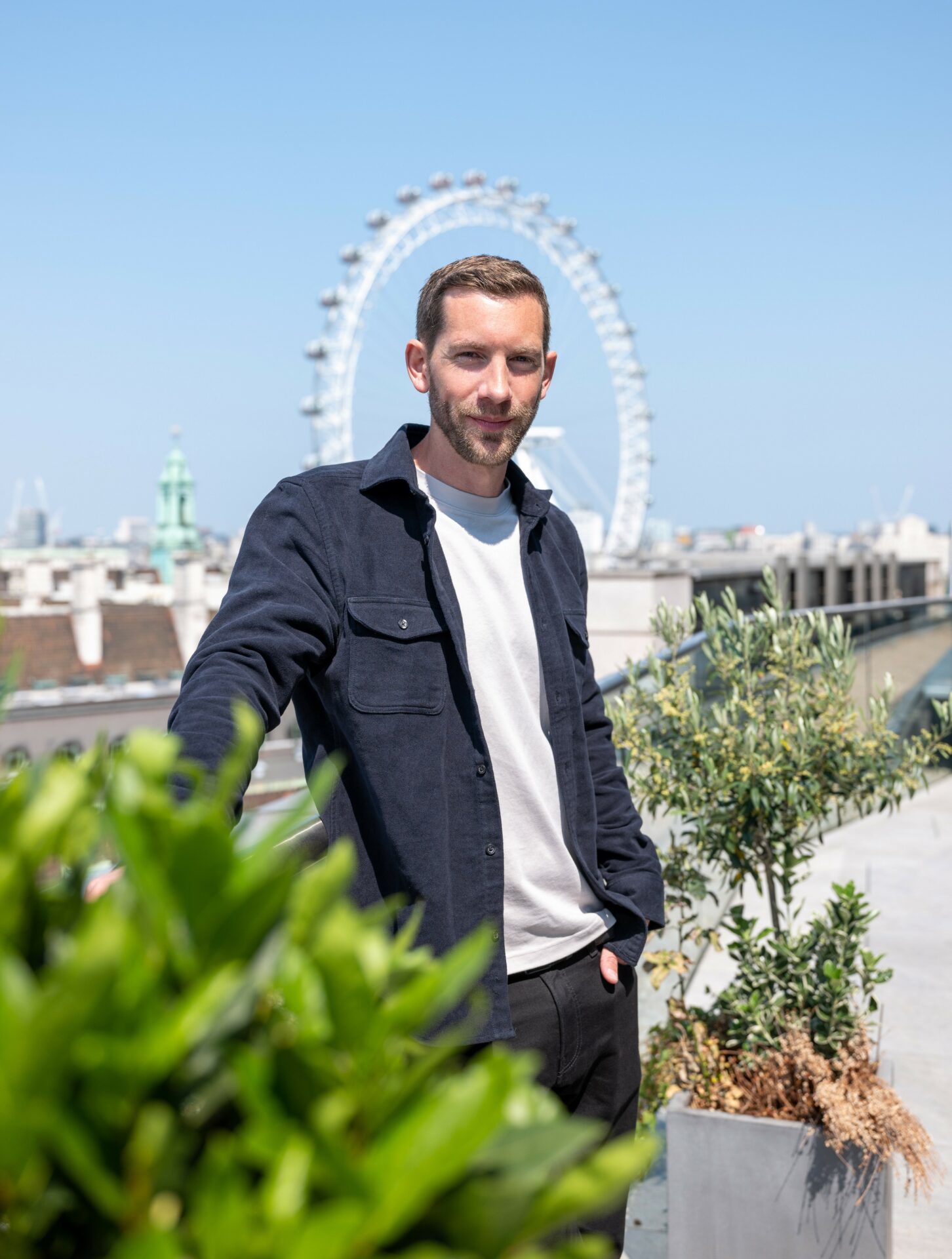
I’m someone who had always wanted to work in the creative industry, but didn’t really know where. At first I worked in TV and then in advertising but I didn’t like that good ideas tended to be watered down in those industries so I started photography as a creative relief away from my work during the day. At first I was just taking normal photos around London, and it was in the frustration of not being able to replicate the shots much better photographers were capturing that I decided I wanted to find my own style. I think I was so determined to take advantage of living in such a great city and I just had a feeling deep down that I could create some unique imagery if I kept at it. So all of my evenings and weekends were spent exploring London and in that process I was learning new things everyday and developing my creative eye and learning to look at things differently. Through that process I developed my style of photography using paper cut-outs to create forced perspective illusions with architecture and scenery. That then led onto opportunities to travel and collaborate with brands and so now I do work in the creative industry in a role that didn’t really exist until I carved out my own position. And that’s something I make a point of sharing when someone asks me how they can get paid to be creative- I encourage them to really explore their creative styles and what really excites them because it’s your own unique creativity that will help you find your position rather than trying to emulate what’s come before you.
Looking back, what do you think were the three qualities, skills, or areas of knowledge that were most impactful in your journey? What advice do you have for folks who are early in their journey in terms of how they can best develop or improve on these?
I think learning to back myself has been an important one- I’ve learnt not to throw away any ideas and have a playful and optimistic mindset when creating. “This could work” is a much better mindset than “This is rubbish” and I think that’s been a major factor for me throughout my career- developing self belief that I can keep coming up with ideas.
Alongside that you’ve got to love what you do. There are times when the paid opportunities stall but also likewise when you’re so busy you barely have enough time for anything- in both of those scenarios it’s your passion for what you do that will drive you.
I’d also suggest forming friendships with people in a similar field- even if it’s just to vent about the frustrations of late payments, client feedback or the Instagram algorithm. It’s so important to know you’re not on your own because as a self-employed creative it can feel like that so staying in touch with others is crucial for your sanity.
What is the number one obstacle or challenge you are currently facing and what are you doing to try to resolve or overcome this challenge?
I’m consciously trying to explore new ways I can create and share my work not only on social media but also in the real world. As someone who grew their account on Instagram in the era where photos were king, it’s been exciting but also daunting to see the evolution of content and what works and doesn’t work on social media. I know so many great artists who grew confidence in their skills because of a social media audience, but as soon as the algorithm didn’t push their work they lost faith in their own work. That’s obviously really dis-heartening to see, but going back to something I said earlier- you’ve got to really love what you do as that will push you through the challenging times in your creative career. So for me, I’m really keen to see if there are ways to emulate my style of photography in real life- for example I like the idea of creating a series of sculptures based on my cut-outs that people can take their own photos with in locations and create their own forced perspective illusions.
Contact Info:
- Instagram: https://www.instagram.com/paperboyo/
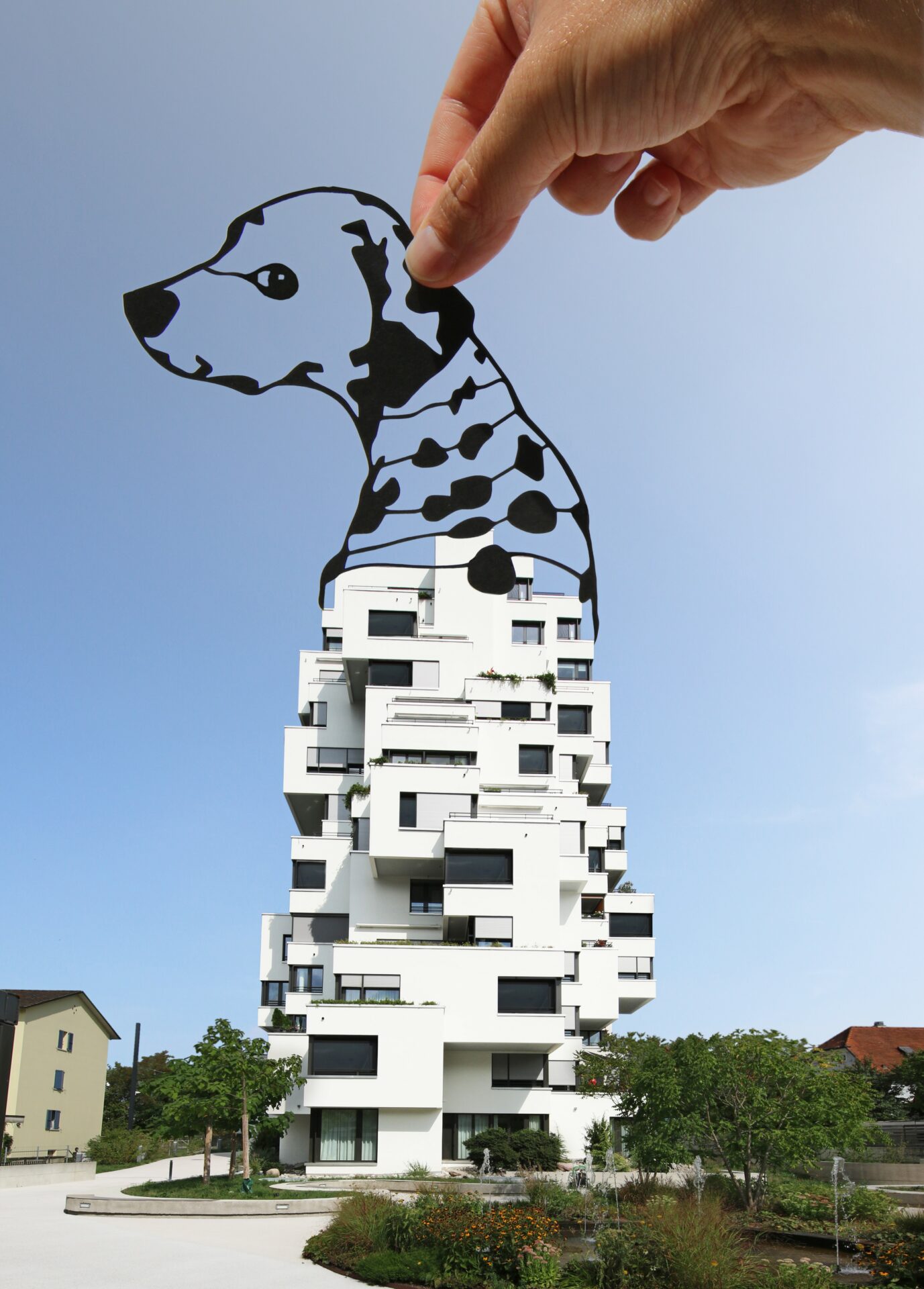
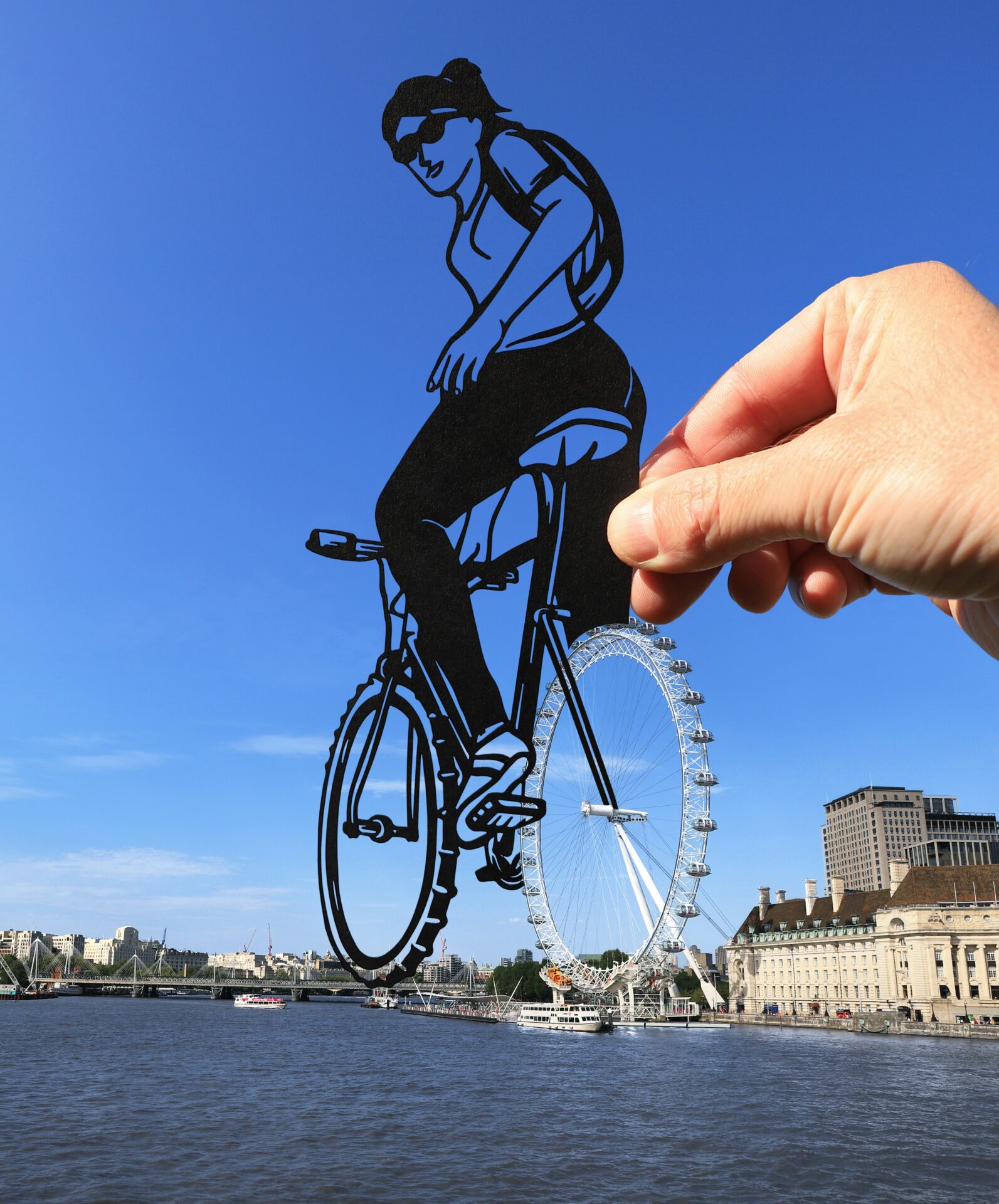
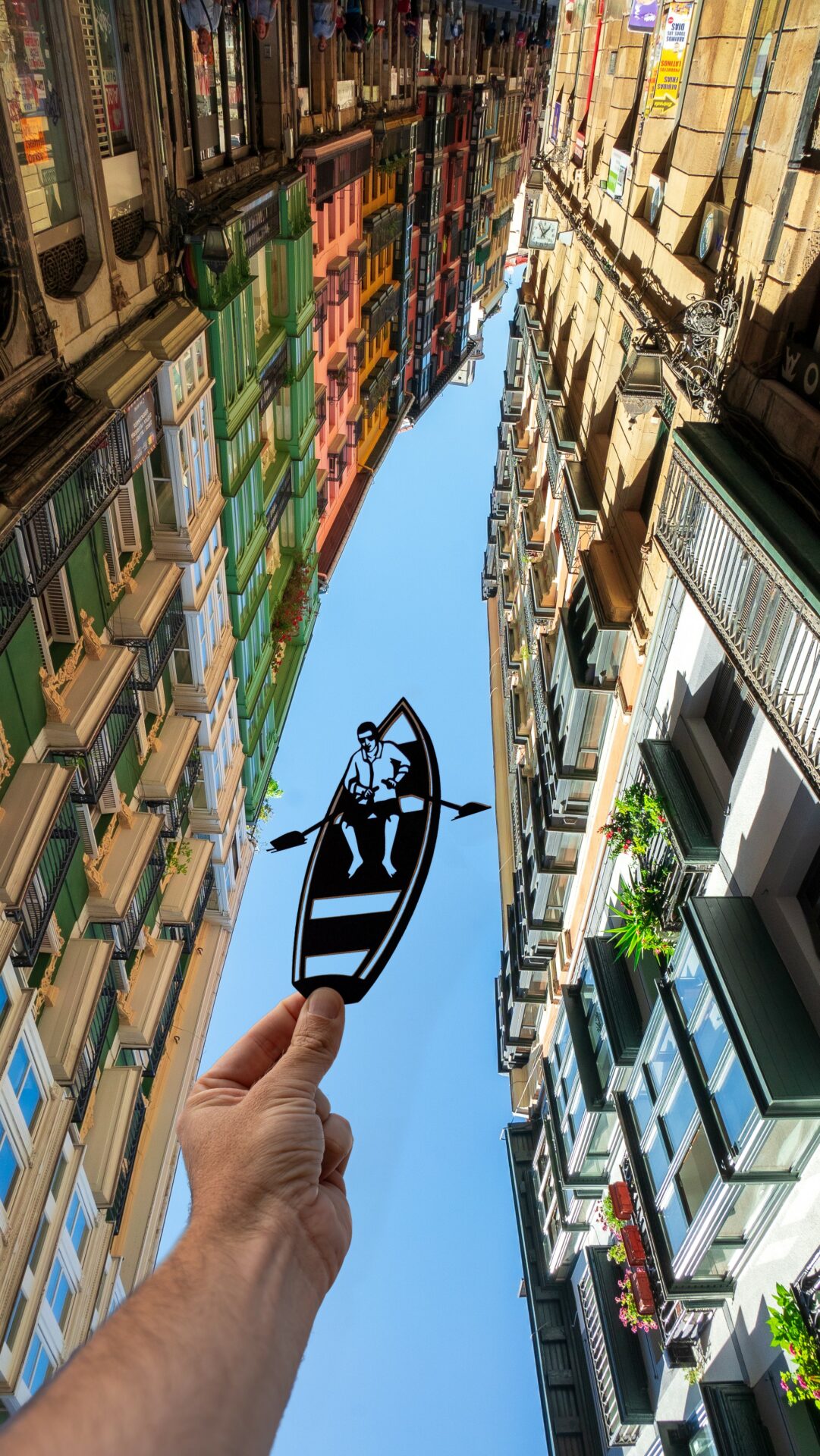
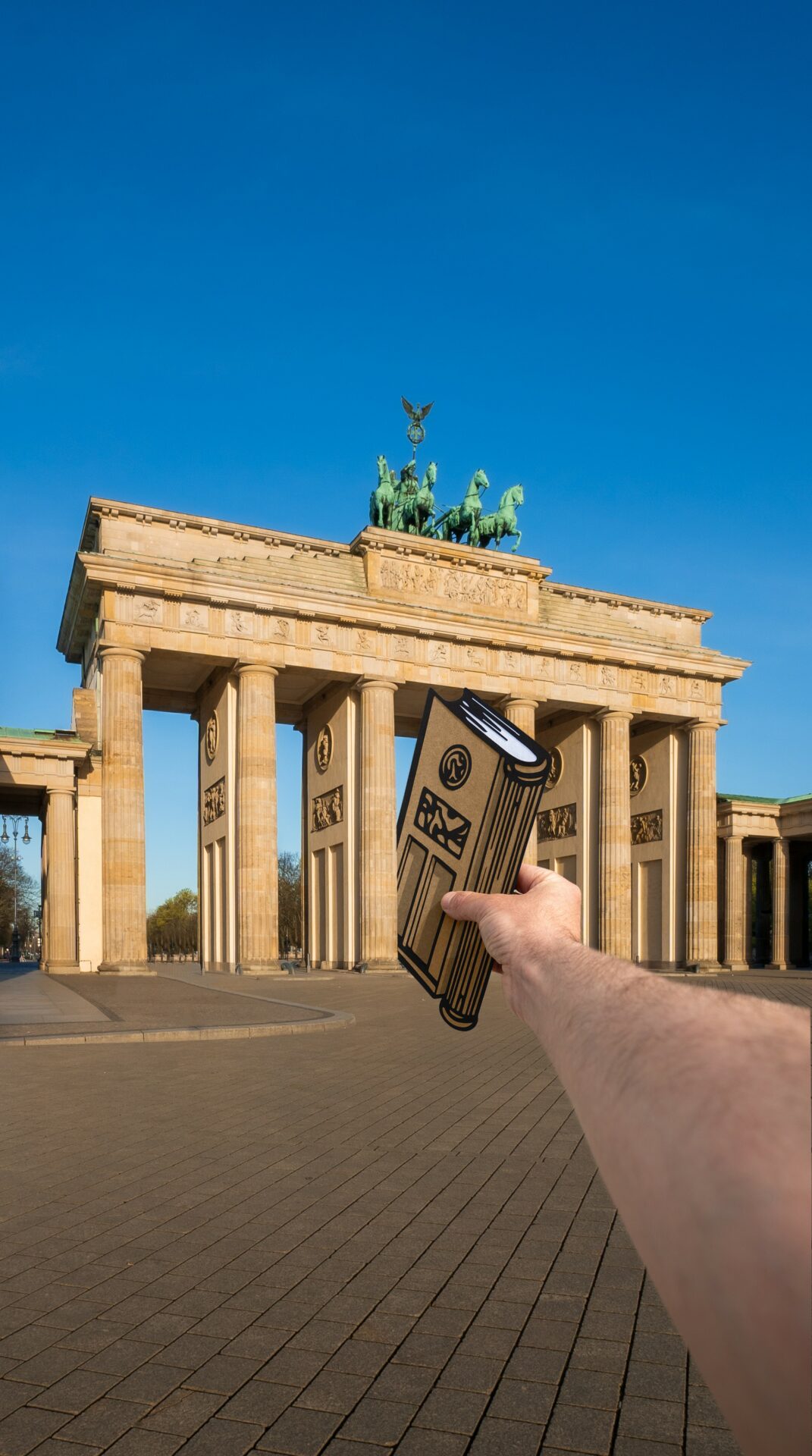
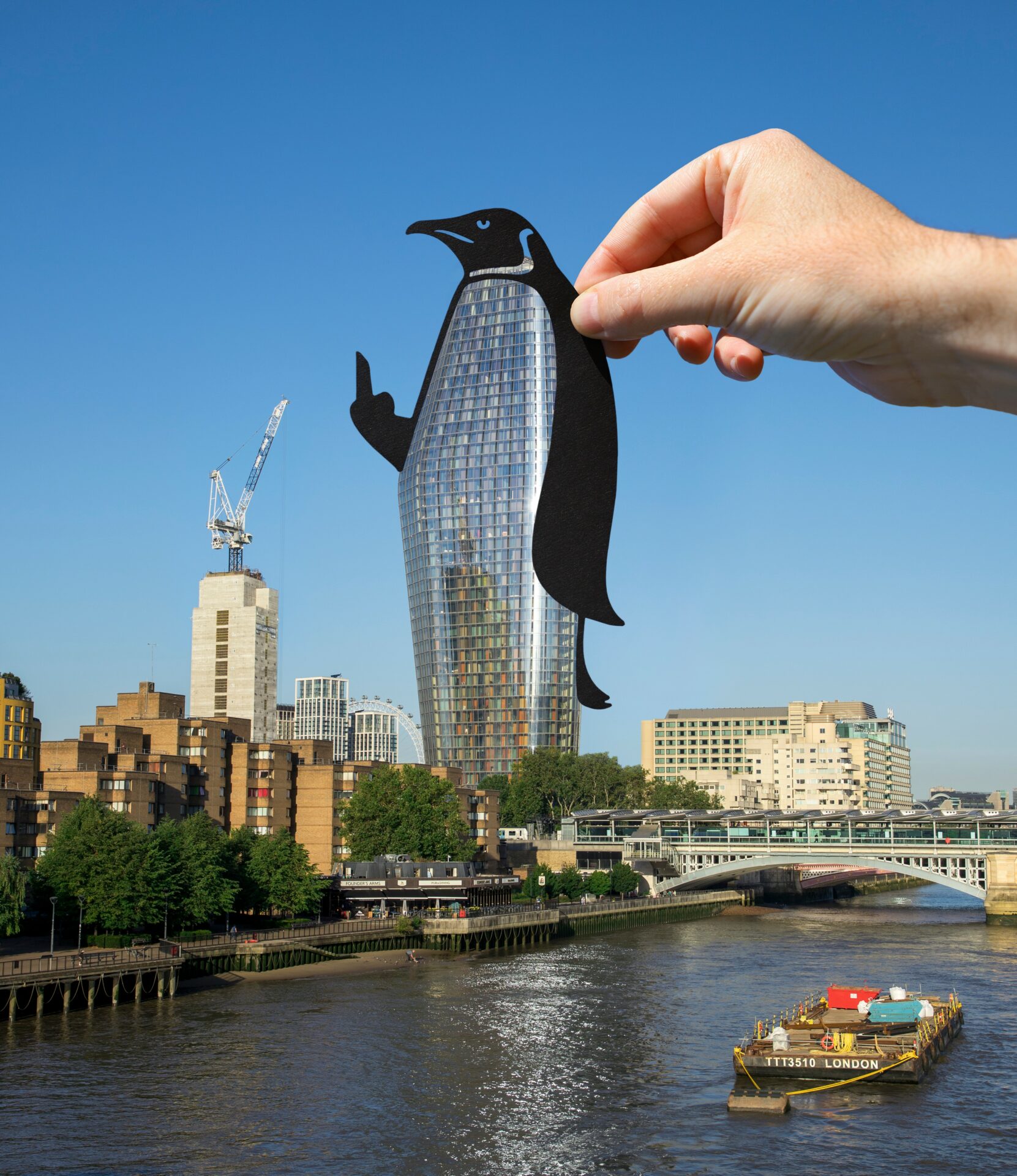
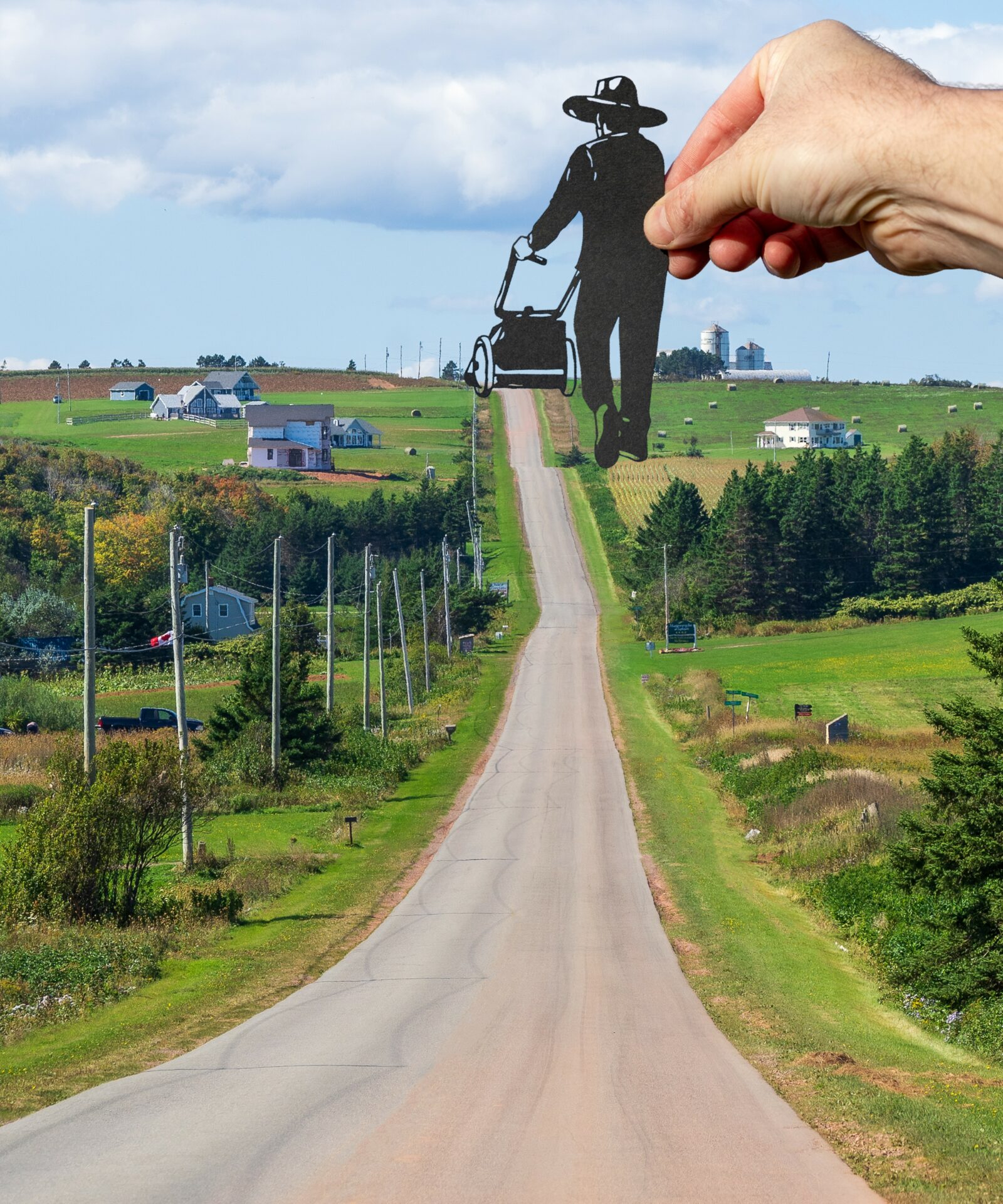
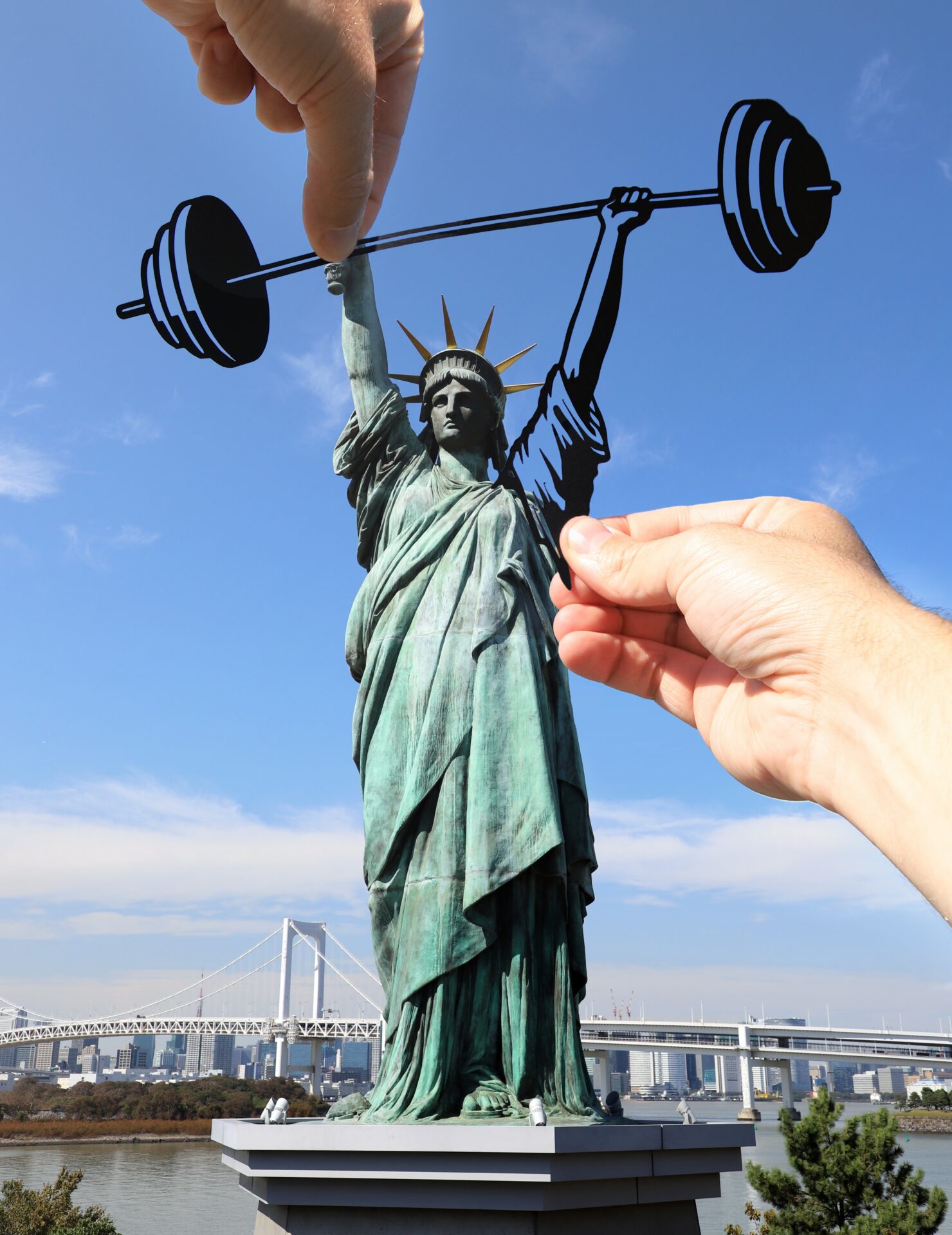
Image Credits
Rich McCor / Paperboyo