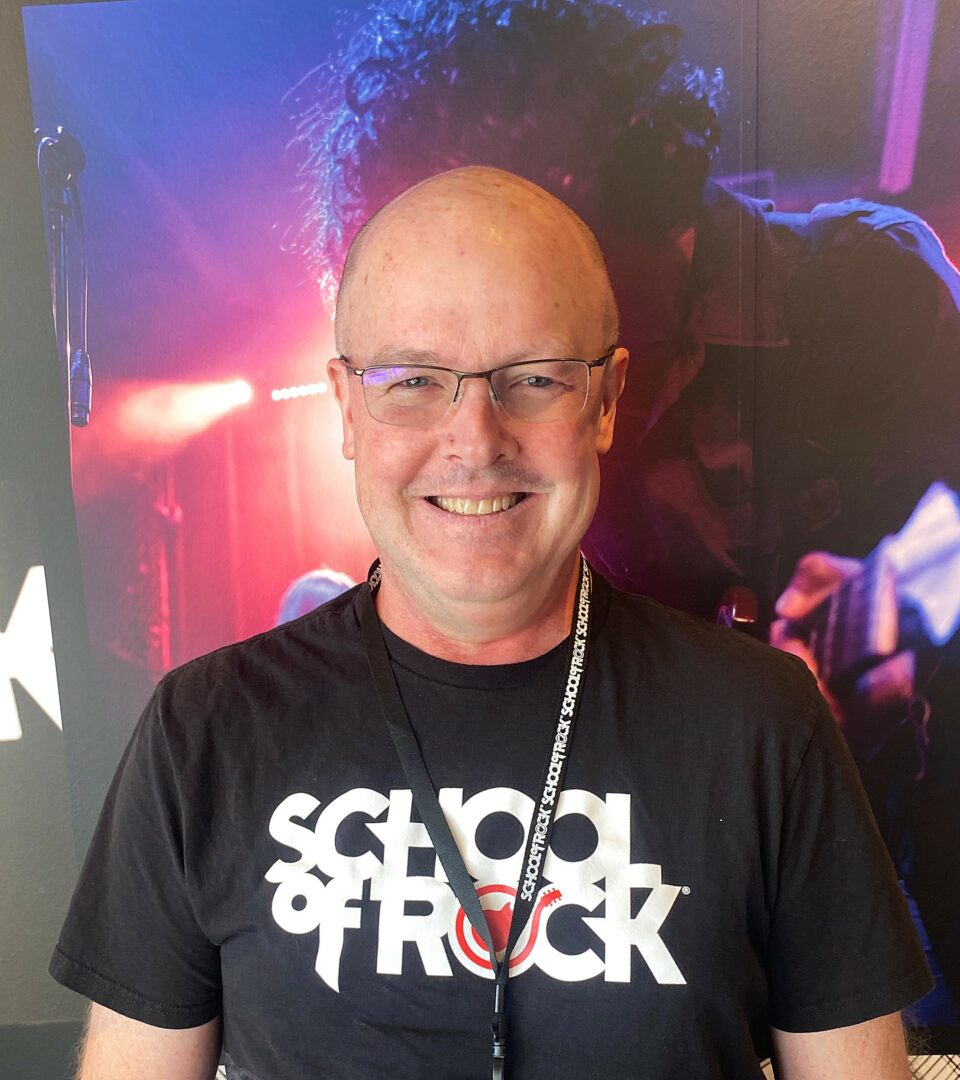
We were lucky to catch up with Rick Winfield recently and have shared our conversation below.
Hi Rick, great to have you with us today and excited to have you share your wisdom with our readers. Over the years, after speaking with countless do-ers, makers, builders, entrepreneurs, artists and more we’ve noticed that the ability to take risks is central to almost all stories of triumph and so we’re really interested in hearing about your journey with risk and how you developed your risk-taking ability.
I developed my ability to take risks not by avoiding them, but by systematically learning how to manage and mitigate them. Every meaningful endeavor, from a new business venture to a high-consequence physical challenge, involves risk. My development was solidified through my deep involvement in steep, big-mountain skiing, which taught me a framework for risk assessment that I now apply to my professional life.
The Steep Skiing Framework
My experience skiing challenging lines, such as the La Vaute couloir in La Grave, France—a 7,000-vertical-foot descent that includes a 3,000-foot section that is 40 to 45 degrees steep, often icy, and subject to high avalanche danger—required me to codify my approach to risk. To safely navigate such environments, you must adopt a calculated, three-part strategy:
1. Knowledge and Expertise
You must become an expert on the situation or work with those who are. I always ski runs like this with a professional guide who possesses intimate knowledge of the route, the current snowpack, and the weather conditions. In business, this translates to deep market research, data analysis, and seeking out expert mentorship before making a decision. You don’t take a blind leap; you take an informed step.
2. Preparation and Skill
You need to master the necessary skills and ensure you have the right tools. My physical conditioning, technical ski skills, and having the correct safety equipment are non-negotiable prerequisites for the descent. Professionally, this means ensuring I possess the necessary competencies, resources, and robust contingency plans to handle unexpected challenges. Confidence in risk-taking stems directly from confidence in preparation.
3. Teamwork and Veto Power
Risk-taking should be a collaborative effort. We ski as a tight-knit team, maintaining visual contact and constant communication. Crucially, we operate with a strict “veto” policy: if anyone on the team feels the conditions are unsafe, we all turn back, regardless of how close we are to the goal. I apply this in the workplace by fostering a culture where every team member is empowered to raise a red flag, valuing collective safety and caution over individual ambition.
This formula—Knowledge, Preparation, and Teamwork—is how I transform raw risk into calculated opportunity. It ensures that the risks I take are thoughtful, mitigated, and aligned with achievable goals, whether I’m traversing a mountain couloir or executing a high-stakes business strategy.
Thanks for sharing that. So, before we get any further into our conversation, can you tell our readers a bit about yourself and what you’re working on?
Launching School of Rock Reno: A Fusion of Passion and Pedagogy
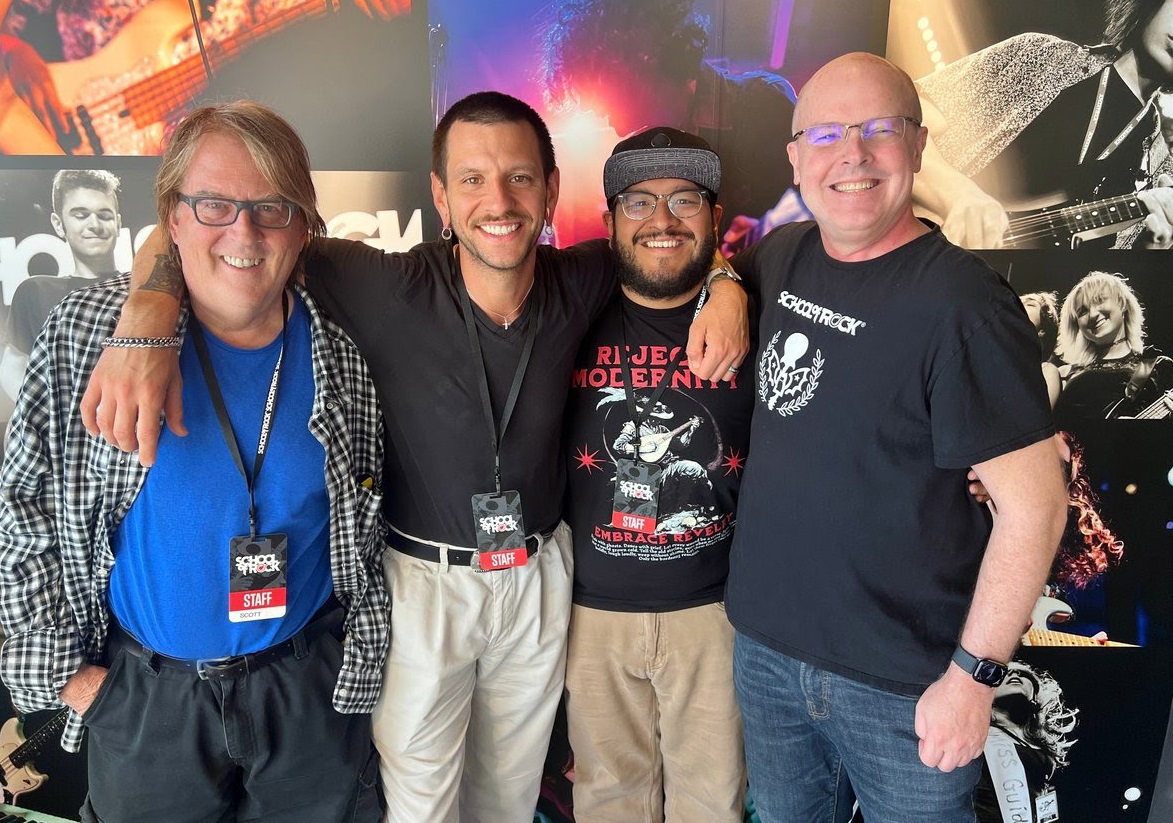
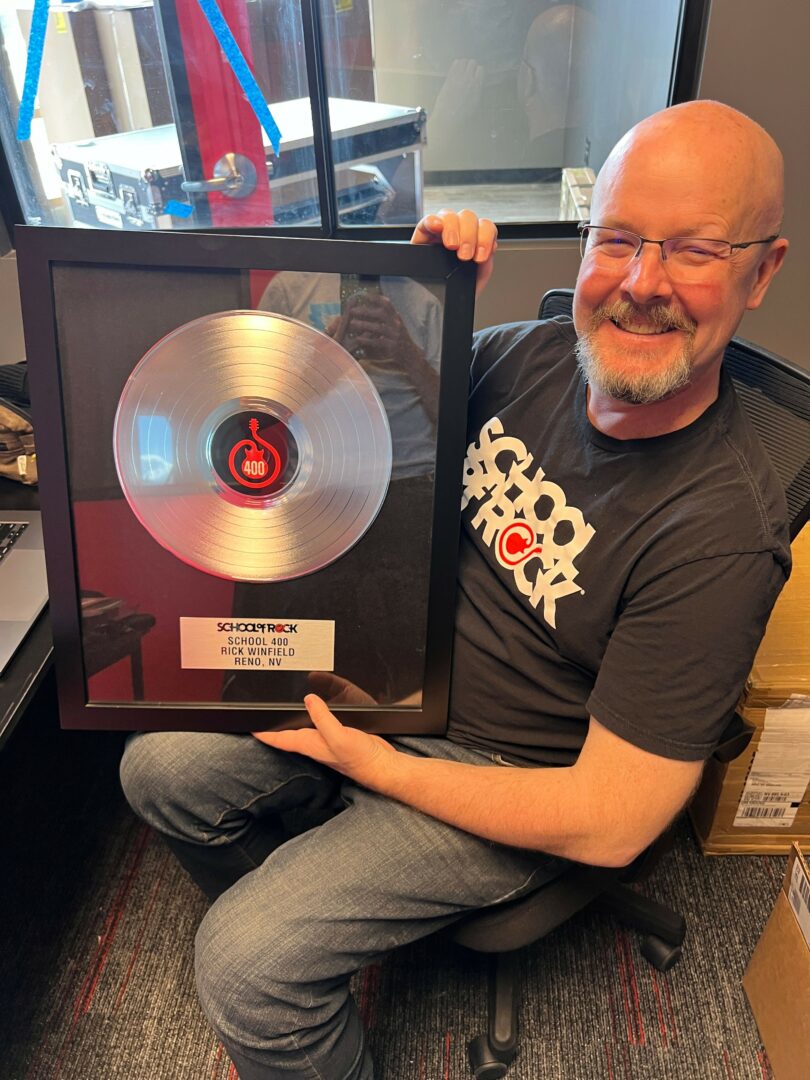
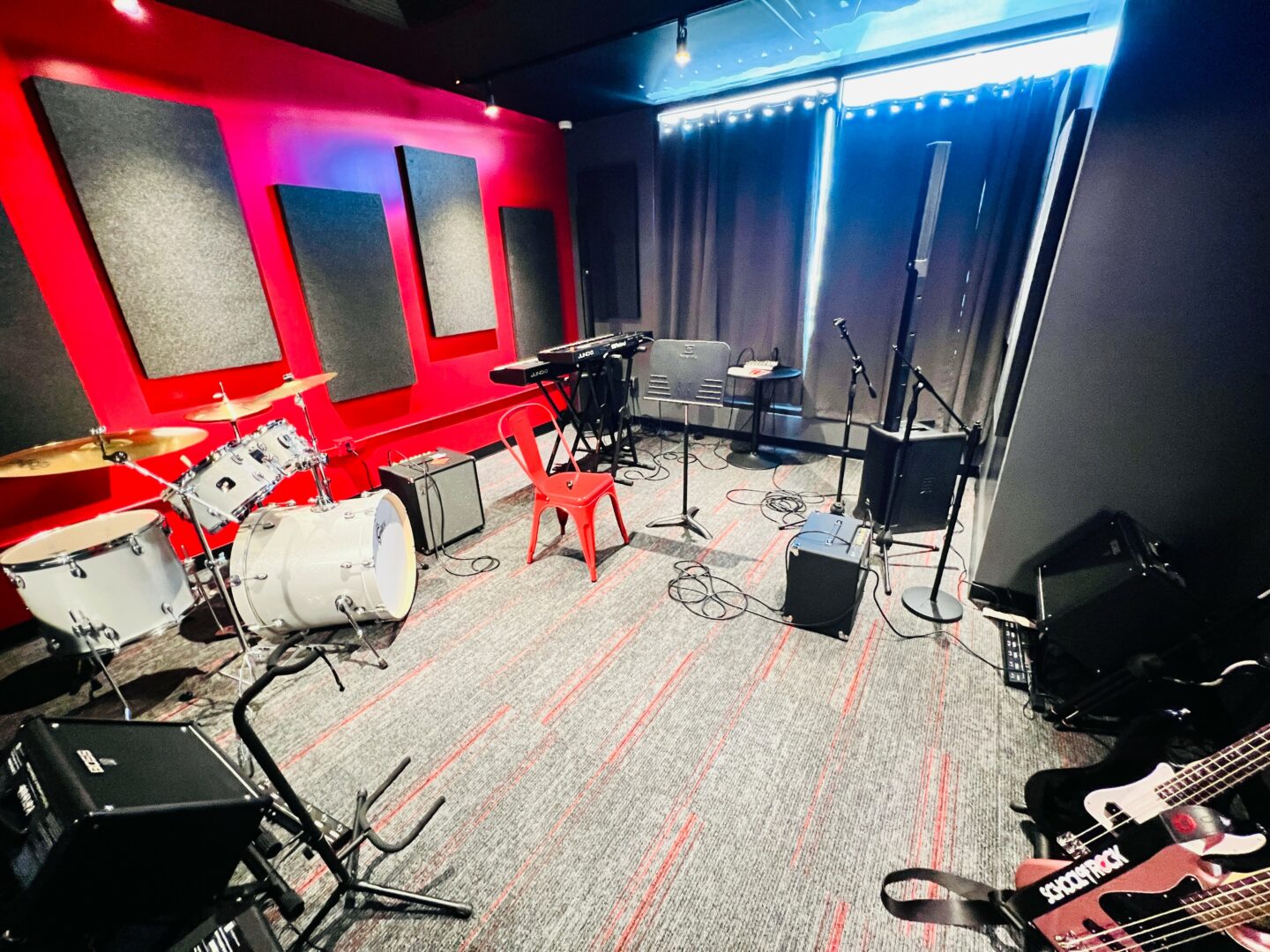
In 2025, I successfully merged my core passions—entrepreneurship, music, education, and local community building—to launch School of Rock Reno. This venture is more than just a music school; it’s a dynamic, performance-based learning hub that leverages the power of music to develop life skills.
The Performance-Based Difference
School of Rock is the largest and most renowned provider of performance-based music education in the world. We take a unique and highly effective approach that moves far beyond the traditional one-on-one lesson format.
Our model is built on two integrated components:
Private Music Lessons: Students receive personalized instruction on their chosen instrument (guitar, bass, drums, vocals, or keys) to master core musical concepts and technique.
Team Band Experience: Crucially, students are immediately placed into a band ensemble. They apply what they learn in their lessons by collaboratively rehearsing rock songs, which serve as the practical vehicle for teaching complex musical concepts.
This combination ensures that theoretical knowledge is instantly put into practice, fostering discipline, collaboration, and practical mastery.
Impact and Community Engagement
The culmination of this learning process is real-world performance. Our students regularly headline genuine rock shows at respected venues throughout the Reno community. This experience builds self-confidence, stage presence, and a powerful sense of accomplishment that academic lessons alone cannot match.
By bringing the world-class curriculum of School of Rock to our city, we’re not just creating musicians; we are building a vibrant community, teaching the value of teamwork and perseverance, and providing a much-needed stage for young local talent. School of Rock Reno is quickly becoming a foundational pillar in the local arts and education landscape.
If you had to pick three qualities that are most important to develop, which three would you say matter most?
Three Impactful Keys to My Journey
Looking back, my journey has been shaped by three core areas that allowed me to overcome challenges, focus my energy, and build effective teams. These are the qualities, skills, and knowledge that have been most impactful:
1. Unyielding Optimism (The Mindset)
I’ve always maintained a deep-seated belief that things will work out, and that the consequences of failure are rarely as catastrophic as fear makes them seem. This isn’t wishful thinking; it’s a strategic shield against the paralyzing effects of uncertainty. In a volatile journey like mine, this quality was vital for dusting myself off after setbacks and maintaining forward momentum, as pessimism offers zero return on investment.
Advice for Early Development:
Practice ‘Worst-Case Scenario’ Mitigation: Instead of just fearing the worst, define it concretely. Write down the worst possible outcome for a decision, then immediately write down the three most realistic steps you would take to recover. You’ll find the downside is usually manageable, freeing you to act with confidence.
Curate Your Inputs: Actively filter out sources of negativity and pessimism, whether they are people, news, or internal self-talk. Focus your mental energy on planning for success, not worrying about failure.
2. Strategic Time Management (The Skill)
There is never enough time to do everything, which makes strategic prioritization an essential skill. Learning to identify where I could get the most “bang for the buck” for my time—focusing only on the tasks that directly drove mission-critical results—was the difference between staying busy and achieving scalable growth.
Advice for Early Development:
Embrace the 80/20 Rule (Pareto Principle): Regularly ask yourself, “Which 20% of my tasks will produce 80% of my results?” Start every day by completing the one or two tasks that land in that top 20%.
Audit Your Time: For one week, track exactly how you spend your time (in 30-minute blocks). You’ll instantly see where your time is being wasted on low-value activities, allowing you to ruthlessly eliminate or delegate them.
3. A Deep Understanding of My Own Strengths and Weaknesses (The Knowledge)
Success isn’t about being good at everything; it’s about being brilliant at a few things and knowing when to bring in help. Understanding what I’m truly good at—and, more importantly, what I’m not good at—has been critical. This self-awareness enabled me to efficiently seek out the right resources, partners, and team members to plug my gaps, transforming my weaknesses into team strengths.
Advice for Early Development:
Seek Formal Feedback: Use reliable assessment tools (like strengths finders or personality tests) and, more importantly, directly ask trusted mentors and peers, “What’s the one thing I do that gives our team the most value?” and “What’s one task you think I should delegate immediately?”
Hire Your Weakness: As soon as you can afford it, hire a person who is exceptional at the thing you actively dislike or are inefficient at. Your energy is better spent on your zone of genius.
Alright, so before we go we want to ask you to take a moment to reflect and share what you think you would do if you somehow knew you only had a decade of life left?
This is a question I’ve already faced. The idea for launching School of Rock Reno was actually hatched in 2022 while I was undergoing cancer treatment.
If I knew I only had a decade left, I wouldn’t change course. I’m already doing exactly what I’d want to be doing: combining my passions to build a thriving community, create jobs, and profoundly impact the lives of young people through music. My work is my legacy.
Contact Info:
- Website: https://reno.schoolofrock.com
- Instagram: https://www.instagram.com/schoolofrockreno/
- Facebook: https://www.facebook.com/schoolofrockreno/
- Youtube: https://www.youtube.com/@SchoolOfRockReno
so if you or someone you know deserves recognition please let us know here.