We were lucky to catch up with Rob DeVenuto recently and have shared our conversation below.
Rob, appreciate you making time for us and sharing your wisdom with the community. So many of us go through similar pain points throughout our journeys and so hearing about how others overcame obstacles can be helpful. One of those struggles is keeping creativity alive despite all the stresses, challenges and problems we might be dealing with. How do you keep your creativity alive?
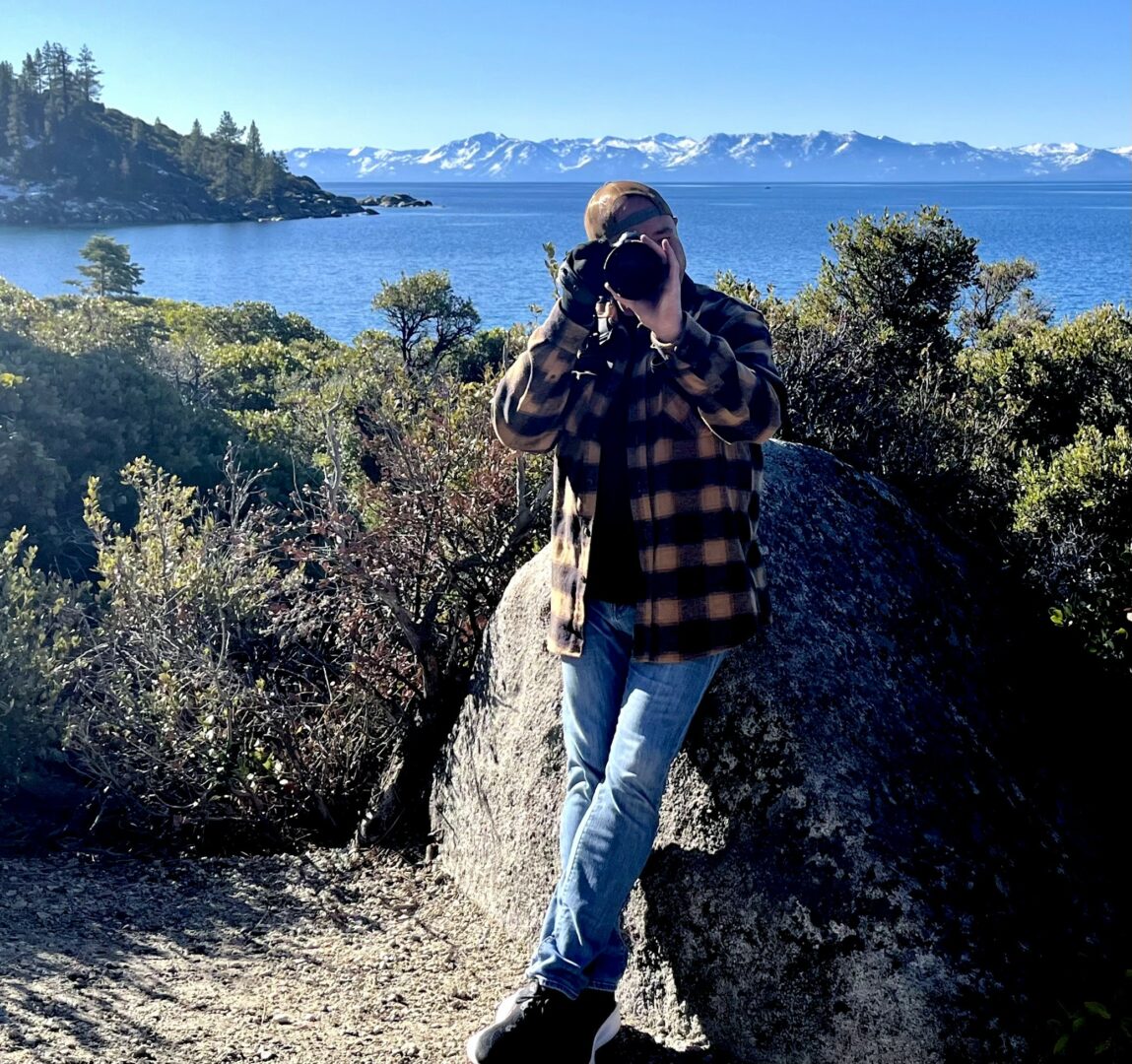
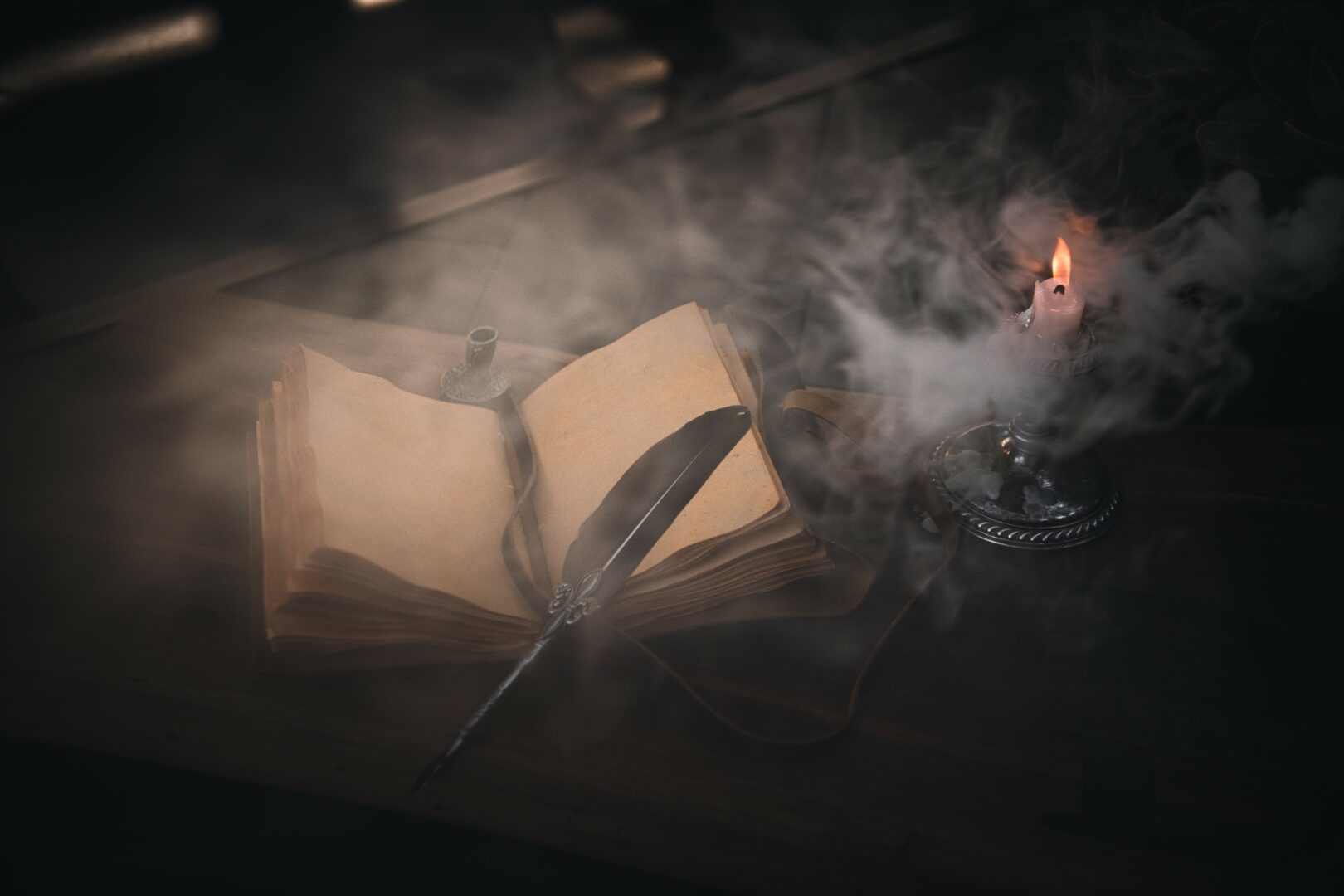
Anyone who creates art has to be creative.. I mean being a creator is powered by creativity. They both come from the same Latin root word, creare, meaning “to bring forth, to produce, to make”. So one cannot be a creator without creativity. But keeping your creativity fresh and alive is one of the deepest struggles any artist feels from time to time. For me and my photography, I have numerous ways to look at being creative, where the first and most important is to have an open mindset and to be receptive of being ‘outside the box’. For instance, I cannot feel stress and be creative at the same time. Stress will short circuit my creative juices and I just end up feeling frustrated, like I’m trying to force the creative process. My mindset is the most important aspect for my creative process. Once I have an open mindset, I can then start to try new things. For instance… some days I’ll go out with a single lens, one that wouldn’t be my natural go to, in order to push myself in trying new shots and perspectives. I’ll also use different types of filters… I’ve fallen in love with this Black Mist ND filter I bought earlier this year and have also been trying out an Infrared filter as well as incorporating a smoke machine with certain shots.
One other common way I try to stay creative is to play “local tourist”. My wife and I will commonly pick a city, town or area nearby and pretend we are tourists. I’m constantly thinking “what would catch my eye if I had never been here before?” Not only does this force me to see things differently, but it also keeps me grounded in the moment. Almost like being a kid with that sense of awe.
And finally, the other methods I use to keep my creativity alive are to expose myself to others’ art… I’ll get inspiration from paintings, drawings, sculptures, etc. Some of these inspirations seed into my photo post processing techniques as well. For instance, my daughter has really got into watercolor painting and that softness and dreamy look have definitely impacted how I have edited certain photos.
Overall, I think my key to creativity is to be open to those creative juices. Be in a more brainstorming type of mindset, rather than listening to that voice that tells you a million reasons something won’t work. And always be trying to learn something new. The moment you feel like you have ‘mastered it all’ is the moment when you may need to take a break and reset. There is always a new way to look at things.
Appreciate the insights and wisdom. Before we dig deeper and ask you about the skills that matter and more, maybe you can tell our readers about yourself?
Sure, my pleasure. My journey with photography started back in high school, when I signed up for a photography class and began learning the fundamentals. Honestly, I wasn’t very good at first—but I loved it. The challenge was that I couldn’t afford all the gear, film, and developing costs at the time, so the hobby had to sit on the shelf for a while.
After college, I bought my first point‑and‑shoot camera. One of the first photos I took was of a sailboat silhouetted against a sunset. I entered it into a contest—and won. That moment was the spark that made me realize photography could be more than just a casual pastime.
Fast forward a few years: my kids were playing soccer and baseball, and I picked up a DSLR to capture their games. I’d upload the photos to my website so parents could view and download them. Before long, I became the “team photographer” for every squad they joined. That reputation opened doors into portraits and senior sessions, and once my kids graduated, I had more time to build out a full photography business focused on portraits, headshots, and landscapes.
Now, here’s the thing: with today’s equipment, almost anyone can take a technically good photo. And I encourage people to experiment and play—that’s how you grow. But what separates professionals from casual shooters is experience and approach. When photographing people, you need to connect with them; otherwise, the image falls flat. With landscapes, you need to see the composition before you press the shutter. In short, you have to know what you’re shooting before you capture it, and that only comes with practice and perspective.
Beyond the images themselves, I pride myself on customer service, quick turnaround, and a distinct editing style. Editing is a photographer’s signature, and mine leans softer. I think that comes from deep inside—I want to soften some of the hardness we all face in everyday life. If someone feels something when they look at one of my images, then I’ve done my job.
Looking back, what do you think were the three qualities, skills, or areas of knowledge that were most impactful in your journey? What advice do you have for folks who are early in their journey in terms of how they can best develop or improve on these?
Three of the most important items that have been most impactful are all centered around being humble and belief in myself. When first starting out in something that you have a passion for, you often lack the formal skills. And that is ok, everyone needs to start somewhere. Just don’t put undue pressure on yourself because you didn’t know something. This is how we learn. We need to embrace our mistakes so that we learn from them. If everything came easy, we wouldn’t place as high of a value on them. Its the items that we struggle with that cause the growth. So first give yourself the grace that you don’t know everything and it will open the receptors to learning. Now just because one doesn’t know something doesn’t given the right to not learn it. That is just an excuse. Realize you need to learn more and take steps to continue your learning. If it feels like a monumental task, then break it down in smaller pieces. When I was learning about the exposure triangle in photography, I’d focus on one portion (shutter speed for instance) until I felt comfortable and then expanded that into the other two sides (how it impacted my ISO and aperture settings).
The other big item I learned is not to get absorbed with likes or reviews of your work. It is wonderful to receive praise and the kind words when your work “touched” or made an impact to someone. But remember, you will never satisfy everyone and there are people out there that well, just lack common courtesy and will say things that may cause you to question your skills or even if you should be practicing your art. Don’t absorb their negativity. Remember, you always have a choice in how you respond and no response is adequate as well. It took me a while but I now look at some of these comments in a more positive light… I don’t have to agree with them and my work caused a reaction in them to say something. It’s like that saying that “bad press is still good press”.
So, I would say the three items that I would recommend to anyone starting in on their passion… give yourself the patience and grace that you aren’t an expert (yet), go out there and learn, and don’t put your self worth in the hands of others. Do this because it sparks the fire in your soul.
Is there a particular challenge you are currently facing?
In photography, I think the number one challenge is how AI is going to play into the field here. Should AI be used in photography? Personally, I think it is a matter of style. AI is here and isn’t going away. One might as well embrace it and figure out how it fits with their style rather than dismissing it completely. I’m not a fan of fully created AI images for art. This is just me. Others really enjoy prompting an LLM to build out some fantastic looking images. It’s just not where I want to use AI in my photography. I prefer to use AI where it can help me with admin-type activities so I can go and shoot more. For instance, when is AI going to be able to provide me recommended keywords for an image???? I hate with a passion trying to think of every keyword I might ever need to find a particular image again. Why can’t AI scan the image and recommend key words based on the image’s metadata or attributes within the image? There are a few tools out there but none are as user friendly as they should be. This here is some potential for a better mouse trap!
Other uses of AI that I use on a regular basis are culling/organizing photos, AI-based removals, and AI based dynamic masks for editing presets. There are some newer features for organizing pics that recognize similar pics and groups them together. Time saver for sure as now I can zero in on a group of shots where I can pick my favorite one. AI-based removal of portions of an image is incredible these days. There have been instances where I just couldn’t get a shot without some obstacle in the way. Using the AI removal features, I can select the item I want to remove and the AI ‘re-builds’ that section based on the pixels or areas surrounding the object being removed. It really is incredible with what can be done these days. The AI dynamic masks are truly a time saver in editing. When wanting to enhance a sky in images… well the sky can be in different areas of different images. To have AI be able to recognize where the sky is at in any image so I can directly apply my specific style, that is such a huge time saver!
I’m not afraid of AI and it’s impact. I think if anything, once we get through the stage of inflated expectations, we will begin to realize where AI becomes another tool we leverage to enhance our art. It’s a scary but exciting time we are in today.
Contact Info:
- Website: https://www.robdevenutophotography.com/
- Instagram: https://www.instagram.com/robdevenutophotography/
- Facebook: https://www.facebook.com/RobDeVenutoPhotography
- Linkedin: https://www.linkedin.com/company/rob-devenuto-photography/
Image Credits
Rob DeVenuto Photography
so if you or someone you know deserves recognition please let us know here.