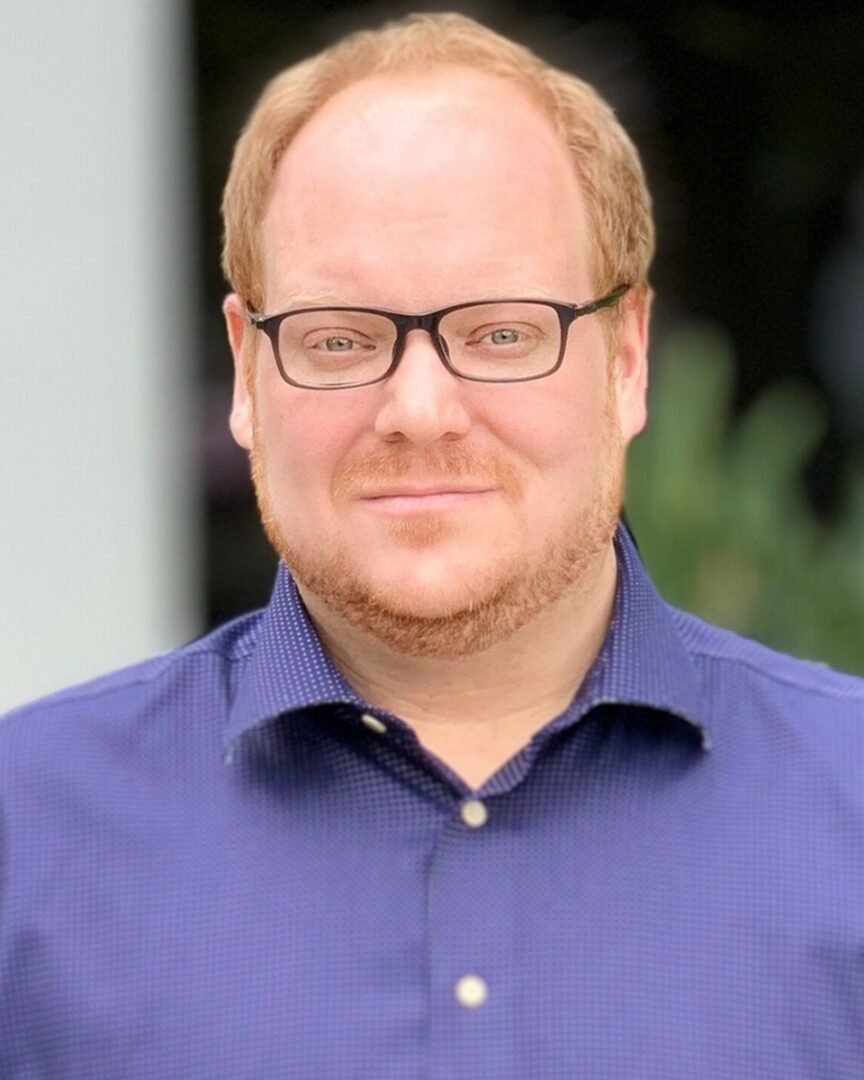
We were lucky to catch up with Rob Hedrick recently and have shared our conversation below.
Hi Rob, thank you so much for opening up with us about some important, but sometimes personal topics. One that really matters to us is overcoming Imposter Syndrome because we’ve seen how so many people are held back in life because of this and so we’d really appreciate hearing about how you overcame Imposter Syndrome.
Imposter syndrome has so many layers. I don’t know that I’ve ever fully overcome it, I’ve just learned to accept that it will always be present, but that I know I am in my role because I am capable. During the pandemic, I was able to build an internet-based studio from my apartment that allowed me to produce new, fresh content with the on-air talent I work with, and using Skype we were able to do multiple TV shows with guests during the full lockdown. This lead to the expansion of my role post-pandemic where I was named tech manager for the TV show that my company does on network television. This role required logistical planning to work with a production manager (who has become family to me since) to plan, build and construct a full-blown broadcast facility in a remote location for every event. This facility is made up of 4 53 foot semi trucks that contain all of the equipment to make a sports television show. In the first event, I was scared to death and had major imposter syndrome thinking ‘Holy crap, they are going to realize I do not belong here.’ Sunday morning we were going to be live nationwide on Fox. The station where you watch Family Guy, the Simpsons, NFL. I was terrified. There’s a process in remote production called ‘check-in’ where you call the TOC; the Transmission Operations Center. This is the room that looks like CSI on TV with hundreds of monitors, buttons, phones, etc. This is where the signal from either a studio or a server gets mixed with commercials and then sent to 210 markets, to be sent into every home in the USA. During Check-in you make sure that you are making the right picture and color to match expectations. It was during this first Check-in that it hit me, and I remembered that 15-year-old me was in awe of what present-day me was doing. It was smooth sailing from there. I couldn’t believe I got to do this and get paid. My job has some insane stressors, but at the end of the day making TV for people to enjoy is a cool job, and each day is a new day to learn a new solution to a new problem and I still can’t believe I get paid to do this cool thing.
Thanks, so before we move on maybe you can share a bit more about yourself?
I get to make Sports Television every weekend for 22 weekends a year. I work with a skilled team of producers, technicians, and on-air talent. We go to a different city and build a full-scale television facility to make tv. It’s one of the coolest jobs, and I get to tech manage, edit, and segment produce. In the past off-season, I was tasked with relaunching and rebuild of the streaming platform which included an entirely new website, and app for mobile. I get to wear many creative hats at work and that’s what keeps it exciting. When I’m off I enjoy exploring LA either walking, with my camera, or checking out one of the awesome art museums we have. LA fosters creativity in a way I’ve never experienced anywhere else.
There is so much advice out there about all the different skills and qualities folks need to develop in order to succeed in today’s highly competitive environment and often it can feel overwhelming. So, if we had to break it down to just the three that matter most, which three skills or qualities would you focus on?
Working in television for over 20 years you work with a wide range of people. From very talented and skilled to people who just want a job. I learned from everyone. As I grew in my career I learned that listening to everyone around me is important. Everyone has ideas worth listening to and sometimes the best Ideas come from the most unexpected sources. Now that I manage a team of creative professionals, I remember what I felt like when I was managed, and I manage in the style of how I want to be managed. Listen to everyone’s input and then based on past experience make the call based on what’s best for the show.
Is there a particular challenge you are currently facing?
In the constantly evolving world of production costs are always a challenge. I was riding back to our tv compound from one of our big shows within a show we setup in March, and the reporter I was with asked me “How do you deal with the constantly moving target for budgets” I remembered what Charles Eames said “We want to make the best for the most for the least” and in true fashion, the limits on an art form is what drives creativity, without limits there is no challenge.
Contact Info:
- Website: imake.tv
- Instagram: robtvla
- Linkedin: robtvla
- Twitter: robtvla
- Youtube: https://www.youtube.com/robhedrick
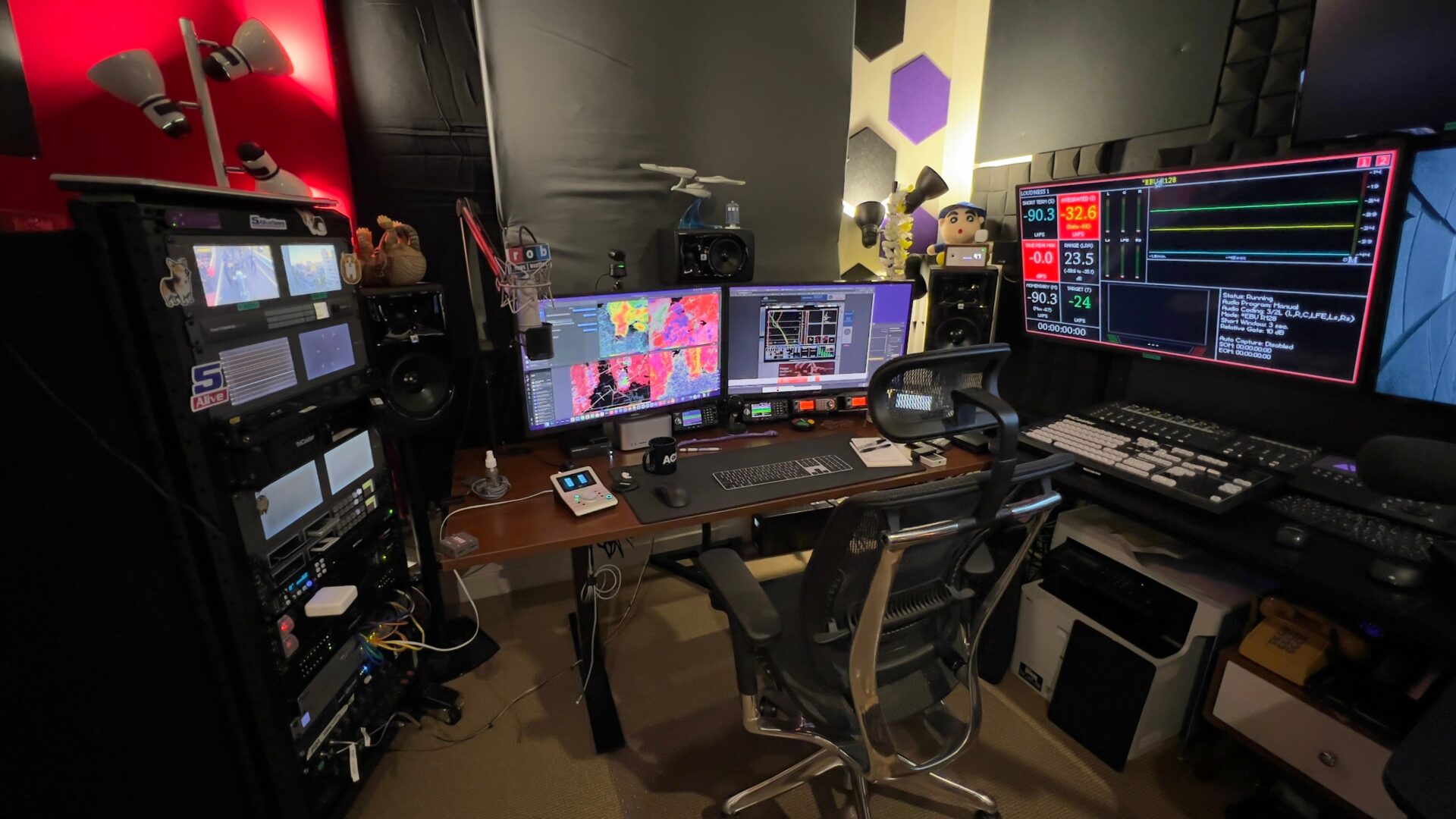
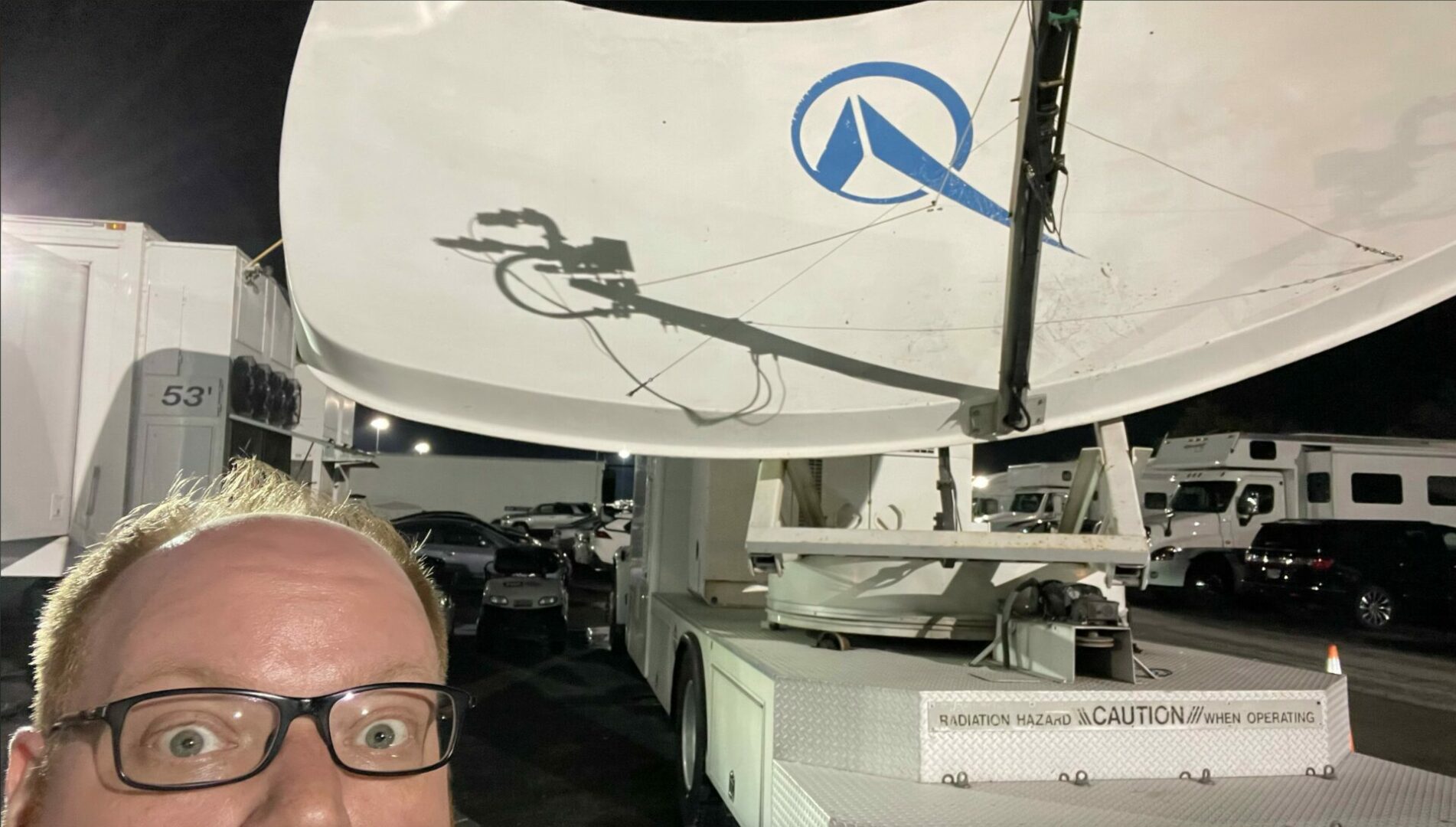
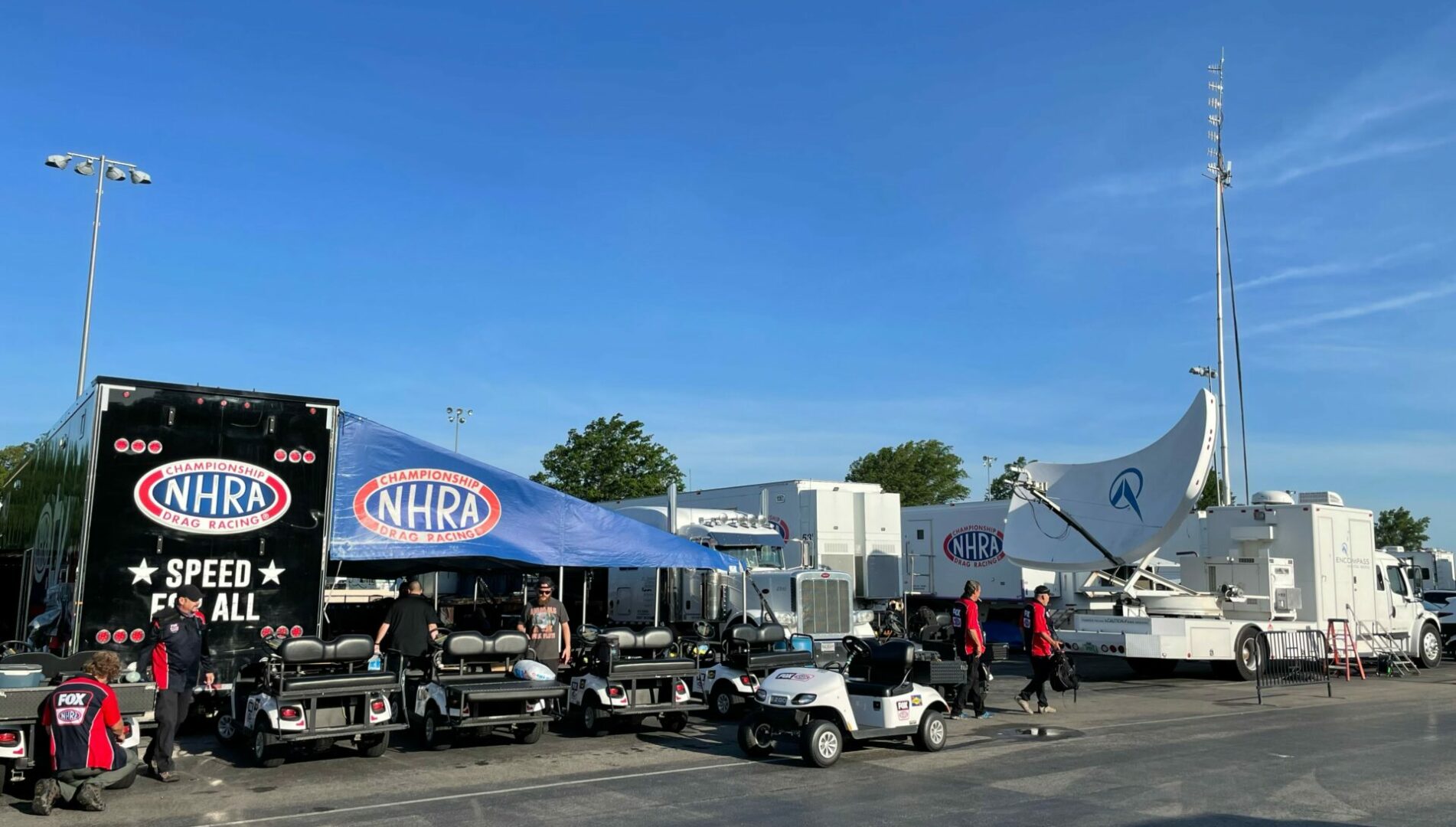
Image Credits
Main Image by Lewis Bloom
Other Image shot by me