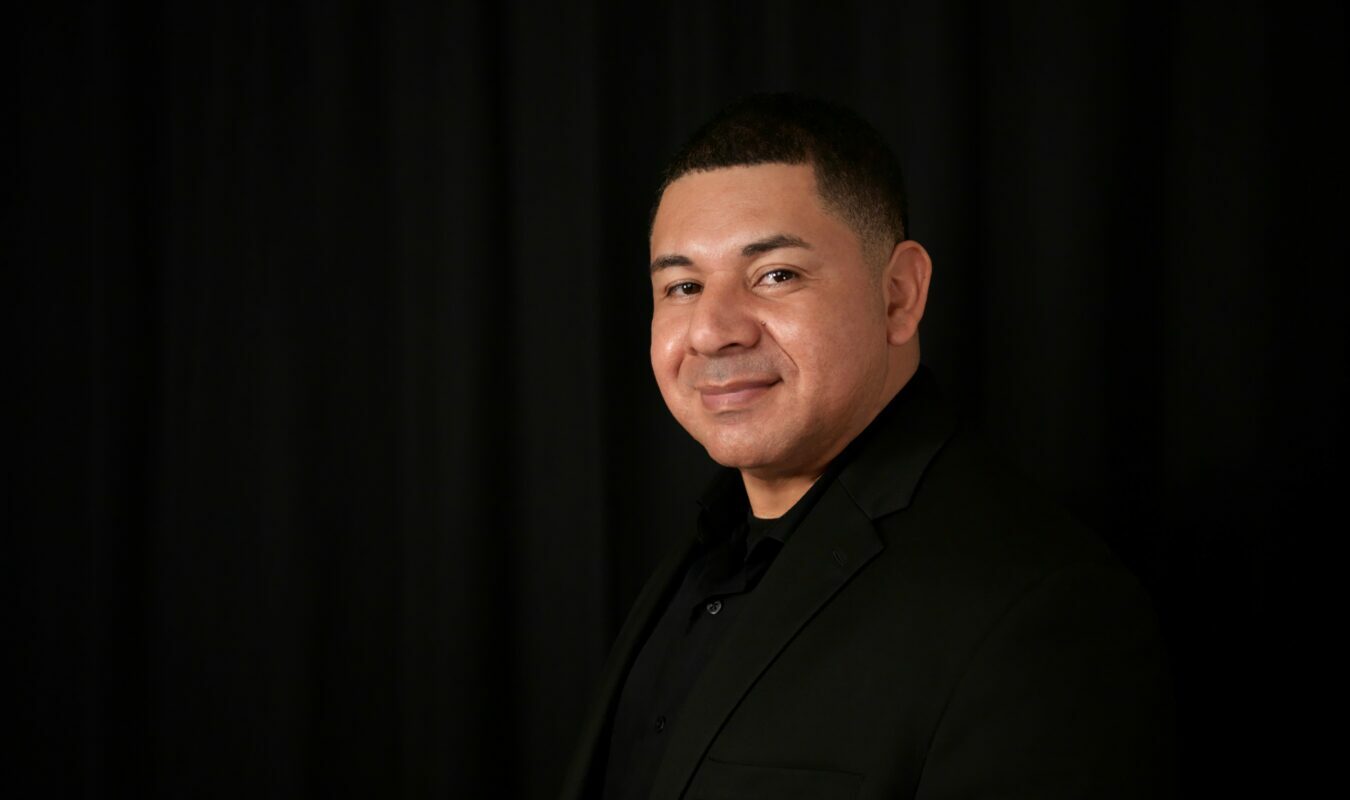
We were lucky to catch up with Robert Ancill recently and have shared our conversation below.
Robert, so great to be with you and I think a lot of folks are going to benefit from hearing your story and lessons and wisdom. Imposter Syndrome is something that we know how words to describe, but it’s something that has held people back forever and so we’re really interested to hear about your story and how you overcame imposter syndrome.
I’ve learned to overcome imposter syndrome by reframing it as evidence that I’m growing rather than failing. Early on, I realized that feeling out of my depth usually meant I was pushing into new territory, not that I didn’t belong there. I stopped waiting to feel “ready” and instead focused on showing up, asking smart questions, and doing the work. Over time, results, not self-doubt became the measure I trusted most.
A turning point for me was reading something Richard Branson once said: “If someone offers you a job that you don’t know how to do, accept the job and figure it out.” That idea stuck, because it perfectly described how I’d already lived much of my life. I’ve spent years figuring things out as I go learning fast, adapting, and delivering anyway. Remembering that history helps quiet imposter syndrome, because it reminds me that my confidence doesn’t come from knowing everything upfront, but from trusting my ability to learn, solve problems, and rise to the occasion.
Great, so let’s take a few minutes and cover your story. What should folks know about you and what you do?
My name is Robert Ancill, and I work at the intersection of hospitality, brand strategy, and design. I’m an internationally recognized restaurant consultant, brand strategist, author, and design innovator based in Los Angeles. Over the past 25 years, I’ve had the opportunity to create and launch more than 89 brands and help oversee over 500 restaurant and café openings across 24 countries. My work spans franchising, international development, and strategic planning, which allows me to advise clients not just on how to open a restaurant, but how to build something scalable, resilient, and relevant in a rapidly evolving global market.
What excites me most about what I do is helping founders and organizations turn ideas into living, breathing brands that actually work in the real world. Hospitality is one of the most complex industries there is, it blends operations, design, culture, emotion, and economics, and that complexity is what keeps it endlessly interesting. I’m especially passionate about future-forward concepts, global expansion strategies, and helping brands adapt to changing consumer behaviors while staying authentic to their core identity.
I currently serve as CEO of The Next Idea Group, a global consulting, design, and architecture firm working with both emerging brands and large-scale operators. I also lead Heritage Restaurant Consultants, advise Atmosfy.io, and provide high-level strategic consulting to hospitality corporations around the world. In addition to hands-on consulting, I’m deeply involved in thought leadership within the industry as a columnist for multiple hospitality magazines and circulars, and as a frequent speaker and advisor on trends shaping the future of food, beverage, and experience-driven brands.
On the creative and intellectual side of my work, I’m the author of The Ultimate Guide to Restaurants trilogy, published in 2025, along with several other books focused on the hospitality sector. I have been called an industry “thinkfluencer”, someone who not only does the work, but also shares insights, frameworks, and lessons learned to help move the industry forward. At the core of my brand is a simple idea: bold thinking, grounded strategy, and practical execution can transform hospitality businesses, and when done right, they can also shape culture.
If you had to pick three qualities that are most important to develop, which three would you say matter most?
Looking back, the first and most impactful quality in my journey was adaptability. Hospitality is an industry that constantly changes, markets shift, consumer behavior evolves, and trends come and go, so the ability to learn quickly, adjust, and move forward has been essential. Early in my career, I said “yes” to opportunities that were outside my comfort zone and figured things out along the way. For people just starting out, my advice is to lean into discomfort. Take on projects that stretch you, expose yourself to different parts of the business, and don’t wait until you feel fully prepared, real growth happens in motion.
The second key skill was strategic thinking paired with execution. Ideas are easy; turning them into profitable, scalable realities is not. I learned to look at hospitality brands holistically, concept, operations, finance, design, and guest experience all working together. For those early in their journey, focus on understanding the “why” behind decisions, not just the “how.” Learn how the numbers work, how systems scale, and how small choices impact long-term outcomes. Spend time both in the creative and operational trenches, that combination is incredibly powerful.
Finally, communication and perspective were critical. Writing, teaching, and sharing insights forced me to clarify my thinking and build credibility over time. Becoming a student of global culture, travel, and human behavior also gave me a broader lens to draw from. My advice is to develop your voice early: write, speak, ask questions, and listen deeply. Seek mentors, but also become someone who contributes ideas. Knowledge compounds when you share it, and a clear point of view will set you apart faster than almost anything else.
What would you advise – going all in on your strengths or investing on areas where you aren’t as strong to be more well-rounded?
I believe the best path is to go all in on your strengths while becoming functionally competent in the areas where you’re weaker. Early in my career, I tried to be good at everything, design, operations, finance, branding, development, and while that gave me a broad foundation, what truly accelerated my growth was recognizing where I delivered disproportionate value. Once I leaned into my strengths in strategy, concept creation, and brand-building, my work became clearer, more differentiated, and more impactful. Depth creates leverage, and leverage creates momentum.
That said, ignoring your weak spots is a mistake, especially in hospitality, where everything is interconnected. I didn’t need to be the best operator or financial analyst in the room, but I did need to understand how operations, cash flow, and systems affected the brands I was helping to build. I’ve seen talented creatives fail because they refused to engage with the business side, just as I’ve seen strong operators struggle because they underestimated the power of brand and experience. Being well-rounded enough to speak the language of different disciplines made me more effective, even as my core value stayed centered on my strengths.
One story that shaped this perspective came from working on international restaurant rollouts early in my career. I was brought in for brand and concept strategy, but quickly realized that without a working knowledge of franchising structures, supply chains, and local regulations, great ideas would die on paper. I didn’t try to become a legal or operations expert, but I learned enough to ask the right questions and collaborate intelligently. That combination, deep strength plus broad literacy, is what allowed me to scale from individual projects to hundreds of openings across multiple countries.
For people early in their journey, my advice is simple: identify what you’re naturally good at and invest heavily there, because that’s where you’ll stand out. At the same time, shore up your blind spots to the point where they no longer hold you back. Build teams and partnerships that complement you rather than trying to be everything yourself. The goal isn’t balance for balance’s sake, it’s effectiveness. When you know what you do best and understand how it fits into the bigger picture, you can create far more meaningful and sustainable impact.
Contact Info:
- Website: https://thenextideagroup.com/
- Instagram: /thenextidea
- Facebook: https://www.facebook.com/HeritageRestaurantConsultants
- Linkedin: https://www.linkedin.com/in/robertancill/
- Other: https://www.robertancill.com
https://robertancill.substack.com
https://www.globalrestaurantconsultant.com
so if you or someone you know deserves recognition please let us know here.