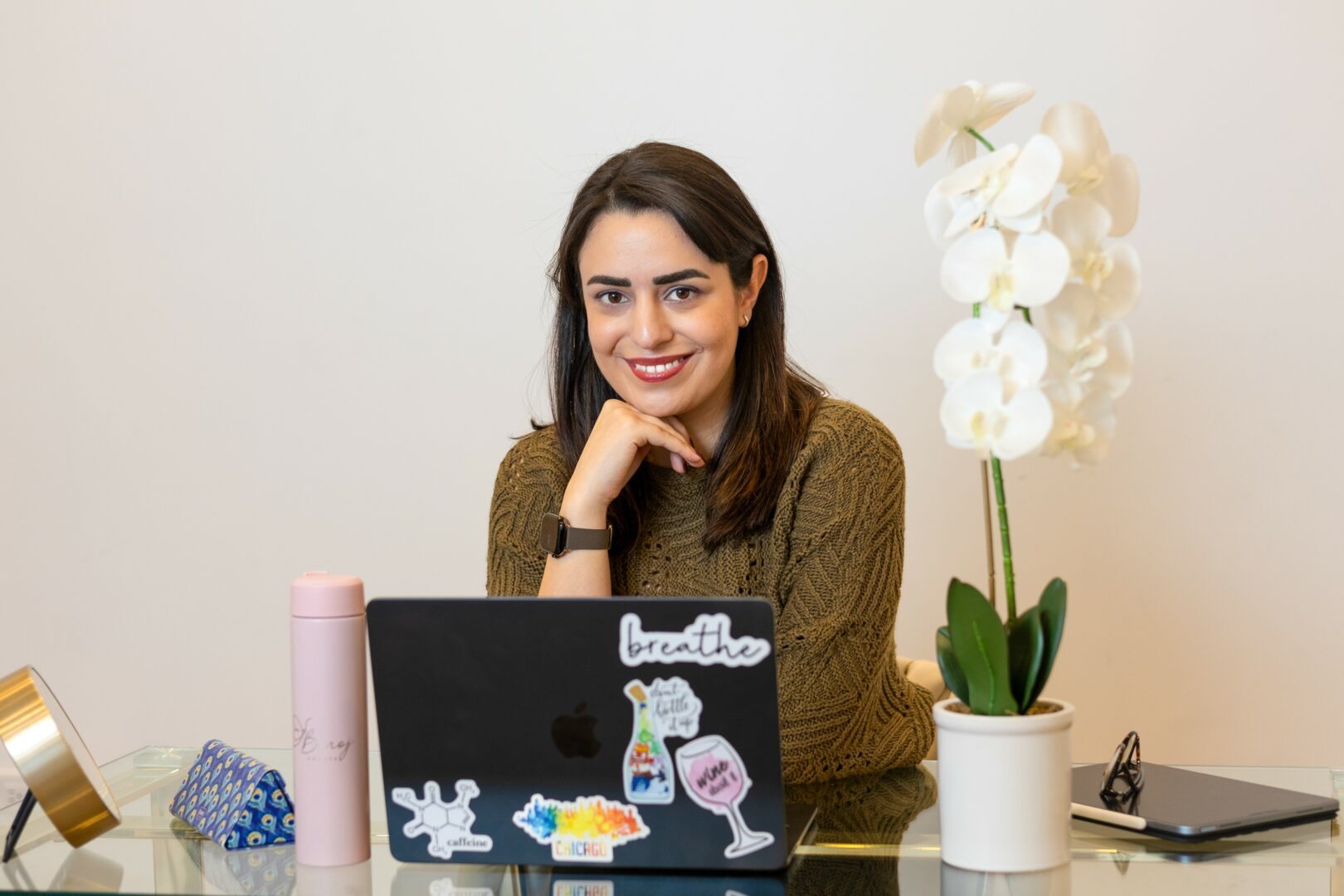
Alright – so today we’ve got the honor of introducing you to Rojin Babayan. We think you’ll enjoy our conversation, we’ve shared it below.
Rojin, thank you so much for making time for us today. We can’t wait to dive into your story and the lessons you’ve learned along the way, but maybe we can start with something foundational to your success. How have you gone about developing your ability to communicate effectively?
I did not wake up good at this; I learned it. When I was a data scientist, I was often the only woman in the room, and I learned to be clear. Set the agenda, name the decision, write it down. Those habits stuck with me: one-page briefs, timelines people actually read, and a quick who is doing what before we leave the room.
As an immigrant in Chicago, I also learned to ask instead of assume. Big labels hide a lot of micro-cultures; Indian, Irish, or Persian families aren’t monoliths. Tiny deviations can matter. With Chinese families, for example, we might plan for two outfits and a tea ceremony with the right elders in the right order, avoid all-white décor in that space, and time events so they don’t get rushed. With Jewish families, we’ll align on kosher versus kosher-style, decide where the ketubah signing fits (quiet room or public moment), and place the hora so it lifts the room without derailing dinner service. For South Asian blends, we’ll confirm footwear expectations, modesty preferences for photos, and make sure vegetarian guests feel celebrated and not like an afterthought. The goal, overall, is a zero-judgment zone where people feel seen, not generalized.
My process is simple: listen first with the couple and sometimes parents, capture the cultural why, add pronunciation notes, and build vendor cues, then do a quick teach back so everyone can repeat their role in their own words. The result is always fewer questions and confusion on the day-of, calmer teams, and a celebration that feels personal. My motto is simple: Gentle on people, firm on the plan.
Thanks, so before we move on maybe you can share a bit more about yourself?
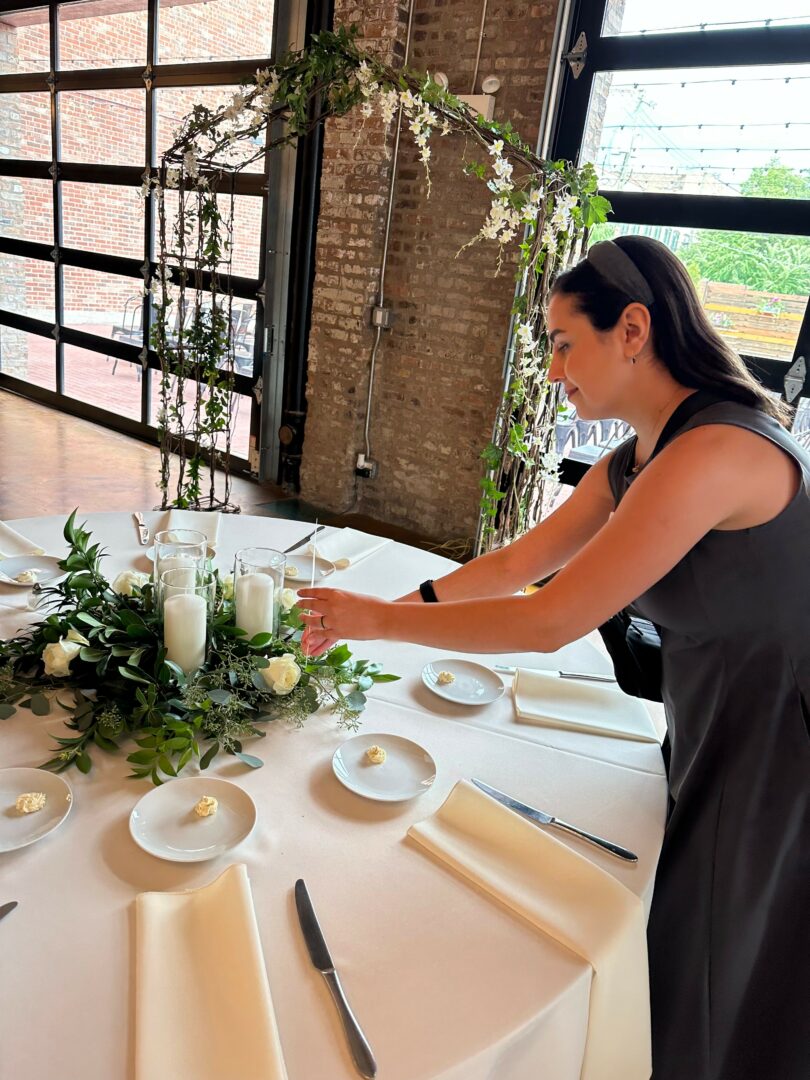
I started Baroj Events to help people build great memories from their wedding day. In practice, that means keeping the energy warm and the logistics quiet so couples can stay present with their people. I intentionally keep a small calendar so I can be hands-on and attentive to the details that make that possible. Years later, I want my couples to look at their photos and feel the day return because the small things were cared for.
What feels most special is how personal it is. I listen for each couple’s story and translate it into moments to feel. I often find myself moved during ceremonies, not just because of the traditions, but because the relationships and histories in the room are so present. Sometimes that includes cultures meeting; other times it’s a quiet glance between a parent and child or the way friends show up. I look for gentle ways to honor those connections; maybe a musical nod to family roots, a seating plan that keeps grandparents comfortable while friends dance, or a brief private pause so the couple can breathe.
There is so much advice out there about all the different skills and qualities folks need to develop in order to succeed in today’s highly competitive environment and often it can feel overwhelming. So, if we had to break it down to just the three that matter most, which three skills or qualities would you focus on?
I love this question because it comes up a lot in our wedding planner community. Here’s the version I give new planners.
A hospitality mindset with service design is everything. Don’t just plan a schedule; design the guest journey. Walk the venue like a guest: parking, signage, line flow, acoustics, accessibility, sightlines, and the couple’s breathing room. Build a small “experience kit” you reuse at every event: wayfinding plan, lighting cues, a five-minute buffer before key moments, and a backup for any high-traffic station.
Decisive judgment under pressure is earned in prep. Do a quick pre-mortem and write if/then triggers: “If wind >15 mph at 2:00 pm, Tent Plan B goes live,” “If shuttle is >10 min late, move family photos to foyer.” Set decision deadlines and owners ahead of time so show-day calls are calm and fast. List your top risks (weather, power, transport, room flip, permits), assign a mitigation and a backup for each, and pack the tools you actually need to execute Plan B.
Conflict mediation and boundary setting keep relationships intact. Lead with the shared goal (“a joyful, safe celebration”), offer two bounded options with a clear deadline, and document the decision in a short recap. Use neutral scripts: “Here are two ways to honor that tradition within the venue’s rules,” or “We can extend coverage or trim speeches, what serves you best?” Keep an authority map so you always know who decides what.
Tell us what your ideal client would be like?
I’ve learned that my best-fit clients treat wedding planning like an end-to-end project. We set milestones and owners, objectives and key results, keep a shared task list, and hold each other gently accountable so decisions don’t drift. That structure keeps stress low and leaves room for creativity.
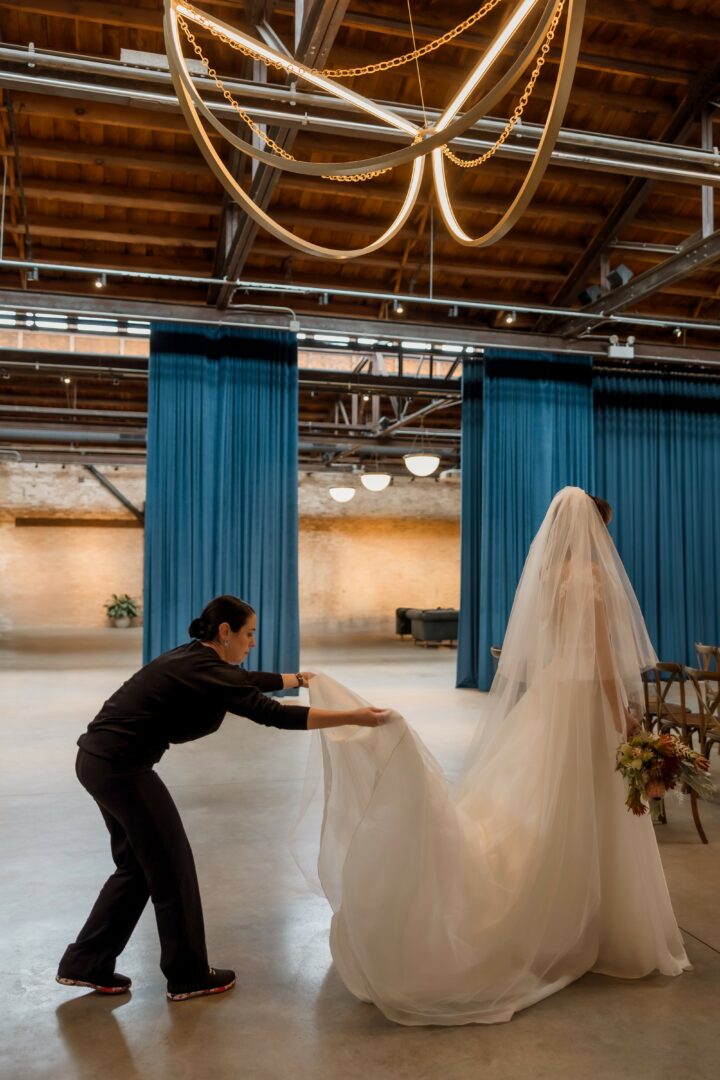
They’re also comfortable delegating. Many are career-focused and busy, but they’re excited about the details. The way we work is: I run point on the workload (timelines, vendor alignment, proposal comparisons, and logistics), and I bring them tight, well-researched options for the things they care about, such as paper stock, ceremony choreography, seating comfort, lighting cues, all of it. They get to stay in the details without living in the weeds.
It’s less about checking every box and more about how the day feels: warm energy, smooth flow, and photos that bring the day right back years later.
Contact Info:
- Website: https://www.barojevents.com
- Instagram: https://www.instagram.com/baroj.events/
- Facebook: https://www.facebook.com/baroj.events
- Linkedin: https://www.linkedin.com/in/rojinbabayan/

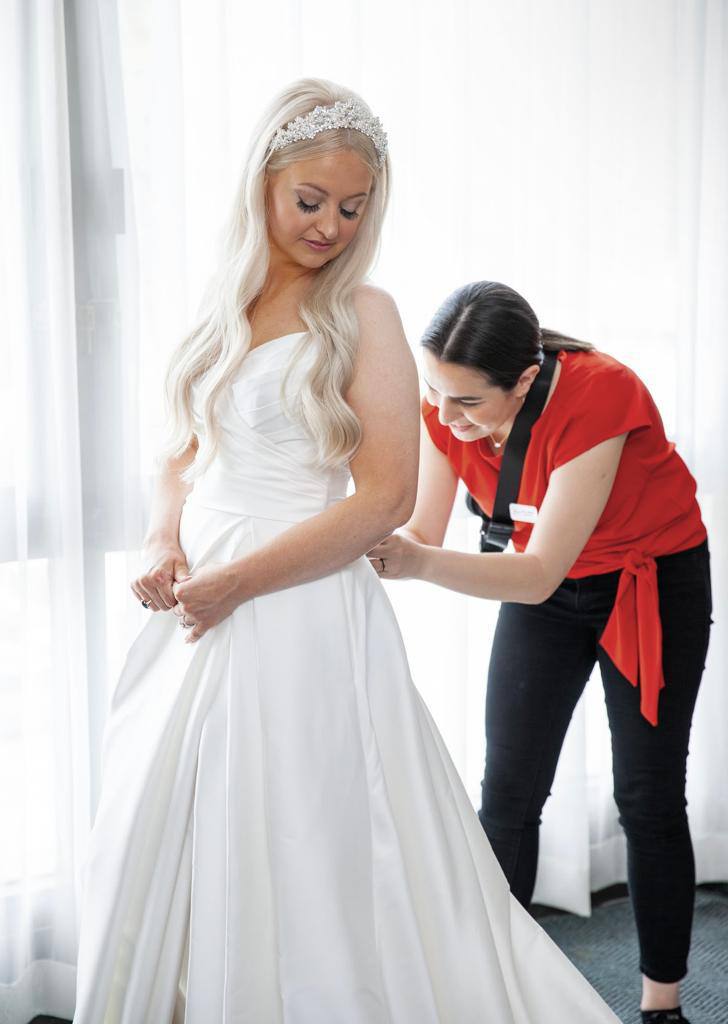
Image Credits
Maloos Photography
Audrey Simper Photography
Essence Photography
Saba Jamalian
so if you or someone you know deserves recognition please let us know here.