Alright – so today we’ve got the honor of introducing you to Rori Zura. We think you’ll enjoy our conversation, we’ve shared it below.
Rori, sincerely appreciate your selflessness in agreeing to discuss your mental health journey and how you overcame and persisted despite the challenges. Please share with our readers how you overcame. For readers, please note this is not medical advice, we are not doctors, you should always consult professionals for advice and that this is merely one person sharing their story and experience.
Being diagnosed with triple-negative breast cancer at 33 (right in the middle of a global pandemic) was the kind of plot twist no one prepares for. Overnight, I went from feeling invincible to navigating chemo in isolation, processing medical trauma without my usual support system, and trying to make sense of a world that kept spinning while mine completely stopped.
Survivorship came with its own mental weight. There’s the grief of the life you thought you’d have, including the loss of fertility in a society that still treats womanhood and motherhood as synonymous. There’s the anxiety that sits quietly in the background, the fear of recurrence that can be triggered by something as small as a tight chest or a random ache. There’s the disconnect of looking “fine” on the outside while your inner landscape is still healing from all the wounds.
What helped me persist was choosing to rebuild myself through movement.
Exercise became less about looking a certain way and more about reclaiming ownership of my body. I learned that healing isn’t linear, that it’s okay to fall apart, and that strength isn’t measured in pounds lifted but in the courage to keep showing up for yourself.
I also had to rewrite the narrative of what my future could look like. Instead of grieving the version of adulthood I thought I needed to fit into, I created the one that felt true to me. That shift, paired with therapy, community support, and permitting myself to rest, became my compass.
Today, the work I do with survivors comes from that lived experience and formal education. I persisted because I refused to let cancer be the end of my story. Instead, it became the beginning of a mission: to help others feel less alone, more in control, and deeply connected to their bodies again.
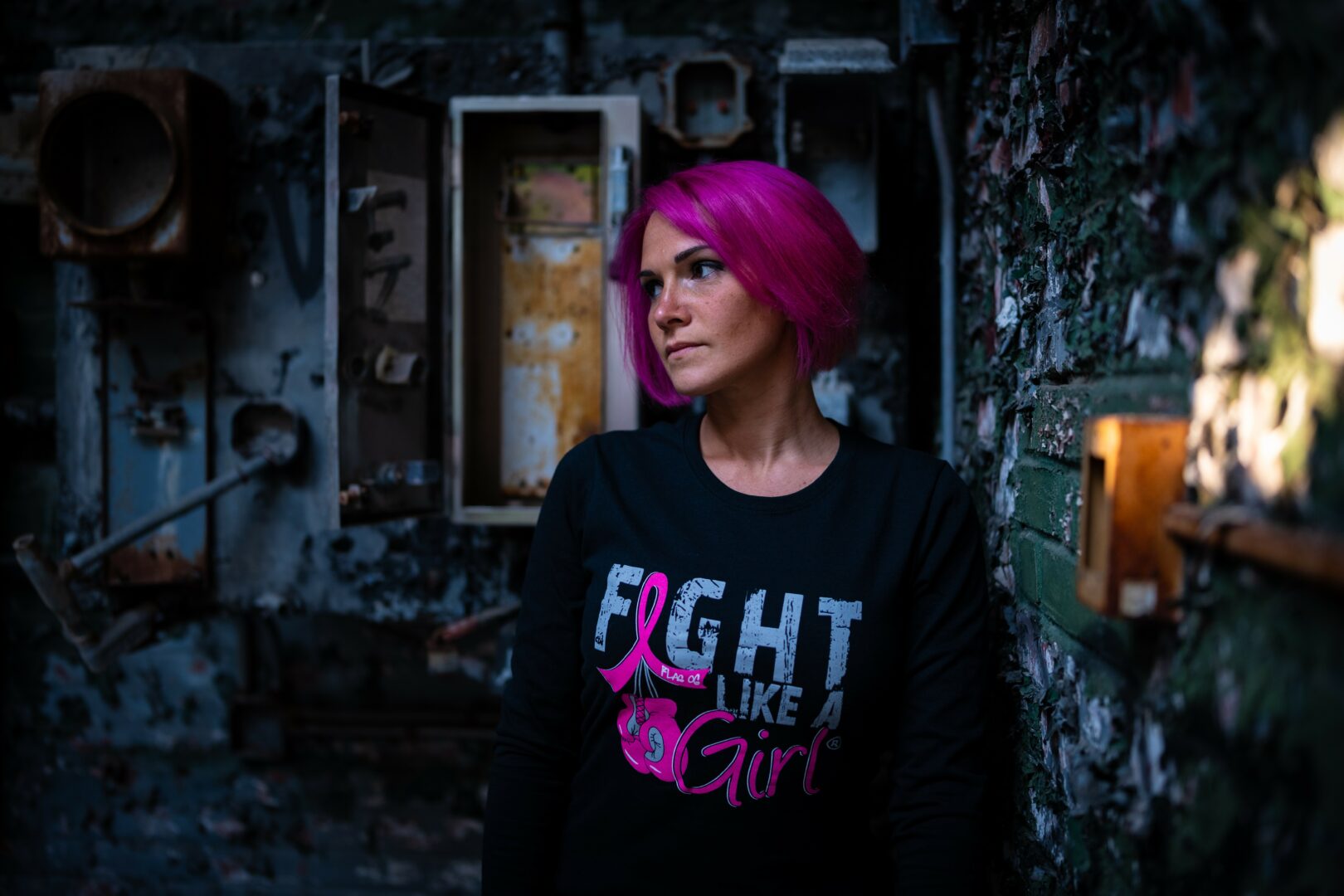
Great, so let’s take a few minutes and cover your story. What should folks know about you and what you do?
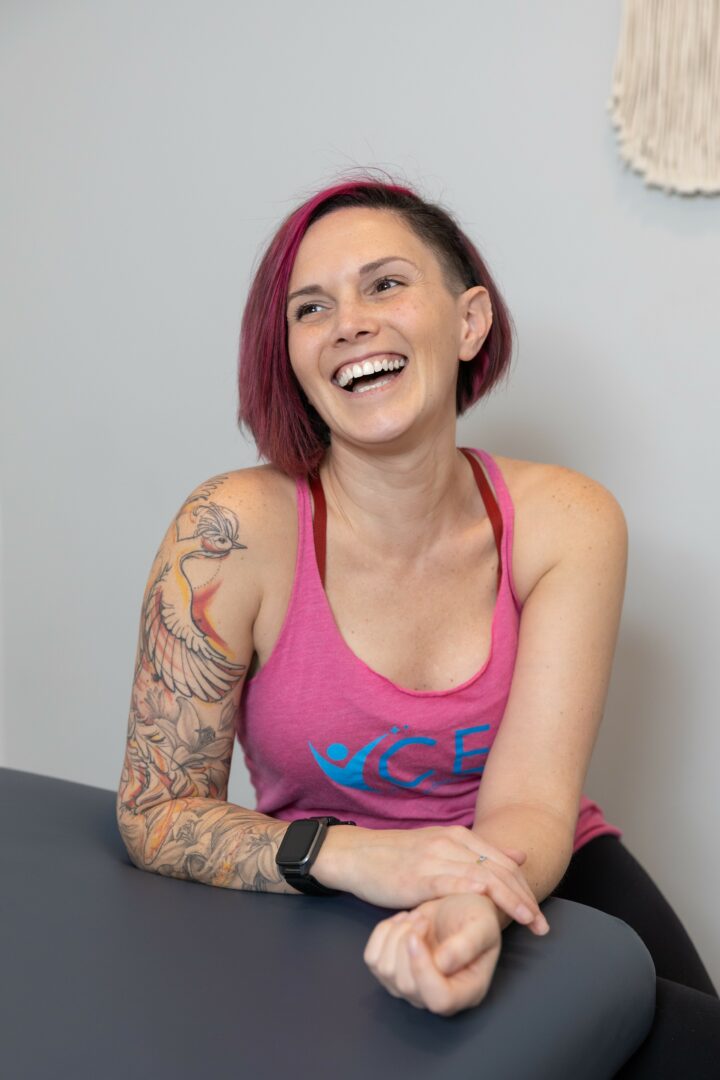
I’m the founder of Foobs & Fitness, a cancer-focused fitness and survivorship education company dedicated to helping breast cancer survivors rebuild strength, mobility, and confidence after treatment. As a Certified Cancer Exercise Specialist and triple-negative breast cancer survivor myself, I bridge the gap between the medical and fitness worlds, an area where so many survivors feel lost once active treatment ends.
My story began at age 33, when I navigated chemotherapy, surgery, and radiation during the COVID-19 pandemic. Like many young survivors, I struggled to find safe, evidence-based guidance for exercising after a mastectomy, managing lymphedema risk, or rebuilding mobility while dealing with fatigue, chest tightness, and trauma. That experience pushed me to turn movement into medicine and pursue specialized certifications so I could help others avoid the confusion and fear I felt.
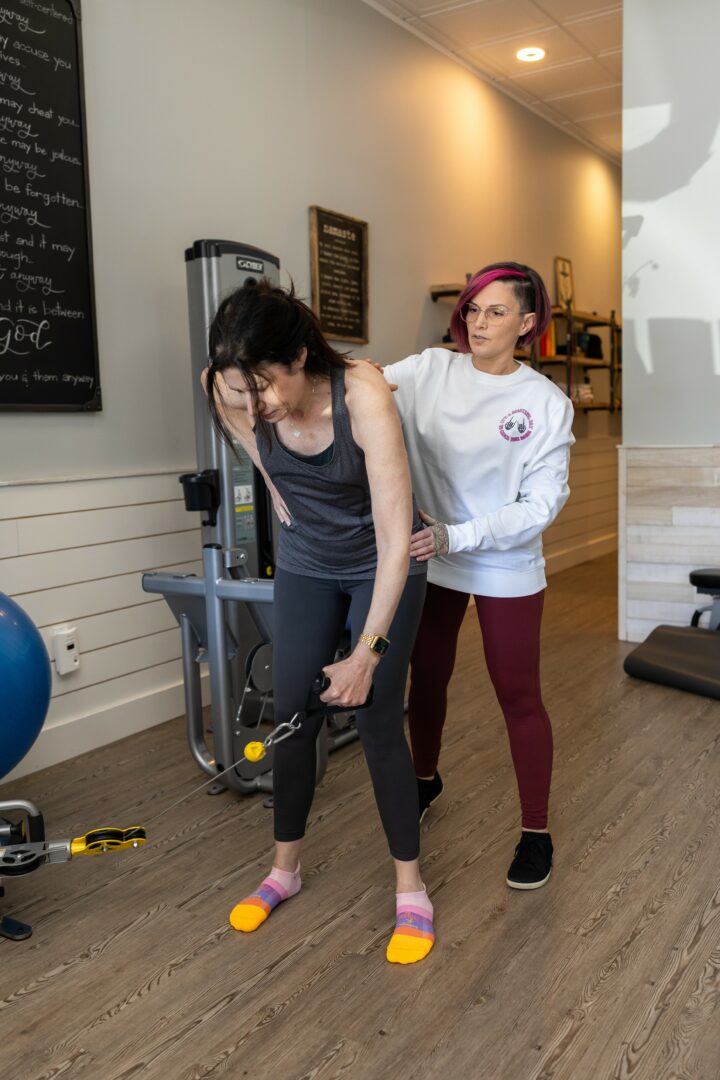
Foobs & Fitness offers personalized cancer exercise programming, surgery prehab support, lymphatic and shoulder mobility training, and education for survivors at every stage. What makes this work so meaningful is watching survivors reclaim their bodies after cancer: lifting their arms again without fear, reducing lymphedema symptoms, rebuilding strength after surgery, and learning that they are more capable than they were ever told.
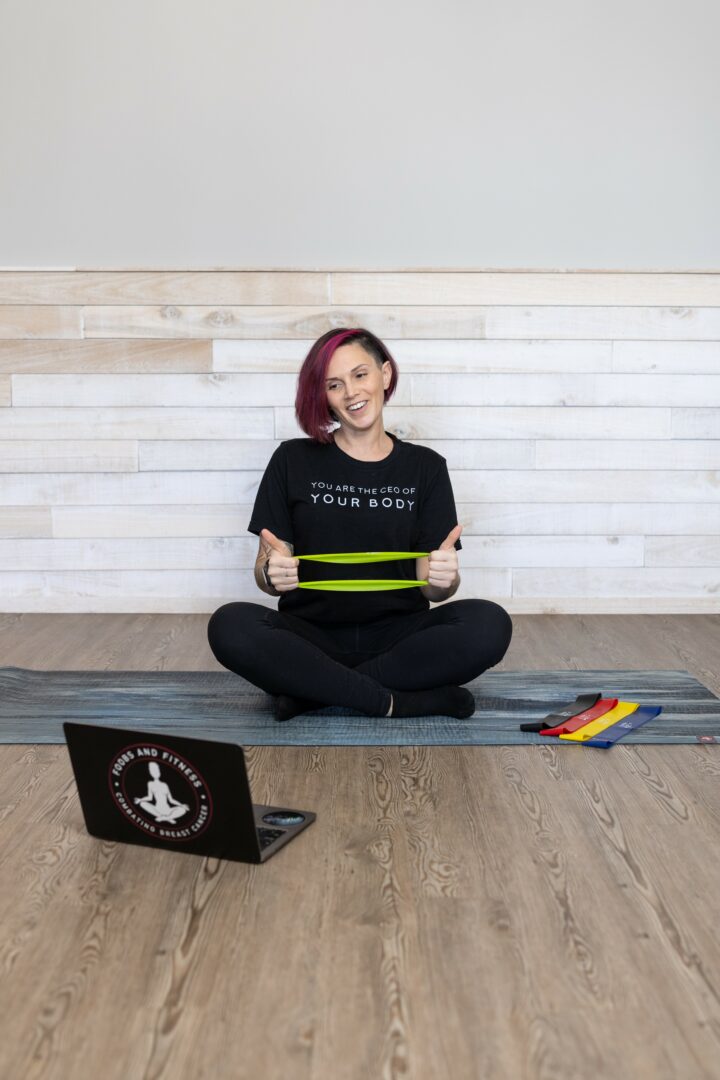
My approach blends trauma-informed coaching with evidence-based cancer rehabilitation so survivors can feel empowered rather than overwhelmed. I want every client to feel like the CEO of their body, supported with clear guidance, accessible tools, and a community that understands what survivorship really feels like.
I’m honored to serve on the board of Well Beyond Breast Cancer, where I lead movement workshops, mobility classes, educational events, and community-based survivorship support.
At the heart of everything I do is a simple mission: to give every survivor the tools, education, and confidence to thrive after breast cancer. Survivorship is not the finish line; it’s an entirely new beginning. My work is dedicated to guiding survivors through that next chapter with strength, clarity, and hope.
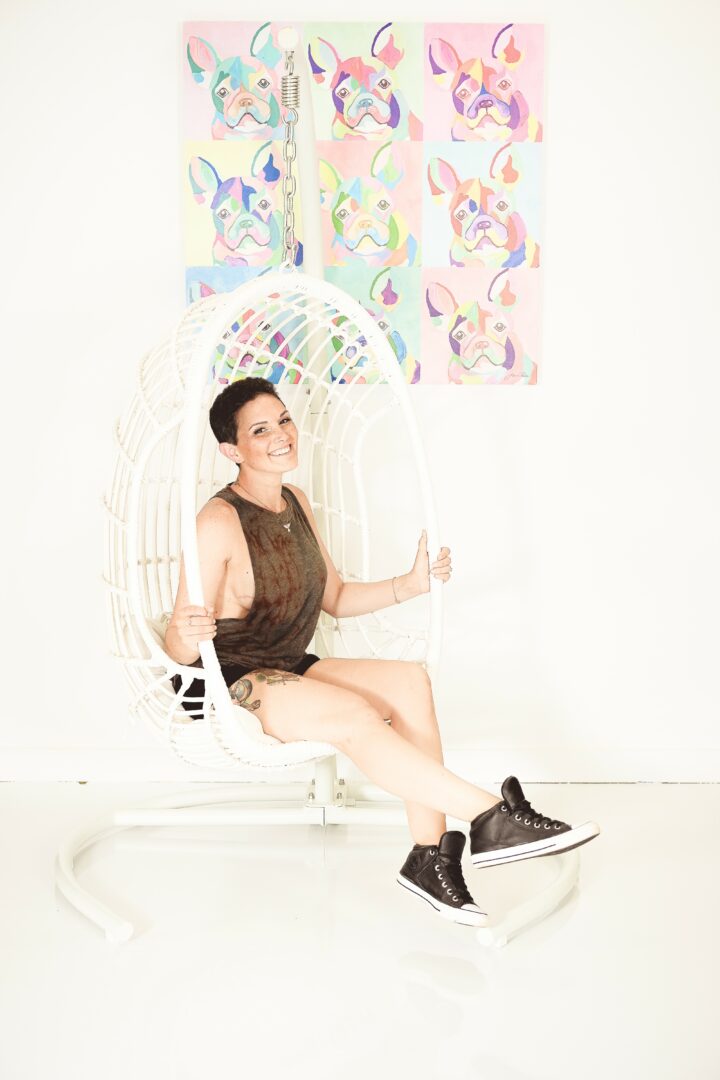
Looking back, what do you think were the three qualities, skills, or areas of knowledge that were most impactful in your journey? What advice do you have for folks who are early in their journey in terms of how they can best develop or improve on these?
Looking back, the three qualities that shaped my journey the most were: self-advocacy, body awareness, and resilience through movement. Each one played a critical role in how I healed physically and mentally after breast cancer, and they’re skills I believe every survivor can cultivate, no matter where they are in their journey.
1. Self-Advocacy – A breast cancer diagnosis forces you into a crash course in medical decision-making. At 33, navigating treatment during a pandemic, I quickly learned that no one would ever care about my body or my future more than I did. Asking questions, requesting second opinions, pushing for clarity on risks like lymphedema, and advocating for fertility options all became survival skills. My advice would be to practice speaking up early. If something feels unclear, uncomfortable, or rushed, pause and ask for more information. Bring a list of questions to appointments. You are allowed to understand your options. You are allowed to say, “Slow down, I need this explained.”
2. Body Awareness – Cancer disconnects you from your body in profound ways; physically, emotionally, and energetically. Surgeries, drains, scars, nerve pain, and radiation stiffness can make you feel like you’re living in a stranger’s body. Learning to listen again, to interpret pain signals, to rebuild mobility safely, and to understand lymphatic flow became the foundation of my recovery and the reason I became a Cancer Exercise Specialist. My advice: Start with small, achievable actions, such as gentle mobility, breathwork, or simply placing a hand over your chest to reconnect with sensation. Notice what feels tight, what feels tender, and what feels strong.
3. Movement – Movement became my medicine. Not in a “push yourself harder” kind of way, but in a “regain ownership of your body” way. Learning how to exercise safely after breast cancer, how to rebuild shoulder mobility, improve lymphatic circulation, manage fatigue, and slowly regain strength, gave me something cancer couldn’t take: a sense of control.
“Don’t wait for motivation. Start with consistency. Five minutes of intentional movement like walking, stretching, diaphragmatic breathing, and gentle strength can rewire your nervous system and rebuild trust in your body. Seek out professionals trained in oncology exercise, so you’re not navigating recovery alone. You don’t have to transform overnight. You just have to stay curious, compassionate, and willing to take the next small step. When you strengthen your voice, reconnect with your body, and move with intention, you build a foundation that can carry you through the hardest chapters of survivorship, and into the life waiting on the other side.”
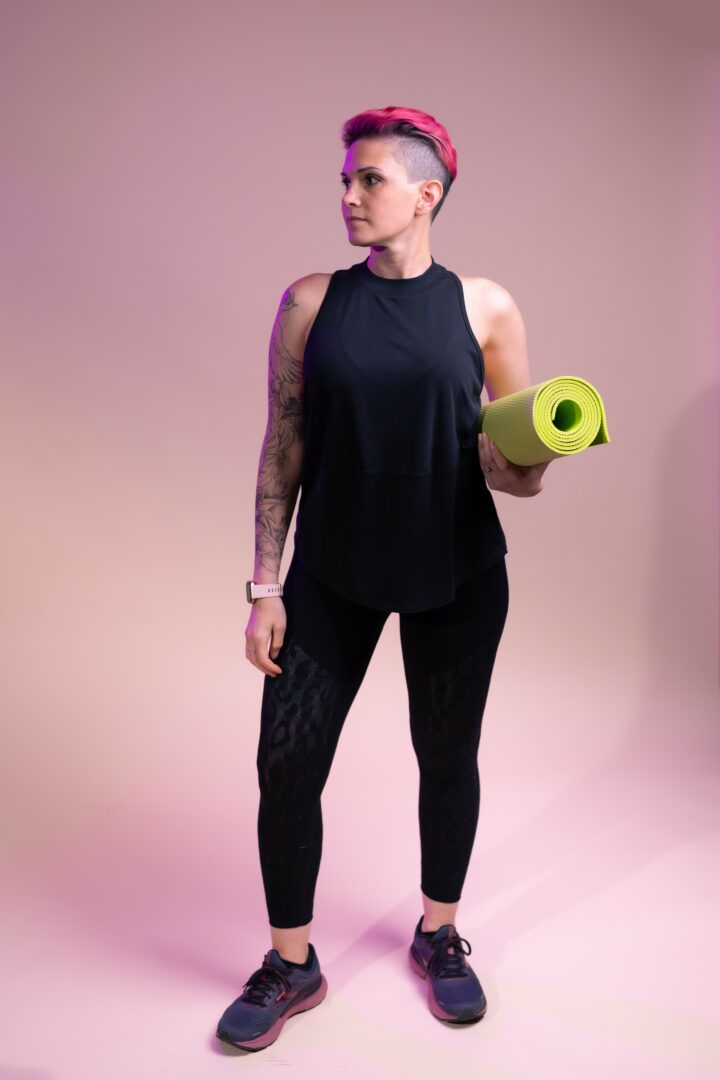
Tell us what your ideal client would be like?
My ideal client is a breast cancer survivor who’s ready to take back ownership of their body, whether they’re newly diagnosed, in active treatment, or rebuilding in survivorship. What matters most isn’t their fitness level; it’s their willingness to learn, to explore movement without fear, and to show up for themselves in small, meaningful ways.
The survivors who thrive in my programs are the ones who ask questions like: “Is this safe after my mastectomy?” “How do I manage my lymphedema risk?”, or “How can I rebuild mobility without making things worse?”
They’re hungry for clarity because they’ve been handed vague advice like “listen to your body” with no roadmap. They want education, not guesswork, and I love helping them make sense of it all.
My ideal client wants to rebuild confidence, not just physically, but mentally. They’re looking for someone who understands the emotional weight of survivorship and can guide them safely through it. They appreciate having someone who understands cancer pathology, lymphatic considerations, ROM limitations, scar tissue rehab, fatigue management, and how to progress strength safely after treatment.
They want more than a “just modify” fitness class; they want specialized support built specifically for survivors.
Most importantly, my ideal client doesn’t need to be motivated every day; they just need to be willing to try. Survivorship is messy. Fatigue, anxiety, body image, and grief all affect how we move. I meet clients exactly where they are and help them build sustainable habits, not unrealistic expectations.
Contact Info:
- Website: https://www.foobsandfitness.com
- Instagram: https://www.instagram.com/foobsandfitness
- Facebook: https://www.facebook.com/foobsandfitness
- Youtube: https://www.youtube.com/@foobsandfitness
- Other: https://www.tiktok.com/@foobsandfitness
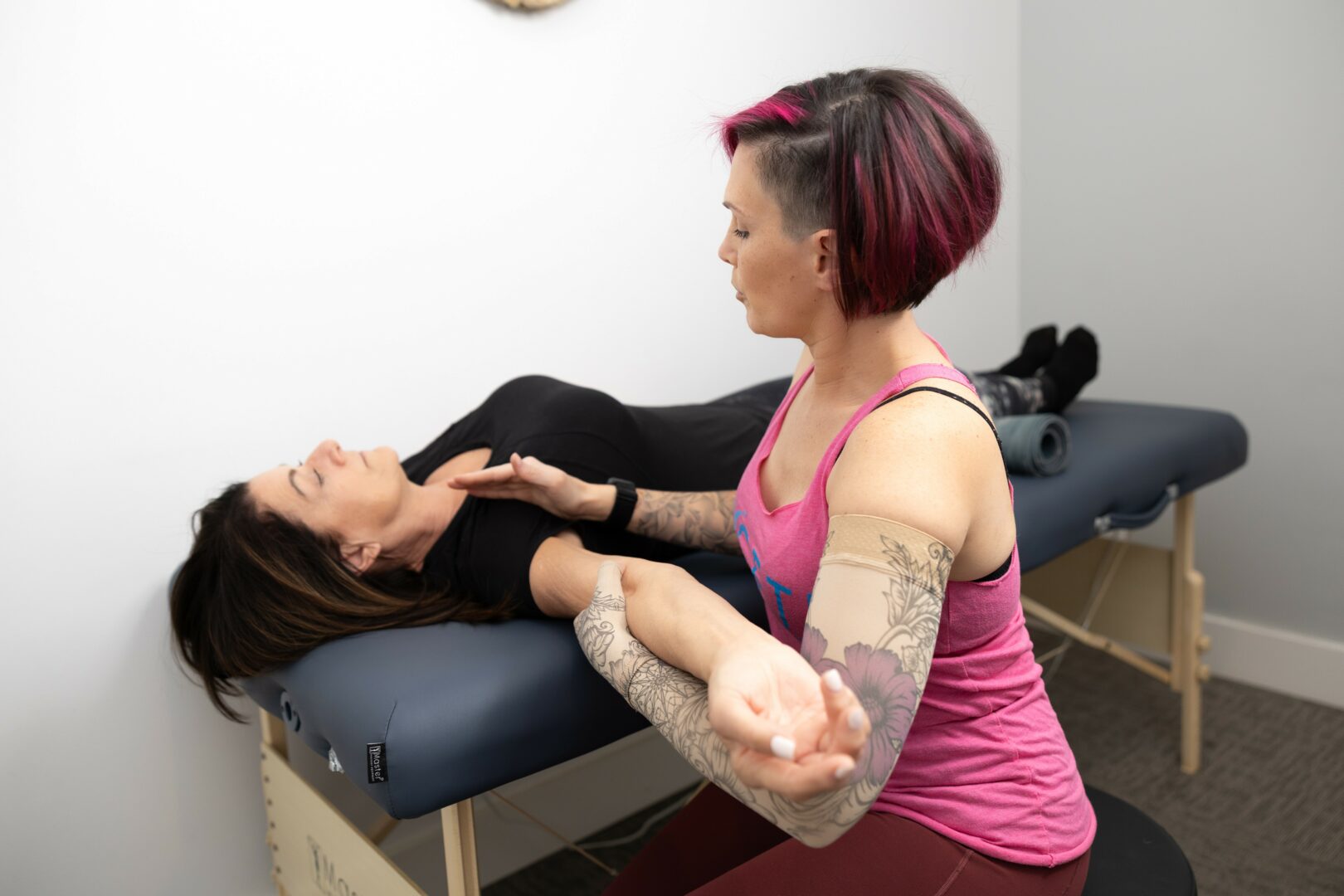
so if you or someone you know deserves recognition please let us know here.