Alright – so today we’ve got the honor of introducing you to ROWYNN DUMONT. We think you’ll enjoy our conversation, we’ve shared it below.
ROWYNN, thanks so much for taking the time to share your insights and lessons with us today. We’re particularly interested in hearing about how you became such a resilient person. Where do you get your resilience from?
My resilience comes from necessity — not some polished version of strength, but the raw, relentless drive to survive when there were no other options.
I was kicked out at 15 and lived in a treehouse behind my high school, still showing up every day with perfect grades and makeup on. I’ve survived being kidnapped, trafficked, abandoned, and erased — and somehow still found a way to keep building, learning, and creating. I’ve lived in dozens of cities, worked every job from bartender to professor, and built a life from the ground up more times than I can count. Not because I wanted to be resilient — but because no one was coming to save me.
That’s why I co-founded MinDesign Labs. It’s not just a company. It’s a reclamation. We build tools for people like me — neurodivergent, system-excluded, often invisible — because most of what’s out there wasn’t made for us. Our XR therapy projects are about accessibility, autonomy, and designing a world where survival isn’t the baseline — where thriving becomes possible.
My resilience doesn’t come from inspiration. It comes from resistance. From knowing what it’s like to be broken by systems, and choosing to create new ones instead.
Appreciate the insights and wisdom. Before we dig deeper and ask you about the skills that matter and more, maybe you can tell our readers about yourself?
I’m the co-founder of MinDesign Labs, a research and development studio building adaptive tools for neurodivergent communities. We operate at the intersection of psychology, technology, and storytelling, designing experiences that center accessibility — not as an add-on, but as the core.
Right now, we’re developing two major projects:
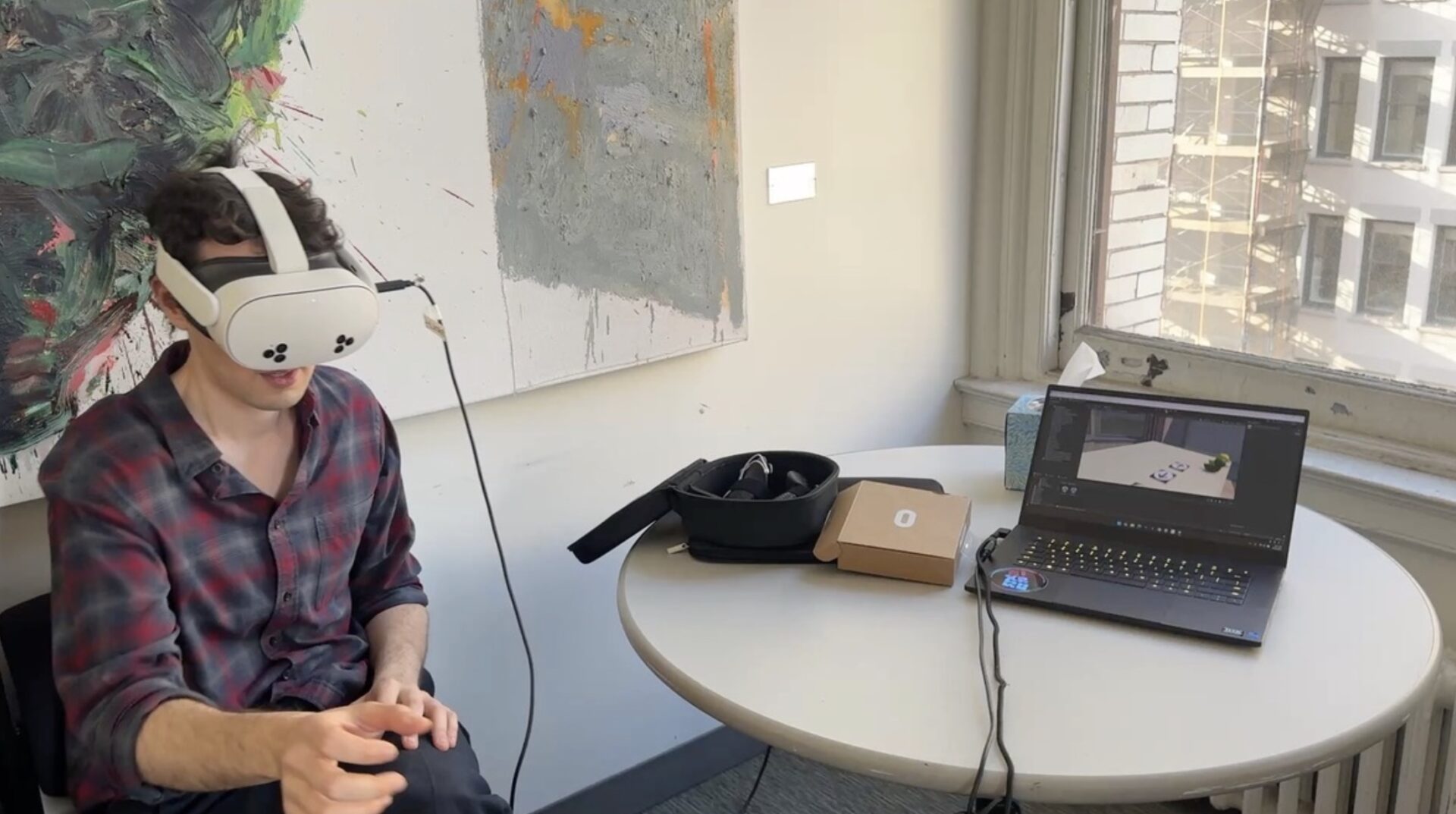
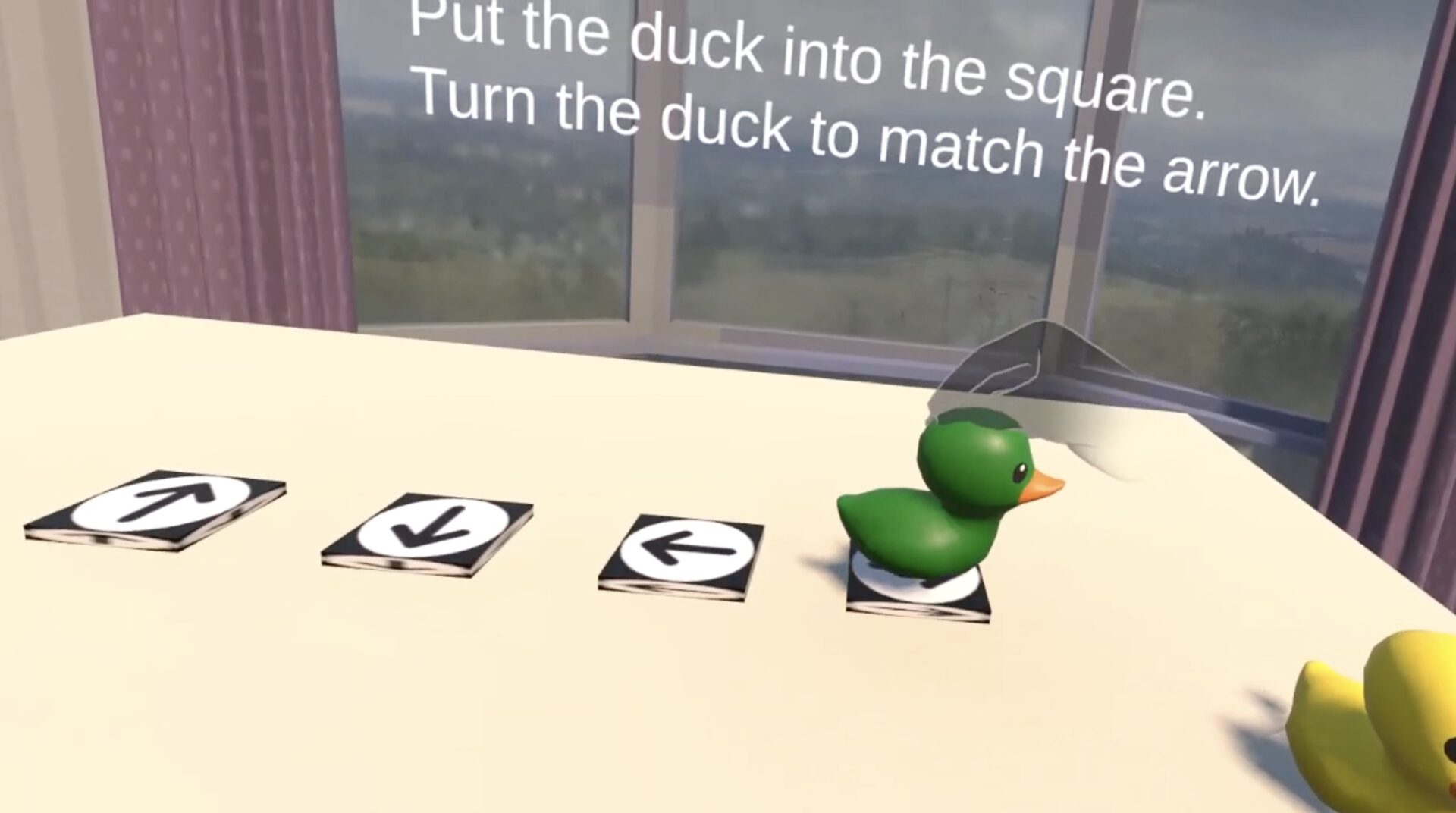
Directional Awareness in VR, in partnership with HeartShare, which supports autistic adults and individuals with intellectual disabilities. It’s a gamified spatial feedback system designed to train focus, motor coordination, and left/right orientation — skills often overlooked in standard therapy models but crucial for autonomy.
The Misfit Flower, an emotionally adaptive AR children’s book and interactive game I’m developing with Akshita Jain as part of my graduate thesis in Psychology. The project blends storytelling and developmental theory to support emotional regulation in neurodivergent kids, particularly those with sensory processing challenges. We’re building the prototype in Unity, with plans to test and distribute the toolkit through therapists and educators beginning in 2026.
What excites me most is that our work challenges the idea that innovation is about efficiency or aesthetics. For us, innovation is about inclusion. We ask: Who has been excluded from the design table — and how do we build with them at the center?
MinDesign Labs is more than a company. It’s a way of reimagining care, cognition, and play — one experience at a time.
If you had to pick three qualities that are most important to develop, which three would you say matter most?
1. Resourcefulness
I didn’t come from stability — I came from survival. That meant I had to learn how to make something out of nothing: to teach myself new tools, find allies in unexpected places, and pivot fast when plans fell apart. For those just starting out: don’t wait for permission or the perfect setup. Start where you are. Build with what you have. Treat limitations as creative constraints, not roadblocks.
2. Pattern Recognition
This is the core of both psychology and design — spotting what isn’t being said, what keeps repeating, what people need but aren’t articulating. Whether you’re analyzing user behavior or the systems that shaped your own life, learning to see beneath the surface gives you an edge. Develop this by asking better questions. Always dig deeper than the obvious answer.
3. Emotional Stamina
There’s a myth that success comes from being unshakable. But in my experience, it comes from being willing to break — and then rebuild stronger. The creative, academic, and entrepreneurial paths are brutal. You’ll be ignored, underestimated, and exhausted. That’s normal. Build practices that keep you grounded, find people who get it, and protect your ability to keep going.
How can folks who want to work with you connect?
Yes — we’re actively looking to collaborate with folks who are passionate about inclusive design, accessible tech, and trauma-aware innovation.
At MinDesign Labs, we’re currently seeking:
Developmental psychologists and therapists interested in co-developing or piloting emotional regulation tools.
Studios, schools, or nonprofits that serve neurodivergent communities and want to partner on applied research or testing.
Funders, accelerators, or mission-aligned incubators ready to support inclusive innovation.
Creative technologists, animators, and Unity devs who resonate with our aesthetic and values.
We believe the future of tech starts at the margins — with those who’ve had to build alternative paths just to be seen.
To learn more or connect, visit rowynndumont.com or find me on Instagram or LinkedIn.
Contact Info:
- Website: https://rowynndumont.com
- Instagram: https://www.instagram.com/rowynndumont/
- Linkedin: https://www.linkedin.com/in/rowynn-dumont/
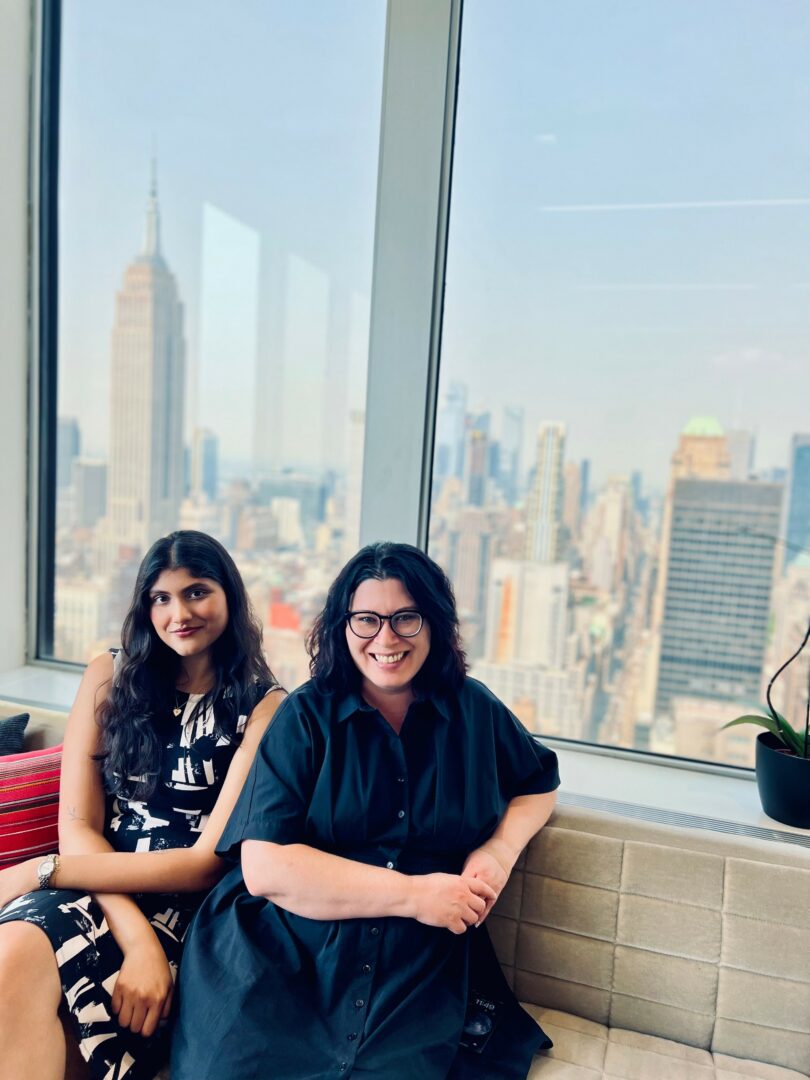
Image Credits
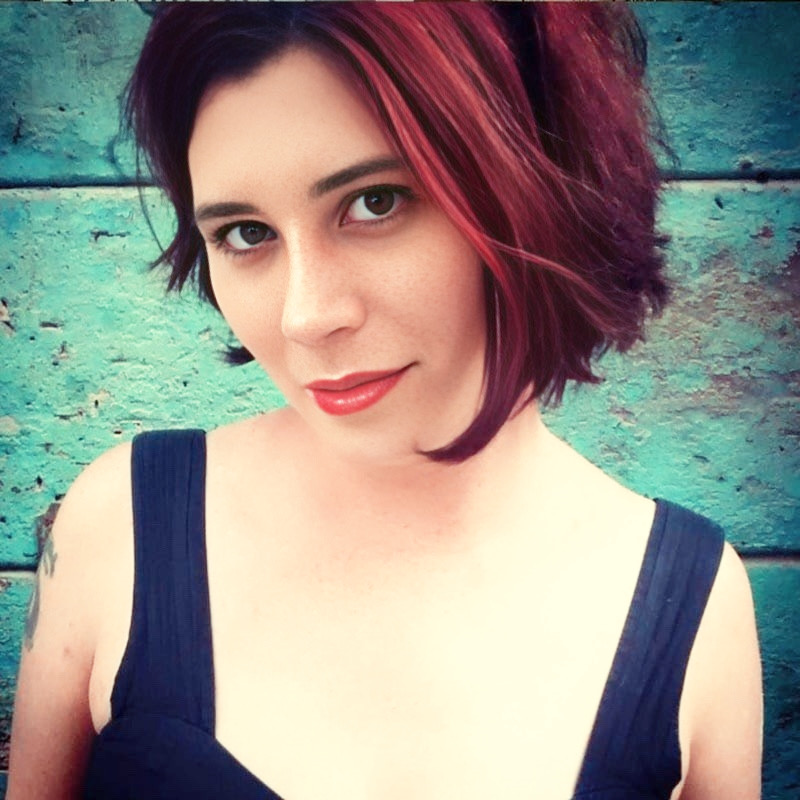
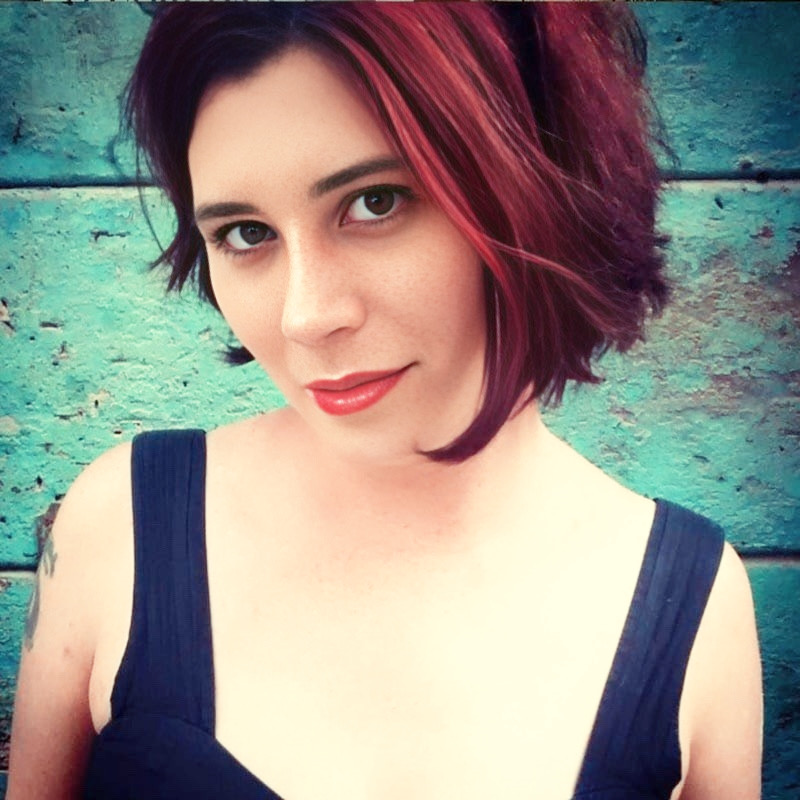
Photo 1: Photo of Rowynn Dumont by Taliesin Thomas
Photo 2: Professor Ben van Buren (New School of Social Research) Testing Phase 2
Photo 3: Condition 2 of Phase 2
Photo 4: Founders of Mindesign Labs – Akshita Jain + Rowynn Dumont
so if you or someone you know deserves recognition please let us know here.