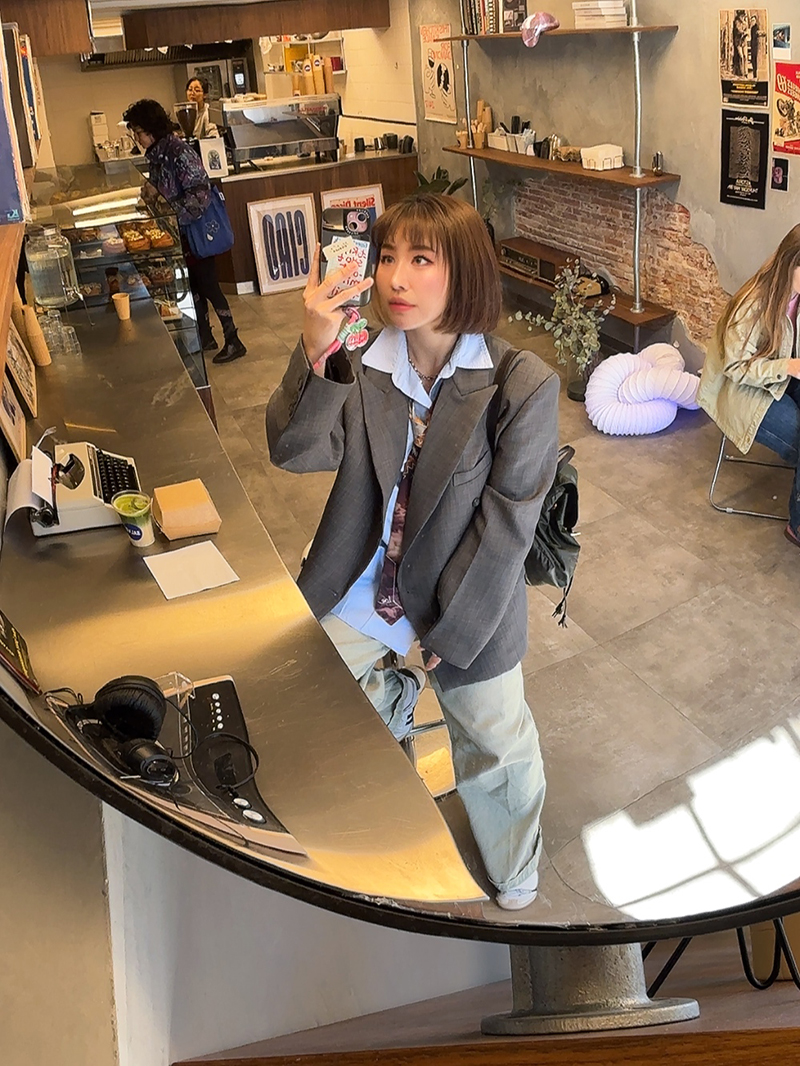
We recently connected with Ruby Chen and have shared our conversation below.
Ruby, thank you so much for joining us today. Let’s jump right into something we’re really interested in hearing about from you – being the only one in the room. So many of us find ourselves as the only woman in the room, the only immigrant or the only artist in the room, etc. Can you talk to us about how you have learned to be effective and successful in situations where you are the only one in the room like you?
I’ve learned that being effective as the only one in the room isn’t about pushing harder on conviction – it’s about creating clarity others can act on.
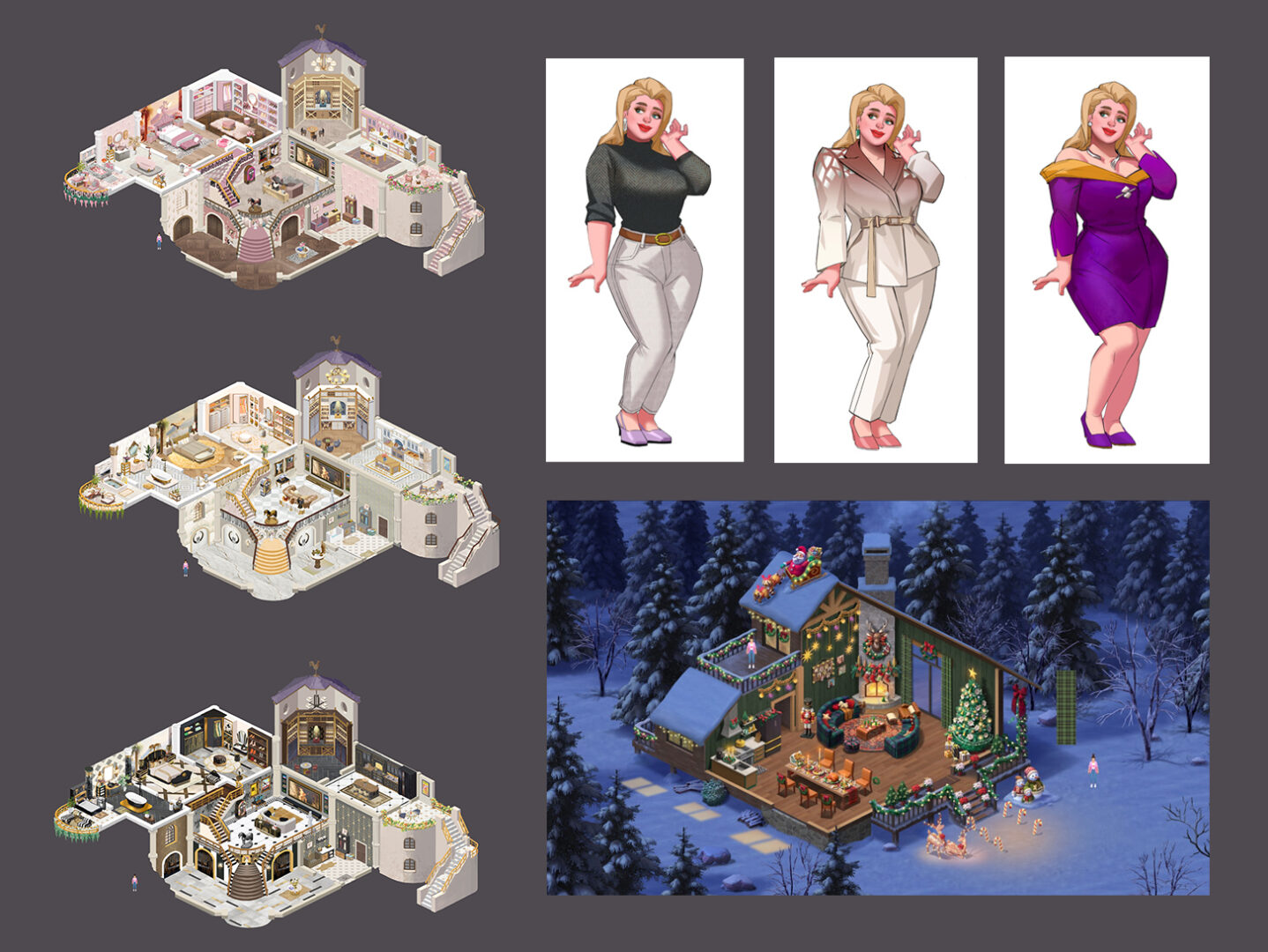
I’m often the only art lead in rooms dominated by product, UA, marketing, or business stakeholders – both internally and at industry events. I actively participate in those spaces to understand how decisions are made, what data people trust, and where creative intent can get lost in translation.
Over time, I learned that influence comes from structure. Instead of advocating for ideas in isolation, I translate creative instinct into executable frameworks that aligns with the business objective of the company – whether that’s defining ownership, cadence, and success metrics for a social strategy, or grounding art direction in player and market data.
For example, after being invited to speak on an art-versus-data panel at Gamesforum SF 2025, I requested access to market intelligence to prepare responsibly. That surfaced a broader gap between our teams, in which I advocated to improve our process to close the gap, and it led to the decision to grant all studio leads access to those data so we could design with a clearer understanding of player behavior.
Being the only one in the room taught me that effectiveness comes from reducing uncertainty from an unique and creative oriented perspective. When art, data, and product context are aligned into something actionable, trust compounds and better decisions follow.
Let’s take a small detour – maybe you can share a bit about yourself before we dive back into some of the other questions we had for you?
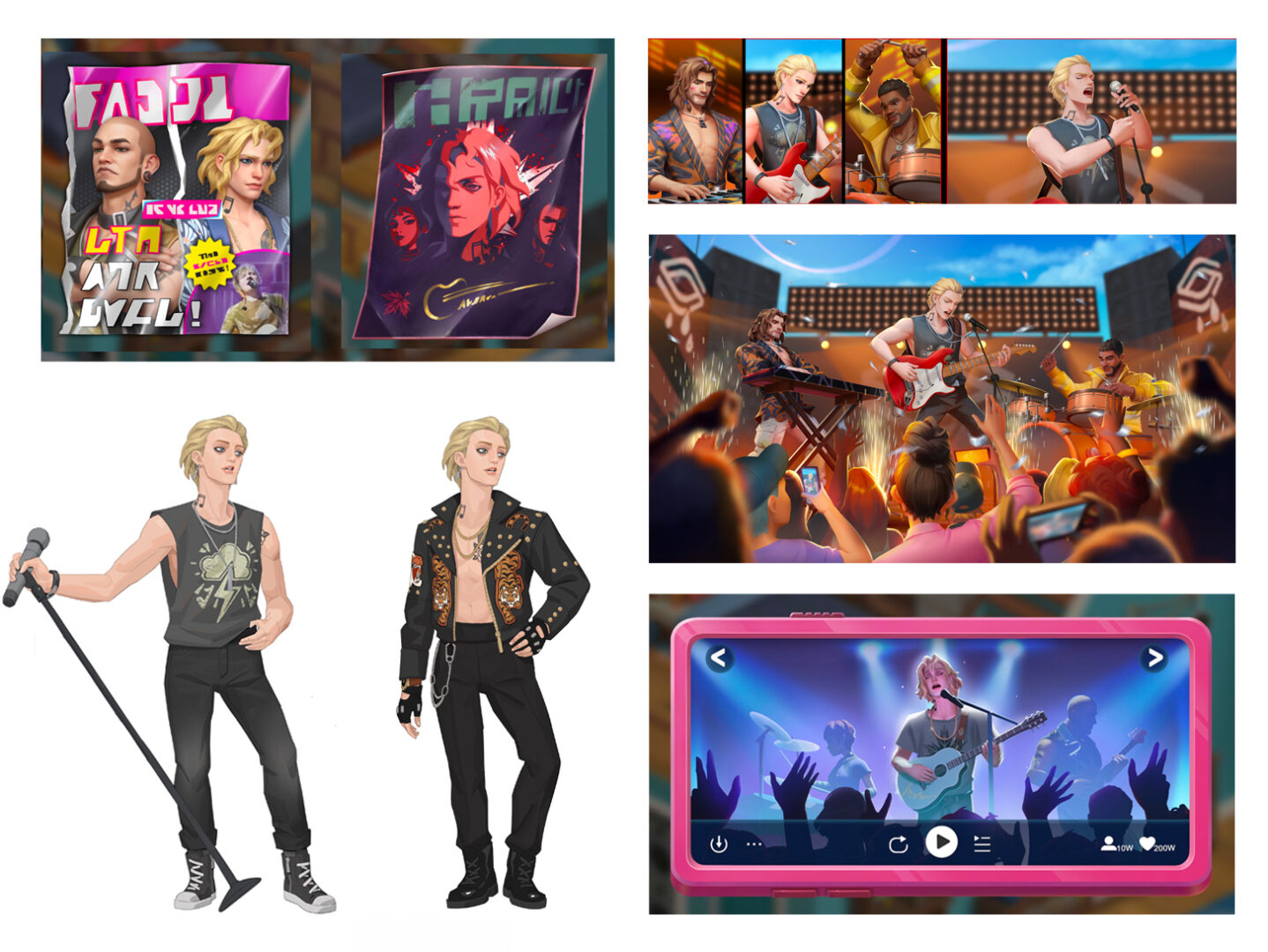
I’m an Art Lead and Creative Strategist in mobile games, and much of my creative inspiration comes from underground and subculture-driven communities – music events, niche marketplaces, and bespoke art exhibitions where creation is driven by intense passion and strong real-life community. That energy shapes how I think about taste, identity, communication and brand in games.
I actively connect with artists across countries and disciplines. From visiting studios in Amsterdam and meeting creators in Shanghai to building relationships within Taiwan’s local art scene, these experiences have expanded my understanding of how culture and creative work operate across different markets. Engaging with people beyond traditional art roles – across product, fashion, media, and technology – directly strengthens how I collaborate in mobile game development.
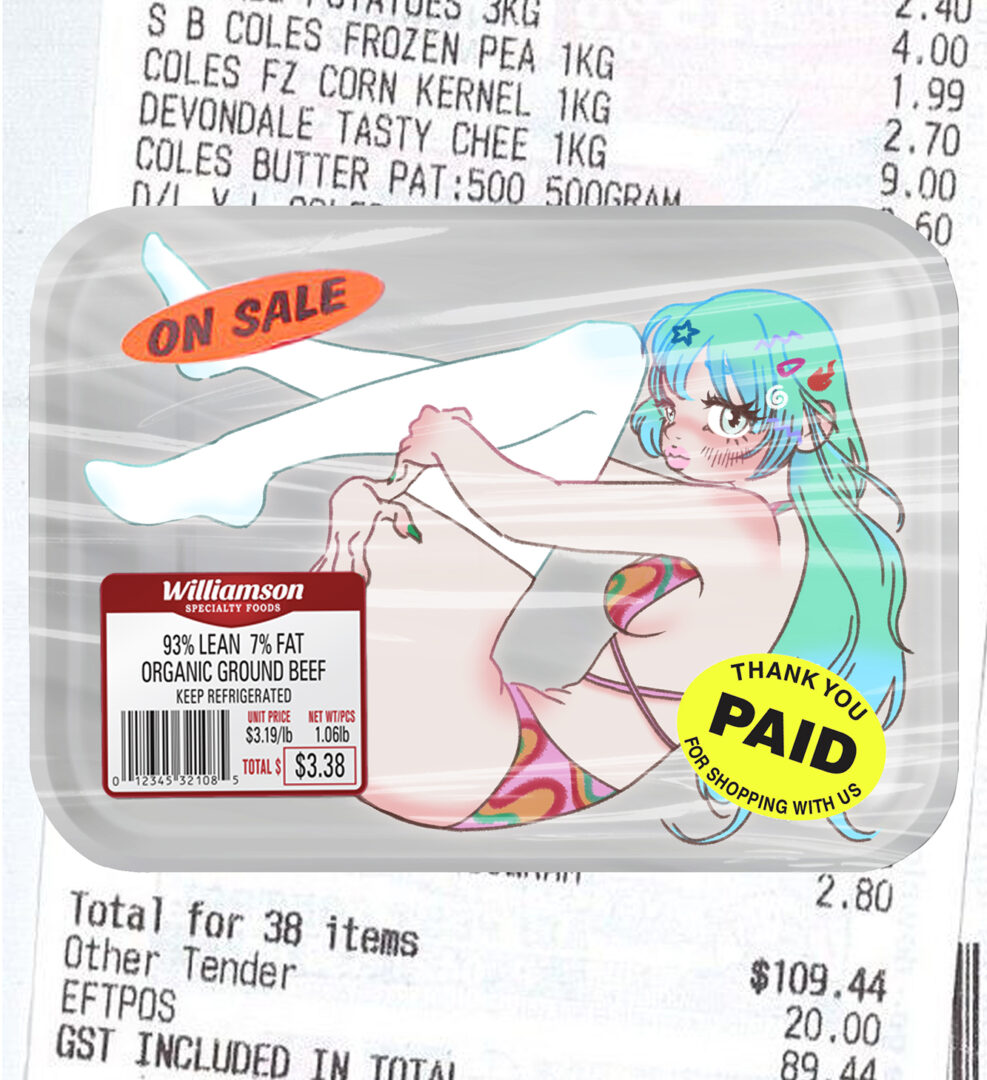
My creative taste blends anime influences, Y2K tech nostalgia, feminine-punk palettes, and a playful edge, shaped by fashion, internet subcultures, exhibitions, and social platforms. I’m a highly visual thinker and maintain extensive style reference system as a working visual library – a way to synthesize references and reset creatively when developing direction.
Professionally, I’m especially interested in how branding and cultural relevance can be embedded earlier and more intentionally into mobile game development. While a few leading titles demonstrate the impact of cohesive brand and community-driven thinking, much of the industry still treats these elements as downstream marketing considerations rather than integrated product drivers.
Looking ahead, I’m focused on managing larger creative systems, shaping brand and visual direction earlier in the development process, and taking on broader cross-functional ownership to ensure vision is carried consistently from concept through execution.
Looking back, what do you think were the three qualities, skills, or areas of knowledge that were most impactful in your journey? What advice do you have for folks who are early in their journey in terms of how they can best develop or improve on these?
Looking back, three things had the biggest impact on my growth.
First, allowing myself to learn beyond immediate usefulness.
At different points in my career, I spent time exploring things that didn’t directly apply to my role – asking questions outside my scope, digging into adjacent disciplines, and following curiosity without a clear short-term payoff. Not everything led somewhere, but over time those experiences connected in unexpected ways and made me better prepared when new challenges surfaced.
Second, realizing that conviction alone doesn’t move decisions – structure does.
Early on, I assumed strong instincts would speak for themselves. They didn’t. What changed my trajectory was learning how to translate intuition into something others could act on – clear priorities, tradeoffs, and execution paths. That shift is what allowed my ideas to influence outcomes rather than just conversations.
Third, learning to trust and invest in my strengths instead of outsourcing my sense of value.
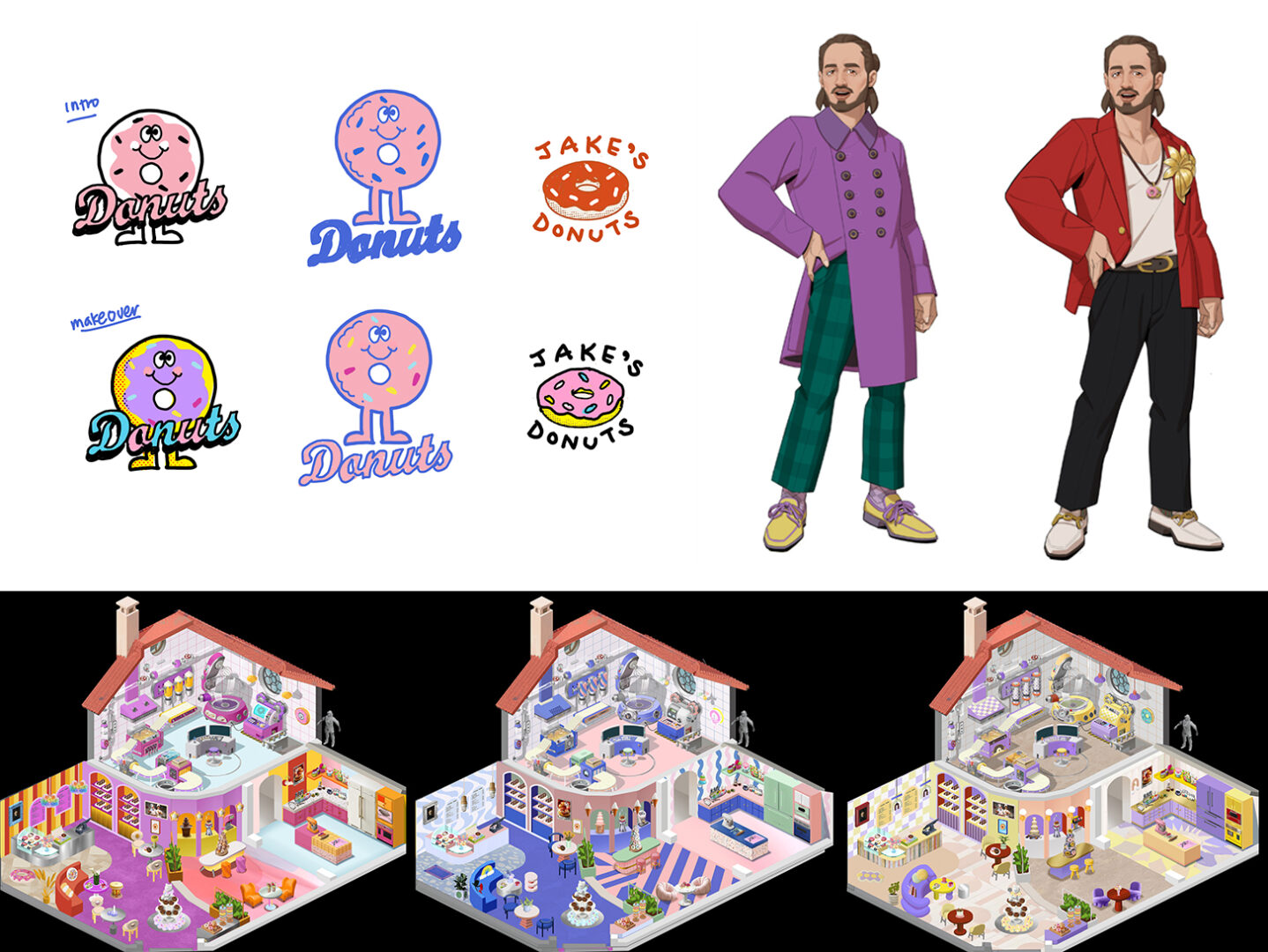
Earlier in my career, I relied heavily on external feedback to define the worth of my contributions. Over time, I learned that progress accelerated when I focused on sharpening what I was already strong at, while developing other skills only to the level needed to collaborate effectively. For me, that meant leaning into color, taste, and spatial sensibility – strengths that later became central to my work defining room styles, building mood boards style system, and mentoring other artists.
Overall, what made the biggest difference wasn’t trying to be good at everything, but staying curious, building clarity for others, and learning when to trust my own judgment.
Looking back over the past 12 months or so, what do you think has been your biggest area of improvement or growth?
Over the past year, my biggest area of growth has been in leadership – learning to think beyond art and operate more intentionally at the product level.
I’ve spent several years working with teams across different cultures at Magic Tavern, but it wasn’t until the past couple of years that those experiences really came together. I started to recognize that effective collaboration isn’t just about aligning on goals, but about understanding how different teams process information, make decisions, and move work forward depending on context.
That awareness changed how I deliver my work. I became more deliberate about learning the language others use – from marketing and user acquisition to data and player behavior – and about choosing the right format for communication, whether that’s documentation, visuals, or data-backed presentations. I learned that having good ideas isn’t enough; impact comes from delivering them with clarity and intent, especially when working across cultures and disciplines.
This period also pushed me to step outside my comfort zone. Earlier in my career, I avoided visibility, like speaking publicly. Choosing to do it anyway helped me build confidence and reinforced that leadership is something you practice through action, not something you wait to feel ready for.
Overall, this growth came from being more intentional – in how I prepare, how I communicate, and how I show up for teams beyond my immediate role.
Contact Info:
- Website: https://www.rubychen.art/
- Instagram: https://www.instagram.com/rurutiramisu/
- Linkedin: https://www.linkedin.com/in/theruruchen

so if you or someone you know deserves recognition please let us know here.