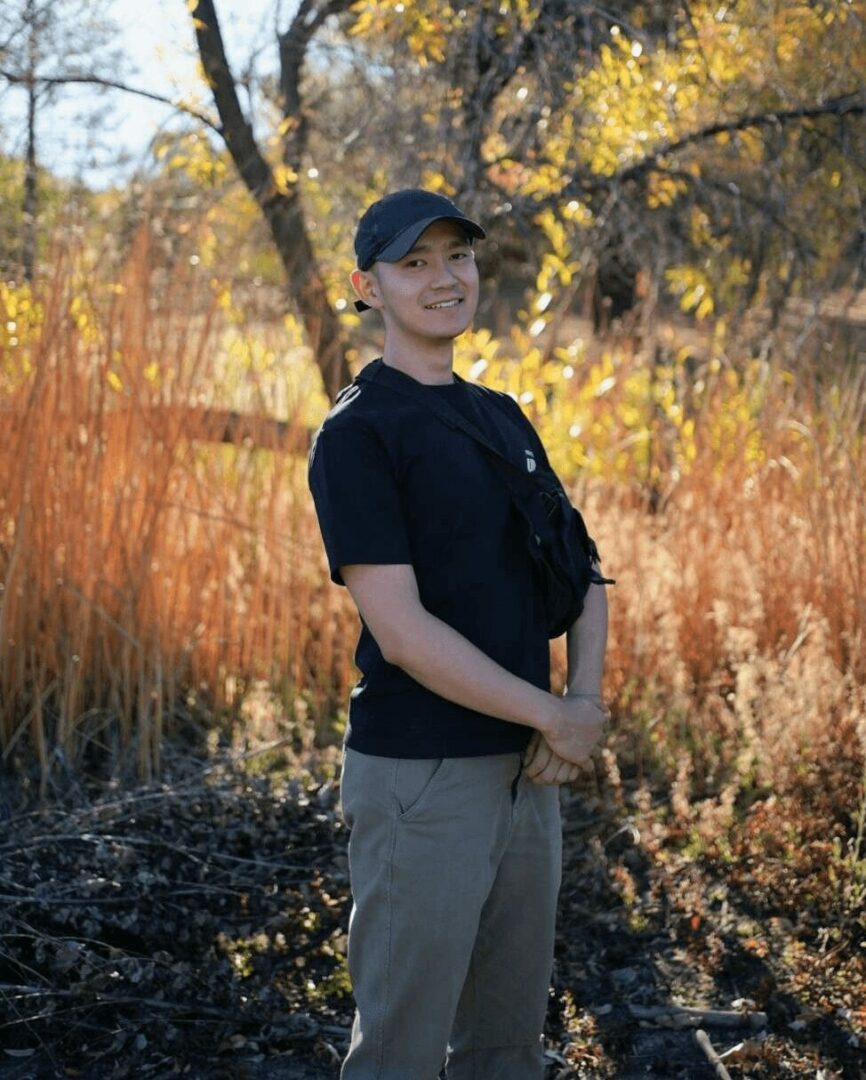
We caught up with the brilliant and insightful Runyu (Martin) Li a few weeks ago and have shared our conversation below.
Runyu (Martin), so good to have you with us today. We’ve got so much planned, so let’s jump right into it. We live in such a diverse world, and in many ways the world is getting better and more understanding but it’s far from perfect. There are so many times where folks find themselves in rooms or situations where they are the only ones that look like them – that might mean being the only woman of color in the room or the only person who grew up in a certain environment etc. Can you talk to us about how you’ve managed to thrive even in situations where you were the only one in the room?
Most of the rooms I walk into don’t have someone who looks like me — not in background, not in career path, and often not even in role. I’m a non-native English speaker working in a fast-moving, emerging entertainment space, and early on I realized that I couldn’t rely on existing playbooks. I had to build my own.
Short-form vertical drama is still a very new lane in North America. There aren’t many established standards yet, which means learning never stops. Beyond language, I’ve had to deeply study local culture, localization strategies, and audience behavior — while also analyzing successful content models from East Asia and asking a constant question: what translates, and what doesn’t?
Being “the only one” taught me something important: I don’t win by being louder in the room — I win by being clearer.
I started my career behind the scenes, moving from post-production assistant to coordinator, and eventually to producer. A lot of my work is invisible to audiences, but it’s essential: quality control, delivery accuracy, timeline management, and making sure creative intent survives every technical handoff. My company gave me tremendous room to learn and grow, and I’ve been fortunate to have supportive supervisors and teammates along the way. Still, my role itself is fairly uncommon in the market, so many times I’ve had to design processes from scratch — optimizing workflows, aligning cross-functional teams, and integrating resources across different disciplines.
Because this industry is evolving so quickly, I’ve also learned to be very intentional about innovation. With the rise of AI, for example, I sometimes use it as a thinking partner — sharing my bottlenecks, exploring possible approaches, then running risk assessments, small experiments, and gathering feedback before deciding whether something is truly viable. My philosophy is simple: be bold, but grounded. Innovation has to survive real-world constraints — audience response, production realities, and business sustainability.
What keeps me grounded is respect for the market, curiosity about people, and trust in collaboration. No system improves in isolation. Real progress comes from teams that support each other, challenge ideas constructively, and stay open to iteration.
Being the only one in the room taught me how to build bridges — between cultures, between creative and operational thinking, and between ambition and execution. And now, I try to be the person I once needed when I first walked into those rooms unsure, learning, and quietly building something new.
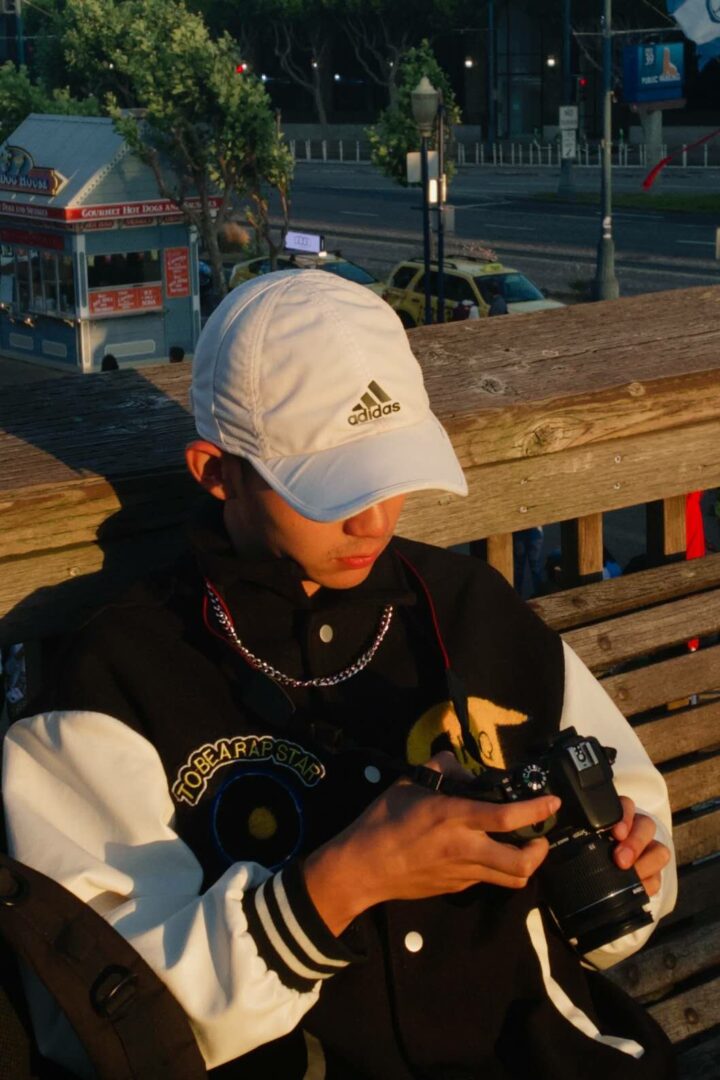
Great, so let’s take a few minutes and cover your story. What should folks know about you and what you do?
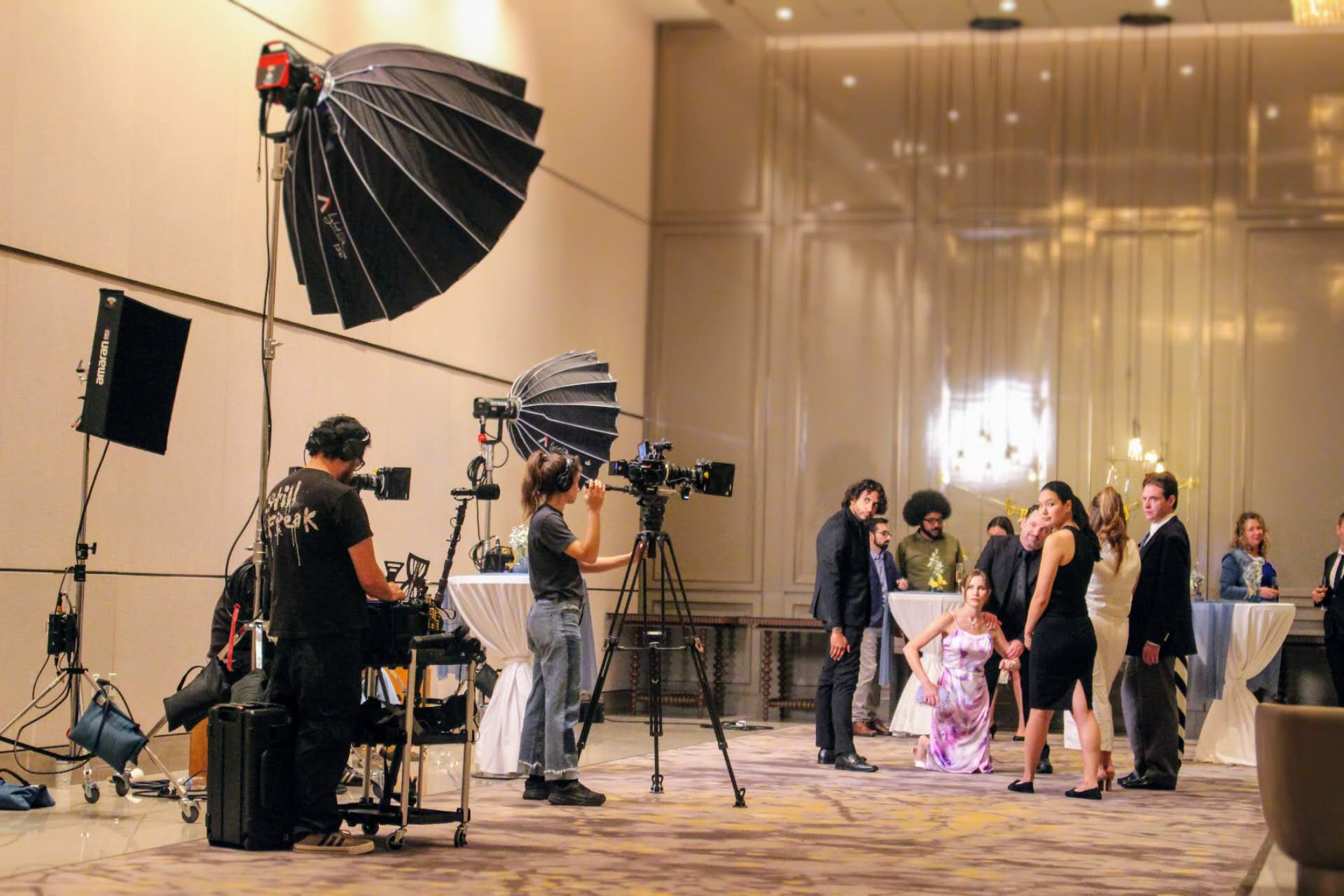
I currently work in short-form vertical drama as a post producer, where I focus on quality control, delivery accuracy, and making sure each project moves smoothly from raw footage to final release. My role sits at the intersection of creative and operations — I help shape how stories land emotionally while also managing timelines, workflows, and cross-team coordination to ensure everything is delivered on time and at a high standard.
Vertical drama is still a very new space in North America, and that’s what makes it so exciting.
These are mobile-first stories, typically one to two minutes per episode, designed to be watched on your phone. The storytelling relies on fast pacing, strong emotional beats, and frequent twists — pulling viewers into the story almost immediately. In many ways, it’s a format built for today’s social media era, where attention spans are shorter and people want meaningful entertainment in small moments throughout their day.
What makes vertical drama special to me is its ability to immerse audiences quickly. In just a few minutes, viewers can step into a completely different world and experience emotions they might not access in everyday life — love, tension, revenge, hope, catharsis. Creating that kind of emotional impact in such a short timeframe is incredibly challenging, and that’s exactly what makes the format powerful.
Because this industry is evolving so fast, a big part of my job is also process innovation — improving pipelines, integrating feedback across departments, and experimenting carefully with new tools, including AI, to solve production challenges while managing risk.
My philosophy is simple: innovation has to be tested, grounded in real audience response, and supported by strong teamwork. Short-form storytelling isn’t just about moving fast — it’s about building systems that allow stories to keep getting better.
What excites me most is being part of something that’s still taking shape. Vertical drama is redefining how people consume narrative content, and I feel fortunate to contribute behind the scenes — helping turn fragmented moments into immersive experiences, and helping this new storytelling format reach its full potential.

There is so much advice out there about all the different skills and qualities folks need to develop in order to succeed in today’s highly competitive environment and often it can feel overwhelming. So, if we had to break it down to just the three that matter most, which three skills or qualities would you focus on?
Three Most Important Qualities, Skills, and Areas of Knowledge
Looking back, I think three things made the biggest difference in my journey.
First is adaptability and continuous learning.
Working in an emerging field like vertical drama means there’s no fixed roadmap. I had to constantly study audience behavior, localization, and successful storytelling models from different regions, while staying open to new tools and workflows. Being willing to learn — and relearn — has been essential.
Second is operational thinking.
Creativity matters, but execution matters just as much. My work involves quality control, delivery accuracy, and process optimization. Understanding how ideas move through real production systems — and how to reduce friction along the way — helped me turn concepts into results.
Third is thoughtful innovation.
I believe in being bold, but grounded. I often test new approaches through small experiments, risk assessments, and feedback loops before scaling anything. Innovation only works when it survives real-world constraints.
For people early in their careers, my advice is to stay open-minded. Having creative ideas is important, but it’s equally important to develop practical judgment and risk awareness. Don’t limit yourself to traditional classroom thinking — learn how things actually work in real environments. Use tools wisely, including technology and AI, to help you reach your goals faster. And most importantly, build both imagination and execution skills — that combination will take you much further than either one alone.
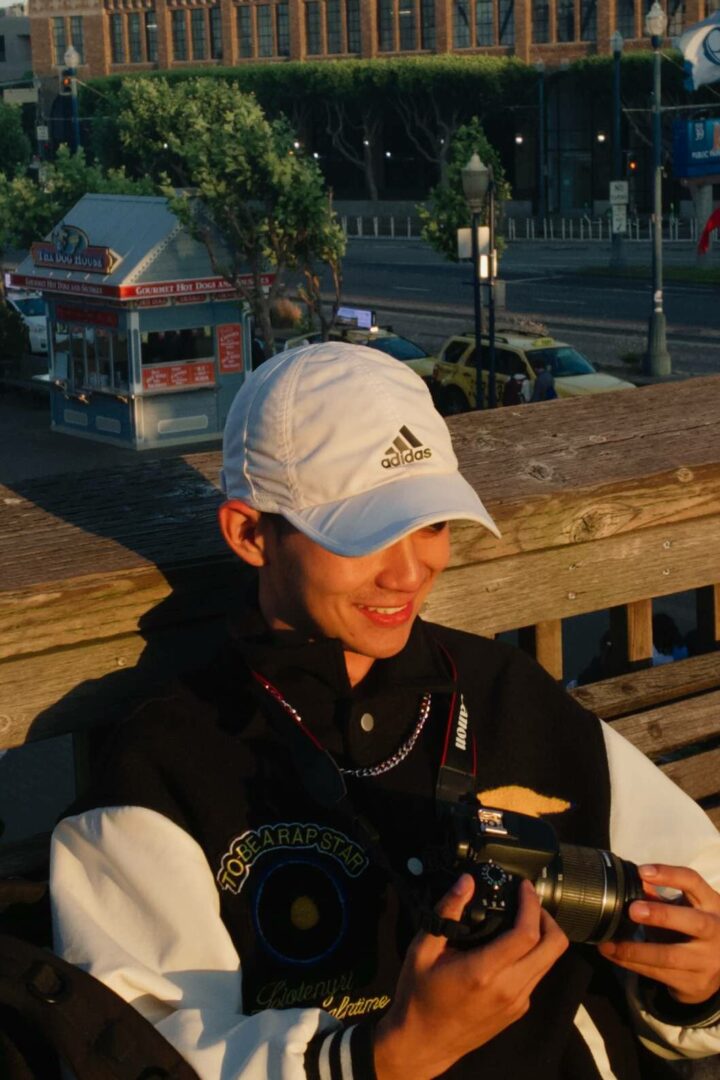
What do you do when you feel overwhelmed? Any advice or strategies?
When I feel overwhelmed, the first thing I do is slow down and take a deep breath. It sounds simple, but it helps reset my nervous system and gives me a moment of space.
Then I try to step out of my own first-person perspective and look at the situation as if I were a third party. Instead of staying stuck in anxiety, past achievements, or self-blame over mistakes, I ask myself: What is actually happening right now? What is within my control? What are the real consequences of doing — or not doing — certain things?
From there, I start organizing my thoughts. I identify what needs immediate attention, what can wait, and what I genuinely cannot solve on my own.
When something feels beyond my capacity, I reach out for help — not only professionally, but personally too. That might mean talking to teammates, mentors, or even friends and family outside my industry. People may not fully understand your specific challenges, but their different perspectives, or sometimes simply their listening and presence, can help you see things more clearly.
Everyone thinks differently. And often, through those conversations — even without receiving a perfect answer — you begin to find your own.
My biggest advice is: don’t isolate yourself in overwhelm. Step back, break things down, and allow support in. Sometimes clarity comes not from pushing harder, but from giving yourself space to breathe and reconnect with others.
Contact Info:
- Website: https://malegeding.com/
- Instagram: https://www.instagram.com/malegeding/
- Linkedin: https://www.linkedin.com/in/runyuli/
- Other: IMDb: https://www.imdb.com/name/nm16773577/
so if you or someone you know deserves recognition please let us know here.