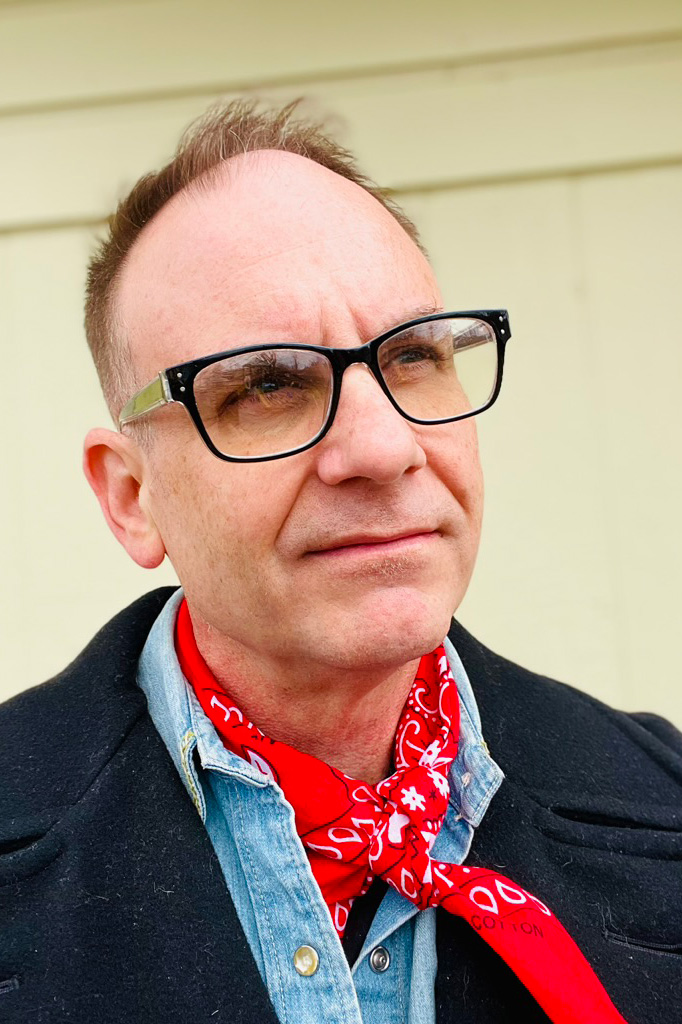
Alright – so today we’ve got the honor of introducing you to Ryan Burkhart. We think you’ll enjoy our conversation, we’ve shared it below.
Hi Ryan, you’ve got such an interesting story, but before we jump into that, let’s first talk about a topic near and dear to us – generosity. We think success, happiness and wellbeing depends on authentic generosity and empathy and so we’d love to hear about how you become such a generous person – where do you think your generosity comes from?
My generosity comes from the teachers who opened doors for me long before I knew what I wanted to do. I started college in journalism school and took an art class as an elective, almost on a whim. That’s where I met E.L. Sauselen and Charles Massey Jr., two artists who gave me something I didn’t even know to ask for: their time.
They challenged me, pushed me, and invested in my creativity with a kind of patience that still surprises me. It also changed my major and my life course. They encouraged chances, not perfection. They made space for experimentation. And they quietly and consistently taught me that the most generous thing you can offer someone is belief in what they’re capable of.
Later, when I taught at the university level, I realized how much their influence shaped me. The part I loved most wasn’t lecturing or critiques. It was helping students uncover their own creative instincts, watching them connect the dots and trust themselves a little more. Giving time, attention, and honest questions felt like passing along what had been given to me.
That spirit carried into my work art Kong Screenprinting. My generosity these days shows up in conversations. By asking questions, listening closely, helping customers think through ideas until we land on something collaborative and unexpected, I’m able to give more than just the services listed on our website. It’s the same impulse my teachers modeled: creativity grows when someone makes room for it.
If I trace it back, that’s where my generosity started. Not as a trait I decided to develop, but as a way of treating people that was modeled for me, and that I’ve tried to keep alive in every part of my life.
Let’s take a small detour – maybe you can share a bit about yourself before we dive back into some of the other questions we had for you?
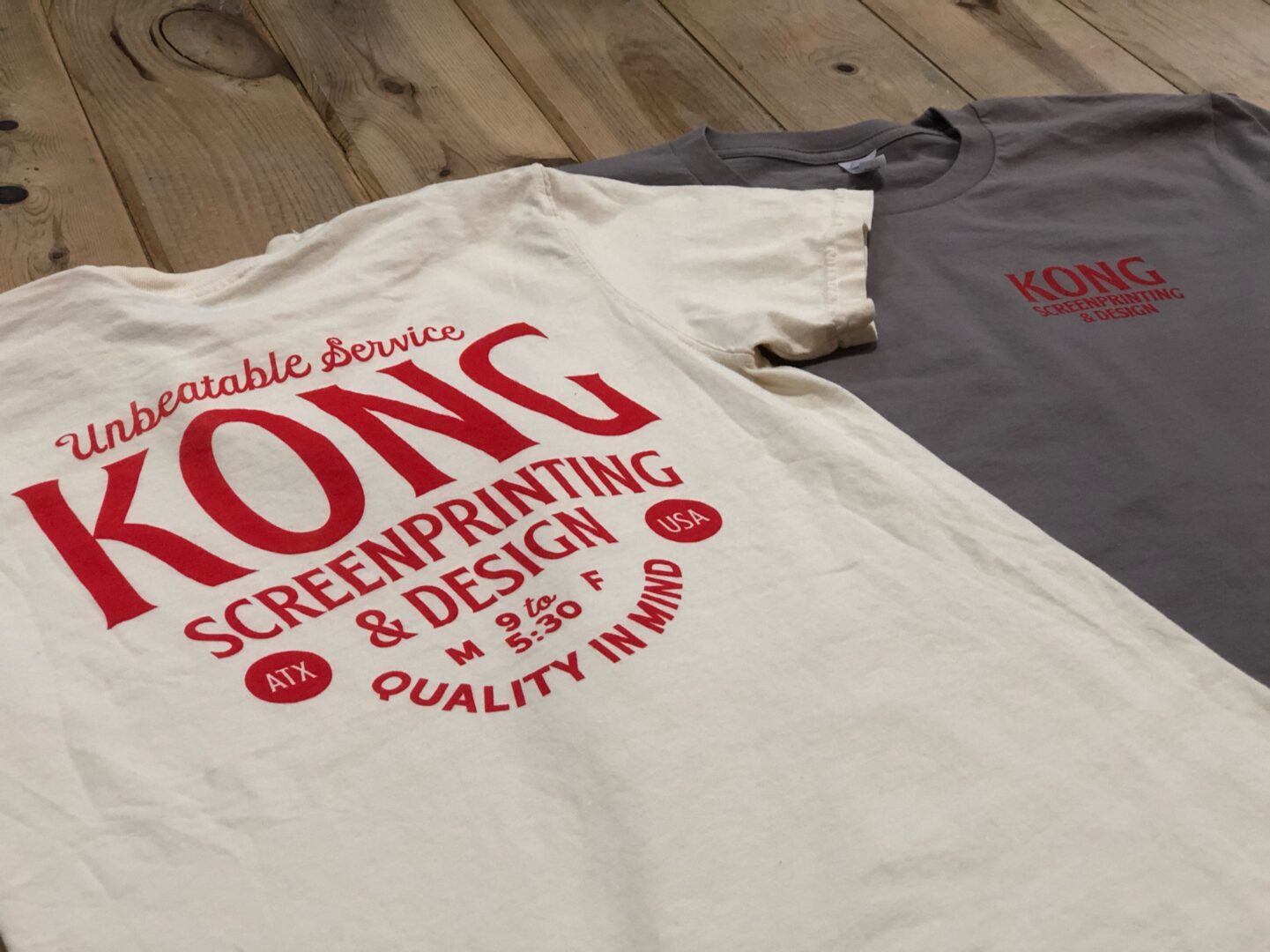
I co-own Kong Screenprinting, a premium custom apparel and merch studio in Austin. On the surface, we make shirts, hoodies, hats and all the usual merch items, but the real work happens in the conversations before anything goes to print. My background is in fine art and printmaking, so I see merch as a form of storytelling that people can actually wear.
What I enjoy most is helping customers figure out what they are really trying to say. We ask questions, sketch ideas, look at references, and work together until the concept feels right. When someone comes in unsure of what they want, that is usually when the best work happens. It gives us room to be creative partners rather than just a production shop. That collaborative energy is what sets us apart.
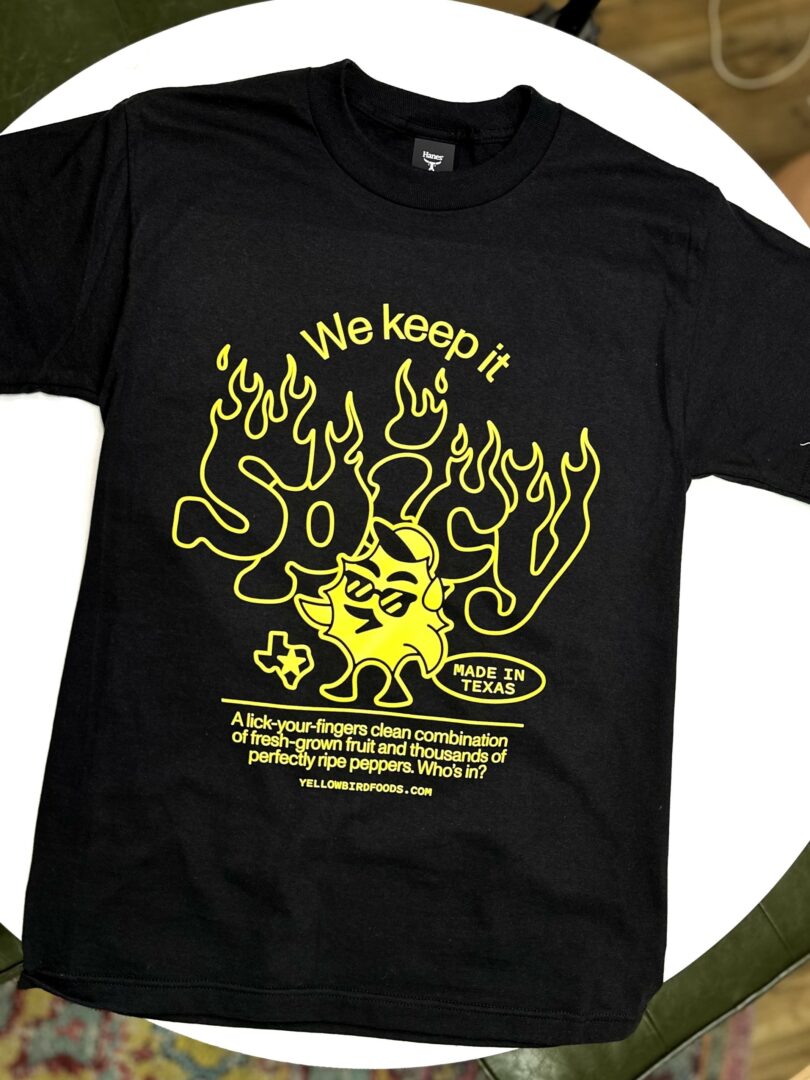
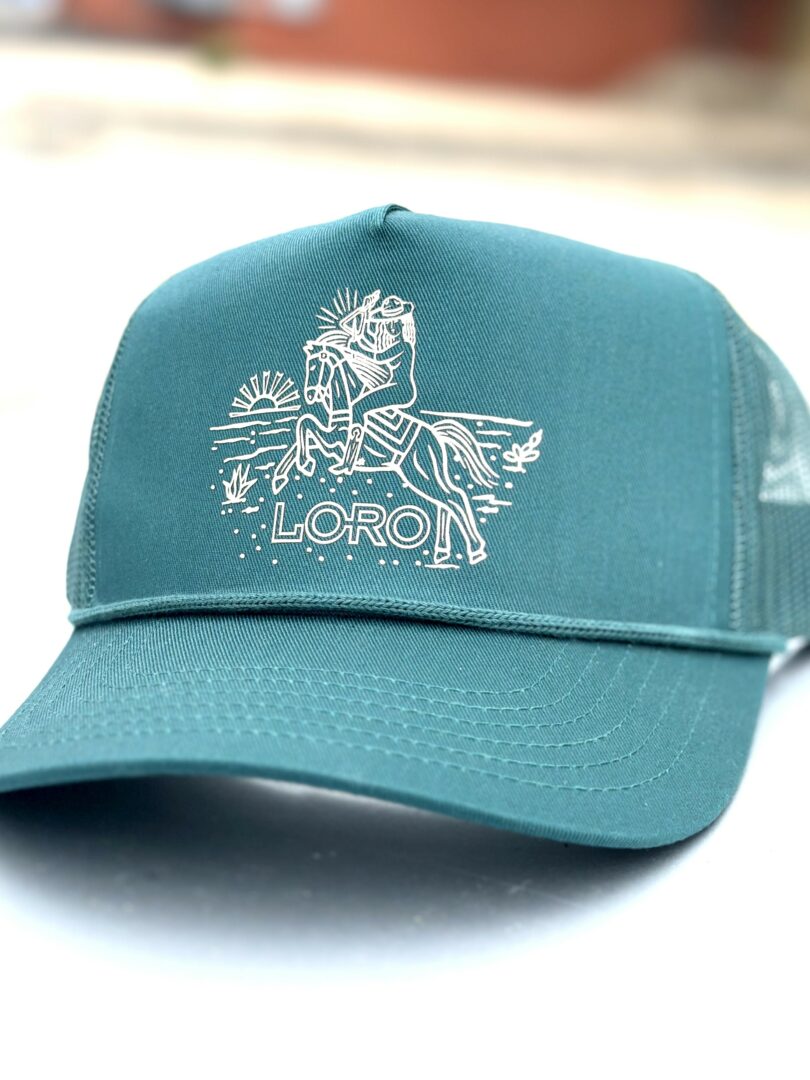
Kong has grown a lot in the last few years. We work with local businesses and breweries along with national brands and creative agencies, and we are continuing to expand in a thoughtful way. We are building out more design capabilities, improving our online ordering tools, and exploring partnerships that challenge us creatively. Through all of that, we stay focused on the same goal: make high-quality work that feels personal and meaningful to the people who wear it and use it. We also offer superior customer service that transcends the normal transactional relationship print shops have with customers. We care.
Looking back, what do you think were the three qualities, skills, or areas of knowledge that were most impactful in your journey? What advice do you have for folks who are early in their journey in terms of how they can best develop or improve on these?
When I look back, the qualities that shaped my path the most are flexibility, a willingness to say something that might sound ridiculous, and an honest enthusiasm for helping others find their creative footing.
Flexibility has carried me through every stage of my career. In art, in teaching and now as a business owner, things rarely go exactly as planned. Being able to shift, rework an idea and stay open keeps the work fresh and keeps the stress down. My advice for anyone starting out is to practice letting go of perfect outcomes. Stay responsive. Let the work lead you sometimes.
I also discovered early on that not being afraid to say something stupid is a strange superpower. Creative work needs room for ideas that feel wild or half-formed. Those are often the sparks that become something meaningful. If you are just starting out, give yourself permission to speak up before everything is polished and safe. Things get far more interesting when people are willing to risk a rough idea.
The third quality is a curious enthusiasm for others. When I taught university students, I loved helping them uncover their own creative instincts. That carried into my work at Kong. I ask questions, listen and try to help people get to ideas they did not expect. If you want to build this skill, focus on curiosity rather than answers. Ask better questions and you will naturally become more generous and collaborative.
These three qualities have shaped how I work, how I lead and how I try to show up for the people around me.
Thanks so much for sharing all these insights with us today. Before we go, is there a book that’s played in important role in your development?
A book that has had a big impact on me is Finite and Infinite Games by James Carse. I read it at a point when I was still figuring out what kind of creative and professional life I wanted, and it helped me understand the difference between playing to win and playing to keep creating.
The idea that some people play finite games with fixed rules and clear winners, while others play infinite games that are meant to keep going, has shaped how I approach almost everything. It taught me that my work does not need to be a series of wins. It can be an ongoing practice where curiosity, openness and new ideas matter more than hitting some final endpoint.
The book also reinforced the value of expanding the game instead of protecting it. In creative work and in business, things get more interesting when you bring others in, ask different questions and make space for collaboration. That mindset helped me move from seeing myself as someone who produces things to someone who builds relationships and experiences that keep growing.
Contact Info:
- Website: https://kongscreenprinting.com
- Instagram: https://Instagram.com/kongscreenprinting
- Facebook: https://Facebook.com/kongscreenprinting
- Linkedin: https://www.linkedin.com/in/ryan-burkhart-b27504265
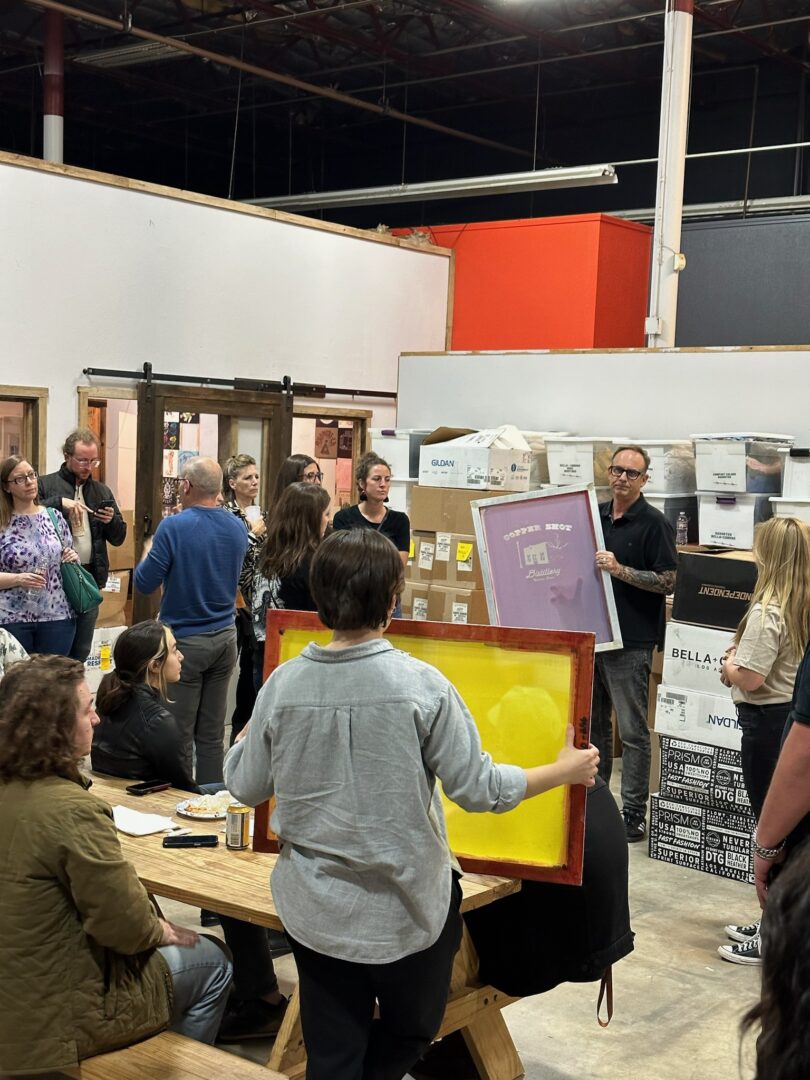
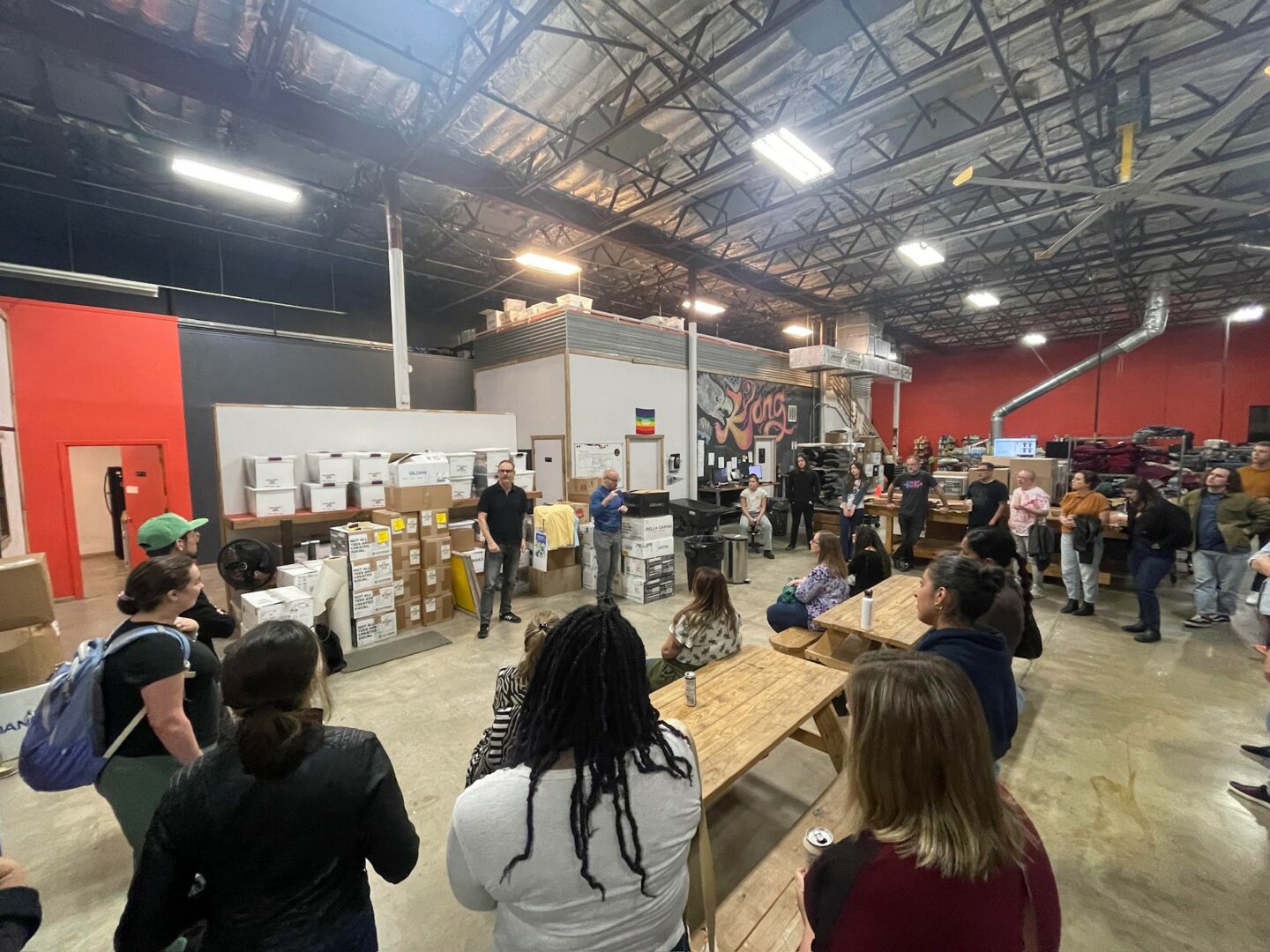
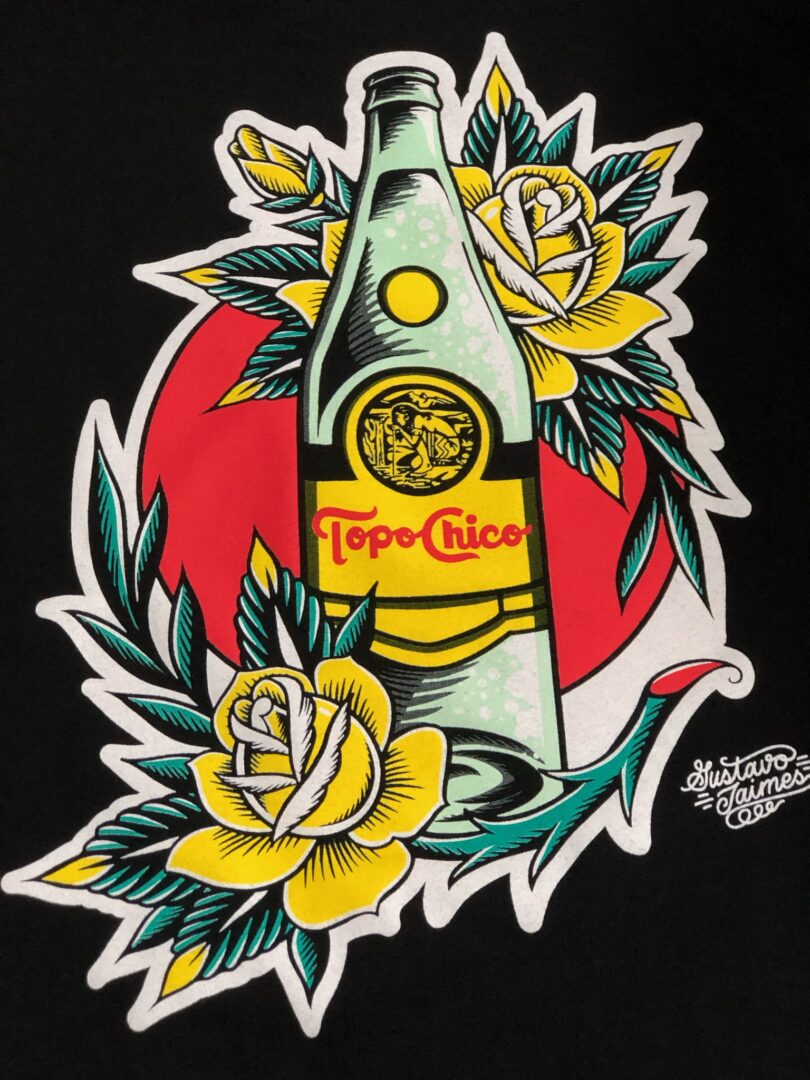
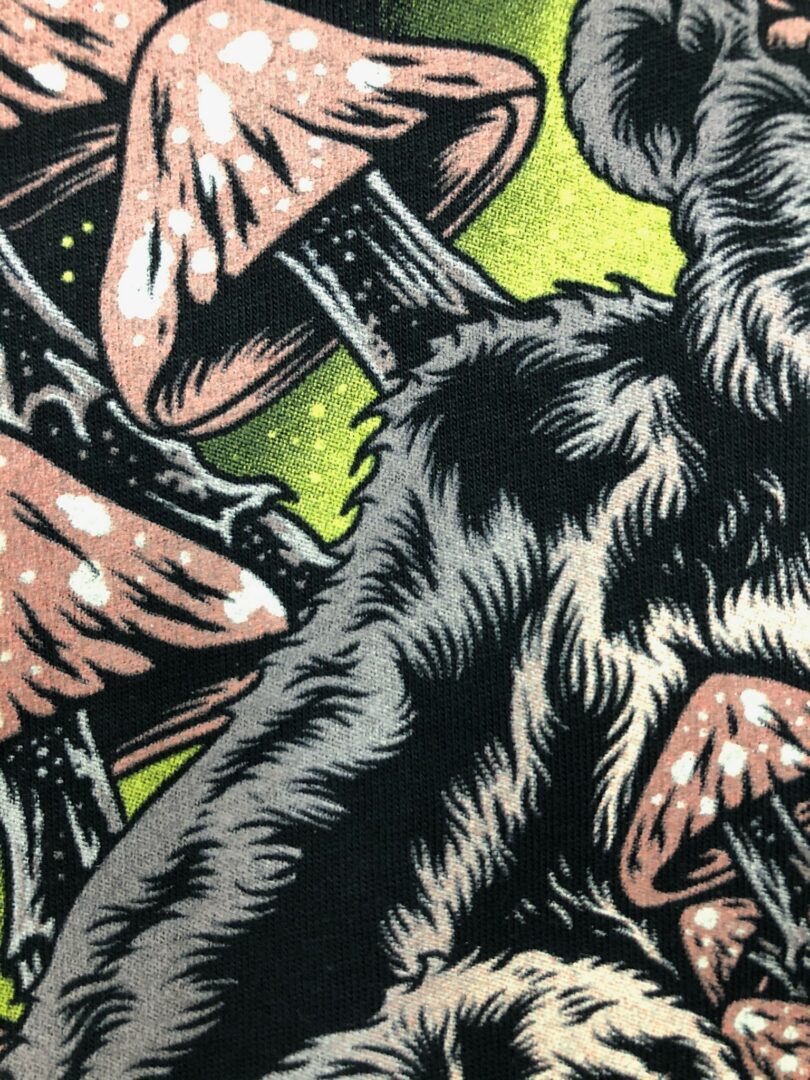
Image Credits
Kong Screenprinting
so if you or someone you know deserves recognition please let us know here.