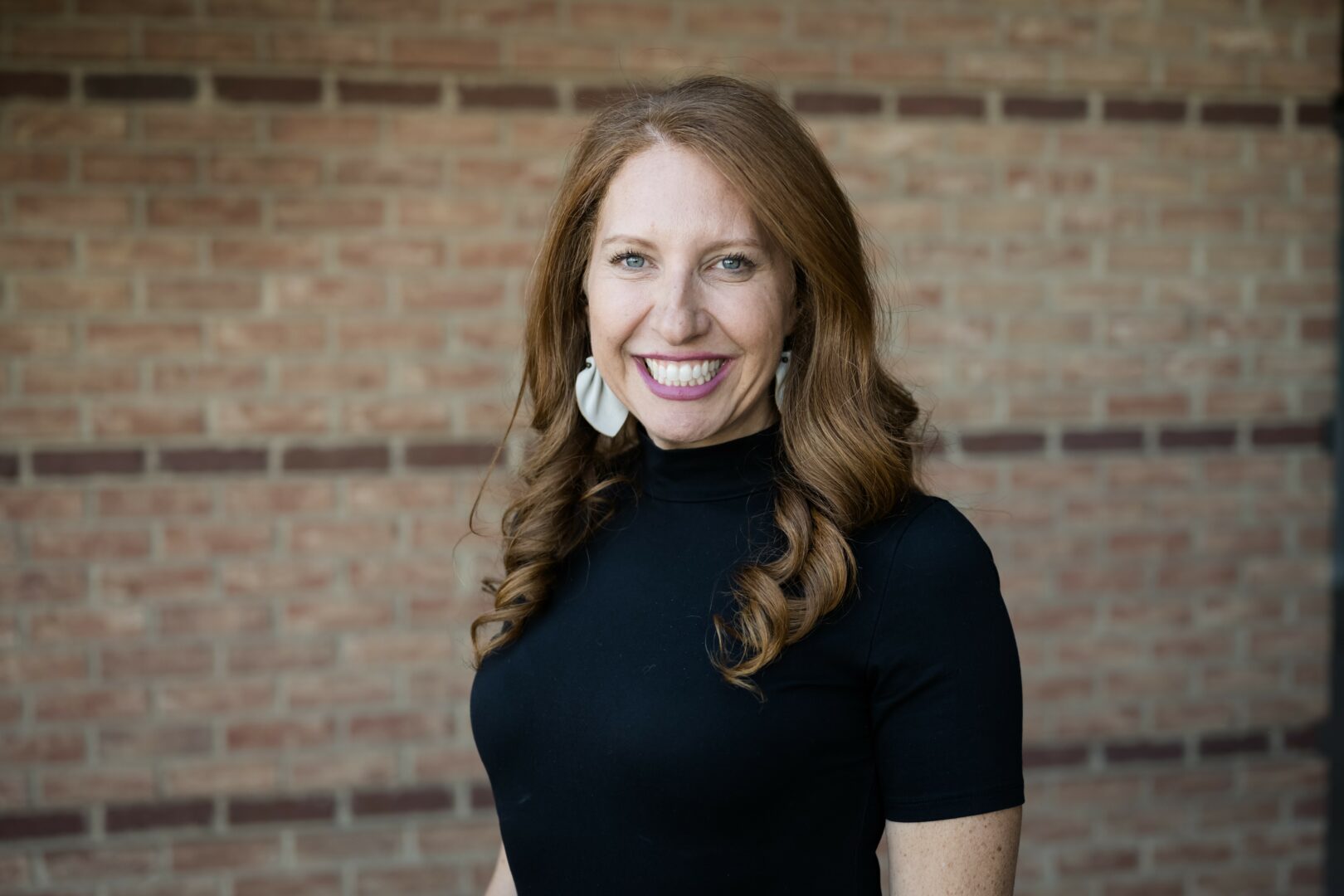
We caught up with the brilliant and insightful Saba Lurie a few weeks ago and have shared our conversation below.
Alright, so we’re so thrilled to have Saba with us today – welcome and maybe we can jump right into it with a question about one of your qualities that we most admire. How did you develop your work ethic? Where do you think you get it from?
I’m the daughter of immigrants, and I think that could be enough to describe where I get my work ethic. My parents worked tirelessly to support our family, making many sacrifices. My work ethic isn’t something I have had to cultivate, which is a gift. It’s learning to balance work with everything else that has taken great intention and care.
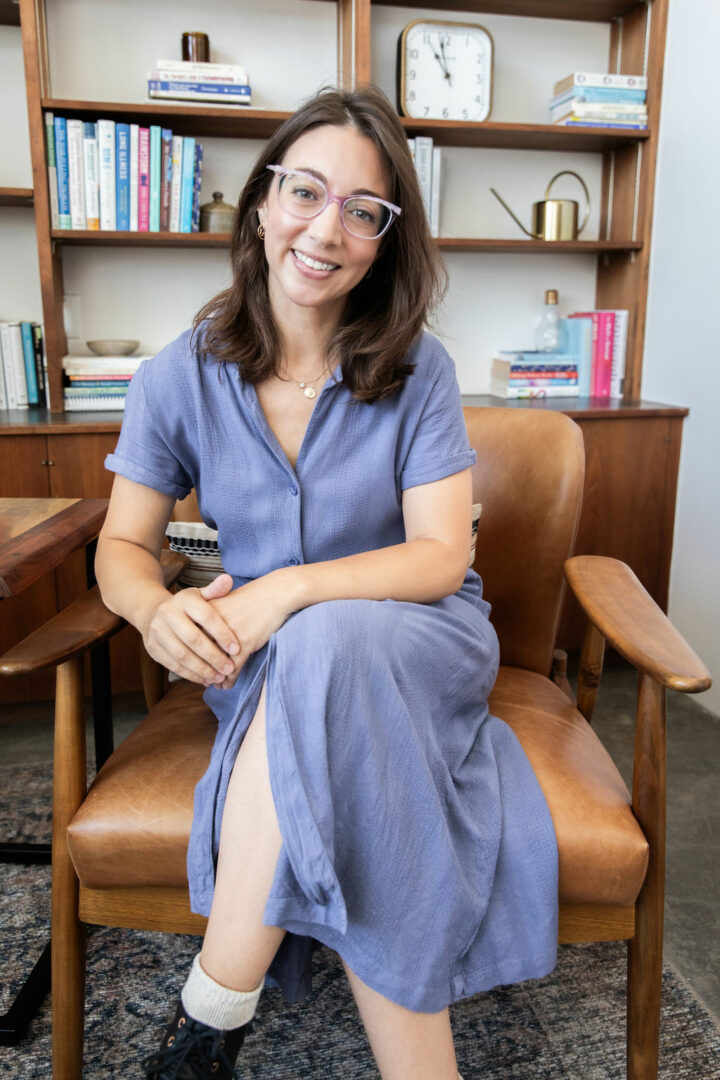
Appreciate the insights and wisdom. Before we dig deeper and ask you about the skills that matter and more, maybe you can tell our readers about yourself?
Take Root Therapy is a boutique group psychotherapy practice in Los Angeles, California. We work with individuals, couples, families, and adolescents. The therapists on our team have different specializations and personalities, but we all strive to provide supportive and effective therapeutic services.

If you had to pick three qualities that are most important to develop, which three would you say matter most?
The three qualities I’ve learned to prize are compassion, curiosity, and humility. Therapy and the work that we do is not linear, and this is also true of my process of building a group practice. Through it all, I’ve learned to offer myself and my clients compassion when times are difficult (and honestly, all the time), curiosity as I seek to better understand my clients and our work together, and humility in recognizing that I don’t have all the answers.
For those early in their journey: These qualities aren’t things you master once and check off a list. They’re practices you return to again and again. Start by being gentler with yourself than you think you need to be. Ask more questions than you think is necessary. And when you’re certain you know the answer, pause. That’s usually when humility has something to teach you.

Thanks so much for sharing all these insights with us today. Before we go, is there a book that’s played in important role in your development?
What My Bones Know by Stephanie Foo is an incredible book about complex trauma and what it looks like to navigate life while managing its impact. I’ve recommended it to so many clients since reading it. One of the parts I valued most was when Stephanie was struggling to take space from and eventually cut ties with her father. She acknowledges what a difficult and complex process this is, and how it’s not something she came to lightly, and how it was necessary for her so that she could stop exposing herself to hurt. That honesty about the messiness of boundary-setting, especially with family, felt so validating. It’s a reminder that self-protection isn’t clean or simple, and that’s okay.
Contact Info:
- Website: https://www.losangelesmftherapist.com
- Instagram: @takeroottherapy
- Linkedin: https://www.linkedin.com/in/saba-harouni-lurie/
- Yelp: https://www.yelp.com/biz/take-root-therapy-los-angeles-2

Image Credits
Photography by: Helenna Santos
so if you or someone you know deserves recognition please let us know here.