We’re excited to introduce you to the always interesting and insightful Saismaran Vummadi. We hope you’ll enjoy our conversation with saismaran below.
Hi Saismaran, we’re so appreciative of you taking the time to share your nuggets of wisdom with our community. One of the topics we think is most important for folks looking to level up their lives is building up their self-confidence and self-esteem. Can you share how you developed your confidence?
My confidence didn’t come from a single moment; it grew through trial, discomfort, and learning. Early on, I often questioned whether I was “qualified enough” or experienced enough to speak up or lead, especially when working on prevention-related topics that carry real weight. Instead of letting that stop me, I chose to keep going—researching deeply, asking questions, and learning directly from people affected by the issues I care about.
A big shift happened when I realized that confidence doesn’t mean having everything figured out; it means being willing to take responsibility and grow in public. Each time I shared my work, had a difficult conversation, or followed through on a commitment, I built trust in myself. Seeing that my efforts could educate others or spark meaningful conversations reinforced my sense of self-worth. Over time, my self-esteem became less about external validation and more about knowing that I’m acting with purpose, integrity, and consistency—even when the work is challenging.
Thanks, so before we move on maybe you can share a bit more about yourself?
What I do is centered entirely around substance abuse prevention and recovery support, especially for young people and individuals reentering society after incarceration. I believe prevention works best when it’s proactive, community-based, and rooted in honest conversations rather than fear or punishment.
One of my main initiatives is my podcast, Pulse of Prevention, which I created as a platform to break stigma and make prevention conversations more accessible. Through the podcast, I focus on education, real stories, and practical insights around substance misuse, recovery, and decision-making. I wanted to create something that young people could actually relate to—something informative but also human.
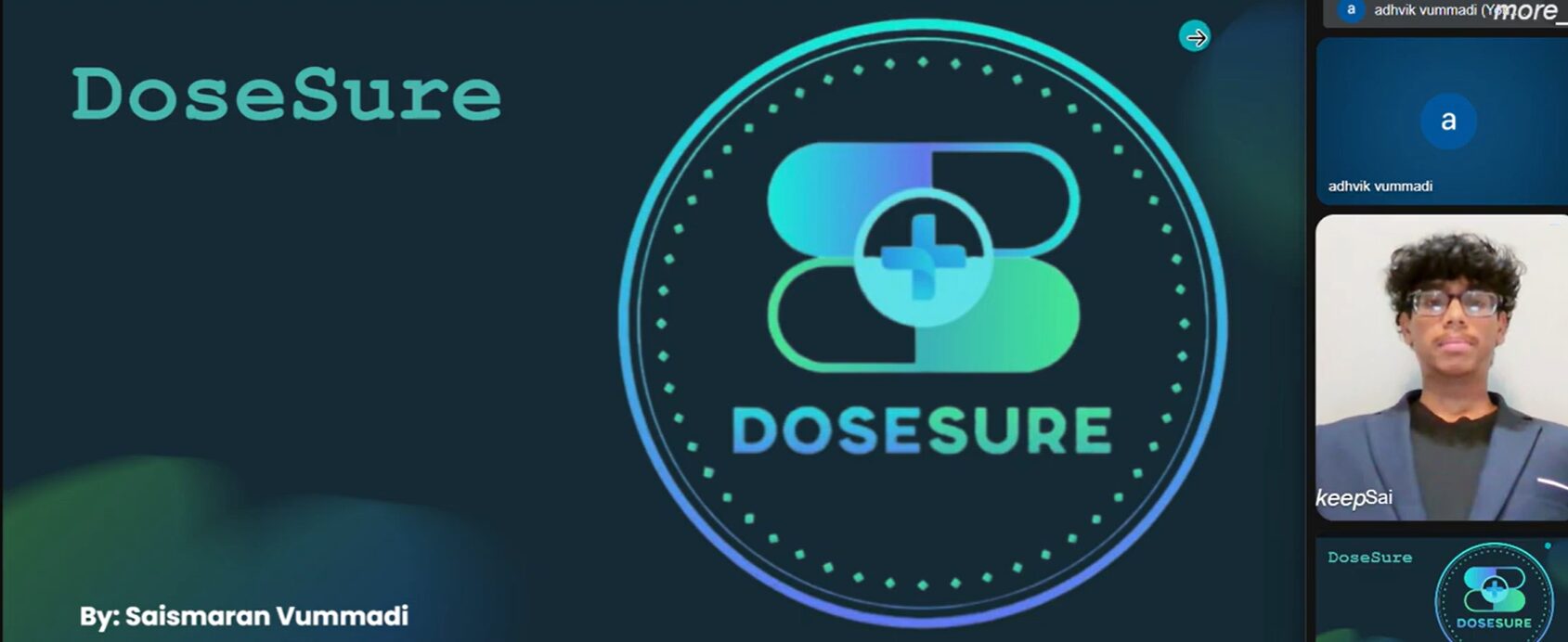
In addition to digital advocacy, I’ve worked on technology-driven prevention tools. For the 2025 Congressional App Challenge, I created an app called DoseSure, which is currently being refined and improved. DoseSure is designed to help users scan medications to identify opioids, understand potential effects and risks, and access reliable prevention resources. The app also includes information such as safe usage guidance and local Drug Take Back Day locations to encourage proper disposal of unused medications.
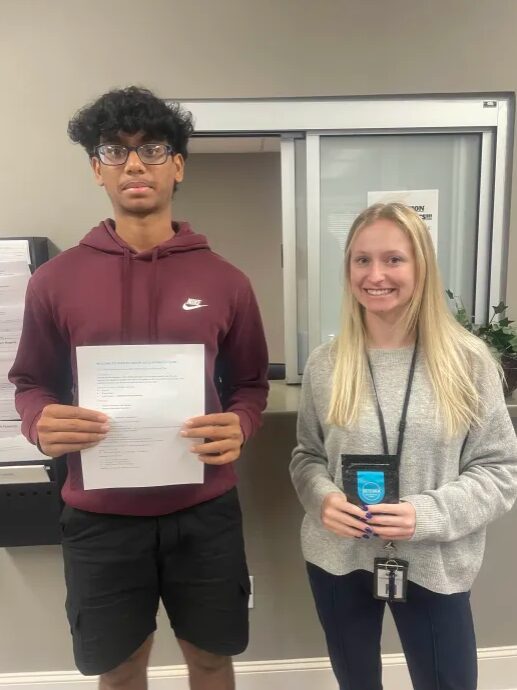
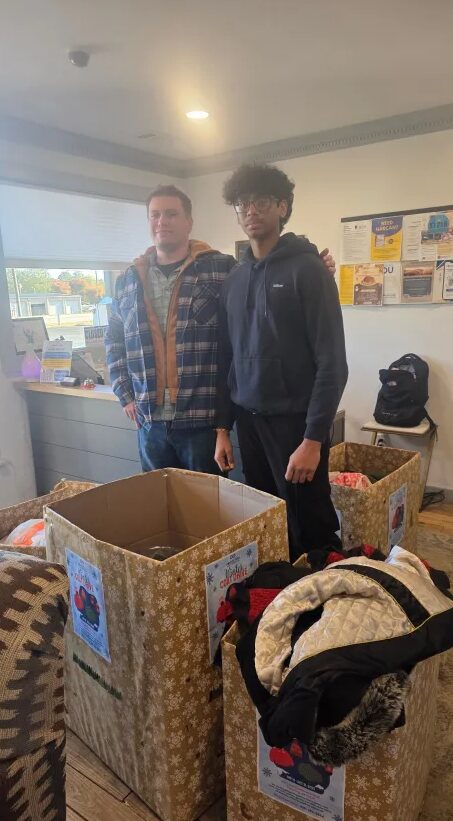
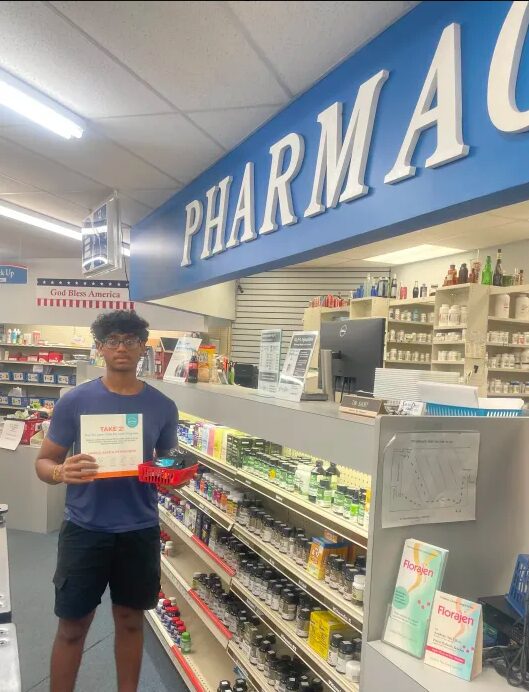
Beyond technology, a major part of my work is hands-on community outreach. I’ve organized and distributed deterrence and prevention bags to local county offices, schools, and law offices to help spread awareness and provide tangible resources. I’ve also led efforts to collect and distribute over 200 pieces of warm clothing to individuals coming out of jail who are in recovery from substance use. That experience reinforced for me that prevention doesn’t stop at education—it also means meeting people’s basic needs so they have a real chance at stability.
What feels most special about this work is seeing how small, consistent actions can add up to meaningful impact. Whether it’s someone feeling seen through a conversation, learning something new through the podcast, or receiving support during a vulnerable transition period, those moments affirm why prevention matters.
Right now, I’m focused on expanding the reach of Pulse of Prevention, strengthening partnerships with schools and local organizations, and continuing to refine tools like DoseSure so they can be as accurate, accessible, and useful as possible. Long-term, my goal is to scale this work so it reaches youth and communities well beyond my local area, while continuing to center empathy, education, and action.
There is so much advice out there about all the different skills and qualities folks need to develop in order to succeed in today’s highly competitive environment and often it can feel overwhelming. So, if we had to break it down to just the three that matter most, which three skills or qualities would you focus on?
Looking back, the three most impactful areas in my journey have been empathy, initiative, and communication.
Empathy shaped how I approach substance abuse prevention by helping me listen without judgment and understand people beyond their circumstances. For those starting out, spend time learning from people with lived experience—listening is just as important as leading.
Initiative turned ideas into action. Projects like Pulse of Prevention and my outreach work only happened because I chose to start rather than wait for the perfect moment. My advice is to begin small, stay consistent, and learn as you go.
Finally, communication made the work effective. Prevention only works when people trust and understand the message. Practice sharing your story clearly and honestly—the more you do it, the stronger your impact will be.
Is there a particular challenge you are currently facing?
The biggest challenge I’m currently facing is scaling impact while balancing limited resources and time. As much of my prevention work is youth-led, there’s only so much one person can do without the right systems, partnerships, and support in place.
To overcome this, I’m focusing on building stronger collaborations with schools, local organizations, and community leaders so the work doesn’t rely solely on me. I’m also working on creating more sustainable structures—like using digital platforms such as Pulse of Prevention to reach wider audiences and developing repeatable outreach models that can be replicated by others. My goal is to move from isolated efforts to long-term, scalable prevention initiatives that can continue growing beyond my individual capacity.
Contact Info:
- Instagram: https://www.instagram.com/reel/DRIGS_BERsB/
- Youtube: https://www.youtube.com/@PulseOfPrevention/shorts
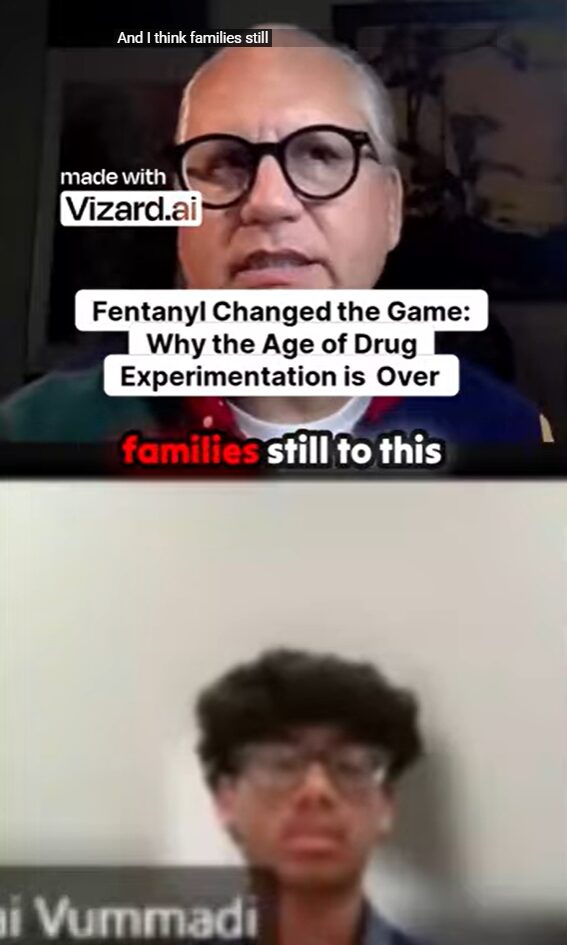
Image Credits
none
so if you or someone you know deserves recognition please let us know here.