We recently connected with Sarah Curry and have shared our conversation below.
Sarah , so good to have you with us today. We’ve always been impressed with folks who have a very clear sense of purpose and so maybe we can jump right in and talk about how you found your purpose?
When I was a junior in college, I had just chosen to major in Communications. I had no idea what I wanted to do with that degree. I was working four jobs to get through school, and it felt like that would never end.While sitting in one of my classes, Careers in Communication, two women from the Make-A-Wish Foundation came in to speak. That. That’s what I want to do. I want to help other people find joy when otherwise hope seems lost. I want to be the reason they have a chance to smile – even if it’s just for a short period of time. Because, at the end of the day, all we have are moments together. So, I realized that if I could be a part of the reason people get more moments when they need them, that would mean something, at least to me. And that’s just what I did. I went on to intern for Make-A-Wish and eventually worked there, granting wishes of all kinds to the most deserving families. Then, I went on to work more directly with critically ill children and their families at Cincinnati’s Ronald McDonald House. I’ve been doing this for close to 20 years now and even started Smile Books Project to try and reach more children and families who have a story to tell and give them a reason to smile again as well.
Let’s take a small detour – maybe you can share a bit about yourself before we dive back into some of the other questions we had for you?
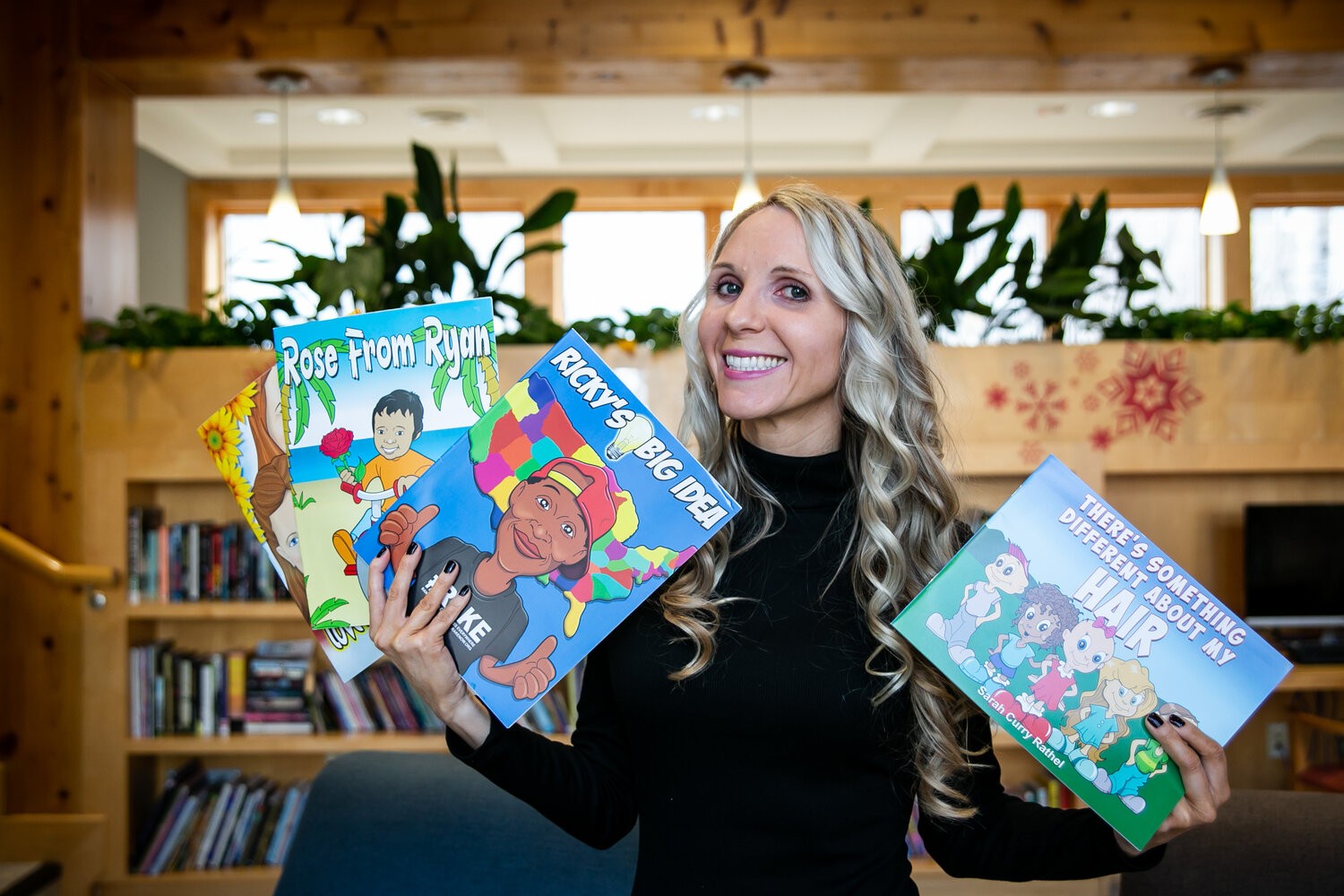
I work with critically ill children and their families. I tell their stories, write about their journeys, and sometimes help them leave a legacy. I created Smile Books Project with illustrator Robert Kelly to allow children and even adults at times to take control back from the diseases they are battling and be the hero of their own book. For some kids, they write about dragons or dancing! Others write about what they want other kids to know they face every day. We’ve written books for mothers with terminal cancer to help them leave their wishes for their children. We’ve also worked with other nonprofits to share the amazing work they are doing and get the word out. Every book we write is sold as a presale with sales after the cost of print getting donated back to the person/organization we are working with to write the book. It’s a storytelling fundraiser and it’s pure magic.
In addition, I work with critically ill children and their families at Ronald McDonald House. If you haven’t heard about this place, please take a minute and find the one in your area and see what we do. What I’ve learned is, we cannot change what people are going through. But we can make a difference for them by helping provide moments of togetherness and time together. While on my own journey, I discovered Trauma Informed Care and have gone through several certifications to help my work family and myself. “If you work with people, you work with trauma.” It’s a little quote I heard once, and it’s made all the difference in how I handle things and view situations. Every interaction is an opportunity to help.
Looking back, what do you think were the three qualities, skills, or areas of knowledge that were most impactful in your journey? What advice do you have for folks who are early in their journey in terms of how they can best develop or improve on these?
The first skill would be the ability to listen when someone is talking, “hear” what they are saying – not just the words, but what they mean with them, and to share it with others.
The second skill would be trauma informed care. It is a mindset. It truly helps you view people through the lens of, “What’s happened to you?” When all too often, we wonder, “What is WRONG with you?”
The third is writing. Taking something you want to say and putting it in a way that captivates and motivates others. Anyone can write, but can you paint a picture with words? That’s the difference.
The way to improve these three skills is to keep pushing yourself to be better. No matter if you’re looking up Trauma Informed Care as you read this or if you’re writing something and you read it back and it even bores you. View things through the lens of a stranger and see how you measure up. I tell my teenagers constantly that you should say, do, write and live in a way that not only makes your mom proud, but makes you proud as well. Pushing for that may sound cliche, but it’s so important. Our time here is so short, believe me. I’ve seen so many lives lost entirely too soon. I implore you to give it your all.
Before we go, any advice you can share with people who are feeling overwhelmed?
Overwhelmed. This is a word I believe anyone reading this could use to describe how they feel on any given day. While we each have our own reasons for feeling this way, the key is remembering that we aren’t alone. It can feel that way, but it’s simply not the case.
I see people in the throes of grief, fear and trauma. When this happens, chronic toxic stress takes over and it truly changes your brain chemistry. You’re basically fighting against the wind to understand anything, let alone communicate how you feel about it. The only thing you can do is stay grounded and look for what makes you feel safe. You have to feel safe before you can calm down and think clearly. So, taking it one minute at a time or one hour at a time until you can get through a day at a time or a week at a time is important. It’s ok to stay in the moment because that’s easier to control than thinking too far out. Bring yourself back to the moment you’re in and take the baby steps you need to feel less overwhelmed.
Contact Info:
- Website:smilebooksproject.com
- Instagram: @smilebooksproject
- Facebook: @smilebooksproject
- Linkedin: Sarah Curry
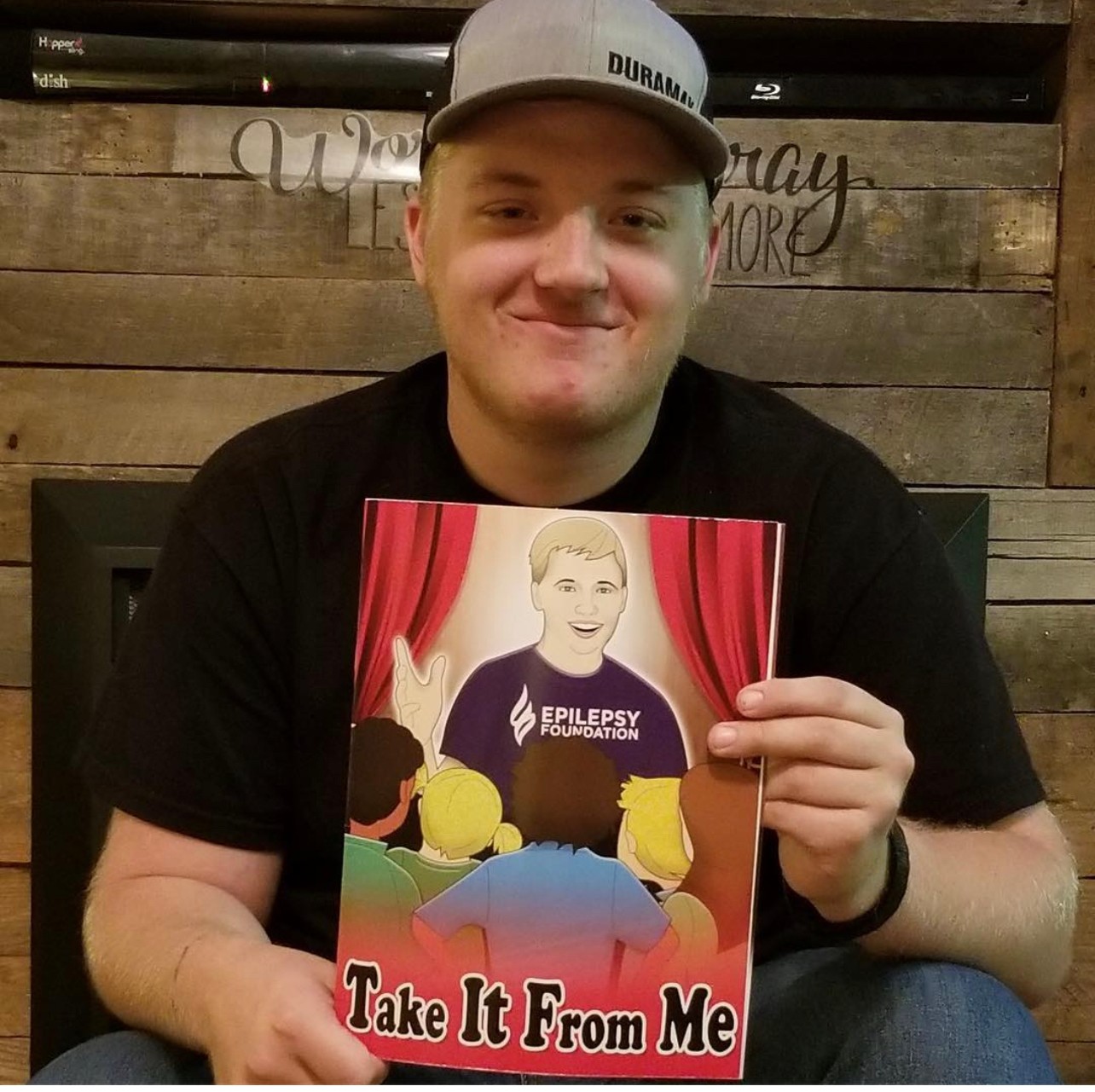
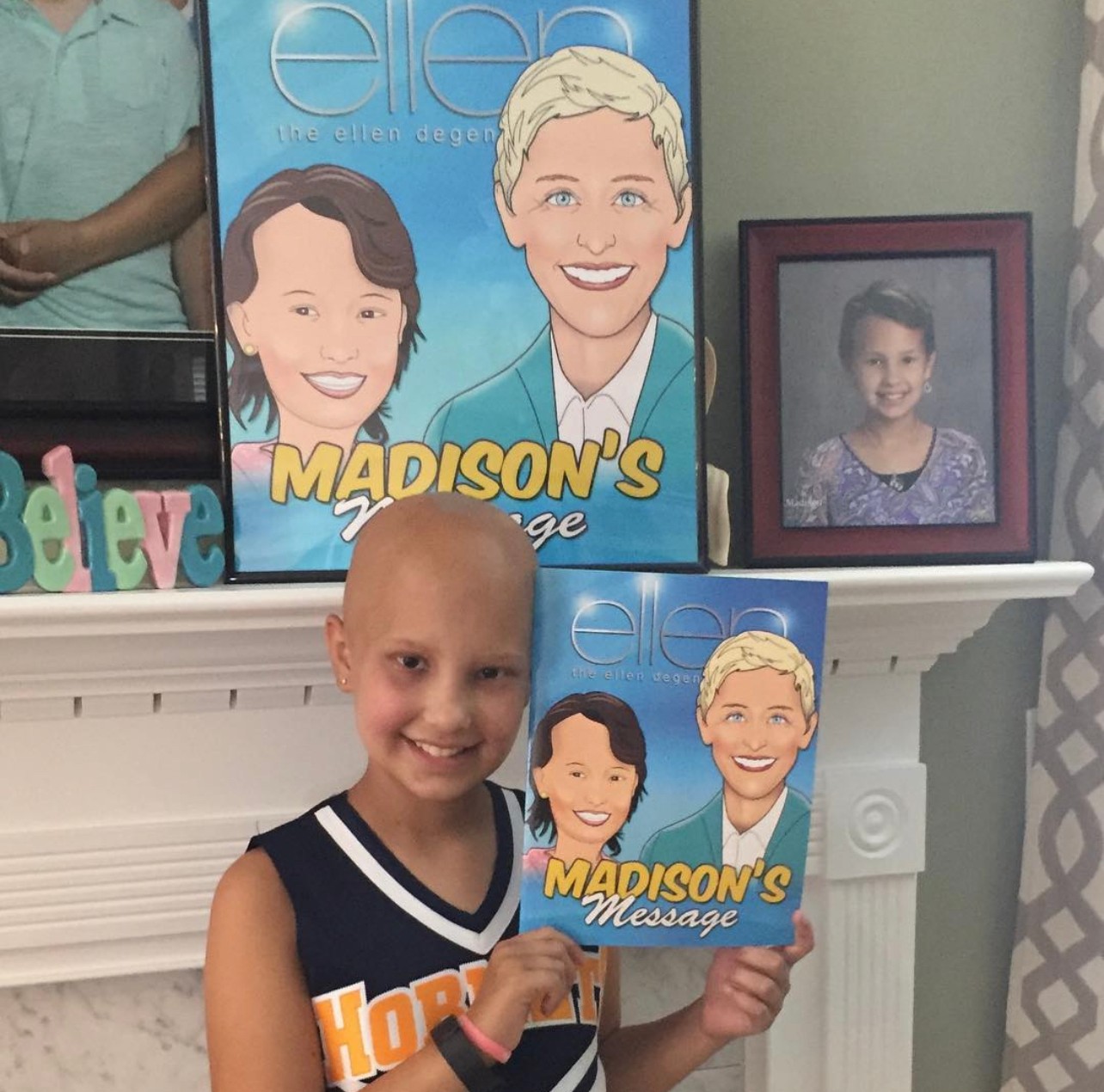
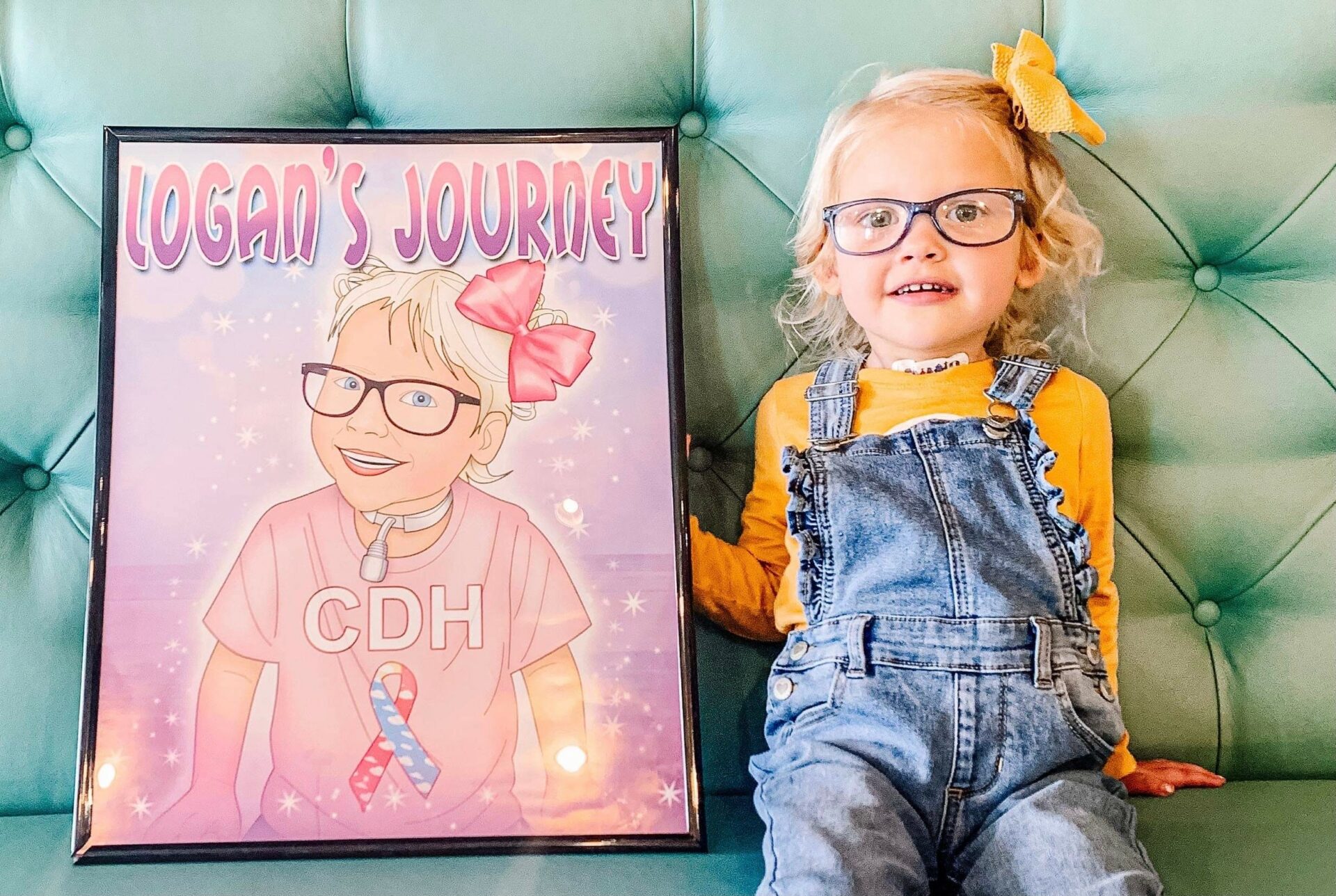
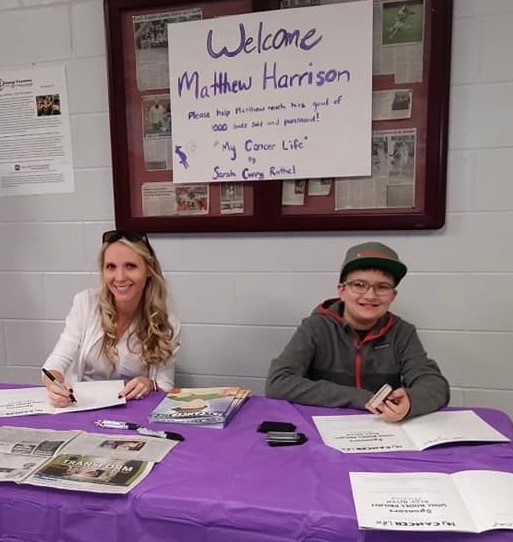
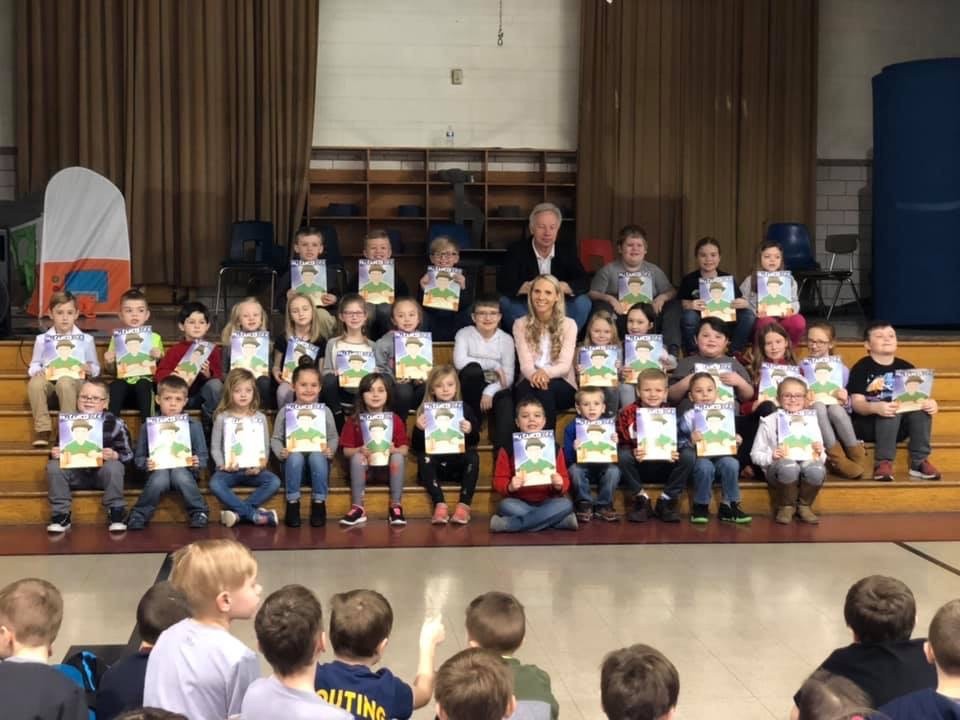
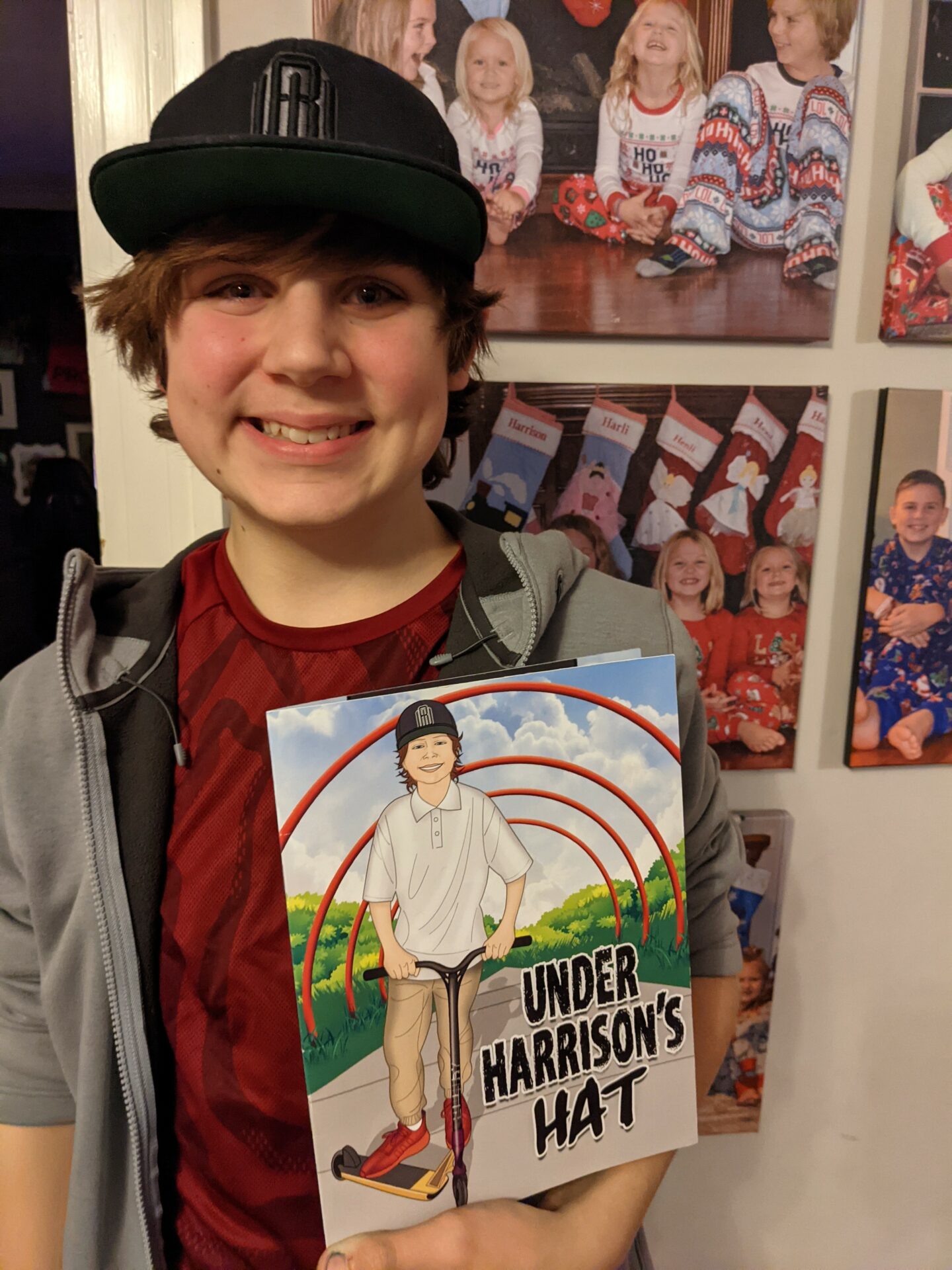
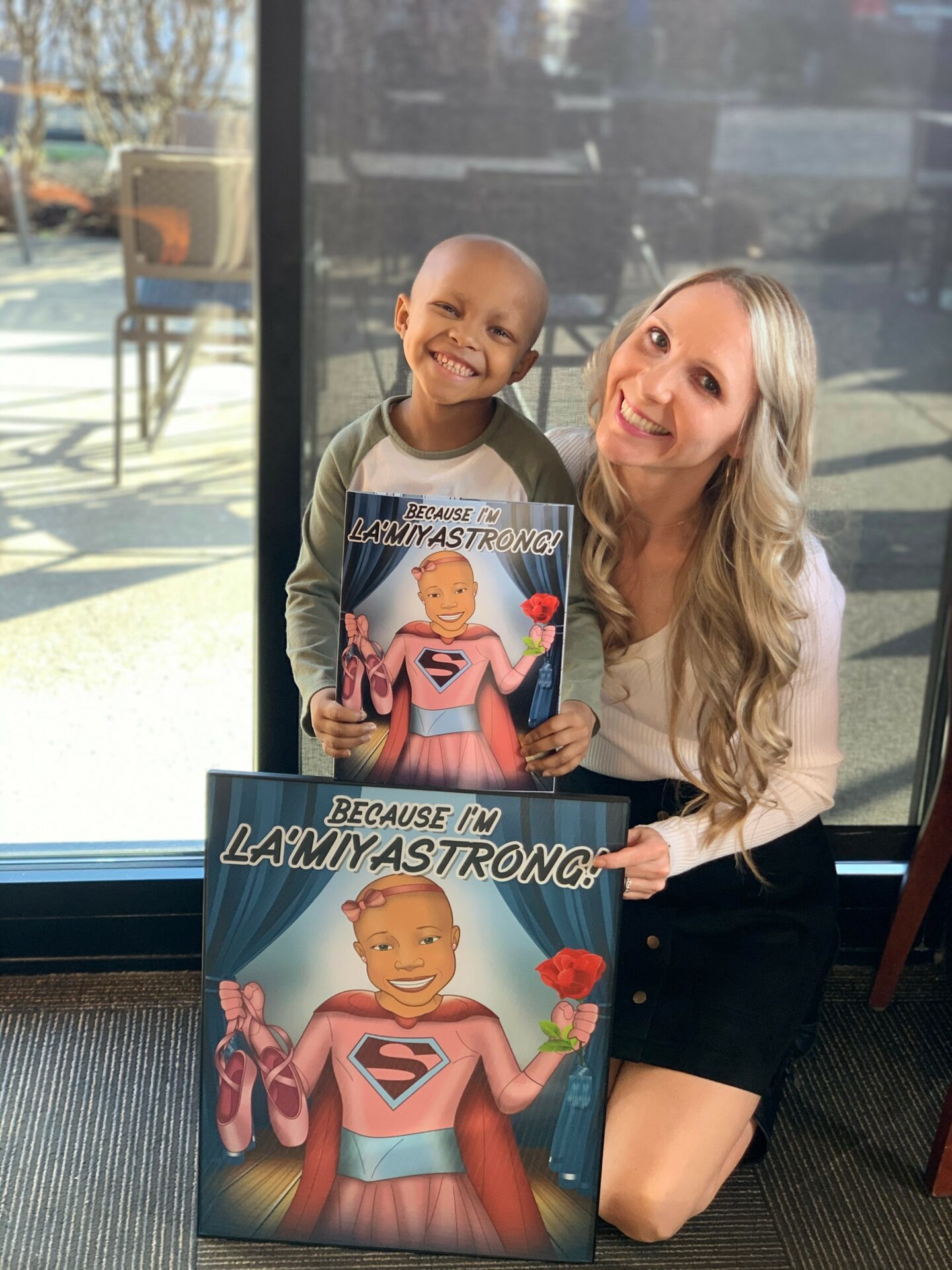
Image Credits
Angie Lipscomb