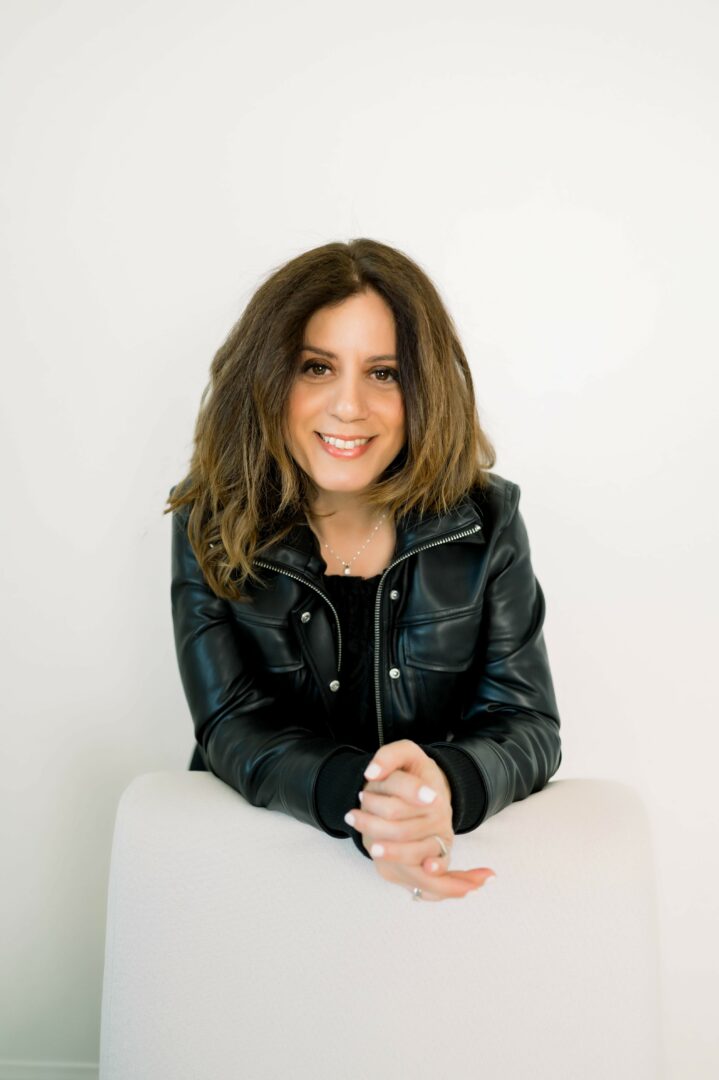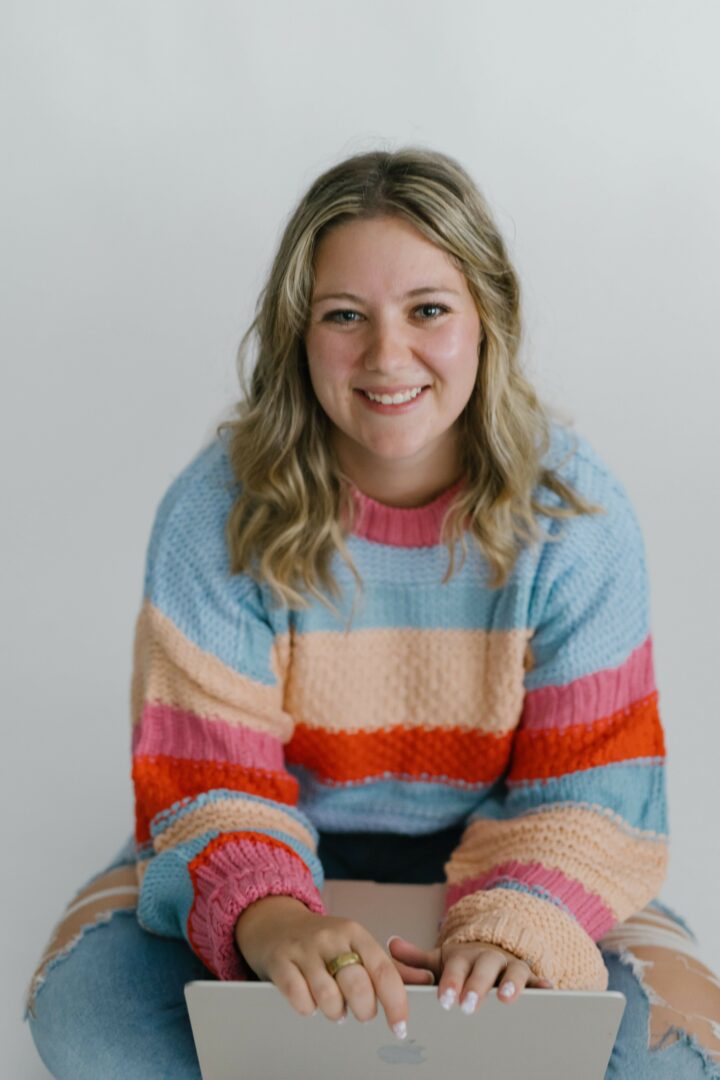
We caught up with the brilliant and insightful Sarah Long a few weeks ago and have shared our conversation below.
Sarah, thank you so much for making time for us today. We can’t wait to dive into your story and the lessons you’ve learned along the way, but maybe we can start with something foundational to your success. How have you gone about developing your ability to communicate effectively?
I think I developed my ability to communicate effectively by watching what didn’t work.
In so many meetings in my career so far—with clients, with teams, with leadership—I watched conversations get swallowed by corporate buzzwords and numbers that didn’t actually mean anything to the people listening. We’d share metrics we were proud of, only to hear clients say, “Okay… but what does that mean?” Or we’d spend half a meeting tossing around phrases like pivot and move the needle, but never land on anything practical or human.
What I learned pretty early on is that people don’t connect with jargon. They connect with meaning. The moments where communication actually landed—the team leaned in or a client’s eyes lit up—were always the moments stopped talking like a marketing textbook and started talking like a human. Where they shared a story. An example. A real moment that made the message make sense.
That’s where effective communication comes from for me:
saying things in a way people can feel and understand, not just technically absorb. I don’t care about using complicated language or rattling off KPIs. I care about helping someone see the heart behind the strategy.
Communication becomes powerful the moment it becomes personal. That’s what I’ve learned, and that’s the part I care about most.

Appreciate the insights and wisdom. Before we dig deeper and ask you about the skills that matter and more, maybe you can tell our readers about yourself?
I started freelancing back in 2018, long before I had the language for what I do now. I just knew I loved writing — truly loved it. I’ve been that way since I was five, stapling construction paper into “books” and scribbling stories in crayon. I didn’t know how to make writing a career yet, but I knew it needed to be part of my life.
My business began as a small marketing consultancy, mainly doing social media management. Over time, though, something became really clear: the long-winded, heartfelt Instagram captions I was writing for clients weren’t just captions. They were the beginnings of stories. They were brand messages. They were seeds of something deeper. Eventually, that grew into the work I do now—writing websites and content for women who want clarity, confidence, and connection.
What’s most exciting to me is the sheer variety of people I get to work with. I’ve written for wedding photographers, florists, interior designers, home organizers, marketing strategists, aestheticians, tech teams, and churches. Completely different worlds, but the same task at the core:
Every client has a story worth telling—and many just need someone to listen well enough to help them find the words.
My favorite part of this work is listening. When a client talks out loud about what they do, why they do it, the moments that made them fall in love with it—I hear patterns. Repeated phrases. The spark in their voice that tells me, “This is the core. This is the thing.” I get to reflect that to them, almost like a mirror, shaping those moments into a story and strategy that feels true, cohesive, and compelling. I love seeing their eyes widen with excitement when they realize, “Oh… that’s my message.” That’s what I’ve been trying to say.
More than anything, I want my clients to feel seen. To feel confident speaking to their people. To know they’re the right woman for the work they do—and to have the language to back it up.
Motherhood has shaped this work in ways I didn’t expect. I have two daughters who look to me for wisdom, confidence, and how to move through the world—and that responsibility has made me both braver and softer. I’m more resilient and efficient than I’ve ever been, but also far more forgiving of myself and others. Babies do not care about your perfectly planned calendar, and somehow that gave me permission to loosen my grip, to welcome interruptions as part of the rhythm of life.
My daughters have also made me a better storyteller. My oldest asks me to tell her stories constantly, and it’s taught me to pay attention—to look for the spark in ordinary moments, to find meaning in the small things, and sometimes to let a story just be fun, not a lesson. That childlike wonder has seeped into the way I write for clients, too.
Outside of client work, my weekly Substack has become a place where I keep my writing fun, and not just work. It’s a space for journaling, processing, putting words to the things I’m learning in real time. It’s been such a gift to have a creative outlet that isn’t tied to deliverables or deadlines. I’m also working on a new goal-setting guide, Setting Softer Goals: A Guide for Women Who Do Too Much, which I’m excited to share with my audience on Sunday soon.
A fun fact is that every morning, I make myself a fun drink—a gingerbread chai is my favorite lately. It only takes two minutes, but it sets the tone for everything else. One small ritual. A softer start. A more present morning. In a lot of ways, that’s the approach I take with everything I do: simple, intentional rhythms that create room for clarity and the stories that matter most.
And because people always ask: yes, I’m still taking on website copy clients! I have new openings for Spring 2026 for anyone wanting to get on the calendar early.
If I had to summarize my brand in one sentence, it would be this:
I tell stories that equip women to live a life they love without losing momentum—to focus on what they do best without feeling like they have to do it all.
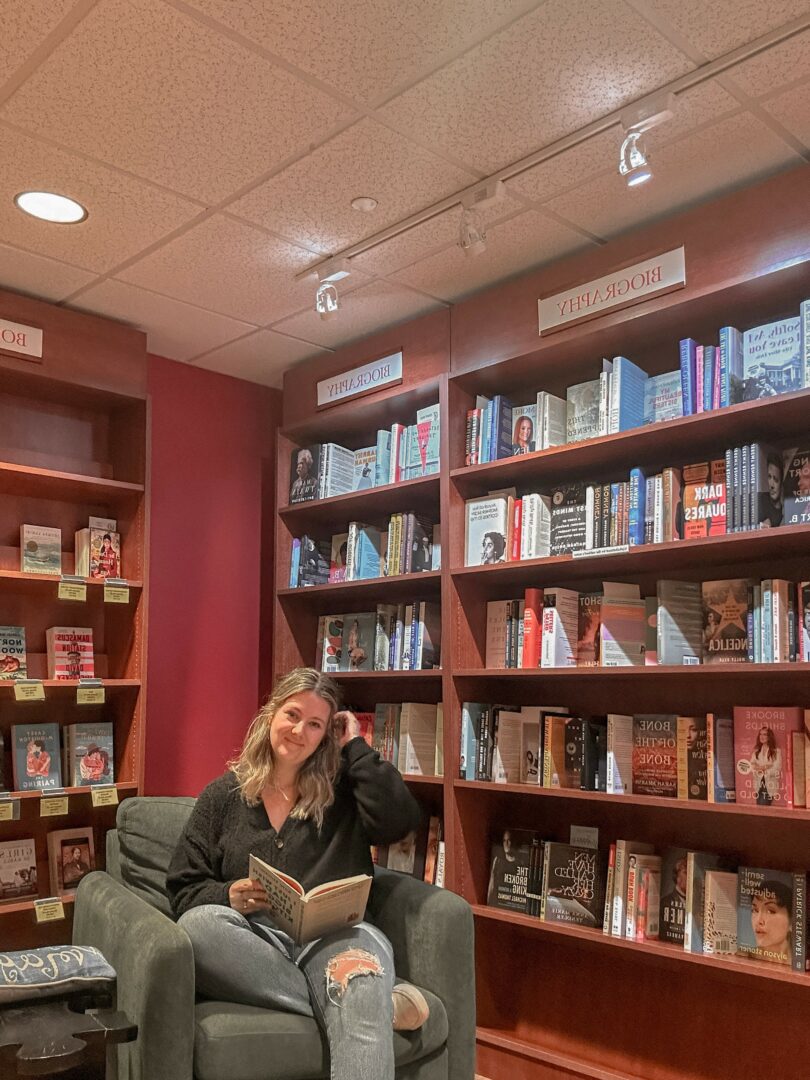
Looking back, what do you think were the three qualities, skills, or areas of knowledge that were most impactful in your journey? What advice do you have for folks who are early in their journey in terms of how they can best develop or improve on these?
When I look back on my career, three qualities shaped my journey more than anything else: paying close attention, being a lifelong learner, and being willing to start before I felt fully ready.
1. Paying Close Attention
One thing I’ve learned is that not everyone identifies as a “words person.” My twin sister will tell you she’s a numbers girl through and through. Math is her favorite subject, and she’d pick Calculus over writing a paper. And I see that same feeling in a lot of my clients. They worry they’re not articulate enough, not poetic enough, not “good at writing.”
But the best writing I’ve ever done didn’t come from technical skill—it came from paying attention. Listening closely. Noticing the small moments people skip over. Hearing the emotion behind someone’s words. Picking up on the patterns and phrases they repeat without realizing it.
That’s where the real story lives.
It’s also where connection begins. Clients don’t just want words; they want to feel seen. They want someone who notices what they’re actually trying to say.
Listen and look for the words between the lines. You don’t have to be the most eloquent person in the room to have something valuable to say.
2. Being a Lifelong Learner
When I first started my career, I worried I didn’t have enough — not the highest GPA, not the fanciest degree, not the perfect resume.
So I decided, what I don’t know yet, I will learn. And I did.
Every free certification.
Every podcast on my commute.
Every marketing webinar.
Every book recommendation.
Every Facebook group conversation.
I devoured everything I could—and eventually, I expanded far beyond marketing. I learned about healthy rhythms, motherhood, homemaking hacks, organizing my space, systems that save time… and all of it surprisingly made me a better writer, strategist, mom, and person.
Loving learning has kept me curious, adaptable, teachable, and grounded. It has shaped how I write, how I parent, and how I live.
3. Starting Before I Felt Fully Ready
Even now, I don’t always feel ready for the work set before me. Imposter syndrome can creep up so easily on hard days. But I don’t want to wait for certainty or perfection. Because that day will never come. Those stories and ideas shouldn’t sit on a shelf or stay stuck in your brain.
I chose to start with what I had—a love for writing—and trusted I could learn the rest along the way.
Looking back, that willingness to begin before I felt perfectly prepared changed everything. Every client taught me something. Every project stretched me into the writer I am now.
Start small, start messy, start now, and let the work shape you as you go.
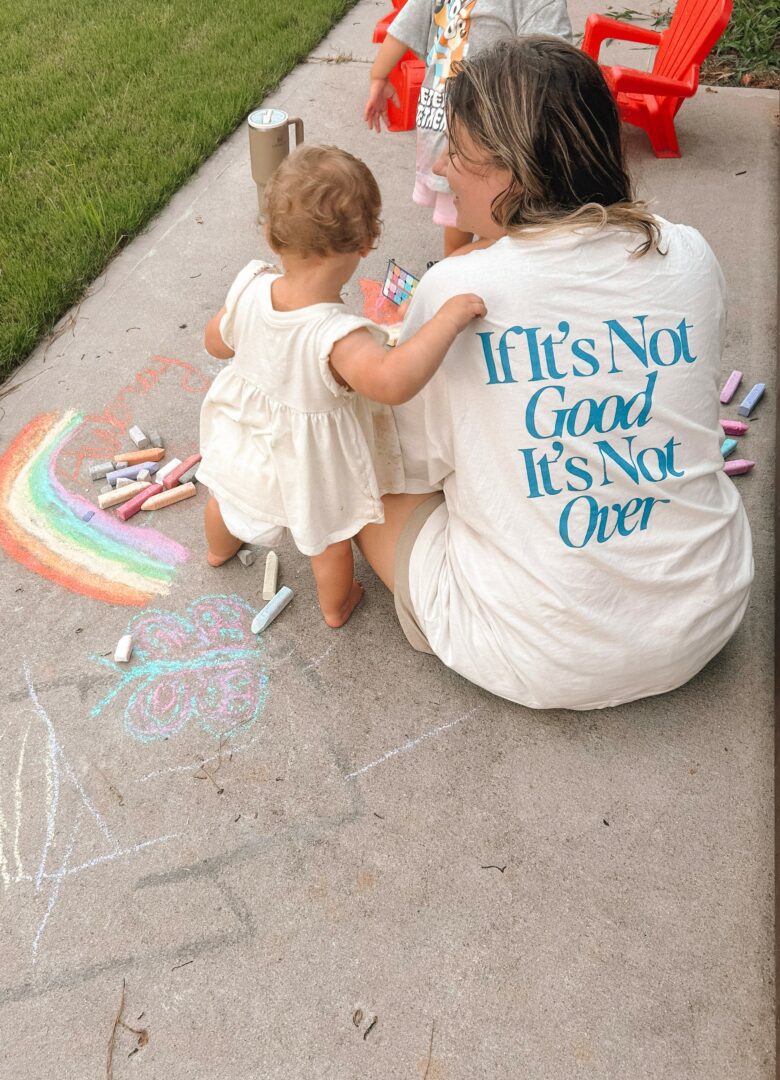
Before we go, any advice you can share with people who are feeling overwhelmed?
When I feel overwhelmed, my first instinct is always to try to take a deep breath… but honestly? I’m not a natural deep breather. I don’t immediately find my center. What does help me is getting everything out of my head and into a place where I can actually see it.
So my first step is always this: I list it all out.
I open my notes app and turn on voice to text, and literally talk through every single thing swirling in my brain—the to-dos, the reminders, the worries, the “don’t forget to…” thoughts. Saying it out loud helps me hear what’s actually weighing on me instead of letting it sit in the mental clutter zone.
Once it’s out of my head and into the Notes app, I can feel my shoulders drop. There’s something so calming about seeing the chaos on paper—suddenly it’s not infinite, it’s just… a list. It’s manageable.
From there, I shift into organizing mode:
I separate what’s urgent from what’s just annoying. What’s important and what’s just taking up space. What I can act on today, this week, or not until months from now.
Then I pull up my Google Calendar and give everything a home. If something can’t be done now—like preschool enrollment that doesn’t open until February—I schedule a reminder in January. Putting it on my calendar lets me release it. I don’t have to carry it anymore. If it has a place, it doesn’t have to take up mental space.
Get it out of your head. All of it. Say it, write it. Then organize it—not to control everything, but to give your brain room to breathe.
Contact Info:
- Website: sarahlong.co and https://sarahlongco.substack.com/
- Instagram: https://www.instagram.com/sarahlong.co/
- Linkedin: https://www.linkedin.com/in/sarahwlong/
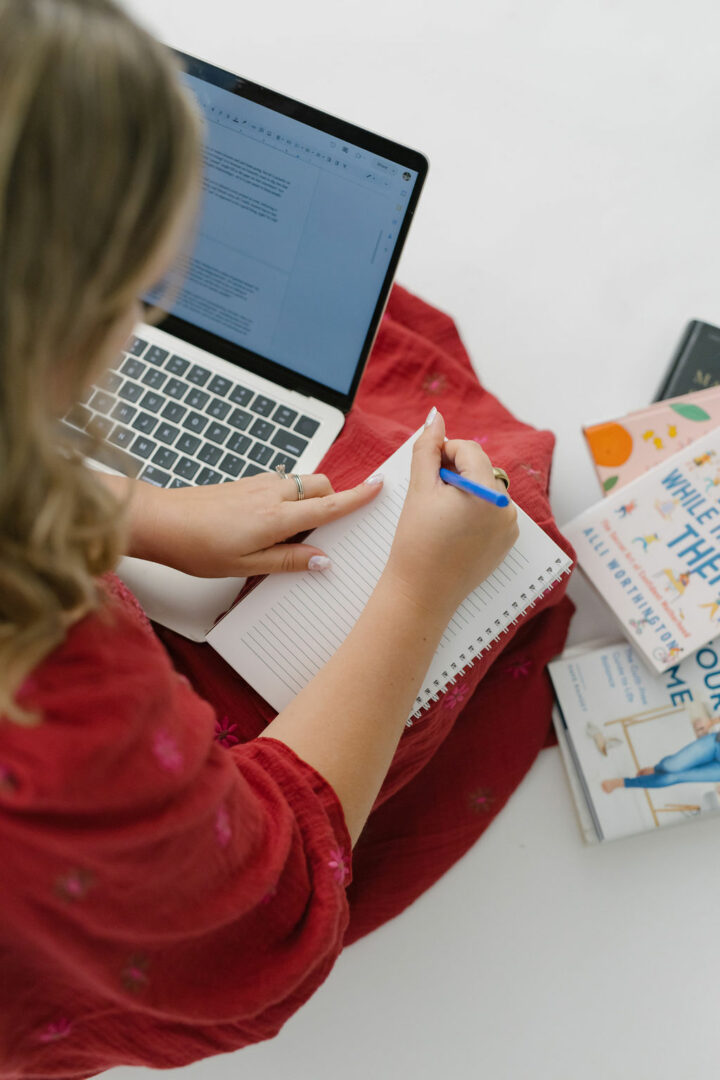

Image Credits
JP Pratt Photography
so if you or someone you know deserves recognition please let us know here.