We caught up with the brilliant and insightful Sarah Mischker a few weeks ago and have shared our conversation below.
Sarah, appreciate you making time for us and sharing your wisdom with the community. So many of us go through similar pain points throughout our journeys and so hearing about how others overcame obstacles can be helpful. One of those struggles is keeping creativity alive despite all the stresses, challenges and problems we might be dealing with. How do you keep your creativity alive?
My art comes from my need to share my stories, my memories and experiences while also wanting to understand those same things for myself. It’s how I process my life. With that in mind, my creativity requires feeling. Seeking out things that make me feel something, things that make me laugh, cry, get angry, is key to a continuing relationship with my creativity. Poetry, fantasy books, movies, nature walks, music, a majestic landscape, love, a really good meal; these are a few things that creatively charge me and inspire me to make. I cannot create when I am numb to the world.
There are times when life will numb you, it’s unavoidable and it’s a part of life. And when something like this happens, you can’t let worries about your business or work interfere with your healing. My ceramics teacher in university helped me guide me in many ways, including giving advice about being an artist. As a Japanese ceramicist, he has a great respect for nature in all forms and for the nature of our bodies and mental wellbeing. His advice was simple but it unlocked a part of my brain that felt like I needed permission to slow down. He told me, “Your health is most important.” That’s it. It’s so simple, but it’s the simple truths of life we often neglect.
To keep my creativity alive, I have to respect the limits of my body and mind while also making sure to feed them both with experiences of the world. It’s about learning to balance the two that will ensure your creativity flourishes throughout your life.
Great, so let’s take a few minutes and cover your story. What should folks know about you and what you do?
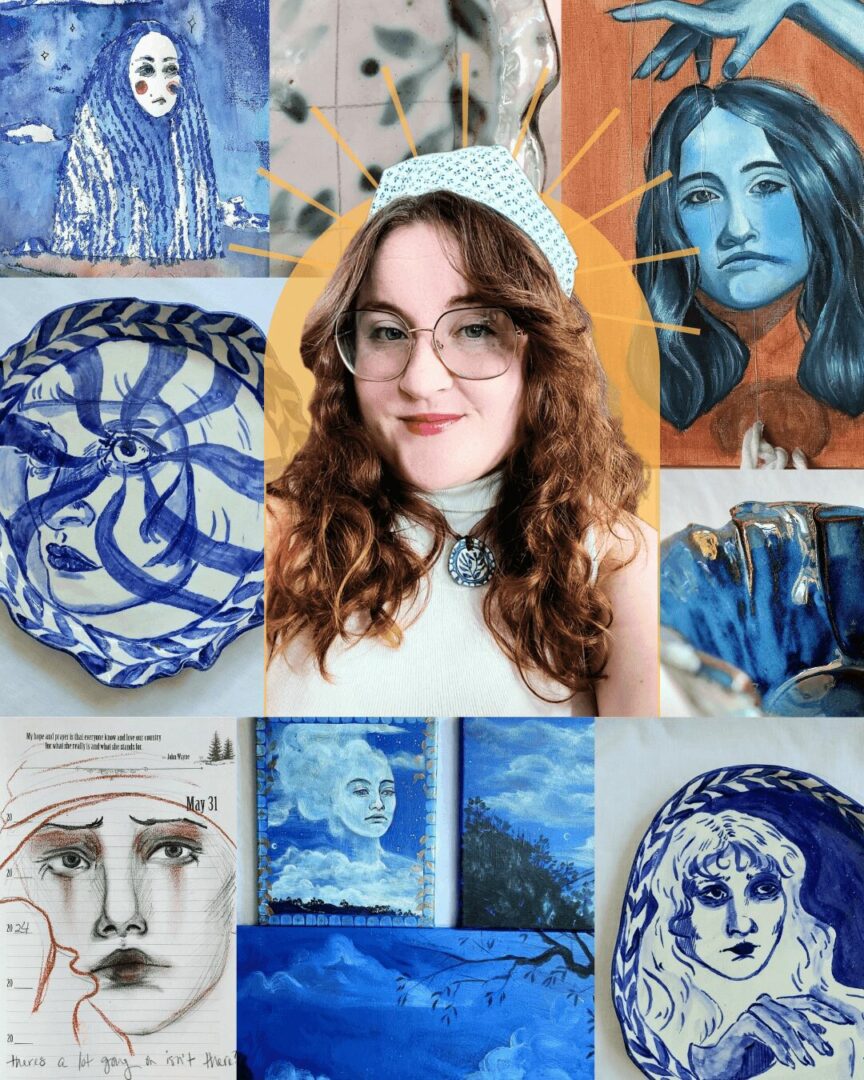
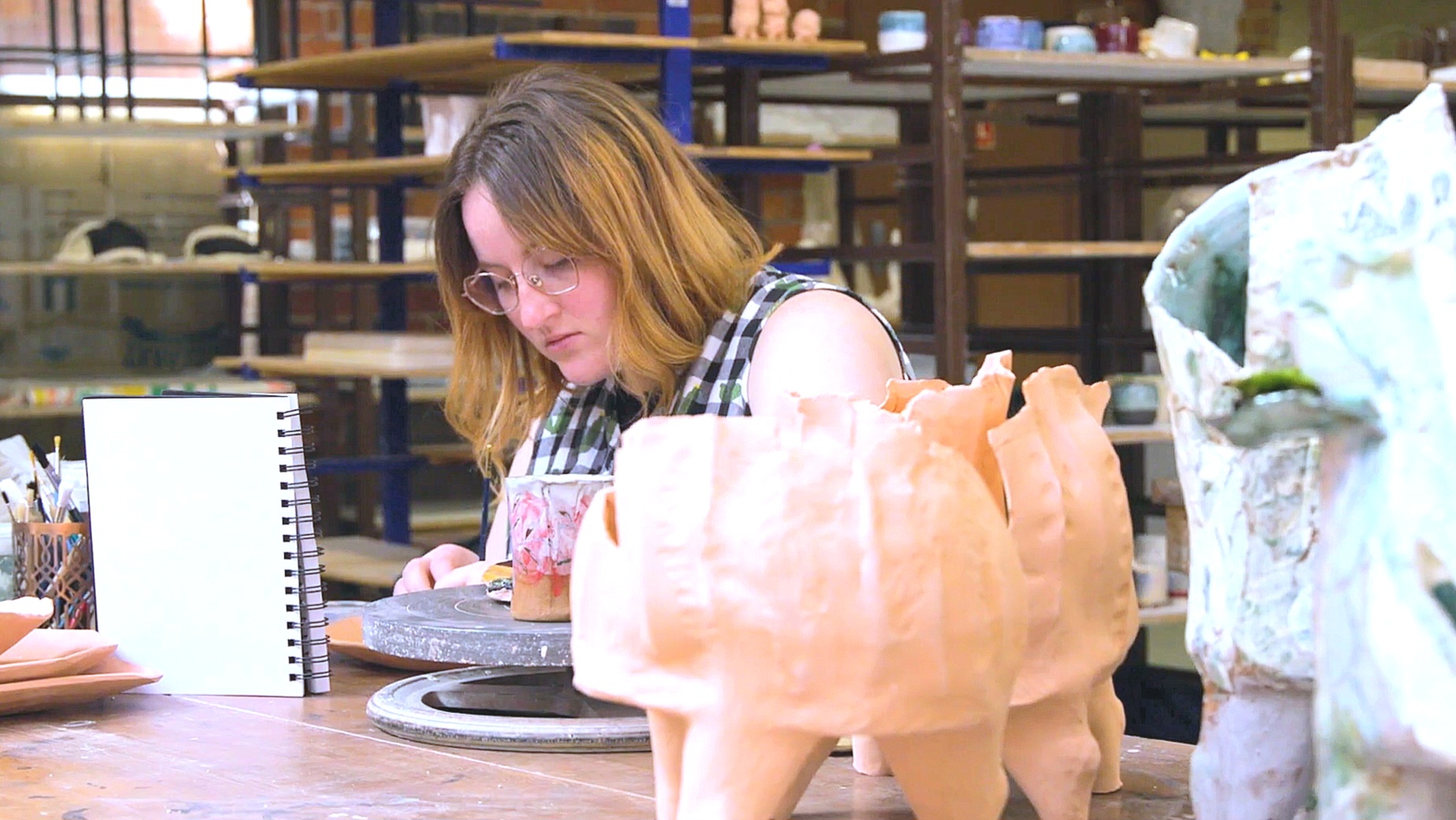
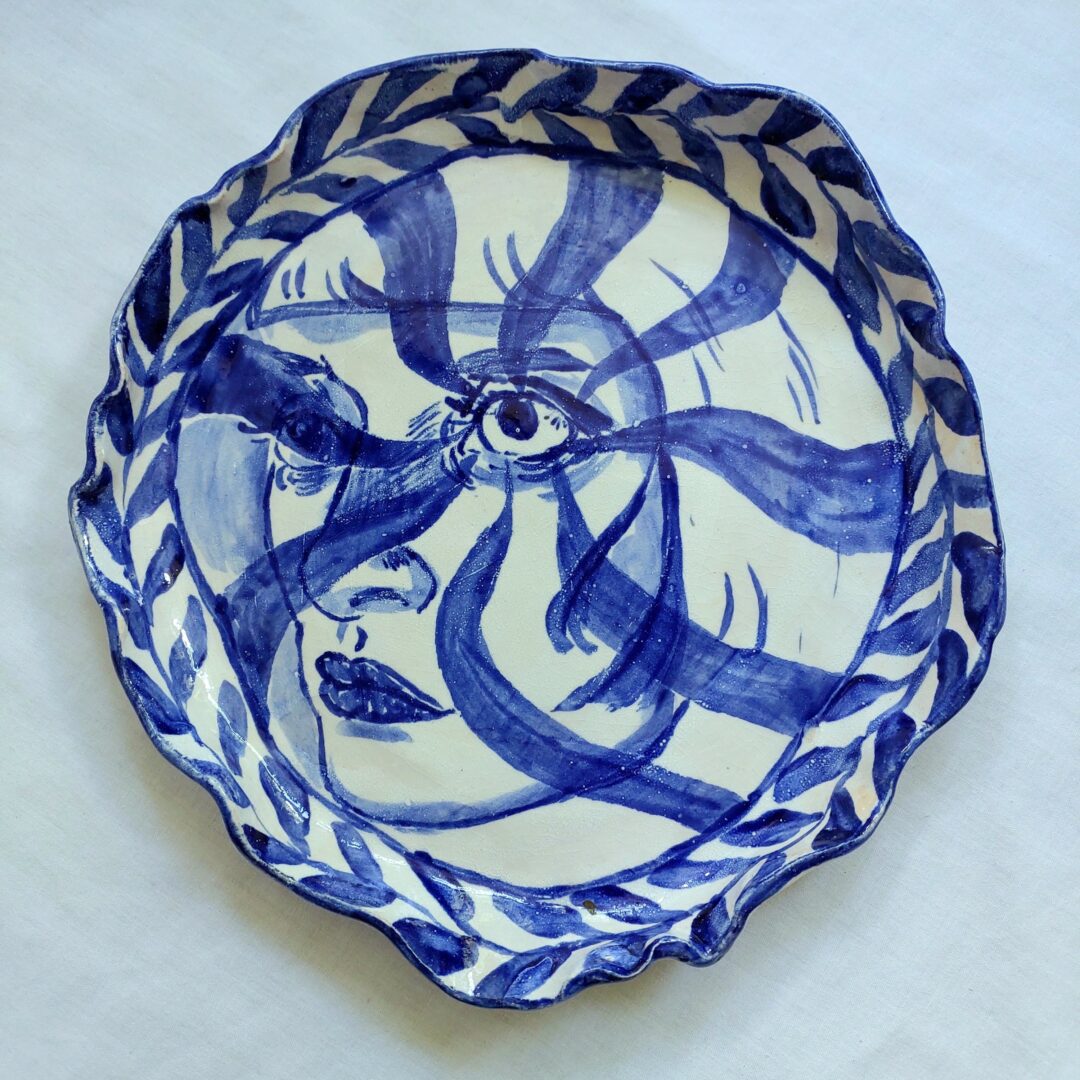
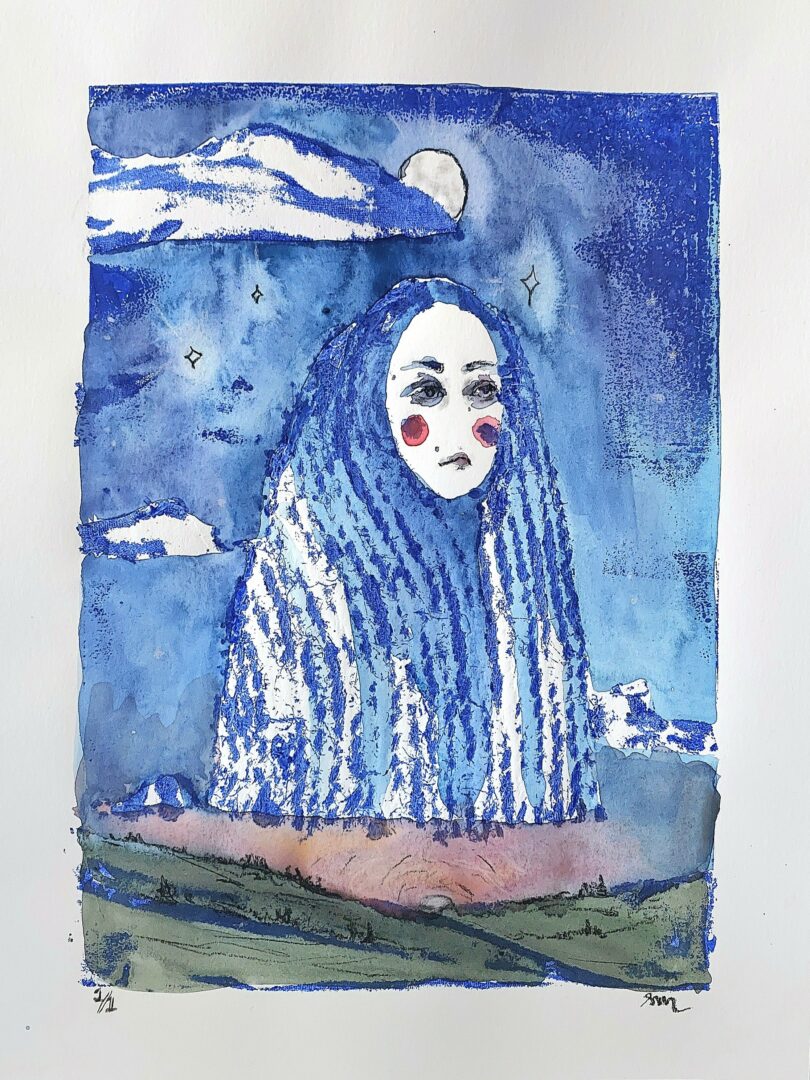
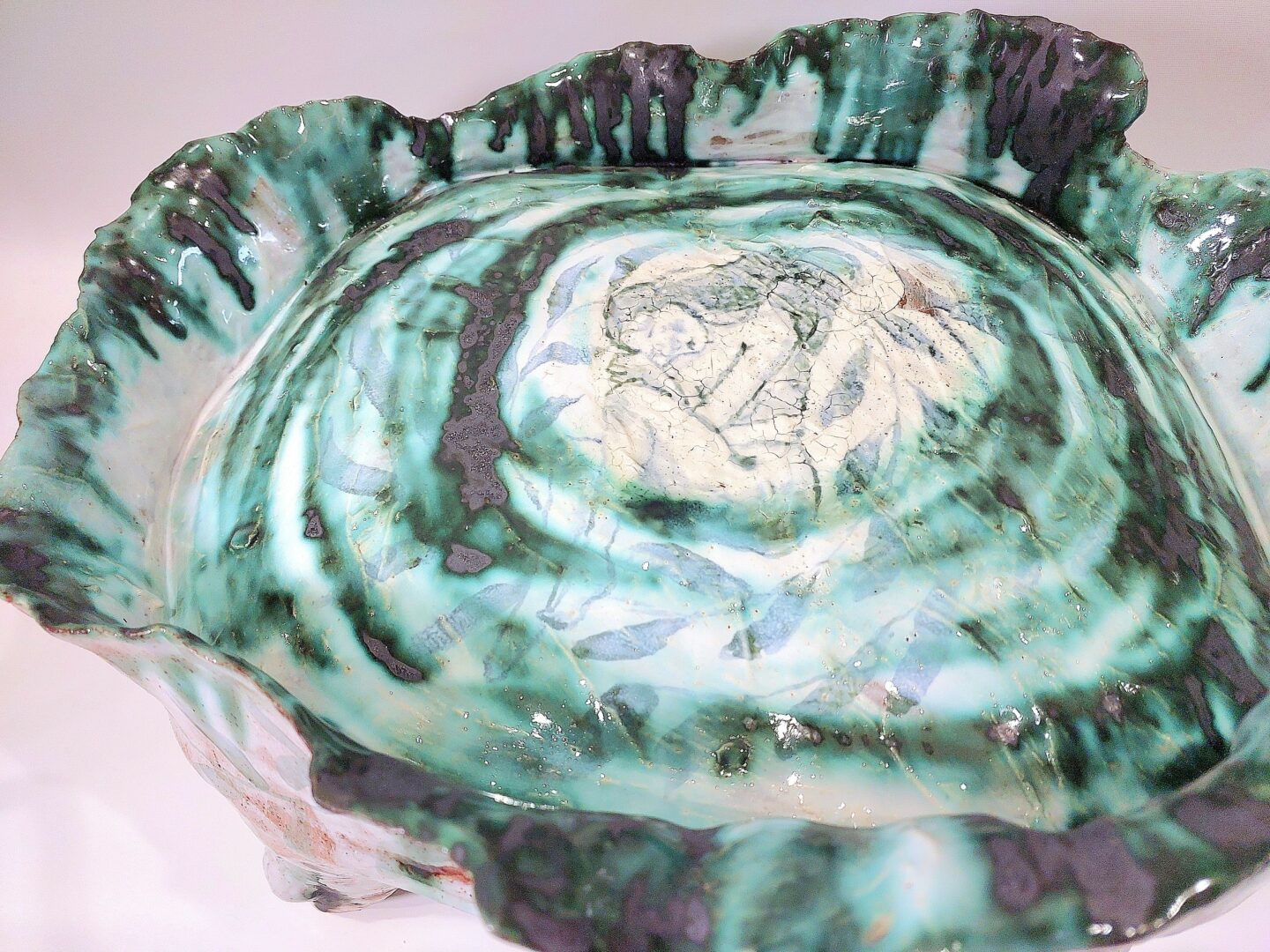
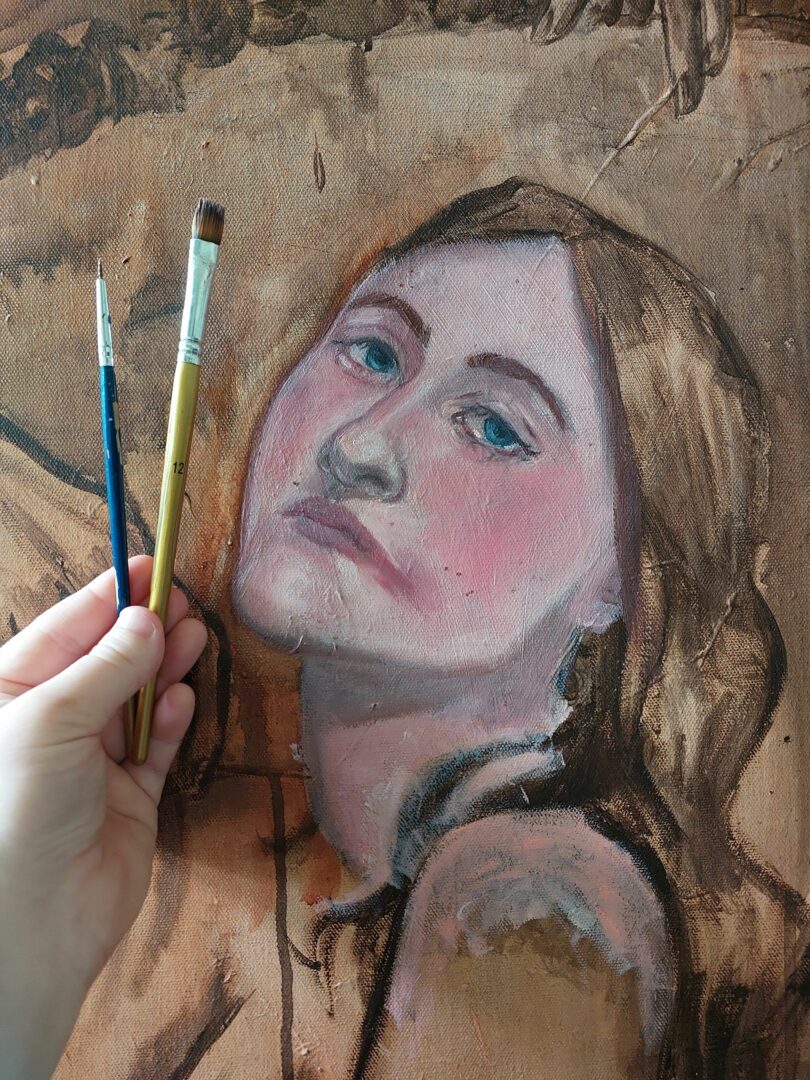
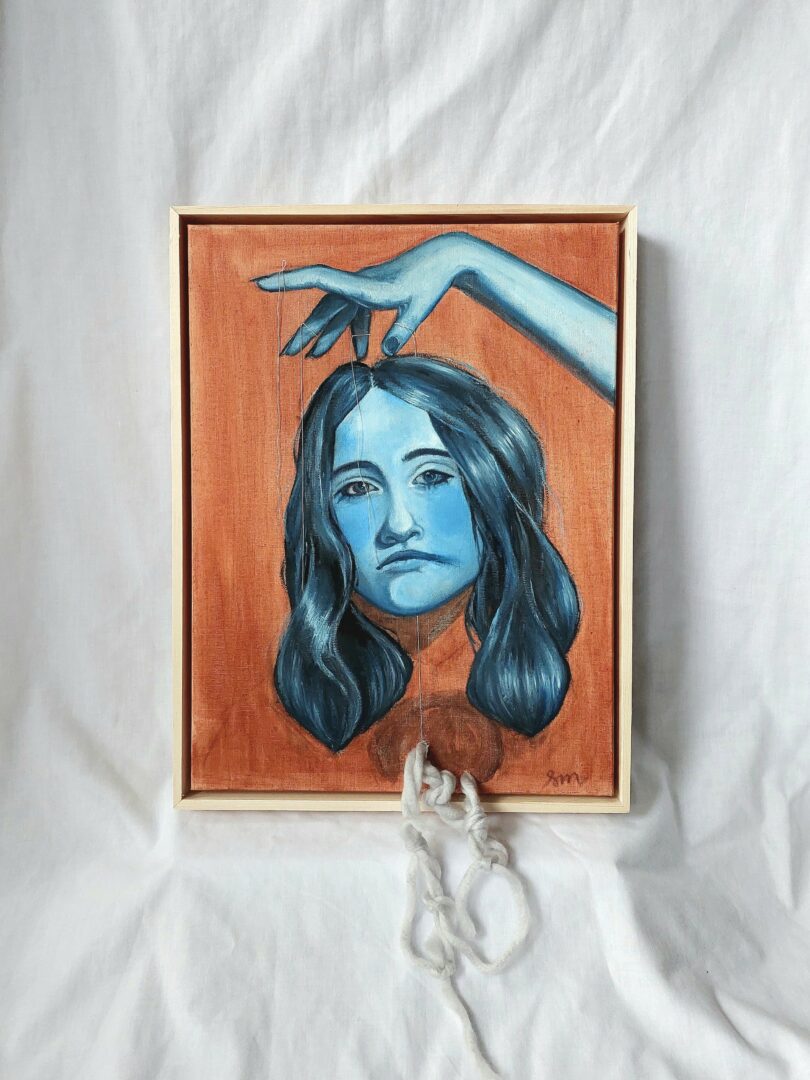
I am a small studio artist living and working on Wadawurrung Land (known as Ballarat) in Victoria, Australia. Drawing on personal experiences and memory, I strive to create questions and cause reflections in my work. Working with ceramics, painting, printmaking, drawing, and digital components such as animation and soundscapes, I love combining multiple mediums to create varied and diverse artworks. You can find examples of my work on my website, thebloomingcat.com.
Being a fantasy bookworm from a young age, I have always loved the escape that fairytales and folklore provide as well as the gorgeous scenery and worlds contained within. As a little girl, I would watch the flowers and trees, hoping to find a fairy. I would sit outside at night and speak with the moon, believing she could hear me. While I lost some of the magic I held as a child, I still try to see the world in this way. Finding the beauty and magic that exists in nature, in our cultures and in the craziness that is the human experience. I balance this love of the fantastical with a love for our natural world and our experiences as humans. It’s this intersection in which you can find my artwork. And while I like to make things beautiful in my work, my aim is not to create beauty but to showcase beauty that exists. The beauty in the lovely curves and dimples of the female body, the beauty in sadness and loss, the beauty in moving through grief and the beauty in landscapes, ancient and alive. There is so much beauty in life and it’s these simple, complex and wild things that I hope to show to the world.
Looking back, what do you think were the three qualities, skills, or areas of knowledge that were most impactful in your journey? What advice do you have for folks who are early in their journey in terms of how they can best develop or improve on these?
As an artist, learning to draw properly and formally completely changed how I understand and see the world. The very first thing you need to know about learning to draw is that it’s something that anyone can do, you don’t need to have an innate talent or creativity. Learning to draw is simply learning to see (and I mean really see) what sits before you and translate it from 3D to 2D. It’s a sort of language that with practice and patience, you can become fluent in. You don’t need fancy or expensive materials, it’s something you can practice with a basic pencil and eraser. Learning this particular language has made me see everything in shapes and lines. While that might not sound particularly thrilling or helpful, it means that when I see something amazing or confusing or wonderful, I see the shapes and lines and I can add that to my visual library of resources in my head. Because I’ve learned to really see things, I remember them. Another way of thinking about it is that being able to draw what you see in front of you is like doing a puzzle, and who doesn’t love solving a puzzle?
As a businessperson, learning to work to your own rhythm has been crucial. I worked in the publishing industry for a few years while finishing my degree and would often feel anxiety and urgency coming from our authors. They put so much into the creation of their books and seemed to think that if things didn’t happen quickly, then it would never happen. My boss, who is also an author, gave me some advice on how to deal with that anxiety and it’s something that I often apply to my own art business as a small studio artist. He said that nothing is urgent, nothing will ever be life or death. All you need is to plan things and give yourself time. Don’t overwork yourself just because you feel pressure from someone else’s schedule. Work to your own schedule and everything will fall into place.
Thirdly, learning to love myself and to forgive my past has made my progress forward possible. Abuse is an insidious monster that can quite literally change the way you see things and the way you remember them. I didn’t even realise that the guilt and shame I had been holding onto for so many years was how the trauma of abuse manifested in me. Learning to forgive myself for the stupid things I’ve done, for the people I’ve let down, for all the things that make me squirm and want to run away, it’s what makes being able to move forward possible. It’s something that I’m still working on and probably always will be but once you finally realise that you deserve that kindness, that you are worthy of that respect, you can make a start. You are human and human’s make mistakes, we blunder, we err, we muddle things up and that’s okay. We can also make things right and we can move on. We are beautiful in that way.
What was the most impactful thing your parents did for you?
My work ethic can be almost entirely attributed to my mother while my mindfulness comes from my father. Both of my parents grew up poor, but my mother was even more so. She’s the oldest child and grew up on a farm, she took on a lot of responsibility at a young age. Always helping her mother and caring for her siblings, she developed a strong work ethic. Growing up with a strong and productive mother gave me the same sense of productivity. I feel a sort of need to move and accomplish something each day. Whether that is something for my art practice or for my household doesn’t matter, there is always something that could be done and both are important parts of living.
Where my mother instilled busy-ness, my father gave me stillness. He taught me to sit and listen; to the trees, the birds, to music. Listening requires you to be still, it isn’t the same as hearing. Listening is active, you have to concentrate and focus. Because I love to be busy during the day, switching off in the evenings and actively relaxing helps me recharge which I have learned is so very important. This is how I avoid burning out as an artist. It has also improved my health overall, giving me more energy the next day and less aches and pains.
Contact Info:
- Website: https://thebloomingcat.com
- Instagram: @thebloomingcat
- Other: I have an etsy store as well: thebloomingcat.etsy.com
so if you or someone you know deserves recognition please let us know here.