We caught up with the brilliant and insightful Sascha Altman Dubrul a few weeks ago and have shared our conversation below.
Sascha Altman, so good to have you with us today. We’ve always been impressed with folks who have a very clear sense of purpose and so maybe we can jump right in and talk about how you found your purpose?
My life had to completely fall apart for me for me to find my purpose. When I was 18 years old, I got locked up in a psychiatric hospital for the first time and diagnosed with bipolar disorder. The police found me walking on the subway tracks, and I thought the world was going to end and I was going to be broadcast live on primetime television on all the channels. I hadn’t slept for a very long time and was basically dreaming while I was awake. I was convinced I was a time traveler and that I had an important role to play in the transition to a new world.
That was my initiation into the world psychiatry, and it was pretty brutal. The doctors didn’t know what to do with me except force me to take a lot of strong antipsychotic drugs and leave me in a white padded cell. They told my mom I had a biological brain disease I was either a patient to be stabilized or a problem to be solved. But deep down, I knew it was more complicated than me just being “crazy.”
That search—for meaning, for language, for a way to hold my experience that wasn’t just medical or pathological—became the foundation of my life’s work. I came to understand that crises people go through—psychosis, schizophrenia, bipolar disorder—are always attempts to heal and transform. It’s way to simple to just call it “mental illness.” I started writing, trying to make sense of what it meant to be “mad” in a world that wanted everything to be clinical and contained. That writing became The Icarus Project, a radical mental health movement that reframed madness as something deeply social, political, and even visionary.
For years, I threw myself into building spaces for people like me—people who didn’t see themselves reflected in mainstream mental health narratives, people who needed alternatives to both the medical model and the anti-psychiatry extremes. I worked inside the system, training clinicians, and outside of it, organizing with activists. I learned that purpose isn’t something you “find” once—it’s something you keep rebuilding as you grow, as the world shifts around you, as you reckon with your own inevitable contradictions.
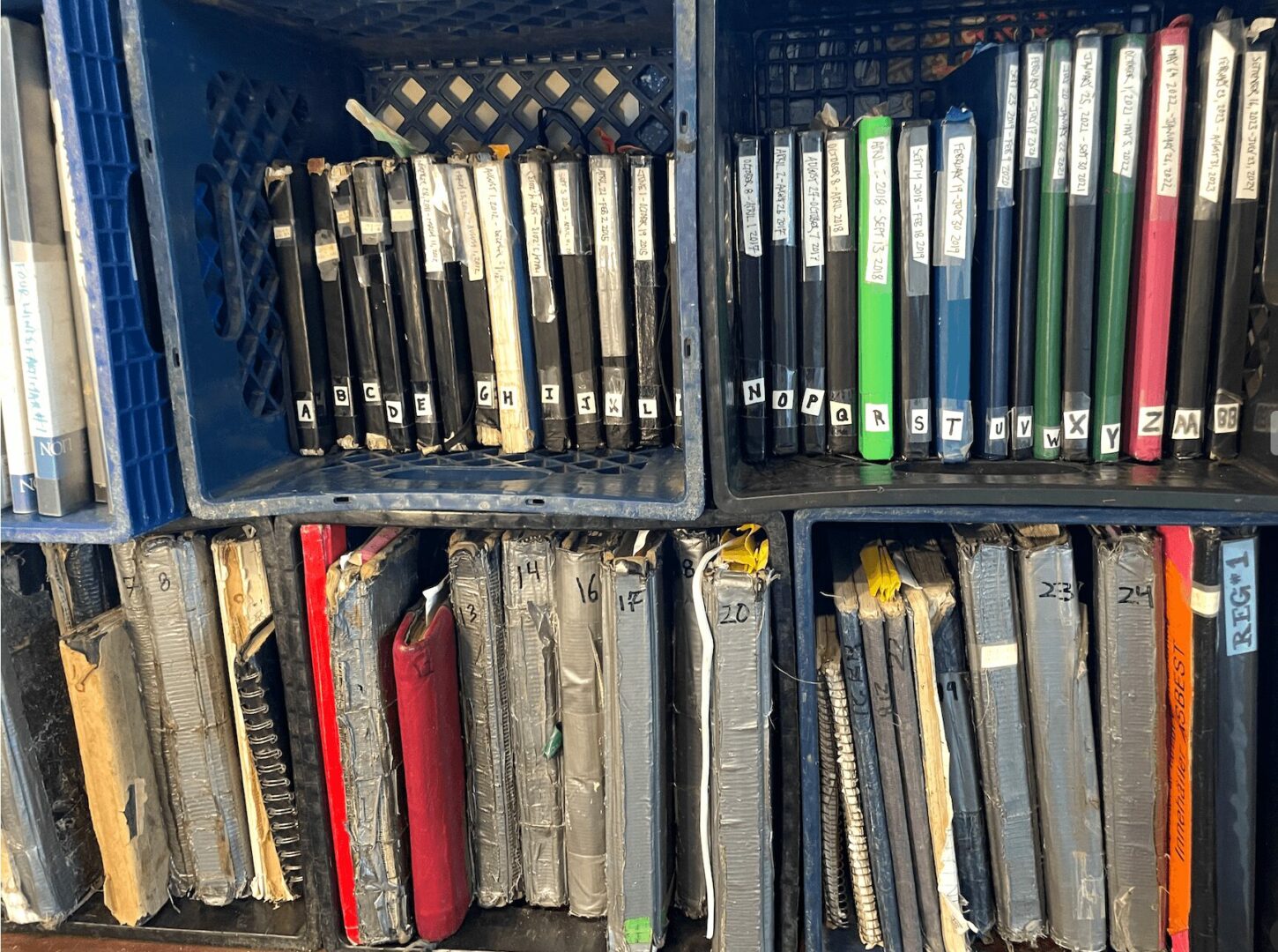
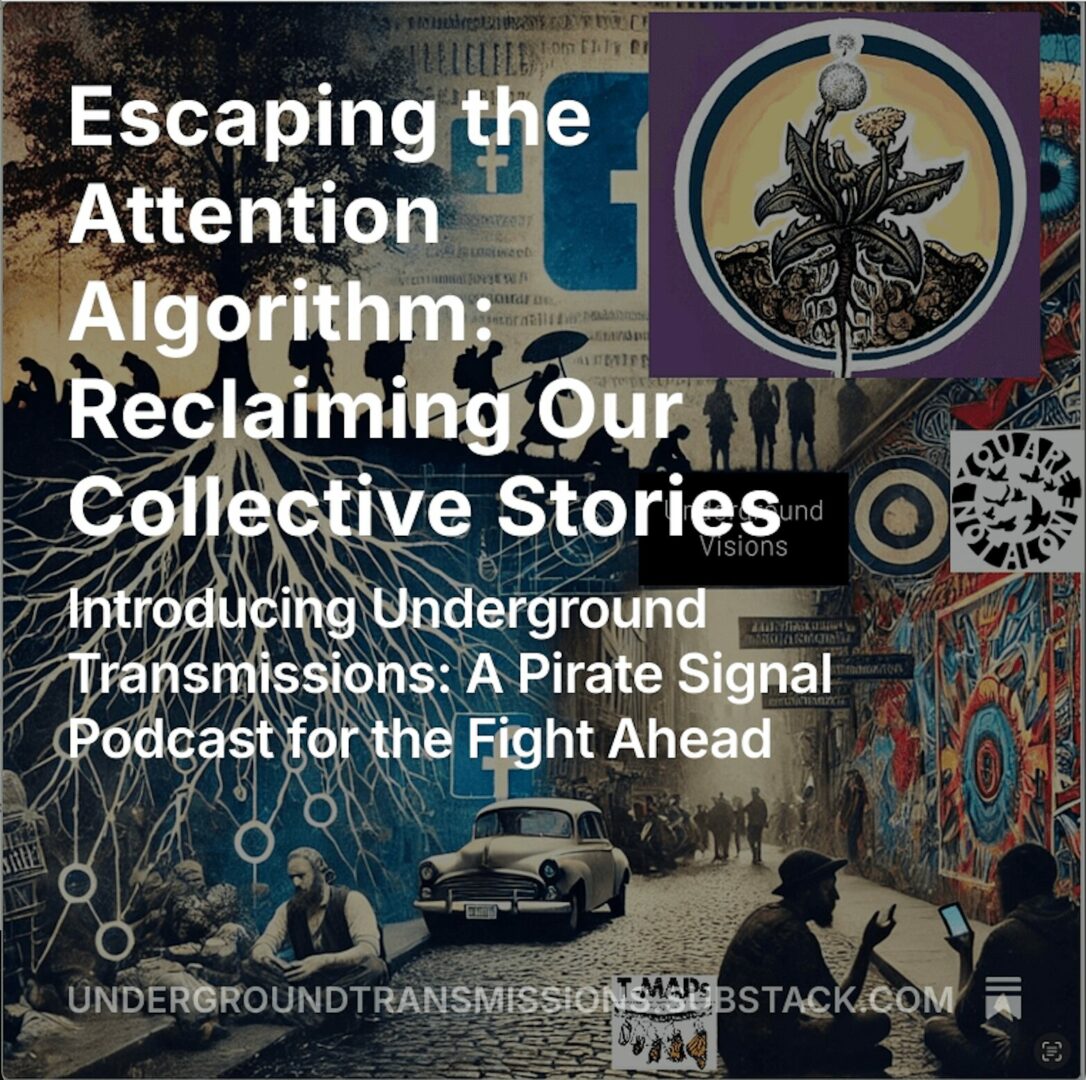
Now, I’m a therapist, a writer, a storyteller, and a father. I’ve been keeping a written journal for 30 years. I’m developing a podcast called Underground Transmissions as a platform to bring together voices at the intersection of mental health, social change, and personal transformation. I’m working to archive the history of radical mental health movements, because these stories matter—because people need to know that there have always been voices pushing back, imagining something beyond the narrow frameworks we’ve been given.
I found my purpose by refusing to let other people define my story—and by creating spaces for others to do the same. If I’ve learned anything, it’s that the most powerful transformations happen in the places we’re told to fear: at the margins, in the breakdowns, in the moments when we dare to ask the hardest questions.
Appreciate the insights and wisdom. Before we dig deeper and ask you about the skills that matter and more, maybe you can tell our readers about yourself?
Finding Meaning in the Margins
After that first bipolar diagnosis at eighteen, I spent years trying to make sense of my experiences—not just as an individual navigating the mental health system, but as part of a larger cultural and political story about madness, identity, and survival. That journey led me to co-found The Icarus Project, a radical mental health collective that reimagined psychiatric diagnosis as something more complex than just illness—something that could also hold creativity, insight, and resilience.
Today, my work continues to explore those ideas. I’m a writer, therapist, and cultural organizer. I help people understand their minds in ways that go beyond traditional psychiatry, drawing from Internal Family Systems (IFS), radical mental health frameworks, and storytelling. My podcast, Underground Transmissions, is a space for deep conversations about identity, transformation, and resistance. I’m also building an archive of The Icarus Project’s work—a history of how we challenged dominant mental health narratives and created alternative ones.
What excites me most about my work is that it’s always evolving. Right now, I’m developing a guided meditation project that fuses lucid dreaming, IFS, and mythic storytelling, creating an immersive experience for people who want to explore their inner worlds. I’m also thinking about how to train the next generation of therapists and organizers in approaches that center lived experience, systemic thinking, and collective care.
For anyone interested in my work, I invite you to check out Underground Transmissions, dive into the Icarus Archive, or reach out if you’re interested in collaborating. The mental health conversation in our society is currently shifting, and there are a lot of people who want to be part of building something new—something that makes space for complexity, contradiction, and transformation.
Looking back, what do you think were the three qualities, skills, or areas of knowledge that were most impactful in your journey? What advice do you have for folks who are early in their journey in terms of how they can best develop or improve on these?
Three Things That Changed Everything
Looking back, there are three things that have shaped my journey more than anything else: learning to navigate altered states, building community, and embracing complexity.
1. Learning to Navigate Altered States
From the moment I was diagnosed with bipolar disorder, I knew I had to figure out how to relate to my own mind in a way that went beyond what doctors and textbooks told me. I’ve had experiences that psychiatry would call psychosis but that I’ve also understood as visionary, creative, and deeply meaningful. The key was learning how to stay grounded in those altered states—how to listen to the messages they were offering without getting lost in them. Meditation, Internal Family Systems therapy, and working with trusted guides (rather than just authorities) were all part of that process.
Advice for others: If you experience intense emotions, visions, or states of consciousness that feel overwhelming, don’t assume they’re meaningless or that you have to shut them down. Learn from traditions that have worked with altered states—whether it’s mysticism, somatic therapy, or ancestral wisdom. Find people who can help you integrate those experiences rather than just suppress them.
2. Building Community
I wouldn’t have made it this far alone. The Icarus Project started because I needed a space where people like me—people who had been diagnosed with serious mental illnesses but didn’t see themselves as just “sick”—could talk to each other. It turns out a lot of us needed that space. The power of collective wisdom, mutual aid, and shared storytelling has been life-changing.
Advice for others: Seek out people who understand your experience—not just professionals, but peers, artists, activists, and thinkers who challenge mainstream narratives. If you can’t find the community you need, consider creating it. Even a small group of people with a shared vision can become a movement.
3. Embracing Complexity
One of the biggest lessons I’ve learned is that things are rarely as simple as we want them to be. Psychiatry is not all bad or all good. Medications can be lifesaving and harmful. Identities are fluid. The systems we’re trying to change are complicated, and so are people. For a long time, I wanted clear answers, but the more I learned, the more I realized that transformation happens in the gray areas—in being able to hold contradictions without shutting down.
Advice for others: Stay curious. Read widely. Listen to perspectives you don’t agree with and sit with the discomfort. You don’t have to have all the answers right away. The goal is not to be certain—it’s to keep asking better questions.
Okay, so before we go we always love to ask if you are looking for folks to partner or collaborate with?
Collaboration & T-MAPs: Finding Each Other in the Chaos
I’m at a point in my journey where I want to connect with others who are thinking deeply about mental health, transformation, and how we map our inner and collective landscapes. One of the most important projects I’ve ever worked on is T-MAPs (Transformative Mutual Aid Practices)—a tool that helps people articulate their needs, dreams, and strategies for navigating crisis and change. Originally developed in radical mental health spaces, T-MAPs is more relevant than ever, and I want to bring it back in a bigger way.
I’m looking for collaborators, co-conspirators, and fellow travelers who want to explore:
• Mutual aid and community-based mental health—How do we support each other outside of traditional systems?
• Storytelling and archiving lived experiences—How do we create spaces where people can share their histories and strategies for survival?
• Substack discussions and collaborations—Are you writing about these topics? Let’s build something together.
• Workshops, events, and teaching opportunities—If you’re interested in bringing T-MAPs into your community or practice, let’s talk.
I want to connect with therapists, activists, artists, educators, and anyone else who is imagining a world where mental health care is more about relationships and less about institutions.
If this resonates with you, reach out. You can find me at https://undergroundtransmissions.substack.com/ or https://icarusprojectarchive.substack.com/. Let’s see what we can build together.
Contact Info:
- Website: https://www.saschadubrul.com/
- Youtube: https://www.youtube.com/@saschadubrul3944
- Other: https://undergroundtransmissions.substack.com/
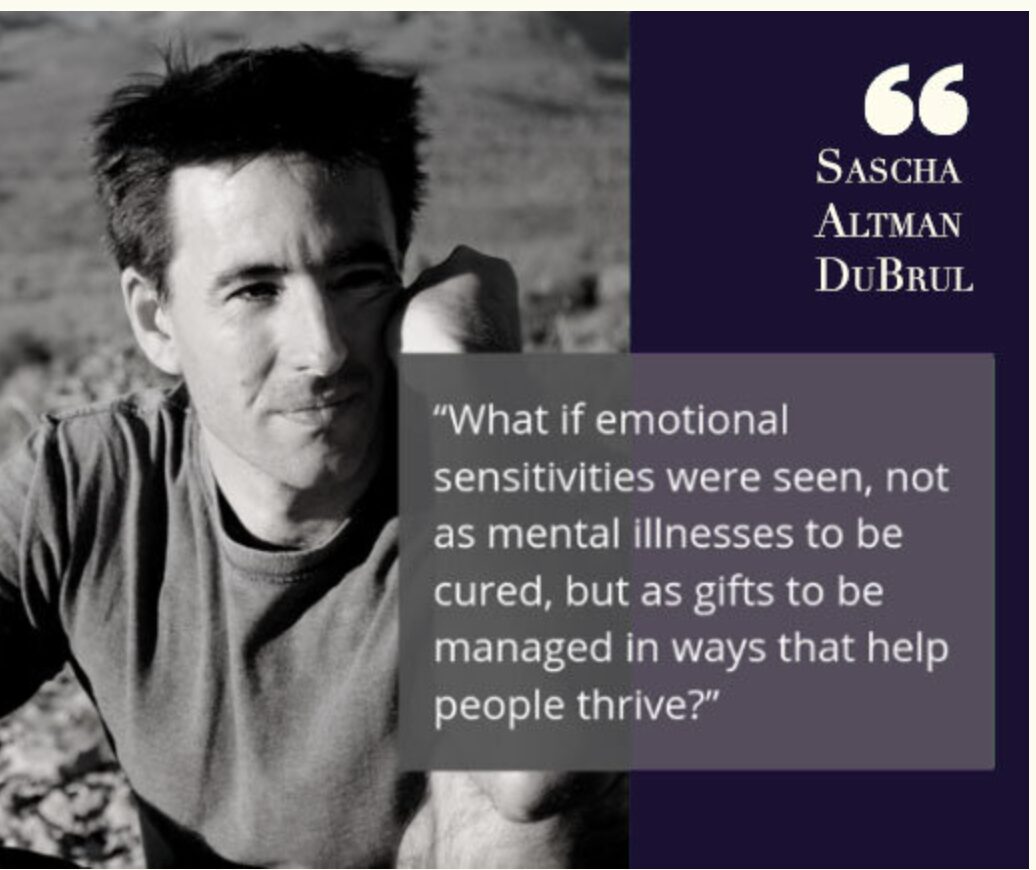
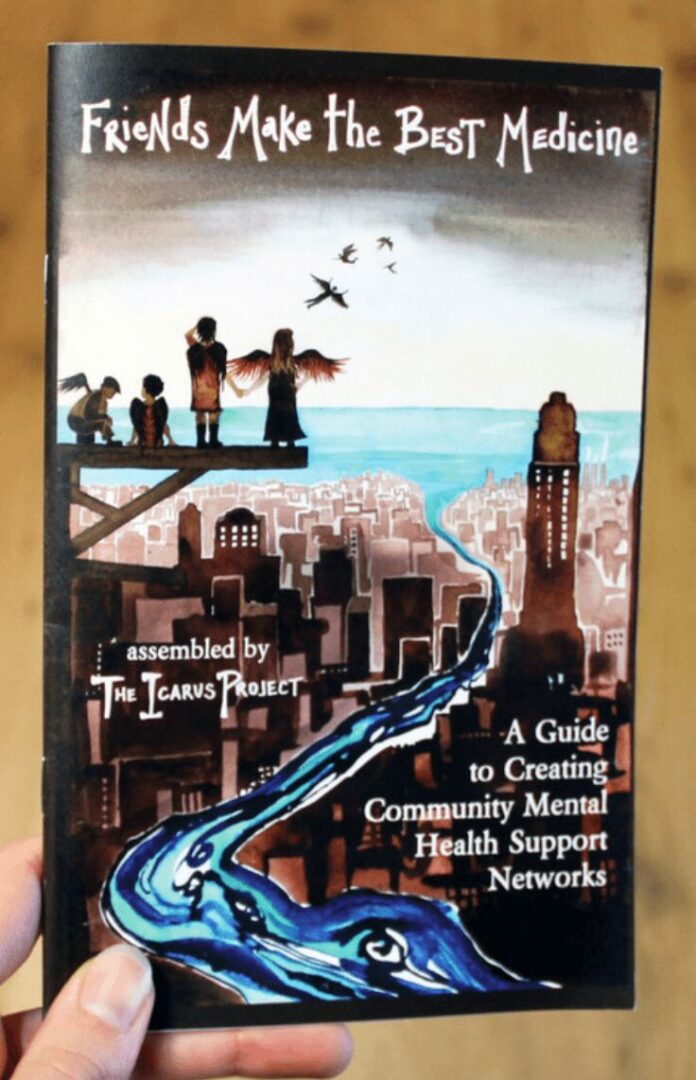
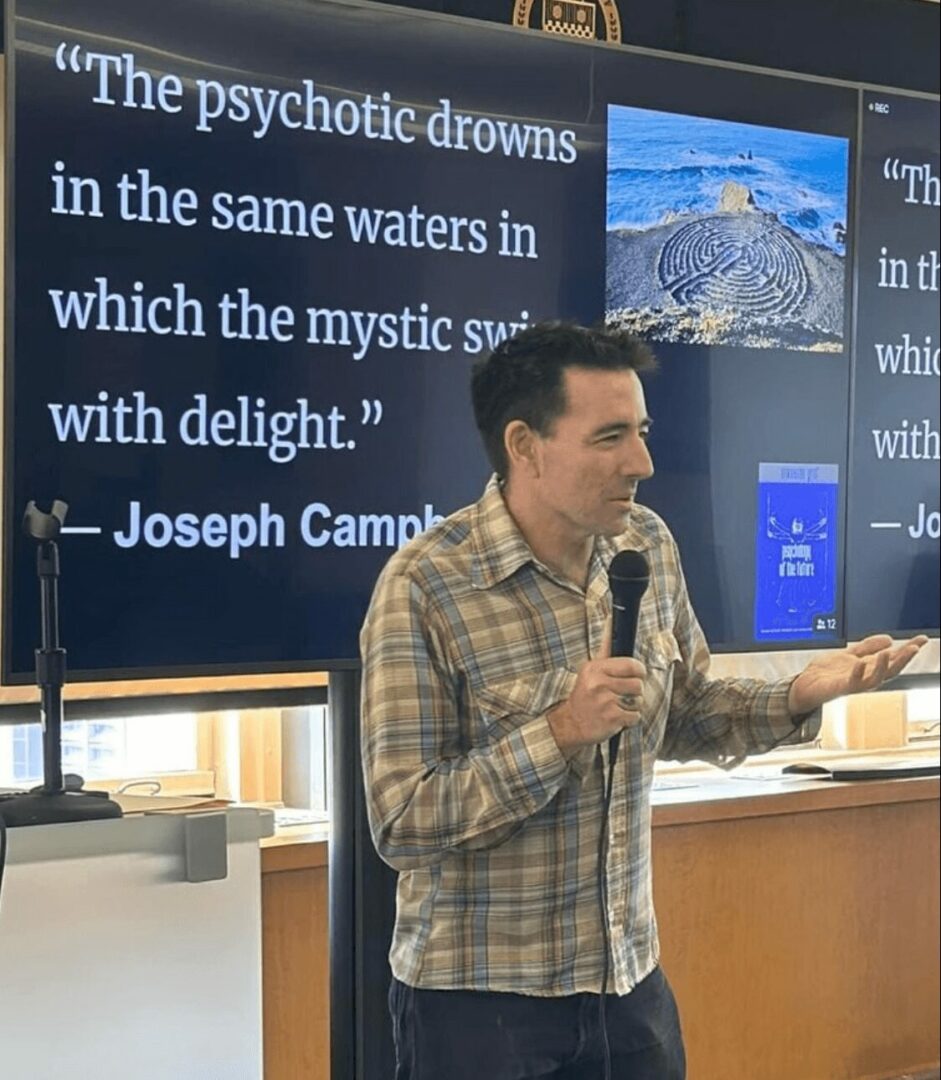
Image Credits
You Are Not Alone: Kevin Capliki
Navigating the Space/Friends Make the Best Medicine: Jacks McNamara
Dangerous Gifts: David Nishizaki
so if you or someone you know deserves recognition please let us know here.