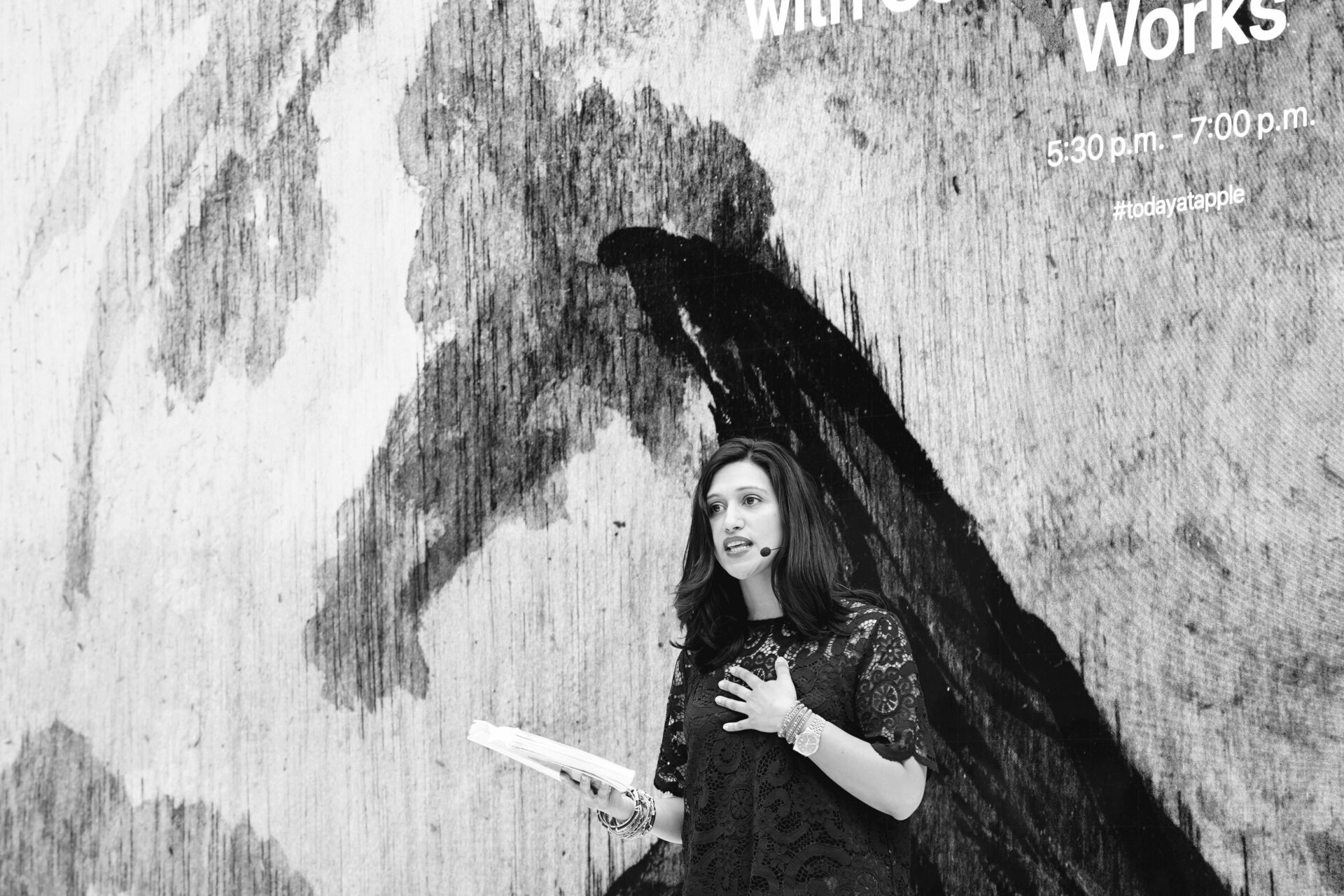
We were lucky to catch up with Seema Reza recently and have shared our conversation below.
Hi Seema, thank you for being such a positive, uplifting person. We’ve noticed that so many of the successful folks we’ve had the good fortune of connecting with have high levels of optimism and so we’d love to hear about your optimism and where you think it comes from.
I was not always a naturally optimistic person–but my decade working closely with people who have experienced really difficult, often traumatic events has somehow unlocked a kind of unshakable faith in me. My work with Community Building Art Works at Walter Reed Army Medical Center and at jails and even in middle schools has introduced me to people going through really huge and personal transitions; people who actually have a lot of reasons to dig in and stay convinced that nothing will ever work for them. One of the most steady sources of inspiration for me is how given the right support, 90% of people are willing to work towards personal transformation and achieve it. I think the lesson I’ve learned over these years is that optimism isn’t necessarily about ignoring the grief or seeing the glass as half full–it’s believing that people can survive the worst things, that cups can be emptied and still receive more, can still be filled again.
Let’s take a small detour – maybe you can share a bit about yourself before we dive back into some of the other questions we had for you?
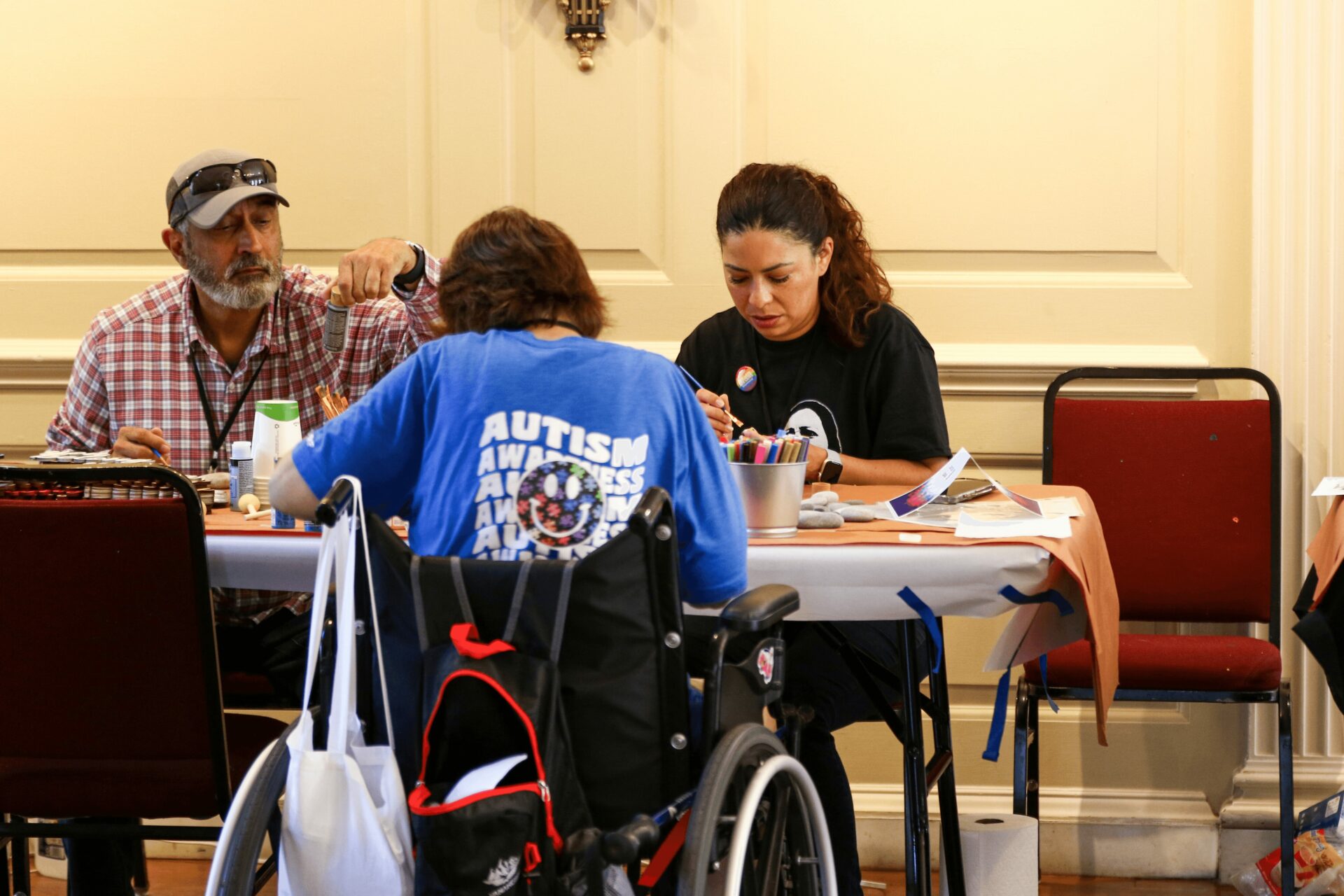
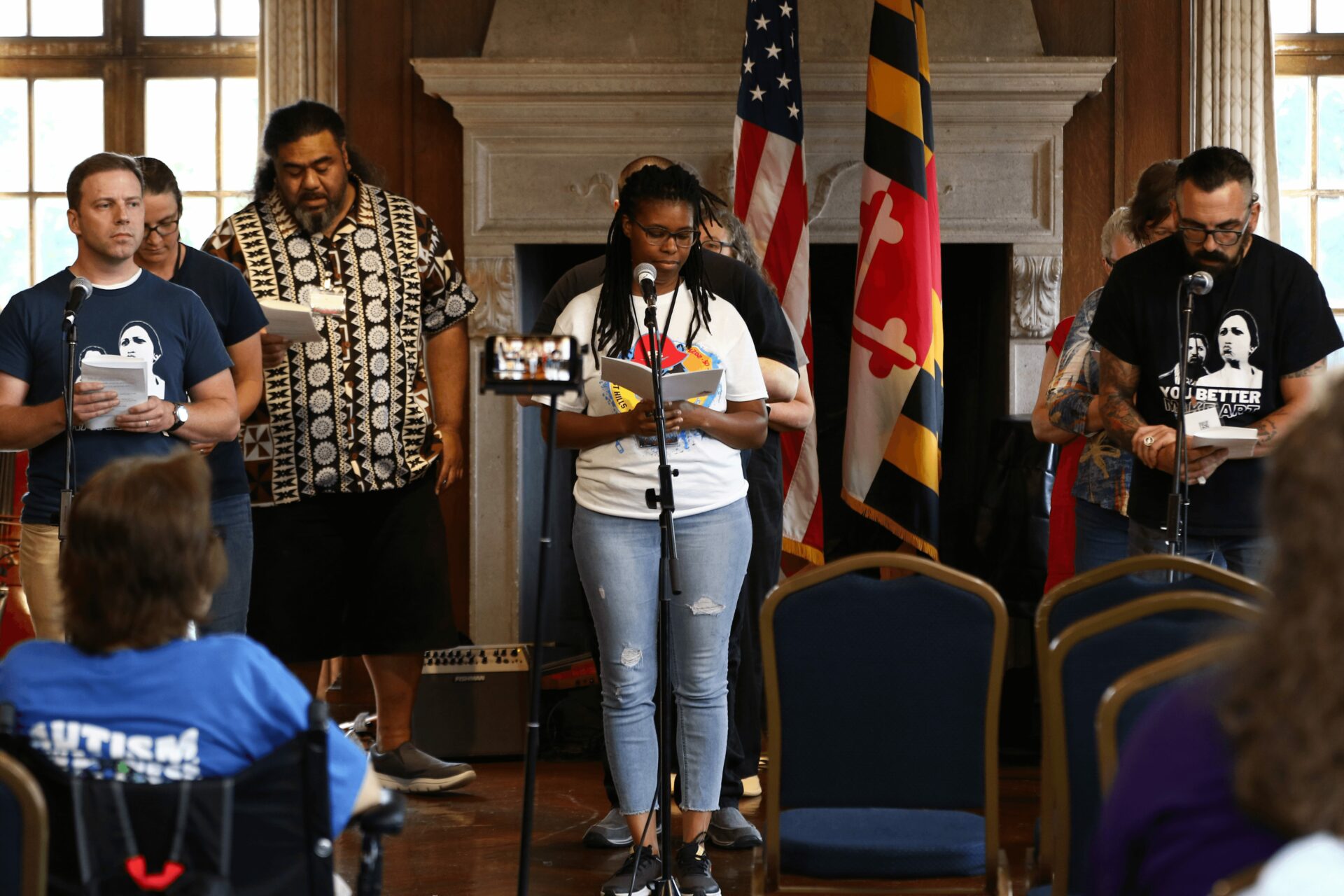
I’m a writer and an artist, and a community builder. 14 years ago I got a job at a military hospital and learned that community is essential to recovery from both physical and emotional injury. I came to understand, with the help of the people I met at Walter Reed Army Medical Center, that at the heart of community is communication, and that at the heart of communication is knowing what it is that you contain. Art and writing are the best tools that I know for figuring out what I contain, and so with a group of military and non-military colleagues, I founded of Community Building Art Works, a non-profit organization that builds bridges between veterans and citizens using the language of creative expression to promote empathy, foster understanding, and build authentic community. We have free and low cost workshops that take place online, and bring people out of isolation and into connection with one another. In the past two years we’ve been studying the work with the help of researchers at the AMES research center at Kennesaw State University, and with partial funding from a suicide prevention grant from the VA. The results are not exactly astonishing–we know that loneliness is so dangerous, and we know that people who find the words to close the gaps between themselves and others feel less lonely–but still somehow it feels miraculous. This old magic that our ancestors invented, poetry and storytelling, sitting in a circle together, is still a salve. It is available to all of us.
Looking back, what do you think were the three qualities, skills, or areas of knowledge that were most impactful in your journey? What advice do you have for folks who are early in their journey in terms of how they can best develop or improve on these?
Willingness to take a risk, commitment to craft, and above all curiosity. At the beginning of my career I poked my head into every open door. I didn’t know how to build this thing, so I took some wrong turns or tried things that didn’t quite work out, and that was okay. It was necessary, but now I’m a little choosier about what I’ll say yes to. But I do think that trying it all out is really essential at the beginning.
I think my own commitment to the craft of writing and art has been absolutely essential to me as a teacher. My curiosity is alive and contagious. I take the teacher’s seat, but I take it with the wonder and uncertainty of a student. In this way, the ‘work’ doesn’t become tedious, and the teaching doesn’t become work. There’s this Aristotle quote I love, “Where the needs of the world and your talents cross, there lies your vocation.” Well the needs of the world evolve, and we must continue to develop our talents and there’s a criss cross pattern that sort of happens as the two merge and separate and merge and separate. Allowing the development of my talents to help me figure out my career path has been so helpful. Get really maniacal about getting good at what you do, but while you’re getting good, don’t stop moving and doing. One informs the other.
Tell us what your ideal client would be like?
We love working with employers who are interested in helping the members of their teams develop fully–individually and together. My ideal clients are leaders who understand that while they spend most of their waking hours working, their employees are more than employees. They are full human beings who take work home and bring home to work. We love when leadership sits in on workshops themselves. If you’re an HR professional or ERG manager and are interested in talking to us, please reach out through our website. www.cbaw.org
Contact Info:
- Website: https://www.cbaw.org
- Instagram: /communitybuildingartworks
- Facebook: https://www.youtube.com/channel/UCexdpMxVGxP1PYCn1FKNvTQ
- Twitter: /cbaw
Image Credits
Sareen Hairabedian and Aqsa Hussain
so if you or someone you know deserves recognition please let us know here.