We’re excited to introduce you to the always interesting and insightful Seth Graye. We hope you’ll enjoy our conversation with Seth below.
Seth, we’ve been so fortunate to work with so many incredible folks and one common thread we have seen is that those who have built amazing lives for themselves are also often the folks who are most generous. Where do you think your generosity comes from?
Growing up, I struggled a lot. Without going into too much detail, I was born very premature with a lot of health complications and my mother tried to commit infanticide against me. Custody of me was given to the state, and I was raised by my great-grandmother. We grew up very poor; The floor in our kitchen was slowly collapsing, the walls were infested with bees to the point that our air conditioning unit would spit their corpses out into the living room and no one was able to adequately clean them up. There were times where we could not afford electricity and our food was sandwiches made from a cooler full of ice.
As a child, this was simply life; not something I had a full grasp of. As I aged into adolescence and adulthood, I have since reflected on the conditions of my upbringing, and continued struggles with money. I was homeless for three years, living in my car.
I say all of this to frame my point; I know what it’s like to have nothing. I know what it is like to *want* and *need* help. That is the source of my generosity. I want to ensure that no one else ever needs help and it is deeply seeded into my person. I simply want no one to ever have to feel how I felt.
One of my friends used the word solicitous to describe me, at the time I didn’t know the word, but upon looking it up, it made me feel really good about myself. To have someone notice that I am the kind of person who will give 110% to anyone, to help them overcome any struggle if I can, where I can. I often say “I just love to help.” and that’s just incredibly honest.
Great, so let’s take a few minutes and cover your story. What should folks know about you and what you do?
Currently, I hold two remote roles that scratch very different itches in my brain.
In my capacity as a virtual office manager, I get the privilege of working with one of the most amazing women I’ve ever met. Helping manage her workload, calm her worries, solve logistical puzzles, and just generally make her workday easy-peasy-lemon-squeezy gives me the warm-and-fuzzies and a real sense of accomplishment. It taps directly into that solicitous part of me that genuinely loves lifting someone’s burdens.
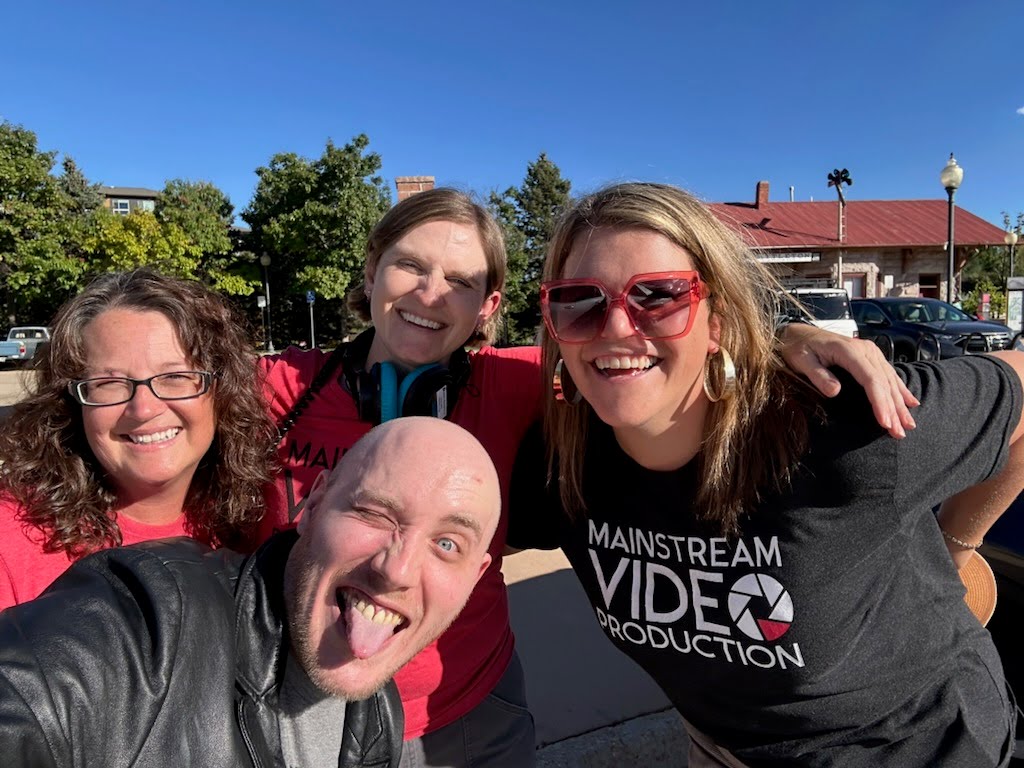
On the other side of my professional life, I serve as the virtual VP of Business, Technical Operations, and Marketing for a Denver-based video production company. That means I juggle everything from back-end project management and accounts receivable to website upkeep, analytics, and tracking the performance of our paid ads. Basically, if it’s behind the scenes and important, I’m probably elbow-deep in it.
Both of these roles fulfill my need to help while offering totally different types of challenges; and as “they” say, variety is the spice of life~
Looking back, what do you think were the three qualities, skills, or areas of knowledge that were most impactful in your journey? What advice do you have for folks who are early in their journey in terms of how they can best develop or improve on these?
1.) Curiosity: As children, humans are profoundly curious because of how little we know about the world around us. As we age, external factors such as becoming accustomed to the world, reduced dopamine, and stress can dampen this portion of our nature. I personally make a conscious effort to keep my mind curious about everything and hold tight to my heart an eagerness to learn. This helps to keep me adaptable and in a state of constant evolution. Knowing that I know nothing helps fuel my hunger to know more.
2.) Empathy: I won’t trauma dump, but life has never been easy for me. From childhood, I have had to be my own advocate and look out for myself. While many people would be hardened, bitter, and jaded (and I’m not saying I’m not at least a little bit), but I have tried to come out of my circumstances with an understanding behind the motives of people’s actions, which some might call a hypervigilance of pre-emptively anticipating others needs. This empathy has helped me to cultivate excellent listening and observation skills to know when a problem may be around the corner, and already be prepared.
3.) Problem-Solving: From the time I absorbed my first ever work of detective fiction, I’ve thrived in trying to solve puzzles. Over the years in my working experience, this has evolved into figuring out logistics, workflows, technical and technical quirks. I like to say that I’m the kind of person who you can give any mess to and I’ll find the shape of it. That skill has functionally shaped my entire career.
Overall, any advice in cultivating these attributes boils down to this:
Humble yourself and understand that you know far less than you think you do. Use that lack of knowledge as an impetus to drive your willingness to genuinely learn. Then take that knowledge and shape it to help overcome any difficulty you come across.
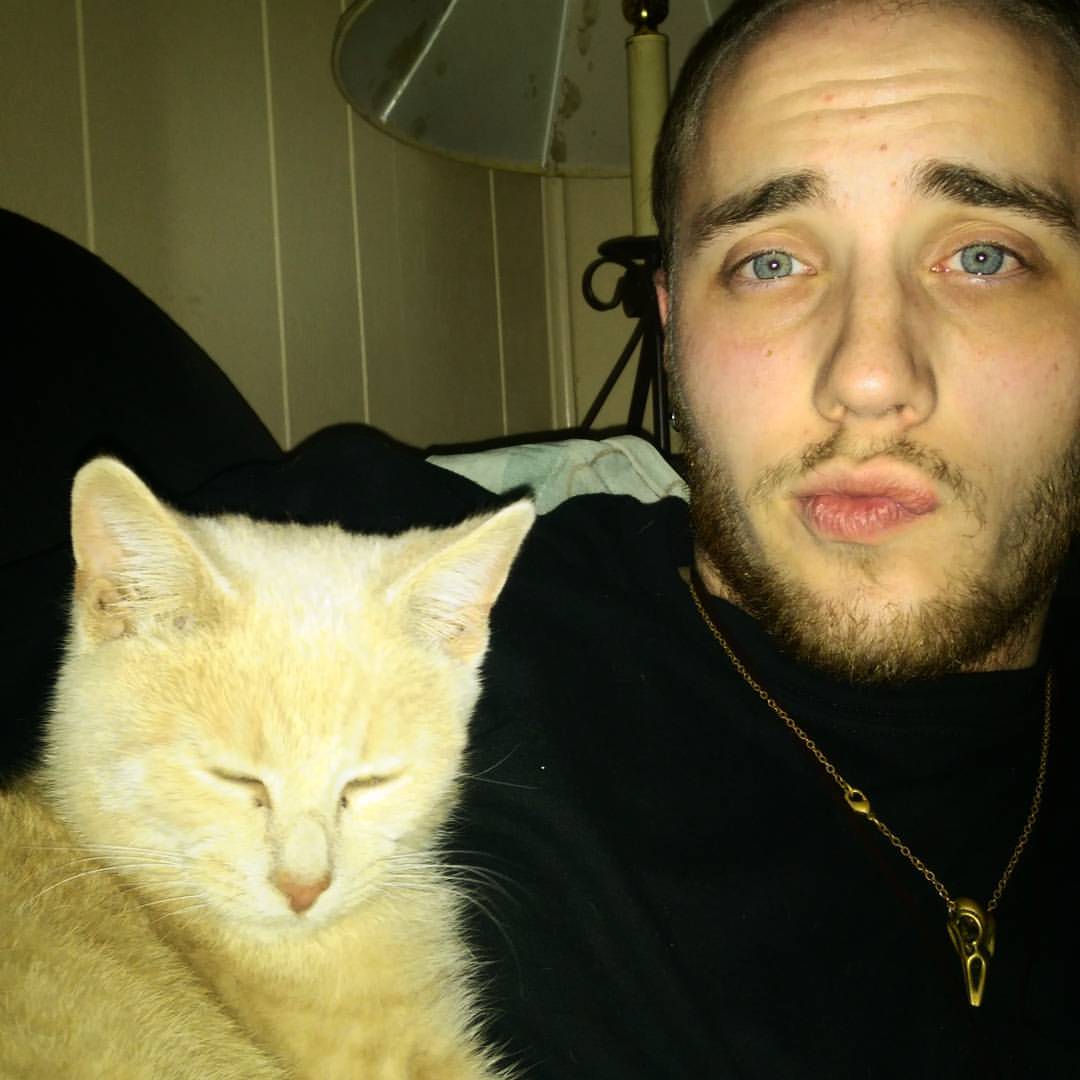
Thanks so much for sharing all these insights with us today. Before we go, is there a book that’s played in important role in your development?
This is an incredibly niche and frankly, nerdy answer, but the most impactful books in my development are a series of 8 Japanese novels: 「うみねこのなく頃に」 or in English, “When the Seagulls Cry”. I’ve already touched on my love of detective fiction, and I would dare call this series the penultimate work of detective fiction. It is both detective fiction, meta commentary on detective fiction, wrapped in a romance of the souls.
I won’t spoil so much, but one of the most impactful things this series helped me to understand (and one of its core messages) is that truth as a concept is ultimately something different from fact, and that understanding people (their motives, their heart, and the internal logic behind their actions) is incredibly complex. This series shaped how I view relationships, how I understand truth, and how I navigate the interstice of where truth and fact overlap/collide.
Without love, it (the truth) cannot be seen.
Contact Info:
- Other: Email: [email protected]
so if you or someone you know deserves recognition please let us know here.