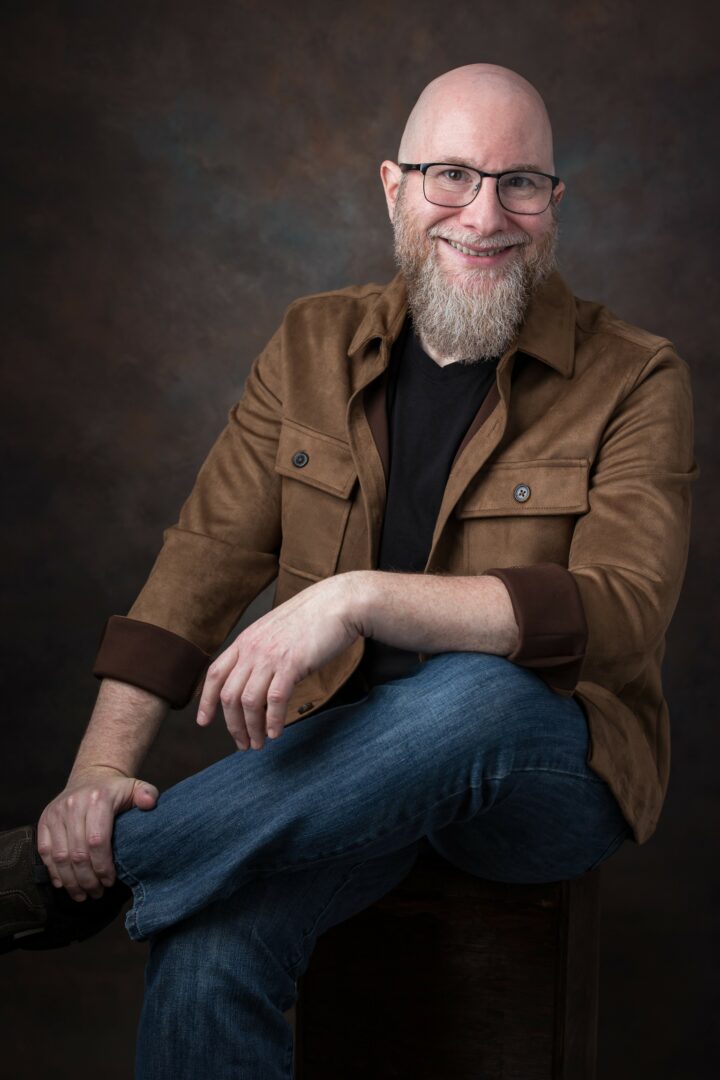
We were lucky to catch up with Seth Kaye recently and have shared our conversation below.
Seth, thank you so much for taking the time to share your lessons learned with us and we’re sure your wisdom will help many. So, one question that comes up often and that we’re hoping you can shed some light on is keeping creativity alive over long stretches – how do you keep your creativity alive?
Creativity is a muscle you have to exercise to keep in shape. As someone who has spent the last three decades immersed in one form of photography or another, like anyone who has had this kind of longevity in a career, there have been times when that muscle had begun to atrophy. It’s through having personal and business goals, as well as an innate sense of curiosity, that, when needed, I’ve been able to massage creativity back to where I need it to be.
Part of that is falling in love with the process. I’ve set a goal for myself to create images I haven’t seen before. I’ve often fallen short of that goal, because it is a high bar, but over the years I’ve occasionally surprised myself. Of course you want a compelling end result to your photographs, but the process of getting there is where I find my personal creativity.
Often that starts with why I’m photographing a particular subject or subject matter, which then segues into the different methods by which I can make a hopefully compelling image. I’ve found that to be a combination of lighting, composition, and unique moments. It’s an embrace of the process, not just the outcome.
The inspiration for these projects can be both self-directed as well as inspired from art or media outside of still photography. Great cinematography, various classical painters, and the narrative visual flow of sequential art have all fed that engine of creativity. Collaboration, too, can be an inspiration for creativity. I’ve sometimes helped newer photographers by critiquing their work, and have given workshops on both lighting and film photography. These projects have served to remind me of the fundamentals, why I do what I do, and encouraged me to view my own work and motivations with fresh eyes.
Finally, I’ve more recently found value in projects outside of still photography. One year ago I started a YouTube channel called “Ask a Wedding Photographer”. With a goal of writing, filming, and editing a weekly video, it’s forced me to stay focused and constantly think of new topics to explore, and find ways to both entertain and educate.
Creativity isn’t something you achieve. It’s a process and a practice. By staying curious, embracing the process, seeking inspiration wherever it might come from, and prioritizing balance in my life, I’ve managed to keep my creativity alive through life’s inevitable and flows. Even after all these years, photography isn’t just my profession, it’s also my passion. It’s my way of seeing the world in novel ways every day.
Appreciate the insights and wisdom. Before we dig deeper and ask you about the skills that matter and more, maybe you can tell our readers about yourself?
Going way back, I attended art school and received a BFA in photography. I then worked as a freelance photojournalist for 15 years photographing news and events throughout New England. At a time when I was growing disenchanted with photojournalism, I accidentally discovered wedding photography. It was something I had no interest in for the longest time, but when the opportunity arose to try it out, I found it to be more interesting, creative, and fun than I anticipated. I started a business based on that, and 20 years later find myself still interested in and fascinated by the field. In more recent years, I’ve added event photography and portraiture to my business so as not to keep all my eggs in the wedding basket.
My career began in the days of film photography, pre-dating the mass adoption of digital capture. When that technology became economically feasible for the general public, I adopted it as soon as I was able. In those days there was no infrastructure or ecosystem for digital photography, so I was part of a generation that made it up as we went along. Services and processes then came along that helped professionals do their job and build businesses.
Because everything old is new again, I’ve more recently introduced film back into my process and what I offer to clients. Truly amazing systems and methods have been developed for digitizing film, so I’m able to incorporate this older technology into an existing modern workflow.
Working on my “Ask a Wedding Photographer” YouTube channel gives me an opportunity to think in depth about why I do some of the things I do, why I do some of the things the way I do them, and talk through some of the subject matter that surrounds photography and the photographic industry. While I do occasionally talk about photography in broader terms, I typically bring each video back to wedding photography since that’s what I know about most.
There is so much advice out there about all the different skills and qualities folks need to develop in order to succeed in today’s highly competitive environment and often it can feel overwhelming. So, if we had to break it down to just the three that matter most, which three skills or qualities would you focus on?
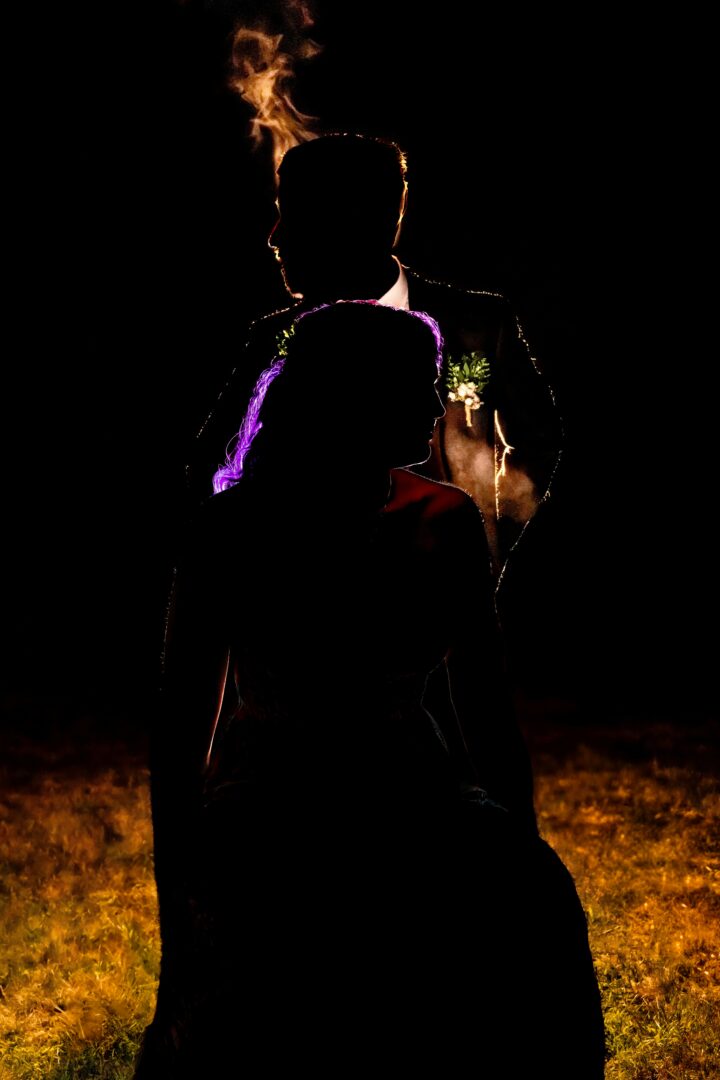
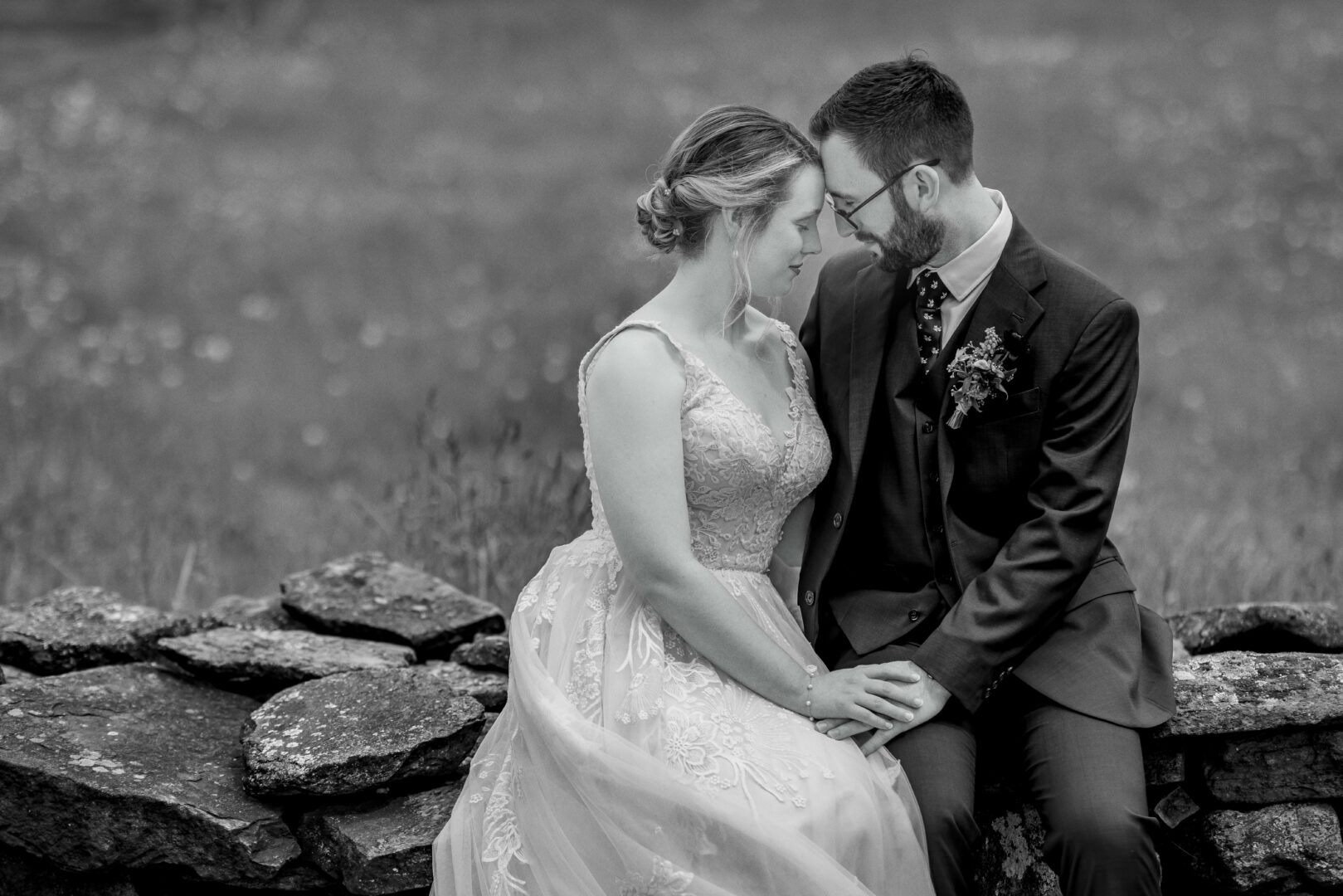
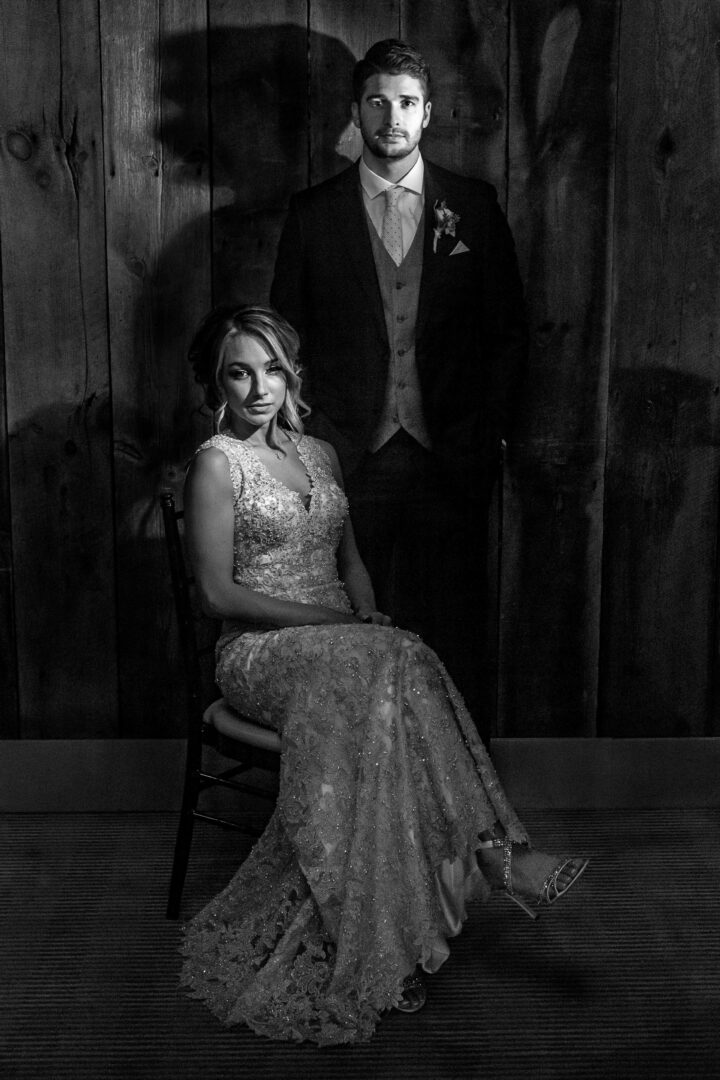
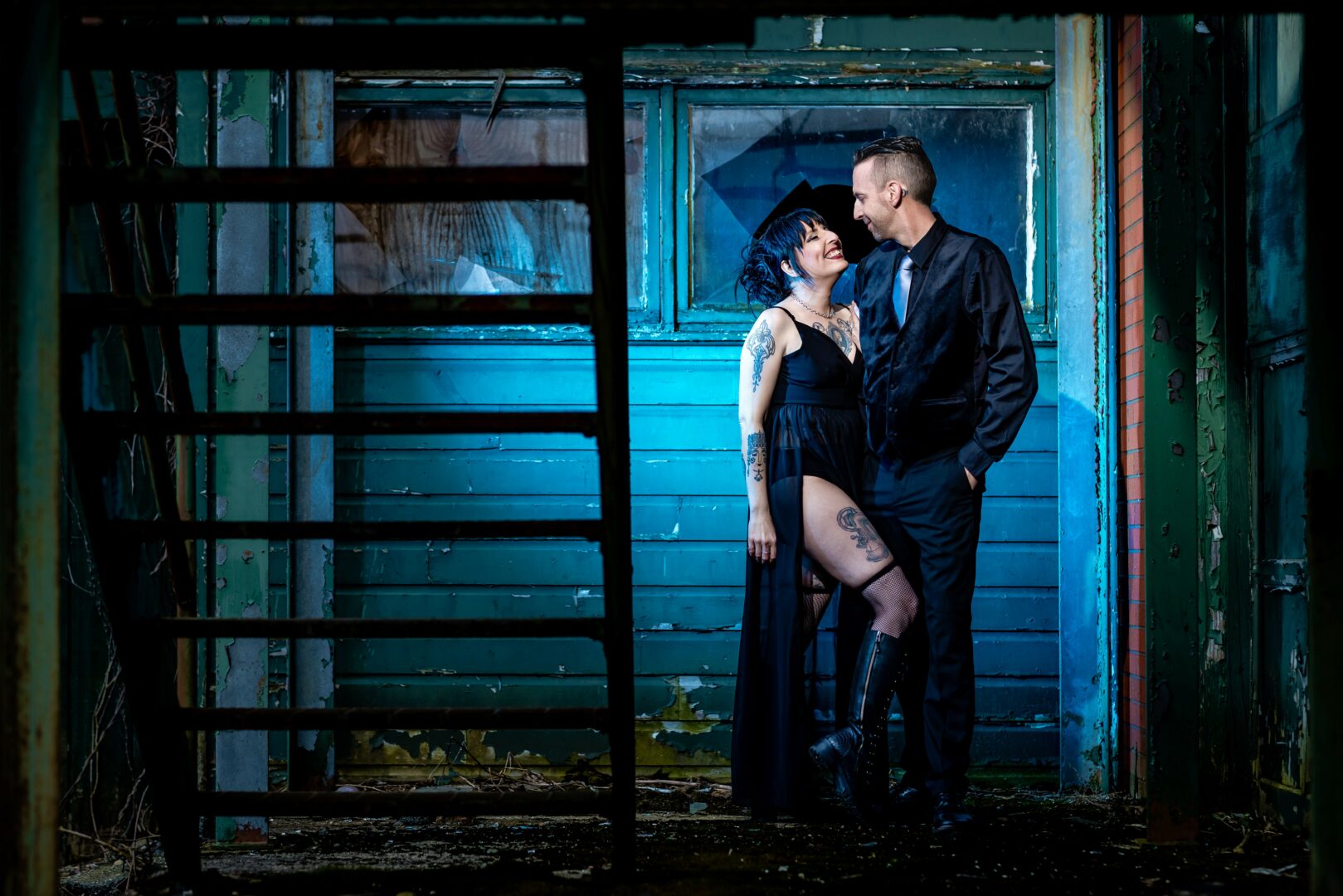
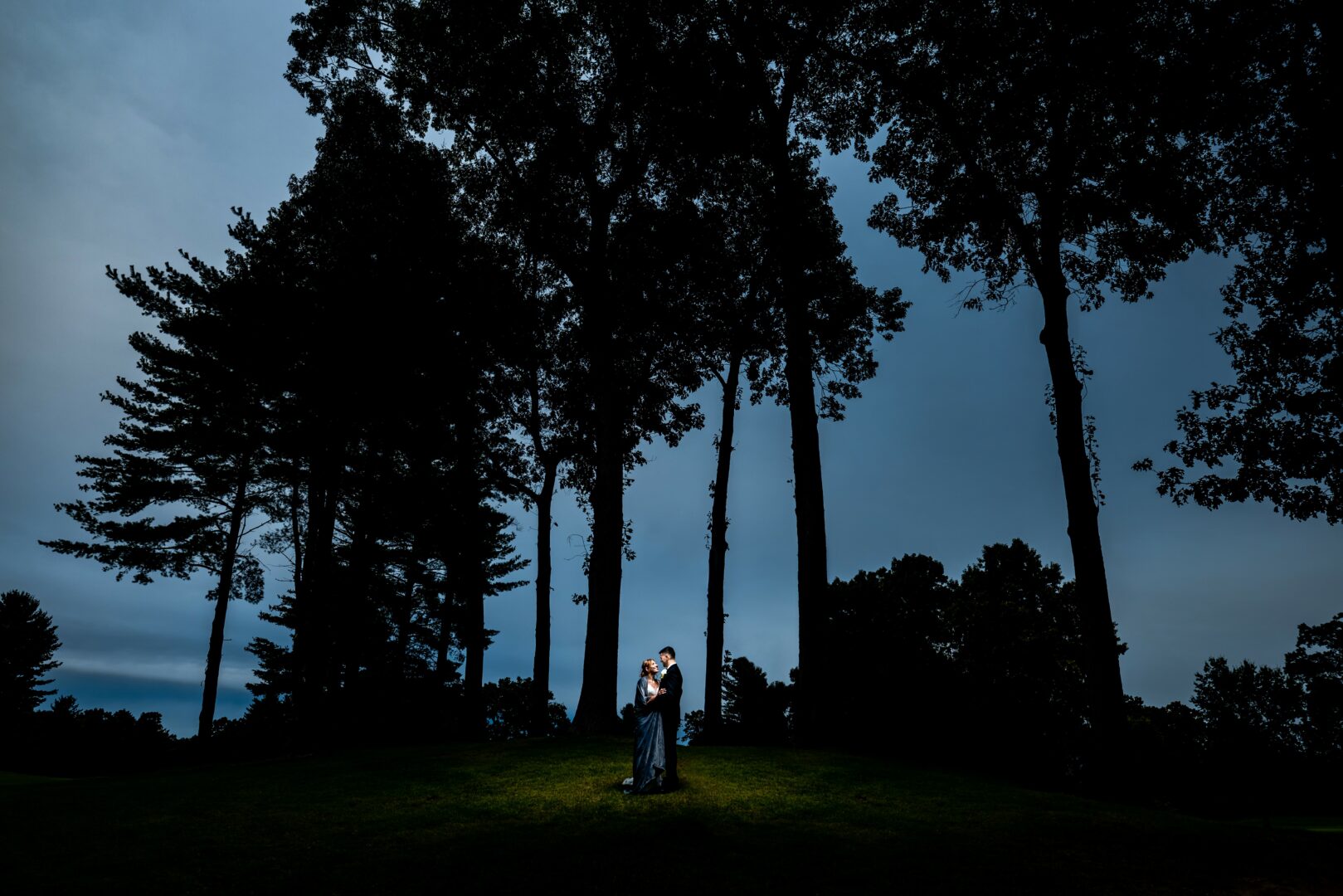
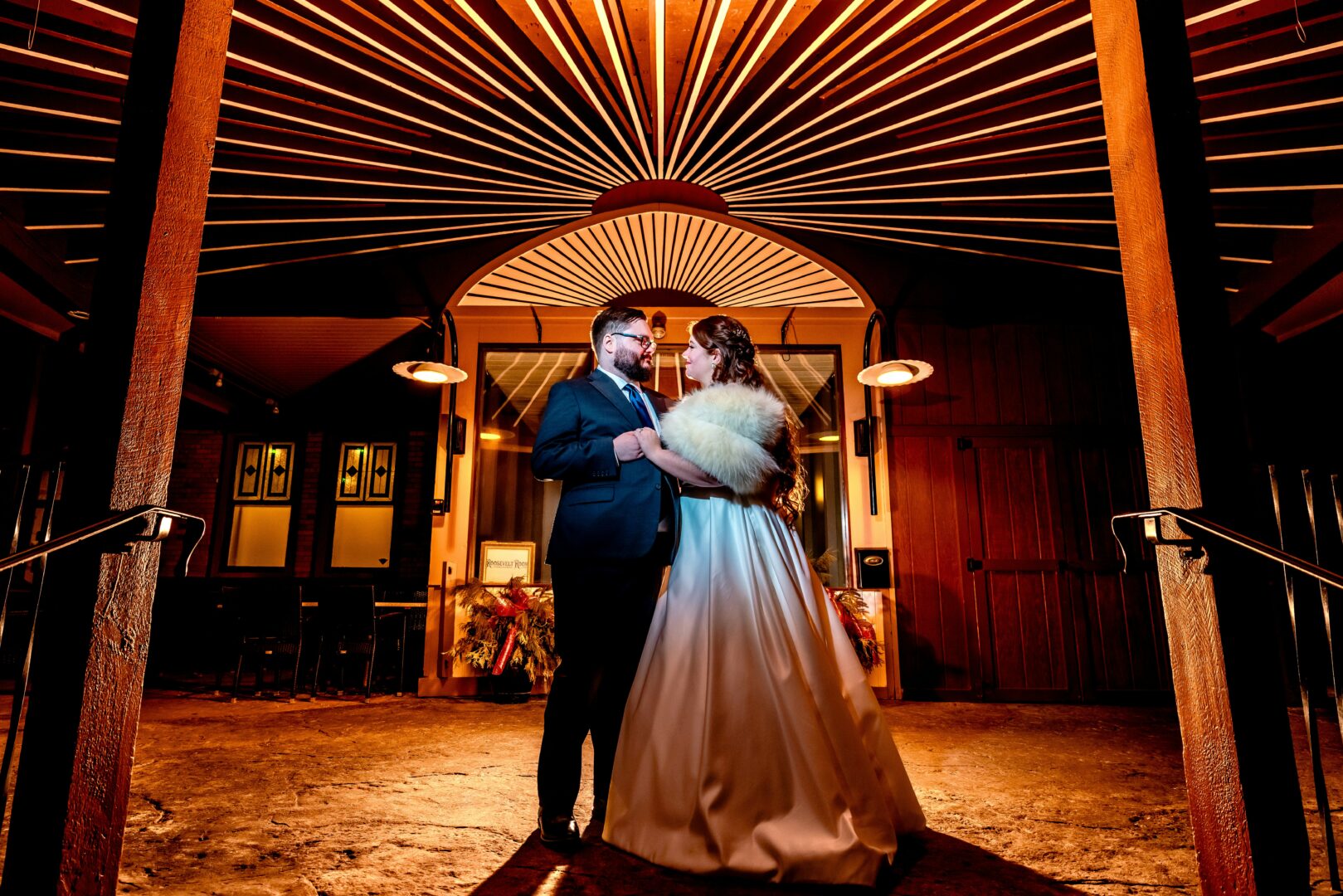
Learning how to shape light was one of the key areas that has allowed me to make the images I do. Where to physically put my lights, modify them, and put myself, my subject, and those lights in relation to one another is a journey I don’t think will ever end. There’s always room for improvement regardless of how happy I may be with the images I’m making now.
Because I have a background in photojournalism, my approach to photography is largely as a documentarian. Anticipating a decisive moment; preceding that moment by putting myself in a location to utilize foreground and background elements to tell the story of that moment; and using ambient or additive lighting to separate my subject from its environment, leading the viewer’s eye where I want it to go within the photograph, is a difficult skill to master, if one ever does.
I wouldn’t be anywhere if not for the generosity of and education by others. I’ve had extremely talented photographers help me in my journey, both with their friendship and in the form of workshops. Very few people have all of the skills on their own, so constantly thinking about my own work and the direction in which I wanted to go, I needed outside education to get there.
I would encourage photographers early in their journey to seek out photographers whose work they admire, and get critiques or take workshops with them. If there’s someone out there whose work you respect whom you can learn from directly, that will help you broaden your own skillset, move your career forward, and help you reach your own personal next level.
As we end our chat, is there a book you can leave people with that’s been meaningful to you and your development?
“Purple Cow” by Seth Godin was a book I read when I was starting my business. It posits the idea that to make an impact and grow your business, you have to stand out from the crowd. The analogy in the book is that if you see a field full of cows, they all look similar. It’s difficult to distinguish one from another. However, if there is a lone purple cow among the herd, that one will get the attention of passers-by, and by extension reap the benefits of being unique. In an attention economy like we have now that’s increasingly difficult to do, but I feel the principle remains strong.
Contact Info:
- Website: https://www.sethkaye.com/
- Instagram: https://www.instagram.com/sethkaye/
- Facebook: https://www.facebook.com/SethKayePhotography
- Youtube: https://www.youtube.com/@AskaWedPhotog
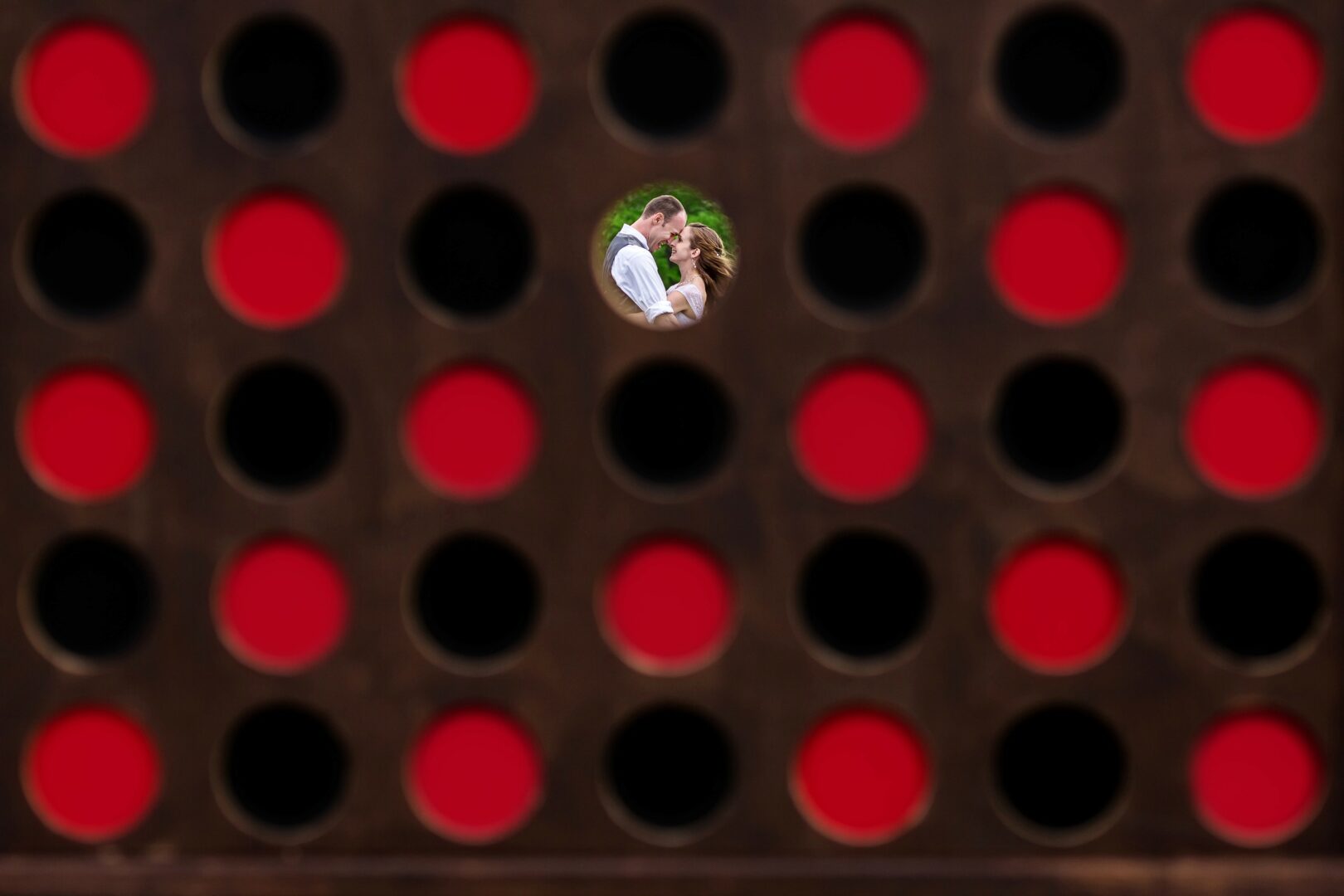
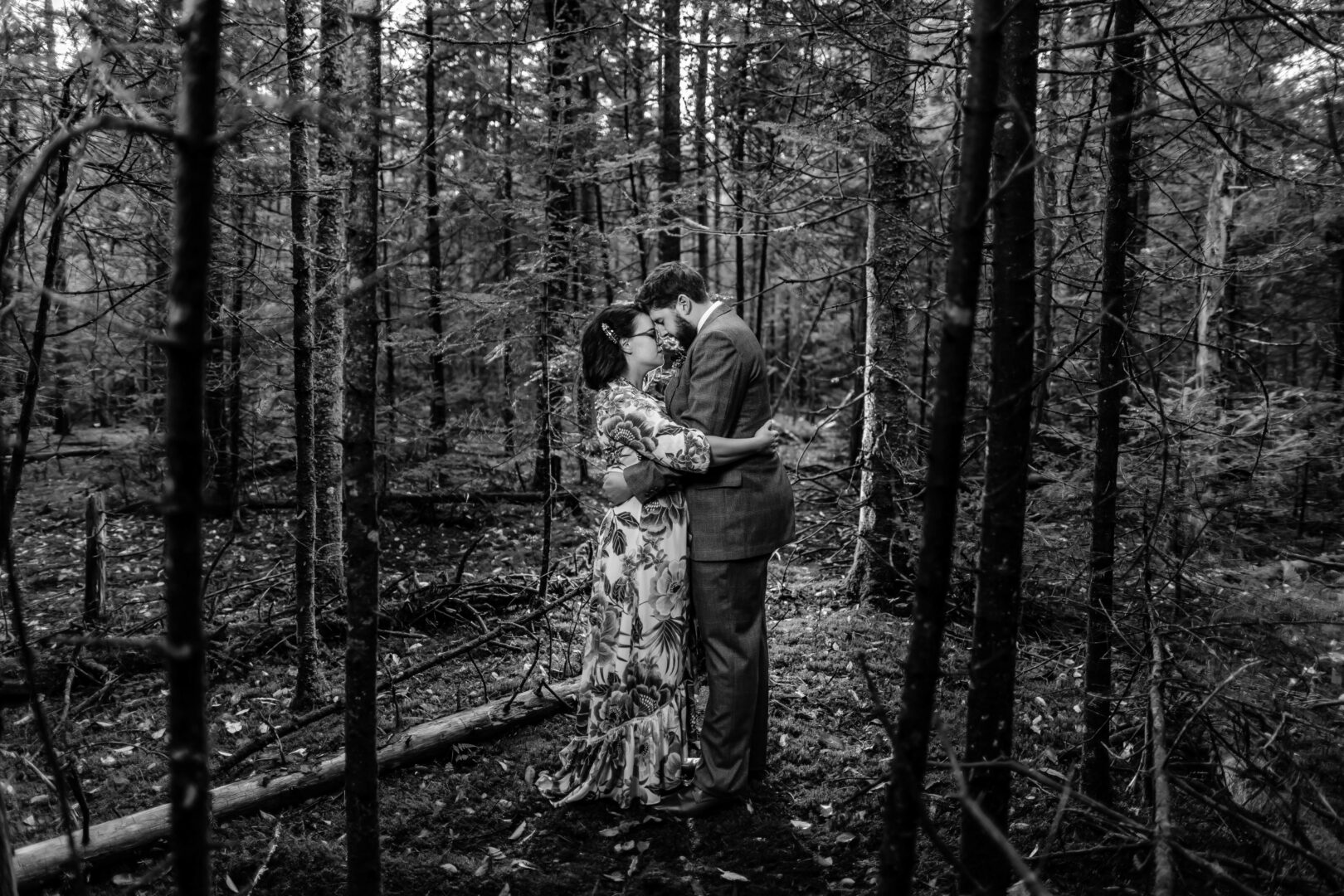
Image Credits
Seth Kaye Photography
so if you or someone you know deserves recognition please let us know here.