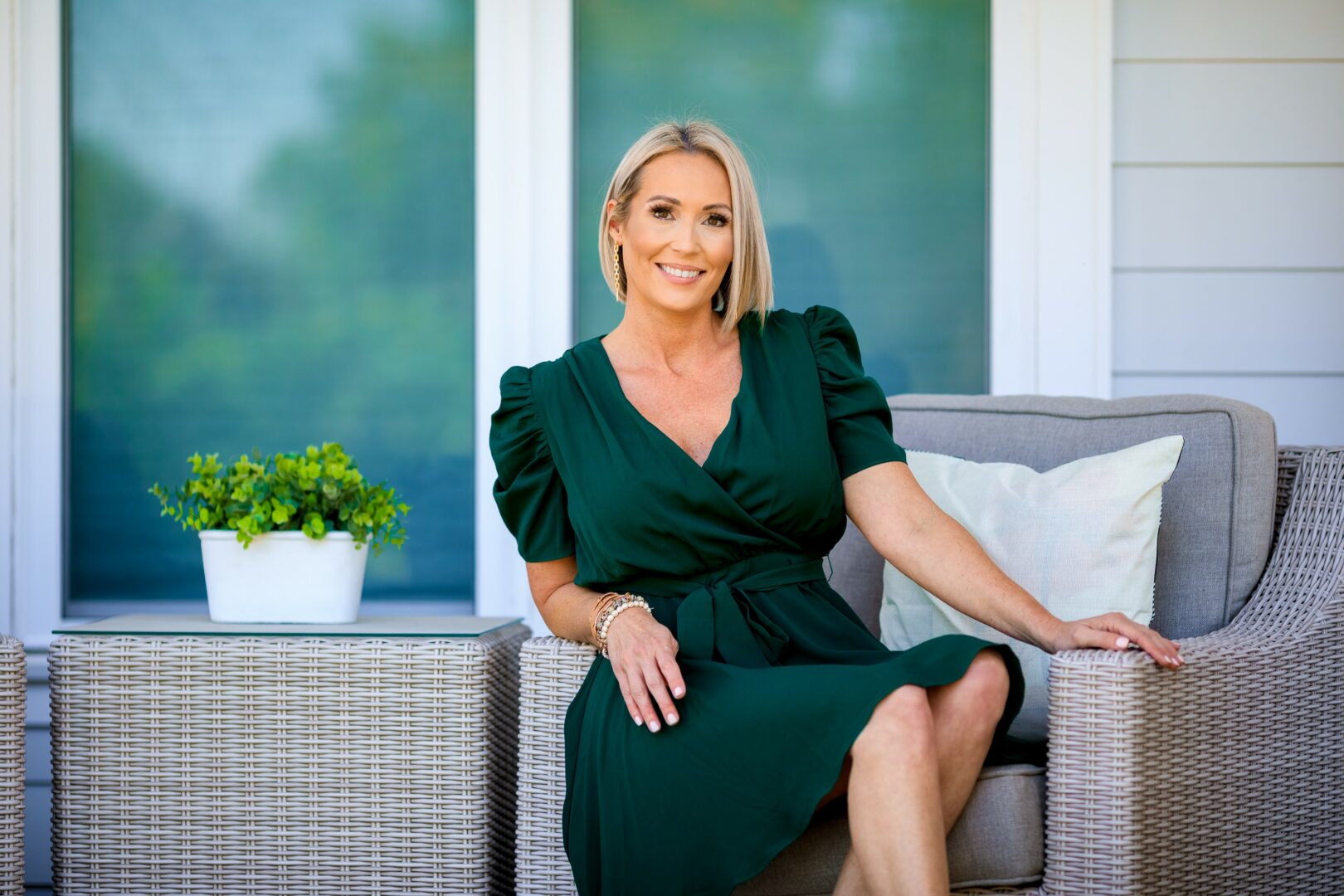
We recently connected with Shannon Chedville and have shared our conversation below.
Shannon, we are so appreciative of you taking the time to open up about the extremely important, albeit personal, topic of mental health. Can you talk to us about your journey and how you were able to overcome the challenges related to mental issues? For readers, please note this is not medical advice, we are not doctors, you should always consult professionals for advice and that this is merely one person sharing their story and experience.
Grief changes you. It shakes the foundation of who you are and leaves you trying to make sense of a world that suddenly feels unrecognizable. When I lost my son Seth to a senseless act of gun violence, my entire existence shifted. These individuals, shot into a crowd of about 75 people and Seth was the only one that lost his life that day. I wasn’t just dealing with grief-I was drowning in it. But through this pain, I’ve learned that persistence isn’t about finding a way out of suffering but rather learning how to move through it.
In the months following Seth’s death, my mental health took a hit in ways I never expected. Anxiety, depression, and an overwhelming sense of hopelessness became daily battles. There were days, and still to this day, where even the smallest tasks felt impossible, and nights when sleep felt like an unattainable escape. Grief can make you feel isolated, even when surrounded by so many people that care, but what made it harder was the realization that life around me didn’t pause. Bills still had to be paid, work still had to be done, my other son still needed his mom, and my husband still needed his wife. Balancing grief, responsibilities, and my own declining mental health felt like carrying a weight I was never meant to hold.
At first, I resisted therapy. I had already been in therapy and was there trying to figure out how to be a better parent and was trying to learn how to start letting go and realize the fact that Seth was growing to a young man, and I can’t keep him forever. Then the unimaginable and my biggest nightmare came true! I thought “No one can fix this!! No one can bring Seth back.” But I quickly learned that therapy wasn’t about fixing – it was about understanding. I learned to sit with my pain instead of running from it. I am learning that grief and healing may be able to coexist. Instead of letting my pain define and drain me, I decided to turn it into a purpose. I dove into psychology, learning about trauma, grief, and mental health. This was one thing for me that ignited a passion to help others, whether through writing, advocacy, or one day speaking to students about mental health.
Seth’s death could have broken me completely, but instead, I chose to honor him. I also plan to work toward a law to ensure stricter accountability for juvenile offenders, inspired by the failures of the justice system in my son’s case as well as so many other families that I have met and heard their heartbreaking stories of the journeys they are on.
If there is one thing, I can share that I learned, it’s that healing isn’t linear. There are still days when grief knocks the wind out of me. But I remind myself that moving forward isn’t the same as forgetting. I tell myself – Keep going! It means showing up, even when it’s hard. It means allowing myself to grieve, but not letting grief define my future.
Mental health struggles don’t come with an easy solution. Healing is messy, painful and often feels impossible. But here I am to say – it is possible. By leaning into support, finding purpose through pain, and allowing ourselves to be human, we can persist through even the darkest moments. If my story can reach just one person who feels lost in their grief, then I know Seth’s legacy lives on-not just in me, but in the hope i can give others.

Appreciate the insights and wisdom. Before we dig deeper and ask you about the skills that matter and more, maybe you can tell our readers about yourself?
Life has taken me down paths I never expected – some filled with success, others with heartbreak. But every step has shaped who I am today- a Realtor/Entrepreneur with a passion for helping others, whether through real estate, business, or mental health advocacy.
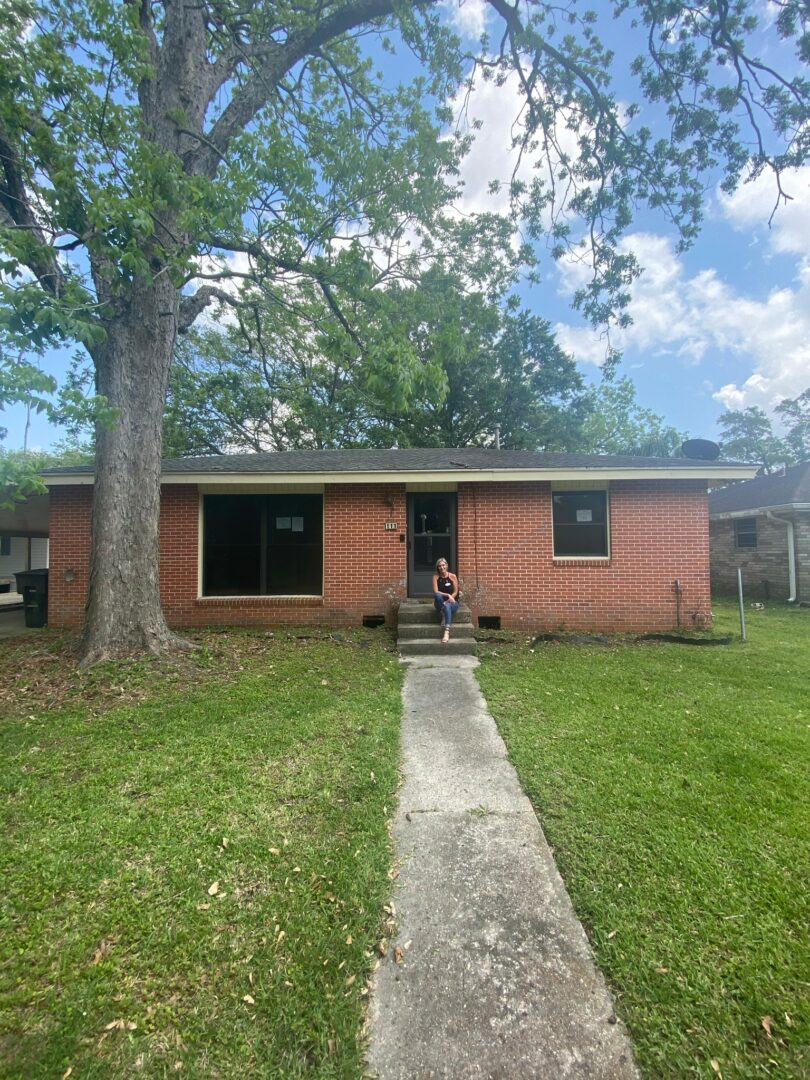
I’ve always been someone who’s willing to take risks, learn new skills, and build something from the ground up. My journey started when I was only 18 years old taking my first job at a Bail Bonds company. Fast forward a couple years and I was a co-owner of a bail business, where I learned firsthand about the justice system, responsibility, and navigating high pressure situations. That experience gave me a deeper understanding of people – especially how life’s circumstances can shape the decisions they make. Over the years, I’ve also worked in different jobs like accounting, worked for a title company, completed massage therapy school and worked as a therapist, and ultimately found my way into real estate. Each of these experiences shaped the way I do business today – balancing numbers, understanding human behavior, and always looking for ways to grow. Today, I’m a full time Realtor and property investor, managing multiple rental properties and a short-term vacation rental (ShandyLand, in Port Sulphur LA). I love the challenge of finding creative ways to market properties, adapt to market shifts, and help clients find the right opportunities – whether buying, selling, or leasing. What sets me apart is that I bring real-life experience, resilience, and authenticity to everything I do. Whether it’s in real estate, business, or advocacy, I believe in transparency, honesty, and truly showing up for people. I also understand that mental health is the foundation to everything – life, business, success, relationships, personal growth. If there’s one thing, I want people to take away, it’s this: you are stronger than you think. No matter what life throws at you, you have the power to turn adversity into something meaningful. That’s exactly what I’m doing, and I hope to inspire others to do the same.

If you had to pick three qualities that are most important to develop, which three would you say matter most?
Looking back, there are three key qualities and skills that have been most impactful in my journey – through business, loss, and personal growth. These are not things I was born with but developed through experiences and I believe anyone can cultivate them to build resilience and success in their own lives. Life doesn’t move in a straight line. I’ve worn may hats – bail bond business owner, massage therapist, realtor, real estate investor, accounting, marketing, and mental health advocate. Each pivot requires me to adapt quickly, learn new skills, and embrace change that than fear it. For anyone early in their journey, understand that no path is permanent. The best way to develop adaptability is to stay curious and open to learning. Take on challenges that make you uncomfortable, try new things, see setbacks as redirections rather than failures. Nothing tests resilience like grief. Losing my son Seth could have shattered me completely, but I am making the choice to keep going, even when it feels impossible. The ability to get back up, even after the hardest days, has been the foundation of everything I’ve built since. Resilience isn’t about “toughing it out” alone-it’s about acknowledging pain, asking for help, and finding purpose in the struggle. Build emotional resilience by developing strong coping mechanisms, surrounding yourself with supportive people, and remember that healing is not linear. Owning a business taught me about the legal system and high-pressure decision making. Working in accounting gave me financial literacy. Real Estate showed me how to turn investments into long-term wealth. Every business move I’ve made – from rental properties to Airbnb- has been a result of understanding how money works and how to create opportunities. No matter what career you’re in, learn the business side of things. Financial literacy is key to long-term success. Read about investments, track your money, and don’t be afraid to take calculated risks. Even if you’re working a 9-to-5, start thinking about ways to build assets that work for you over time.
I would like to leave with these final thoughts. If I can give one piece of advice to anyone starting their journey, it would be this: KEEP GOING. Success, healing, and growth don’t happen overnight. Stay adaptable, build resilience, and always keep learning – because the strongest people aren’t the ones that never struggle, but the ones who refuse to quit.
What would you advise – going all in on your strengths or investing on areas where you aren’t as strong to be more well-rounded?
I’ve lived enough life to know that there’s no single right answer-but if I had to choose, I’d say it’s best to go all in on your strengths while staying aware of your weaknesses. Your strengths are your Superpower. The things that you’re naturally good at-the skills, instincts, qualities that set you apart- are what will propel you forward the fastest. For me, I’ve always has a sharp business mind and a natural ability to connect with people. That’s why I was able to run a successful bail bond business, pivot into real estate, and build multiple income streams through rental properties. Had I spent all my energy trying to force myself into skills that don’t come naturally (like, say, becoming an ultra-detailed numbers person), I might have stalled my own growth instead of accelerating it. Instead, I leaned into my strengths-strategy, people skills, and adaptability- and built businesses around them. Double down on what you do best. That’s where your greatest impact and success will come from.
While I believe in focusing on strengths, I also know that some weaknesses can limit your potential if you don’t at least improve them enough to get by. For example, when I started my real estate career, I had a strong entrepreneurial mindset, but I wasn’t as tech-savvy or into social media marketing. I could’ve ignored it and stuck to traditional word or mouth, but I knew that would hurt my ability to grow. So, instead of trying to become a marketing expert, I learned just enough to leverage the tools I needed, hired professionals for the rest, and kept my focus on what I do best – building relationships and closing deals. You don’t have to master your weaknesses – just improve them enough that they don’t slow you down.
Personal Growth comes from stepping out your comfort zones. There’s a difference between working on a weakness and challenging yourself to grow. Some of the best things I’ve ever done recently was diving into Psychology and the science behind how our brain and emotions work, pushing myself to advocate for juvenile justice reform, even taking this interview-have forced me out of my comfort zone. Grief, for example, has made me more patient, more empathetic, and more aware of mental health in ways I never would have prioritized before. I wouldn’t call emotional vulnerability a “strength” I had before, but I am working on it because I know it’s necessary- not just for me, but for the impact I want to make. Growth happens when you lean into challenges, not just strengths.
If you’re early in your journey, my advice is this: play to your strengths, improve weaknesses that could hold you back, and never stop challenging yourself. Success isn’t about being well-rounded, it’s about knowing what you bring to the table and making sure nothing stops you from using it. At the end of the day, the most important thing is to KEEP GOING – because every step you take, whether in your strengths and struggles, is leading you somewhere bigger than you can imagine.
Contact Info:
so if you or someone you know deserves recognition please let us know here.