We were lucky to catch up with Shino Saito recently and have shared our conversation below.
Hi Shino, really happy you were able to join us today and we’re looking forward to sharing your story and insights with our readers. Let’s start with the heart of it all – purpose. How did you find your purpose?
For me, finding my purpose was not about deciding what I wanted to do and then taking action. Instead, it often started with a necessity that led to action. For instance, when my child was an infant, they had allergies, so I needed to prepare meals that everyone in the family could eat. That’s how I became interested in cooking. Later, I started a blog, and when I was featured in a media interview, I was introduced as a “cooking researcher,” which led to the opportunity to publish my first book. Since then, new projects have naturally brought more work my way.
Initially, my purpose was to create meals my child could eat until their allergies improved. Allergies can lead to nutritional imbalances, so I tried to find ways to compensate with other ingredients. I also made special packed lunches that resembled school meals so my child could enjoy lunchtime just like the other kids. Through this experience, I began sharing my recipes and ideas on my blog, which gradually attracted more readers and led to opportunities to contribute recipes to magazines, books, television, and radio. Over ten years in Japan, I published ten books. Fortunately, my child has completely recovered from their allergies.
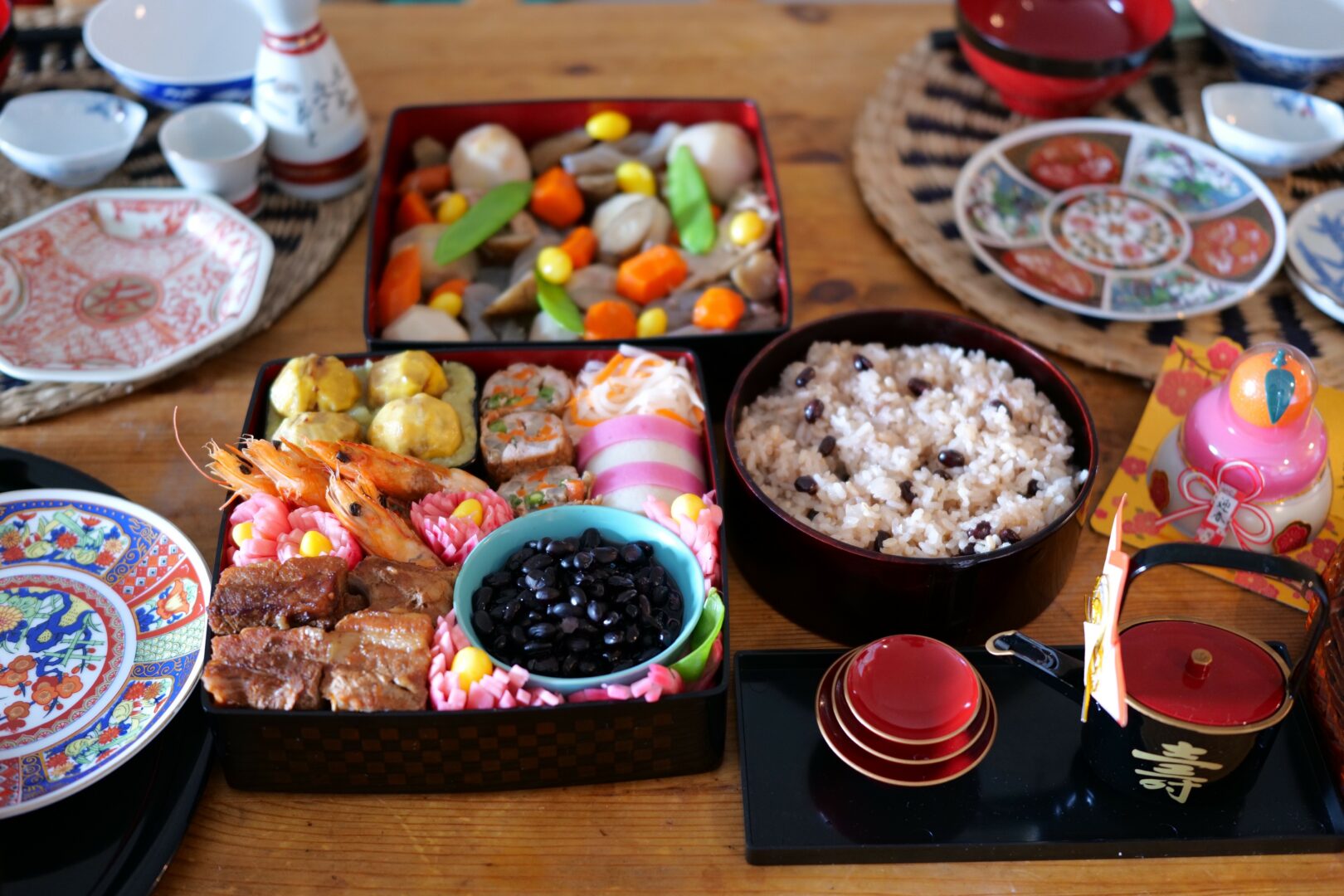
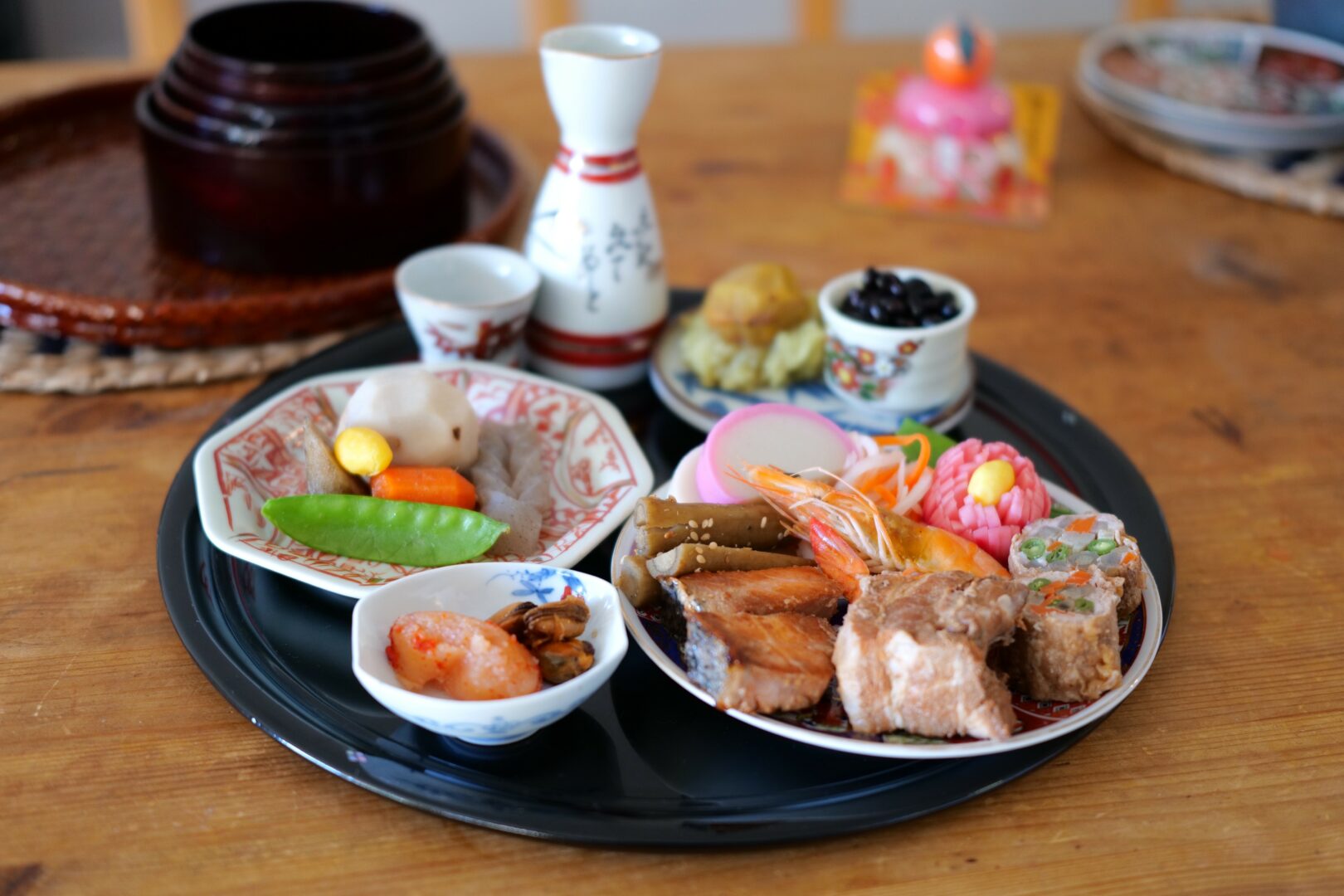
Since moving to the United States in 2018, my new mission has been to share how to make Japanese home cooking using ingredients readily available here. While I cook a variety of cuisines every day, including Japanese, Western, Chinese, Mexican, Thai, and Korean dishes, I also continue to make traditional Japanese foods like osechi ryori (New Year’s food) every year. Despite fewer people in Japan making it from scratch these days, I prepare everything by hand. For example, I make kuri kinton (candied chestnuts and mashed sweet potatoes), using roasted sweet potatoes as a base instead of too much sugar. Even when some ingredients are hard to find in the U.S., I find substitutes and create authentic dishes. Although osechi ryori may seem complicated, it’s surprisingly simple and showcases the fundamentals of Japanese cooking. I believe it’s an excellent way to share Japanese food culture. This is how I usually find my purpose—from responding to needs.
Thanks for sharing that. So, before we get any further into our conversation, can you tell our readers a bit about yourself and what you’re working on?
My work is not just about creating recipes. A significant part of my role involves providing recipes tailored to requests from media and publishers. In Japan, I published ten books and contributed to magazines, television, and radio, introducing healthy meals and vegetarian cooking.
Since moving to the U.S., I’ve gradually expanded my activities despite visa restrictions, participating in community events and media features. For instance, I was featured in Japan Up Magazine in Los Angeles with a special recipe column and have won several cooking contests. My future goal is to introduce simple and healthy Japanese cuisine to the American audience.
In my daily life, I contribute meals to my church’s gospel choir rehearsals every week. One memorable experience was when they enjoyed my cooking so much that they prepared the same dish for me on another occasion. It was a heartwarming moment that demonstrated how food can bring people closer together.
The photo shows a Christmas dinner event at the church, where I made hambagu (Japanese-style hamburger steak), a popular home-cooked dish in Japan. My version incorporates plenty of vegetables, making it perfect for children who might not like vegetables otherwise. I also participated in a New Year’s mochi-pounding event with the local community, sharing Japanese culture. While many Americans associate mochi with sweet desserts like ice cream wrapped in mochi, in Japan, it’s a special dish eaten during celebrations like New Year’s. I helped children shape freshly pounded mochi and wore a traditional kimono for the event, which was a delightful experience. Through food, I’m gradually building connections within the community and look forward to continuing to share Japanese home cooking and healthy food culture here in the U.S.
If you had to pick three qualities that are most important to develop, which three would you say matter most?
The three qualities I consider most important in my career are flexibility, empathy, and planning skills.
Flexibility:
As a recipe developer, it’s essential to adapt to the needs of clients. For example, creating recipes that align with seasonal ingredients or target demographics is crucial. Whether it’s using seasonal produce for magazines or designing year-round recipes for appliance manuals, understanding these nuances is key. In addition to recipe creation, I often handle food styling and writing, so flexibility in understanding the client’s needs is vital.
Empathy:
When creating meals, I prioritize the perspective of the people who will eat them. My goal is not just to make delicious food but to strengthen family bonds through heartfelt recipes. I aim to create meals that bring smiles to everyone at the table, regardless of dietary restrictions or preferences.
Planning Skills:
The publishing industry often works on tight schedules, so careful planning is crucial. I write out schedules in advance, share them with collaborators, and ensure I leave room for adjustments, which leads to successful outcomes. For example, I’ve handled requests to create multiple recipes within a few weeks. To manage such tasks, I maintain a library of diverse recipes that I can adapt as needed.
These qualities have been instrumental in my career and will continue to serve me well as I expand my activities in the U.S., building connections with the local community while responding to its unique needs.
Is there a particular challenge you are currently facing?
My biggest challenge right now is preparing to fully restart my career in the U.S. Since moving here, my activities were limited due to visa restrictions and focusing on my family’s adjustment. However, I’ve come to appreciate that period and have been gradually working on what I can. One of the biggest obstacles I face is time management. With so many responsibilities, it’s been difficult to dedicate enough time to promote myself, update my website, or engage in other marketing activities.
To overcome this, I’m taking smaller steps. I’ve been using platforms like Instagram and YouTube to share my recipes and passion for cooking. I also participate in local events and volunteer activities to strengthen my connections within the community. Additionally, I am learning more about American food culture and ways to make Japanese home cooking more accessible here. In the future, I hope to contribute recipes to magazines or publish books, just as I did in Japan.
While I still face some challenges, I’m confident that these efforts will help me establish a stronger presence in the U.S. and restart my career.
Contact Info:
- Website: https://shinosaito.com/
- Instagram: https://www.instagram.com/shinosaito_japan/
- Youtube: https://www.youtube.com/channel/UCKoUvJRicXhBa6nZOwlw4Rw
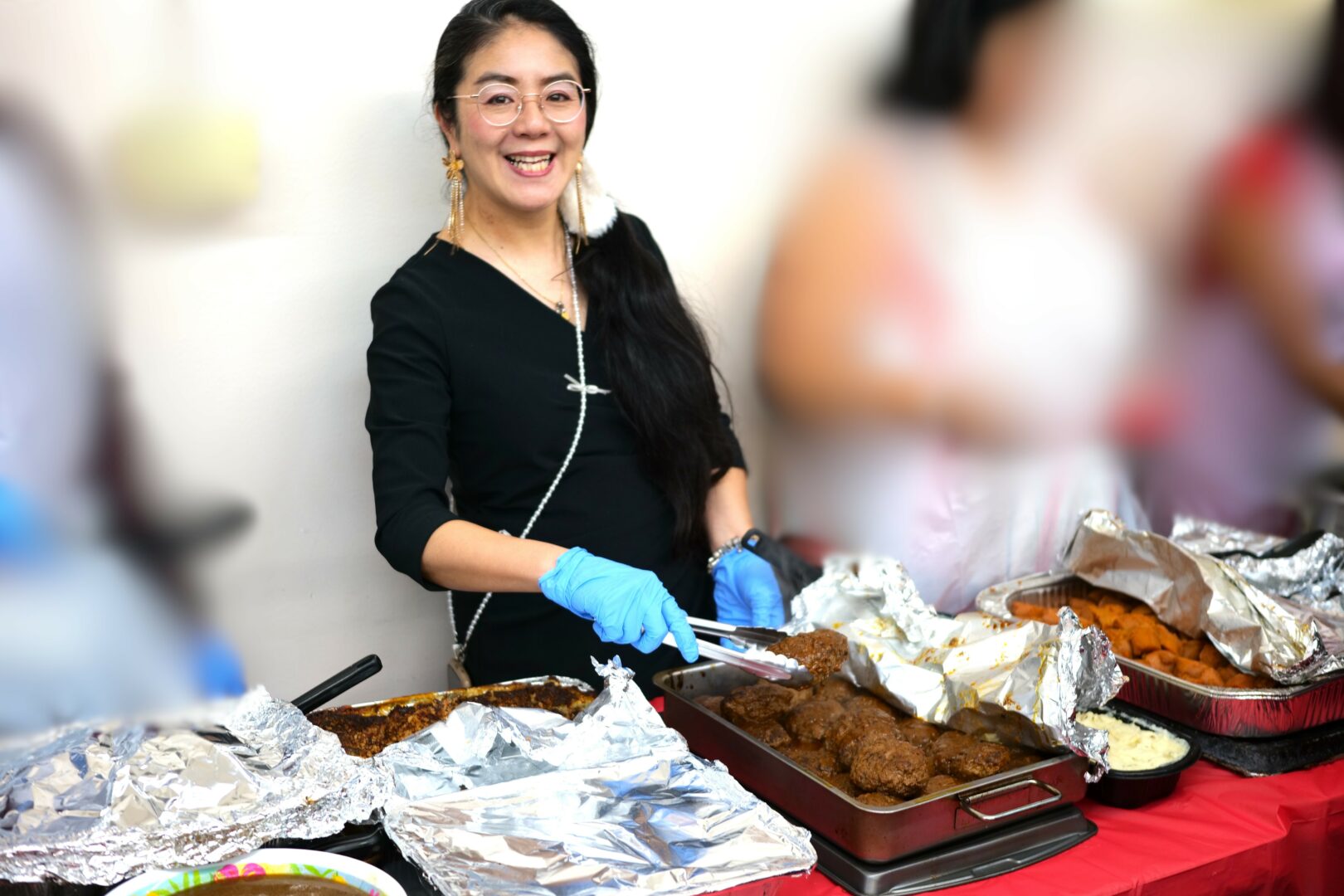
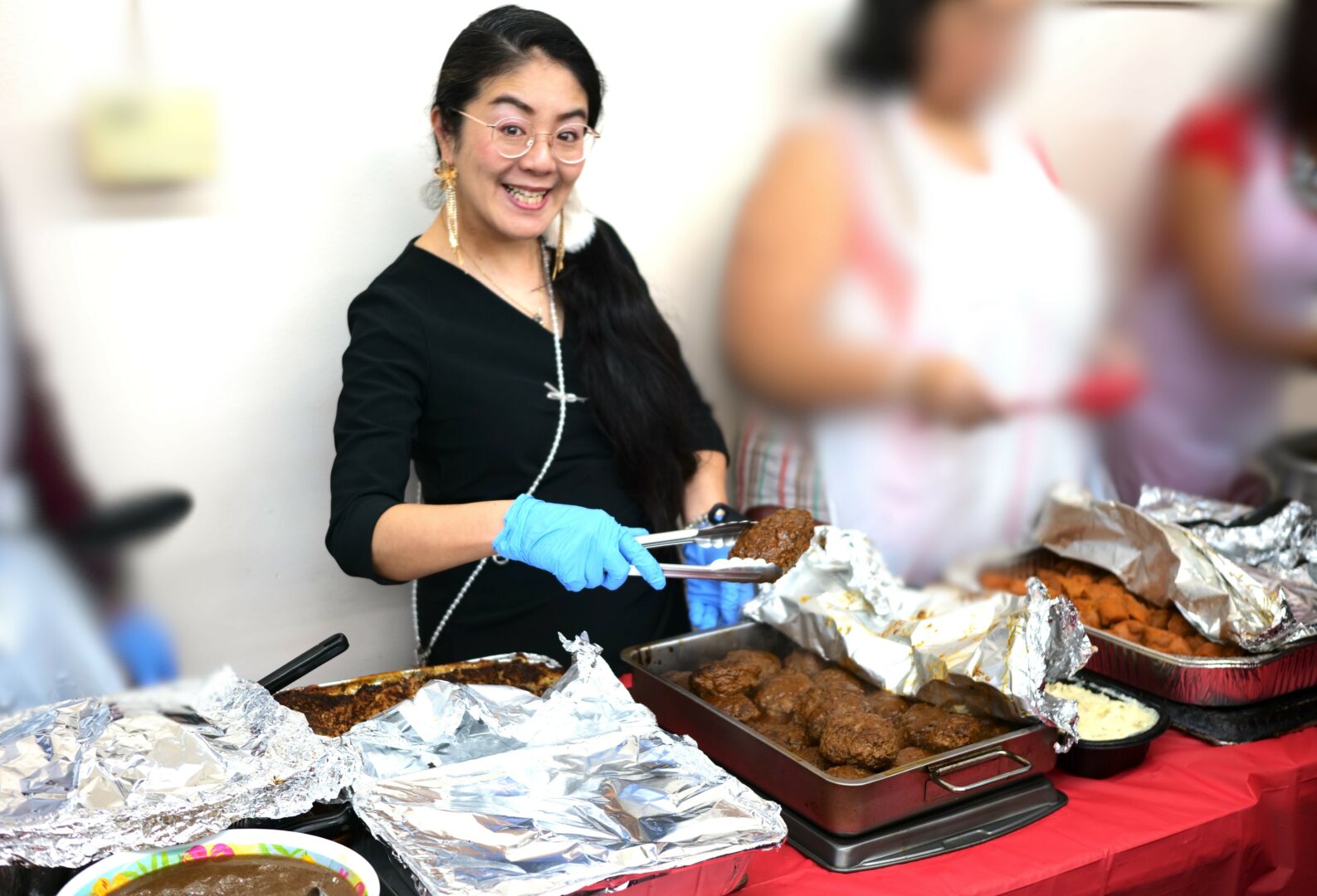
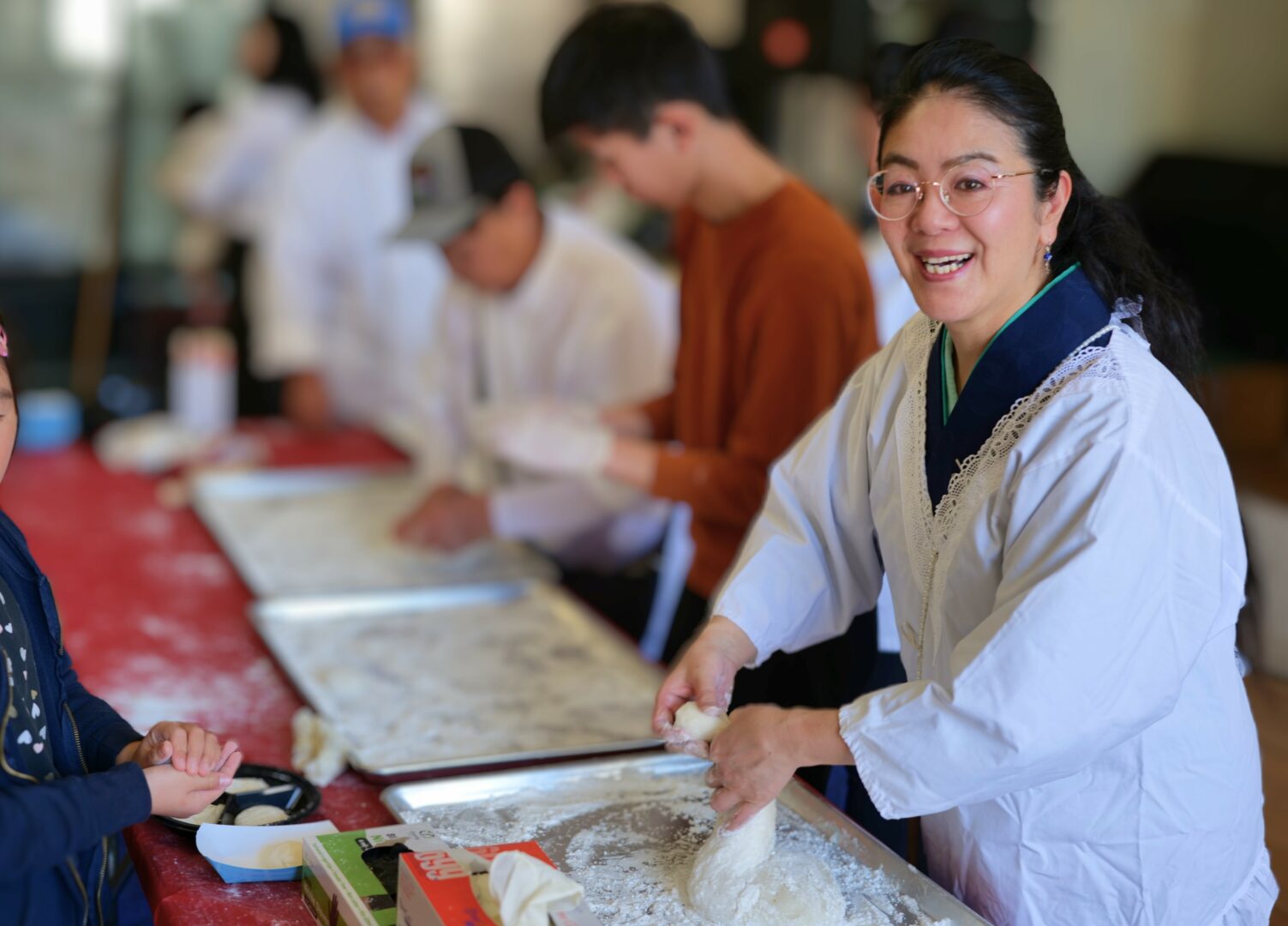
Image Credits
Photo 1,2,3,4 (All food photos) are by Shino Saito
Photo 5,6,7 (All portrait photos) and the personal photo are taken by my husband and friend , so no need to add Credits.
so if you or someone you know deserves recognition please let us know here.