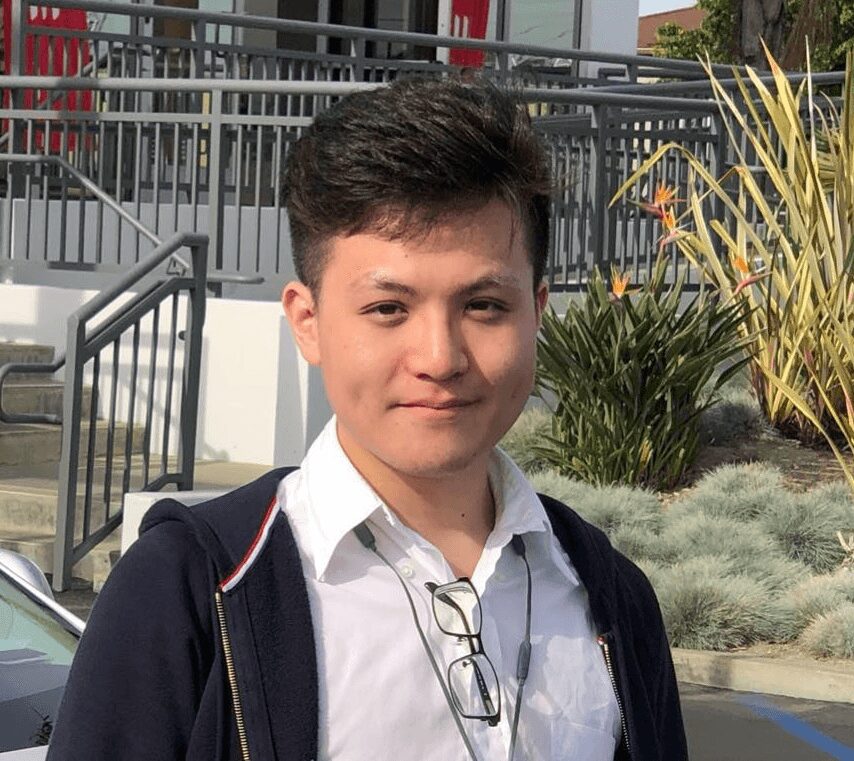
We were lucky to catch up with Shixuan(Chris) Ma recently and have shared our conversation below.
Shixuan(Chris), so excited to have you with us today. So much we can chat about, but one of the questions we are most interested in is how you have managed to keep your creativity alive.
I keep my creativity alive through a combination of research, education, and a systematic approach to game design. Early in my career, I conducted case studies of famous game directors who initially achieved blockbuster success but later struggled to maintain their reputation with sequels. I discovered that many of these directors relied heavily on their instincts rather than a structured creative process, which often led to inconsistent results.
To avoid this pitfall, I enrolled in the USC School of Cinematic Arts Game Design program, the top-ranked game design program in the world. There, I systematically studied methodologies for consistently creating outstanding work. One of the key outcomes of my education was the development of my own methodology, which I call “Research Driven Design.”
Research Driven Design emphasizes the importance of understanding and achieving experience goals in game design. Instead of relying on subconscious creativity, this approach advocates for thorough research to inform the creative process. Here are the key components of my methodology:
Experience Goals: Central to Research Driven Design is the focus on experience goals—the specific experiences that the game aims to deliver to players. Understanding these goals deeply is essential for developing mechanics, stories, and art that resonate with players.
First-Hand Experience: I prioritize gaining first-hand experiences related to the game’s themes. For example, if designing a game involving climbing, I might take climbing lessons to understand the physical and emotional aspects of the activity. First-hand experiences provide authentic and detailed insights that are invaluable for creating realistic and engaging game elements.
Second-Hand Experience: When first-hand experience is not feasible, I turn to second-hand experiences. This involves researching through documentaries, books, interviews, and other sources that provide indirect insights. Although not as impactful as first-hand experiences, second-hand experiences still offer valuable perspectives and details.
Avoiding Third-Hand Experience Reliance: While it’s important to be aware of other games in the market, relying solely on third-hand experiences—those derived from playing other games—can lead to unoriginal and derivative content. Instead, I use third-hand experiences to understand market trends and player expectations, ensuring my designs remain innovative and unique.
By employing Research Driven Design, I ensure that my creativity is continually fueled by genuine understanding and fresh perspectives. This method allows me to produce work that is both innovative and rooted in real experiences, setting my games apart in a competitive industry.

Let’s take a small detour – maybe you can share a bit about yourself before we dive back into some of the other questions we had for you?
From an early age, I harbored a passion for robotics, dreaming of revolutionizing the world with humanoid home robots. This ambition drove me to participate in robotics competitions, earning multiple awards throughout my middle and high school years. However, a conversation with a robotics expert led me to realize that the widespread adoption of humanoid robots was still decades away. Faced with the prospect of a delayed impact, I shifted my focus towards another burgeoning field.
During high school, I noticed my peers’ obsession with DOTA while I delved into a myriad of AAA games such as Witcher 2, Skyrim, and Fallout. This extensive exposure to diverse gaming experiences at a young age made me recognize my unique perspective in the gaming world. With this realization, I set my sights on becoming a Game Director, a decision that directed me towards the prestigious USC School of Cinematic Arts (SCA) Game Design Major. Although my initial application was unsuccessful, I pivoted to study Computer Science at the University of Washington, which turned out to be a pivotal move in my career.
Armed with a Computer Science degree, I gained the technical prowess to independently bring my game designs to life. However, I still yearned for the artistic insight essential for creating compelling games. This led me back to USC SCA, where I was accepted into their master’s program. There, I honed my skills, learning to balance commercial viability with artistic expression in game design.
While at USC, I foresaw the stagnation of traditional gaming platforms like consoles and mobile devices, prompting me to explore new frontiers in entertainment. My exploration led me to VR, but I soon realized that home-based VR failed to leverage the technology’s immersive potential due to issues like motion sickness. This insight steered me towards Location-Based VR, a field that integrates physical movement with virtual experiences, thereby enhancing immersion.
Experiencing early Location-Based VR setups like THE VOID and Dreamscape was a revelation. The seamless integration of physical and virtual realities convinced me that this was the future of immersive entertainment. Thus, Slash VR (originally MetaArms) was born.
About Slash VR:
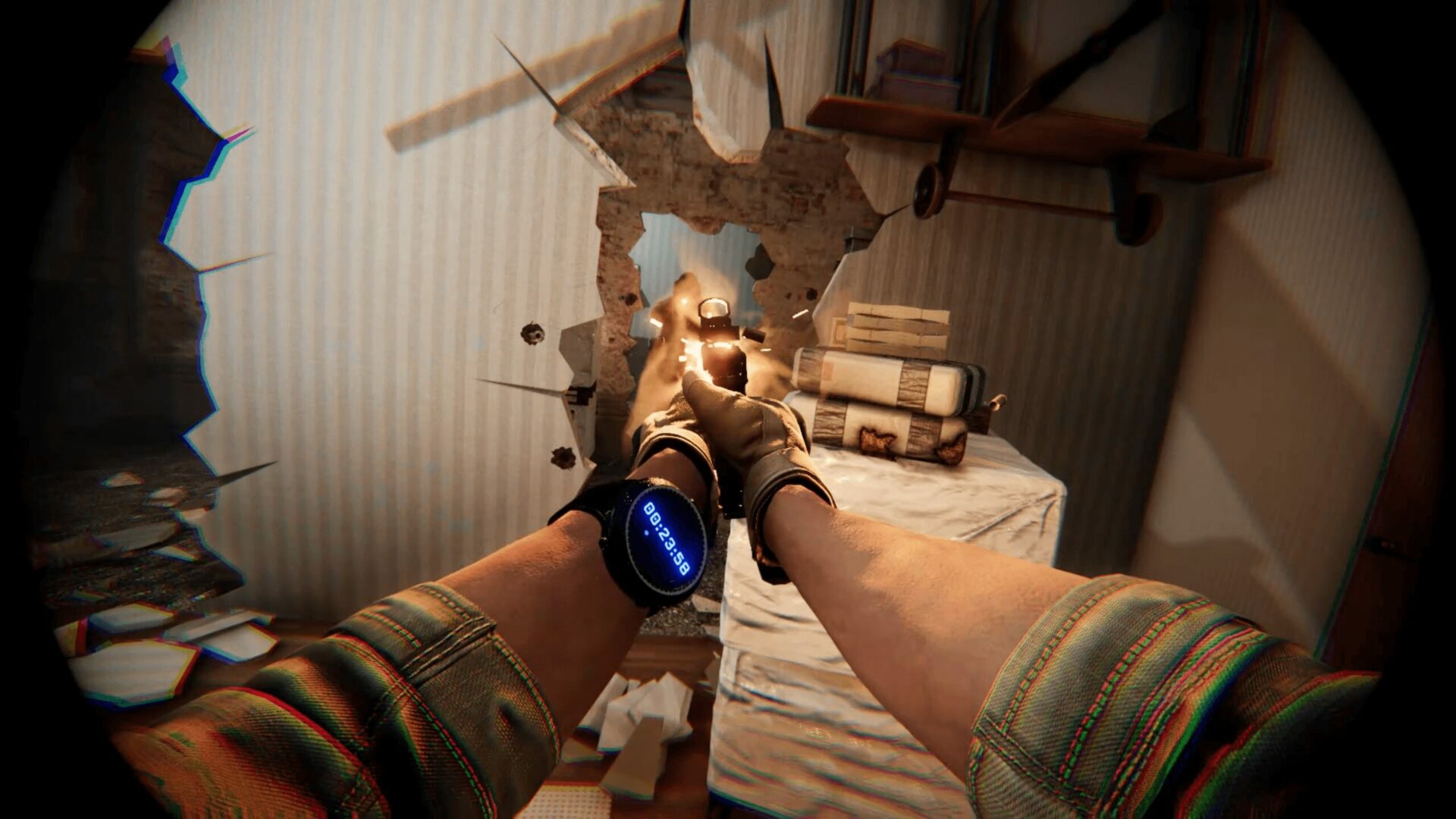
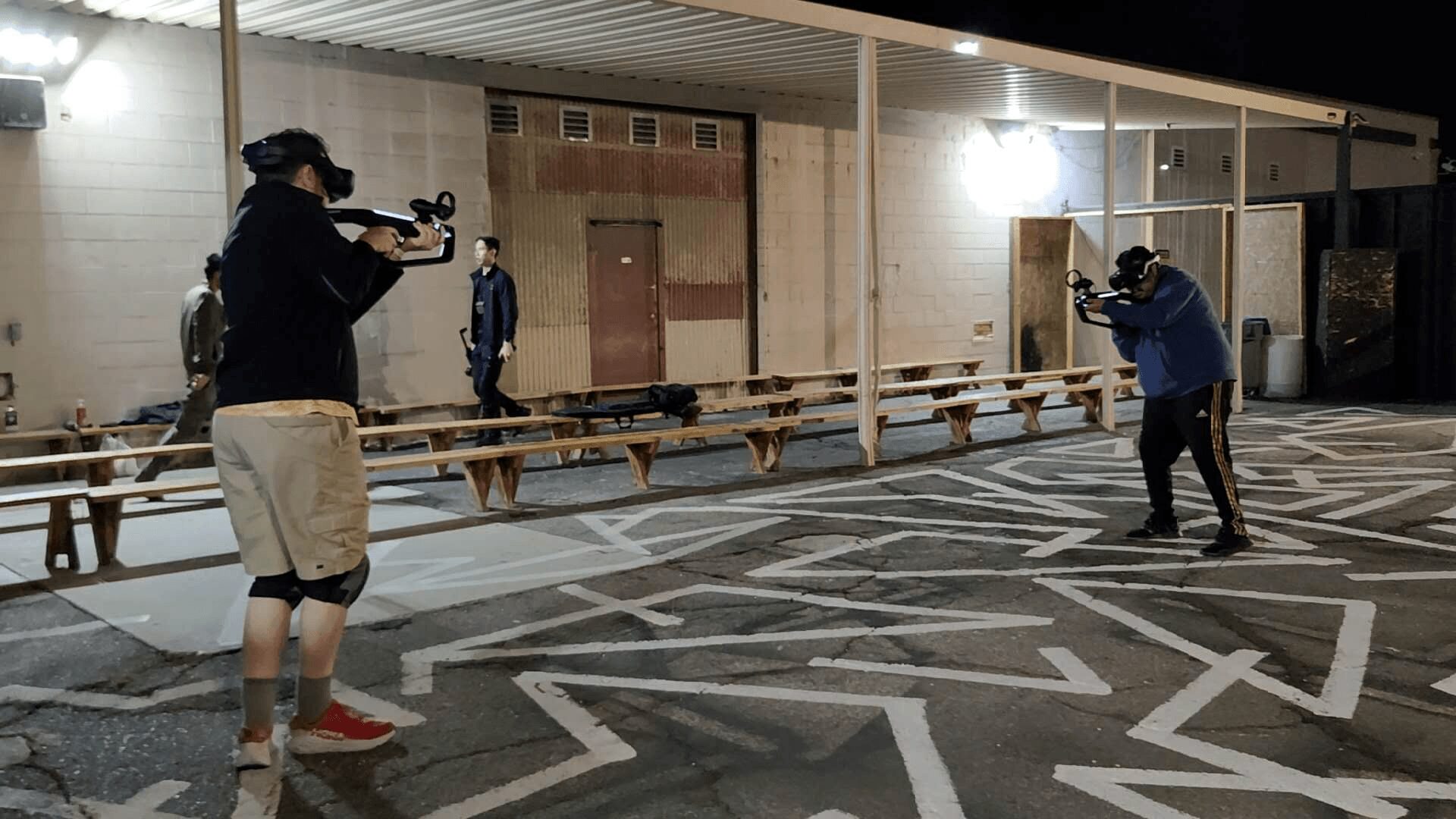
Slash VR is dedicated to revolutionizing traditional location-based entertainment by developing VR experiences that transcend the limitations of reality. Our flagship product, Ground-Zero, reimagines the classic arena-size military-themed shooter experience. Unlike conventional setups such as laser-tag or paintball, Ground-Zero offers dynamic environments that can transform from desolate battlefields to abandoned laboratories, providing unparalleled immersion.
Business Model:
Slash VR partners with existing location-based entertainment facilities such as laser-tag, airsoft, paintball, escape rooms, mini-golf, go-karts, etc. We provide the VR games and the necessary equipment, while the partner facilities operate the VR games. Slash VR shares 33% of the revenue generated through the use of our games with these partner facilities.
Target Market:
Our target market is existing location-based entertainment facilities that are looking to incorporate VR technology into their offerings. This market includes a wide range of businesses, from small, independent facilities to large, national chains.
Competitive Advantage:
Slash VR’s competitive advantage lies in our unique partnership model. By partnering with existing facilities, we leverage their customer base and infrastructure. This allows us to quickly and easily deploy our VR games without having to invest in building and operating our own facilities. This model not only facilitates rapid deployment but also minimizes upfront investment, allowing us to focus on delivering high-quality, immersive VR experiences.
As we continue to grow, we are excited about expanding our portfolio and exploring new possibilities within the virtual realm. Whether it’s enhancing traditional entertainment experiences or pioneering new ones, our goal remains the same: to push the boundaries of what VR can achieve and deliver unforgettable experiences to our users.
I invite everyone to join us on this exciting journey and experience the future of immersive entertainment with Slash VR.
There is so much advice out there about all the different skills and qualities folks need to develop in order to succeed in today’s highly competitive environment and often it can feel overwhelming. So, if we had to break it down to just the three that matter most, which three skills or qualities would you focus on?
Looking back on my journey, three key qualities and areas of knowledge have been most impactful: adaptability, technical expertise, and creative vision. These attributes have not only shaped my path but also enabled me to navigate the evolving landscape of the gaming and VR industries effectively.
1. Adaptability
Adaptability has been crucial throughout my career. Initially, I was passionate about humanoid home robots, but a pivotal conversation led me to reassess and redirect my focus towards gaming and VR. This ability to pivot and embrace new opportunities has been instrumental in my success.
Advice:
Stay open to change and be willing to pivot when necessary. The ability to adapt is vital in any industry, especially in technology and entertainment, where trends and demands can shift rapidly. Embrace lifelong learning and be prepared to explore new avenues that align with your evolving interests and the market’s needs.
2. Technical Expertise
My background in computer science has been a cornerstone of my career. The technical skills I acquired through my degree have given me the freedom to bring my game designs to life independently. This expertise has enabled me to turn creative concepts into reality without relying heavily on external resources.
Advice:
Invest in building strong technical skills relevant to your field. Whether through formal education or self-learning, having a solid technical foundation will provide you with the tools to execute your ideas effectively. For those interested in game development, a deep understanding of programming and software development is invaluable.
3. Creative Vision
Creative vision is essential for innovation, particularly in the gaming and VR industries. I keep my creativity alive through a combination of research, education, and a systematic approach to game design. Early in my career, I conducted case studies of famous game directors who initially achieved blockbuster success but later struggled to maintain their reputation with sequels. I discovered that many of these directors relied heavily on their instincts rather than a structured creative process, which often led to inconsistent results.
To avoid this pitfall, I developed my own methodology, “Research Driven Design,” during my time at the USC School of Cinematic Arts Game Design program. This approach emphasizes thorough research and understanding of experience goals in game design, ensuring that creativity is informed and consistent.
Advice:
Develop your creative skills alongside your technical expertise. Seek opportunities to learn from different disciplines, whether through formal education, workshops, or collaboration with other creatives. Understanding the artistic aspects of your field will help you create more engaging and impactful work. Cultivate a systematic approach to your creative process, such as the Research Driven Design methodology, to maintain consistency and innovation in your projects.
One of our goals is to help like-minded folks with similar goals connect and so before we go we want to ask if you are looking to partner or collab with others – and if so, what would make the ideal collaborator or partner?
At Slash VR, we are in the early stages of transforming the landscape of location-based entertainment through cutting-edge VR technology. Our journey so far has been driven by collaboration, and we believe that the right partnerships can propel us to new heights.
Who We’re Looking to Collaborate With
1. Sales and Marketing Experts:
Our team is currently purely technical, and we are actively looking for partners who can bring expertise in sales and marketing. If you have a strong background in these areas and are passionate about VR technology, we would love to collaborate with you to help bring our products to a wider audience and drive growth.
2. Location-Based Entertainment Facilities:
We seek to partner with existing location-based entertainment venues such as laser-tag arenas, airsoft fields, paintball centers, escape rooms, mini-golf courses, go-kart tracks, and other similar establishments. Our model is designed to seamlessly integrate our VR games and equipment into these venues, enhancing their offerings and providing a unique, immersive experience for their customers.
3. VR Hardware and Software Innovators:
We are interested in collaborating with VR hardware manufacturers and software developers who are pushing the boundaries of what VR technology can achieve. Whether it’s developing new VR headsets, haptic feedback systems, or advanced tracking solutions, we believe that working together can lead to groundbreaking innovations that enhance the overall VR experience.
4. Creative Minds and Game Designers:
Our team thrives on creativity and innovation. We welcome game designers, storytellers, artists, and other creative professionals who have a passion for VR and a desire to create immersive, engaging experiences. If you have a unique vision or a compelling idea for a VR game or experience, we’d love to hear from you and explore potential collaborations.
5. Investors and Strategic Partners:
As we are still in the early stages of our journey, we are seeking investors and strategic partners who believe in the future of location-based VR entertainment. Your support can help us expand our reach, enhance our technology, and deliver unparalleled experiences to audiences worldwide.
How to Connect with Us
If you are interested in partnering or collaborating with Slash VR, we would love to connect with you. Here are a few ways to reach out:
Email: You can contact us directly at [email protected] with your ideas, proposals, or inquiries.
Social Media: Follow us on Instagram @slashvr.io and send us a message. We actively engage with our community and would be thrilled to start a conversation.
At Slash VR, we believe in the power of collaboration to drive innovation and create extraordinary experiences. Whether you’re a sales and marketing expert ready to make a difference, a facility owner looking to enhance your offerings, a tech innovator with groundbreaking ideas, a creative professional with a unique vision, or an investor seeking the next big opportunity, we invite you to join us on this exciting journey.
Contact Info:
- Website: https://slashvr.io
- Instagram: https://slashvr.io

so if you or someone you know deserves recognition please let us know here.