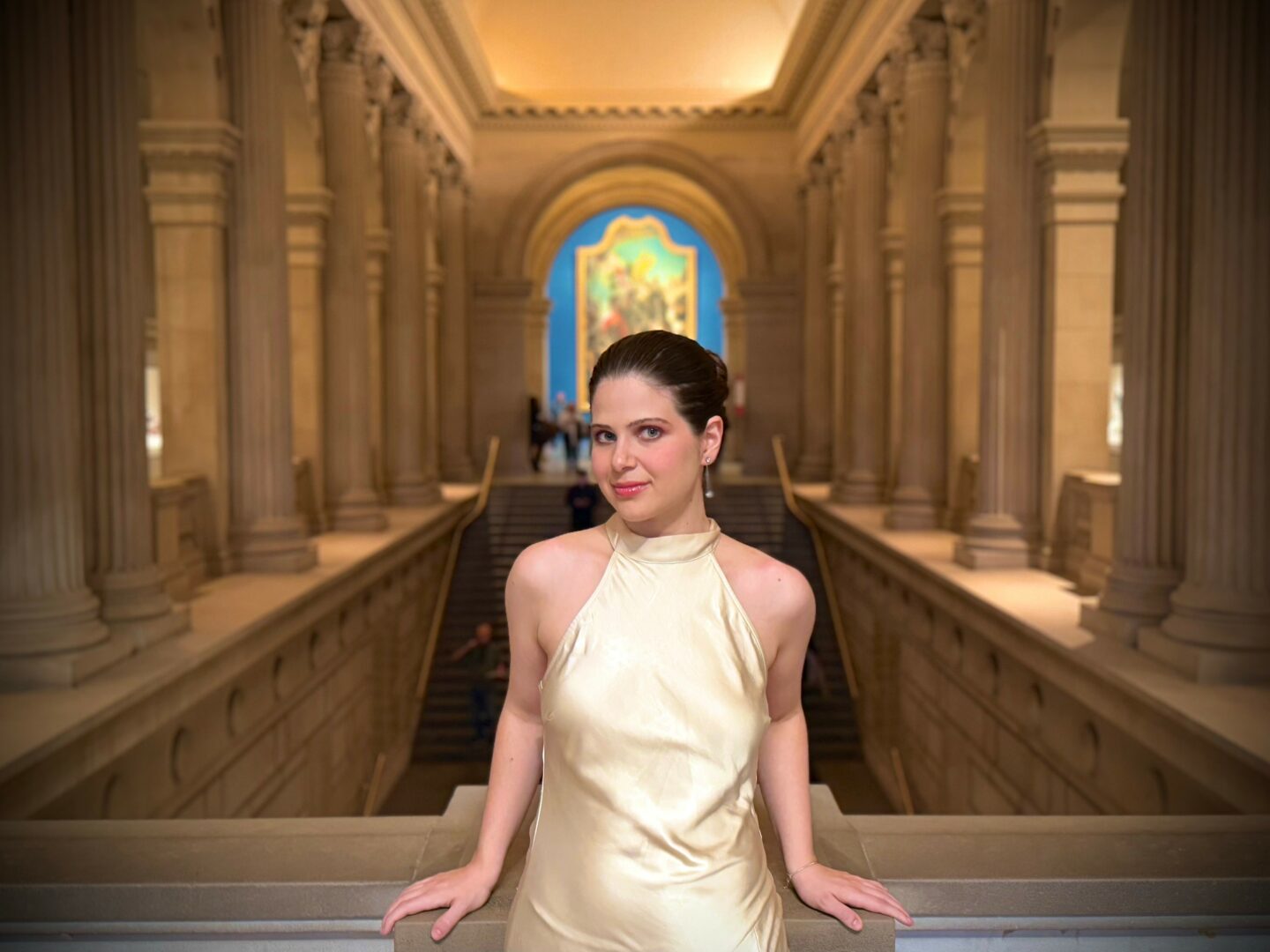
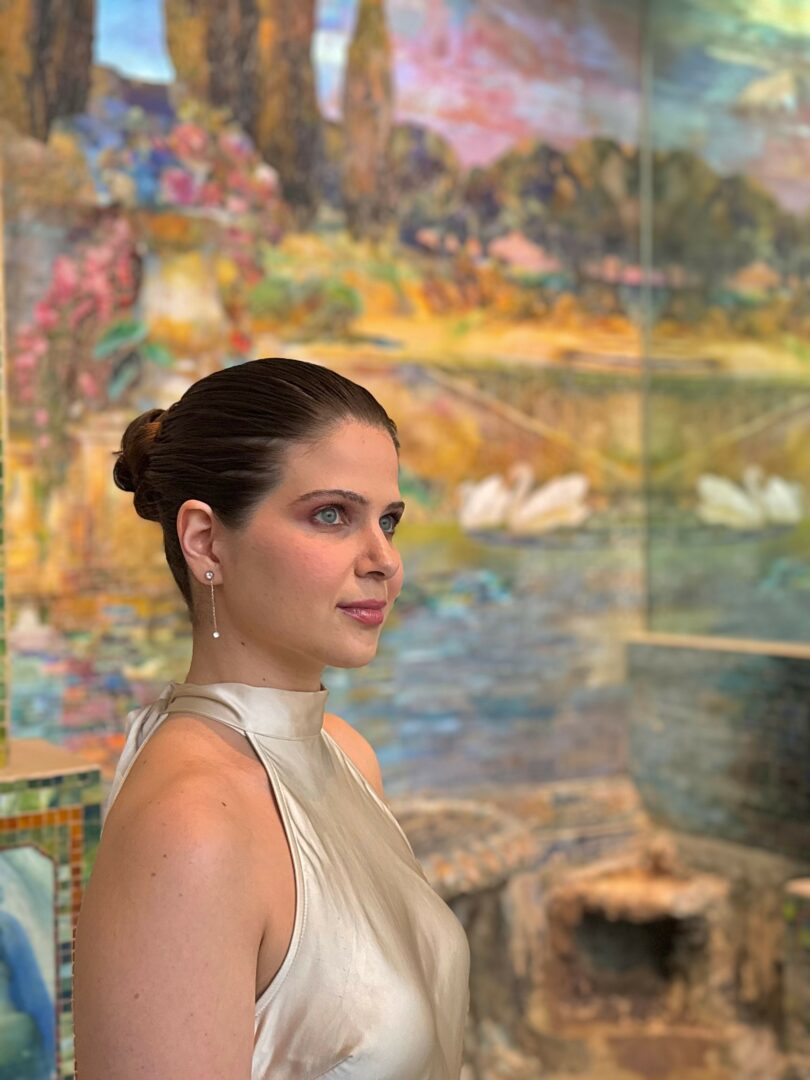
We’re excited to introduce you to the always interesting and insightful Sofia S. Maestro. We hope you’ll enjoy our conversation with Sofia below.
Sofia, appreciate you making time for us and sharing your wisdom with the community. So many of us go through similar pain points throughout our journeys and so hearing about how others overcame obstacles can be helpful. One of those struggles is keeping creativity alive despite all the stresses, challenges and problems we might be dealing with. How do you keep your creativity alive?
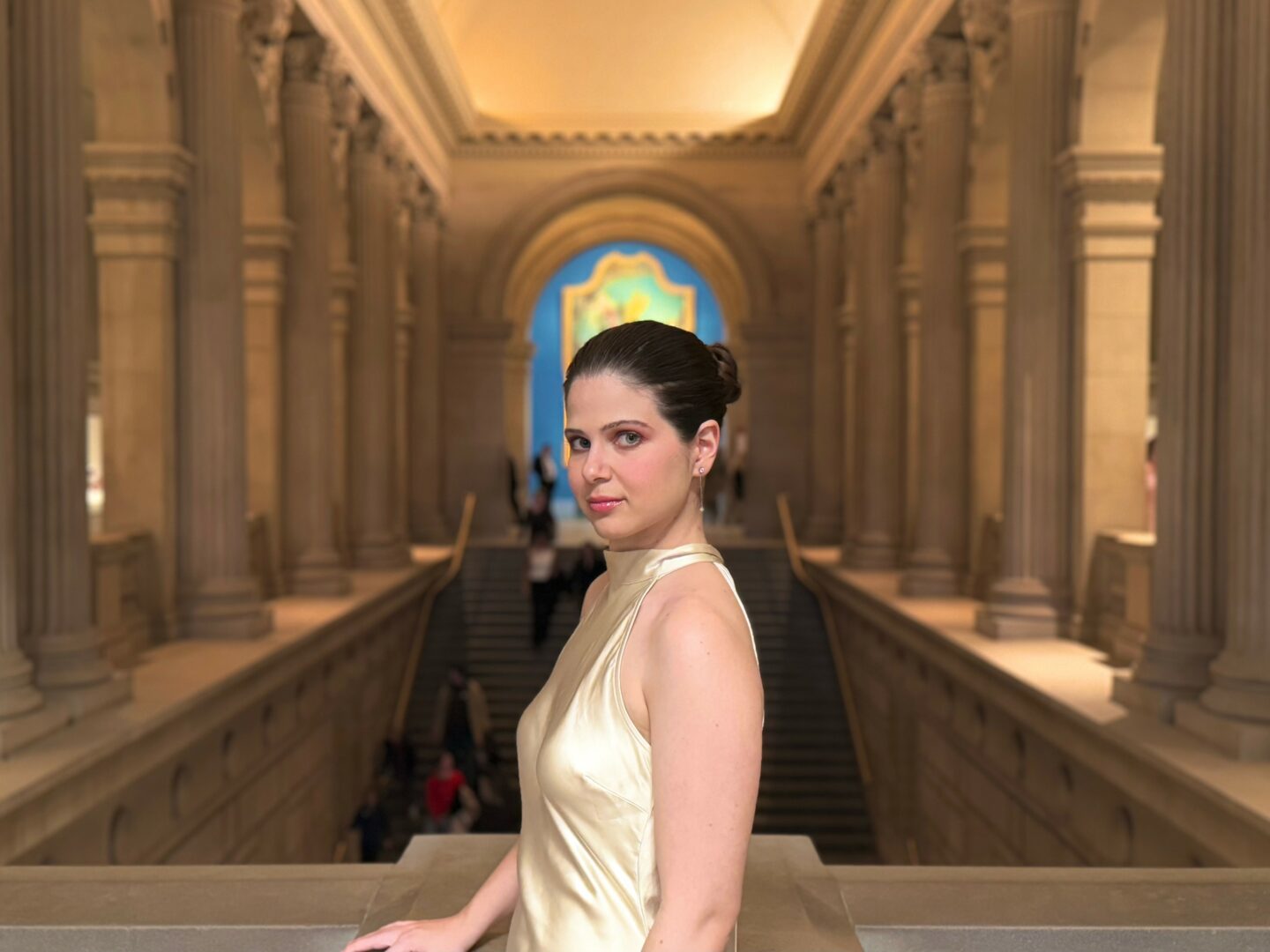
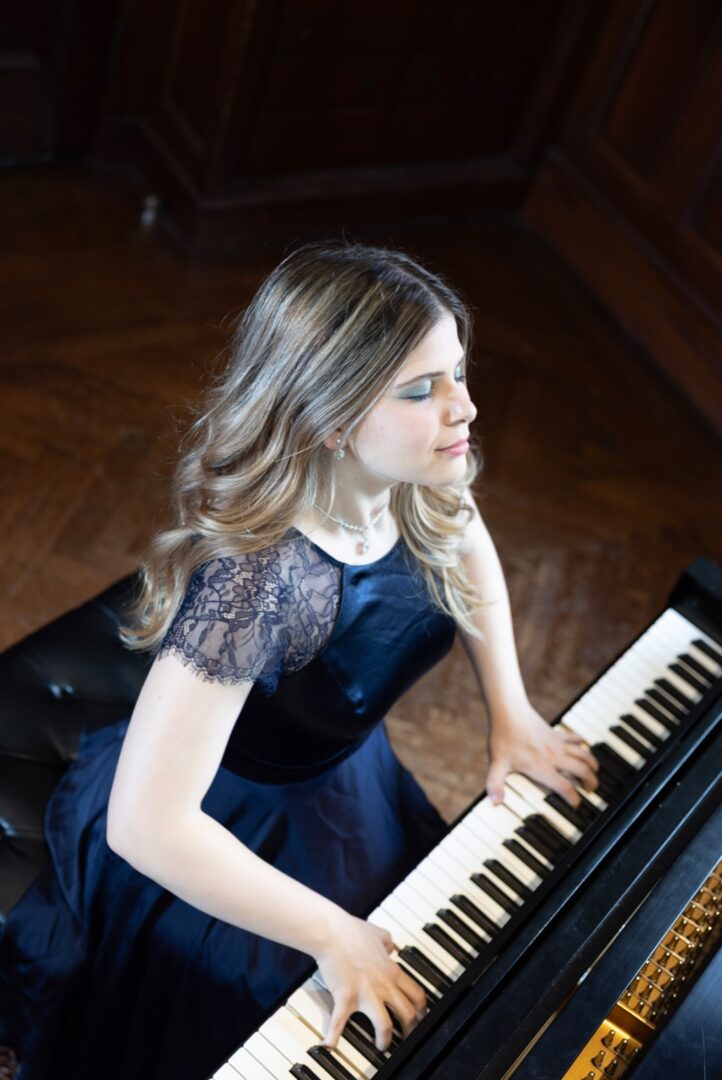
For me, creativity is something I cultivate daily — a way of looking with intention into myself and at the world around me. As a concert pianist and creative, I’ve learned that my best ideas appear when I take care of my inner life just as much as my craft.
Movement helps enormously: walking, stretching, or simply allowing my body to breathe freely. When my body is open, my mind follows. I also try to stay honest with my emotions. Before creating a piece of music, I often ask myself: “If this feeling had a tone, how would it express itself?” That simple question connects me to the core of what I want to create.
Something similar happens with the music I perform. I establish a personal relationship with the score and the composer, asking questions as if I were speaking with someone I want to understand: What emotions can I grasp here? How do these emotions move between the tones, phrases, and rests? How should I adapt my technique to serve the composer’s intention? That curiosity keeps my interpretations evolving and allows me to bring depth and individuality into my performances.
Staying socially connected also nourishes my creativity. Time with my loved ones keeps my life balanced, and living in New York City gives me access to world-class museums, galleries, and performances that continuously enrich my artistic vision.
I’m naturally someone who dreams a lot — I visualize my projects, my future, and the impact I want my work to have. That sense of direction keeps my creativity active. And, ultimately, I trust God and let go of what is not in my control, so I can simply be. That trust gives me clarity and the courage to explore my inner world without restraint.
Creativity, for me, grows from a mix of movement, reflection, community, and presence. When I give myself that space, inspiration arrives naturally and consistently. It becomes a continuous work of art.
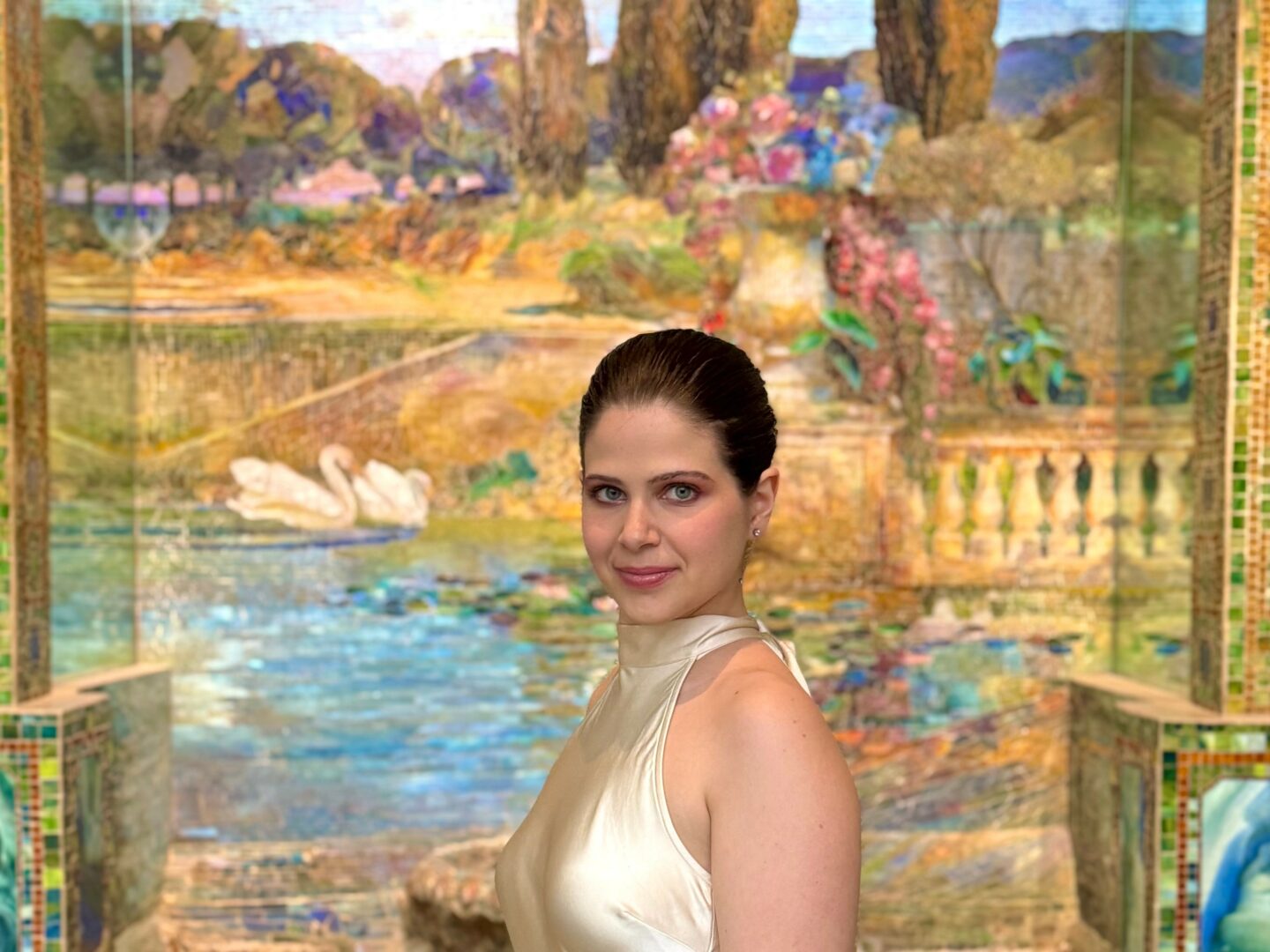
Thanks for sharing that. So, before we get any further into our conversation, can you tell our readers a bit about yourself and what you’re working on?
I began performing publicly at a very young age, and those early opportunities opened a path that kept expanding far beyond anything I could have imagined. Over time, my career has taken me to stages in Europe, Asia, South America, and the United States – always through invitations and programs that challenged me artistically and helped define my identity as a concert pianist.
Today, my professional life is centered in New York City. One of my most recent performances took place at the NY Piano Theatre on 37 West 65th Street, in the heart of the Lincoln Center district, a neighborhood shaped by institutions such as the New York Philharmonic, the Metropolitan Opera, and the Juilliard School. In that recital, I presented Resonance of Divinity, a collaborative work with composer Marco Catella that reflects my commitment to contemporary creation and to artistic dialogues that expand what I can express at the piano.
Earlier this year, I experienced one of the most meaningful moments of my career when I was selected through a competitive prescreening process to serve as the featured pianist for the Gala Night of Nations in Davis Hall at International House New York. This venue has hosted some of the most influential cultural figures of the last century: Leontyne Price, the legendary American soprano, performed there; Aaron Copland, one of the most important composers in American classical music, presented his work in that same space; and thinkers such as Isaac Asimov and Robert Oppenheimer gave lectures in the hall. Performing Granados in that setting, before diplomatic representatives from numerous countries, was a moment that affirmed the cultural reach and responsibility of my work as an artist.
My work in the city has also connected me with interdisciplinary circles. At the Liminal Spaces exhibition, I premiered Resonance of Divinity before more than 350 attendees, sharing the program with internationally recognized artists such as Elias Wessel, Maria Bonomi, and Mercedes Gertz, whose work has appeared in institutions including the Museum of Fine Arts Houston and the São Paulo Biennial. Participating in this event strengthened my presence within New York’s contemporary artistic landscape.
Before relocating to the United States, I had already developed a broad international profile. In Buenos Aires, I presented a full recital after an informal performance at the Salón Dorado of the Teatro Colón – the most prestigious opera house in Latin America, associated with artists such as Martha Argerich, Daniel Barenboim, and Yo-Yo Ma. Around the same period, I received Second Prize at the Oberton International Music Competition in Graz and was invited to perform at their Prizewinners Gala in the historic Priesterseminar Baroque Hall, a venue connected to ensembles and festivals such as Impuls.
My European career included the ClásClás International Music Festival in Galicia, where I performed for Iván Klánský of the Guarneri Trio Prague, one of Europe’s leading chamber ensembles since the 1980s. I also appeared at institutions such as Fundación Díaz Caneja, dedicated to major figures of Spanish modern art; Sociedad Bilbaína, founded in 1839 and known for its distinguished cultural programming; Sala Eutherpe; and the Música-Música Festival at the Euskalduna Palace, where I performed for seven consecutive years before audiences exceeding 30,000 attendees per edition.
These experiences have shaped how I understand music and the responsibility that comes with sharing it internationally.
What feels most special about this profession is the unique way it allows me to experience myself. Performing at a high level places me in moments of deep focus, vulnerability, and artistic truth that most people never encounter in their everyday lives. Music becomes a mirror, and each performance reveals parts of myself that only exist through sound.
I am also deeply moved by the impact art can have on others. Learning how to flow – to listen, to let go, to allow the music to move through me with clarity – brings profound meaning to my work. When I sense that something shifts emotionally for someone in the audience, I’m reminded why this path is worth everything. Creating performances that touch people is one of the greatest joys of my life.
In addition to my performing career, I maintain a selective teaching studio in New York City, where I coach aspiring pianists with professional goals as well as students seeking a deeper artistic connection to their playing. Teaching allows me to share the mindset, discipline, and artistic values that have shaped my own work, and it has become an essential part of how I contribute to the musical community here.
Looking ahead, I am preparing new performance projects and recordings centered on themes of war, peace, and spiritual transcendence, along with several engagements in North and South America and Europe. I feel grateful to continue building a career that allows me to contribute to classical music in a meaningful, international way.
Looking back, what do you think were the three qualities, skills, or areas of knowledge that were most impactful in your journey? What advice do you have for folks who are early in their journey in terms of how they can best develop or improve on these?
Looking back at my journey, I can see that three qualities shaped everything that came after. The first was discipline. Nothing in a career like this happens without deep commitment: long hours of practice, difficult sacrifices, and a level of preparation that becomes a way of life. Discipline is what allowed me to keep moving forward even when progress felt slow or uncertain.
The second was a combination of reflection and heart. To play the piano professionally, you need more than just a balance between the two; you need to let your intellectual understanding serve the greater emotional expression of the music. That requires both emotional intelligence and analytical clarity, qualities that have guided every stage of my development.
The third quality was boldness. Many of the opportunities that shaped my career only appeared because I allowed myself to dream beyond my circumstances and grow past them. I kept walking toward those dreams, facing my fears along the way, until reality had no choice but to transform those dreams into real experiences. You do have to be a bit crazy to do that, but it’s the kind of madness that makes the journey exciting.
“ Show up to your instrument every day with humility, but walk toward your dreams with the audacity of someone who knows they belong there” – Sofia S. Maestro
One of our goals is to help like-minded folks with similar goals connect and so before we go we want to ask if you are looking to partner or collab with others – and if so, what would make the ideal collaborator or partner?
Yes. I am actively looking to collaborate with professionals who share a vision for transforming the way classical musicians learn, practice, and relate to their instruments. I am particularly interested in working with music coaches and psychologists who specialize in musicians’ mental and emotional well-being, as I am developing a series of courses designed to help performers cultivate healthier relationships with their artistic processes. My long-term goal is to bring some of these programs to leading conservatories such as The Juilliard School, Colburn, NEC, CIM, Curtis, Eastman, Peabody, UCLA Herb Alpert, USC Thornton, Manhattan School of Music, Mannes, Berklee, Northwestern Bienen, and Rice Shepherd, among others.
I am also seeking collaborators who work at the intersection of music, entrepreneurship, and human development – people who want to rethink the traditional training model and build a more sustainable, compassionate culture for classical musicians. I believe that artistry grows when technique, mental health, creative identity, and professional purpose are developed together, and I would love to partner with individuals or organizations who feel called to support that mission.
For anyone interested in collaborating, the best way to connect with me is by reaching out by email at [email protected]. I’m always open to conversations with people who want to create meaningful change in the music world, and I would love to appear in more interviews, podcasts, and newspapers sharing my vision.
Contact Info:
- Website: https://sofiamaestropiano.com
- Instagram: Sofiamaestropiano
- Other: EMAIL: [email protected]
so if you or someone you know deserves recognition please let us know here.