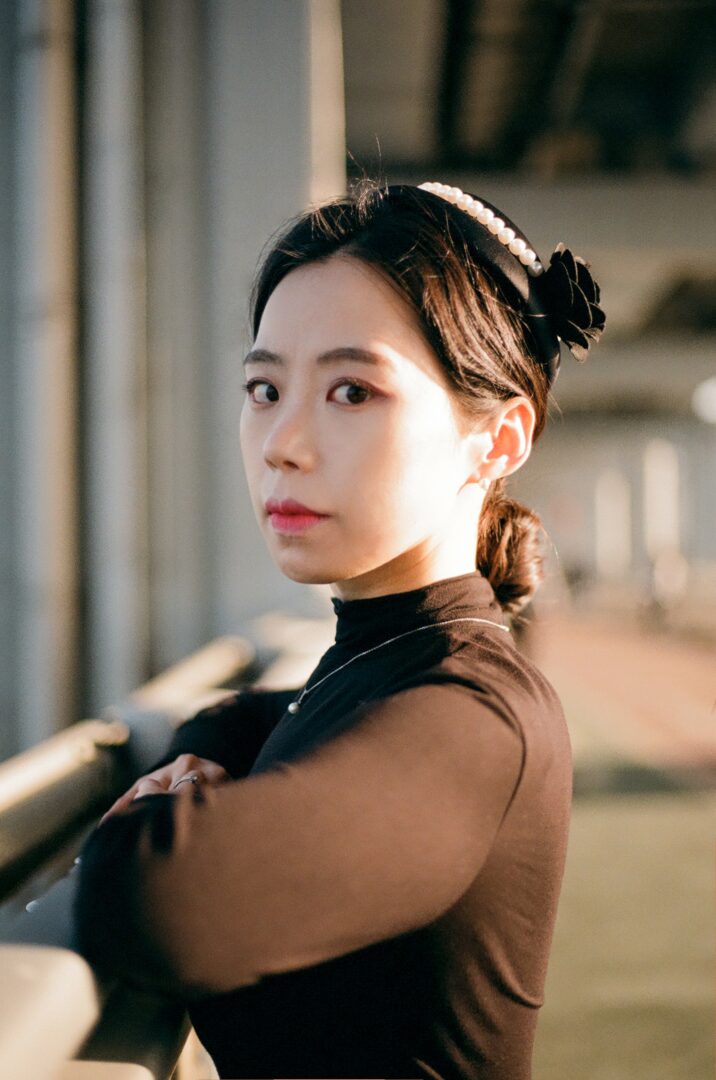
We caught up with the brilliant and insightful Sooa Lim a few weeks ago and have shared our conversation below.
Hi Sooa, so excited to talk about all sorts of important topics with you today. The first one we want to jump into is about being the only one in the room – for some that’s being the only person of color or the only non-native English speaker or the only non-MBA, etc Can you talk to us about how you have managed to be successful even when you were the only one in the room that looked like you?
If we look at a certain aspect, this reflects my reality. After graduate school, I began my career at a US auction house, where I am the only Asian woman in the room. I take pride in that distinctness.
Internally, being the “only one” has shaped my confidence rather than challenged it. I learned to turn what could feel like isolation into clarity of perspective. Standing out forces you to pay closer attention. I notice dynamics and nuances that others overlook, and I have learned to trust those perceptions.
This experience taught me to form alliances based on integrity rather than on commonalities. I invest my time in thorough preparation and pay attention to the unspoken elements in conversations, ensuring that my credibility stems from my thoughts and ideas, not just my appearance. Ultimately, I leverage this distinct perspective as a strategic advantage.
Thanks for sharing that. So, before we get any further into our conversation, can you tell our readers a bit about yourself and what you’re working on?
I am an auction cataloguer and archival researcher based in New York and Connecticut.
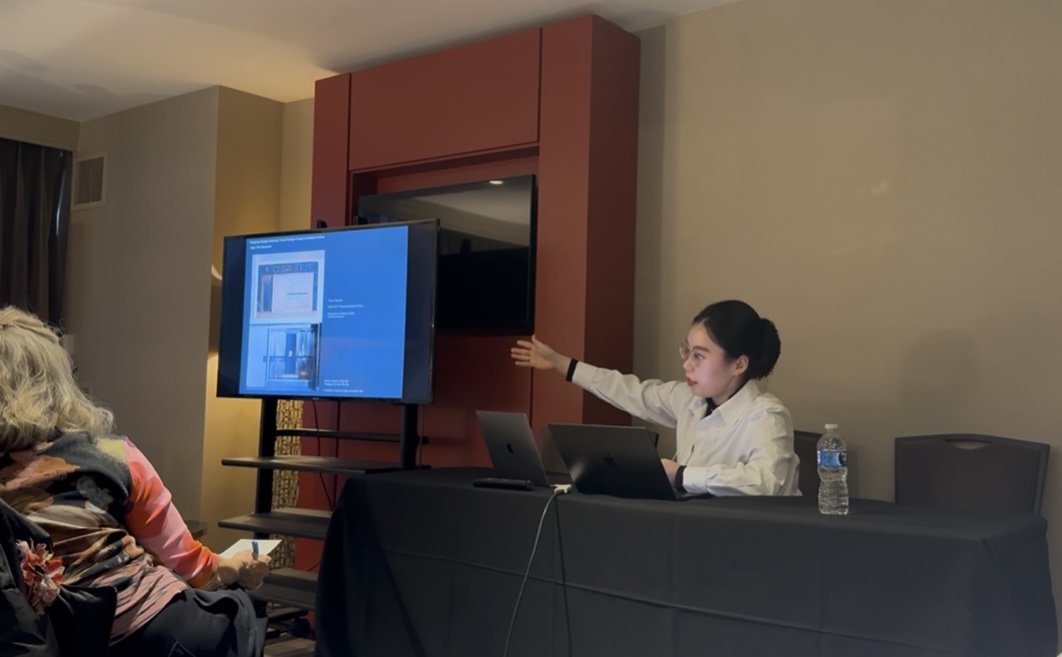
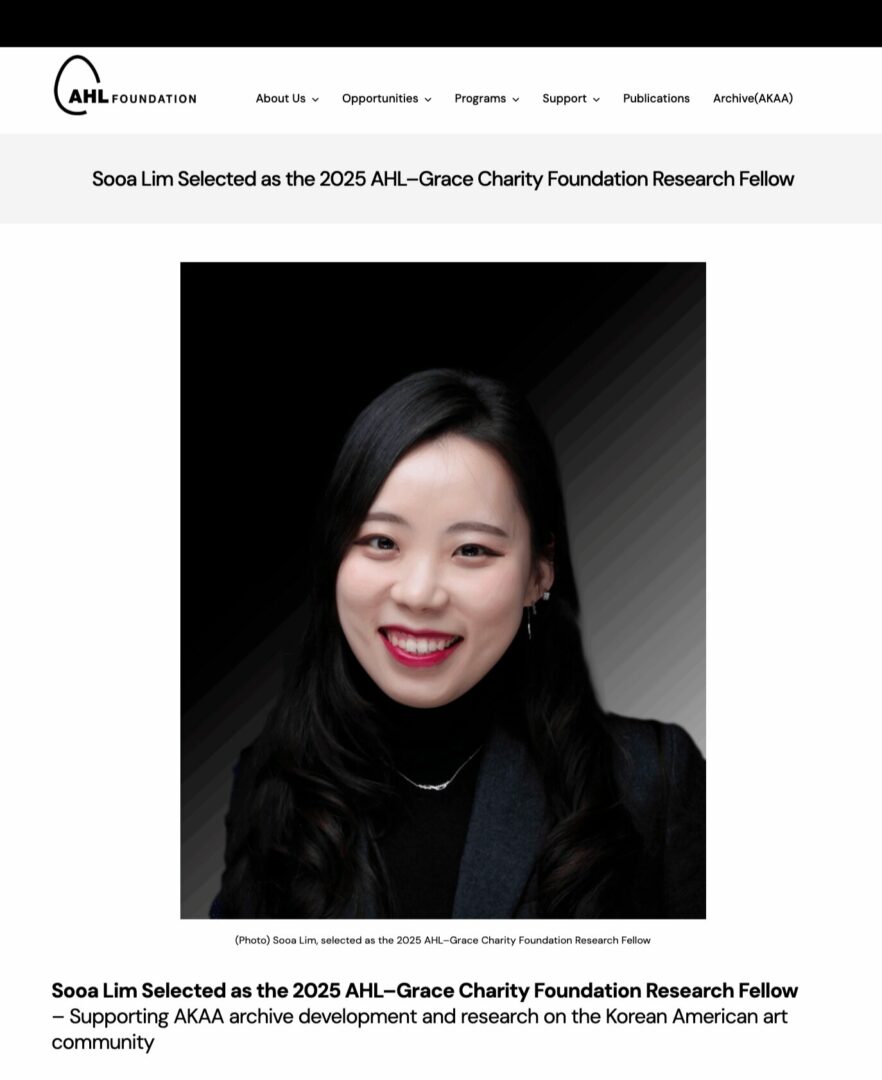
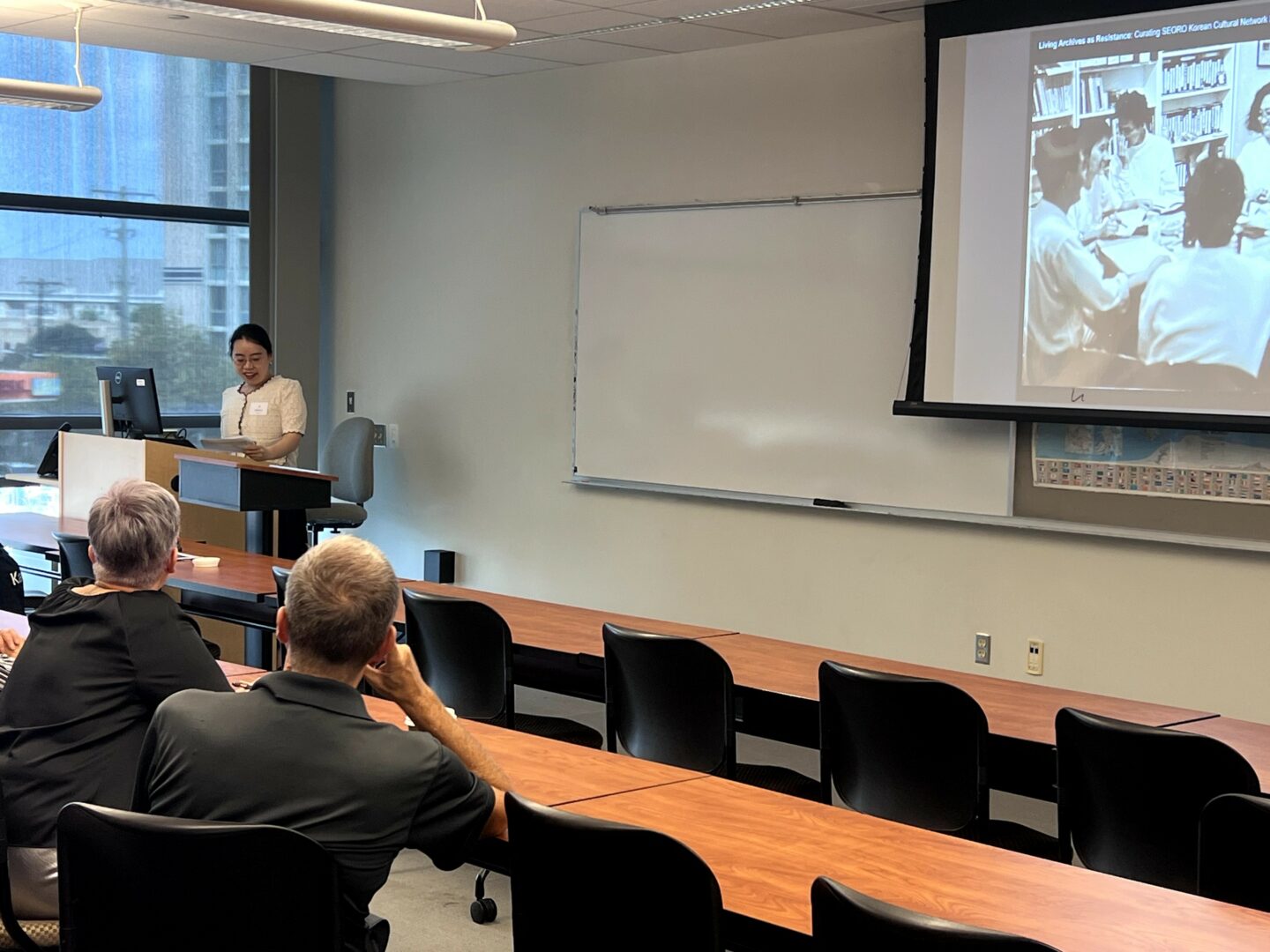
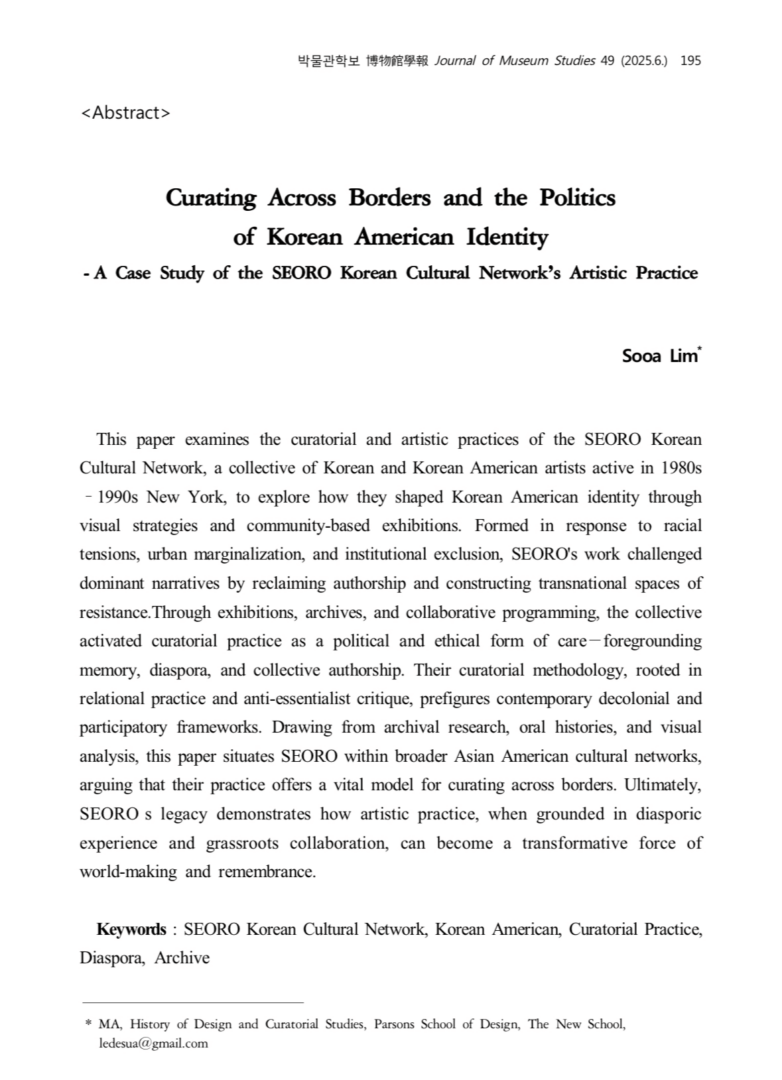
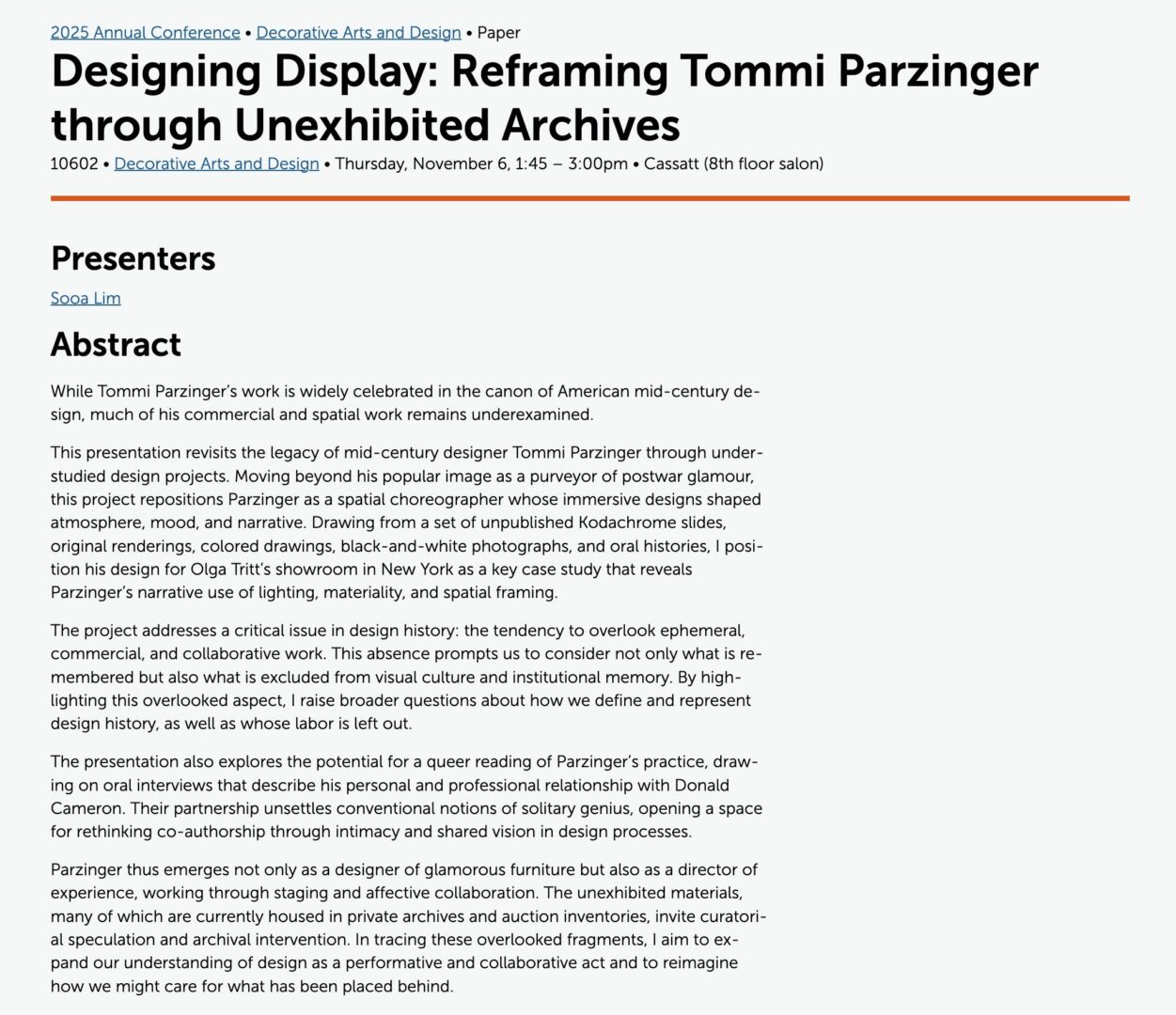
My work exists at the intersection of commerce and scholarship. As a cataloguer, I specialize in 20th-century design and material culture, with a particular focus on the narratives embedded in furniture and decorative arts. My role involves more than just describing objects. I investigate their provenance, assess their condition, and contextualize them within art history. This commitment to scholarship is active and ongoing; in the latter half of this year alone, I presented my original research at two academic conferences. My research interests also extend to Asian art history, specifically Korean art, which reflects my own cultural heritage as a selected fellow researcher with a non-profit art organization.
What I find most exciting is the “archival detective work” required to authenticate and understand artworks. There is a thrill in uncovering the invisible history of an object, such as finding a maker’s mark that was previously overlooked or tracing a piece of furniture back to its original 1960s showroom. I feel a responsibility to bridge the gap between archival absence and the physical object standing before me.
If you had to pick three qualities that are most important to develop, which three would you say matter most?
Looking back, the two qualities that anchored my journey are archival rigor and the courage to own a distinct perspective.
First is archival rigor. It is easy to accept established attributions, but true expertise comes from questioning them. I treat every object as a mystery that needs solving. For early-career researchers, I advise you to fall in love with primary sources. Dig into old catalogs, manufacturing records, and period photographs. The most valuable insights are rarely found on the first page of a search engine result.
Second is the confidence to stand apart. I am often the only Asian and or woman in my circles. Initially, I tried to blend in, but I realized that my background allowed me to see connections others missed, especially regarding global exchanges in art history. My advice is to stop viewing your difference as a deficit. Instead, treat your unique background as a specific lens that clarifies complex narratives. When you speak from that authentic place, you naturally command attention.
What’s been one of your main areas of growth this year?
This question resonates with me on a deeply personal level. Since we last spoke, my reality has shifted in ways I could not have predicted. My partner faced a significant career crisis, and the most challenging part was realizing there was practically nothing I could do to help him resolve it.
However, over the past year, that limitation paradoxically gave rise to immense internal strength within me. The crisis cleared away all unnecessary distractions and noise. It forced me to immerse myself more deeply in my research and my work, where I found clarity and focus.
Through this process, I have grown into a stronger, more independent woman. Navigating this hardship together has solidified our bond as a couple, but the experience has also taught me a vital lesson. I learned that we must cultivate our own strength to withstand whatever pain life may bring. That self-reliance is now the foundation of everything I do.
Contact Info:
- Instagram: https://www.instagram.com/desuah/
- Linkedin: https://www.linkedin.com/in/sooa-lim/
so if you or someone you know deserves recognition please let us know here.