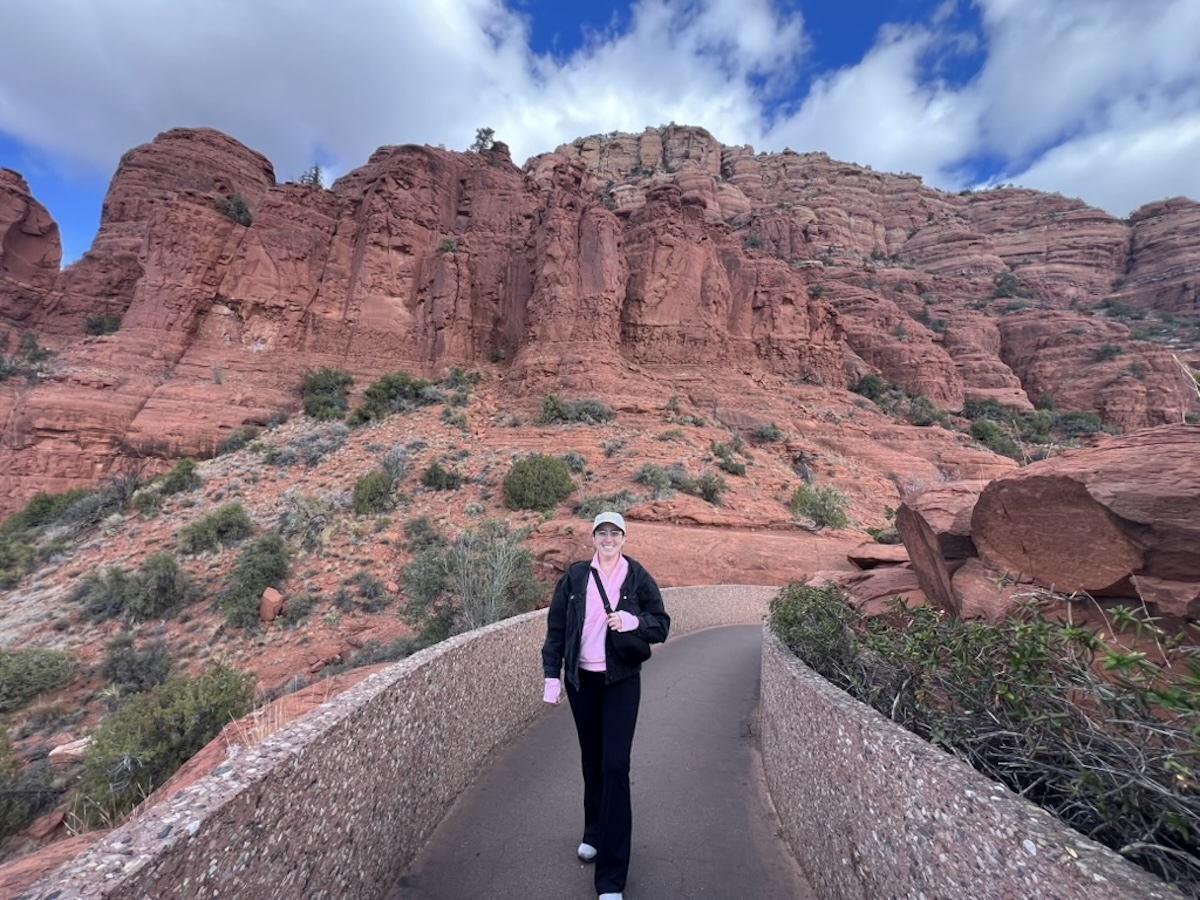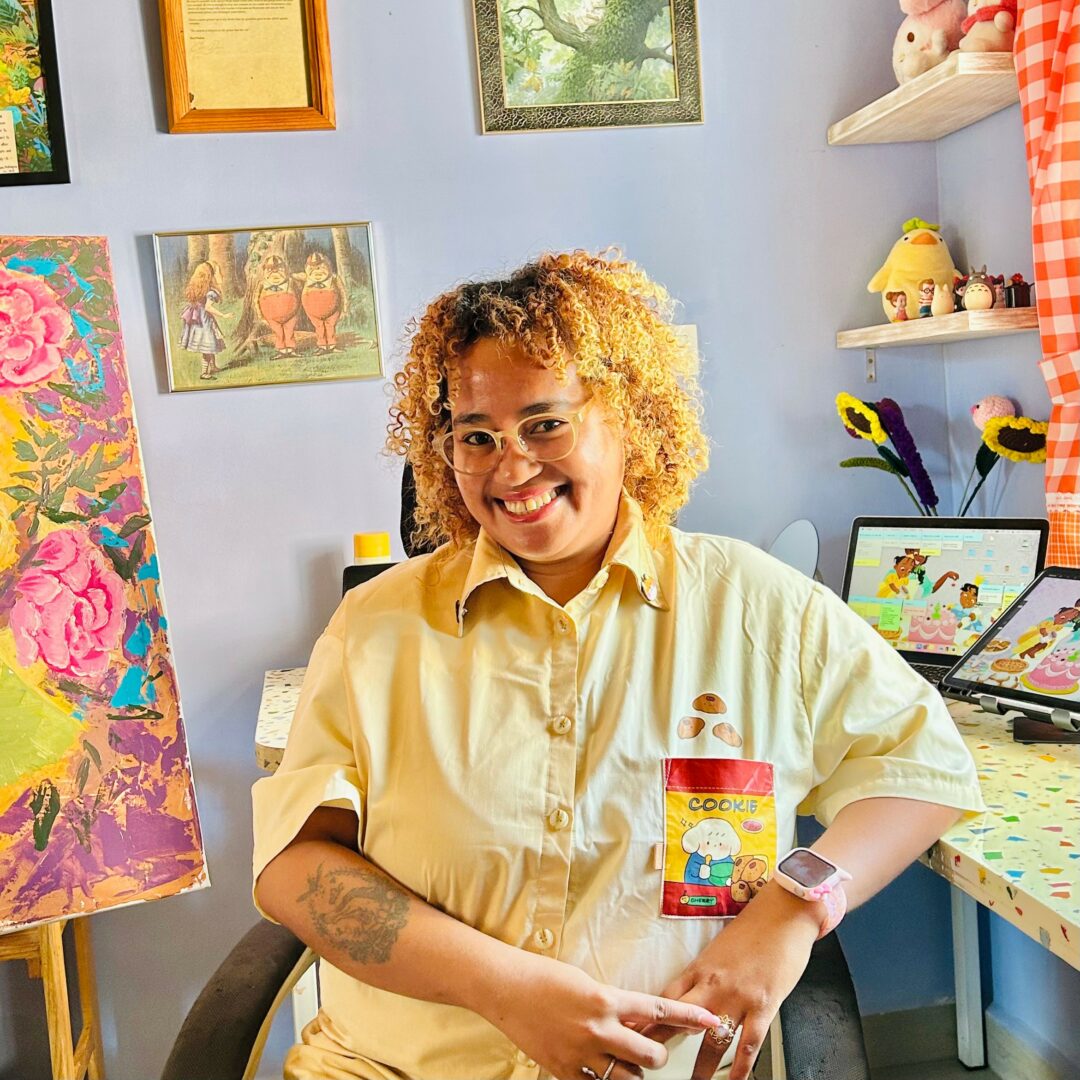
Alright – so today we’ve got the honor of introducing you to Soraya Homayounfar. We think you’ll enjoy our conversation, we’ve shared it below.
Soraya, first a big thank you for taking the time to share your thoughts and insights with us today. I’m sure many of our readers will benefit from your wisdom, and one of the areas where we think your insight might be most helpful is related to imposter syndrome. Imposter syndrome is holding so many people back from reaching their true and highest potential and so we’d love to hear about your journey and how you overcame imposter syndrome.
When I think about imposter syndrome, it really showed up for me during that transitional period when Goodroots shifted from being in its building stage to suddenly taking off. The pace of growth was fast, and I often felt like I was figuring things out in real time. The hardest part wasn’t the work itself — I knew I’d be able to figure it out once I got a bid — it was the weight of credentials.
I had jumped very quickly from taking on any project to working in higher-end spaces where pedigree often matters, and it was easy to feel underestimated. I have always been self-assured and confident in my work ethic / discipline. But the feeling would still come.
What helped me push through was remembering that I’ve always been a problem solver by nature. I wasn’t going to accept a future that wasn’t fruitful, so I had to figure it out — and I always have. Seeing proof of concept through client satisfaction gave me the validation that the work was landing, but more importantly, I began to enjoy doing things that once terrified me. What used to feel fear-based slowly turned into fun.
Along the way, I leaned into habits that helped keep me grounded: mindfulness, practicing a positive attitude, and drawing inspiration from books like Success Through a Positive Mental Attitude (one of my all-time favorites). These small practices helped me reframe doubt when it crept in.
Today, I see imposter syndrome less as a grand obstacle and more as a passing feeling — like frustration or doubt — that comes and goes. Naming it can make it feel heavier than it really is. For me, the key has been to acknowledge it and move forward anyway. It’s not something you erase entirely, but something you learn to manage. And with every project and every client, it gets easier to trust that you belong where you are. To date, in just a year and a half of business, Goodroots has been able to work with major players in hospitality, nightlife, and beyond — so then I just remember, yeah, I work hard and I deserve this.

Thanks for sharing that. So, before we get any further into our conversation, can you tell our readers a bit about yourself and what you’re working on?
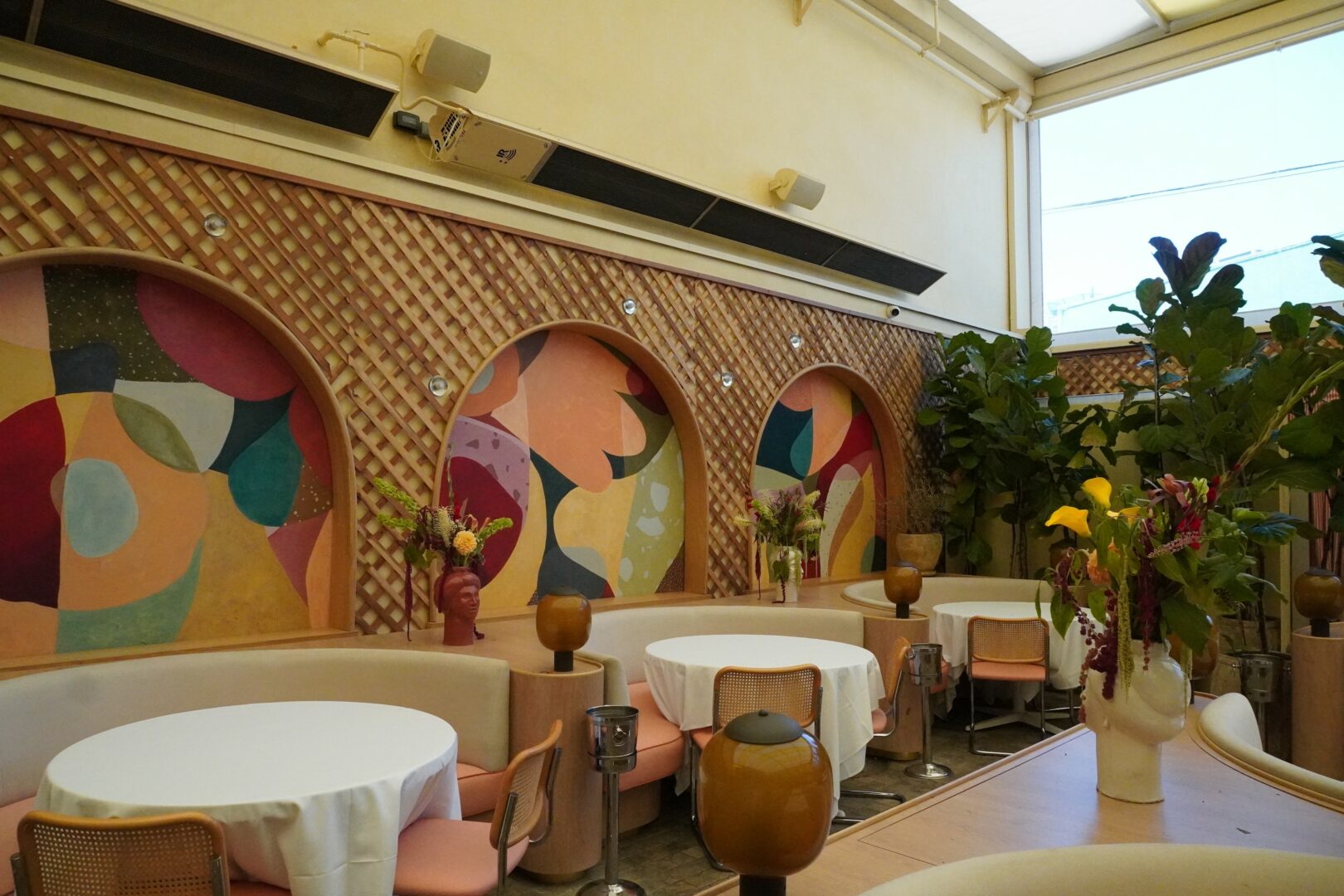
I founded Goodroots to bring plants and florals into spaces in a way that feels alive and intentional. We work with hospitality, retail, and private clients — from weekly floral deliveries to large-scale installations — always with the goal of creating design that people can feel. My vision is simple: when someone walks into a room, they should feel an immediate shift in the atmosphere.
What I find most special about this work is its impact on people. Plants and flowers can transform a space instantly — creating calm, sparking joy, or fostering a sense of connection.

Looking back, what do you think were the three qualities, skills, or areas of knowledge that were most impactful in your journey? What advice do you have for folks who are early in their journey in terms of how they can best develop or improve on these?
Building a business is full of moments that test you, and the ability to keep going — even when things feel uncertain — has made all the difference. I’ve always believed there’s a way forward, and that persistence has been one of the biggest reasons Goodroots has grown as quickly as it has.
The second is problem-solving. I’ve never seen myself as someone who has to have all the answers up front, but I trust myself to figure things out. That mindset has carried me through moments when credentials or traditional experience might have been lacking. Instead of letting doubt stop me, I leaned on resourcefulness, and over time that became one of my greatest strengths.
The third is perspective. In the beginning, so much of what I was doing felt fear-based, and imposter syndrome was real. What changed things was learning to manage those feelings instead of letting them define me. Practicing mindfulness and keeping a positive attitude helped me reframe setbacks and stay focused on the bigger picture.
For anyone early in their journey, my advice is simple: don’t stop, trust your ability to figure things out, and don’t let fear have the final say. Persistence and problem-solving will carry you further than credentials alone, and the right mindset will make the process a lot lighter.
As we end our chat, is there a book you can leave people with that’s been meaningful to you and your development?
One book that had a big impact on me early on was Success Through a Positive Mental Attitude, which I mentioned earlier on. It sounds simple, but it really shifted how I approached challenges. The main takeaway for me was that mindset is everything — how you choose to frame a situation often matters more than the situation itself.
I’ve also found value in classics like How to Win Friends and Influence People and Think and Grow Rich. They’re popular for a reason — both are full of timeless advice about building relationships, staying focused, and aligning your mindset with your goals.
Contact Info:
- Website: https://goodroots.la
- Instagram: @goodroots.la
- Yelp: https://www.yelp.com/biz/goodroots-los-angeles-4?osq=goodroots

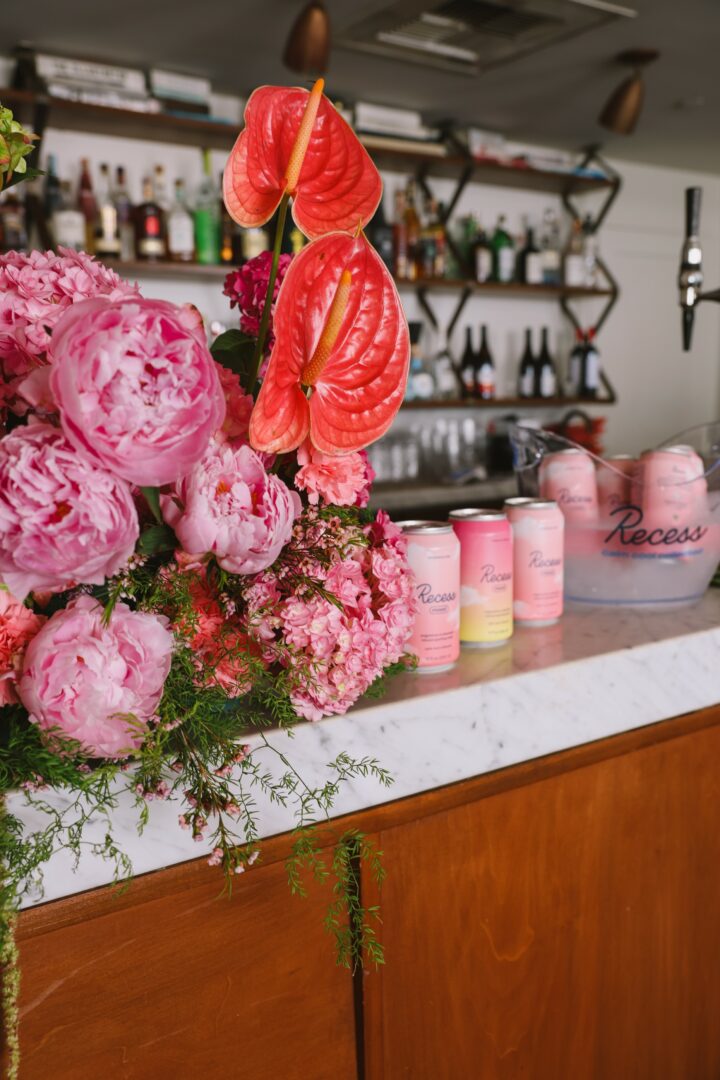
Image Credits
goodroots
so if you or someone you know deserves recognition please let us know here.