We were lucky to catch up with Stacy Richardson recently and have shared our conversation below.
Stacy, thank you so much for joining us today. Let’s jump right into something we’re really interested in hearing about from you – being the only one in the room. So many of us find ourselves as the only woman in the room, the only immigrant or the only artist in the room, etc. Can you talk to us about how you have learned to be effective and successful in situations where you are the only one in the room like you?
I’ve learned that being the only one in the room that looks like me isn’t a disadvantage, it’s an opportunity. At first, it didn’t feel that way. Early on, I walked into rooms where no one shared my background, my perspective, or even understood the path I had taken to get here. I carried the weight of not just representing myself but feeling like I represented everyone who had never been invited to the table.
The turning point came when I stopped trying to blend in and started showing up as her, the person I want to become. I realized that my difference was the value. When you don’t see others like you in the room, you see the blind spots, you hear the gaps, and you carry insights that others can’t. That’s not a burden, it’s a superpower.
Over time, I developed three habits that helped me thrive: grounding in my purpose so I never lose sight of why I am here, turning isolation into connection by speaking up, sharing my perspective or as I often say “talk trash” to you, and building bridges beyond the room so that, one day, the room will be filled with others just like me.
Now, when I walk into spaces where I feel like I’m the only one, I don’t see it as “only”, I see it as “first.” And being first comes with responsibility: to open the door wider, to speak with clarity and courage, and to make sure the seat I occupy doesn’t stay empty when I leave.
Let’s take a small detour – maybe you can share a bit about yourself before we dive back into some of the other questions we had for you?
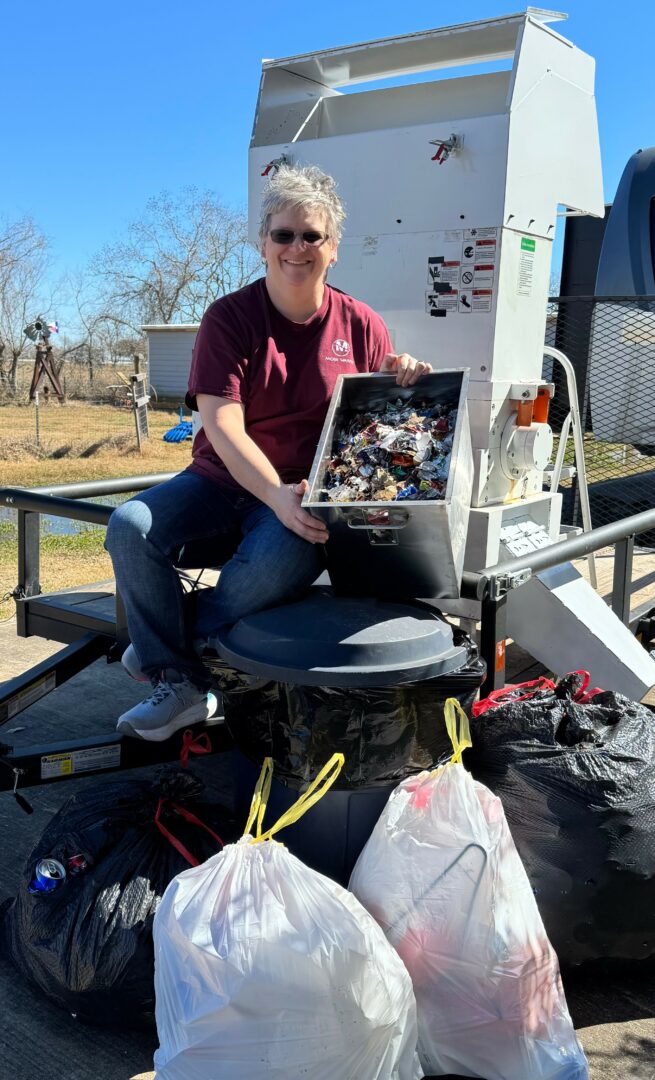
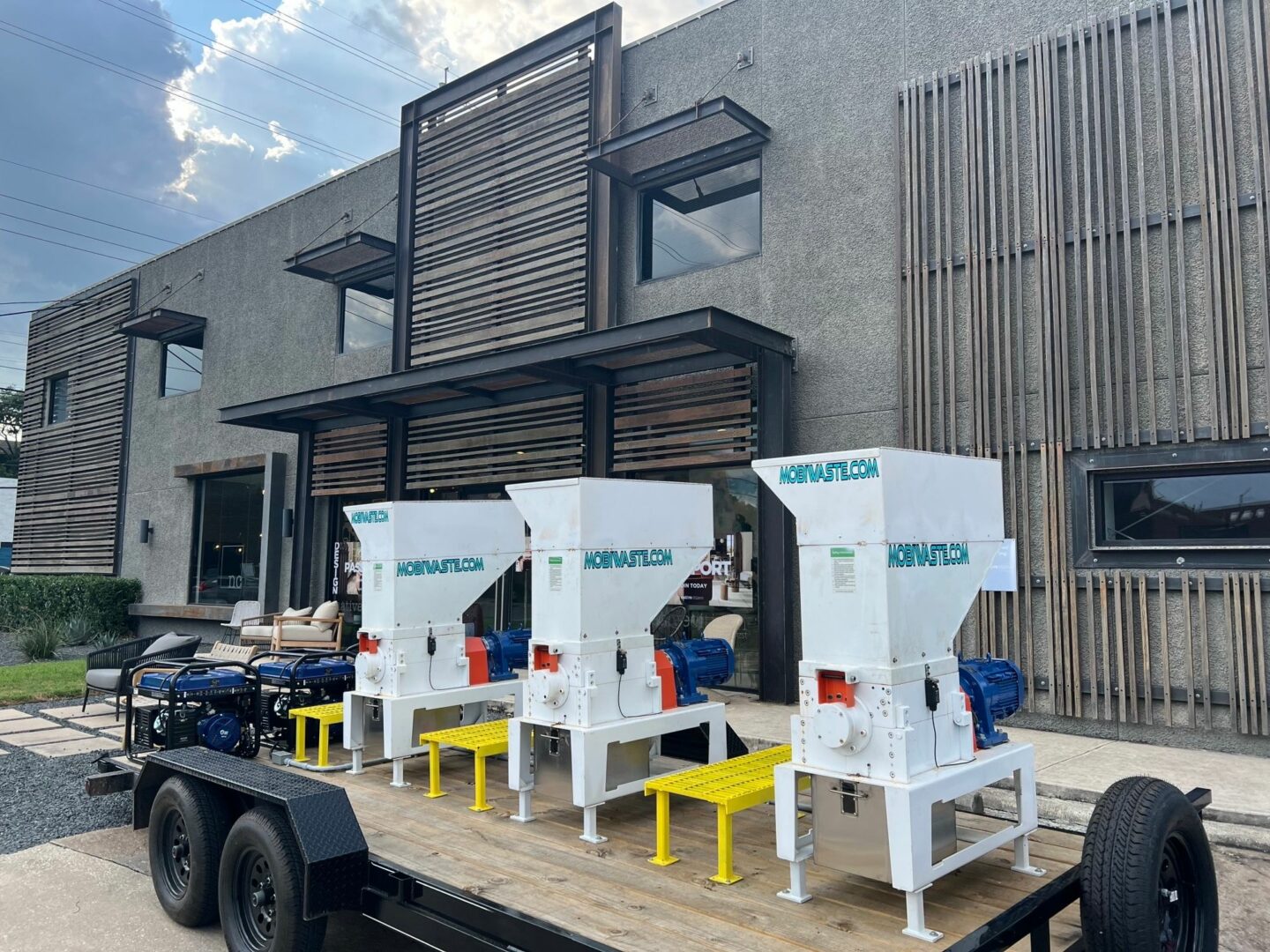
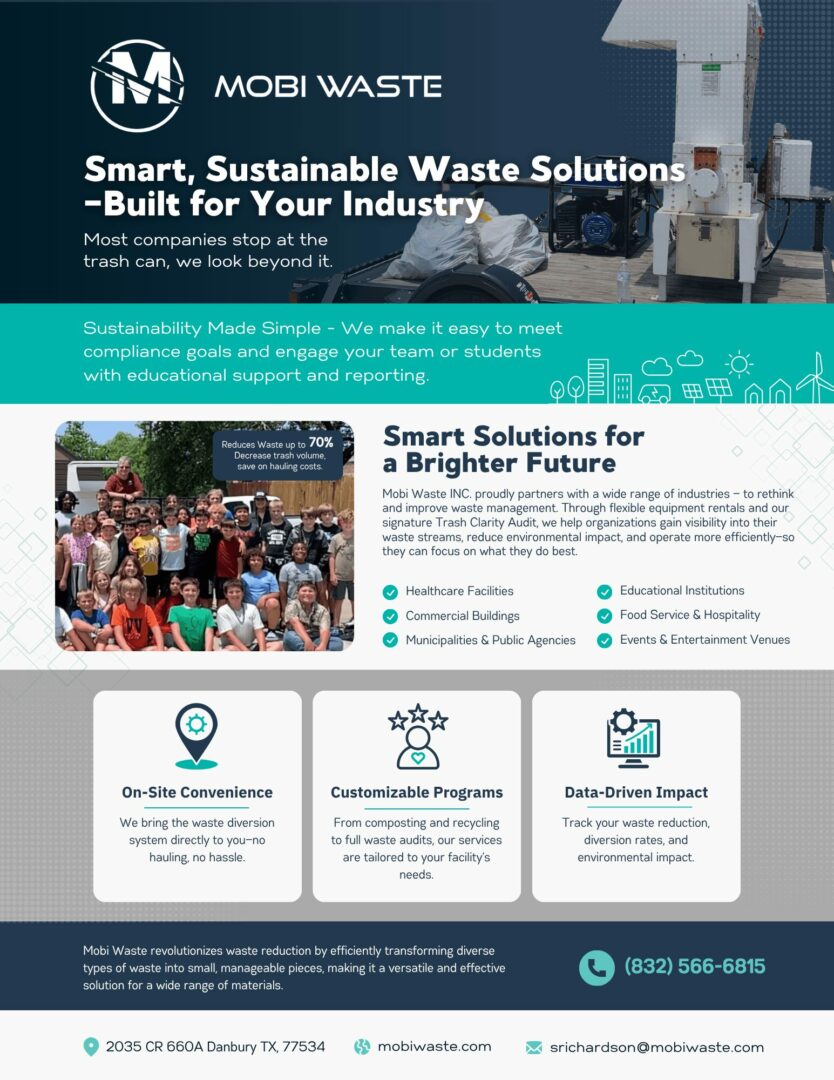
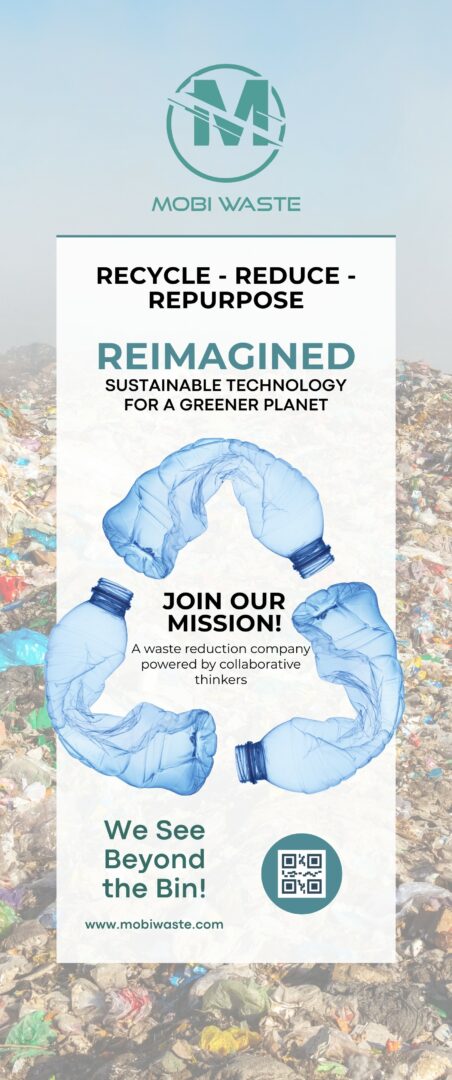
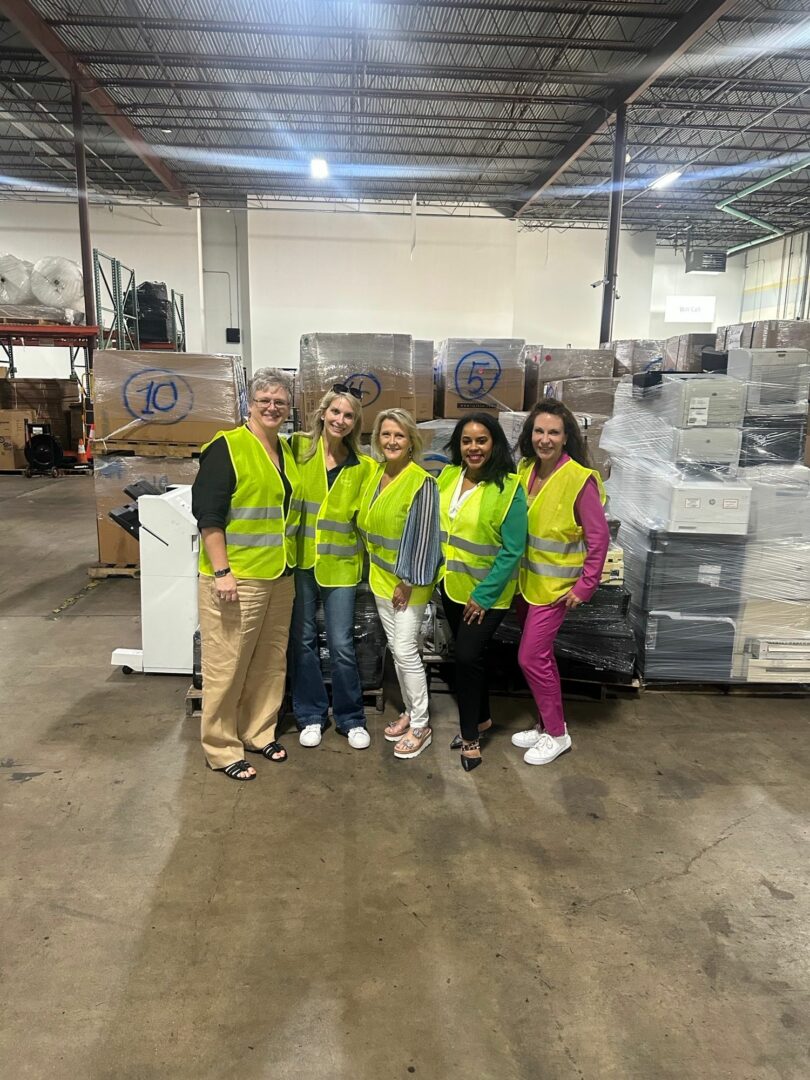
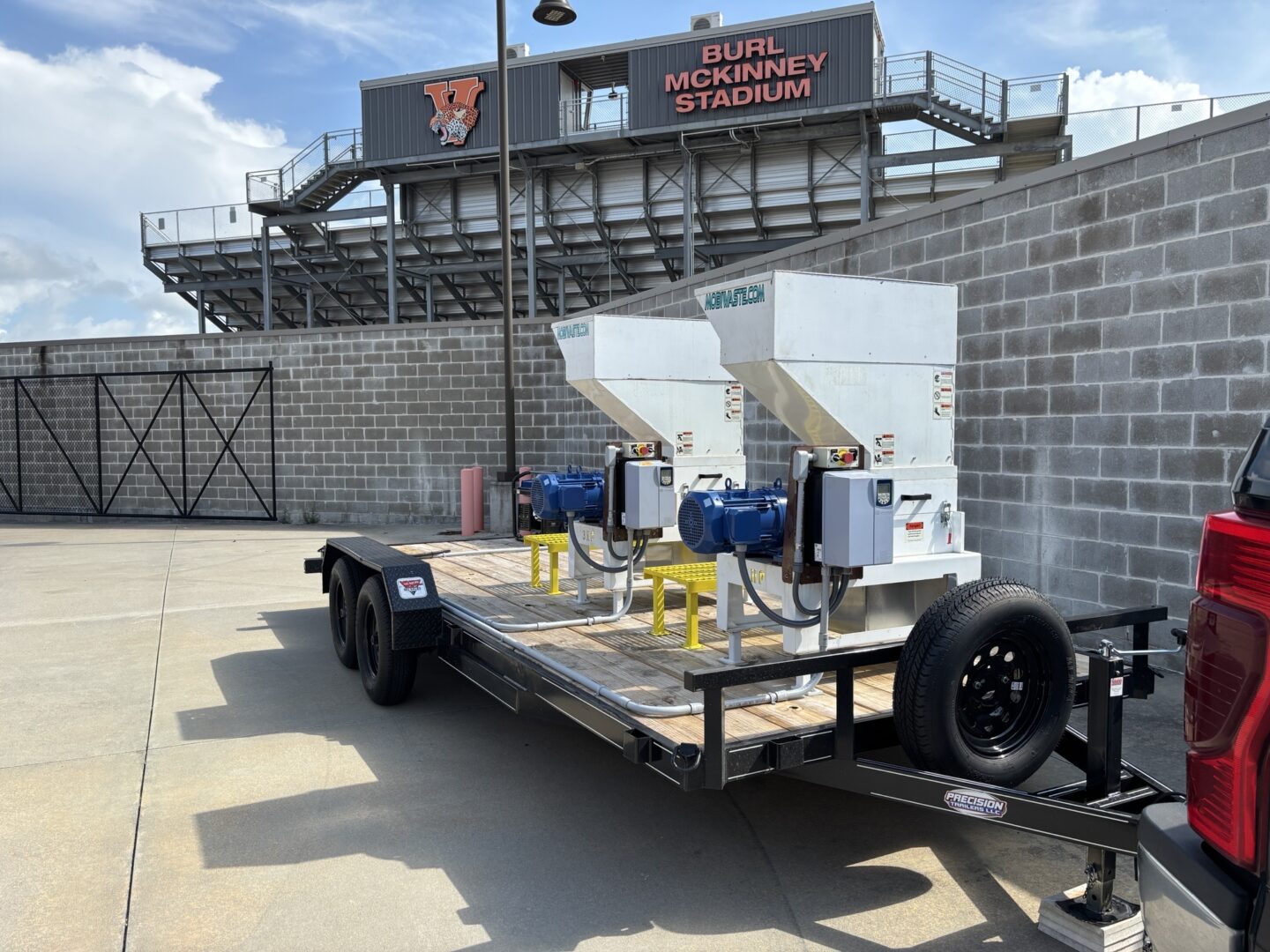
My purpose is what drives my work today as the CEO of Mobi Waste. We’re building solutions that transform how communities think about reducing waste volume by up to 70% and turning it into feedstock for new energy and circular economy opportunities. For me, it’s not just about waste; it’s about vision, seeing value where others see none and creating systems that move Mobi to a waste-to-infrastructure systems builder.
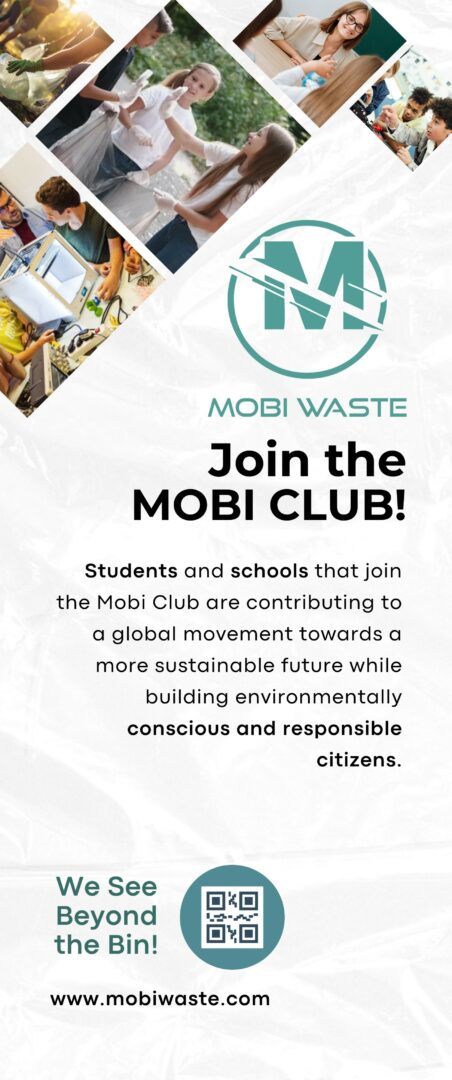
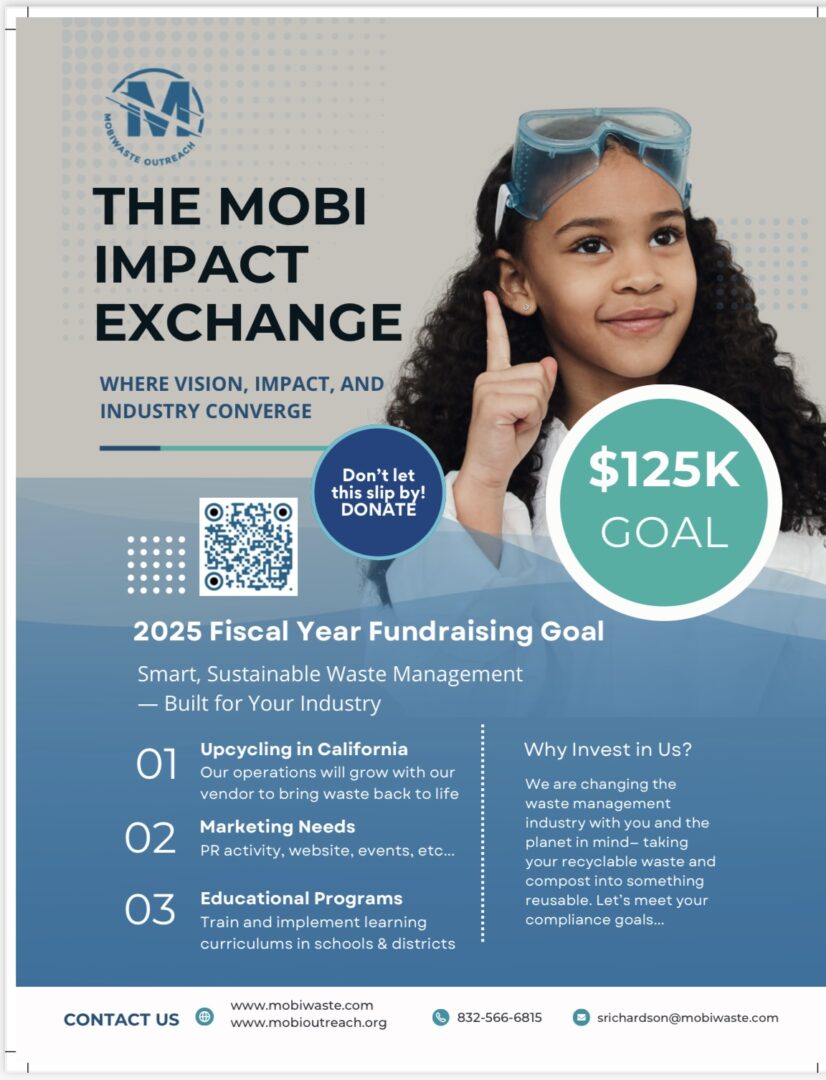
Alongside Mobi Waste, I also lead a nonprofit arm that focuses on education and outreach. We work with schools, youth, and communities to shift the conversation around waste, turning it from a problem into a platform for innovation, creativity, and empowerment. That work excites me most because it means the next generation won’t just sit at the table, they’ll redesign it.
I am also a founder of the Women Owned Waste-Recycling Collective (WOW-RC), a network of women-owned companies across different waste streams. Together, we bring full-service, collaborative solutions to clients. Instead of working alone, we combine expertise and resources to deliver new systems that are more effective, sustainable, and community centered. Innovation for us is not about one-off fixes, it’s about building ecosystems of change.
Looking back, what do you think were the three qualities, skills, or areas of knowledge that were most impactful in your journey? What advice do you have for folks who are early in their journey in terms of how they can best develop or improve on these?
Looking back on my journey, three qualities have been most impactful: resilience, the ability to keep moving forward even when the room felt heavy; vision, seeing possibilities where others only saw problems; and connection, building relationships that transformed into collaboration. For those just starting out, my advice is to practice resilience by learning from setbacks, strengthen vision by asking daring questions, and invest in connection so you never feel like you have to walk into a room alone.
Is there a particular challenge you are currently facing?
Like any bold vision, this work comes with challenges. The greatest obstacle I face right now is navigating systems that weren’t built for innovation. The management of waste is often stuck in old infrastructure, old contracts, and old mindsets. Pioneering a new approach means we’re not just offering a service; we’re asking people to imagine a different way of doing things. To overcome this, I focus on building proof: pilot projects that demonstrate results, partnerships that expand credibility, and stories that shift the narrative. Each small win is evidence that change isn’t just possible, it’s already happening.
And I know we can’t do it alone. That’s why I’m always looking for impact partners who are ready to help rewrite systems that are broken. Innovators, organizations, educators, municipalities, and businesses who want to reimagine how we handle waste as a resource, how we create energy, and how we empower communities, I want to connect with them. Together, we can build something bigger than any one of us could on our own.
Being “the only one in the room” taught me how to stand tall in my difference. Being a leader in waste and nonprofit work has taught me how to make that difference count. And the most exciting part? I’m just getting started.
Contact Info:
- Website: https://www.mobiwaste.com
- Other: Non-profit is www.mobioutreach.org and find us on socials under Mobi Waste Inc.
so if you or someone you know deserves recognition please let us know here.