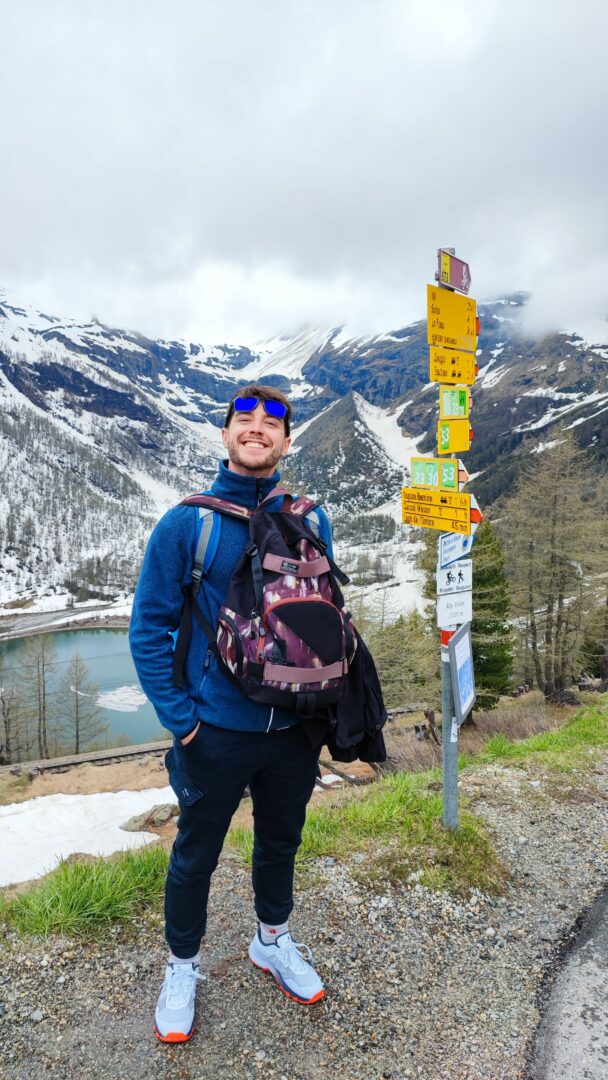
We caught up with the brilliant and insightful Stanislav Moshkivskyi | Stasser a few weeks ago and have shared our conversation below.
Stanislav, so great to have you with us today. There are so many topics we want to ask you about, but perhaps the one we can start with is burnout. How have you overcome or avoided burnout?
I’ve been working in 3D graphics for over a decade now. Recently, it hit me that 11 years have passed since I created my very first model. That was on a friend’s computer, inspired by a random concept art. From that moment on, my style and skills have changed countless times. I’ve learned new techniques but also let go of many tools and methods. The same goes for the software I used – I started with 3ds Max, but now I mostly work in Blender.
The first time I faced burnout was when I achieved my dream of becoming a 3D artist in the gamedev industry. When I finally got there, I realized that my dream had turned into just another job. I had reached the destination I had worked toward for years, but I didn’t know where to go next.
Outside of work, I tried to keep busy with personal projects because I wanted to grow beyond my professional responsibilities. The problem was that what I did at home wasn’t much different from my work – I created 3D models for games. I uploaded them to ArtStation or social media, where they got a few likes and then disappeared into the void. I started to notice that my work and passion had blended into one monotonous routine, and I couldn’t see the point anymore. My motivation slowly fizzled out until it was completely gone.
At one point, I seriously considered quitting my job and trying something entirely different. Instead, I decided to take a short break. For a few weeks, I set aside my personal projects and focused only on my professional duties. After work, I deliberately avoided anything related to 3D graphics and spent my time watching movies, going for walks, traveling, and hanging out with friends.
After a while, I realized I was starting to miss creating. One day, I came across an inspiring illustration and felt the urge to make a model based on it. That led to more ideas and projects. I gradually returned to 3D, but this time without pressure – I created only when I genuinely felt like it.
Looking back, I see four key decisions that helped me get through burnout:
1. Changing my style.
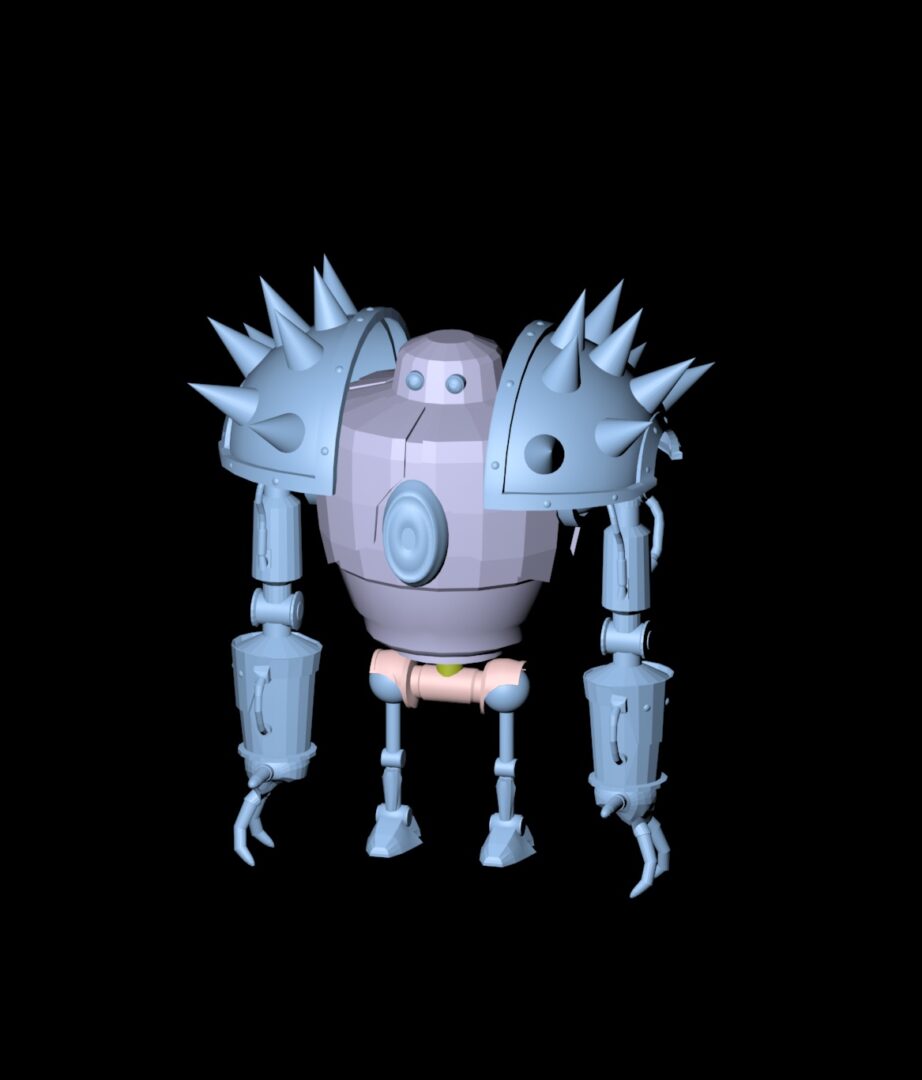
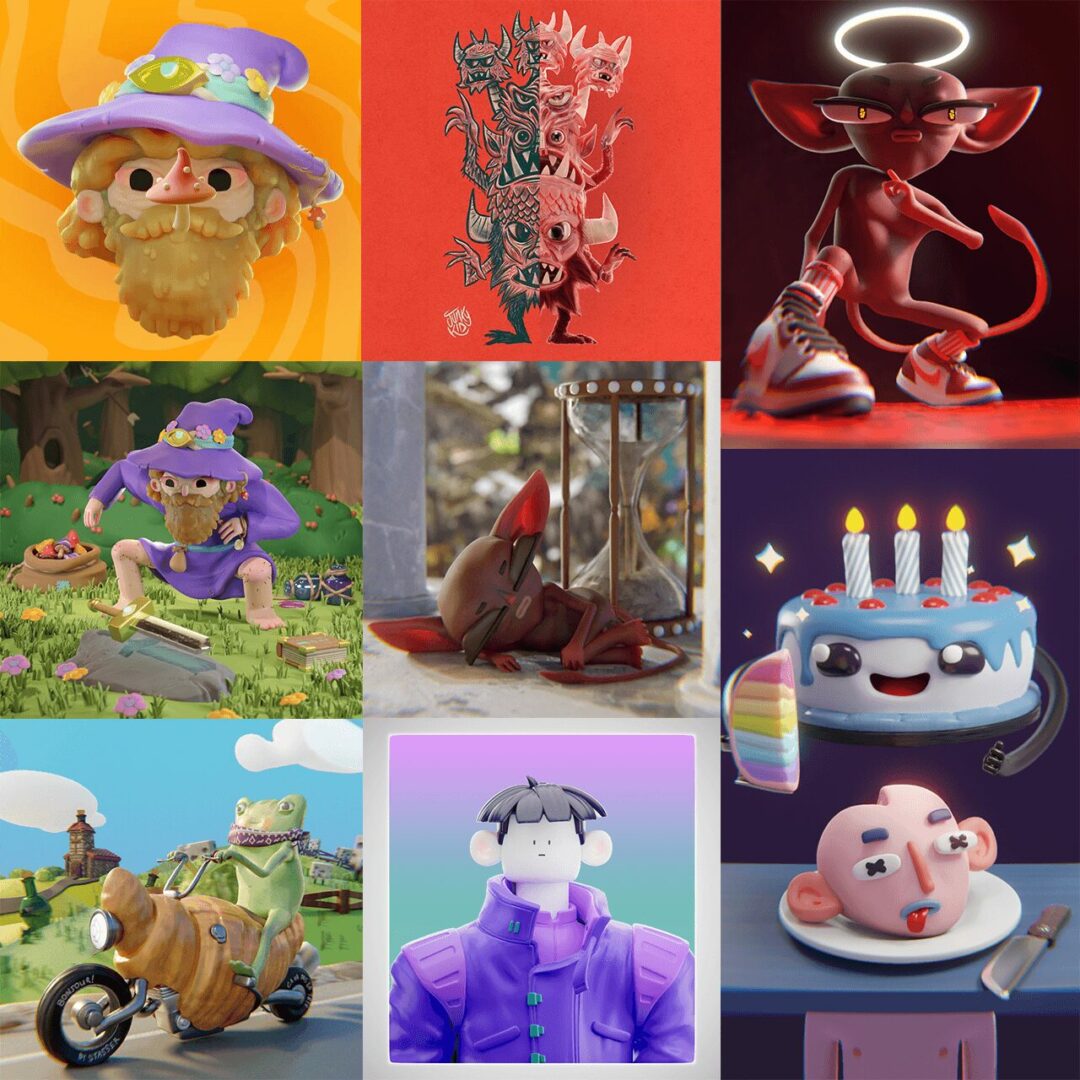
Instead of focusing on realistic models, I decided to try something entirely new. I started creating stylized, cartoonish, and cute characters. This made my personal projects an escape from work – they were no longer a mirror image of my professional tasks. This change allowed me to enjoy the creative process again.
2. Learning something new.
Changing my style came with a learning curve. At first, I felt out of my depth. I didn’t know the rules of creating stylized 3D models, so I signed up for a course to learn. Initially, I doubted myself – my ego kept saying, “Why are you doing this? You’re already a professional.” But I ignored that voice, and the course turned out to be a great decision. Although I didn’t finish it entirely, it gave me enough knowledge to start creating. Sometimes I even revisit it to brush up on specific skills.
3. Monetizing my new skills.
Slowly, I started earning money from projects in my new style. This gave me extra motivation to develop my skills and take on new challenges. On the flip side, monetizing my work brought its own challenges – my hobby started to feel like a job again, which sometimes caused frustration.
4. Changing my mindset.
I realized I didn’t need to turn everything I created into work. It’s important to maintain balance and allow yourself to create simply for the joy of it. This shift in mindset brought back the excitement and inspiration I had lost.
Burnout is a difficult chapter in any artist’s life, but it can be overcome. A change in perspective, learning new things, and taking some time to recharge can help you rediscover the joy in what you do.
If you’re struggling with burnout right now, remember there is light at the end of the tunnel. But you have to take a step forward – standing still won’t get you where you want to go.
Thanks for sharing that. So, before we get any further into our conversation, can you tell our readers a bit about yourself and what you’re working on?
Jestem grafikiem 3D, a tworzenie modeli do gier komputerowych to moje marzenie z dzieciństwa, które udało mi się spełnić – i jestem z tego bardzo dumny. Dodatkowo, pracuję jako freelancer, specjalizując się w tworzeniu stylizowanych postaci 3D, zarówno do druku 3D, jak i do animacji. Postacie stały się moją prawdziwą pasją, którą odkryłem po okresie wypalenia. Dziś czerpię ogromną satysfakcję z tworzenia nowych postaci, niezależnie od tego, czy są przeznaczone do druku, czy animacji. Oba te obszary są niezwykle fascynujące i działają na innych zasadach, co daje mi szeroką przestrzeń do kreatywności.
Prowadzę również media społecznościowe, gdzie dzielę się swoimi pracami, testuję nowe formaty contentu i mam zamiar powrócić na YouTube, aby pokazać wszystko, nad czym aktualnie pracuję.
Here you can find my 3D acc: https://www.instagram.com/stasser_art/
Ostatnio odkryłem także wielką pasję do podróży, która całkowicie zmieniła moje dotychczasowe spojrzenie na życie. Wraz z narzeczoną spędziliśmy 9 miesięcy podróżując kamperem po Europie, a w tym czasie łączyłem pracę z podróżowaniem, zwiedzaniem i realizowaniem własnych projektów jako freelancer. To był niesamowity czas, który pozwolił mi na pełną swobodę i otworzył nowe perspektywy.
And here small account from our trip: https://www.instagram.com/vanikiem_z_grafikiem
Teraz planuję krótką podróż do Azji z plecakiem i laptopem, a po powrocie – budowę nowego kampera i kolejną podróż. Wszystko to jest możliwe dzięki pracy zdalnej, która daje mi niezależność i wolność, by w pełni wykorzystywać te niesamowite możliwości.
There is so much advice out there about all the different skills and qualities folks need to develop in order to succeed in today’s highly competitive environment and often it can feel overwhelming. So, if we had to break it down to just the three that matter most, which three skills or qualities would you focus on?
1. Learning is essential, but at some point, it’s crucial to specialize. It’s tempting to be a jack-of-all-trades, but if you’re still at the beginner level, it’s better to become a master at one thing. Focus on mastering the violin first, and then, once you’re confident, experiment with other instruments from time to time.
2. You’ll always encounter people who seem better than you. Instead of comparing yourself to others, compare yourself to the person you were yesterday. You don’t know the luck, struggles, or sacrifices others have faced to reach their level. Draw inspiration from them, collaborate, but stay focused and consistent in your own growth.
3. Balance work and rest – it’s essential. The more you ignore it, the harder it becomes later on. I’ve hit the point of workaholism, and trust me, it’s not pretty. Don’t let yourself get there.
Who is your ideal client or what sort of characteristics would make someone an ideal client for you?
As someone who works closely with clients, I’d like to share some insights on freelancing and earning money in this field. Let’s begin with the assumption that you already have a portfolio and some experience. Toward the end, I’ll offer a few words of advice for beginners.
An ideal client is one who understands and respects your working process, values your creative freedom, and is happy to pay a deposit upfront. They’ll appreciate the results you provide without requesting excessive revisions, pay the full amount once the work is delivered, and even share your work on social media, tagging you in the process.
In reality, finding such a client is rare. This means you must be prepared to sell, negotiate, and sometimes resolve conflicts along the way.
One of the most important pieces of advice I can offer, especially if you’re an artist, is to prioritize your safety. And by safety, I mean prepay. This word should become part of your vocabulary. Don’t hesitate to ask for a prepay when a potential client reaches out to you. You’ve built a portfolio and social media presence that demonstrates your value—don’t let that be taken advantage of.
A prepay is your best defense against scammers. You can use contracts, agreements, or a third-party service to guarantee payment, but without that – you should always ask for a prepayment. I’ve heard too many stories from artists who weren’t paid for their work, and I don’t want that to happen to you.
An ideal client will understand the need for this and will be happy to comply. If they’re hesitant, don’t be afraid to negotiate the terms—perhaps a smaller prepay, payment in milestones, or other adjustments that work for both parties. But never forgo the prepay. Losing a client is less costly than losing both your time and money.
Another key factor is communicating your process clearly. Outline how working with you (PWY – Process of Working with You) will unfold from start to finish. This includes when and how they can provide feedback, the stages of the project, and what to expect along the way. With a clear, structured pipeline, clients will feel secure, and you’ll have a much better chance of closing the deal on your terms.
As for pricing your services, remember that what you charge is entirely personal. Don’t focus on whether the price is “good” or “bad”—instead, research what your peers and competitors are charging, and adjust your prices accordingly. Set a rate that feels comfortable for you, and don’t be afraid to raise your prices over time as you grow. Testing small increases will help you gauge what works and allow you to continue evolving.
From my experience, clients tend to fall into two categories:
Personal projects – These are usually faster and easier. One person makes all the decisions, and communication is direct. However, they often come with smaller budgets since individuals typically have less to spend.
Business or company projects – These usually offer more financial reward, but the decision-making process can involve multiple people, leading to longer timelines, more revisions, and more bureaucracy.
There will be times when you lose clients, make mistakes, or feel frustrated. That’s normal. Just remember, making money from art is not the same as simply creating art. It’s a business, and you must develop the skills to navigate it.
For beginners who don’t yet have a portfolio or are starting a new career, your focus should be on gaining experience first, and money second. Building your client base and portfolio is more important than earning a large sum upfront. The money will follow as your portfolio grows. I remember my first 3D printing project, where I charged just $25—only because the client gave me an extra $10 instead of the $15 I originally asked for.
Was I happy? Absolutely! I was doing something I was passionate about, and I got paid to learn and grow. That mindset is crucial when you’re starting out—focus on creating great work and building a solid portfolio. With each new project, aim to ask for more money, build your confidence, and continue refining your skills.
Contact Info:
- Instagram: https://www.instagram.com/stasser_art/
- Linkedin: https://www.linkedin.com/in/m-stanislav/
- Youtube: https://www.youtube.com/@stasser3d
- Other: Instagram, for those who want to see the traveling side of me: https://www.instagram.com/vanikiem_z_grafikiem/
Behance: https://www.behance.net/Stasser
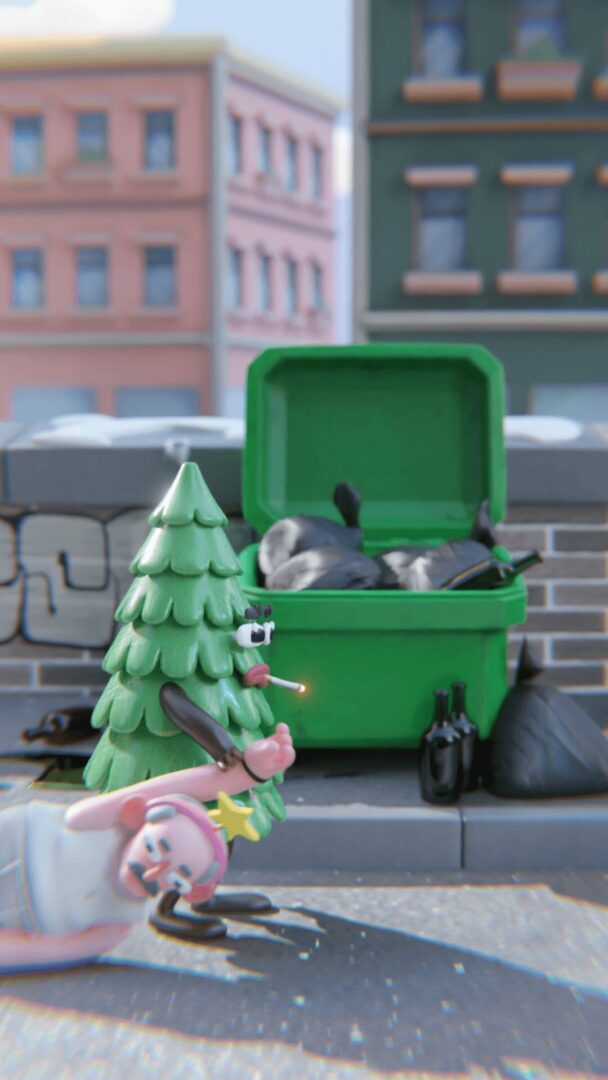
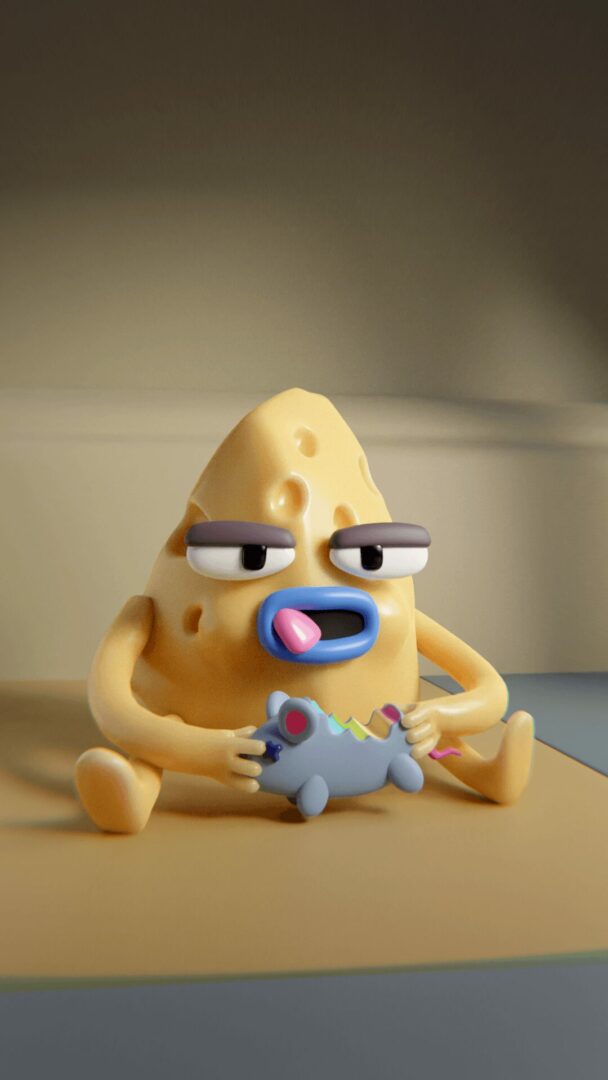
Image Credits
Zuzanna Kowalczyk
so if you or someone you know deserves recognition please let us know here.