We caught up with the brilliant and insightful Stanislav Ostrovskyi a few weeks ago and have shared our conversation below.
Hi Stanislav, really happy you were able to join us today and we’re looking forward to sharing your story and insights with our readers. Let’s start with the heart of it all – purpose. How did you find your purpose?
My path to music may not resemble the stories you typically read in composer biographies. But for me, it was truly a journey—a real one, sometimes even strange and contradictory, but gradual, not a single, sudden epiphany. With the exception of the last year and a half spent here in Arizona, my entire creative path has taken place in Ukraine, in the city of Sumy. I didn’t grow up in a family of professional musicians, but music was always playing in the house—my mother listened mostly to Western pop and pop-rock, especially The Beatles. I was a passive listener, but I loved it; it was my natural environment. I remember having my favorite bands even before school, and I often caught myself simply walking down the street, turning on my “internal tape recorder,” replaying one of my favorite songs in my head, and enjoying it. Some songs were essentially a kind of therapy for me, creating an aesthetically beautiful world I could always immerse myself in. These were, in essence, markers that pointed to the “signs of a composer,” namely, seeing beauty in music and deriving aesthetic pleasure from it. So, before I realized I was a musician, I was a music lover. Gradually, during my school years, I realized I was gradually moving from the stage of a passive music lover to a conscious one, where I would choose a record or cassette from the music library and put it on. I spent many hours at home like this.
One day, when I was about 12 years old, my neighbor, a philosophy teacher, played me a few records: Led Zeppelin, Deep Purple, and other rock classics from the 70s and 80s. That’s when a new world of music opened up to me, in which I began to imagine myself playing guitar.
It was then that the first questions began to arise within me: “Can I do that?” My first encounter with creativity occurred around the age of 14, when my “search for Truth” led me to a Protestant church. There was a piano there, and I sat down to play a few carols by ear, and at the same time, I began to improvise. These were my first attempts, only on white keys, as the black ones somehow didn’t “fit into the overall concept,” but it was then that I experienced creative ecstasy for the first time. I seized every opportunity to get to the piano when no one else was around, to improvise freely, to create “new worlds.”
Then I realized I could create, that there was music within me that longed to be released. This was the beginning of my journey to discovering my calling in music.
A little later, I started learning guitar, eventually acquiring my first electric guitar. A long period of being a “couch potato guitarist,” spending hours practicing scales on the couch, then my first rehearsals, rock bands, attempts to play with different people, and a search for “like-minded musicians.” Sometimes my room resembled a recording studio and a party all at once, as it was constantly filled with musicians, nonconformists, artists, and hippies. It was a wonderful time; we improvised, exchanged books and records, and recorded our improvisations on magnetic tape. Interesting improvisational projects often emerged in my room, which later evolved into various performances at art exhibitions, often by the same artists with whom we rolled glass marbles and slides across guitar strings, rustled plastic bags into microphones—in short, I sometimes had to “force” someone who had never played an instrument to play something. Despite all this, I didn’t have a teacher at the time, and as a teenager, I had to learn music notation and theory on my own. This continued for a while until I met some “adult” musicians from a professional academic environment.
Then one of them told me point-blank: “Stop playing around with this and start a professional career.” I reacted like a student who received enlightenment from a Zen master’s blow. After that, I bought a piano and found a piano teacher, with whom I immersed myself in the world of classical music. It was a wonderful pianist, Elena Galinskaya, who had a keen sense of what kind of music attracted me and might attract me in the future. Therefore, she was able to find a way to connect with me and immerse me in the world of Baroque, Classical, and Romantic music, and, most importantly, the music of the Impressionist composers Debussy and Ravel. I spent hours practicing at the piano for several years.
At some point, I came across a recording of Giya Kancheli and Alfred Schnittke on a CD released by ECM Records. It’s safe to say that at that moment I discovered contemporary classical music and fell in love with it. From that moment on, I began listening avidly to records of 20th-century composers. One night, listening to Olivier Messiaen’s Organ Mass in my room, I caught myself thinking that I wanted to compose only this kind of music, only 20th-century music. I immediately began making my first attempts at musical notation and soon found a composition teacher—the only contemporary composer in our city, Roman Khominich. Although he was primarily interested in the music of composers of the New Viennese school, despite my pleas to teach me serial music, he understood that this would be the wrong path, and he taught me the basics using the great classics as examples. Along with composition, we also studied harmony and polyphony. Sometimes I would bring him two or three pieces a week. I am very grateful to these two teachers, who were the first teachers in my life and played perhaps the most important role in shaping my future creative path.
It was then, in the early 2000s, that I decided to prepare for the conservatory. In 2002, I went to Lviv to audition for the conservatory, and later submitted my documents and took the exams. My dream came true, and in 2003, I was accepted into the Lviv Conservatory to study with the renowned Ukrainian composer, Professor Myroslav Skoryk. Thus began my professional musical career.
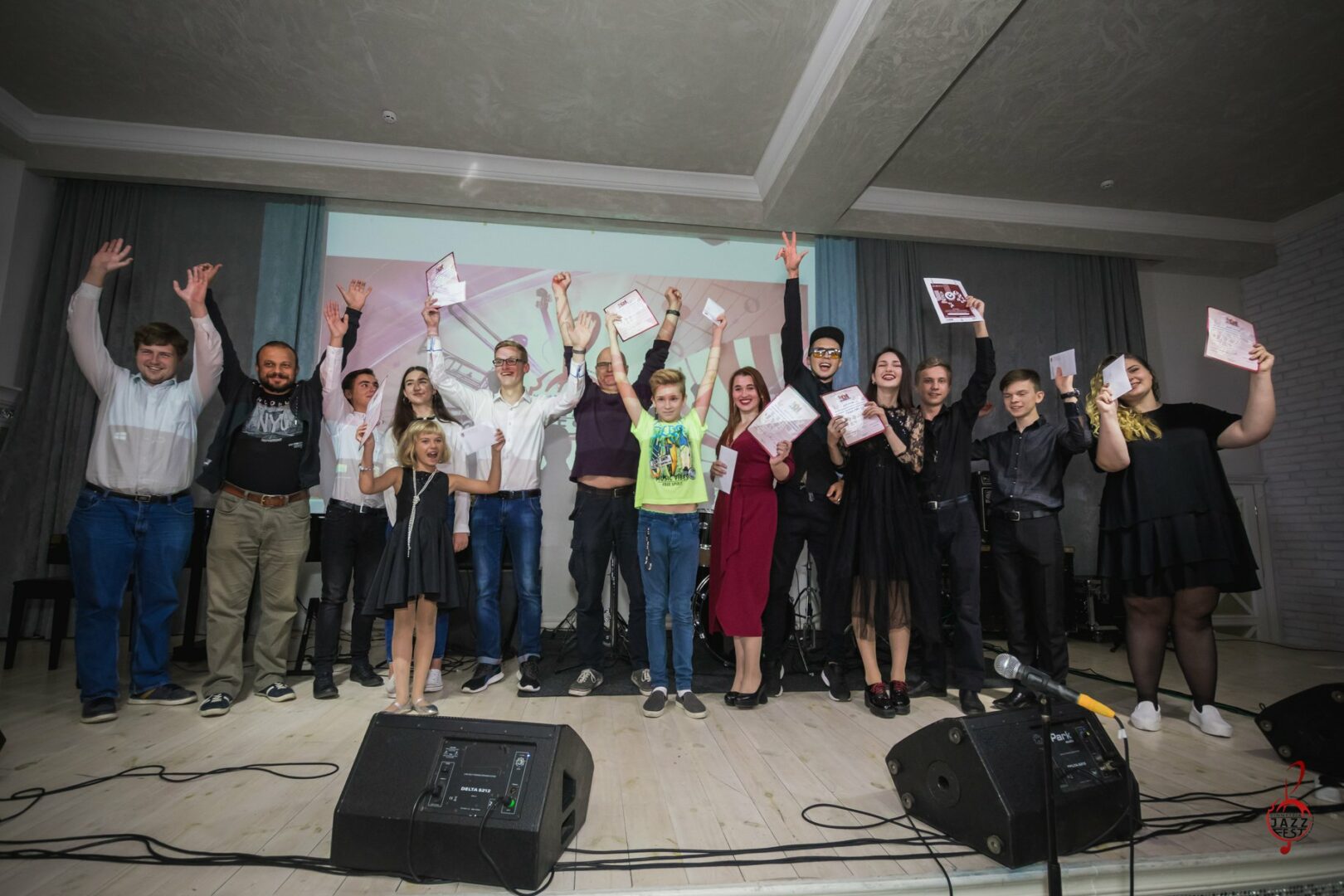
After studying at the conservatory, I returned to Sumy and immersed myself entirely in teaching. For 13 years, I taught composition, improvisation, classical guitar, and piano at a music school, and directed jazz ensembles. Those were years of constant concerts, competitions, and festivals, and my students’ successes. Essentially, all my creative energy during that period went toward my students; I focused more on developing them than on my own compositional career.
Gradually, during those years, I became increasingly interested in film music, realizing that as a composer, I had to explore this field. I had no idea how to implement it technically, and for many years, this held me back, as I held certain stereotypes about it being difficult to organize, requiring extensive equipment, a studio, and vast resources. But in 2019, I finally decided to give it a try: I bought a MacBook, software, and equipment, and essentially began mastering a new profession from scratch.
A couple of years later, war broke out in the country. At that time, I was already teaching at the university and studying for a postgraduate degree. My wife and I were planning a move to Kyiv so I could further develop my skills as a composer and media composer. But reality intervened…
Answering the question, “How do you understand your calling?” I would say it’s something you’re always drawn to, and when you do it, you experience pleasure and succeed.
Thanks, so before we move on maybe you can share a bit more about yourself?
Today, I work as a classical composer, improviser, and seek projects for film composers. I also constantly explore the intersection of two worlds: classical (contemporary) music and experimental ambient music, noise, and guitar sound design. Here, I work on the border between experimentation with the acoustics of live instruments and electronics, realized through various guitar effects pedals or computer programs.
Perhaps the distinguishing feature of my work is the combination of an intuitive and profound attention to sound. Timbre, the inner life of sound, overtones, resonance, and the space and time in which it exists are important to me. For me, there’s little difference between ancient temple music played on the shakuhachi flute and a resonant note in a string quartet by composer Salvatore Sciarrino – in both cases, sound for me is a state of immersion, a kind of metaphysical process. Whether I’m writing a piece for string quartet, composing a film score, or improvising on the piano, I always have this understanding and sense of sound. My country, Ukraine, is at war, and circumstances brought me to Phoenix, Arizona. At some point while I was here, I realized that the desert, the vastness, and the silence resonate deeply with what’s going on within me as an artist.
In a way, all this beauty around me serves as therapy after two years spent in Ukraine during the war—it was and remains a very difficult time for both my country and me personally. It’s crucial for me to be alone with nature and myself here, so I often hop on my bike with tea, a pencil, and some music paper and simply ride through the desert or go hiking in the mountains to find a cozy, shady spot to write a score or reflect on ideas. I often find interesting locations where I take countless photographs and videos, which I then combine with music. Sometimes, while in a certain place, gazing at a mountain range or a desert landscape, I hear music that I will later write. The combination of music and visual imagery is another creative dimension I’ve discovered here. I continue to create works for live performances, try to establish contacts with professional musicians, and seek out projects and opportunities in the film industry. At the same time, I’m recording experimental projects using ambient guitar.
Perhaps the most important thing I’d like to convey is that creativity isn’t a profession for me, but a way of life. And if there’s one thing I’d like to share with others, it’s the feeling of that inner creative fire, the epiphany you always experience in that moment. The opportunity to sit down at an instrument and simply improvise is perhaps the most ideal form of self-therapy imaginable.
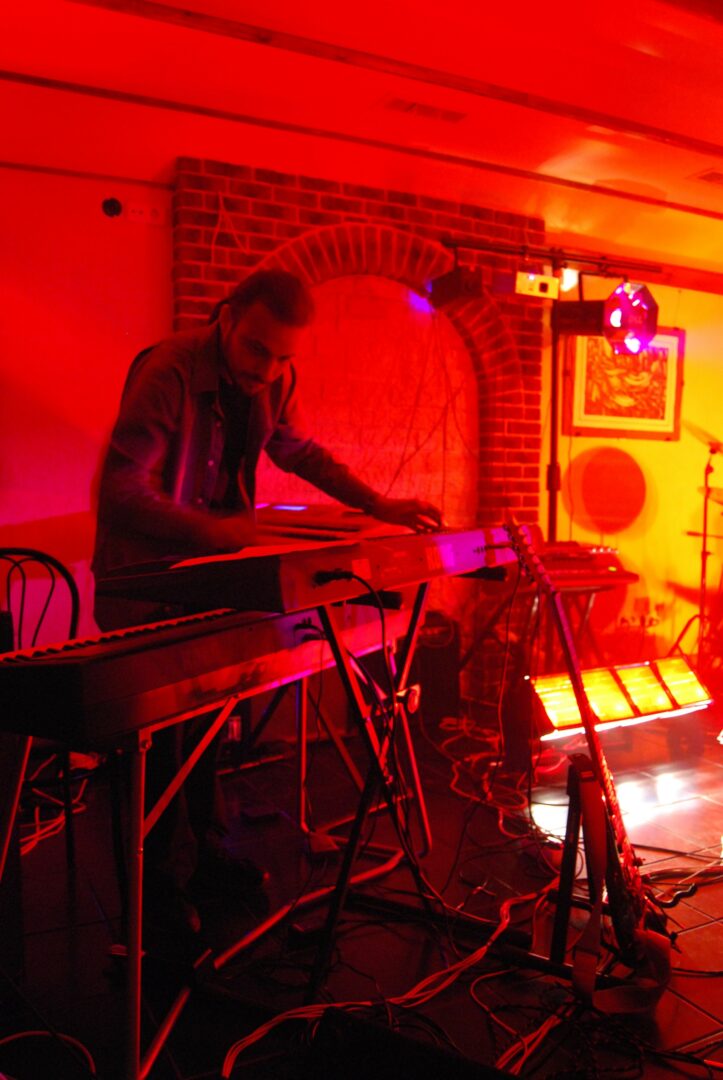
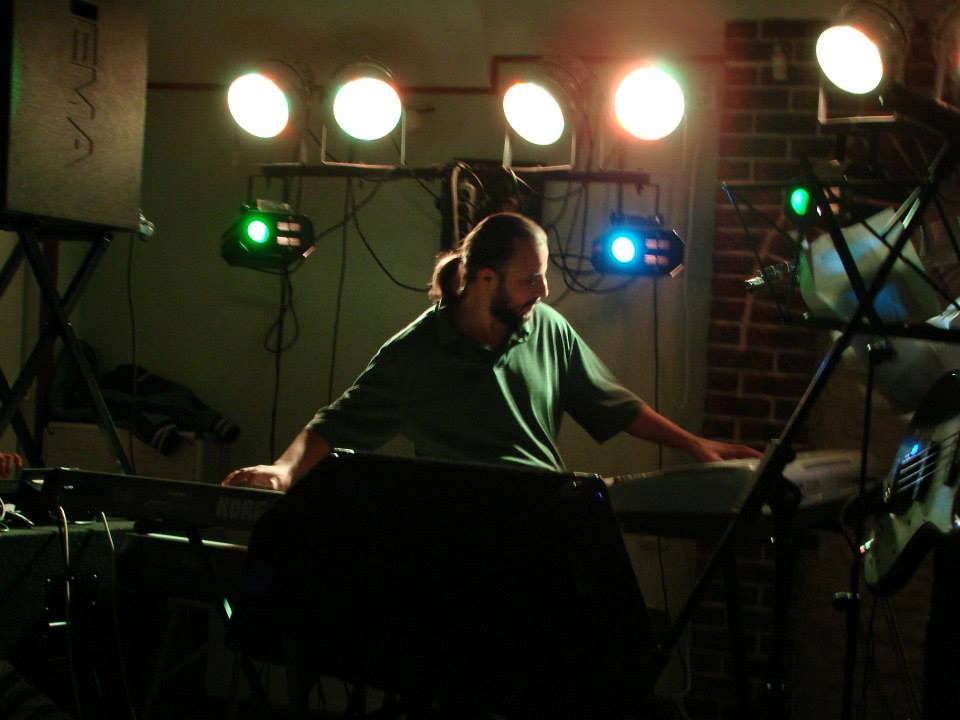
Looking back, what do you think were the three qualities, skills, or areas of knowledge that were most impactful in your journey? What advice do you have for folks who are early in their journey in terms of how they can best develop or improve on these?
Looking back, I realize that three qualities have been most influential on my path: inner intuition, perseverance, and an openness to new experiences. The first is inner intuition. This has two aspects: the first is the strategy for the path, the second is the creative act itself. Regarding the path, I usually formulate it this way: “follow your guiding star.” Everyone has this guiding star, a sense of “this is yours.” This feeling is always very warm, it contains peace and silence, and in a sense, it contains inner joy. You can imagine it as a treasure that is always with you and that no one can ever take away from you. This feeling can always be “superimposed” on what you are doing or have decided to do, and thus check whether you have strayed from the path. The next aspect is creative intuition. If we talk about music, and I believe that here I am in my element, then having a composer’s intuition is the foundation for composing. Music is the most irrational art form, and much about it is inexplicable. Often, you simply know what a note or chord should be. And all the learned rules, acquired knowledge, and technique fade into the background – it just needs to be that note, and that’s it! In music, any decision is correct if it’s yours.
I often plan the concept of a piece, first writing it out on paper in the form of text, diagrams, and charts, and sometimes I draw something, but during the process of creating the score, everything changes, and the final piece often turns out completely different from what I had planned.
The second quality is persistence and tenacity. Creativity cannot be achieved through inspiration alone; it is always a process that requires work without inspiration, especially when it comes to regular practice. But this persistence always has a reward – regular practice gives you freedom of control of the instrument and freedom to express your ideas, and this, in turn, brings inspiration. Furthermore, persistence in practice is an indicator of how much you need and value what you do.
When it comes to film music, many aspiring composers think that buying a MIDI keyboard, a computer, and watching a few YouTube tutorials on how to compose an epic soundtrack or trailer will make them good film composers. This is far from the truth, as without studying music theory, composition techniques, listening to classical music, and playing the piano, it’s unlikely you’ll write anything worthwhile or find your own style. I always tell my students: find your own voice, don’t pursue styles and genres that will soon be replaced by artificial intelligence. Only by consistently focusing on one thing, not spreading yourself too thin, and practicing regularly will you truly become a master.
The third quality is the ability to always remain a student. I continue to learn, every day! I learn by listening to music, discovering new composers, constantly studying scores, exploring various compositional techniques, listening to and analyzing soundtracks while watching films… I learn from musicians, from nature, from the random sounds around me. I simply always understand that a person develops as long as they are capable of being surprised. The main thing is not to write your own collection of dogmas, your own catechism that someone will ultimately follow—that destroys creativity. It’s important to always remain open, not to become rigid in a formula.
One of our goals is to help like-minded folks with similar goals connect and so before we go we want to ask if you are looking to partner or collab with others – and if so, what would make the ideal collaborator or partner?
Yes, I’m very keen to collaborate with local professional musicians to perform my classical music. I’d love for my music to be heard here in Arizona—it not only gives me a sense of belonging, but also inspires me and gives me more incentive to compose.
I’ve already written several piano pieces here in Arizona and have begun several projects for solo instruments and chamber ensembles. I’m currently finishing a three-movement organ piece. I owe its creation to an organ concert I attended here in Phoenix. I was inspired by organist Ann Laver’s performance, and after the concert, I even had the opportunity to improvise a little on the organ with the evening’s host.
I’m also currently finishing a piece for solo cello and simultaneously writing for a small chamber ensemble. Finding performers for my classical works is very important to me because this music only exists live. It’s built on subtle timbral transitions and advanced instrumental technique—it’s impossible to reproduce this music using sample libraries or upload it to YouTube. This music demands live performance. Therefore, I’d be happy to meet musicians open to contemporary classical music, experimenting with overtones and silence. If someone resonates with me and wants to perform my music, I’m always open to collaboration. You can easily contact me on social media or by email: [email protected]. As for film scores, the situation is different—my YouTube channel features works in this genre. There you can hear examples in various styles: from atmospheric ambient textures to orchestral ones. In film scores, I’m most drawn to the “old” Hollywood school—John Williams, Jerry Goldsmith, Alan Silvestri. This style is closest to professional classical music, where there’s dramaturgy, where one can think symphonically and thematically, and not just as a backdrop.
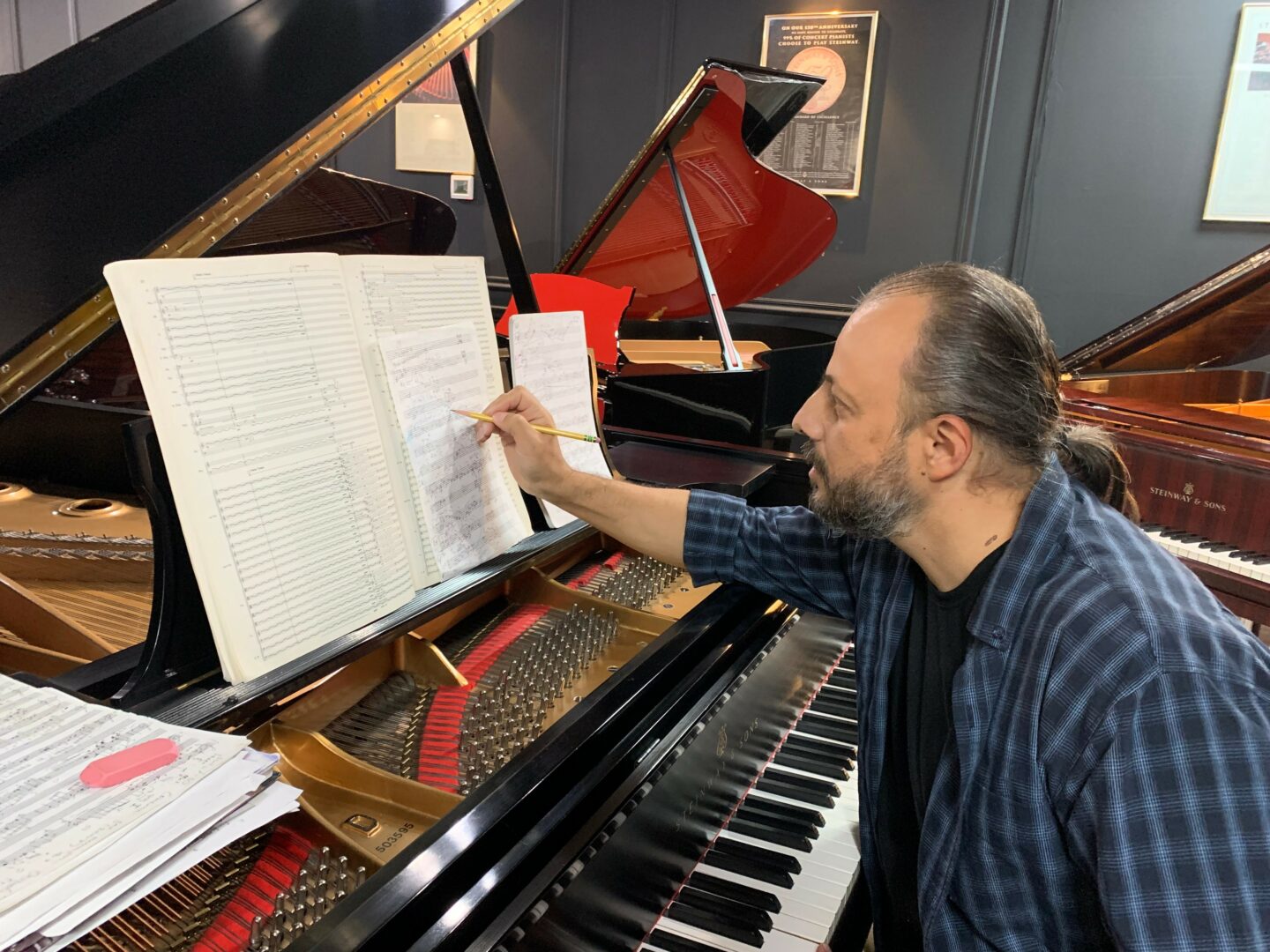
Although I have a fairly powerful computer, software, and equipment, I prefer the old-school approach of writing the score in pencil. As Gordy Haab so aptly put it, “When the monitor isn’t shining in your face.” This allows me to maintain focus, depth, and connection to the material, which is especially valuable when working on a film.
I’m always open to meaningful creative collaborations with directors who value musical storytelling and thematic depth.
If I could give advice to someone just starting out, it would be simple: listen to yourself and move forward, don’t be afraid to make musical mistakes. The main thing is to stick to what resonates within you, what resonates with your sense of self—if it brings you joy, go for it!
Contact Info:
- Instagram: https://www.instagram.com/ostrovskyi_composer/
- Facebook: https://www.facebook.com/ostrovskiychatl/
- Youtube: UCKCFS1w1WNnrc1anH98V_Hw
- Soundcloud: https://soundcloud.com/stas-ostrovskij
- Other: [email protected]
https://artists.spotify.com/c/artist/7HpQWZFMm8tMK8mSrtGX3u/profile/overview
https://music.youtube.com/channel/UCvbtakk0fmloIci-eTDF7eA
https://music.apple.com/us/artist/stanislav-ostrovskyi/1855405555
https://bigsky5.bandcamp.com/?from=viewsite_dashboard
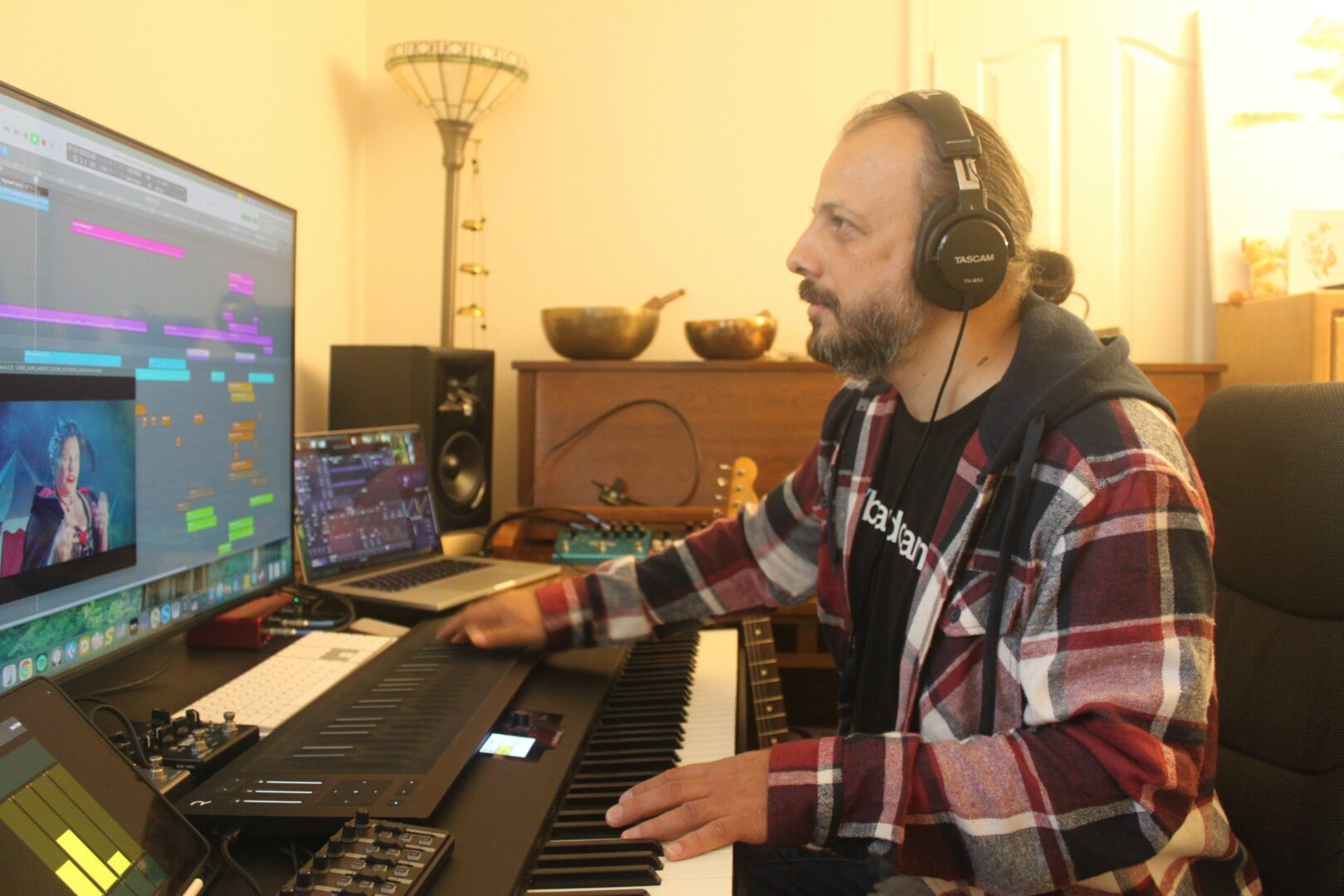
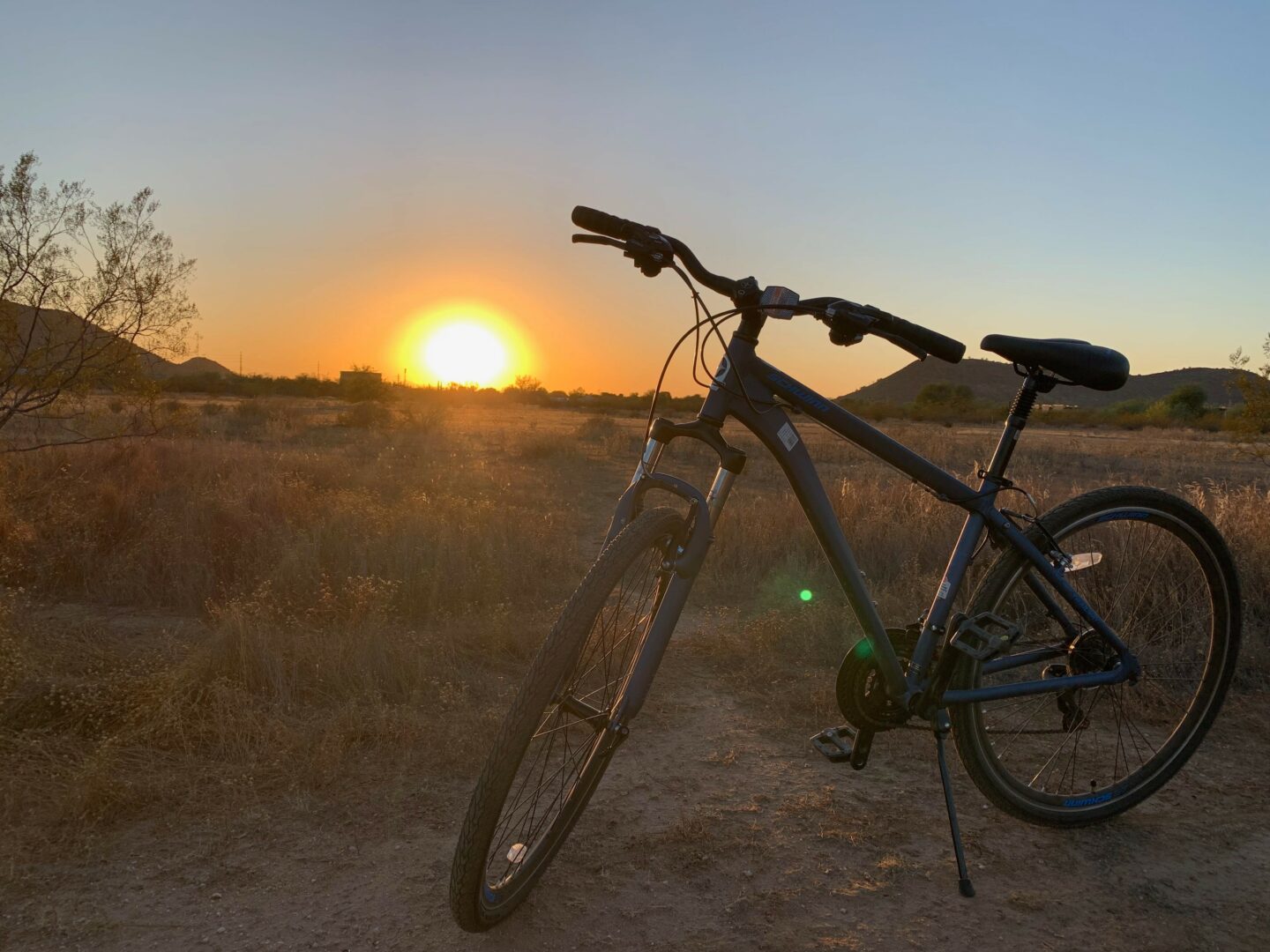
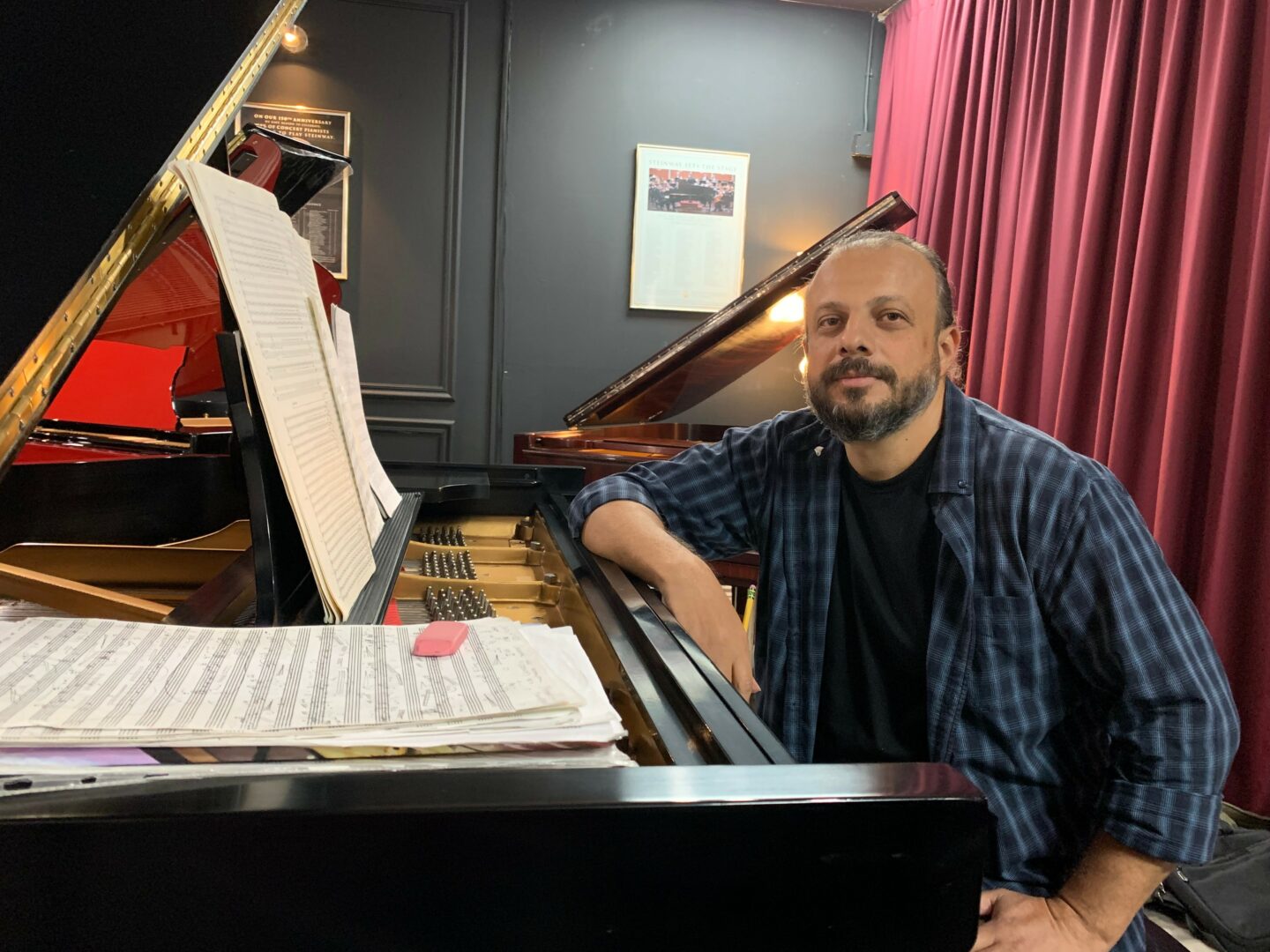
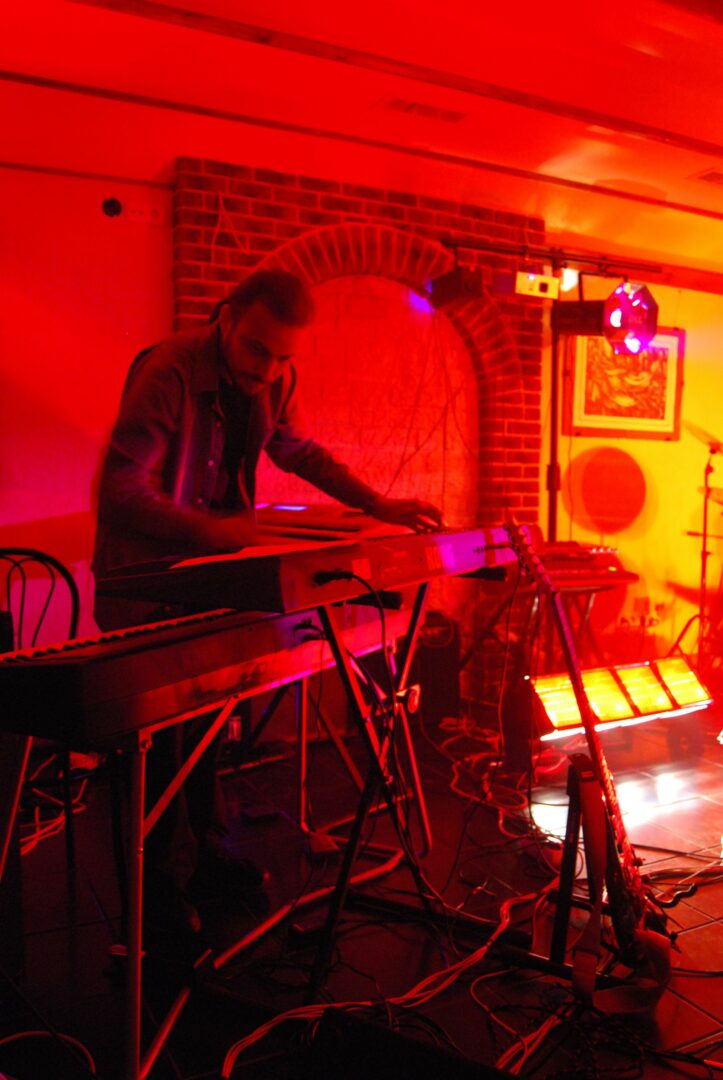
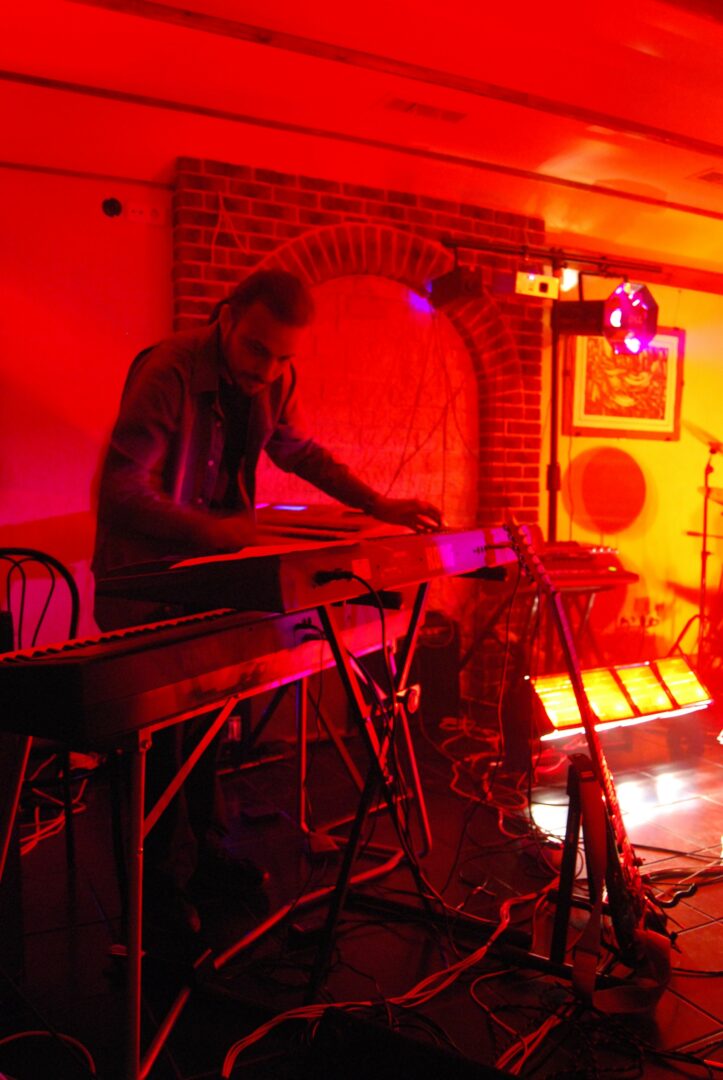
Image Credits
Stanislav Ostrovskyi
so if you or someone you know deserves recognition please let us know here.