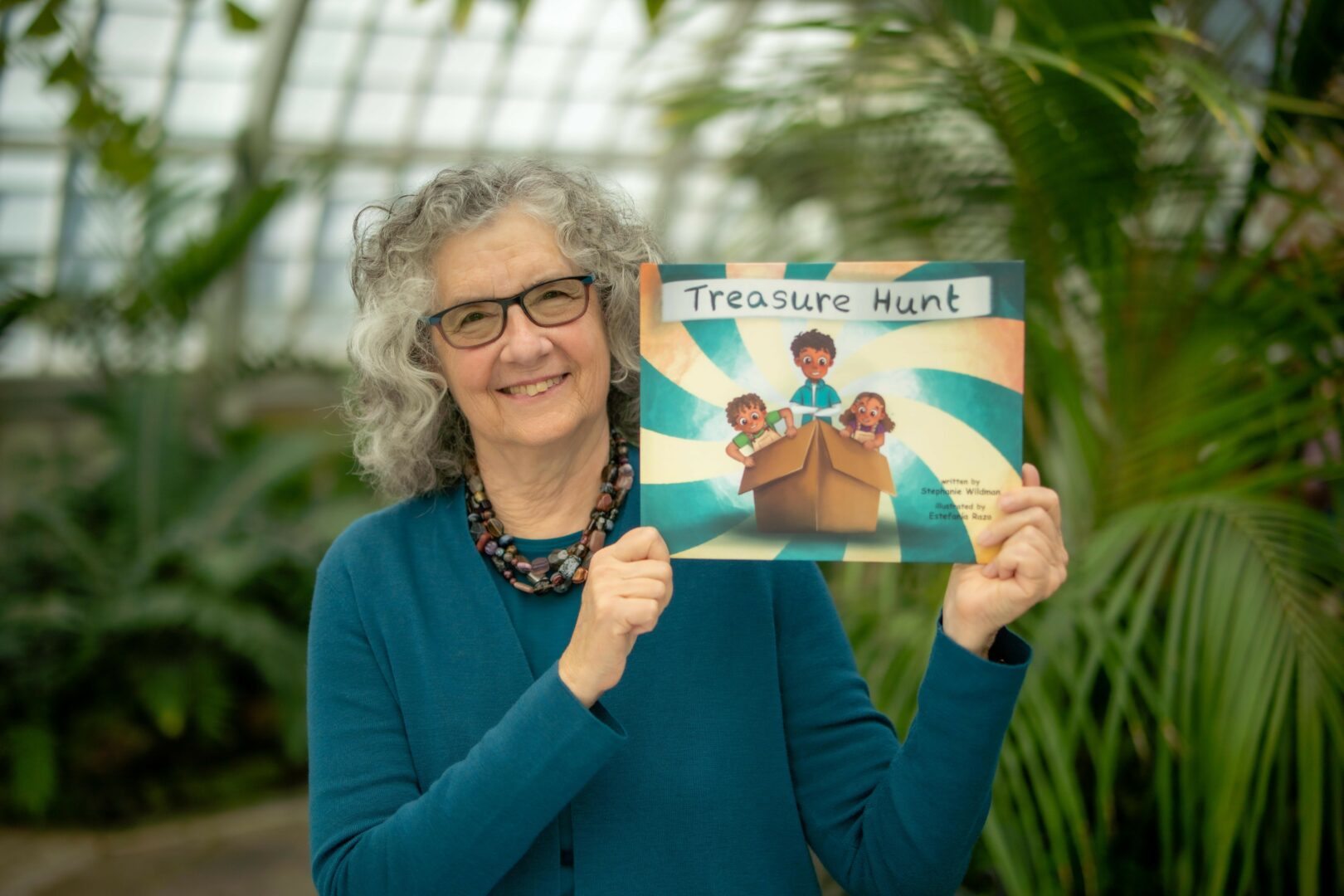
We caught up with the brilliant and insightful Stephanie Wildman a few weeks ago and have shared our conversation below.
Stephanie, so great to be with you and I think a lot of folks are going to benefit from hearing your story and lessons and wisdom. Imposter Syndrome is something that we know how words to describe, but it’s something that has held people back forever and so we’re really interested to hear about your story and how you overcame imposter syndrome.
Imposter syndrome! How did you know? I did have a bad case when I started writing for children, even after decades as a writer of non-fiction and academic texts. It’s a whole new world. Now that I’ve had five books published (and under contract for a sixth), I finally had business cards made that say: “Stephanie Wildman – Children’s Book Author.” So it must be real.
On a more serious note, I associate imposter syndrome with fear of rejection, and in this business there are so many opportunities to be rejected. Not just by an agent or publisher one queries, but even when a book is out, one can get “no’s” to blog or review requests or bookstore or library visits. But the “no’s” mean you’re doing it! You are being a writer. So I try to embrace all the parts of the process.
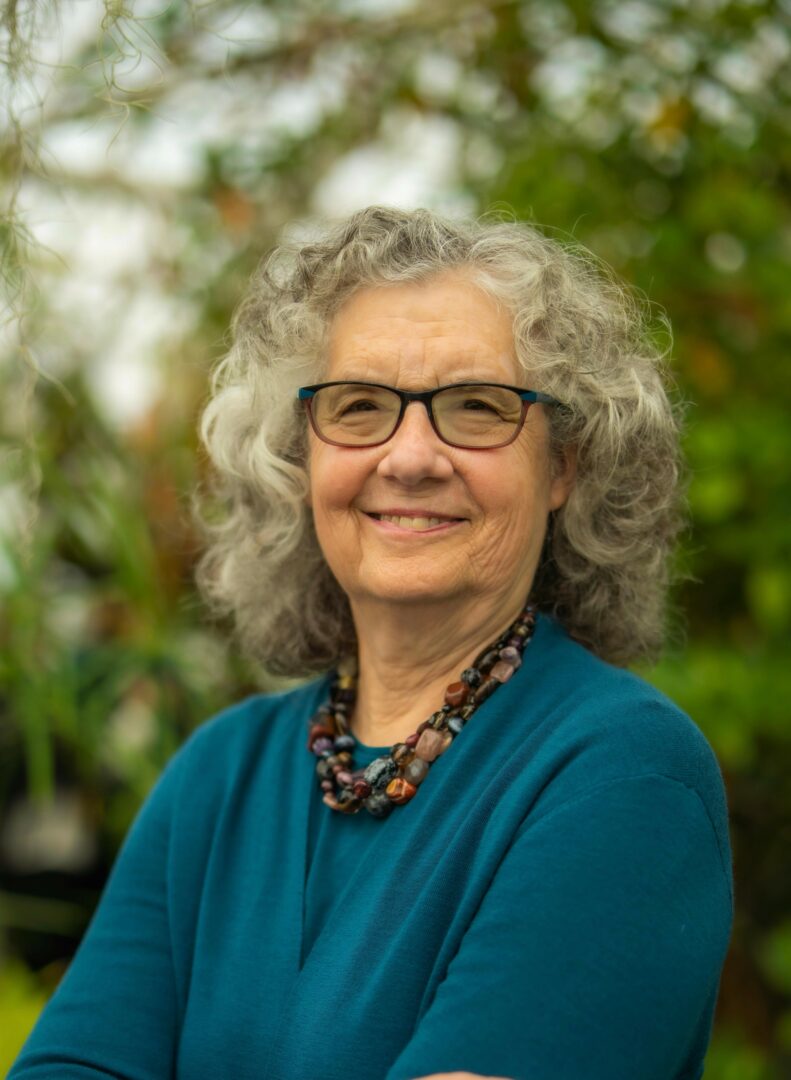
Let’s take a small detour – maybe you can share a bit about yourself before we dive back into some of the other questions we had for you?
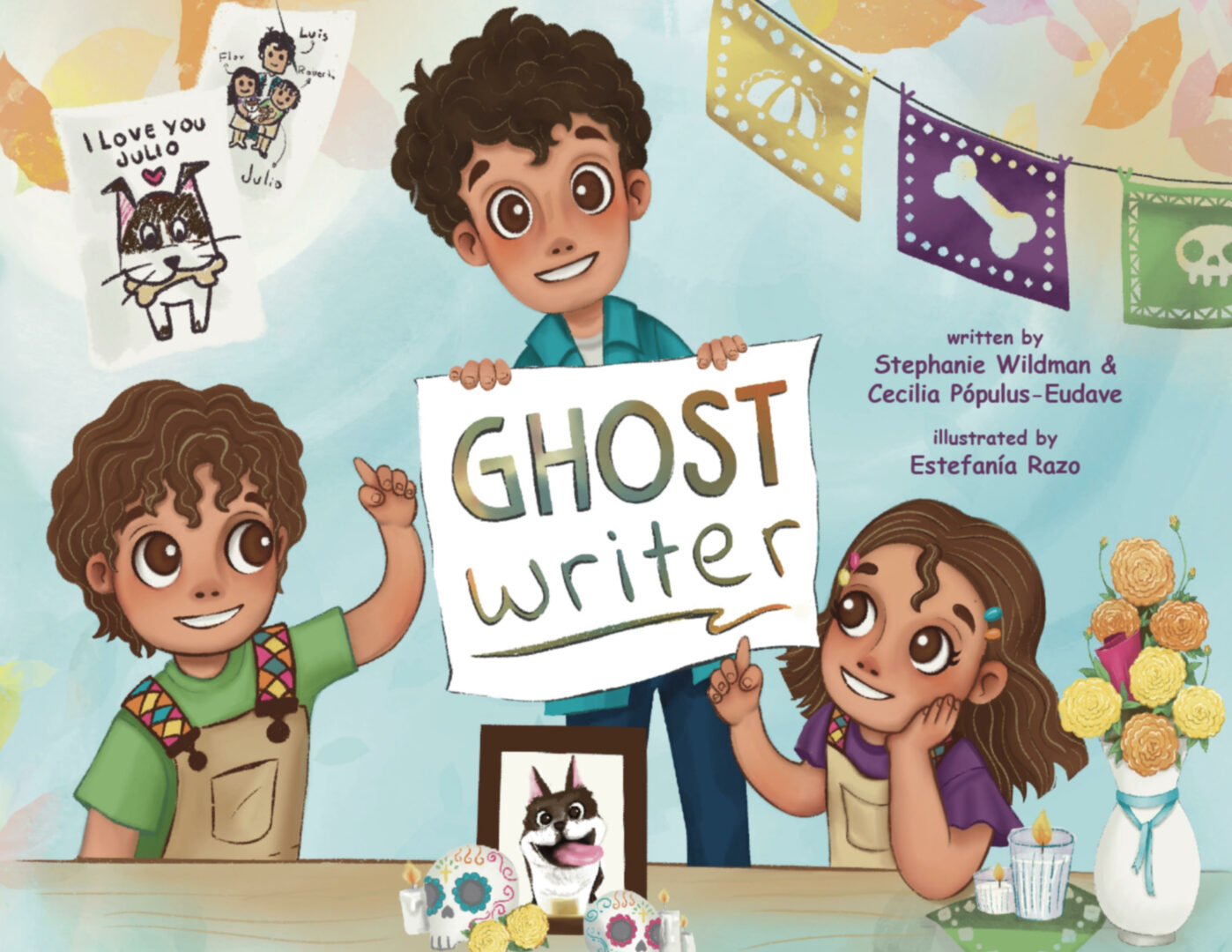
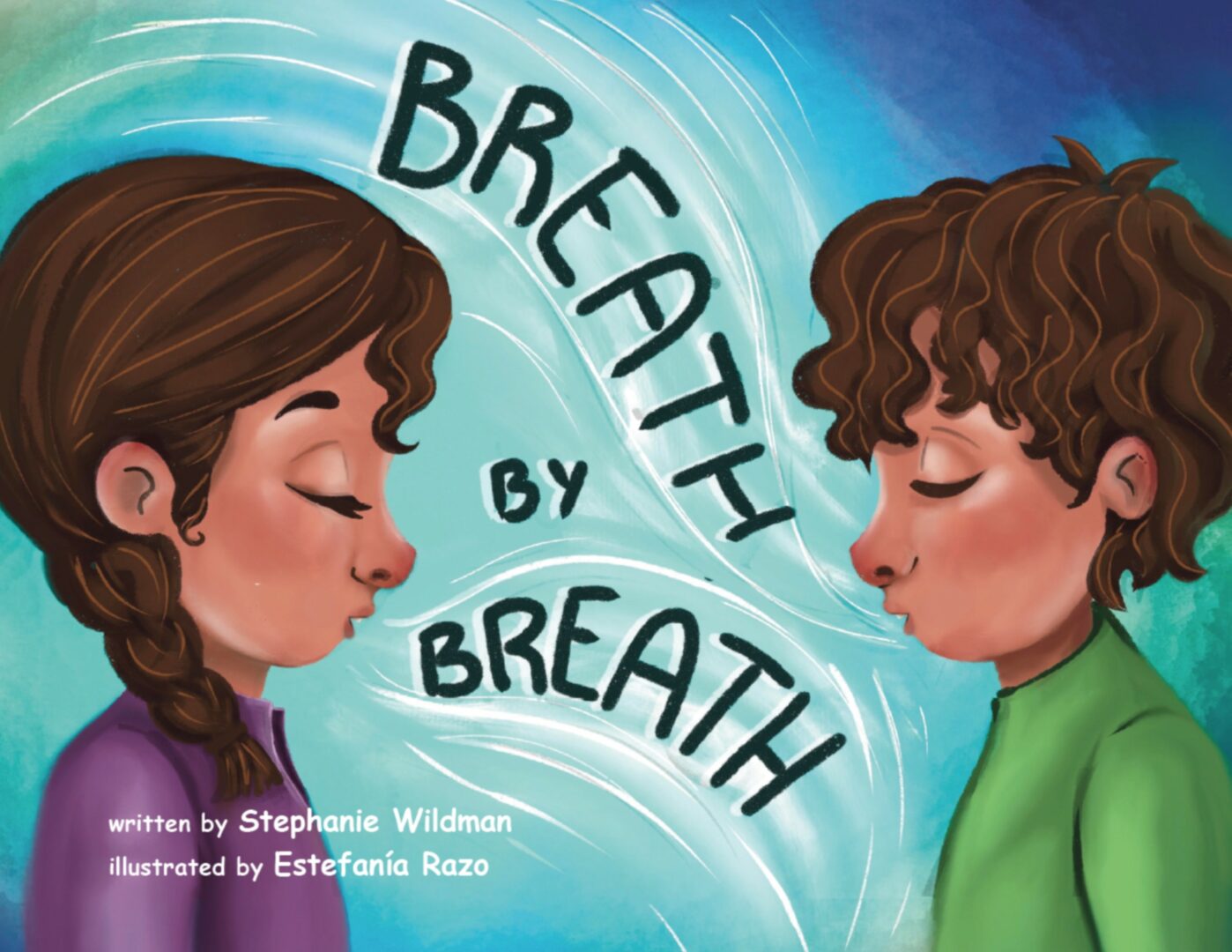
Writing books for children is so special. So far my publications have been picture books, directed to younger children, but, of course, parents or other caregivers are the ones who buy the books and read them to the children. So I’m targeting an audience of both youth and adults. Hopefully, my books engender meaningful conversations between caregiving readers and children on topics ranging from overcoming fear of water, recycling and reusing material, and falling asleep to the rhythm of a body scan to processing grief at the loss of a family pet.
My newest book (co-authored with Adam Ryan Chang, illustrated by Dream Chen, coming November 5 from Kar-Ben Publishing) — Miri’s Moving Day — portrays a multi-generational, multi-cultural family in which two grandfathers help Miri face a big change in her life.
In all of these books my characters are real children, not animals, because I want all children to see themselves represented in books.
There is so much advice out there about all the different skills and qualities folks need to develop in order to succeed in today’s highly competitive environment and often it can feel overwhelming. So, if we had to break it down to just the three that matter most, which three skills or qualities would you focus on?
1) Stay Curious:
I often describe myself as a teacher and a learner. I began writing for children when I was almost 70 years old, but I still had and have a lot to learn. I believe it is never to late; and it’s never too late to ask questions. Staying curious enhances learning, and I’m learning all the time.
2) Write, Write, Write (and read):
I’m a good writer, but I keep getting better with practice. Having a critique group also helps. And reading about craft as well as practicing it.
3) Network and find your community:
Writing can be such a solitary endeavor. I have learned so much from other writers. Joining organizations like the Society of Children’s Book Writers and Illustrators; 12 x 12 Picture Book Challenge; and the Writers Grotto have helped me in different ways to build a writing community.
Alright so to wrap up, who deserves credit for helping you overcome challenges or build some of the essential skills you’ve needed?
I took a class when I embarked on this journey from Maxine Rose Schur. Maxine is a wonderful writer and teacher who became a mentor and friend. I really knew nothing, except that I had a desire to write for children and an idea for a story.
Maxine listened and said, “It’s a picture book.”
“I am so unartistic,” I protested.
Maxine explained that for picture books, while one can be an author/illustrator, one can also be “just” an author and the publisher finds the illustrator. I had no idea, and the fact that a writer doesn’t submit a book with pictures was big news to me.
I also knew nothing about word counts. My story was over a thousand words. Maxine explained that for a fiction picture book to be publishable in this market, it needed to be under 500 words.
It seemed impossible, but Maxine worked with me on draft after draft. That story became my first publication: Brave in the Water, illustrated by Jenni Feidler-Aguilar, from Lawley Publishing. From this process I learned that the illustrator really is a co-author because of the story they tell through the pictures.
Contact Info:
- Website: https://www.stephaniewildman.com
- Instagram: stephanie_wildmansf
- Linkedin: https://www.linkedin.com/in/stephanie-wildman/
- Twitter: @SWildmanSF
- Other: @swildmansf.bsky.social
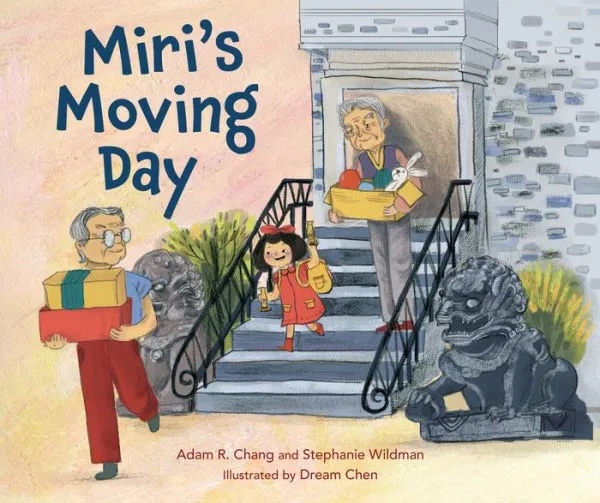
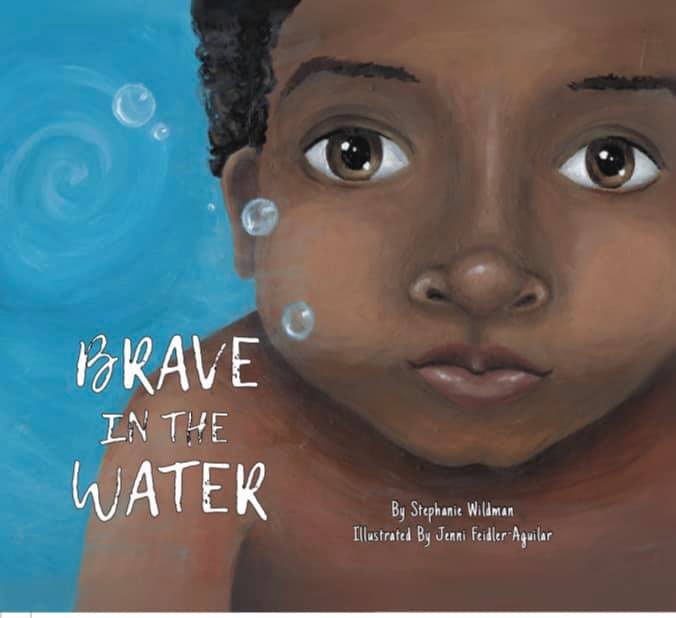
Image Credits
Photographs by Russell Jew
Book Covers – no permission needed – however, you could say “from Lawley Publishing” for all except Miri’s Moving Day – that one should say “from Kar-Ben Publishing.”
so if you or someone you know deserves recognition please let us know here.