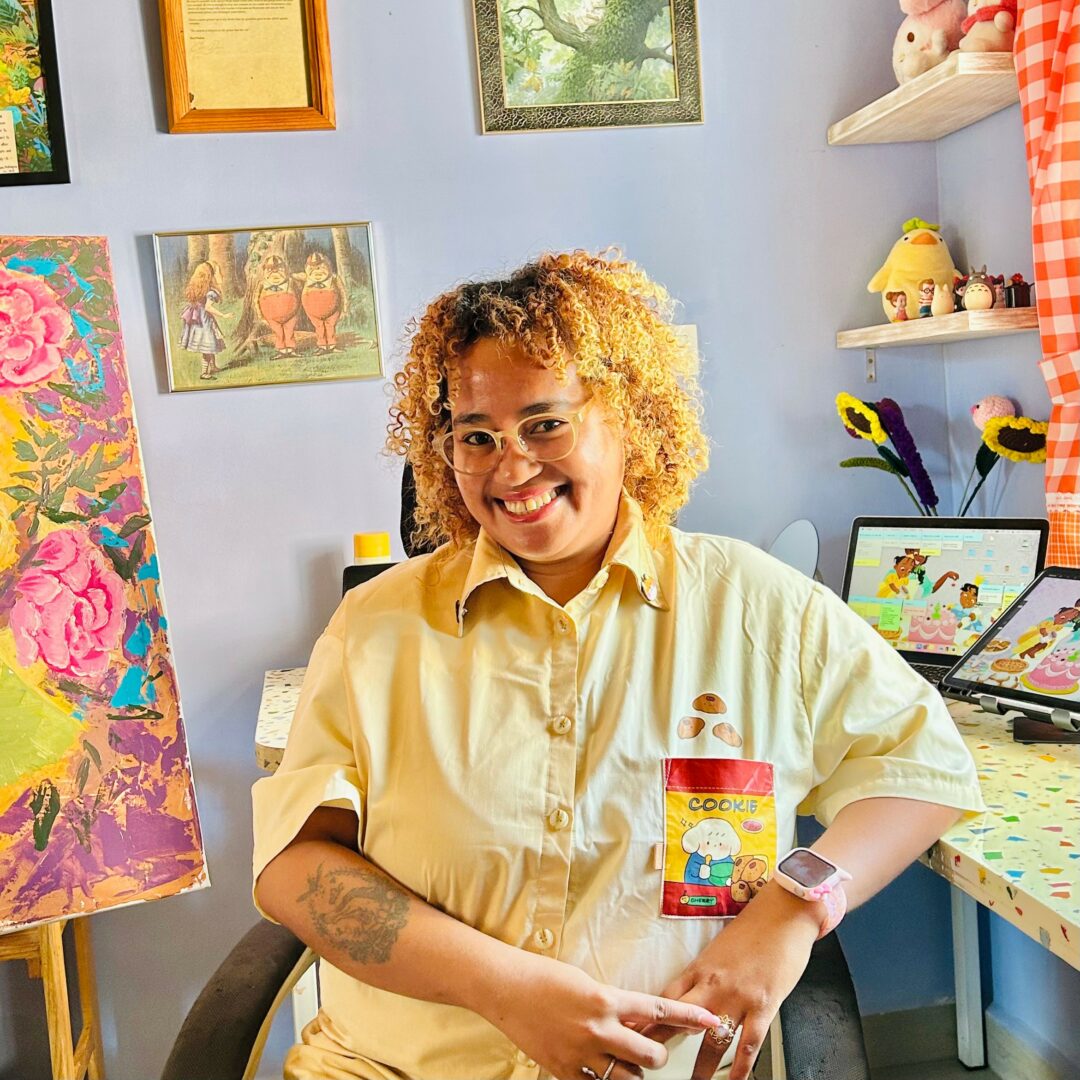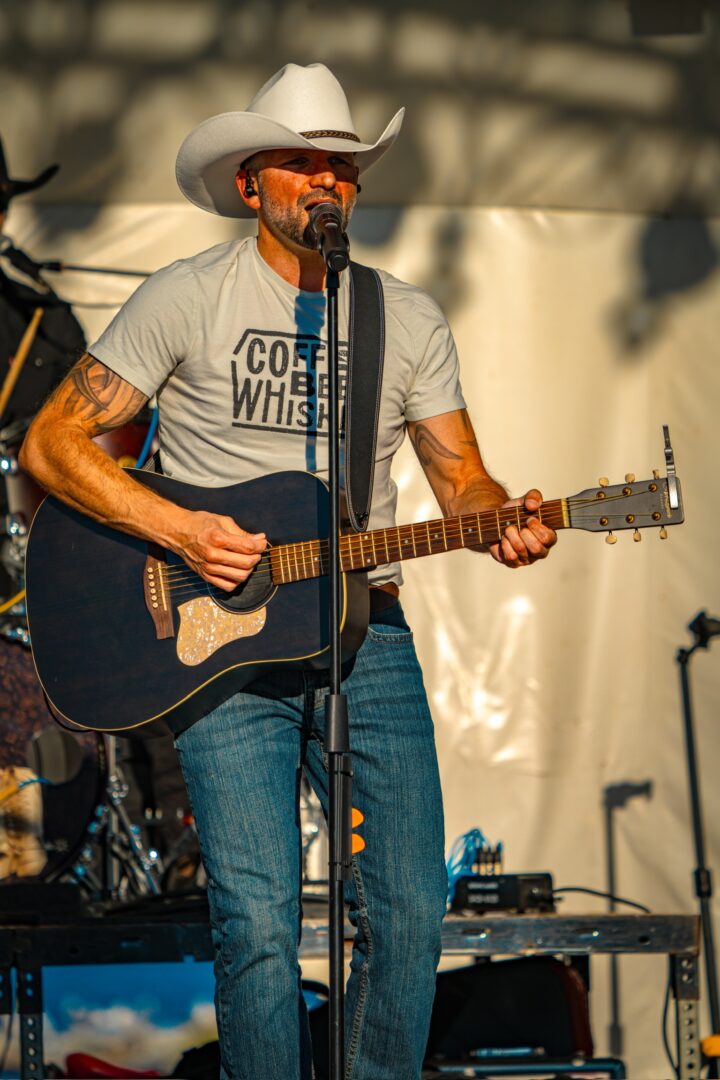
We recently connected with Stephen Anthony and have shared our conversation below.
Stephen , first a big thank you for taking the time to share your thoughts and insights with us today. I’m sure many of our readers will benefit from your wisdom, and one of the areas where we think your insight might be most helpful is related to imposter syndrome. Imposter syndrome is holding so many people back from reaching their true and highest potential and so we’d love to hear about your journey and how you overcame imposter syndrome.
**How I Manage Imposter Syndrome**
The truth is, I haven’t fully overcome imposter syndrome — and honestly, I’m not sure many of us ever do. What I *have* learned is how to manage it and keep my focus grounded in the work itself.
I wear a lot of hats when it comes to the band. I oversee most aspects of the operation — from production and set lists to marketing, branding, and merchandise. I do have a small but incredible team that keeps things moving: an administrative assistant who handles finances and travel logistics, and a social media manager who drives our online presence. But I’m still very hands-on. Paying attention to the little details helps me stay centered and reminds me why I started doing this in the first place — to create the best possible experience for our audience.
When I’m at a venue, I’m not the kind of front man who just shows up for soundcheck and walks on stage. I’m out there setting up my own gear, helping with merch, talking with venue managers, and making sure everything runs smoothly. I probably act more like a tour manager than the guy at the microphone. That involvement keeps me humble and focused on the bigger picture.
We don’t make many demands from venues. As a band, we’re genuinely grateful for every opportunity we get to play. My only standing request is to have water near the stage. I like to joke that we’re *not* the “only the green M&Ms” kind of band — and that attitude helps keep everything in perspective.
One fan once told me something that changed how I see what we do. After one of our early shows, she came up choking back tears after hearing our version of Garth Brooks’ “The Dance.” I shrugged it off, saying, “We’re just up here playing other people’s songs.” She stopped me and said, “No, you’re helping people reconnect with the memories those songs are attached to.” That stuck with me.
So even now, when we step onto a stage and see a packed house, part of me still thinks, *What are all these people doing here?* But then I remember her words — and I realize they’re here not just for us, but for what the music makes them feel. That’s what keeps the impostor syndrome in check.
Let’s take a small detour – maybe you can share a bit about yourself before we dive back into some of the other questions we had for you?
I’ve spent most of my life in public service — since I was 18, actually — and those years taught me a lot about leadership, teamwork, and seeing a mission through. Now at 45, I’ve taken those same skills and applied them to something a little louder, a little flashier, and a lot more fun: managing and growing a touring band.
What started as just an idea quickly turned into something special, thanks entirely to the group of incredible musicians I get to share the stage with. I may have come up with the plan, but there’s no way this would’ve worked without them. Honestly, I think something bigger than us had a hand in putting this lineup together — call it God, the universe, or good timing — but every time a band member moves on, the right person always seems to step in, and we just keep rolling.
Our brand is simple: we bring the ultimate 90’s Country experience to life. For two hours, fans get to feel like they’re seeing all their favorite country artists and songs from that golden decade, all on one stage. We carefully build each show to keep the crowd riding that wave — singing, dancing, smiling — and most importantly, leaving happy that they spent their night with us.
We also wanted our look to match that energy. Our logo is clean and professional — something that looks great on a banner — but our marketing and website are bright, bold, and full of color, because we’re serious about putting on a great show and about having fun doing it. At the end of the day, that’s what it’s all about: good music, good people, and a night full of memories that make you want to come back for more.
If you had to pick three qualities that are most important to develop, which three would you say matter most?
1. Worth vs. Value One of the biggest lessons I’ve learned is understanding the difference between worth and value. Too often, musicians get so focused on just getting on stage that they accept whatever terms a venue offers — even if it means undervaluing themselves. In our area, a lot of musicians today are still making about what they did twenty years ago. Why? Because venues know there’s always another band ready to take the gig for less, and that puts musicians in a tough spot — play or don’t play.
When we launched our band, I made a promise to myself and to the guys that we wouldn’t fall into that trap. We decided early on to only play select venues, concert series, and festivals — and to present ourselves like a professional act from day one. To do that, we had to understand our worth and show the value we bring.
At first, I hired a photographer to capture every single performance. I only agreed to take a gig if the venue had a stage. We didn’t play a show unless it had one. It wasn’t about ego — it was about building our image and controlling how our brand was perceived. Saying “no” to certain offers turned out to be one of the most empowering things we could do. That mindset eventually led to one of our biggest milestones: getting a call from AEG to headline our own show at The NorVA in Norfolk, Virginia — one of the top venues in the country according to Rolling Stone. We packed 840 people into that room our first time there. Not bad for a “local band” that refused to play for exposure.
2. Be a Good Leader
My guitarist likes to introduce me as “The Boss,” and while I laugh at that title, leadership is something I take seriously. Having spent years in public safety, I’ve seen my share of bad bosses — and I’ve learned just as much from them as from the good ones. The bad ones taught me how not to treat people, while the good ones showed me the importance of tough but fair conversations, recognizing potential problems early, and making decisions with both courage and intention.
I’m surrounded by insanely talented musicians — some who’ve played all over the world. I may be the manager and front man, but I’m smart enough to know what I don’t know. A good leader gives people room to contribute, to speak up, and to be part of something bigger than themselves. When everyone feels heard and respected, the whole team wins — and the audience feels that energy.
3. Stick to the Plan
In business — and music is a business — most failures come from growing too fast or too slow. When we started, we had one clear mission: to deliver the best 90’s Country experience possible. That was it. We didn’t have a huge budget for production, but we had passion and a plan. The show had to stand on the strength of the music and the connection with the audience.
We get a lot of song requests, and while we appreciate them all, we stay true to our brand. If it’s not 90’s Country, it’s not in the set. It’s not about being stubborn — it’s about consistency. Fans come to our show expecting a certain experience, and we never want them to leave feeling disappointed.
Do we have a growth plan? Absolutely. And the best part is, our fans are growing with us. Each year, they’ll see us evolve — bigger stages, tighter production, and even more energy — but always true to who we are and what we set out to do from the start.
Awesome, really appreciate you opening up with us today and before we close maybe you can share a book recommendation with us. Has there been a book that’s been impactful in your growth and development?
Stephen Covey’s The 7 Habits of Highly Effective People has been one of the most impactful books in my personal and professional life. It didn’t just change how I organize my day — it reshaped how I think, lead, and build relationships. Over the years, I’ve gone back to it many times, and certain habits have truly become part of how I operate.
1. Begin With the End in Mind
This principle changed everything for me. When I started The Nashville Nights Band, I didn’t just want to put together a group of musicians — I wanted to build an experience that gave fans a full 90’s Country night they’d never forget. Keeping that vision front and center helped guide every decision — from song selection to marketing to who joins the team. Having a clear “end in mind” kept us from chasing every shiny opportunity and instead focus on creating something lasting.
2. Put First Things First
In the entertainment world, there’s always another email, another show, another opportunity demanding attention. Covey’s idea of prioritizing what’s important over what’s merely urgent taught me how to slow down and focus on what really matters. Sometimes that means saying no to distractions so I can spend time refining the show, nurturing relationships, or making strategic decisions that move us forward instead of just keeping us busy.
3. Think Win-Win
This habit reshaped how I approach business and collaboration. Whether it’s working with venues, agents, or our team, I’ve learned that true success only happens when everyone benefits. The best partnerships are built on trust, fairness, and shared goals — not just transactions. When venues know we’re in it to make their night successful too, they remember that, and it always leads to stronger long-term relationships.
4. Sharpen the Saw
This one probably had the biggest personal impact. I used to think “working harder” was the only way to succeed — but Covey taught me the power of balance. These days, sharpening the saw means making time to recharge. I hit the gym regularly, spend time at my daughter’s softball practices and tournaments, and listen to podcasts that keep me inspired and learning. Those moments outside of work aren’t distractions — they’re investments. They help me come back focused, creative, and ready to give 100% to the band and everyone around me.
5. Seek First to Understand, Then to Be Understood
As a bandleader, this one’s a daily reminder. It is also the most challenging of all the nuggets for me. Working with talented, passionate musicians means everyone has strong opinions — and that’s a good thing. But Covey taught me that real leadership starts with listening. When I take time to understand where someone’s coming from before responding, it strengthens trust and keeps communication open. It’s amazing how much smoother things run when people feel heard and respected.
At its core, Covey’s book helped me shift from just doing to being intentional — in leadership, in business, and in life. It’s a constant reminder that success isn’t about being the busiest person in the room — it’s about being the most purposeful.
Contact Info:
- Website: thenashvillenightsband.com
- Instagram: @thenashvillenightsband
- Facebook: /nashvillenightsband
- Youtube: @thenashvillenightsband
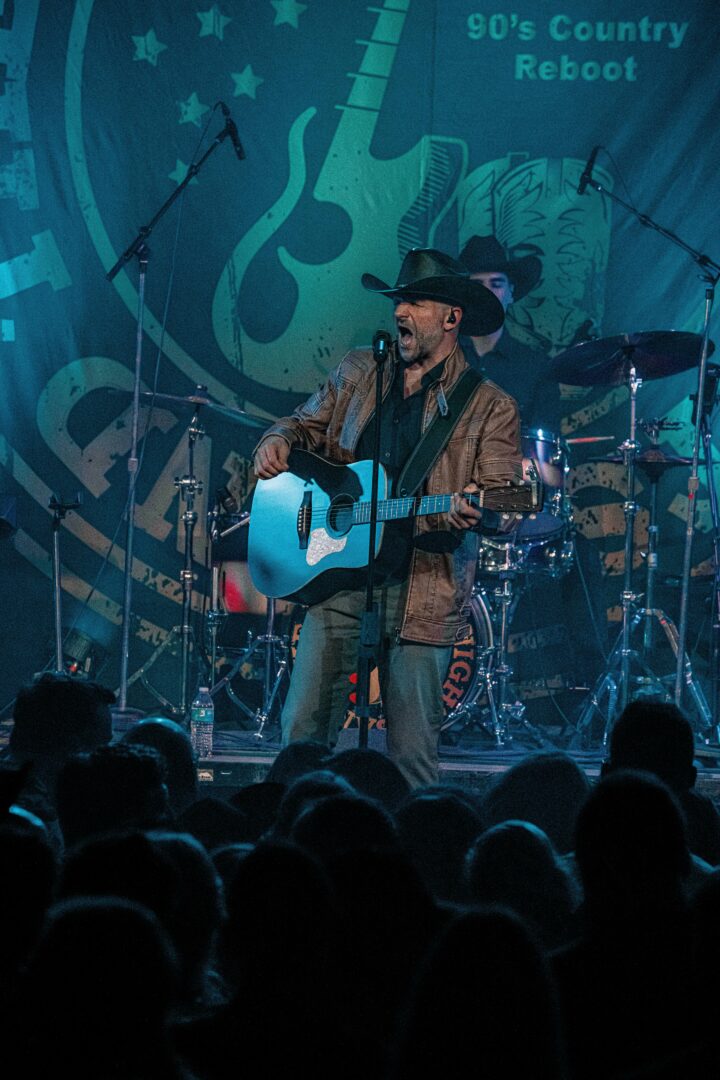
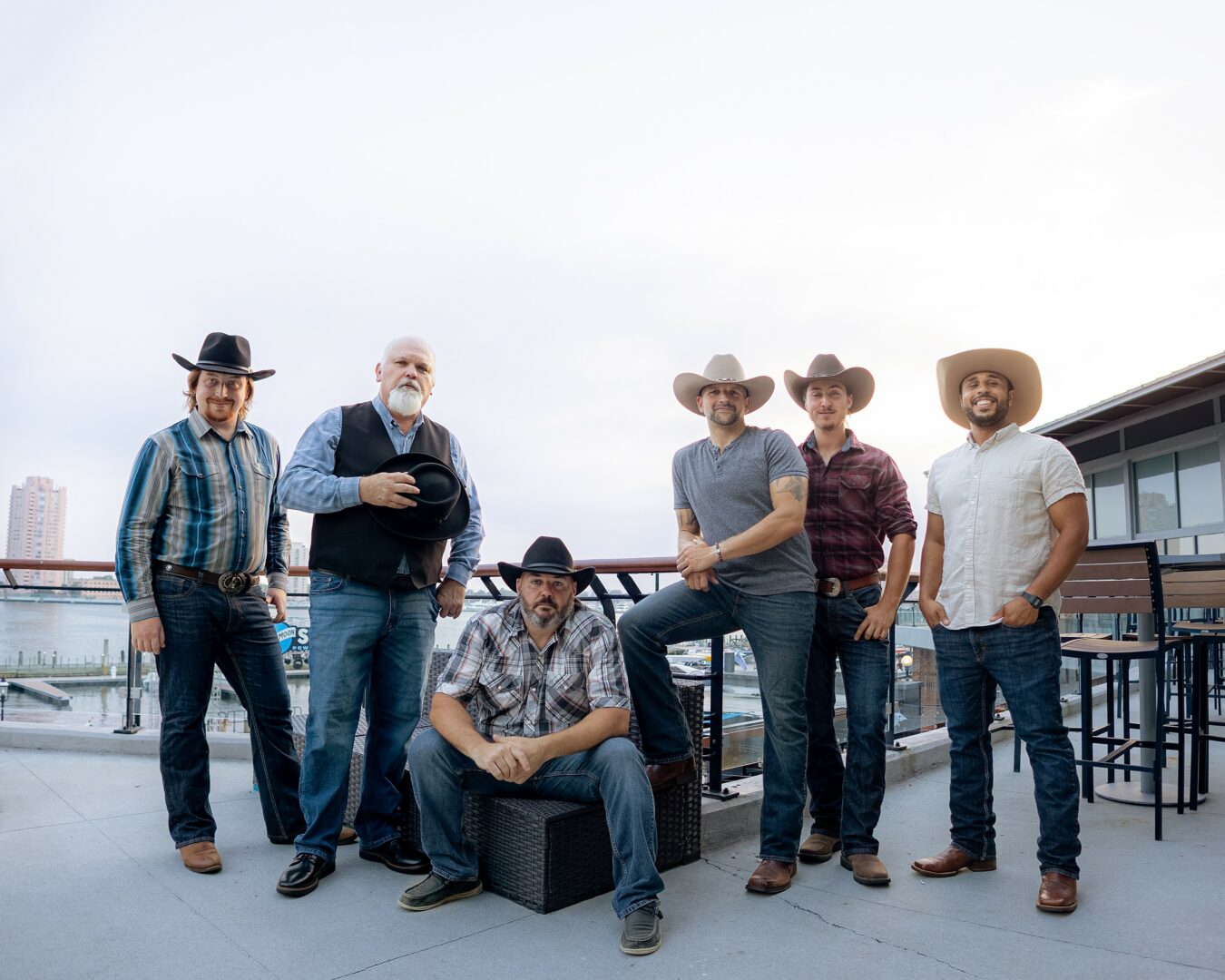
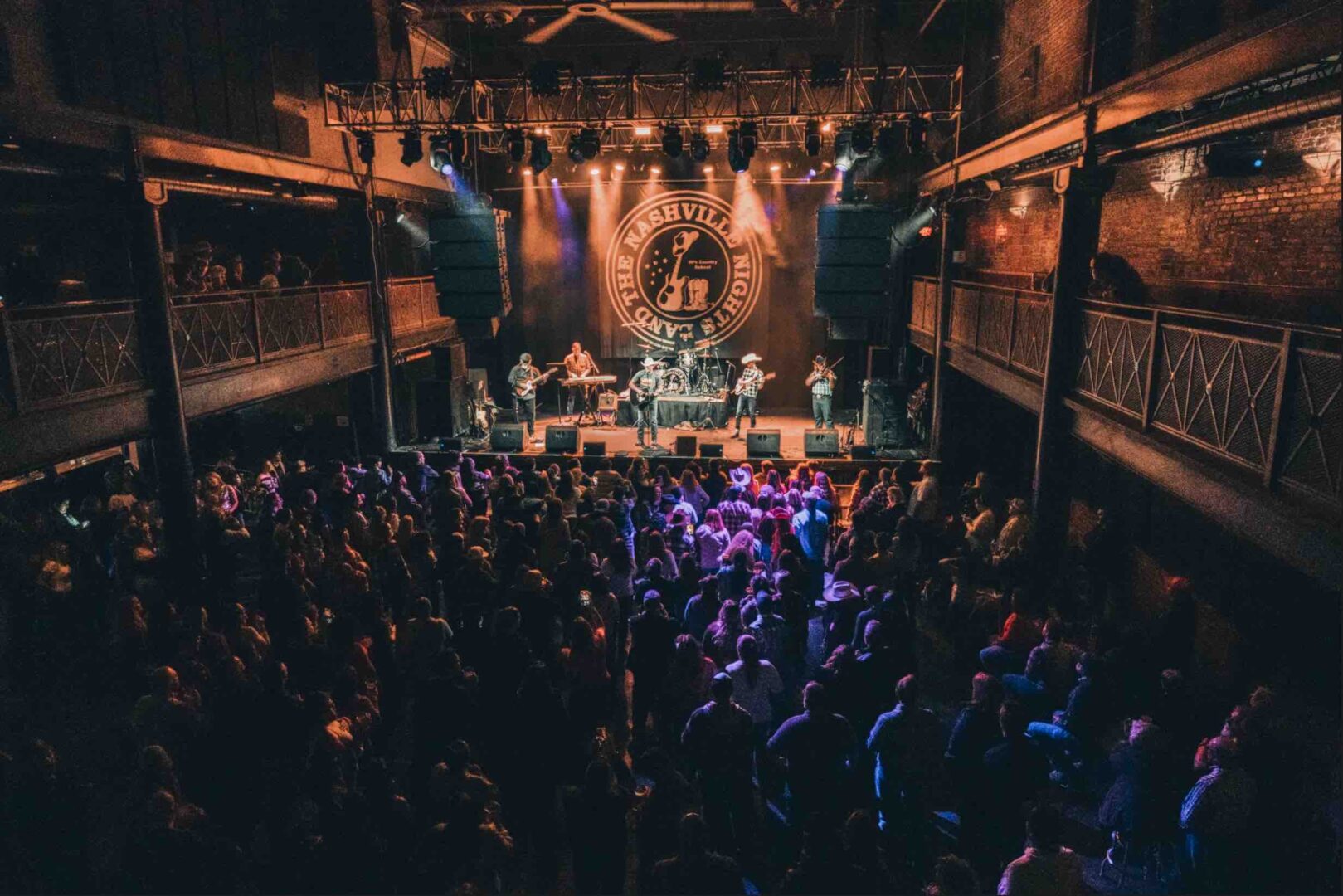
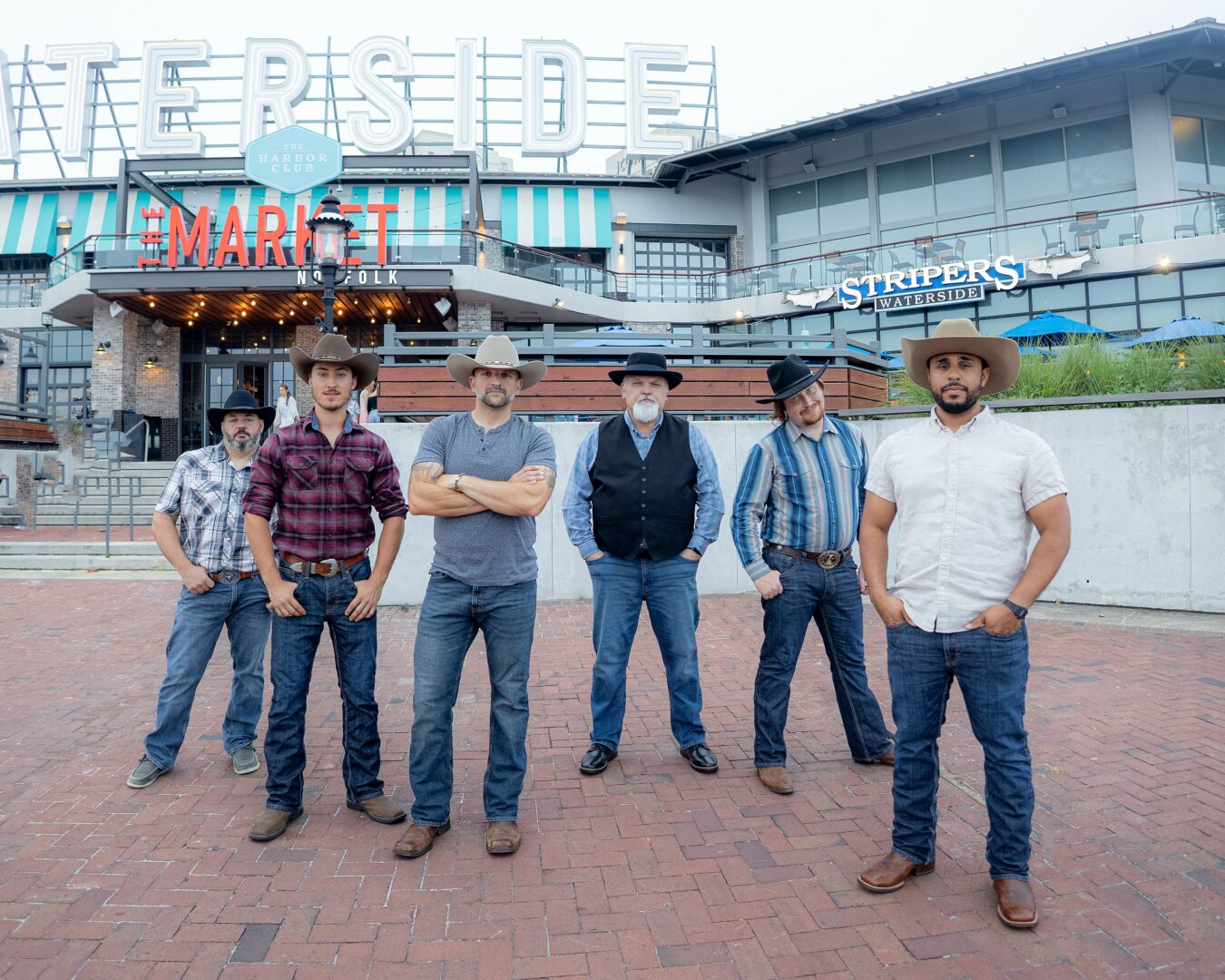
Image Credits
We own the photos and the logo