We caught up with the brilliant and insightful Steven Darius a few weeks ago and have shared our conversation below.
Steven, we’re thrilled to have you on our platform and we think there is so much folks can learn from you and your story. Something that matters deeply to us is living a life and leading a career filled with purpose and so let’s start by chatting about how you found your purpose.
My journey as an artist has been a series of discoveries, each one leading me closer to my true purpose. From an early age, two things shaped my creative path—photography and video games. My father, a photographer, introduced me to the camera, while video games immersed me in vibrant, imaginative worlds. Yet, for years, I saw photography only as a skill, a way to earn money alongside my father, rather than a means of personal expression.
That changed in college when I began borrowing his cameras to shoot my own creative projects. I turned my dorm room into a makeshift studio, capturing editorial-style portraits of aspiring models and artists on campus. For the first time, photography felt like more than just work—it was a way to create something meaningful. But after a few years, I felt a deeper urge. I no longer wanted to take photos just for aesthetics; I wanted my work to tell stories, evoke emotions, and leave a lasting impact.
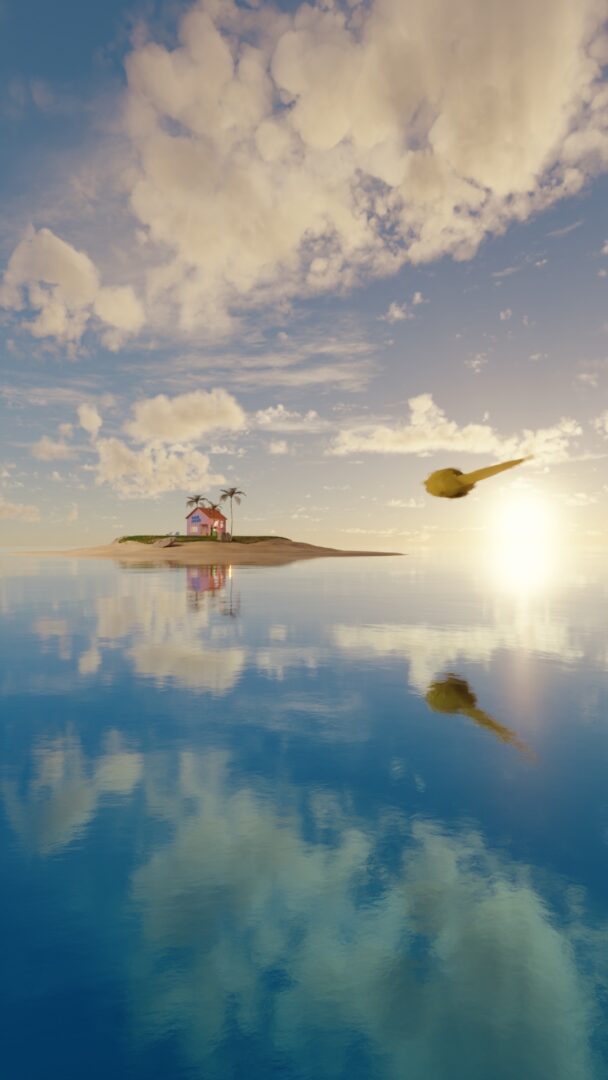
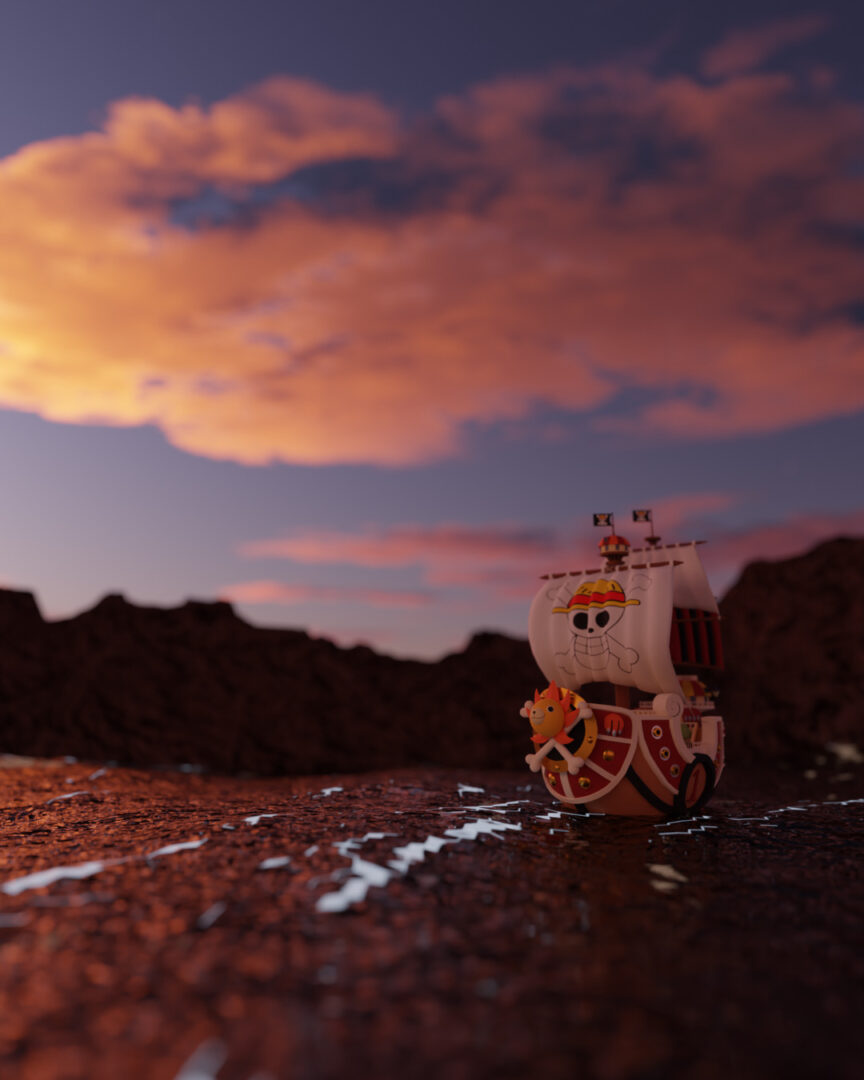
In 2021, I transitioned to conceptual photography and videography, crafting visual narratives that found their way into art galleries. These projects resonated more deeply, but something was still missing. Then, I had a realization—video games, my lifelong passion, shared the same visual language as photography. Lighting, composition, and framing were all integral to game design. This epiphany led me to 3D animation, a medium where I could build entire worlds from scratch.
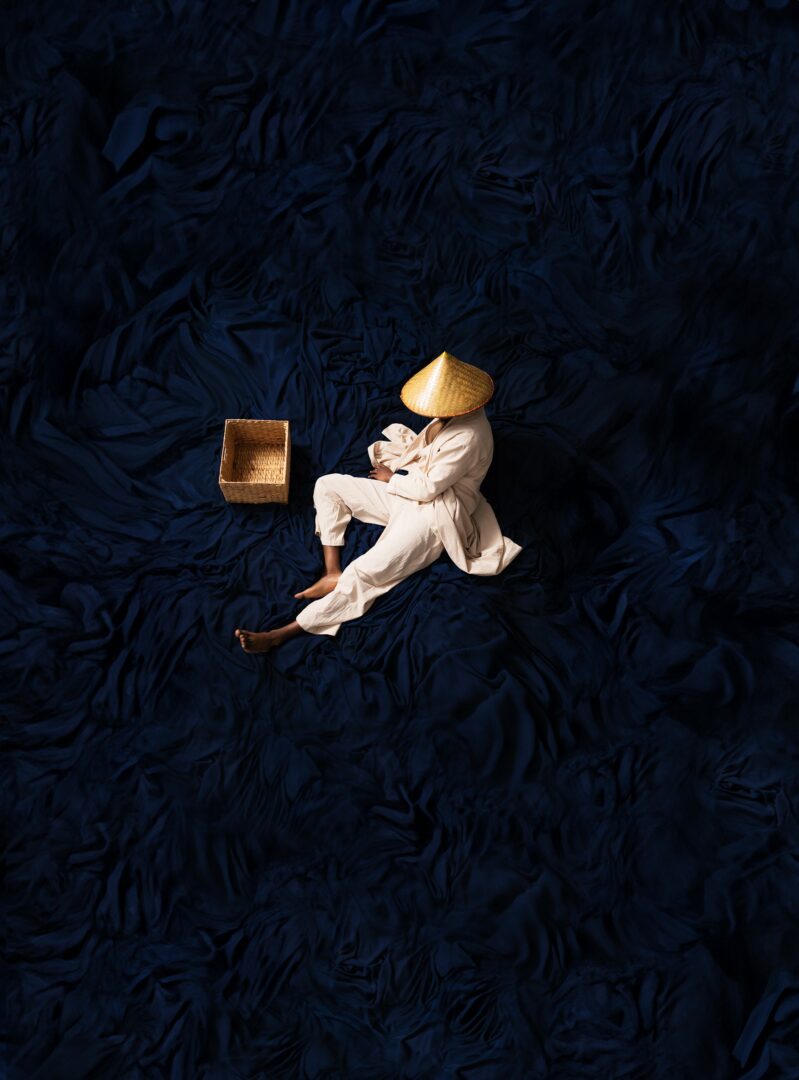
As I mastered 3D animation, my creative role evolved. I was no longer just a photographer or videographer—I had become an Art Director, specializing in blending multiple artistic disciplines to craft unique visuals and meaningful narratives. 3D animation gave me the power to capture scenes from perspectives impossible in reality, allowing me to fuse photography, film, and digital art into a singular, immersive experience.
Now, I use my expertise to push creative boundaries, merging traditional photography with 3D animation to blur the line between fantasy and reality. My purpose has come into focus: to create my own video game, a world built from the artistic foundations I’ve honed over the years. And while I work toward that goal, I use my skills to help others bring their abstract ideas to life. Art, in all its forms, is my language, and through it, I aim to inspire, innovate, and redefine what’s possible.

Let’s take a small detour – maybe you can share a bit about yourself before we dive back into some of the other questions we had for you?
Currently, I’m focused on expanding my work as an Art Director, taking on new creative projects that blend photography, videography, graphic design, and 3D animation. My brand, Moments By Stevo, was named after my father’s photography brand, Golden Moments. While it began with photography, it evolved into full-scale art direction as I honed my skills across multiple disciplines.
What excites me most is the integration of 3D animation into my work. It allows me to create immersive digital environments, removing the limitations of real-world production challenges like location scouting and weather constraints. With tools like photogrammetry and greenscreen compositing, I can place subjects into fully realized digital worlds—all from my computer. This level of creative control makes me a valuable asset to any production.
I’m also leading an exciting project with the Newark Museum of Art on February 20th: Art After Dark: Royals and Regalia. For the first time, the museum will feature a 3D photobooth, where I’ll use photogrammetry to scan guests and place them into a digital scene in real-time. This project is a step toward redefining how people engage with art and technology, and I’m thrilled to bring it to life.
Looking back, what do you think were the three qualities, skills, or areas of knowledge that were most impactful in your journey? What advice do you have for folks who are early in their journey in terms of how they can best develop or improve on these?
Three key qualities made all the difference in my journey:
Authenticity – Stay true to yourself and create what genuinely excites you, even if others don’t understand it. My work reflects my love for video games, anime, and sci-fi, which keeps me inspired and connected to like-minded creatives. When you embrace what makes you unique, networking becomes effortless because you naturally attract people who share your passions.
Resilience – Mastering any creative skill takes time, and frustration is part of the process. There will be moments when you feel stuck or unmotivated, but those are temporary. Taking breaks and returning with fresh eyes can lead to breakthroughs. Just because you don’t have the answer today doesn’t mean you won’t find it tomorrow. Be patient with yourself.
Courage – Pursuing an artistic career requires confidence. Unlike traditional office jobs, creativity often puts you in public settings where people may judge your work in real time. Whether it’s shooting a photoshoot on the street or performing live, being bold in those moments will set you apart. Confidence not only helps you push through discomfort but can also inspire others—just like a street performer who captivates an audience by owning their craft.
As we end our chat, is there a book you can leave people with that’s been meaningful to you and your development?
The Creative Act: A Way of Being has been one of the most transformative books in my creative journey. It’s filled with thought-provoking insights that challenge the way we approach art and creation. This book helped me stop overthinking, create for myself rather than for external validation, and embrace open-mindedness, curiosity, and discipline.
One of the most impactful lessons comes from the chapter titled Great Expectations, where Rick Rubin reminds us that the outcome of any creative project is ultimately out of our control. He writes:
“This isn’t a matter of blind belief in yourself. It’s a matter of experimental faith… We are required to believe in something that doesn’t exist in order to allow it to come into being.”
This resonated deeply with me. Every major creative breakthrough in history started with someone believing in an idea that didn’t yet exist. That belief is what brings ideas to life. The sooner we grasp this concept the more comfortable we’ll feel bringing our wild ideas from our imagination into the real world
Contact Info:
- Website: https://www.MomentsByStevo.com
- Instagram: @momentsbystevo
- Linkedin: https://www.linkedin.com/in/stevendarius/
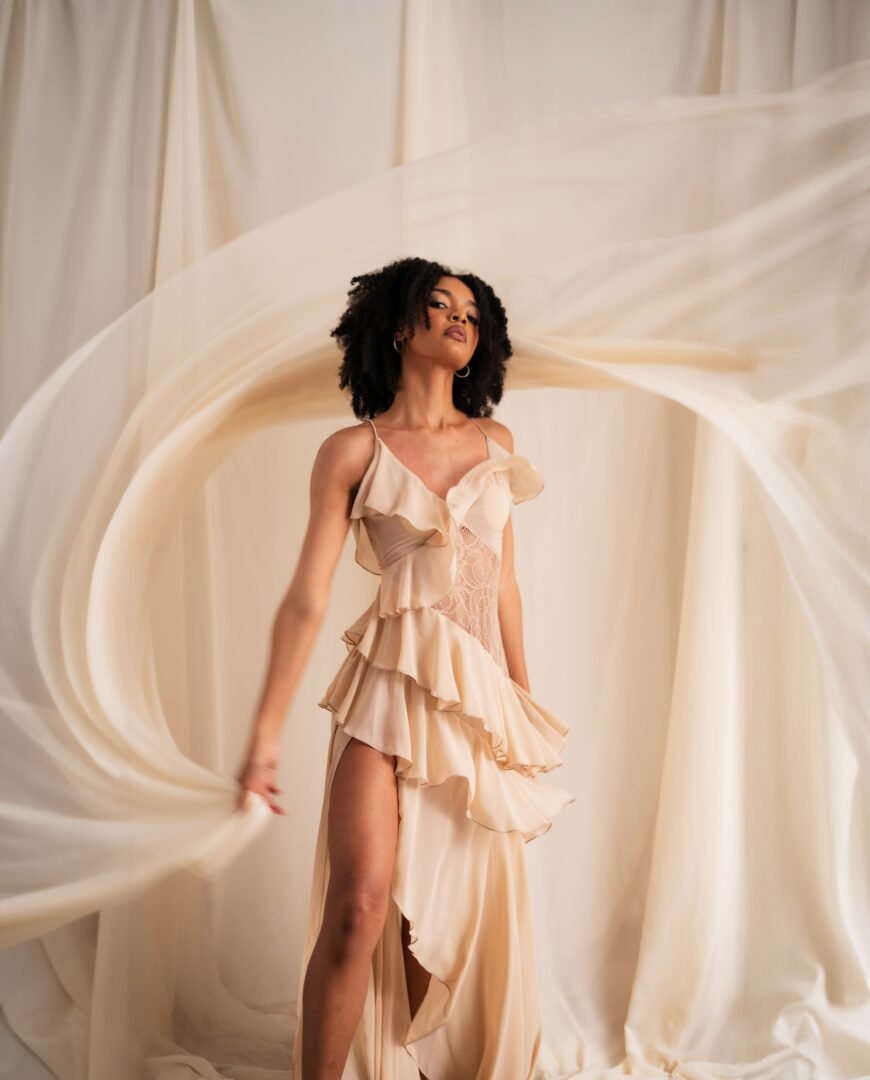
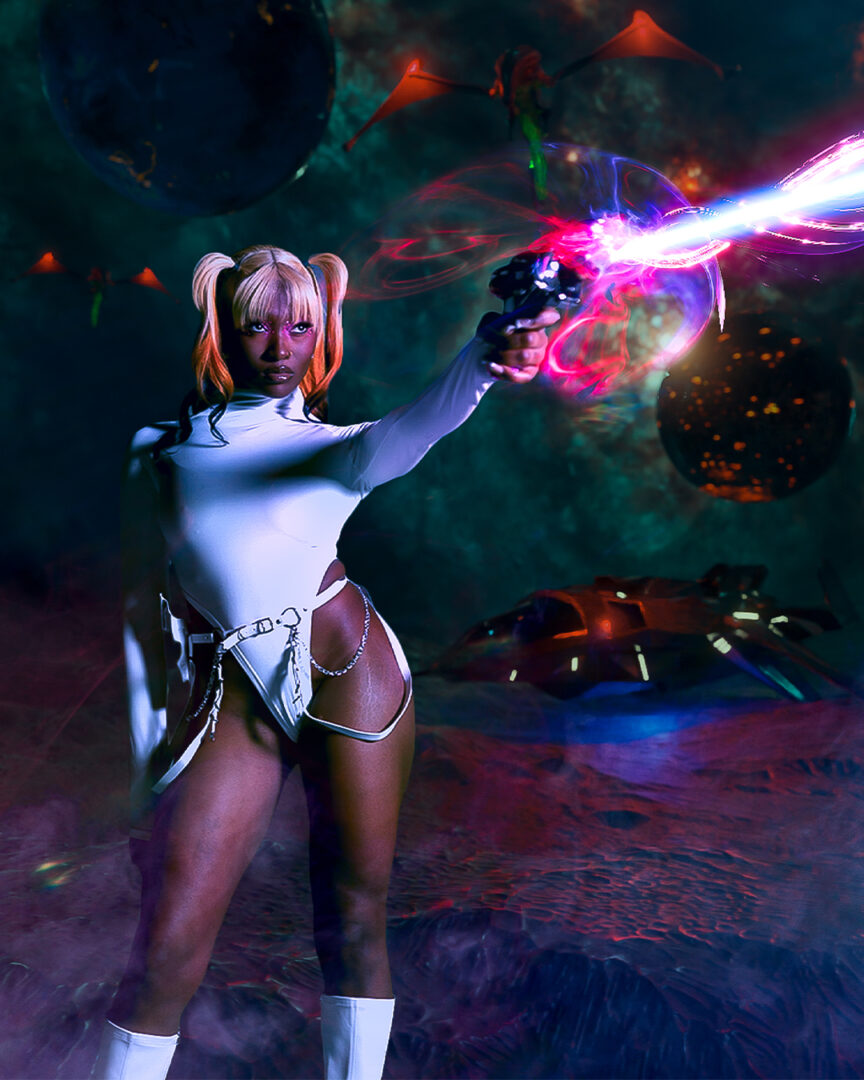
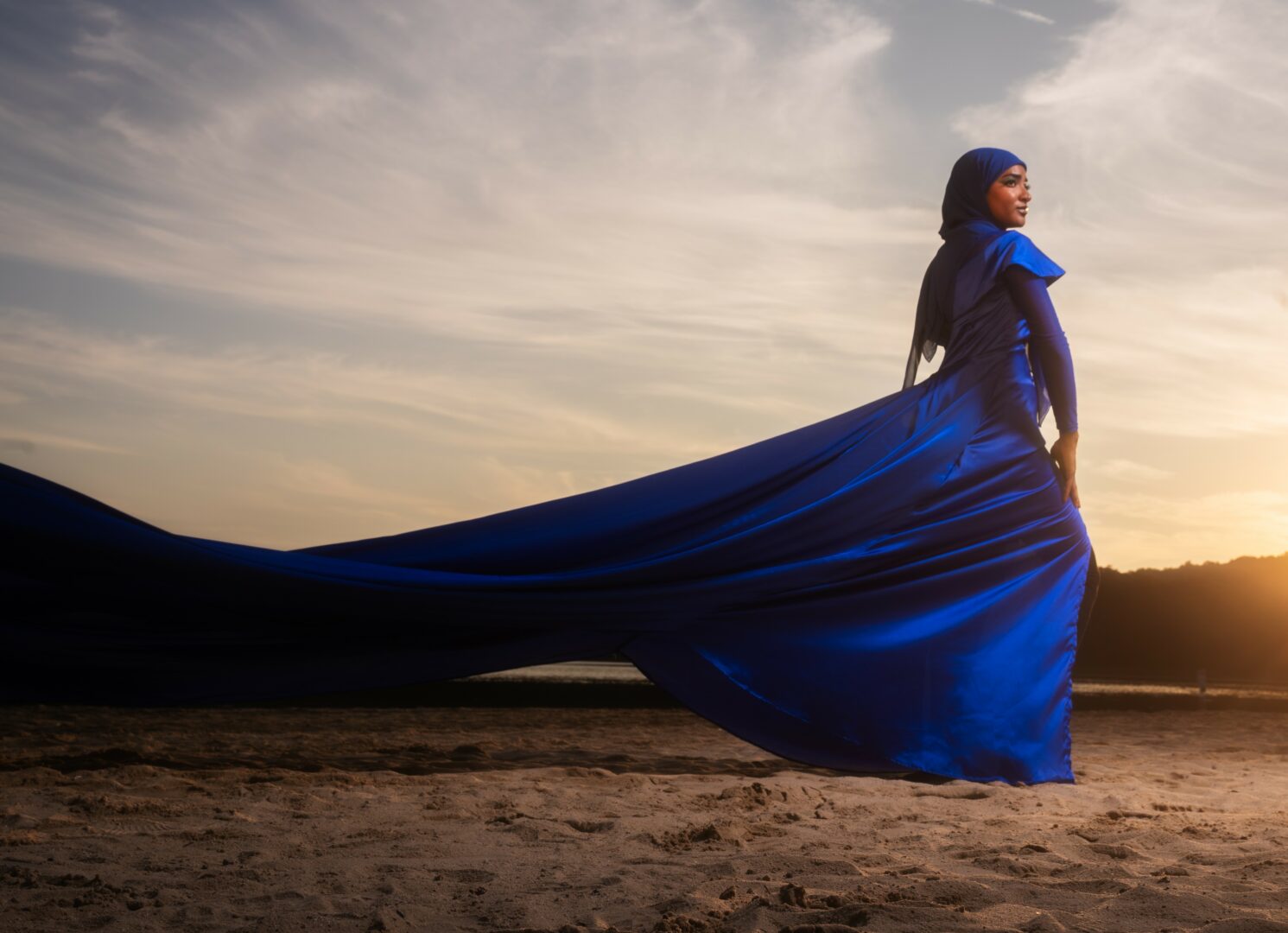
Image Credits
N/A
so if you or someone you know deserves recognition please let us know here.