We caught up with the brilliant and insightful Tatyana Chistikova a few weeks ago and have shared our conversation below.
Tatyana, so great to be with you and I think a lot of folks are going to benefit from hearing your story and lessons and wisdom. Imposter Syndrome is something that we know how words to describe, but it’s something that has held people back forever and so we’re really interested to hear about your story and how you overcame imposter syndrome.
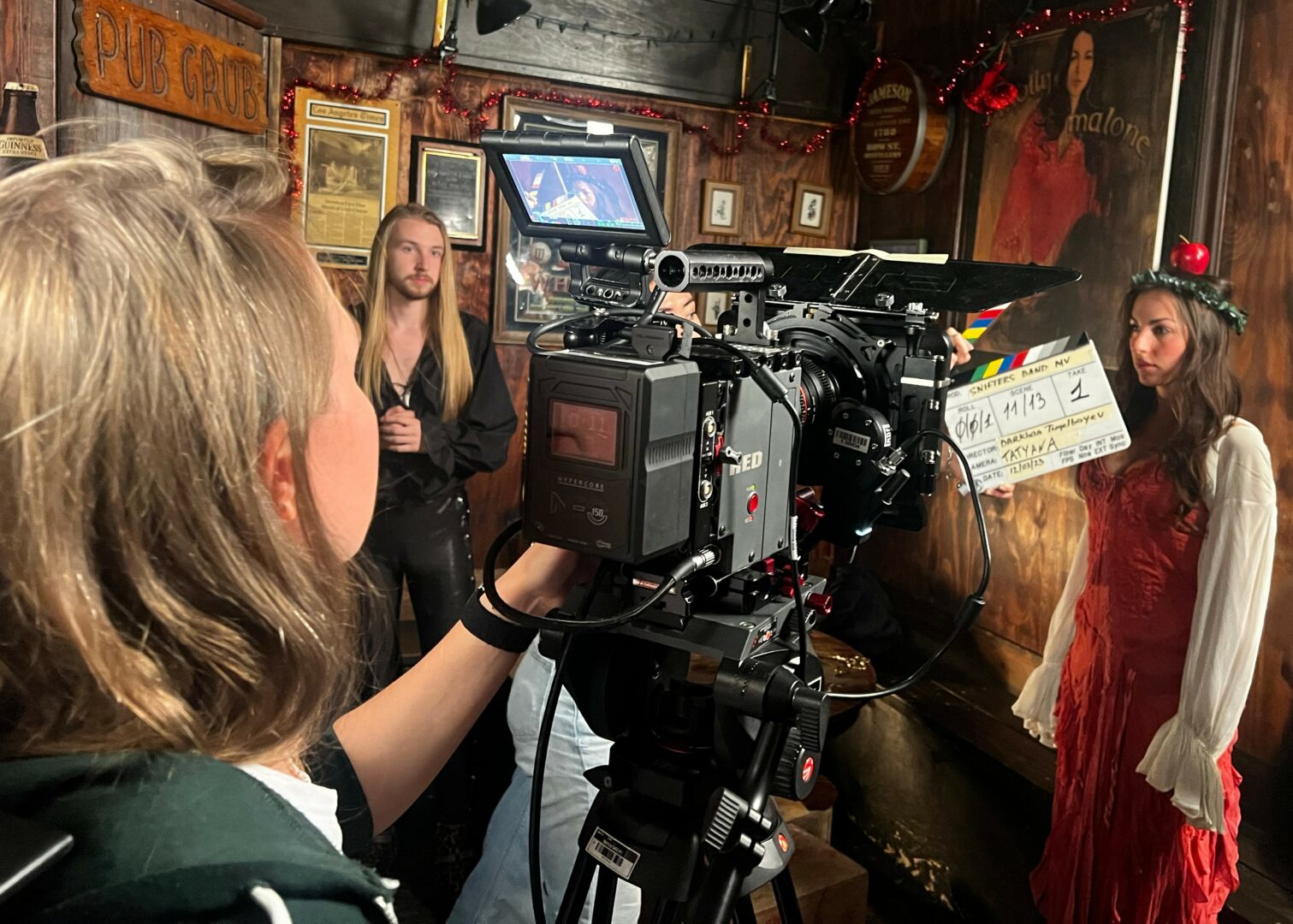
Being a female cinematographer even in 2025 is not easy. As a Director of Photography you are in charge of a big team: lights camera, grip – it’s all your responsibility, and it’s all very technical. So in a way it might be easy to feel a certain imposter syndrome. But for me it turned out to have quite the opposite effect. It is exactly because it is such an objectively complicated and demanding job, that it simply washed away my possible impostor syndrome. When you know well how hard you worked to be in this position, how much you’ve learned and are still learning, how much you’ve had to overcome – this understanding leaves no room for any impostor syndrome, and you’re just doing our work as best as you can.
With documentary filmmaking and video journalism it is a bit different though. Because even though also sometimes highly technical and challenging, you’re at the same time dealing with real life and real people, often in vulnerable situations. And as such, you may also find yourself in a position when you can potentially harm your characters if you’re not accurate, or when they’re expecting you to help them, even “save” them in a way in this vulnerable moment, thus granting you a certain emotional power. All this can easily incite an imposter syndrome, especially when you’re younger – and you might start thinking: what do I know? But then again, there is an easy and only solution to that: you should just do your job as ethically, sincerely and good, as you can. And in the end, when you invest 100% and love what you do, it’s the best cure for any impostor syndrome.
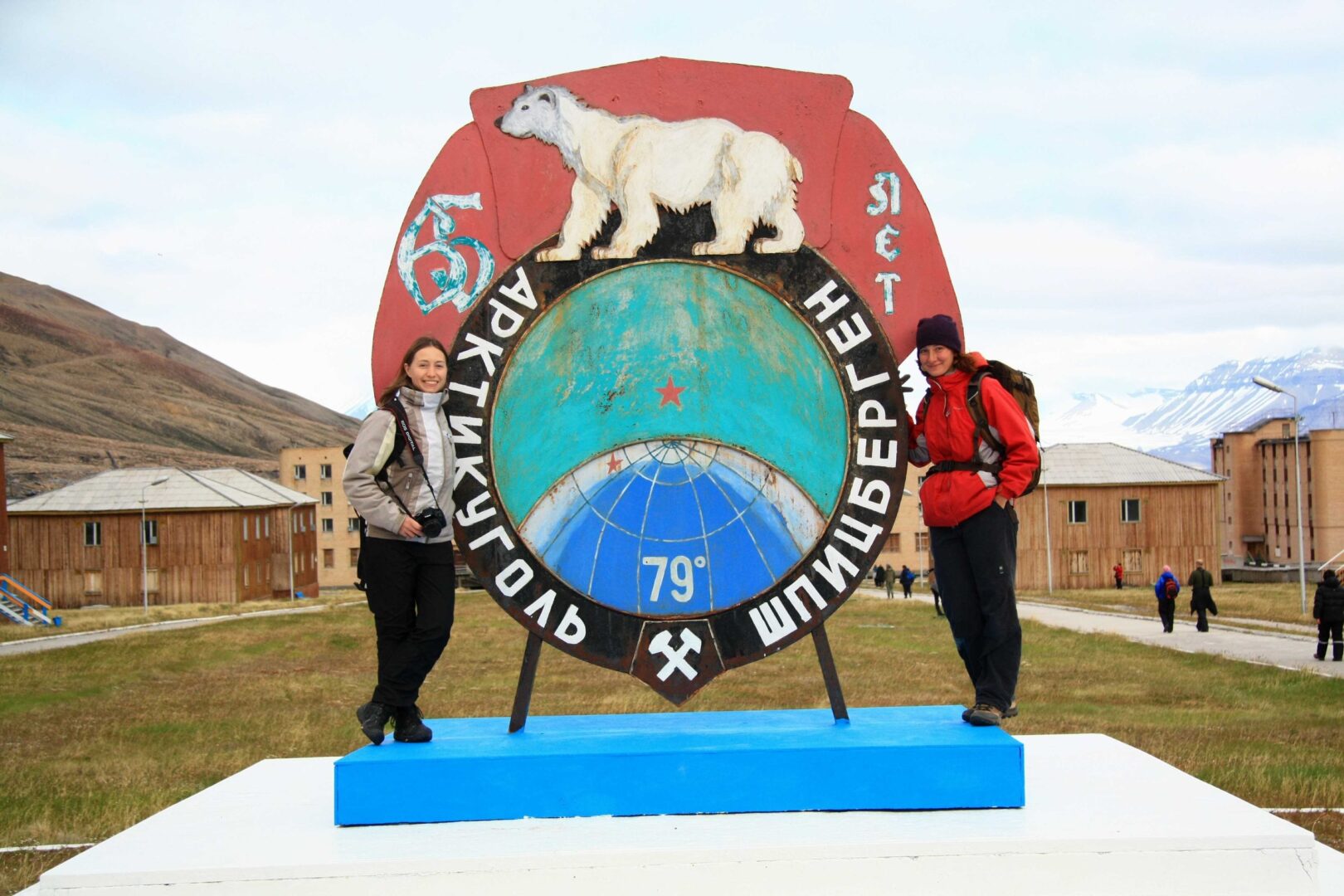
Thanks, so before we move on maybe you can share a bit more about yourself?
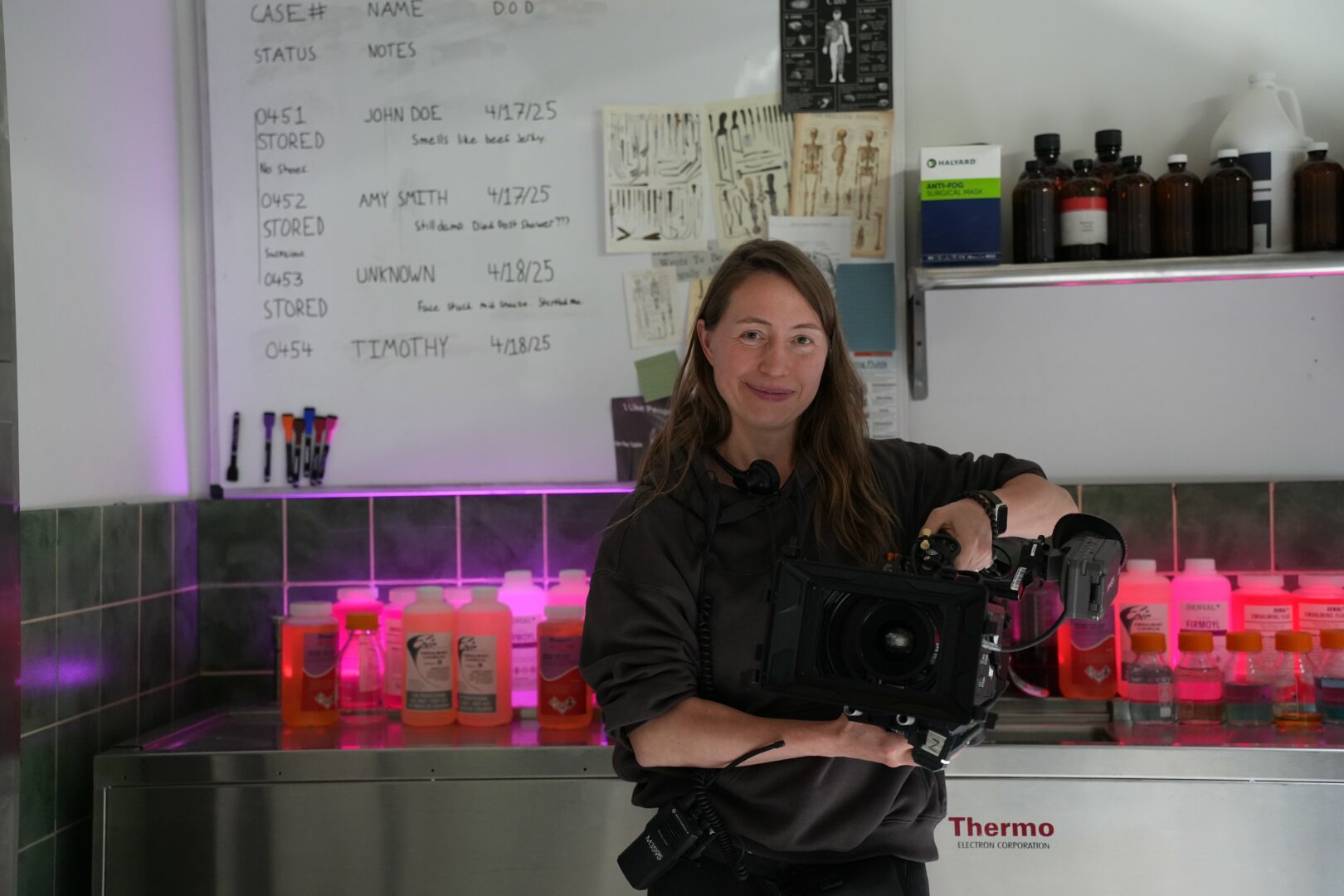
My name is Tatyana, I’m coming from Moscow, Russia, and I currently live in LA working as a cinematographer and cameraperson. I’ve started my journey as a video journalist when I’ve won a Fulbright award and entered a News & Documentary MA program at NYU. It is a unique and special program that selects about 10 to 15 people from all over the world every year and teaches them how to film compelling documentary stories as a one-person production band (when you produce, direct, film and edit on your own) or in a team, as well as the fineness of video reporting.
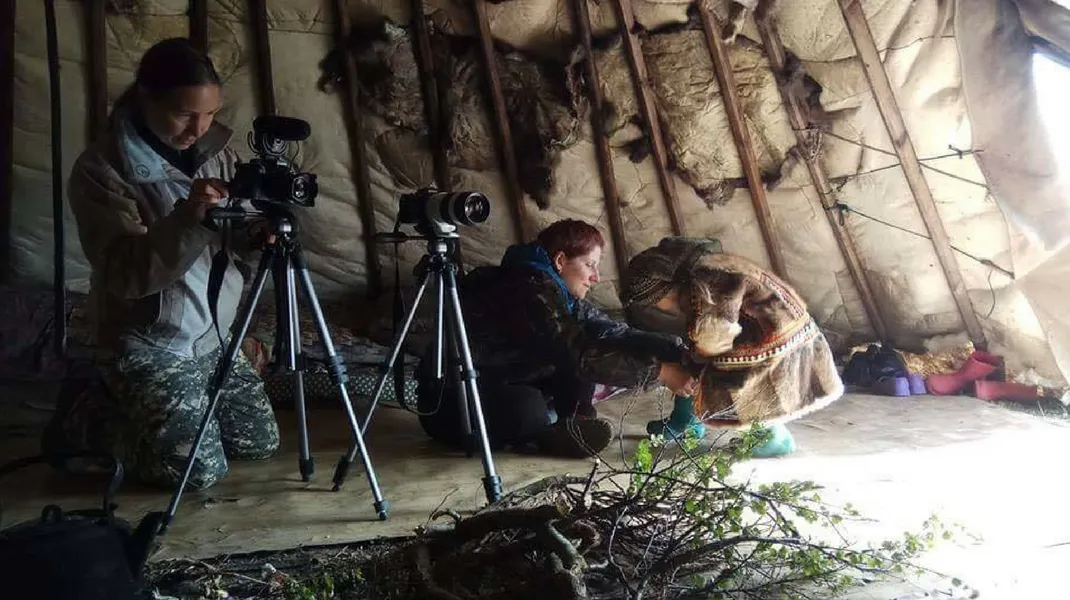
After graduation I’ve decided to go back to Russia and embark on a journey of a freelance video journalist, traveling to amazing places all over the country and filming stories for CNN, BBC, AJ+, NBC and other media.
In a few years I’ve decided to settle and accepted a full-time position of a video journalist for NBC News in Moscow. We’ve had a very small bureau of only 5 people in Moscow and it’s been an amazing and fascinating time to be reporting on everything that was happening in the country. But after a while I’ve decided it’s time to move on and delve deeper into what I’ve always been driven to – finesses of camera work and cinematography.
I came to LA and finished cinematography program at NYFA, so that now I’m working as a cinematographer and cameraperson. The main goal of my cinematography is to be powerful enough to transmit all the senses – smells, tastes, touch – via visuals, and as such to bring back and enhance the love for life as it is. And even though the industry is certainly highly competitive here, I’m truly enjoying the process – and I have no doubts it was all worth it.

Looking back, what do you think were the three qualities, skills, or areas of knowledge that were most impactful in your journey? What advice do you have for folks who are early in their journey in terms of how they can best develop or improve on these?
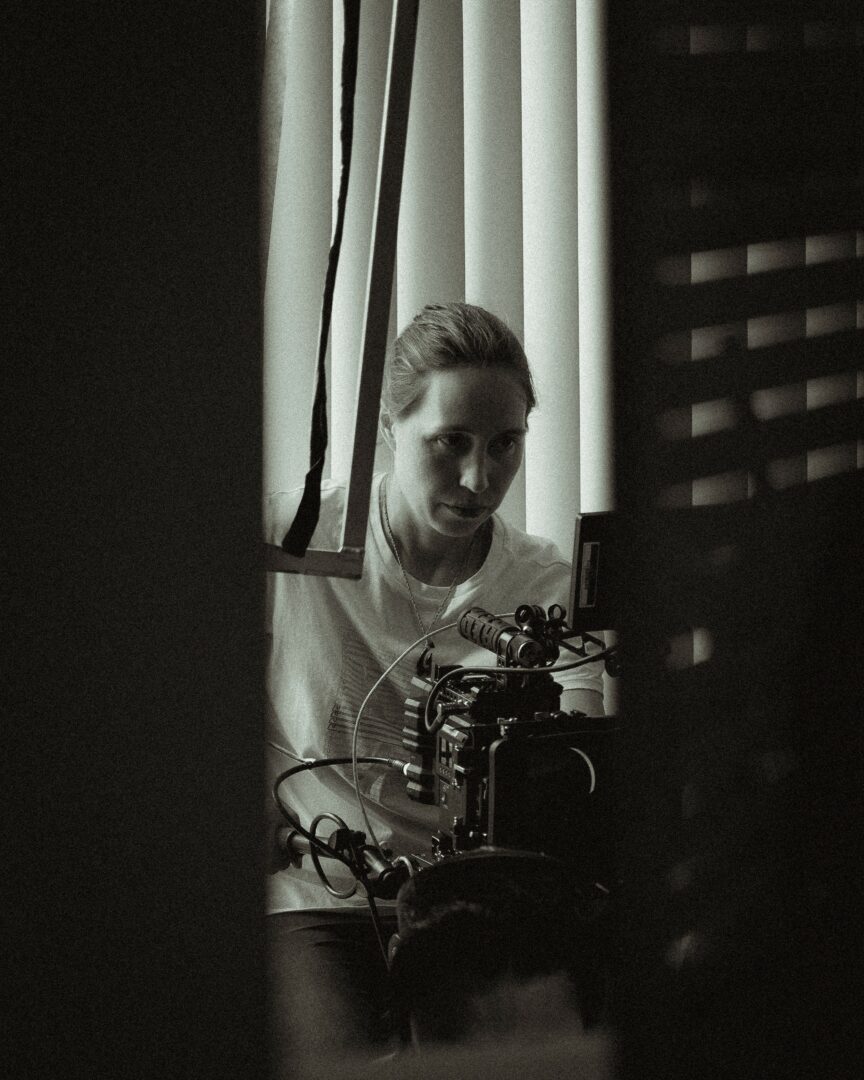
I think it is very important for a cinematographer, just like for any visual artist, to constantly hone your observation skills and attention to detail around. To notice how the light casts a shadow pattern on the pavement, or reflects off the walls of the buildings, or gives a special glow to a person’s face. This honed vision not only allows you to notice and appreciate the magic of everyday’s life, but also – be it documentary filmmaking or feature cinematography – to depict life in a more realistic and profound way.
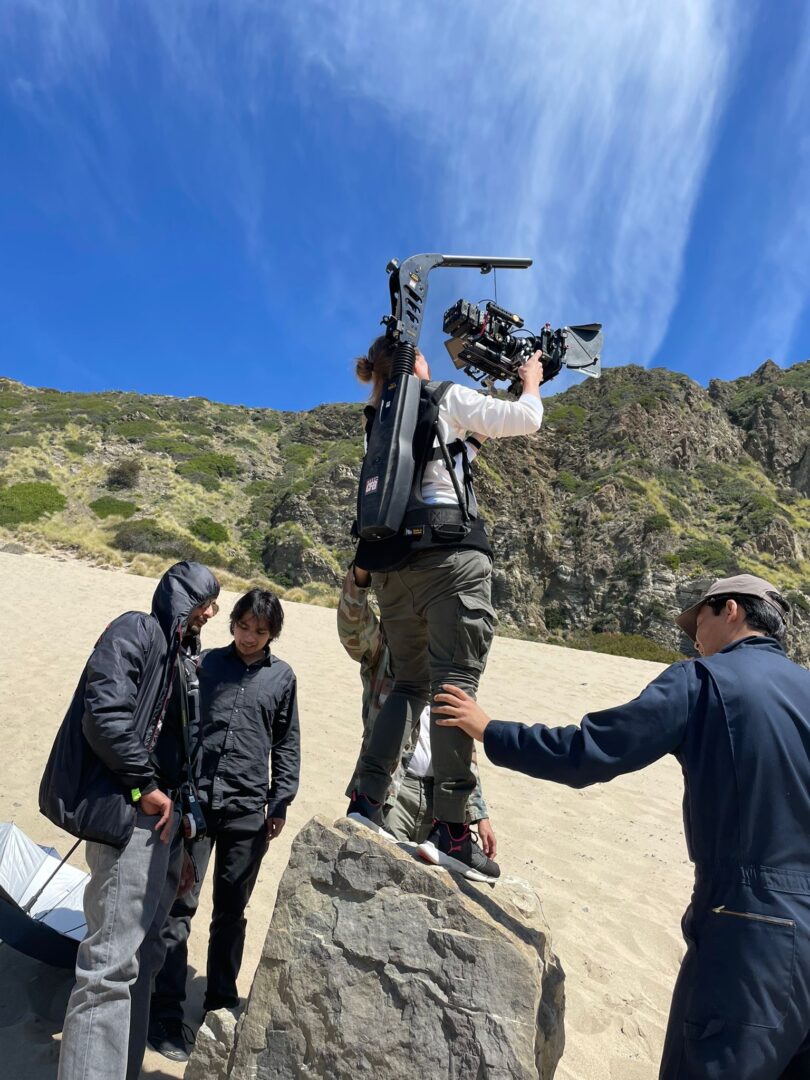
The other crucial thing in this profession – no matter how basic it might sound – is to take good care of your physical health. It is a very physically challenging job – from intensive travel, to simply the weight of professional equipment that you have to handle. And it is very easy at the start to simply wind up yourself and end up damaging your health. So it is really important to pay attention to your body, give yourself enough time to recover, have a healthy daily routine. All that in the end would give you the opportunity to enjoy what you’re doing for as long as possible.
And then, on a mental level, I believe it is important to understand why you really are in this profession. What is your ultimate goal and mission. Because without it what started as art, can turn into sheer craft and routine. I think it is important to sometimes stop, maybe stay quiet with yourself somewhere in the woods or by the ocean, and honestly figure out where you’re heading and why. Because in the end, it is understanding your ultimate goal that gives you the strength to move forward despite any challenges, instead of just spinning around.
What was the most impactful thing your parents did for you?
I’m immensely grateful to my parents as I without doubt would never get to where I am professionally without them.
I’ve been growing up during rather challenging times in Russia, and my dad worked as an engineer and my mom as a surgeon – both professions that, no matter how noble, have never been well paid in the country. But my parents managed to give me something way more valuable – true appreciation for life, love to its small miracles and beauty. We would always go hiking in the nearby forest in the summer or go skiing in the winter, my mom would always read beautiful books with me, and my dad would always carry me in his arms and sing lullabies when I was little.
My parents always believed in me and loved me unconditionally – and it is that support that gave me wings to then go and explore the world on my own.
Contact Info:
- Instagram: https://www.instagram.com/j.moonfire
- Facebook: https://www.facebook.com/tatyana.chistikova
so if you or someone you know deserves recognition please let us know here.