Alright – so today we’ve got the honor of introducing you to Thom Norman. We think you’ll enjoy our conversation, we’ve shared it below.
Thom, so good to have you with us today. We’ve always been impressed with folks who have a very clear sense of purpose and so maybe we can jump right in and talk about how you found your purpose?
I found my purpose on a London Underground train, of all places. I was sitting next to my partner, both of us tired after work, when she pointed to an advertisement about factory farming. At the time, I was practically living off microwave chicken tikka masala and had never seriously thought about animal welfare.
She asked what I thought about it, and I immediately felt myself getting defensive. ‘Of course factory farming is terrible,’ I said, ‘but the real solution is changing laws and regulations. We need systemic change.’
Then she asked me a simple question that stopped me in my tracks: ‘But you aren’t going to do anything about that, are you?’
I sat there in sulky silence, but that moment stuck with me.
I liked to think of myself as caring and progressive, but here I was, essentially arguing that because I couldn’t solve the whole problem, I had no responsibility to do anything at all.
That conversation sparked a journey that eventually led me to co-found FarmKind.
Through months of research and soul-searching, I discovered something surprising: while systemic change is indeed the ultimate solution, individuals have far more power to accelerate that change than I’d realized.
Take donating as an example: how much good you can do is more about where you give your money than how much you give. So, by simply giving to some of the best charities out there, even those of us without much to give can make a surprisingly big impact.
The real transformation wasn’t just in what I understood about factory farming — it was in how I thought about individual responsibility. I went from someone who used the need for systemic change as an excuse for inaction, to someone who helps others discover their power to create meaningful change, regardless of where they are on their own journey.
That’s what gets me up in the morning now: showing people that they don’t have to feel powerless in the face of seemingly insurmountable problems. Whether it’s through strategic donations or career choices, we all have the ability to help build a kinder, more sustainable food system.

Appreciate the insights and wisdom. Before we dig deeper and ask you about the skills that matter and more, maybe you can tell our readers about yourself?
At FarmKind, we’re tackling one of the biggest but least addressed challenges of our time: factory farming. It’s a system that confines billions of animals in cruel conditions, drives environmental destruction, and puts our health at risk through increased pandemic risks and antibiotic resistance.
Almost no one is prepared to stand up and defend factory farming, but for many of us, where things get tricky is doing something about it. That’s because we often think that the only thing we can do is to change our diet – to go vegan. But that not true.
The most exciting part of our work is showing people that they can make a meaningful difference without having to completely change their lives. Many people feel powerless when they think about factory farming because they’re told the only way to help is to “go vegan.” But we’ve found that even small donations, when directed to the right organizations, can help more animals than individual dietary changes.
In fact, a donation of just $23 a month to highly effective charities can help protect that many animals and more. It’s about making it easy for everyone to be part of the solution, whether they’re ready to change their diet or not.
That’s where FarmKind comes in. We’re like Wirecutter for animal charities, working with experts to find some of the best charities out there working to end factory farming. We use these charity recommendations in our Compassion Calculator, like a carbon offsetter but for your diet. This allows people to easily do just as much good to tackle factory farming as going 100% plant-based, even when they are not ready for this kind of big lifestyle change.
What’s particularly special about our work is seeing the relief on people’s faces when they realize they can help solve this problem in a way that works for them. We’re showing that you don’t have to choose between being part of the solution and living your life — you can do both.
If you had to pick three qualities that are most important to develop, which three would you say matter most?
One essential skill is learning to look for the right answer, rather than the one that makes you feel good. It is all too easy to come up with an idea and then only pay attention to the evidence that proves you were right all along. For example, we make an effort to identify the underlying assumptions we’re making at FarmKind and ask ourselves if there is some test we can do to quickly disprove them.
Another crucial ability is making complex ideas accessible. In our work, we often deal with challenging concepts around the food system and animal welfare, but our success depends on making these ideas clear and actionable for everyone. This isn’t about simplifying – it’s about finding the right analogies and examples that help people connect with the core ideas.
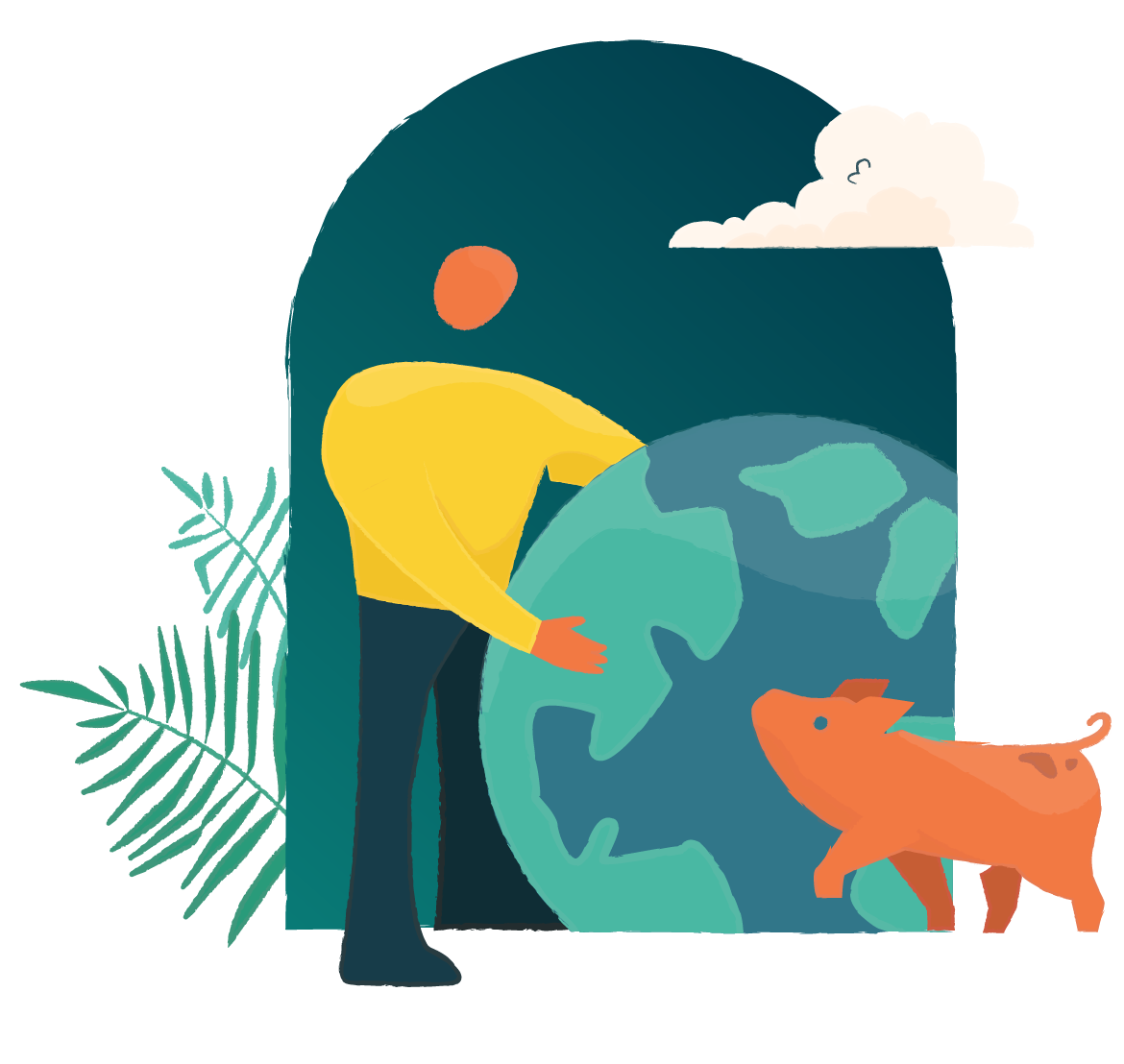
Finally, there’s what I call “pragmatic idealism.” This means holding onto big aspirations while being practical about how to achieve them. At FarmKind, we’re working toward a world without factory farming, but we focus on concrete, achievable steps to get there. For example, the charities we recommend are all working on specific parts of this problem and can show measurable progress towards their goals.
Thanks so much for sharing all these insights with us today. Before we go, is there a book that’s played in important role in your development?
Jonathan Safran Foer’s “Eating Animals” transformed how I think about factory farming, but not in the way you might expect. Unlike many books on this topic, it isn’t a one-sided polemic telling you to go vegan. Instead, it’s a thoughtful exploration that gives voice to everyone in the food system – from industrial chicken farmers to traditional ranchers – allowing them to explain why they believe in what they do.
What makes this book so powerful is its honesty about the complexity of our relationship with food and farming. Foer himself isn’t vegan or even vegetarian, but he helps readers understand why factory farming is one of the most pressing moral issues of our time. He openly grapples with how changing our eating habits is genuinely difficult, even when we believe the current system is deeply unethical.
This balanced approach profoundly influenced my work today. It showed me that you can care deeply about ending factory farming while still acknowledging the real challenges people face in changing their diets. It’s possible to be both principled about the need for change and pragmatic about how we get there.
Contact Info:
- Website: https://www.farmkind.giving
- Instagram: https://www.instagram.com/farmkindgiving/
- Facebook: https://www.facebook.com/farmkind.giving
- Linkedin: https://www.linkedin.com/in/tdnorman/

so if you or someone you know deserves recognition please let us know here.