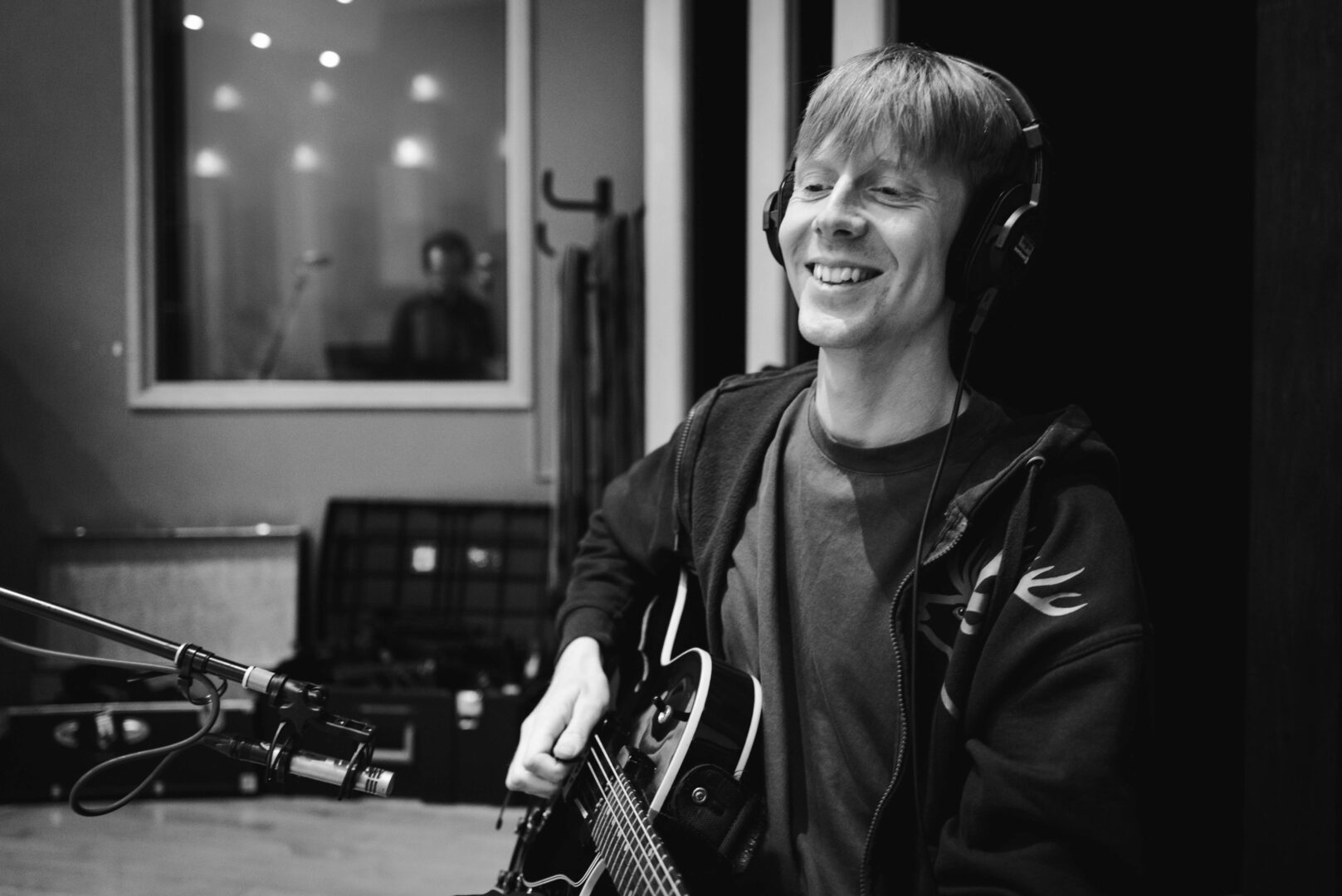
We’re excited to introduce you to the always interesting and insightful Thomas Wandborg. We hope you’ll enjoy our conversation with Thomas below.
Thomas, appreciate you making time for us and sharing your wisdom with the community. So many of us go through similar pain points throughout our journeys and so hearing about how others overcame obstacles can be helpful. One of those struggles is keeping creativity alive despite all the stresses, challenges and problems we might be dealing with. How do you keep your creativity alive?
My best tool for keeping creativity flowing is experiencing art. Music making can be a lonely practice – a lot of time is spent alone practicing, writing and so on. Getting out of the house and experiencing other artists’ work, whether they are musicians, painters, dancers or actors, is a powerful reminder that our goals are reachable. Every performance is a goal that was successfully reached. Feeling the impact of art firsthand, reminds me that music is transformative, and that motivates me to stay curious in my creative practice.
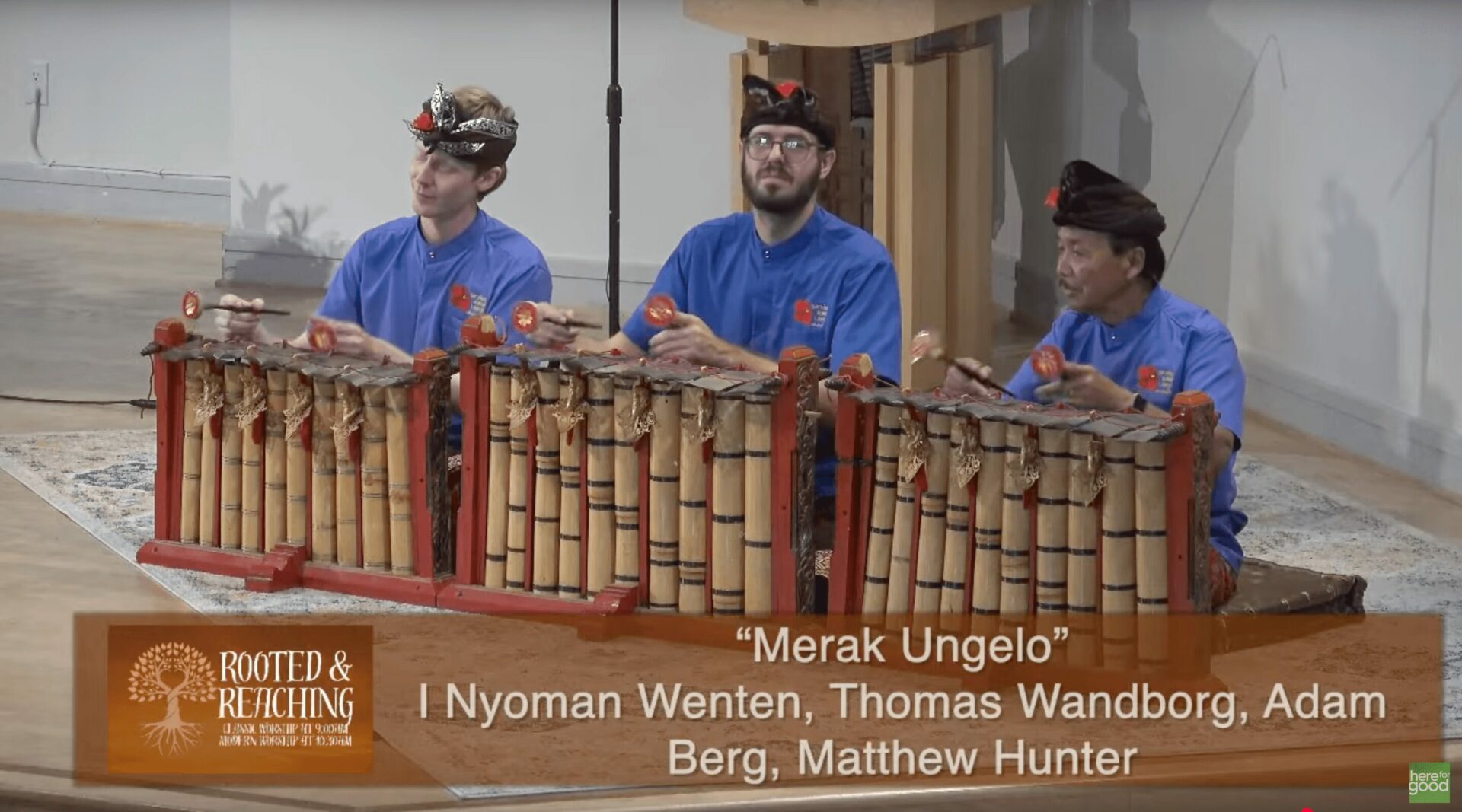
Thanks, so before we move on maybe you can share a bit more about yourself?
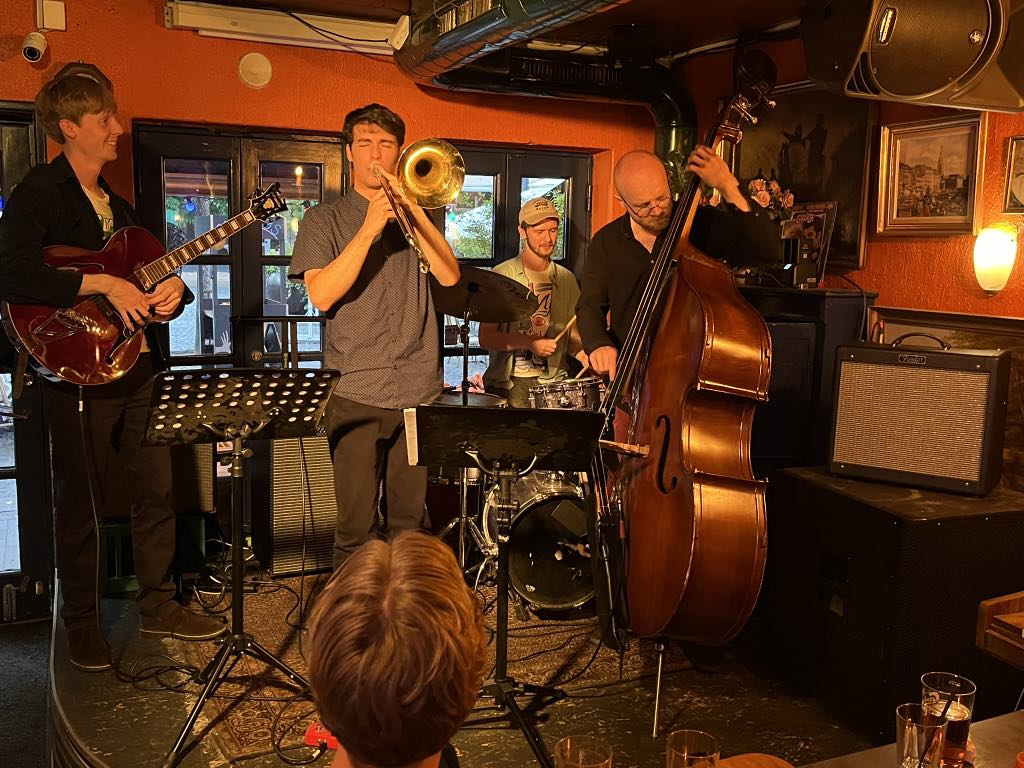
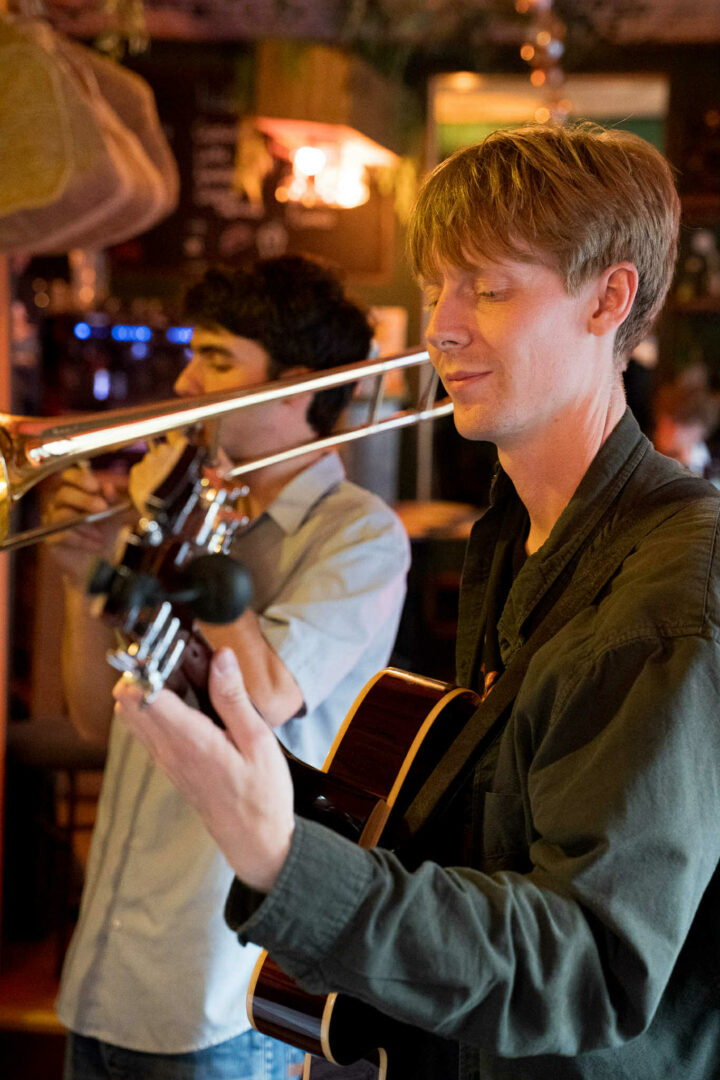
I am a guitarist and composer from Denmark. I recently moved to the L.A. area, where I am pursuing two main tracks in my career: performing as a guitarist in the city and the studio, as well as composing for film and media. Currently I am writing music for a film about a young jazz player, fighting to find her spot in the New York City jazz scene. It has been an absolute blast working with the producer, and finding ways to combine traditional big band writing with experimental elements of free jazz.
Looking back, what do you think were the three qualities, skills, or areas of knowledge that were most impactful in your journey? What advice do you have for folks who are early in their journey in terms of how they can best develop or improve on these?
The three most important skills I can recommend for someone starting to play and compose music are: Patience, diligence and craft.
Patience is connected to hope because we trust that we will progress even though we do not see instant change. Learning an instrument is hard and patience is therefore required. With no patience we tense up, take the easy way out, and lose focus.
Diligence comes for the days when we lose patience. When we have a bad day, we need to be diligent enough to still practice, and practice properly even if it is boring.
Learning skills such as counterpoint totally changed the way I compose. Sometimes inspiration just does not strike, and in those moments it is great to have a strong bag of craft to fall back on. And when inspiration strikes, it is lovely to already have the craft to express it.
Thanks so much for sharing all these insights with us today. Before we go, is there a book that’s played in important role in your development?
I never get tired of The Little Prince by Antoine de Saint-Exupéry. It was always around me – my mother loved the book, and one of our closest family friends collected every translation of it in her house. Every time I read it, I seem to find a new gem of wisdom in there. Recently, I was thinking about his rose. The way he tends for that rose is such a beautiful act of love. His care for it is so unconditional and his appreciation and gratitude for it never goes away. Tending to something like music for so long, has brought many ups and downs for me. The image of the Little Prince with his rose brings me hope that with continued heartfelt effort, my relationship to music will stay beautiful.
Contact Info:
- Website: https://thomaswandborg.com
- Instagram: https://www.instagram.com/thomas_wandborg/
- Facebook: https://www.facebook.com/thomas.wandborg
- Youtube: https://www.youtube.com/@thomaswni
Image Credits
Rob Moreno
so if you or someone you know deserves recognition please let us know here.