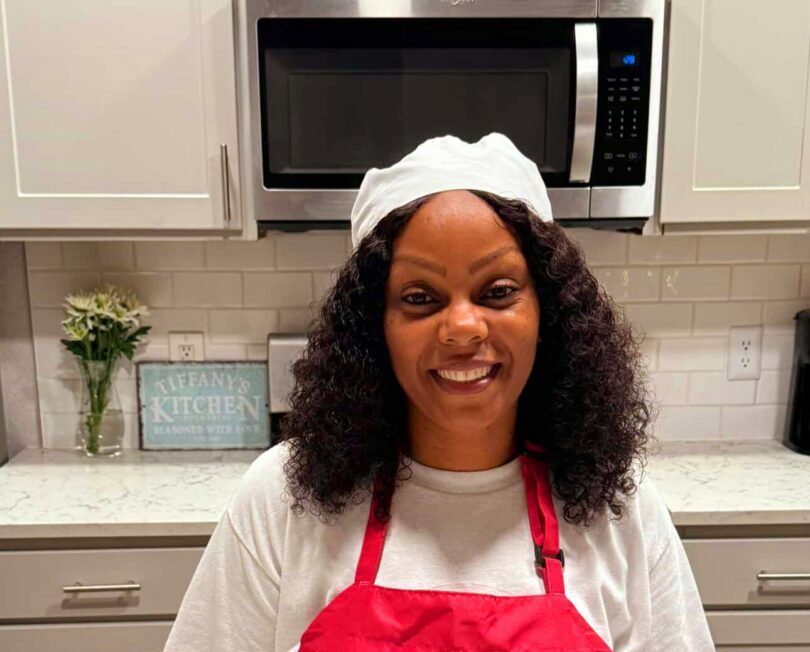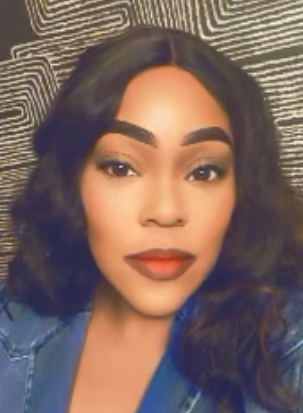
Alright – so today we’ve got the honor of introducing you to Tierra Robertson. We think you’ll enjoy our conversation, we’ve shared it below.
Hi Tierra , so excited to talk about all sorts of important topics with you today. The first one we want to jump into is about being the only one in the room – for some that’s being the only person of color or the only non-native English speaker or the only non-MBA, etc Can you talk to us about how you have managed to be successful even when you were the only one in the room that looked like you?
I think most of us take being the only one in the room as a challenge to overcome, but I don’t. I want whoever the majority is to be aware of my presence as much as I am. I am aware of the space I fill and I enjoy it. I want others to share the space, but I also understand I am not responsible for how they share the experience. There’s a lot to be learned in that space though. When you enter the room, and you immediately become aware of the difference or separation, you almost subconsciously “police” yourself. You immediately become more aware of your tone, word choice, facial expression, non-verbals and maybe even your choice of clothing. It’s done as a means to seem less threatening as the minority person or to minimize the space you’re holding. As a black woman, I think it’s an all too familiar place. My success is in my ability to read the room in the same manner I have policed myself. I notice colors and style choices. I notice wording or the avoidance in using certain words. I notice where the room gravitates. However, success is walking in the room and knowing I belong there. I am not earning a space I have been invited to. I’m deserving of the space and I am worthy of what is presented to me while I’m there. Success is knowing not that I have a seat at the table, but being the only one in the room that looks like me is an advantage. Curiosity spikes conversations, change and inclusiveness. All conversations that should be brought to the forefront anyway.
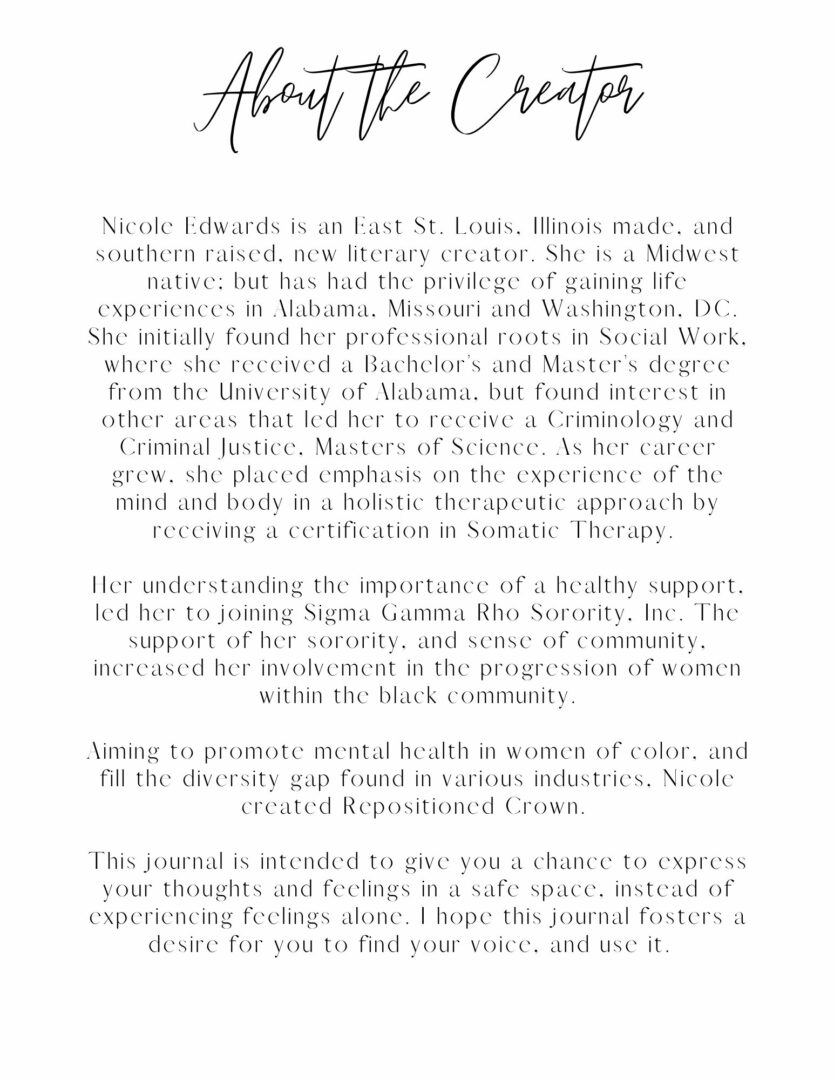
Thanks for sharing that. So, before we get any further into our conversation, can you tell our readers a bit about yourself and what you’re working on?
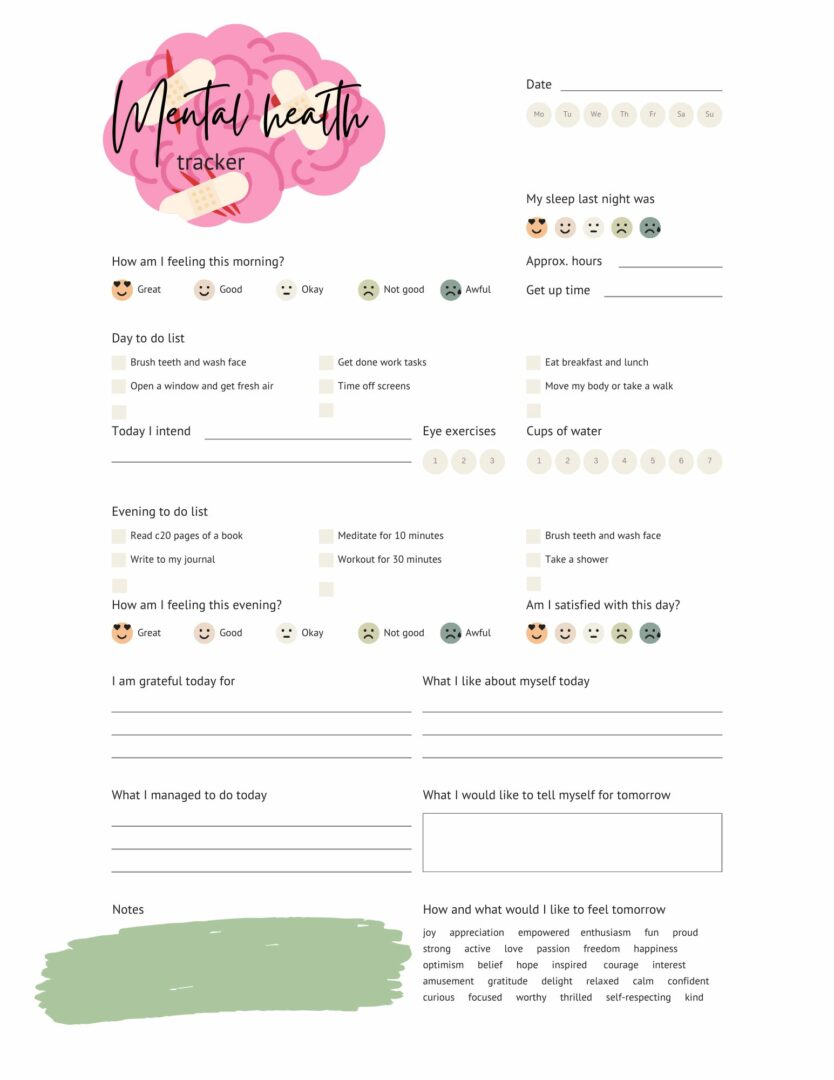
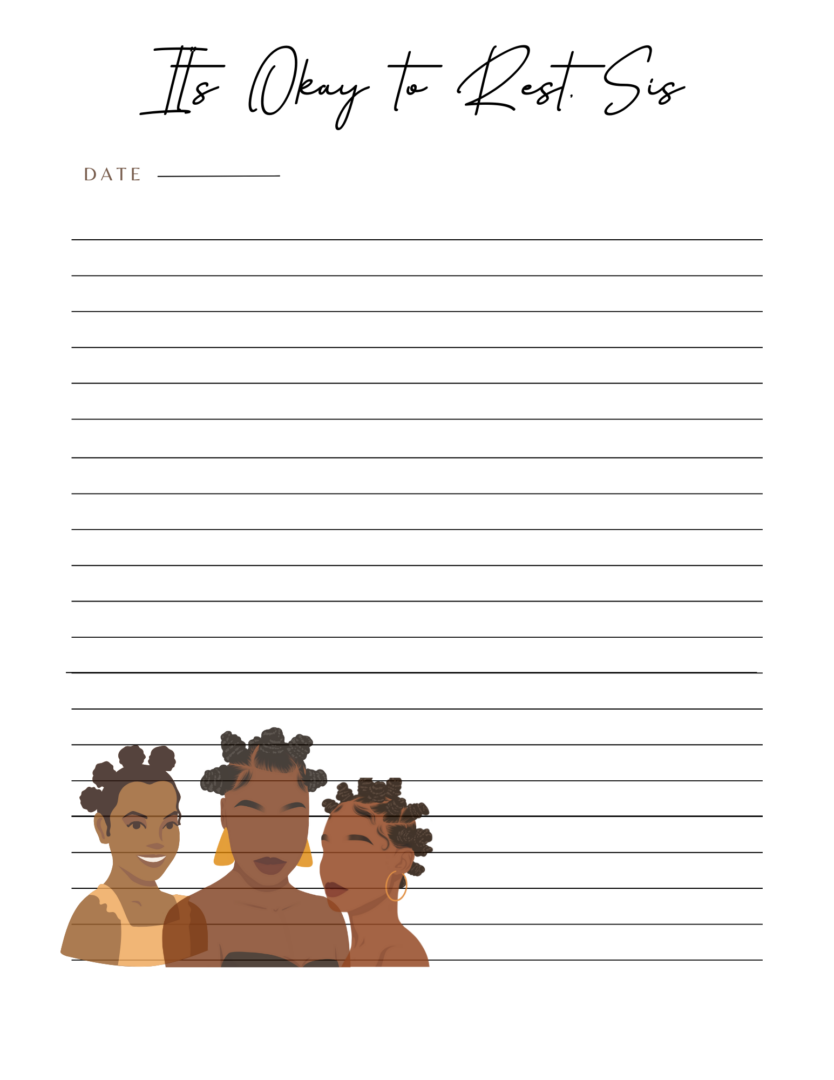
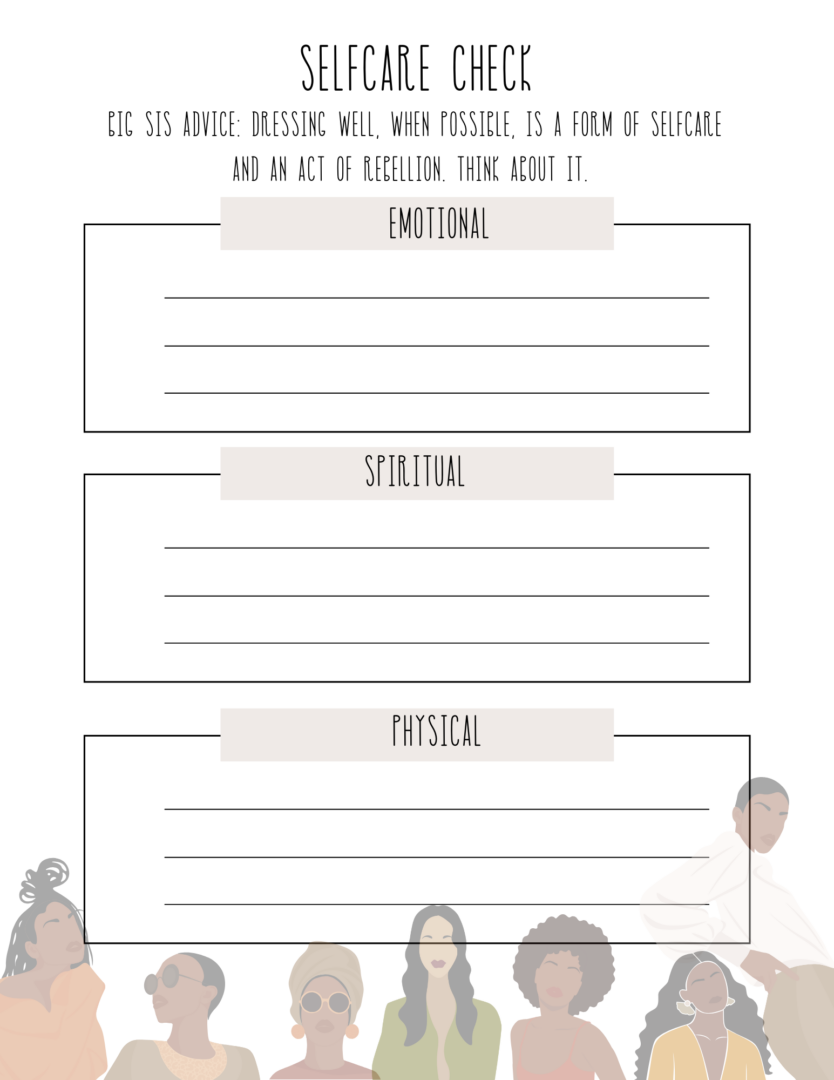
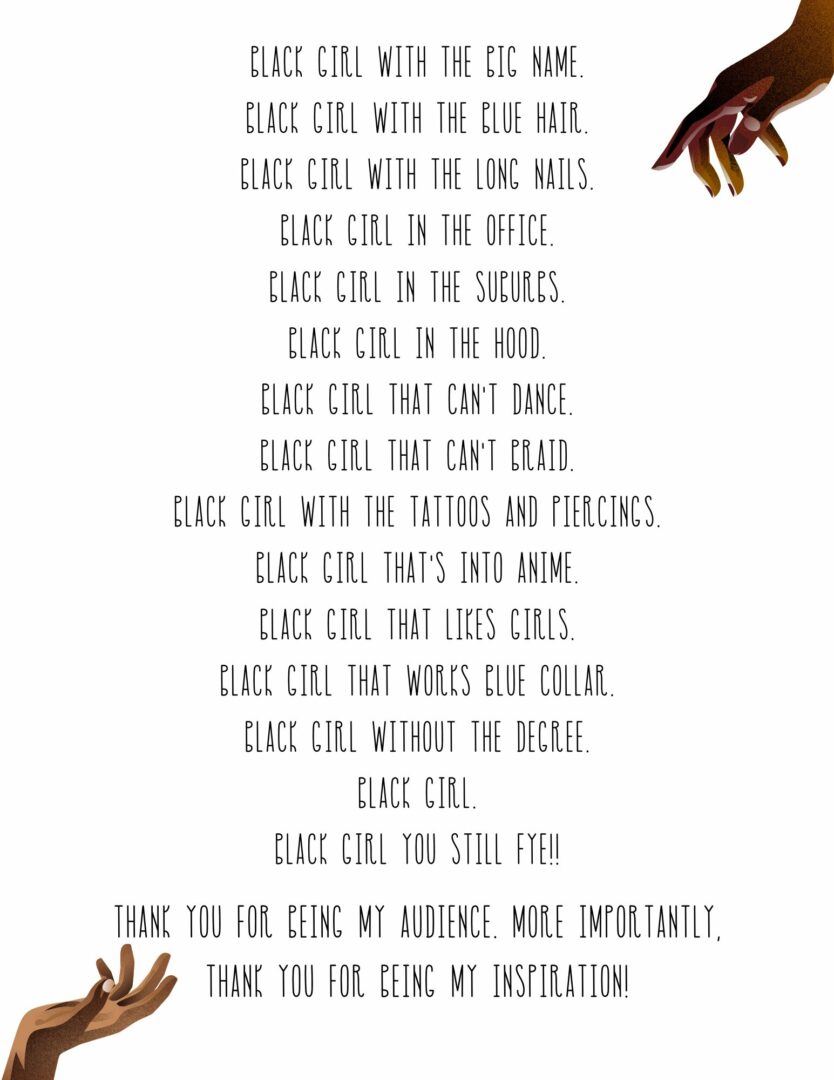
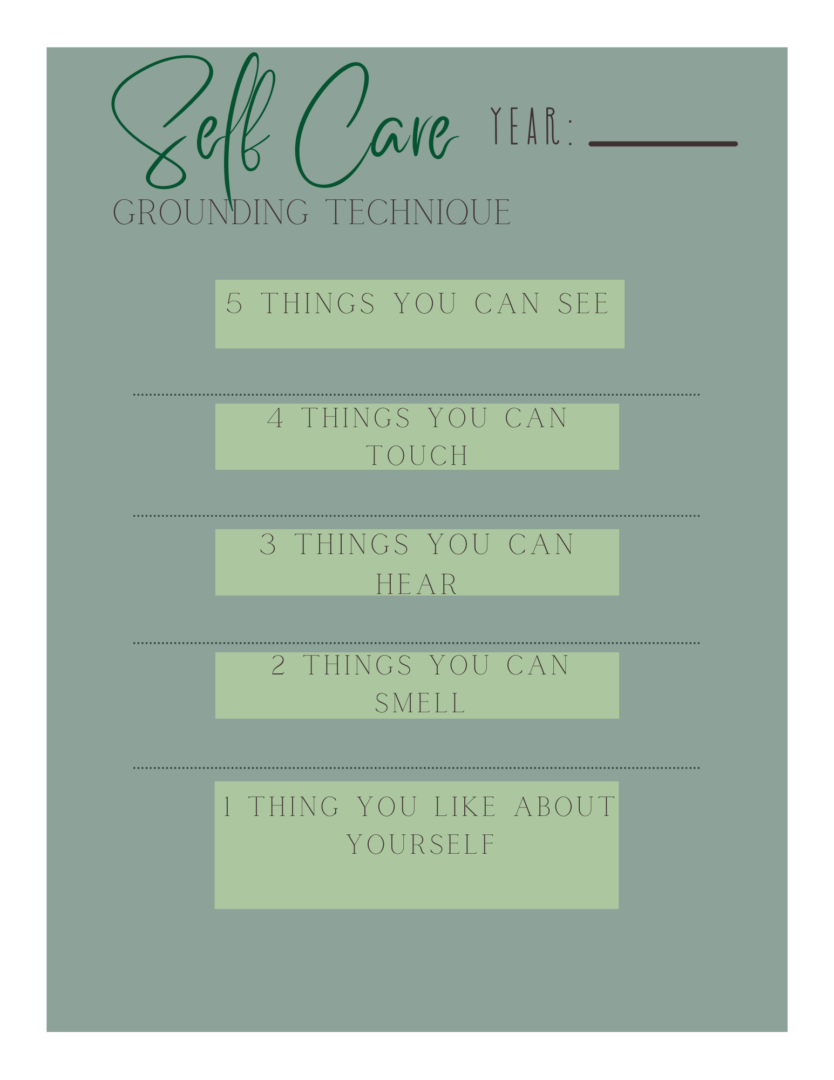
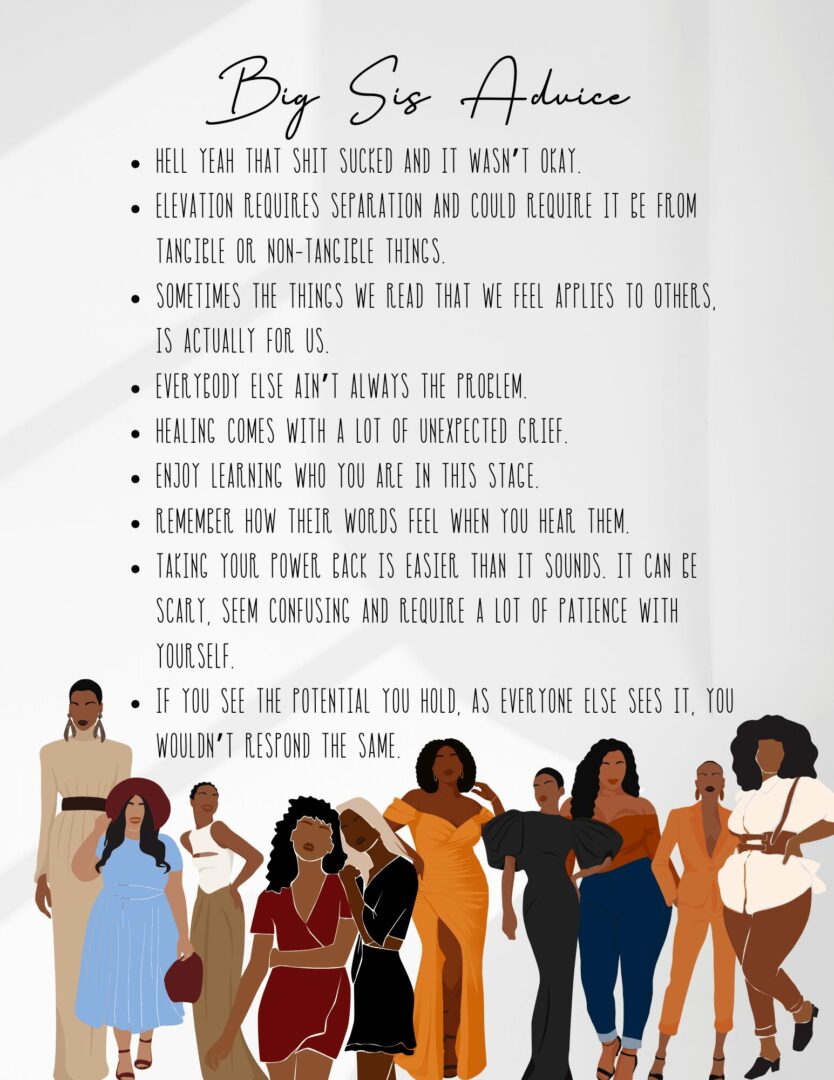
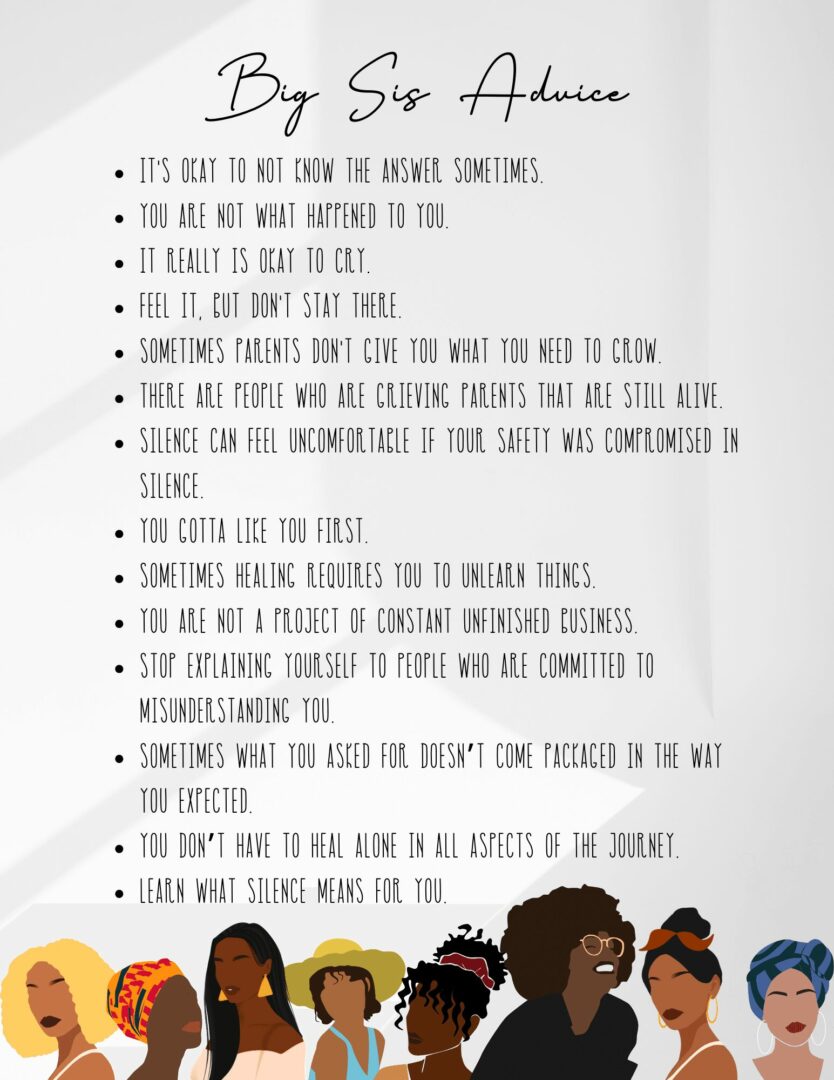
I am a licensed social worker and a literary creator. I currently work in mental health, but I created a journal, Repositioned Crown, at a time when I felt I had no one, but I need space to express myself. It actually took me 2 years to complete the journal. It’s wild to think about because most of the pages are blank (lol). The journal is what I’m most passionate about because I created it in the image of black women. I wanted to see myself, my peers, my culture, my sister etc., in the illustrations and in the “big sis advice” that’s included. I wanted to create a space that was not only safe, but felt familiar to us. I want women to see the illustrations and see themselves and someone they know. The journal was personal and intentional. We have so many platforms that discuss the importance of safety, release, rejuvenation, emotional polarity and maturation etc., but we are new to seeing those platform created by us and not just made for us as a marketing scheme.
The journal, Repositioned Crown, is a must-have for black women looking to prioritize their mental health and practice self-care. This journal is designed to help black women tap into their inner selves, express their thoughts and feelings, and track their journey towards healing, growth, and change. By providing a platform for self-expression and reflection, Repositioned Crown aims to fill gaps in diversity and promote the importance of mental well-being within the black community. It promotes self-care and self-expression for black women, empowers users to prioritize their mental health and well-being, provides guidance and advice on navigating the challenges unique to Black women and fosters a sense of community and support. I think more importantly, it celebrates black women and culture in a unique way. Every quote included in the journal came from a black woman.
This journal made me consider other literary gaps as well. I have began creating a, “mom and me” journal for young girls and their mothers and I am currently working with a black, male therapist on creating a journal for men. The majority of that work regarding the journal has been spearheaded by him, but I appreciate the space and opportunity he’s given me to be apart of a much needed outlet for men.
Looking back, what do you think were the three qualities, skills, or areas of knowledge that were most impactful in your journey? What advice do you have for folks who are early in their journey in terms of how they can best develop or improve on these?
We like to answer these questions with “leadership” or “effective communication”, and I think that is important depending on the environment you’re in. However, I didn’t take this question as one to answer from professional experience. I think learning to identify your “blind spots” and being willing to improve or correct where necessary is important. We all have them, whether we acknowledge them or not, but it can be difficult to peel back the layers underneath. In therapy, you’ll often hear the phrase, “do the work”, and although I don’t disagree with someone needing the drive and discipline, we also need to emphasize the importance of rest. My coworkers and I actually completed an exercise together where we identified different things about ourselves and an area of growth. We identified a facade, arena known to all, an unexplored area which is known to no one and a blind spot that others are aware of. I want to mention that the coworkers who participated in this with me are close knit and have a great professional and personal relationship between each other. I don’t believe that building a more personable relationship with coworkers is a bad thing. Befriending your co-workers can not only make you feel more connected within your professional environment, but it can also increase professional success in other areas beyond your workplace. However, I do believe in establishing and maintaining appropriate boundaries within the workplace.
When we each took turns responding to the “blind spot”, we all also had the opportunity to respond to the area we may lack growth or have increased discomfort. Sometimes it’s challenging to hear, but when the space and relationships are safe, you may feel more comfortable being vulnerable and less self-critical. You can gain introspection and the ability to identify if you’re struggling with navigating what emotional maturation looks like related to attachment styles, emotional expression, trust, different forms of intimacy, etc.
What has been your biggest area of growth or improvement in the past 12 months?
Learning that sometimes it really isn’t about me. I had to learn to understand, and be okay with, the change in someone’s mood without telling myself it was something I did wrong. I was so fearful of losing friends, I am sure I showed up in a performative, or overly pleasing manner, just to avoid conflict. This was done out of fear of jeopardizing, or losing, the established relationship. I had a habit of internalizing any slight change in someone’s tone or body language, and assumed it was a negative change towards me or it was because of me. I told myself the avoidance of external conflict was better losing a relationship. I didn’t understand that I was only creating an internal conflict in my mind and body. This worsened the anxiety I was already poorly managing. I surrendered my own safety by overextended myself in relationships I should have felt safe in, and didn’t, or ones I should have severed. The change in this behavior and perspective came after I broke my ankle about a year ago. During that time, I was non-weight bearing and dependent on others to help me navigate the simplest tasks. Over the course of 10-12 weeks, I had the opportunity to slow down the world wind that existed in my mind and become vulnerable with myself for the first time though therapy. I improved my ability to communicate with myself. I have grown to learn that I must be gentle with myself through all the seasons I experience.
Contact Info:
- Website: https://nicoleedwards3.com/
- Facebook: Repositioned Crown
so if you or someone you know deserves recognition please let us know here.