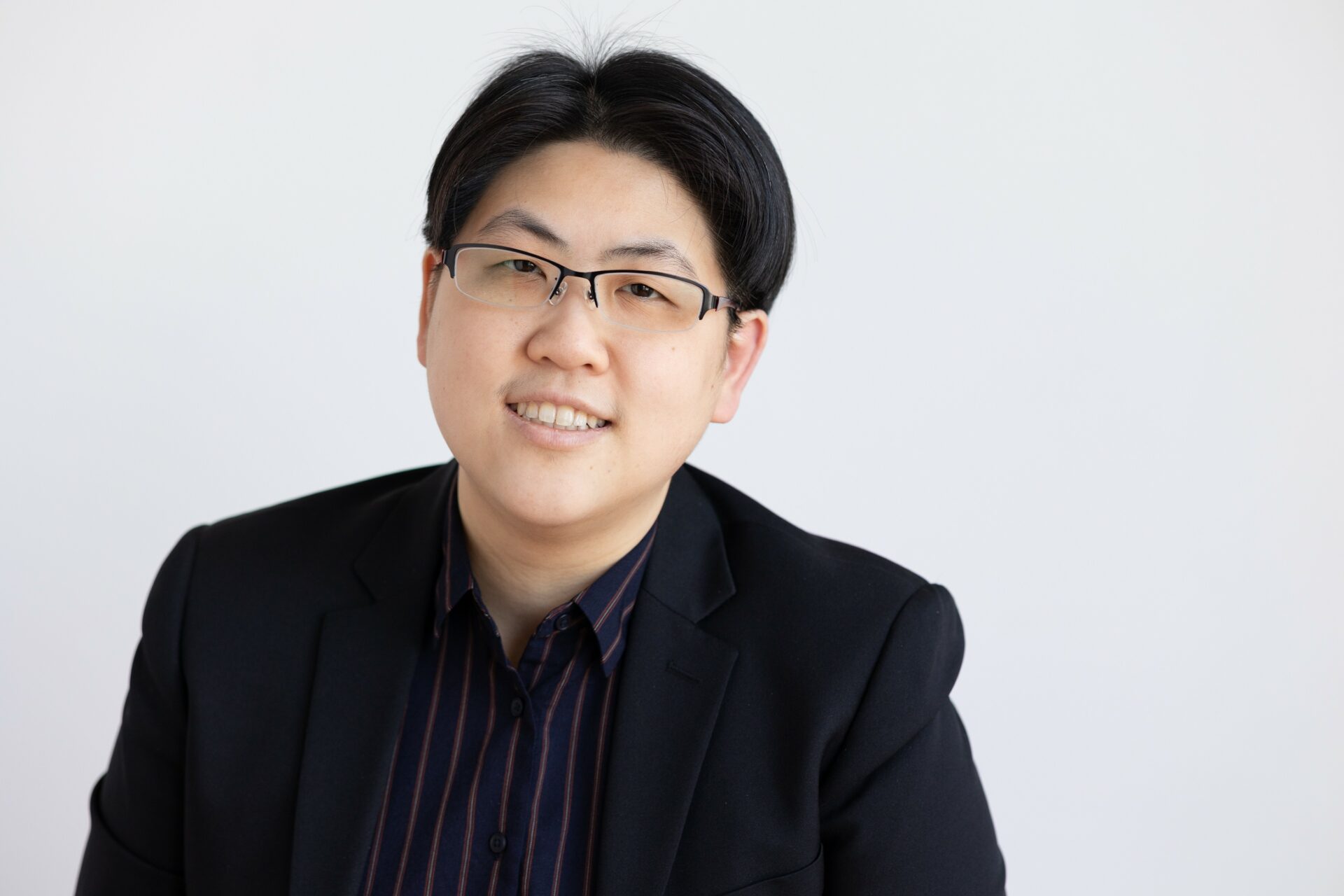
Alright – so today we’ve got the honor of introducing you to Tiffany Chang. We think you’ll enjoy our conversation, we’ve shared it below.
Tiffany, we’re thrilled to have you on our platform and we think there is so much folks can learn from you and your story. Something that matters deeply to us is living a life and leading a career filled with purpose and so let’s start by chatting about how you found your purpose.
About 10 years ago, I came across Simon Sinek’s TED talk and his idea of starting with why. He said that we all know what we do, some of us know how we do it, but many of us don’t know why we do it. Our “why” is our purpose.
I was immediately infatuated with the idea. I realized that I did not know why I did my work as a musician. The only reason I could muster was… “because I love music?”
I knew it wasn’t enough. It wasn’t serving something bigger than myself. It wasn’t sustainable when times were challenging.
I was annoyed, because Simon didn’t really tell us how to find our purpose. So for many years I was lost. I understood the concept, but I couldn’t apply it.
I went on a major quest to find my why, and here are the four paths I took on this journey.
—
1) What lights you up
To get started, here are questions that are helpful: What excites you? What makes you want to jump out of bed each morning? What gives you energy and joy? What drives you? What makes your heart sing?
I’m sure you’ve heard those before, and it may seem trite.
Yet, I think the real challenge is that we often think what excites us is something we must be good at, what we do well, our strengths. In fact, we’ve been told since we were young what our strengths are (We get an A in chemistry and B in English. We must be good at science and bad at literature).
Marcus Buckingham challenged me to rethink what “strength” means. He proposes that a strength is something that gives you energy, lifts you up – even if you are bad at it. And weakness is something that depletes your energy, drags you down – even if you are good at it.
This blew my mind because I always thought that my purpose had to be what I was good at, even if I hated it. I went through so much of my life doing things just because I thought I ought to be doing them because I was good at it.
Buckingham offers these alternative questions to uncover our strengths: Where are you at your best? Where do you want people to rely on you? Where do people come to you for help? Where do you feel really good when people turn to you for it?
I found these so difficult to answer without external influences from my family, friends, mentors, or society. What’s interesting is that these questions turn the tables: from seeking what others or society tell me are my strengths externally to what I may reveal to myself internally.
2) What values you hold
I learned a perspective about values from Susan David, who said that, “I see values not as rules that are supposed to govern us, but as qualities of purposeful action that we can bring to many aspects of life.”
I dug a little deeper and asked myself: What do you stand for? What do you care most about? What are you most proud of? What makes you different? How do you stand apart? What are your non-negotiables? Qualities you’re not willing to compromise?
This reflection helped me see what’s important to me. It encouraged me to design mechanisms to ensure my actions reflect my values. I made my values verbs to ensure that I take purposeful action. For example, one of my values is courage. I have a daily goal to do something scary in order to be the kind of person who holds this value. And that made me feel so good about honoring the authentic parts of me.
3) What problems you solve
There are two different perspectives that helped me focus on my contribution and the value I give to the world.
The first approach is: what is my fight? I learned this from David Burkus who wrote a book on it, where he presents three types of fights we may resonate with: the revolutionary fight – what do you want to change your industry; the underdog fight – proving that you can stand up to dissent, or overcome challenging circumstances; and the ally fight – how can you help your group to fight alongside them.
It hit me hard that I was fighting the revolutionary fight. And just that framing gave me so much clarity about why I cared so much and why I was faced with so much resistance (because change is uncomfortable). I became more resilient understanding this.
The second approach is from a marketing lens and it’s from Seth Godin’s idea that “Leadership is finding and solving interesting problems.” We can see purpose as a solution we offer to an existing problem. When we’ve found a problem we want to solve, he invites us to ask these questions about our work: Who’s it for? What’s it for? What is your promise? How will people be transformed? I struggled in even answering the first question! But I was so grateful to be able to identify why my work was for – and more importantly, who it was NOT for.
4) What challenges you’ve overcome
I heard Arthur Brooks describes purpose as, “Look for the thing you don’t have and give it to other people.” He teaches a popular Harvard class on happiness. He explains that he teaches and researches happiness because he’s himself looking for it.
This helped me see that my purpose is indeed born from my personal struggles.
I found it helpful to ask myself: What is your struggle? How have your values been threatened and how did you overcome that experience? What life challenges have you overcome?
Many people have talked about this idea that “you are best positioned to help the person you used to be.” How can you help others who represent a previous version of you? Who are they? What do they need?
—
At the end of the day, we are all individual human beings with our own life stories. We spend much of our lives trying to fit into boxes, to follow directions, to satisfy imperatives from external sources. At some point, we stop interrogating ourselves to truly understand what drives us, what makes us tick, what we want to contribute to the world.
When we lose touch with ourselves, we lose touch with our purpose.
All four paths took me on a challenging journey of self-discovery and self-awareness.
The biggest epiphany was that I had been living my purpose from the beginning of my career. I didn’t need to “find” my purpose. It was always there. I just needed to uncover and access it.
I used to think that I have to find my purpose before I can know if I’m doing life right, or if I’m going in the right direction. Victoria Labalme calls this the “myth of purpose” in her book Risk Forward. We think that we have to have it all figured out to move forward. It’s a myth.
I’ve learned that our purpose is already in us, and we have to keep discovering and clarifying what feels right deep down, what we know was right all along.
Great, so let’s take a few minutes and cover your story. What should folks know about you and what you do?
I’m a conductor obsessed with leadership and helping musicians feel more valued, seen, and fulfilled in their workplaces.
I’ve explored industries outside of the arts and became curious about how non-musicians have made strides in advancing what leadership means. I can’t help but find that the arts remain stuck in old paradigms.
In reflecting on what I’ve learned, experienced, and observed as a professional in the arts, I realized that we are a profession (and perhaps a whole world) governed by fear. Our obligation to conform to society means that we feel less seen as individuals with our own thoughts. I’ve become interested in how other industries have been talking about how to build work cultures that promote psychological safety and a sense of belonging so we can be more innovative and feel more fulfilled by our work.
The music industry needs all of that.
I write a blog called Conductor as CEO where I take ideas from other industries and how they apply to arts leaders. I also have been contributing as an author, speaker, and podcast guest across all industries – talking about topics like leadership, work culture, psychological safety, and purpose.
I hope that the arts industry can be better through my thought-leadership work. I’m learning that I don’t need to have all the answers, but simply showing up every day to do this work has helped me get closer and closer to being the artistic leader I aspire to be.
Looking back, what do you think were the three qualities, skills, or areas of knowledge that were most impactful in your journey? What advice do you have for folks who are early in their journey in terms of how they can best develop or improve on these?
The top three that come to mind are: self-awareness, finding a tribe, and grace. I still work on all three every day and I don’t think I will ever “get there”!
For much of my professional life, I’ve always felt like a pinball stuck in a pinball machine. I’d get violently jolted back and forth, up and down. I had no control over where I was going to go next. Sometimes I would make things light up and it would get exciting, but I was just bouncing around uncontrollably. This was because I allowed everyone else to make decisions for me. I wanted to be liked, to fit in, and to feel like I’m good enough for my industry.
Self-awareness helped me see this dynamic. Once I saw it, I couldn’t unsee it. And I promptly began to work on understanding myself – my impulses, triggers, limiting beliefs, fears. It was painful to dissect my past and see how ineffective I was at being true to myself and how I sabotaged myself. It was even more scary to imagine my future, which could be different and better. But I had to be brave enough to make different choices and change. Self-awareness gave me permission to take control rather than just being knocked around in that pinball machine of life.
It was crucial for me to have a community of people who wanted to go on this journey with me. That was the tribe I had to find. While the perfectionist in me believes this can be a solo journey, I realize that I can’t do this alone. Just having other people around me who “get it” was monumental in keeping me resilient.
I struggled finding this tribe in the arts industry, and I had to go outside of my industry. That made me feel even more like I didn’t belong in the arts. But the feeling of being seen and understood was so strong in my non-arts tribe, that I couldn’t deny this community was good and absolutely necessary for my well-being. I’m always trying to figure out who my people are, following that undeniable feeling of resonance, trusting that they are not always where I’d expect to find them.
I also had to learn to let go of people who were not in my tribe and to give them grace. I had to let go of pleasing them, wanting them to like or resonate with me. I can’t control their thoughts and behaviors. I trained my empathy muscles in this process, to allow others to see the world differently than me. I’m actively trying to forgive them for not being the people I want them to be, and to forgive myself for having wanted them to be who they are inherently not.
As we end our chat, is there a book you can leave people with that’s been meaningful to you and your development?
Marcus Buckingham’s Love + Work. Here are 3 takeaways for me:
1. Excellence is idiosyncratic. Nobody performs excellently in the same way as someone else. Uniqueness turns into contribution.
2. Goals come from your love. You love something first, and then it becomes a goal.
3. What work is all about: The point of finding out what you love is so that you can contribute more intelligently. And when you contribute that, it informs what you love.
Contact Info:
- Website: www.tiffanychang.net
- Instagram: www.instagram.com/outatime123
- Facebook: www.facebook.com/outatime123
- Linkedin: www.linkedin.com/in/outatime123
- Youtube: https://www.youtube.com/changt86
- Other: www.conductorasceo.com
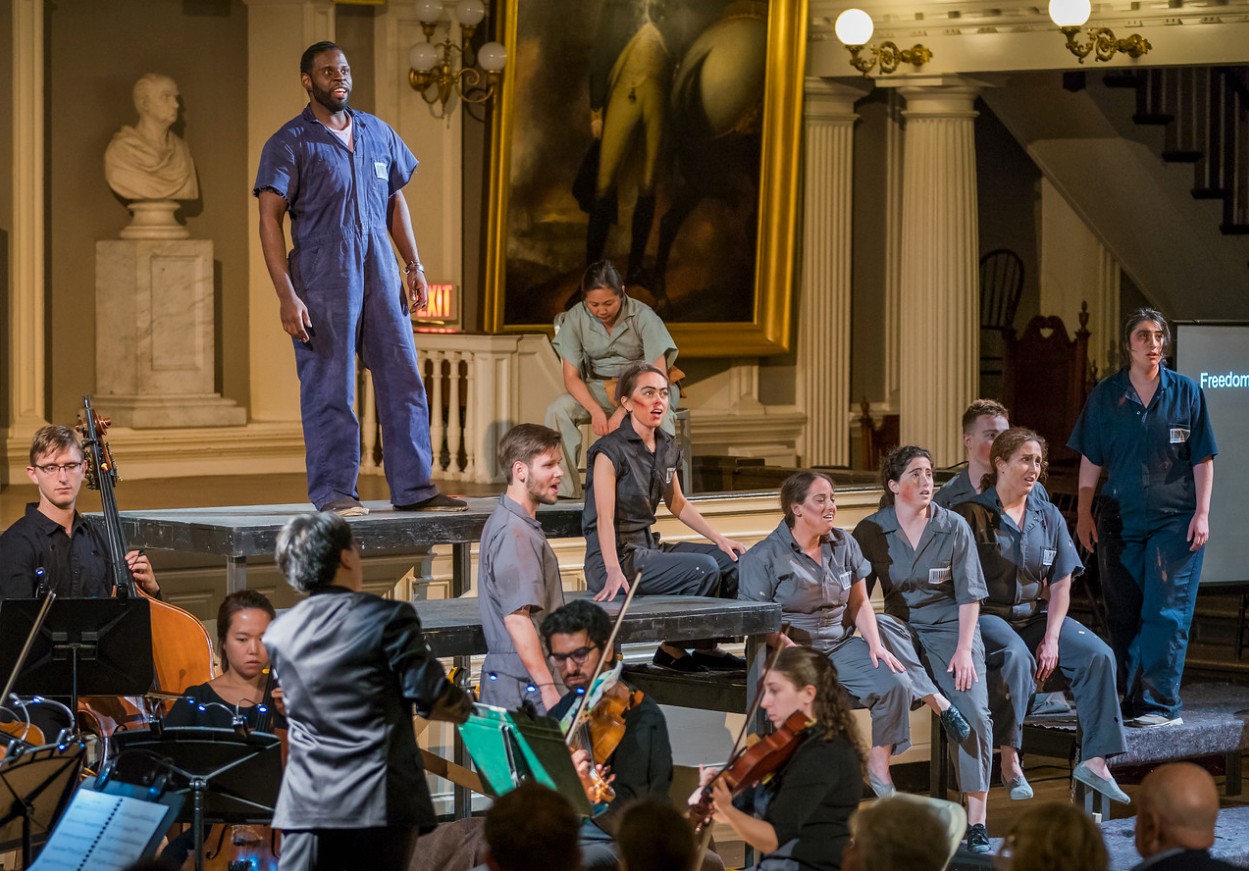
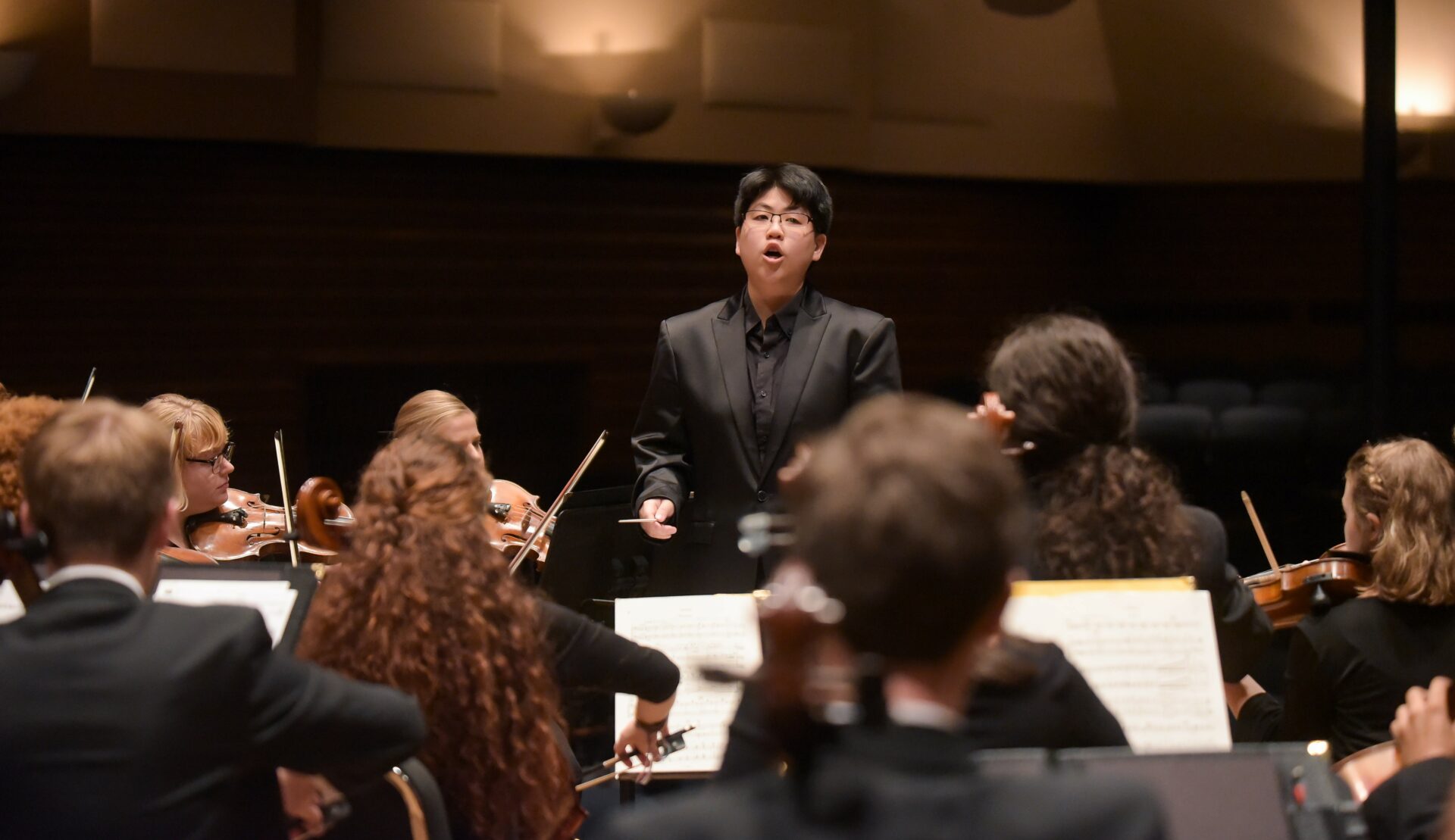
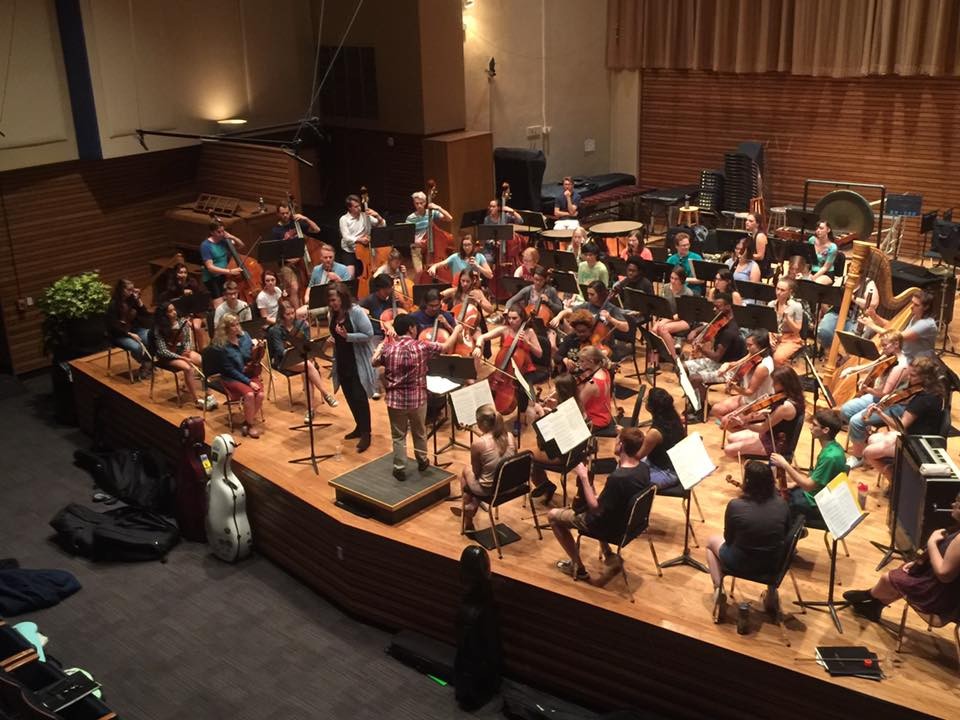
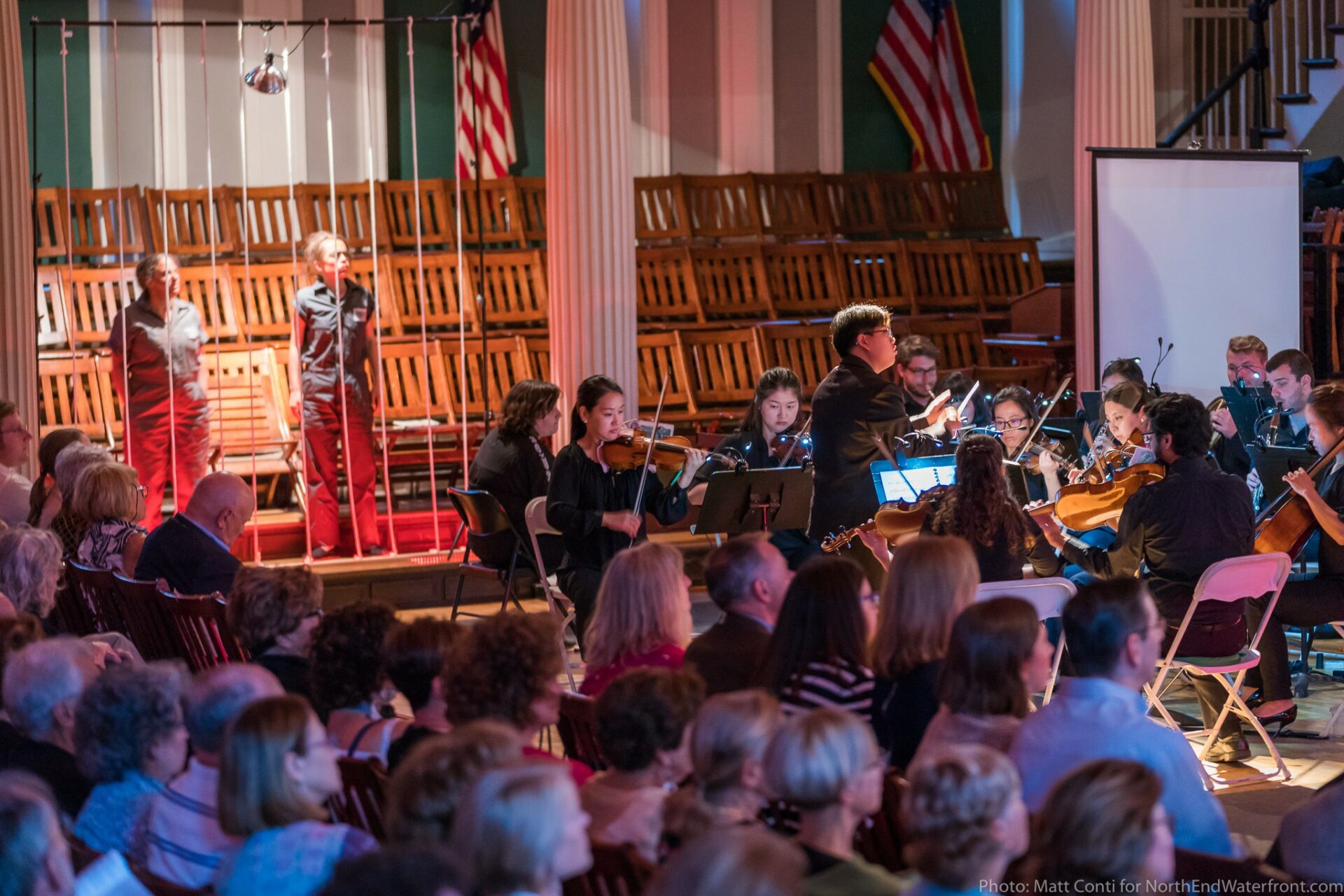
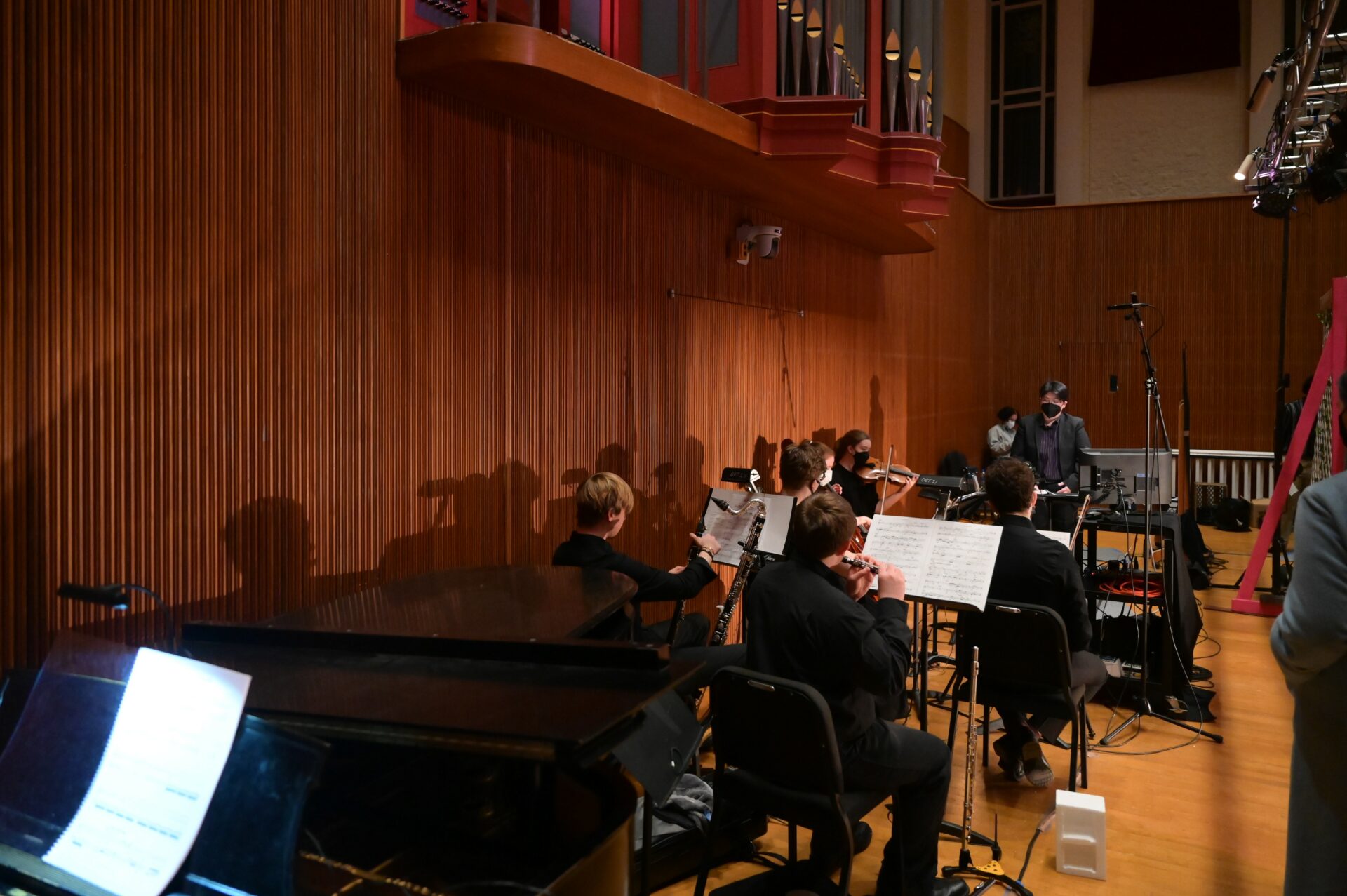
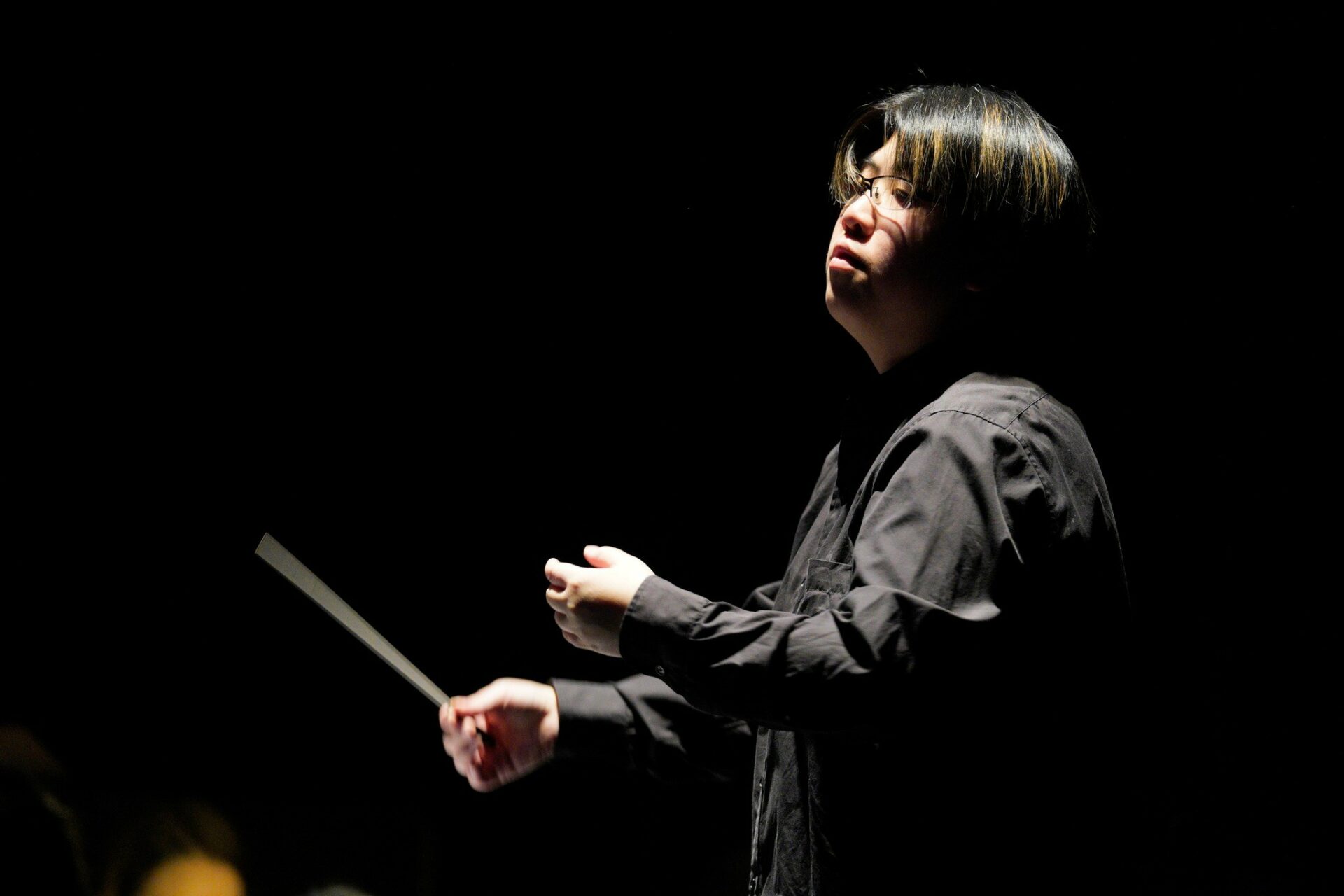
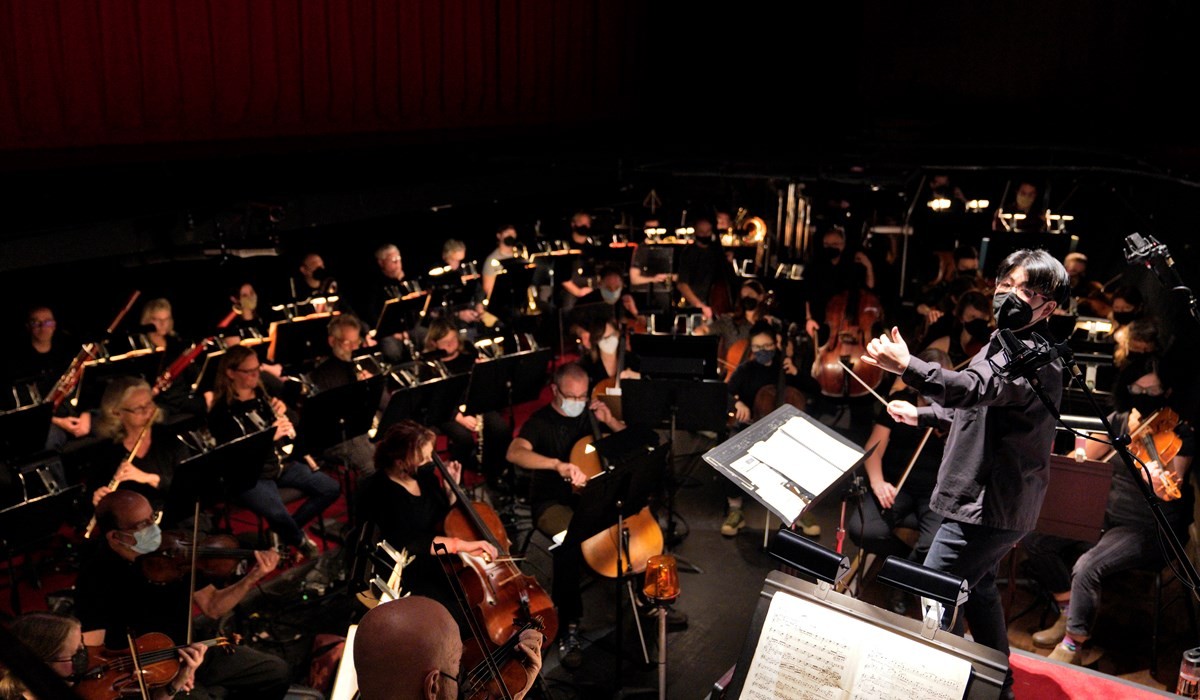
Image Credits
Tanya Rosen-Jones, Corey Weaver, Yevhen Gulenko, Matt Conti