We were lucky to catch up with Tim Calandrello recently and have shared our conversation below.
Hi Tim, so happy to have you on the platform with us today and excited to chat about your lessons and insights. Our ability to make good decisions can massively impact our lives, careers and relationships and so it would be very helpful to hear about how you built your decision-making skills.
I developed my decision-making skills in film editing rooms.
For over two decades I’ve worked in Hollywood as a producer, director, writer and editor on documentaries, series, trailers, and commercials alongside some of the biggest names in film, music, sports and global brands. In documentary especially, you learn very quickly that story isn’t something you capture… it’s something you shape. That’s why I was drawn to that area of the filmmaking and media business more than any other.
Every day in an edit bay is a series of decisions. What stays. What goes. What breathes. What holds silence. What shifts tone. This is especially true in a documentary film where the editor often becomes the writer because those projects hardly ever begin with a written script. The script develops as you edit the pieces with every single decision that is made through your cuts. There’s even something in film called an Edit Decision List (EDL) – a record of every choice you’ve made during the creation of the film that ultimately becomes the final story. The images, the dialogue, the sound effects, the music, the animations, titles, graphics and more are all decided upon in those edit bays. Thousands and thousands of cut decisions end up dictating everything from pace, to style, to tone, to emotion. You quickly realize that what you choose to emphasize will impact people in all sorts of different ways, and in documentary works, there is also a huge responsibility to stay true to the story without casting your own opinions onto the piece while simultaneously crafting an intriguing film that captures the attention of the largest audience possible.
But here’s what that process really taught me: you can’t control how someone will feel. You can only create something honest and layered enough that ensures they will feel something.
Over time, I began to see that decision-making wasn’t about control… it was about navigating people through vast worlds. It was about honoring complexity of subjects and topics without sensationalizing or deflating them. Protecting nuance. Framing story without dictating meaning.
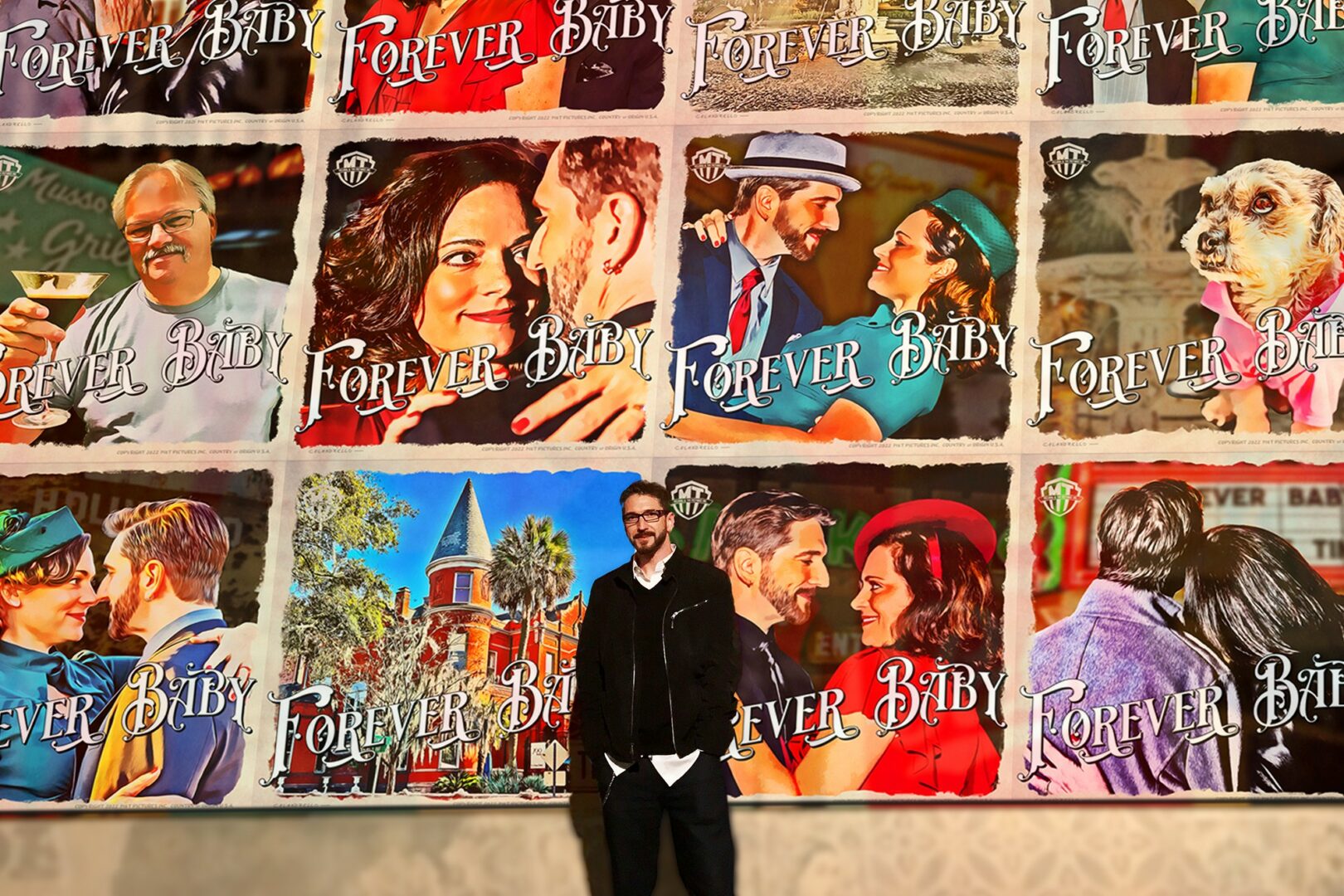
That philosophy eventually evolved into FOREVER BABY ART.
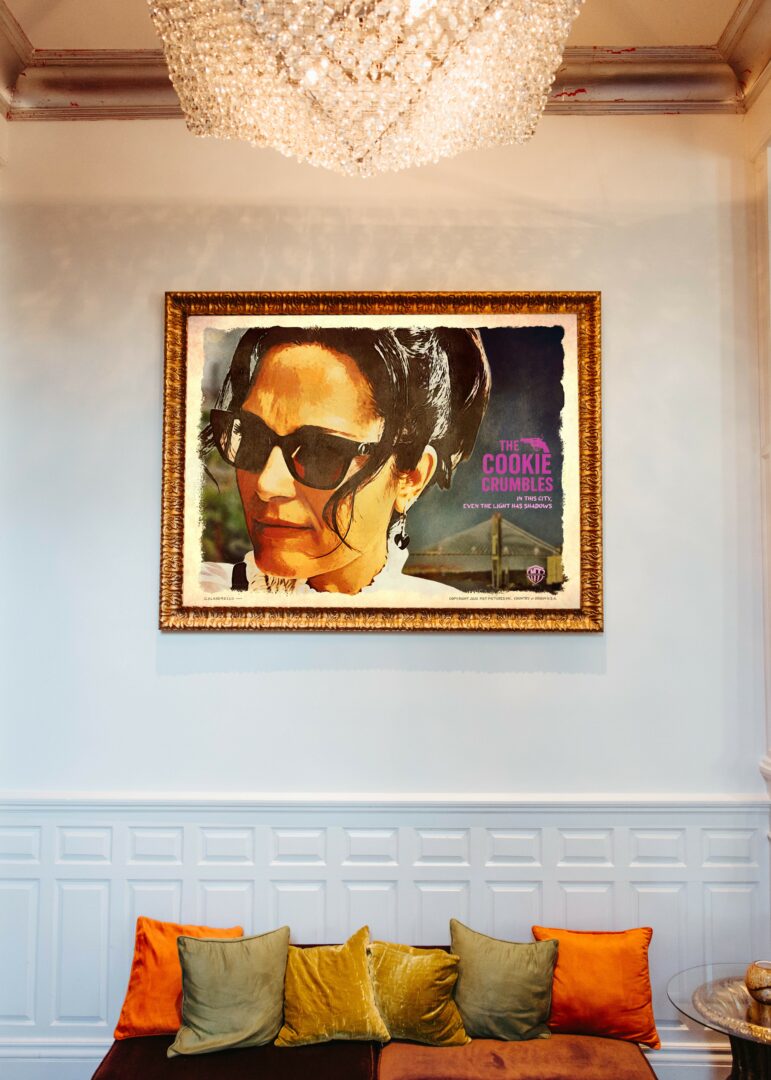
Instead of shaping a 90-minute film, I now distill a person’s story into a single cinematic frame that is reminiscent of the classic hand-drawn movie posters from Hollywood’s Golden Age. The same instincts apply… tone, symbolism, atmosphere, restraint; but the subject is deeply personal. My job isn’t to tell someone how to feel about their life or their dream or their memory. It’s to create something layered enough that they can’t help but have a deeply emotional reaction – whatever that reaction may be.
To me, that’s the highest form of storytelling. You are already the star of your own classic film. Your story is already cinema. I just frame it for you in a figurative and literal sense.
Appreciate the insights and wisdom. Before we dig deeper and ask you about the skills that matter and more, maybe you can tell our readers about yourself?
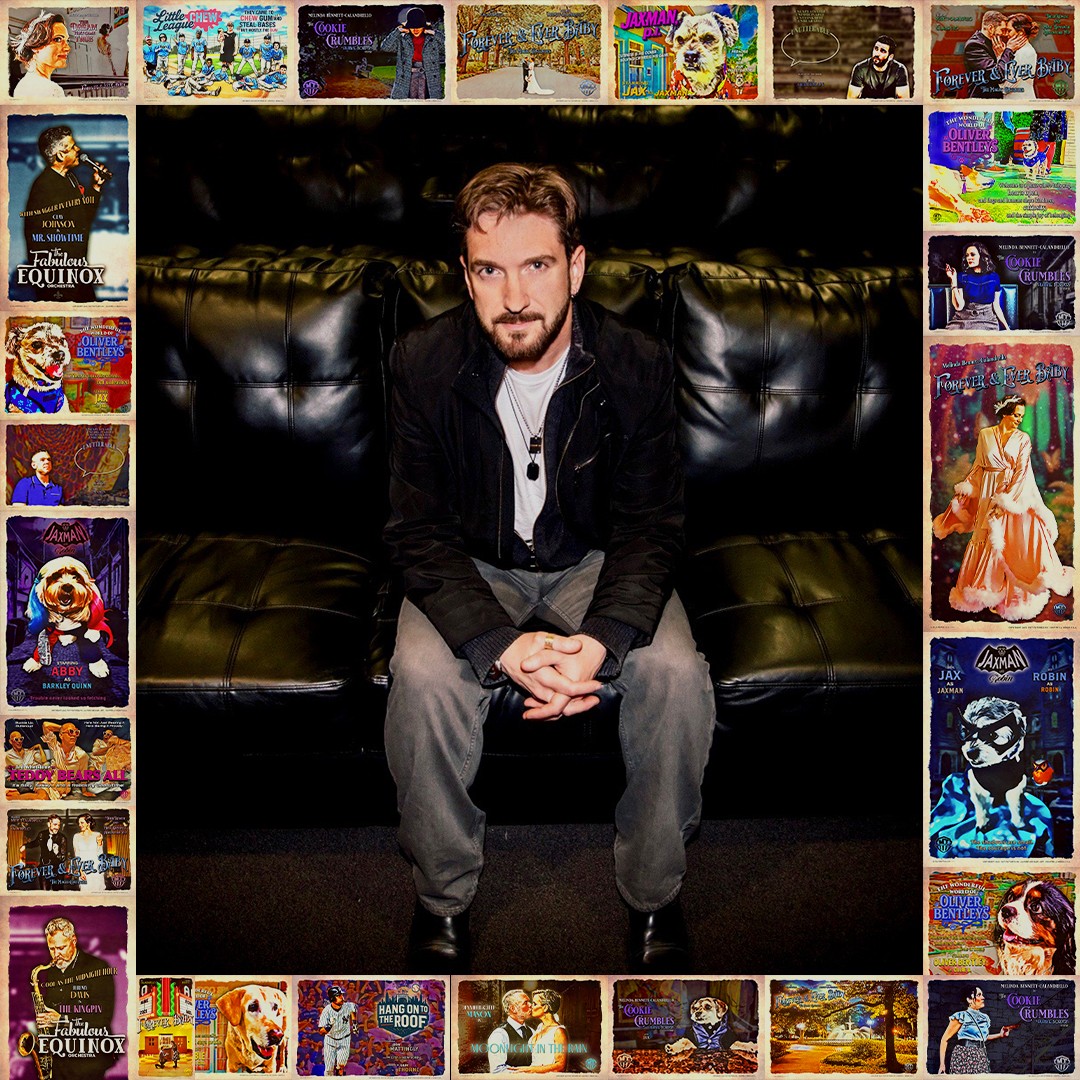
FOREVER BABY ART is where my lifelong love of cinema and visual storytelling converge into something deeply personal. After spending decades shaping films in editing rooms – making thousands of decisions that help an audience feel something – I became fascinated with the power of a single image. A movie poster can suggest an entire universe in one frame. It doesn’t show you the whole story; it invites you to imagine it.
That idea stayed with me.
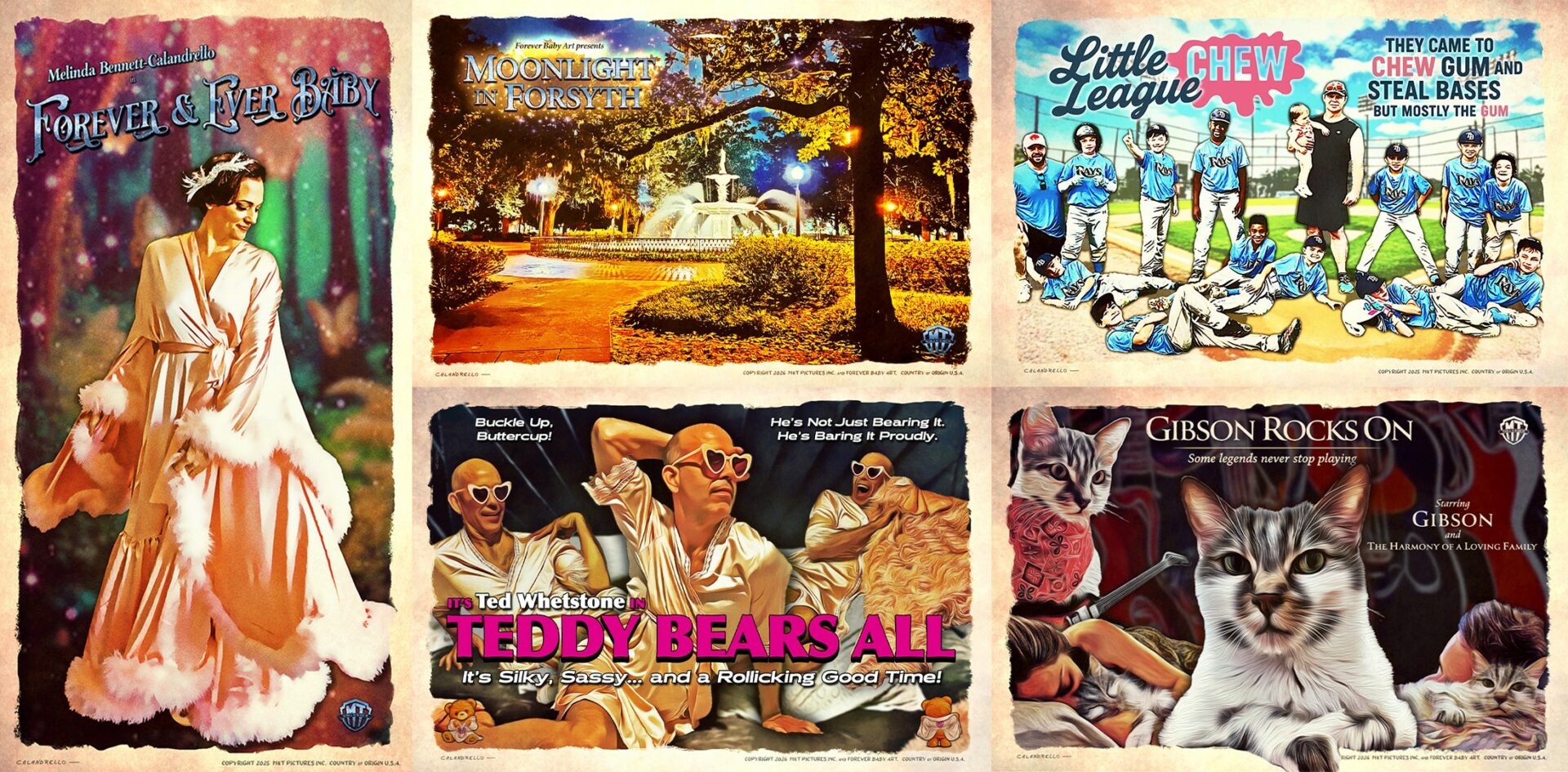
With FOREVER BABY ART, I create cinematic poster-style artwork for stories that exist in the hearts of real people… a wedding day, a beloved rescue dog, a family memory, a moment that changed everything. Alongside the art, I also include a fully written cinematic narrative, crafted the way I would write a scene in one of my films – focused on emotion, meaning and the moment that matters most. The film may not have been shot with cameras and crews, but it absolutely exists in the imagination of the person who lived it. And if it exists there… it’s real.
What excites me most is that these pieces aren’t simply portraits or poster art. They’re myth-making. Each piece reframes someone’s life as epic, nostalgic, mysterious, or heroic – however it needs to be seen. The viewer completes the story. They bring their own emotion, memory, and meaning to the frame. You are the star of your own story. Your moments are the movie and your story is the art.
In many ways, this work feels like a distillation of everything I’ve done before. Instead of spending years bringing one story to life on screen, I can capture the essence of a story in a single image; a moment that suggests a beginning, middle, and end all at once. It allows me to explore genres, tone, and atmosphere the way filmmaking always did, but in a more intimate and immediate way.
Right now, the brand is expanding thoughtfully. In addition to creating commissioned pieces for a variety of clients, I’m developing themed series, limited collections, and exploring ways to collaborate with organizations that align with the emotional heart of the work – including rescue and adoption communities. The goal isn’t volume; it’s resonance. Each piece should feel like it belongs to the person who inspired it.
I’m also exploring ways to bring these cinematic narratives beyond the frame – transforming weddings, special events, and even business environments into immersive storytelling experiences.
A wedding reception can become the premiere of a couple’s own film, surrounding them with artwork that reflects their love story, the people who shaped it, the legacy they’re building, and the future they’re stepping into together.
A workspace can be reimagined as a thematic visual universe – a series of cinematic frames that express a company’s identity and mission, one poster at a time.
At its core, FOREVER BABY ART is about giving people – and brands – permission to see themselves as the hero of their own story, and to frame their lives with the same drama, beauty, and intention we usually reserve for the big screen.
There is so much advice out there about all the different skills and qualities folks need to develop in order to succeed in today’s highly competitive environment and often it can feel overwhelming. So, if we had to break it down to just the three that matter most, which three skills or qualities would you focus on?
First, learning how to make something emotionally resonate.
Whether it’s a film or a single image, I’ve always been interested in creating work that feels like an experience. A story shouldn’t sit in front of you like an object – it should pull you in. Over time, I learned how to shape moments so they connect emotionally instead of just visually.
Second, attention to detail – especially the small details that say big things.
In film, sometimes it’s a glance, a pause, on off-the-cuff remark, or a subtle movement that reveals more about a character than an entire monologue. I became obsessed with those moments. The same applies to my artwork. A small background element, a shift in lighting, a texture choice… those “easter eggs” can elevate something from beautiful to meaningful. Capturing that kind of depth in a single image is challenging, but when it works, it’s incredibly satisfying.
Third, learning how to truly listen and read between the lines.
Everyone is the hero of their own story… and sometimes the villain too. People are complicated. When someone shares a memory or tells you about their life, it often comes with redactions, embellishments, or emotions they don’t fully articulate. To create work that resonates, you have to hear what they’re really saying – even if they’re not saying it clearly. I don’t want my work to feel surface-level. I want it to reflect something deeper, sometimes even something the person didn’t expect to see in themselves.
As for advice… master your craft, pay attention and be willing to take educated creative risks. Emotional work requires courage – you have to commit to choices that might not be obvious but feel true. I’m still early in this chapter of my own journey, so I try to take that advice myself. And I’m always open to learning from anyone who’s further along their path.
Looking back over the past 12 months or so, what do you think has been your biggest area of improvement or growth?
Over the past 12 months, my biggest area of growth has been internal rather than external.
For most of my life, I was intensely focused on making the next project better than the last. I was always trying to one-up myself – to refine, improve, push harder. That mindset served me well for a long time. It helped me build skills and discipline. But eventually I reached a point where I felt personally satisfied with what I had achieved in that chapter.
And that realization forced a bigger question: Who am I beyond the work?
In the last year, my wife and I made significant changes – a new home, a new direction, new creative paths. But more importantly, I began stepping back and taking an honest look at myself. Almost like researching a film about my own life. I started identifying the strengths that have carried me this far, and asking how to elevate them. I also had to confront habits and patterns that no longer served me. My incredible wife has been both instrumental and an inspiration to my growth in this area of my life that I neglected for a very long time.
That kind of reflection isn’t glamorous. It’s quiet work. It’s learning how to respond differently when things don’t go your way. It’s practicing steadiness on difficult days. It’s removing internal blockages instead of just powering through them.
I’ve done more of that kind of self-examination in the past year than I did in the previous thirty. And it’s changed how I create. I feel clearer. Lighter. More open to possibility.
I’m still at the beginning of this chapter. There’s a lot left to learn. But instead of chasing the next accomplishment, I’m building something more aligned – creatively and personally. That alignment is what excites me most.
I think that energy carries into FOREVER BABY ART. When you do the work to understand yourself more honestly, you become better at helping others see themselves more clearly too.
Contact Info:
- Website: https://ForeverBabyArt.com
- Instagram: https://www.instagram.com/foreverbabyart/
- Facebook: https://www.facebook.com/ForeverBabyArt
- Other: https://ForeverBabyArt.love
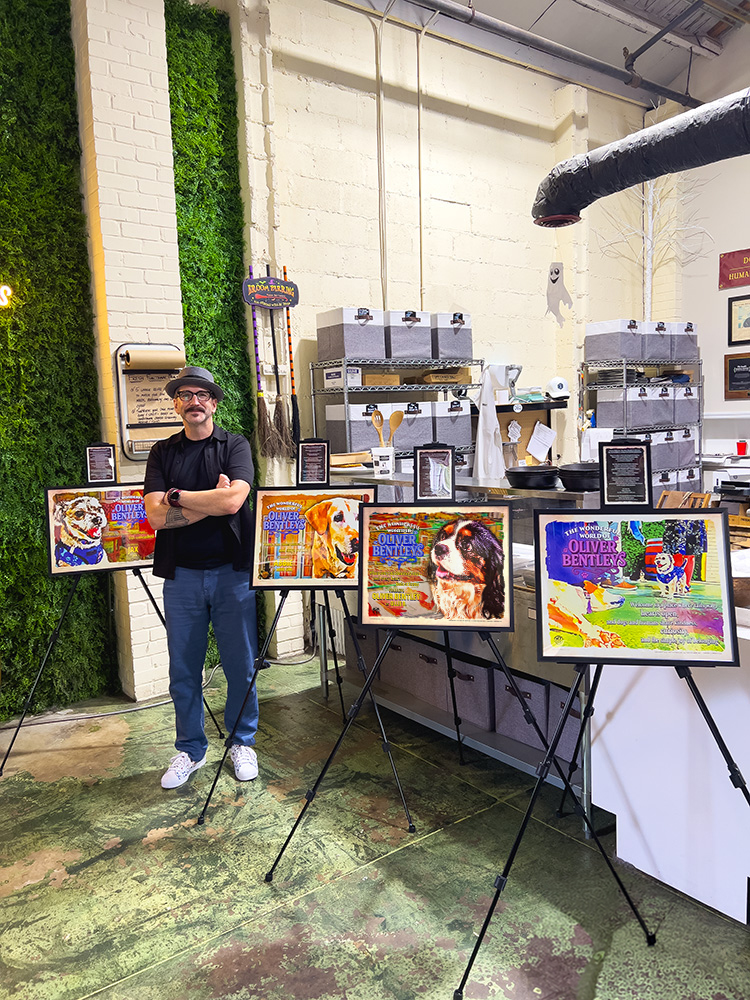
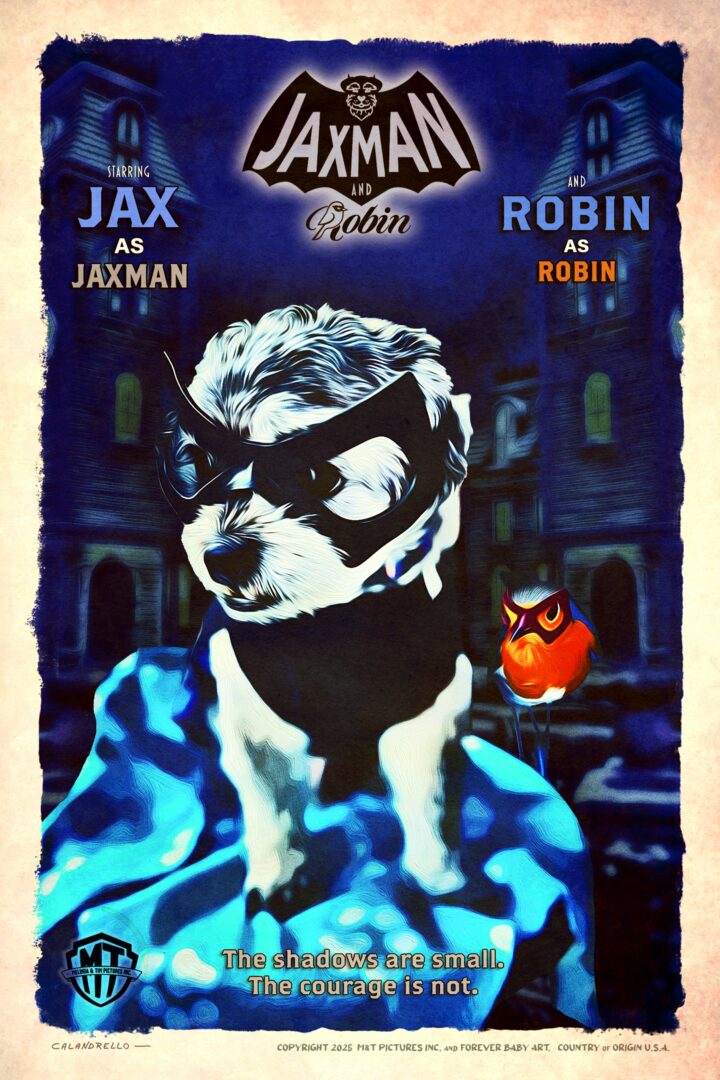
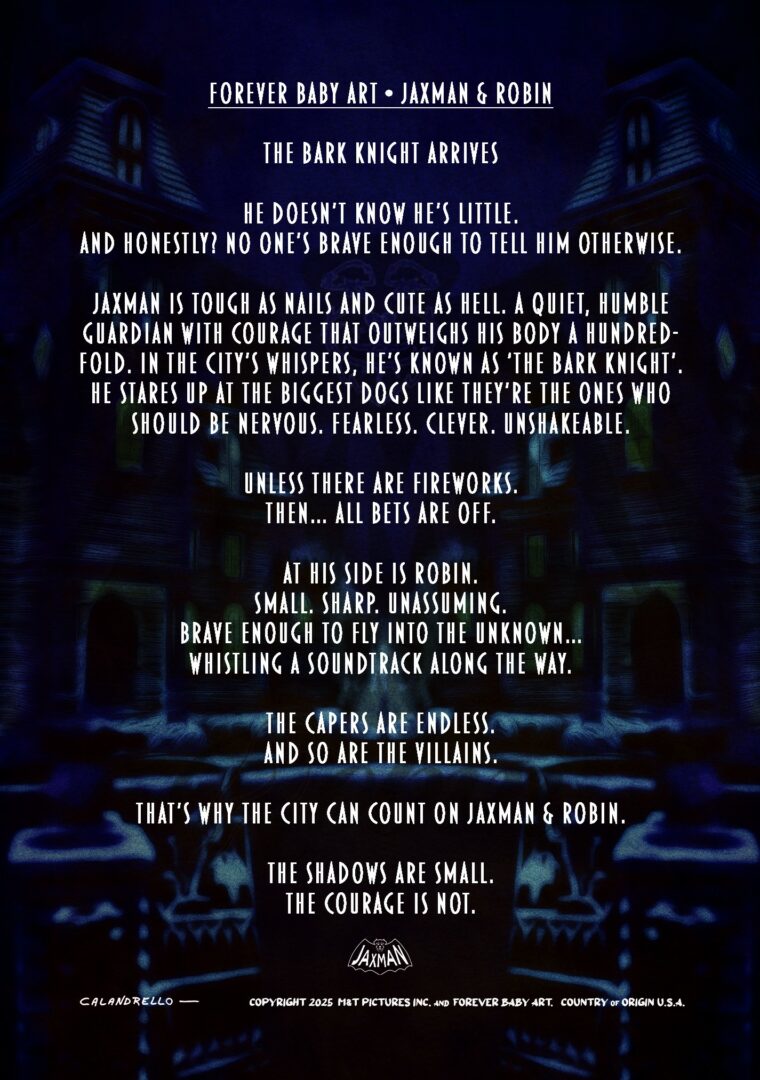
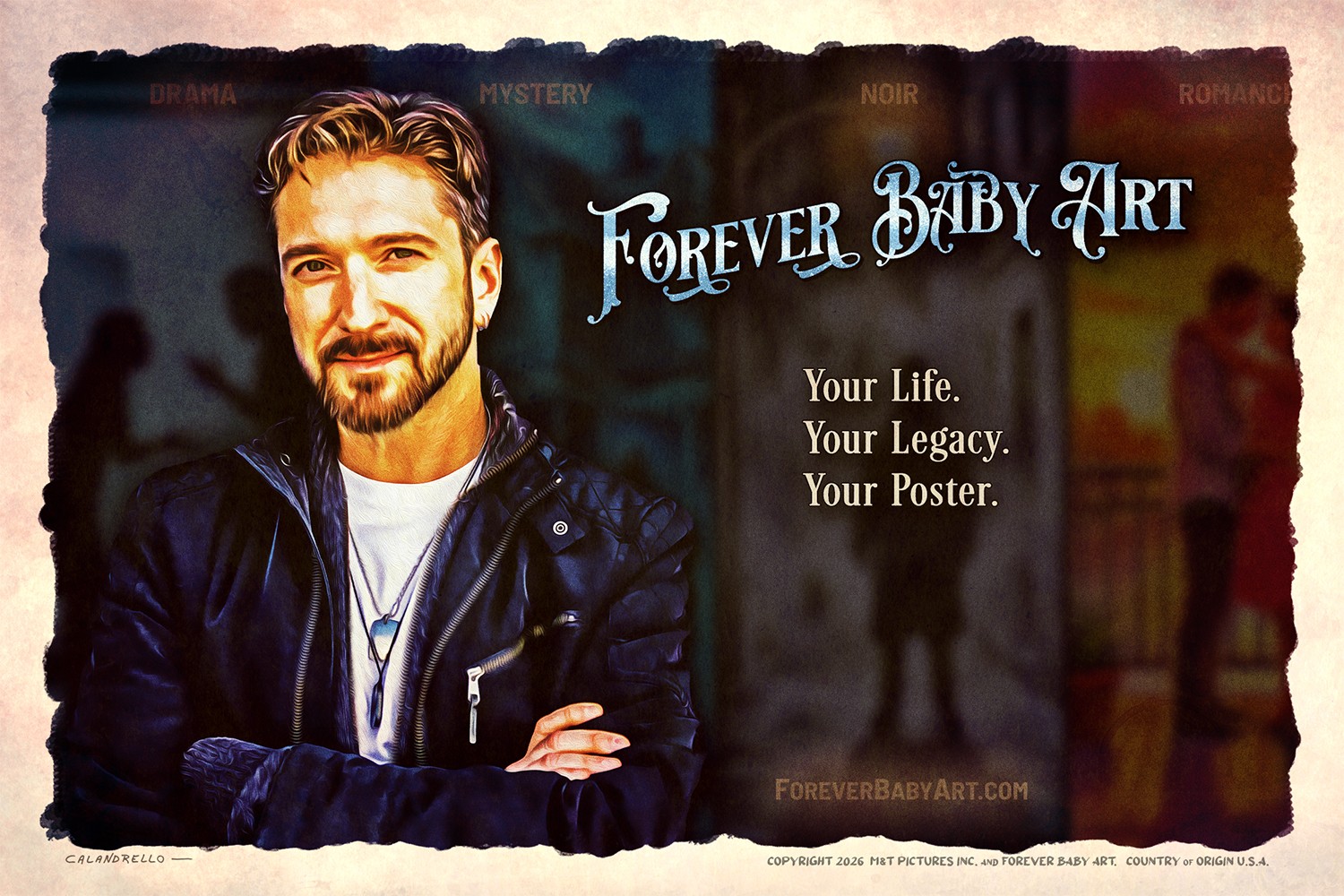
Image Credits
Photo/Art Credits: Tim Calandrello
so if you or someone you know deserves recognition please let us know here.