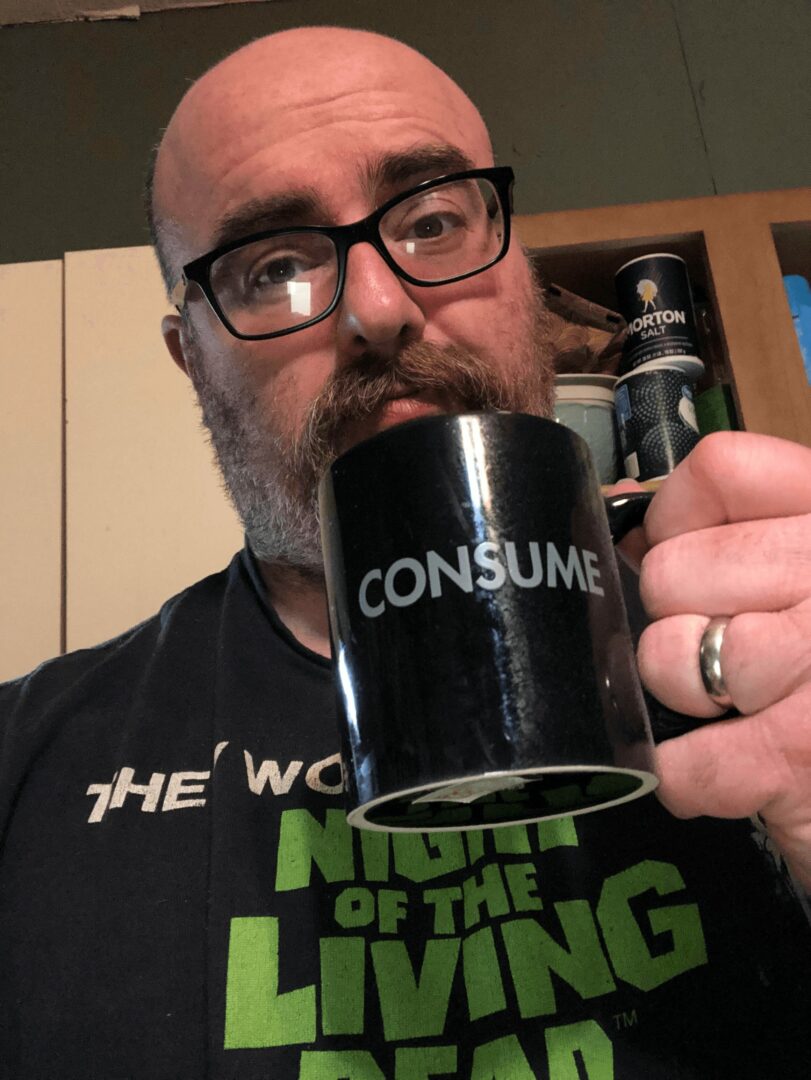
We’re excited to introduce you to the always interesting and insightful Tim Murr. We hope you’ll enjoy our conversation with Tim below.
Tim, so good to have you with us today. We’ve always been impressed with folks who have a very clear sense of purpose and so maybe we can jump right in and talk about how you found your purpose?
I grew up moving around a lot and I never had many friends. I was a monster kid and loved comic books and reading. When I was in second grade, I read Robert Louis Stephenson’s Treasure Island, and I knew then the only thing I wanted to be was a writer. I became an avid reader and kept drifting towards the darker stuff and getting more and more into horror. I started reading Stephen King in fifth grade, and from then I went from wanting to be a writer to wanting to be a horror writer, and I started immersing myself in magazines like Fangoria and Gore Zone and haunting my local video stores’ horror movie sections.
I knew I was different from the other kids in the trailer parks and low rent housing I was growing up around, especially as I got older and started exploring the worlds of art and music. At the end of the day, books and punk rock saved me and gave me a purpose and a place in the world.
Thanks, so before we move on maybe you can share a bit more about yourself?
I started my own publishing imprint in 1996 and released my first book. I took a cue from punk bands like Black Flag, who started their own independent music label and released their own albums as well as those of several other bands. I admired the subversive nature of underground art that existed in spite of commercial success. I wanted my Sidekick Productions to carry those values of art over profit, zero compromise, and being anti-trend. It only lasted two years, because I moved from Knoxville to Boston, where I tried launching a new imprint, Desperate Angels Press, but it wasn’t until I moved to Chapel Hill and launched St Rooster Books with my wife, in 2010, that I felt like I really hit my stride.
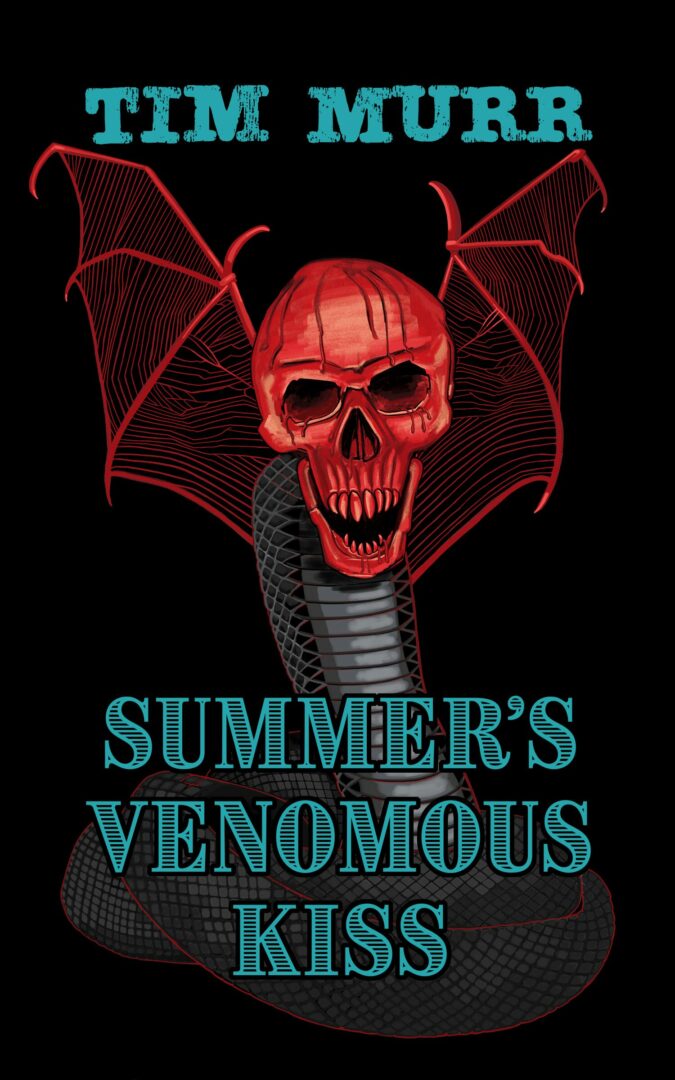
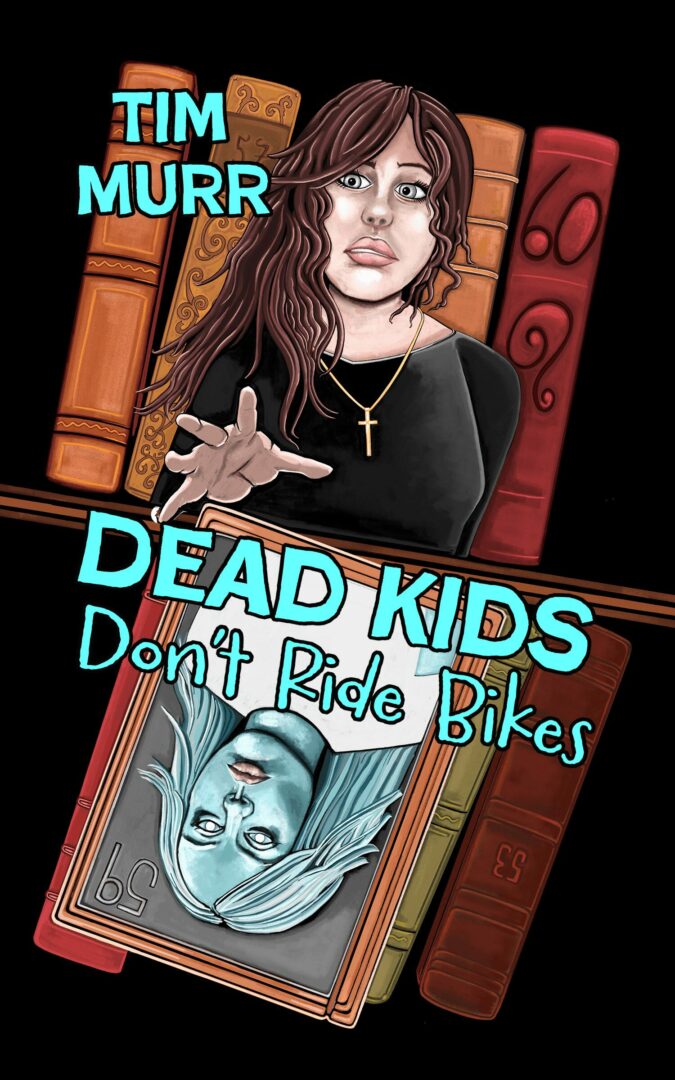
St Rooster Books is dedicated to literary fiction quality genre fiction-horror, sci-fi, transgressive, experimental, but also nonfiction dedicated to music and film. We’ve put out over fifty books from a handful of authors, which over fourteen years isn’t very many, but it was important to me to work with a small number of authors and only put out work that I was passionate about, rather than what I expected to sell well. My wife, Stephanie, and I do everything in-house, from the editing, formatting, cover art, and promotion, and we never hire out, that way we can maintain a purity of vision, which is far more important to me than winning an industry award.
Looking back, what do you think were the three qualities, skills, or areas of knowledge that were most impactful in your journey? What advice do you have for folks who are early in their journey in terms of how they can best develop or improve on these?
I think that after 28 years in indie publishing, the three most important things to have are patience, kindness, and perseverance. I’ve seen a great number of very talented people lacking one or all three of these things, and I don’t care how talented you are, if you are not patient, don’t try to be a professional writer or self-publish and cut other people out of the equation. Nothing moves fast in this gig especially if you are waiting on other people. If you are unkind, I don’t want to know you, much less work with you. And perseverance, look-this is a hard gig. You have so much competition, including plagiarists, AI, and terrible people with good connections. You want to get anywhere, you have to put the work in. You can’t half ass anything. And no matter how hard you work, there is no guarantee you’ll make enough money to buy a Happy Meal. You have to want this in your heart and soul and be willing to do it even if the only person buying your books, is your dad. Writing is like any other art form; you’re driven to do it by an unstoppable power from within. You want to make a lot of money and have a bunch of friends, go do something else. You can count the number of Stephen King’s on one hand and have four fingers left. You still want to try against those odds? Right on, lets go!
Before we go, any advice you can share with people who are feeling overwhelmed?
I feel overwhelmed constantly. It’s practically my default setting. I grew up in a working poor family and I’ve been on my own since I was 16. I don’t think I’ve ever not felt desperate. My only strategy for dealing with it is to put my head down and work. When it feels like the world is falling apart around me, I have to put myself into a project, not to ignore the problem, because the problem still has to be solved, and no one is going to do that for me, but to center my mind and gain a clarity of vision, so I don’t drown in depression and stress.
Contact Info:
- Website: https://buzzandhowlbooks.bigcartel.com/
- Instagram: https://www.instagram.com/strangerwithfriction/
- Facebook: https://www.facebook.com/tim.murr1/
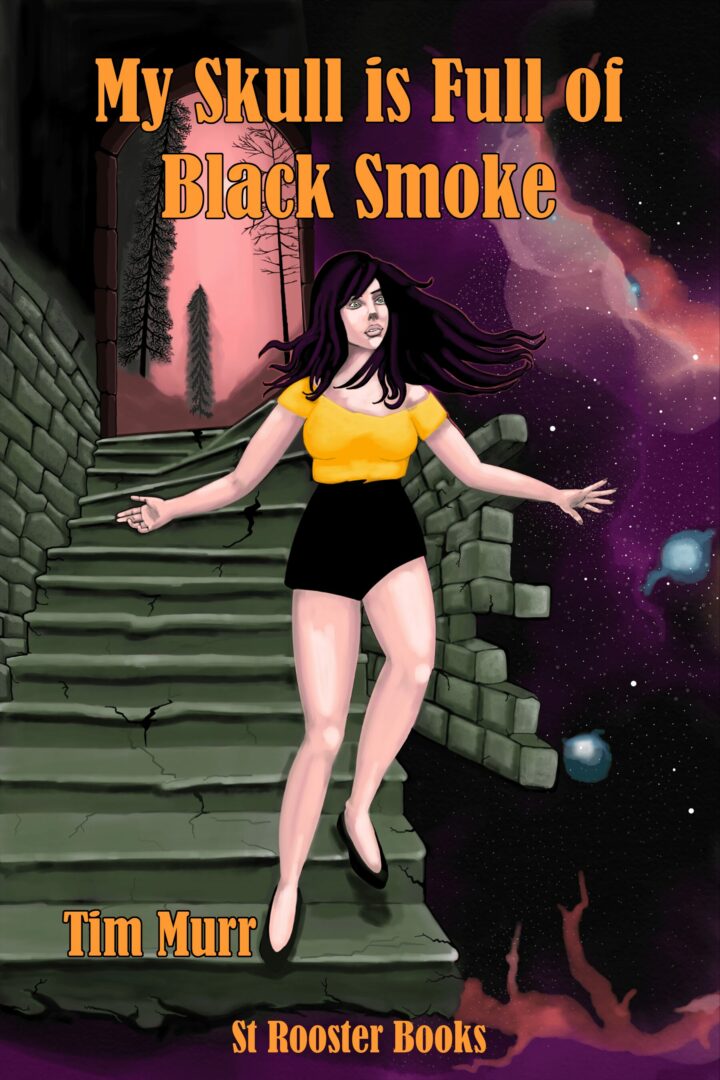
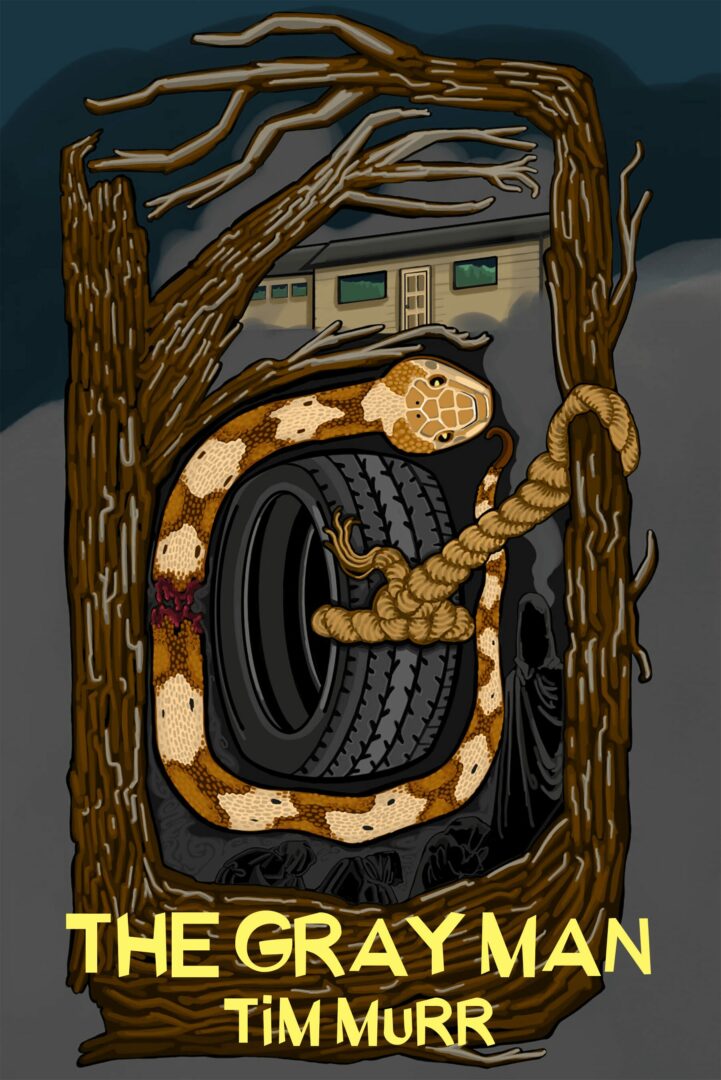
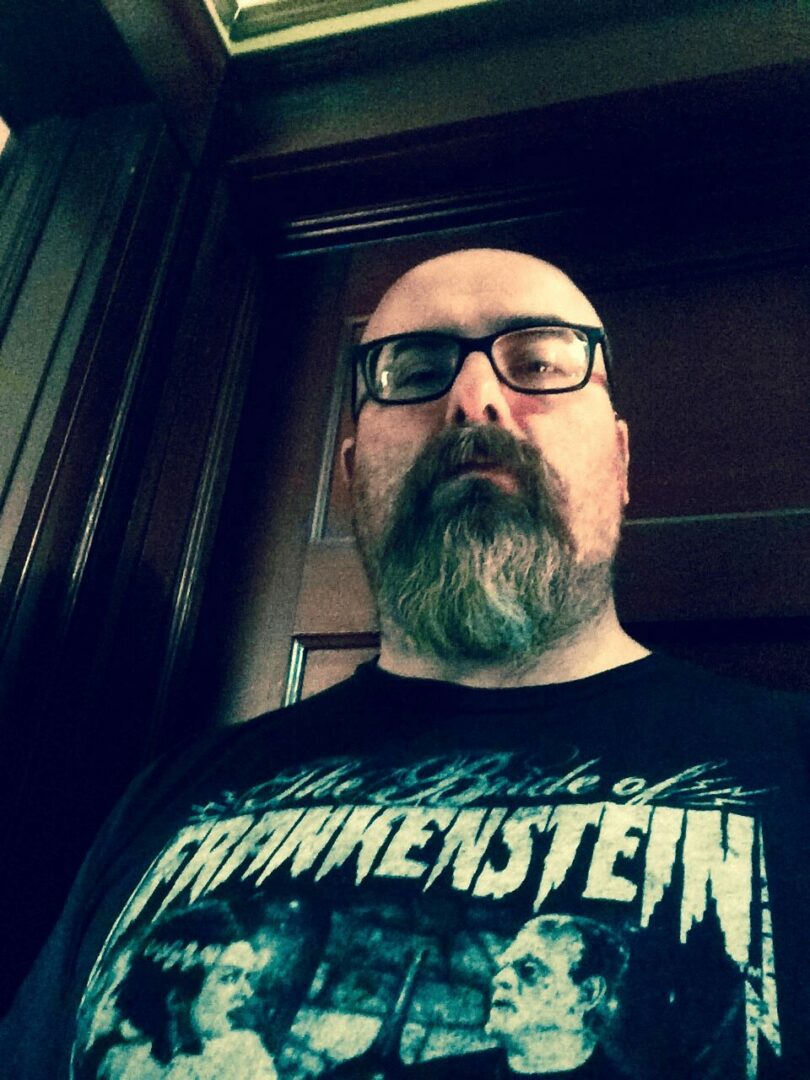
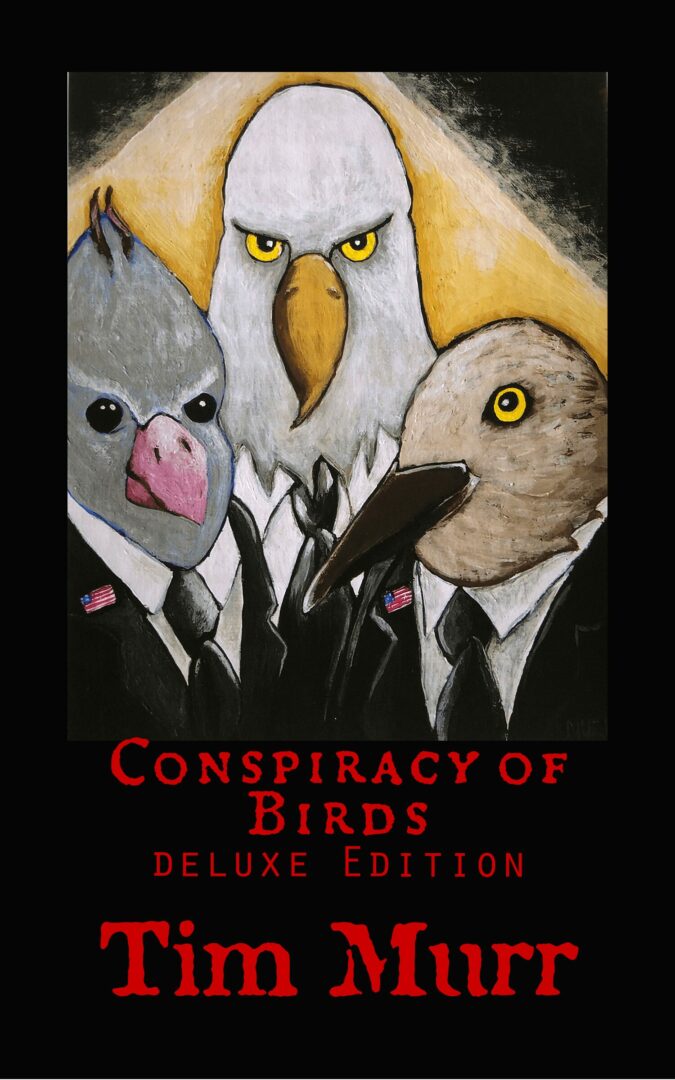
Image Credits
All artwork by Stephanie Murr, St Rooster Logo by Niko Murr, pics by Tim Murr
so if you or someone you know deserves recognition please let us know here.